Banksy Shreds His $1.4 Million Painting at Auction, Taking a Tradition of Artists Destroying Art to New Heights

The first time van­dals defaced his sculp­ture, Dirty Cor­ner, at Ver­sailles, artist Anish Kapoor wrote an essay in which he con­sid­ered his options:

Should the paint that has been thrown all over the sculp­ture be removed? Or should it remain and be part of the work? Does the polit­i­cal vio­lence of the van­dal­ism make Dirty Cor­ner “dirt­i­er”? Does this dirty polit­i­cal act reflect the dirty pol­i­tics of exclu­sion, mar­gin­al­i­sa­tion, elit­ism, racism, Islam­o­pho­bia?

The ques­tion I ask of myself is: can I, the artist, trans­form this crass act of polit­i­cal van­dal­ism and vio­lence into a cre­ative act? Would this not be the best revenge?

Some­times artists are the ones behind the van­dal­ism.

Ai Wei­wei starred in a 1995 black-and-white pho­to trip­tych that doc­u­ments his inten­tion­al destruc­tion of a Han Dynasty urn from his pri­vate col­lec­tion.

Broth­ers Jake and Dinos Chap­man pur­chased a mint con­di­tion set of Goya’s The Dis­as­ters of War, painstak­ing­ly re-ren­dered the vic­tims’ heads as grotesque­ly cute, col­or­ful car­toons, and exhib­it­ed the altered etch­ings under the title Insult to Injury.

Robert Rauschen­berg sought and received per­mis­sion to erase a draw­ing that his fel­low Abstract Expres­sion­ist Willem de Koon­ing had giv­en him, at his request.

Cer­tain­ly, artists of all stripes have been known to erad­i­cate their own work in fits of pique, pas­sion, and self-reproach.

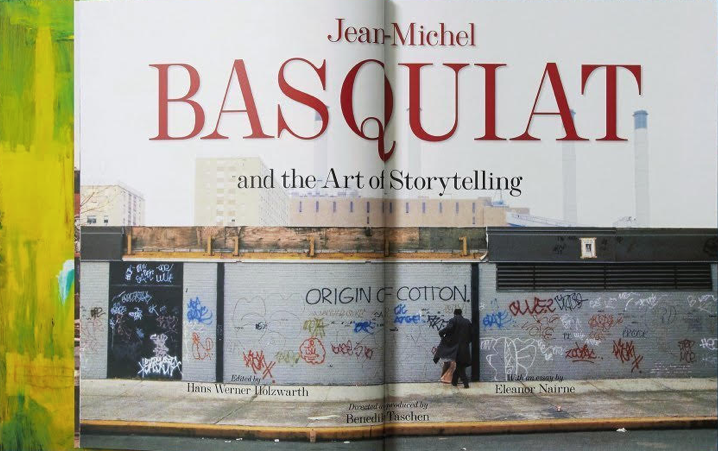
But until last week, no artist had ever van­dal­ized their own work with such a dis­pas­sion­ate, pre-med­i­tat­ed sense of fun as Banksy, the anony­mous clown prince of street art and mas­sive scale pranks.

As you’ve like­ly heard by now, with­in sec­onds of his icon­ic Girl With Bal­loon (2006) sell­ing at Sotheby’s for £1,042,000—$1.4 million—the paint­ing began to self-destruct, thanks to a cus­tom-built shred­der the artist had pre-loaded into its frame.

No one seemed par­tic­u­lar­ly dis­tressed about it.

Auc­tion atten­dees quick­ly scram­bled to cap­ture the moment with their cell phones.

Auc­tion­eer Oliv­er Bark­er looks on in admirably mild con­fu­sion.

No self-appoint­ed hero rushed for­ward to jam the works with an umbrel­la or broom han­dle.

The as-yet-uniden­ti­fied buy­er was not in the room, no doubt to their ever-last­ing regret. Imag­ine los­ing out on those brag­ging rights!

While Sotheby’s and the buy­er ham­mer out their unprece­dent­ed next steps, some art experts have stat­ed that it would be pos­si­ble, giv­en the clean geom­e­try of the cuts, to restore the can­vas.

Though who would want to, giv­en the spec­u­la­tion that this stunt imme­di­ate­ly increased the val­ue of the work, any­where from 50% to near dou­ble the pur­chase price?

Per­haps the buy­er will choose to fin­ish the job and sell it off strip-by-strip.

Office sup­ply stores will see an uptick in shred­der sales to ven­dors sell­ing Banksy knock-offs sten­cilled on sub­way maps.

Sotheby’s senior direc­tor, Alex Branczik, insist­ed that no one there was in on the joke, but The New York Times smells a rat:

The frame would pre­sum­ably have been rather heavy and thick for its size, some­thing an auc­tion house spe­cial­ist or art han­dler might have noticed. Detailed con­di­tion reports are rou­tine­ly request­ed by the would-be buy­ers of high-val­ue art­works. Unusu­al­ly, this rel­a­tive­ly small Banksy had been hung on a wall, rather than placed by porters on a podi­um for the moment of sale. 

The fact that Girl with Bal­loon was the final item on the block is either a great piece of luck, or a bit of can­ny stage man­age­ment on the auc­tion house’s part. Recap­tur­ing the atten­dees’ atten­tion after that stunt would be an uphill bat­tle.

It’s doubt­ful that buy­ers will shy away from Sotheby’s as a place where high­ly val­ued art­work starts to devour itself the moment the gav­el comes down. That kind of light­ning strikes but once.

What may cir­cle back to bite the ven­er­a­ble firm in its well padded rear is the ease with which some­one in the crowd was able to acti­vate the may­hem, using a device con­cealed in his bag. What’s worse, lax secu­ri­ty or maybe lying about fore­knowl­edge of the prank? It’s hard not to raise those as pos­si­bil­i­ties.

The man with the bag was escort­ed out. Not even the con­spir­a­cy the­o­rists are peg­ging him as Banksy.

As for the steady-hand­ed fel­low anoth­er attendee caught calm­ly zoom­ing in on his phone from the per­fect angle… well, let’s just say the tabloids have picked up on his resem­blance to Robin Gun­ning­ham, oft thought to be Clark Kent to Banksy’s Super­man.

Banksy’s post-mortem, unlike Kapoor’s, does not sug­gest a man tor­tured by unre­solved ques­tions.

“A few years ago I secret­ly built a shred­der into a paint­ing, in case it was ever put up for auc­tion,” he wrote on his Insta­gram. “Going, going, gone.”

Relat­ed Con­tent:

When Robert Rauschen­berg Asked Willem De Koon­ing for One of His Paint­ings … So That He Could Erase It

Watch Dis­ma­land — The Offi­cial Unof­fi­cial Film, A Cin­e­mat­ic Jour­ney Through Banksy’s Apoc­a­lyp­tic Theme Park

Pat­ti Smith Presents Top Web­by Award to Banksy; He Accepts with Self-Mock­ing Video

Ayun Hal­l­i­day is an author, illus­tra­tor, the­ater mak­er and Chief Pri­ma­tol­o­gist of the East Vil­lage Inky zine.  Join her in NYC on Mon­day, Octo­ber 15 for anoth­er month­ly install­ment of her book-based vari­ety show, Necro­mancers of the Pub­lic Domain. Fol­low her @AyunHalliday.

Was Jackson Pollock Overrated? Behind Every Artist There’s an Art Critic, and Behind Pollock There Was Clement Greenberg

Abstract expres­sion­ist Jack­son Pol­lock is one of the few painters whose work is eas­i­ly iden­ti­fied by peo­ple who don’t care much for mod­ern art.

More often than not, they’ll cite him as a prime rea­son they don’t want to spend a sun­ny Sat­ur­day at MoMA with you.

They’re enti­tled to their opin­ions, just as author Phil Edwards, host of the Vox series Over­rat­ed and a Pol­lock fan, is enti­tled to his.

In the most recent episode of Over­rat­ed, above, Edwards exam­ines the dri­ving force behind Pollock’s endur­ing fame.

His con­clu­sion?

The mus­cu­lar sup­port of a high­ly influ­en­tial art crit­ic, Clement Green­berg, who was chum­my enough with Pol­lock and his wife, Lee Kras­ner, to frol­ic with them in the Hamp­tons.

(Jef­frey Tam­bor appeared to have a ball play­ing him in Ed Har­ris’ Pol­lock biopic.)

Green­berg said one glimpse of Pollock’s 1943 “Mur­al” was all it took to real­ize that “Jack­son was the great­est painter this coun­try has pro­duced.”

Green­berg was inter­est­ed in what he called “Amer­i­can-Type” paint­ing and Pol­lock, with his high­ly phys­i­cal, booze-soaked macho swag­ger, was a “rad­i­cal­ly Amer­i­can” poster boy.

He was one of the first to men­tion Pol­lock in print:

He is the first painter I know of to have got some­thing pos­i­tive from the mud­di­ness of col­or that so pro­found­ly char­ac­ter­izes a great deal of Amer­i­can paint­ing.

His cheer­lead­ing result­ed in a LIFE mag­a­zine pro­file, “Jack­son Pol­lock: Is he the great­est liv­ing painter in the Unit­ed States?,” that took a trav­el­ogue approach to the artist’s drip paint­ing process.

Their stars rose togeth­er. Though Green­berg’s atten­tion even­tu­al­ly wan­dered away to new­er favorites, Pol­lock­’s career owed much to his force­ful ear­ly cham­pi­on.

We remem­ber the artist bet­ter than the crit­ic because of those giant, splat­tered canvases—so acces­si­ble to those look­ing for illus­tra­tions of why they hate mod­ern art.  The critic’s art is more ephemer­al, and unlike­ly to show up on umbrel­las, tote bags, and oth­er gift shop swag.

Those with an inter­est in Pollock—pro or con—would do well to fol­low Edwards’ sug­ges­tion to bol­ster their under­stand­ing of Greenberg’s taste, and his role in pro­mot­ing both Pol­lock and his fel­low Abstract Expres­sion­ists.

Watch Sea­sons 1 and 2 of Over­rat­ed free online.

Relat­ed Con­tent:

Jack­son Pol­lock 51: Short Film Cap­tures the Painter Cre­at­ing Abstract Expres­sion­ist Art

Watch Por­trait of an Artist: Jack­son Pol­lock, the 1987 Doc­u­men­tary Nar­rat­ed by Melvyn Bragg

The MoMA Teach­es You How to Paint Like Pol­lock, Rothko, de Koon­ing & Oth­er Abstract Painters

60-Sec­ond Intro­duc­tions to 12 Ground­break­ing Artists: Matisse, Dalí, Duchamp, Hop­per, Pol­lock, Rothko & More

Ayun Hal­l­i­day is an author, illus­tra­tor, the­ater mak­er and Chief Pri­ma­tol­o­gist of the East Vil­lage Inky zine.  Join her in NYC on Mon­day, Octo­ber 15 for anoth­er month­ly install­ment of her book-based vari­ety show, Necro­mancers of the Pub­lic Domain. Fol­low her @AyunHalliday.

A Giant Mural of Robin Williams Goes Up in Chicago

If you find your­self near Logan Square, off of Mil­wau­kee Avenue, in Chica­go, take a moment to explore the new mur­al cel­e­brat­ing the life and art of Robin Williams. Accord­ing to Time­Out Chica­go, “The expan­sive mur­al is the work of New York street artist Jerk­face and New Zealand artist Owen Dip­pie…  Jerk­face is known for his sub­ver­sive depic­tions of ani­mat­ed pop-cul­ture char­ac­ters, while Dip­pie spe­cial­izes in hyper-detailed por­traits.” This Chica­go mur­al comes right on the heels of anoth­er mur­al paint­ed on Mar­ket Street in San Fran­cis­co. It’s by Argen­tine artist Andres Igle­sias, aka Cobre. Catch a glimpse here.

If you would like to sign up for Open Culture’s free email newslet­ter, please find it here. It’s a great way to see our new posts, all bun­dled in one email, each day.

If you would like to sup­port the mis­sion of Open Cul­ture, con­sid­er mak­ing a dona­tion to our site. It’s hard to rely 100% on ads, and your con­tri­bu­tions will help us con­tin­ue pro­vid­ing the best free cul­tur­al and edu­ca­tion­al mate­ri­als to learn­ers every­where. You can con­tribute through Pay­Pal, Patre­on, and Ven­mo (@openculture). Thanks!

Relat­ed Con­tent:

What Made Robin Williams a Unique­ly Expres­sive Actor: A Video Essay Explores a Sub­tle Dimen­sion of His Com­ic Genius

Robin Williams Uses His Stand-Up Com­e­dy Genius to Deliv­er a 1983 Com­mence­ment Speech

Steve Mar­tin & Robin Williams Riff on Math, Physics, Ein­stein & Picas­so in a Heady Com­e­dy Rou­tine (2002)

Robin Williams & Bob­by McFer­rin Sing Fun Cov­er of The Bea­t­les’ “Come Togeth­er”

A Salute to Every Frame a Paint­ing: Watch All 28 Episodes of the Fine­ly-Craft­ed (and Now Con­clud­ed) Video Essay Series on Cin­e­ma

What Makes The Night Watch Rembrandt’s Masterpiece

When you think of Rem­brandt, do you think first of The Philoso­pher in Med­i­ta­tion? Or The Syn­dics of the Drap­ers’ Guild? How about Anato­my Les­son of Dr. Nico­laes Tulp? Those paint­ings may well come to mind, and oth­ers besides, but only one demands a great effort indeed not to think of: Mili­tia Com­pa­ny of Dis­trict II under the Com­mand of Cap­tain Frans Ban­ninck Cocq, bet­ter known as The Night Watch. Famous for the enor­mous dimen­sions that make its fig­ures near­ly life-size, and make the paint­ing a show­case for the artist’s mas­tery of shad­ow and light more ful­ly than any oth­er, it stands not just for Rem­brandt’s body of work but for the 17th cen­tu­ry’s Dutch Gold­en Age of paint­ing as well.

But what, exact­ly, makes The Night Watch Rem­brandt’s mas­ter­piece? Wal­ter Ben­jamin once said that every great work either dis­solves a genre or founds a new one, but this paint­ing fits neat­ly in an estab­lished tra­di­tion: the civic guard por­trait, civic guards being the groups of wealthy cit­i­zens who pledged to defend a city should it come under threat. As Dutch paint­ing moved away from reli­gious sub­ject mat­ter toward com­mis­sioned por­trai­ture, civic guards made fine clients, pos­sessed as they were of both the desire and bud­get for large and expen­sive group scenes. But even with­in the genre, every­one involved must have sus­pect­ed that, when Ams­ter­dam may­or Frans Ban­ninck Cocq hired Rem­brandt van Rijn to paint him and his civic guard in the late 1630s, some­thing impres­sive would result.

“What hits me right away is the bal­ance that Rem­brandt strikes between chaos and uni­ty,” says Evan Puschak, the video essay­ist known as the Nerd­writer, in his analy­sis of The Night Watch above. “He clear­ly want­ed to cre­ate a can­vas with a lot of move­ment, but the chal­lenge was to make that move­ment — peo­ple lurch­ing in dif­fer­ent direc­tions, per­form­ing a vari­ety of actions — cohere into a uni­fied whole.” There­in lies the secret to The Night Watch’s tran­scen­dence of its genre, a tran­scen­dence achieved through a qual­i­ty we might now call dynamism. Rem­brandt also makes use of visu­al tech­niques more close­ly asso­ci­at­ed with cin­e­ma, such as a “depth of field” achieved by ren­der­ing Cocq and his lieu­tenant with the utmost clar­i­ty and grad­u­al­ly reduc­ing that clar­i­ty in the fig­ures behind.

As with any mas­ter­piece, the more you look at The Night Watch, the more you notice. You may even start to sense a joke: “The Night Watch is cap­tur­ing the moments before the com­pa­ny sets out to its col­lec­tive pur­pose,” says Puschak, “but the paint­ing almost makes us doubt that they’ll ever get there.” By the time of the paint­ing’s com­ple­tion in 1642, he notes, civic guards had less to do with actu­al defense than with cer­e­mo­ny, “and at a cer­tain point these com­pa­nies became clubs for men to play with their weapons and chip in with fan­cy group por­traits. It’s not incon­ceiv­able that Rem­brandt may have been secret­ly mak­ing fun of them.” Maybe mas­ter­piece sta­tus does­n’t absolute­ly neces­si­tate cre­at­ing or destroy­ing a genre. Nor, per­haps, does it absolute­ly demand a sense of humor, but sure­ly the works that have one, like The Night Watch, stand a bet­ter chance of attain­ing it.

Relat­ed Con­tent:

300+ Etch­ings by Rem­brandt Now Free Online, Thanks to the Mor­gan Library & Muse­um

Late Rem­brandts Come to Life: Watch Ani­ma­tions of Paint­ings Now on Dis­play at the Rijksmu­se­um

A Final Wish: Ter­mi­nal­ly Ill Patients Vis­it Rembrandt’s Paint­ings in the Rijksmu­se­um One Last Time

Flash­mob Recre­ates Rembrandt’s “The Night Watch” in a Dutch Shop­ping Mall

Sci­en­tists Cre­ate a New Rem­brandt Paint­ing, Using a 3D Print­er & Data Analy­sis of Rembrandt’s Body of Work

Based in Seoul, Col­in Mar­shall writes and broad­casts on cities and cul­ture. His projects include the book The State­less City: a Walk through 21st-Cen­tu­ry Los Ange­les and the video series The City in Cin­e­ma. Fol­low him on Twit­ter at @colinmarshall or on Face­book.

Explore an Interactive, Online Version of Werner’s Nomenclature of Colours, a 200-Year-Old Guide to the Colors of the Natural World

In a post ear­li­er this year, we brought to your atten­tion Werner’s Nomen­cla­ture of Colours. Used by artists and nat­u­ral­ists alike, the guide orig­i­nal­ly relied on writ­ten descrip­tion alone, with­out any col­or to be found among its pages. Instead, in the late eigh­teenth cen­tu­ry, Ger­man min­er­al­o­gist Abra­ham Got­t­lob Wern­er painstak­ing­ly detailed the qual­i­ties of the 110 col­ors he sur­veyed, by ref­er­ence to where they might be found on ani­mals, veg­eta­bles, and min­er­als. The col­or “Pearl Gray,” for exam­ple, might be locat­ed on the “Backs of black head­ed and Kittwake Gulls,” the “Back of Petals of Pur­ple Het­at­i­ca,” or on “Porce­lain Jasper.”

The lit­er­ary pos­si­bil­i­ties of this approach may seem vast. But its use­ful­ness to those engaged in the visu­al arts—or in close obser­va­tion of new species in, say, the Gala­pa­gos Islands—may have been some­what lack­ing until Scot­tish painter Patrick Syme updat­ed the guide in 1814 with col­or swatch­es, most of them using the very min­er­als Wern­er described.

It was the sec­ond edi­tion of Syme’s guide that accom­pa­nied Charles Dar­win on his 1831 voy­age aboard the HMS Bea­gle, where he “used it to cat­a­logue the flo­ra and fau­na that lat­er inspired his the­o­ry of nat­ur­al selec­tion,” as his­to­ri­an Daniel Lewis writes at Smith­son­ian.

While we might think of tax­onomies of col­or as prin­ci­pal­ly guid­ing artists, web design­ers, and house painters, they have been indis­pens­able for sci­en­tists. “They can indi­cate when a plant or ani­mal is a dif­fer­ent species or a sub­species,” Lewis notes; “in the 19th cen­tu­ry, the use of col­or to dif­fer­en­ti­ate species was impor­tant for what it said about evo­lu­tion and how species changed over time and from region to region.” For his­to­ri­ans of sci­ence, there­fore, Werner’s Nomen­cla­ture of Colours rep­re­sents an essen­tial tool in the ear­ly devel­op­ment of evo­lu­tion­ary biol­o­gy.

Oth­er col­or dic­tio­nar­ies fol­lowed, “designed to give peo­ple around the world a com­mon vocab­u­lary to describe the col­ors of every­thing from rocks and flow­ers to stars, birds, and postage stamps.” Some of these were high­ly spe­cial­ized, such as the two-vol­ume set cre­at­ed by the French Soci­ety of Chrysan­themists in 1905. All of them, how­ev­er, strove to meet the high bar set by Wern­er when it came to lev­el of detailed descrip­tion. These are guides that speak in human terms, in con­trast to the nomen­cla­ture most often used today, which “is real­ly a machine lan­guage,” Kelsey Cam­bell-Dol­laghan writes at Fast Com­pa­ny, “numer­i­cal hex codes craft­ed to com­mu­ni­cate with soft­ware on com­put­ers and print­ers.”

In recog­ni­tion of Wern­er and Syme’s con­tri­bu­tion to col­or nomen­cla­ture, Smith­son­ian Books recent­ly repub­lished the 1814 edi­tion of their guide, and the revised 1821 edi­tion has been avail­able for some time as scans at the Inter­net Archive. Now it has received a 21st update thanks to design­er Nicholas Rougeux, who has cre­at­ed an online inter­ac­tive ver­sion of the book, “with addi­tions like data visu­al­iza­tions of its 100 col­ors and inter­net-sourced pho­tographs of the ani­mals and min­er­als that the book references”—a fea­ture its cre­ators could nev­er have dreamed of. You can read Werner’s com­plete text, see all of the col­ors as illus­trat­ed and cat­e­go­rized by Syme, and even pur­chase through Rougeux’s site cool 36” x 24” posters like that above, start­ing at $27.80.

It’s true, view­ing the book online has its draw­backs, relat­ed to how Syme’s paint swatch­es are trans­lat­ed into hex codes, then dis­played dif­fer­ent­ly depend­ing on var­i­ous screen set­tings. But Rougeux has tried to com­pen­sate for this dif­fer­ence between print and screen. On a pub­licly acces­si­ble Google Doc, he has pro­vid­ed the hex codes “for each of the 18th-cen­tu­ry hues, from Skimmed Milk (#e6e1c9) to Veinous Blood Red (#3f3033).” Not near­ly as poet­ic as Werner’s descrip­tions, but it’s what we have to work with these days when ref­er­ence books get writ­ten for com­put­ers as much as they do for humans.

See the inter­ac­tive Werner’s Nomen­cla­ture of Colours here.

via Fast Com­pa­ny

Relat­ed Con­tent:

Werner’s Nomen­cla­ture of Colour, the 19th-Cen­tu­ry “Col­or Dic­tio­nary” Used by Charles Dar­win (1814)

Goethe’s Col­or­ful & Abstract Illus­tra­tions for His 1810 Trea­tise, The­o­ry of Col­ors: Scans of the First Edi­tion

The Vibrant Col­or Wheels Designed by Goethe, New­ton & Oth­er The­o­rists of Col­or (1665–1810)

Josh Jones is a writer and musi­cian based in Durham, NC. Fol­low him at @jdmagness

Watch Andy Warhol’s Screen Tests of Three Female Muses: Nico, Edie Sedgwick & Mary Woronov

Artist Andy Warhol shot over 500 silent, black-and-white screen-tests in his famous Fac­to­ry between 1964 and 1966, doc­u­ment­ing the beau­ti­ful youth who were drawn to the scene. Some­times he would chat with the sub­ject before­hand, offer­ing sug­ges­tions to help them achieve the type of per­for­mance he was look­ing for. More fre­quent­ly he took a pas­sive role, to the point of leav­ing the room dur­ing the film­ing.

The oppo­site of a peo­ple per­son, he pre­ferred to engage with his sub­jects by scru­ti­niz­ing the fin­ished screen tests, pro­ject­ing them in slow motion to imbue them with an added ele­ment of glam­our and ampli­fy every nuance of expres­sion. As Warhol wrote in The Phi­los­o­phy of Andy Warhol:

That screen mag­net­ism is some­thing secret. If you could fig­ure out what it is and how you make it, you’d have a real­ly good prod­uct to sell. But you can’t even tell if some­one has it until you actu­al­ly see them up there on the screen. You have to give screen tests to find out.

The screen tests are less audi­tions for roles in Warhol films than pieces of an ongo­ing project. Warhol played with them, assem­bling and reassem­bling them into col­lec­tions which he screened under such flu­id titles as 13 Most Beau­ti­ful Women and 13 Most Want­ed Men. Some of his test sub­jects went on to achieve real star­domLou Reed, Den­nis Hop­per, and Bob Dylan

Oth­ers’ fame is for­ev­er tied to the Fac­to­ry.

Edie Sedg­wick, above, one of his best known mus­es, was a trou­bled girl from a wealthy fam­i­ly. Unlike some of the mood­i­er screen tests, Sedgwick’s is ful­ly lit. She dis­plays a gen­uine movie star’s poise, bare­ly mov­ing as the cam­era drinks her in. Her beau­ty appears untouched by the addic­tions and eat­ing dis­or­ders that were already a dri­ving force in her life.

Actress and painter Mary Woronov emerged unscathed from her time at the Fac­to­ry. Like Sedg­wick, she seemed com­fort­able with the idea of being observed doing noth­ing for an extend­ed peri­od. Recall­ing her screen test expe­ri­ence in an inter­view with Bizarre, she made it clear that the sub­jects were far from the cen­ter of atten­tion:

Andy put you on a stool, then puts the cam­era in front of you. There are lots of peo­ple around usu­al­ly. And then he turns the cam­era on, and he walks away, and all the peo­ple walk away too, but you’re stand­ing there in front of this cam­era.

I saw Sal­vador Dali do one, it was real­ly fun­ny. It’s a very inter­est­ing film, because it’s a way of crack­ing open your per­son­al­i­ty and show­ing what’s underneath—only in a visu­al way, because there’s no talk­ing, noth­ing. You just look at the cam­era. Sal­vador made this gigan­tic pose with his mous­tache blar­ing and every­thing, and he could­n’t hold the pose. Not for five min­utes. And so at about minute four, he sud­den­ly start­ed look­ing very, very real.


The cam­era loves still­ness, some­thing mod­el and singer Nico was unable to deliv­er in her screen test. Per­haps not such a prob­lem when the direc­tor has plans to project in slow motion.

As he stat­ed in POP­ism: The Warhol ’60s:

What I liked was chunks of time all togeth­er, every real moment… I only want­ed to find great peo­ple and let them be them­selves… and I’d film them for a cer­tain length of time and that would be the movie.

Fac­to­ry regular/interior decorator/photographer Bil­ly Name told punk his­to­ri­an Legs McNeil in an inter­view that the screen tests served anoth­er pur­poseto iden­ti­fy the fel­low trav­el­ers from among the poor fits:

… it’s always cool to meet oth­er artists, you know, to see if it’s some­body who’s going to be a peer or a com­pa­tri­ot, who you can play with and hang around with or not. Andy was doing a series of screen tests for his films, and we want­ed every­body to do one: Dylan, Nico, Den­nis Hop­per, Susan Son­tag, Donovan—everyone famous that came up to the Fac­to­ry. We’d just film 16mm black-and-white por­traits of the per­son sit­ting there for a few min­utes. So our pur­pose was to have Dylan come up and do a screen test, so he could be part of the series. That was enough for us. But Dylan did­n’t talk at all when we filmed him. I don’t think he liked us, ha, ha, ha!

Revolver Gallery, devot­ed exclu­sive­ly to Warhol, has a gallery of screen-tests on their YouTube chan­nel.

Relat­ed Con­tent:

The Vel­vet Under­ground & Andy Warhol Stage Pro­to-Punk Per­for­mance Art: Dis­cov­er the Explod­ing Plas­tic Inevitable (1966)

Andy Warhol’s 15 Min­utes: Dis­cov­er the Post­mod­ern MTV Vari­ety Show That Made Warhol a Star in the Tele­vi­sion Age (1985–87)

The Big Ideas Behind Andy Warhol’s Art, and How They Can Help Us Build a Bet­ter World

Andy Warhol’s ‘Screen Test’ of Bob Dylan: A Clas­sic Meet­ing of Egos

Ayun Hal­l­i­day is an author, illus­tra­tor, the­ater mak­er and Chief Pri­ma­tol­o­gist of the East Vil­lage Inky zine.  Join her in NYC on Mon­day, Sep­tem­ber 24 for anoth­er month­ly install­ment of her book-based vari­ety show, Necro­mancers of the Pub­lic Domain. Fol­low her @AyunHalliday.

The Hieronymus Bosch Demon Bird Was Spotted Riding the New York City Subway the Other Day…

To me, the great promise of home­school­ing is that one day your child might, on their own ini­tia­tive, ride the New York City sub­ways dressed in a home­made, needle­felt­ed cos­tume mod­eled on the ice-skat­ing bird mes­sen­ger from Hierony­mus Bosch’s The Temp­ta­tion of St. Antho­ny.

Rae Stim­son, aka Rae Swon, a Brook­lyn-based artist who did just that a lit­tle over a week ago, describes her upbring­ing thus­ly:

Grow­ing up I was home schooled in the coun­try­side by my mom who is a sculp­tor and my dad who is an oil painter, car­pen­ter, and many oth­er things. Most of my days were spent draw­ing and observ­ing nature rather than doing nor­mal school work. Learn­ing tra­di­tion­al art tech­niques had always been very impor­tant to me so that I can play a role in keep­ing these beau­ti­ful meth­ods alive dur­ing this con­tem­po­rary trend of dig­i­tal, non­rep­re­sen­ta­tion­al, and con­cep­tu­al art. I make tra­di­tion­al art­work in a wide vari­ety of medi­ums, includ­ing wood­carv­ing, oil paint­ing, etch­ing, nee­dle felt­ing, and alter­na­tive process pho­tog­ra­phy.

Not every home­school­er, or, for that mat­ter, Wal­dorf stu­dent, is into nee­dle felt­ing. It only seems that way when you com­pare the num­bers to their coun­ter­parts in more tra­di­tion­al school set­tings…

Even the tini­est crea­ture pro­duced by this method is a labor inten­sive propo­si­tion, where­in loose woolen fibers are soaked, soaped, and jabbed with a nee­dle until they come togeth­er in a rough mat, suit­able for shap­ing into the whimsical—or demonic—figure of its creator’s choos­ing.

Stim­son matched her full-head bird mask to the one in the paint­ing by equip­ping it with gloves, a blan­ket cloak, long vel­vet ears, and a leaf­less twig emerg­ing from the spout of its hand-paint­ed fun­nel hat.

An accom­plished milliner, Stim­son was drawn to her subject’s unusu­al head­gear, telling HuffPo’s Priscil­la Frank how she wished she could ask Bosch about the var­i­ous ele­ments of his “beau­ti­ful demon-bird” and “what, if any, sym­bol­ic sig­nif­i­cance they hold.”

The answer lies in art his­to­ry writer Stan­ley Meisler’s Smith­son­ian mag­a­zine arti­cle, “The World of Bosch”:

…a mon­ster on ice skates approach­es three fiends who are hid­ing under a bridge across which pious men are help­ing an uncon­scious Saint Antho­ny. The mon­ster, wear­ing a badge that Bax says can be rec­og­nized as the emblem of a mes­sen­ger, bears a let­ter that is sup­pos­ed­ly a protest of Saint Antho­ny’s treat­ment. But the let­ter, accord­ing to (Bosch schol­ar and author Dirk) Bax, is in mir­ror writ­ing, a sure sign that the mon­ster and the fiends are mock­ing the saint. The mon­ster wears a fun­nel that sym­bol­izes intem­per­ance and waste­ful­ness, sports a dry twig and a ball that sig­ni­fy licen­tious mer­ry­mak­ing, and has lop­ping ears that show its fool­ish­ness. All this might have been obvi­ous to the artist’s con­tem­po­raries when the work was cre­at­ed, but the aver­age mod­ern view­er can only hope to under­stand the over­all intent of a Bosch paint­ing, while regard­ing the scores of bizarre mon­sters and demons as a kind of dark and cru­el com­ic relief.

A field guide to Bosch’s bizarre images in the same arti­cle gives view­ers leave to inter­pret any and all fun­nels in his work as a cod­ed ref­er­ence to deceit and intem­per­ance… per­haps at the hands of a false doc­tor or alchemist!

Not every sub­way rid­er caught the arty ref­er­ence. Unsur­pris­ing­ly, some even refused to acknowl­edge the strange being in their midst. Those folks must not share Stimson’s ded­i­ca­tion to exam­in­ing “that which is unfa­mil­iar, seek­ing out all that is yet unknown to you in both art and life.”

With­in 24 hours of its Met­ro­pol­i­tan Tran­sit Author­i­ty adven­ture, the one-of-a-kind demon-bird cos­tume was sold on Etsy.

(Holler if you wish Stim­son had kept it around long enough to take a spin on the ice at Rock­e­feller Cen­ter or Bryant Park, where the major­i­ty of patrons would no doubt be glid­ing around in igno­rance that, as per Meisler, Bosch equat­ed skates with fol­ly.)

See more of Rae Stimson’s nee­dle-felt­ed cre­ations, includ­ing a full-body alien robot cos­tume and a sculp­ture of author Joyce Car­ol Oates with her pet chick­en in her Etsy shop.

via Hyper­al­ler­gic

Relat­ed Con­tent:

Fig­ures from Hierony­mus Bosch’s “The Gar­den of Earth­ly Delights” Come to Life as Fine Art Piñatas

Hierony­mus Bosch Fig­urines: Col­lect Sur­re­al Char­ac­ters from Bosch’s Paint­ings & Put Them on Your Book­shelf

Take a Vir­tu­al Tour of Hierony­mus Bosch’s Bewil­der­ing Mas­ter­piece The Gar­den of Earth­ly Delights

Ayun Hal­l­i­day is a New York City-based home­school­er, author, illus­tra­tor, the­ater mak­er and Chief Pri­ma­tol­o­gist of the East Vil­lage Inky zine.  Join her at The Tank NYC on Mon­day, Sep­tem­ber 24 for anoth­er month­ly install­ment of her book-based vari­ety show, Necro­mancers of the Pub­lic Domain. Fol­low her @AyunHalliday.

Download Classic Japanese Wave and Ripple Designs: A Go-to Guide for Japanese Artists from 1903

Tra­di­tion­al Japan­ese art may please so many of us, even those of us with lit­tle inter­est in Japan itself, because of the way it inhab­its the realm between rep­re­sen­ta­tion and abstrac­tion. But then, it does­n’t just inhab­it that realm: it has set­tled those bor­der­lands, made them its own, for much longer than most cul­tures have been doing any­thing at all. The space between art, strict­ly defined, and what we now call design has also seen few achieve­ments quite so impres­sive as those made in Japan, going all the way back to the rope mark­ings on the clay ves­sels used by the islands’ Jōmon peo­ple in the 11th cen­tu­ry BC.

Those ancient rope-on-clay mark­ings can eas­i­ly look like pre­de­ces­sors of the “wave pat­terns” still seen in Japan­ese art and design today. Since time almost immemo­r­i­al they have appeared on “swords (both blades and han­dles) and asso­ci­at­ed para­pher­na­lia (known as ‘sword fur­ni­ture’), as well as lac­quer­ware, Net­suke, reli­gious objects, and a host of oth­er items.”

So says the Pub­lic Domain Review, which has fea­tured a series of three books full of ele­gant wave and rip­ple designs orig­i­nal­ly pub­lished in 1903 and now avail­able to down­load free at the Inter­net Archive (vol­ume onevol­ume twovol­ume three).

Called Hamon­shū, the books were pro­duced by the artist Mori Yuzan, “about whom not a lot is known,” adds the Pub­lic Domain review, “apart from that he hailed from Kyoto, worked in the Nihon­ga style” — or the “Japan­ese paint­ing” style of Japan­ese paint­ing, which emerged dur­ing the Mei­ji peri­od, a time of rapid West­ern­iza­tion in Japan.

He “died in 1917. The works would have act­ed as a kind of go-to guide for Japan­ese crafts­men look­ing to adorn their wares with wave and rip­ple pat­terns.” Though they do con­tain text, they require no knowl­edge of the Japan­ese lan­guage to appre­ci­ate the many illus­tra­tions they present.

Tak­en togeth­er, Mori’s books offer a com­plete spec­trum from tra­di­tion­al Japan­ese-style rep­re­sen­ta­tion — espe­cial­ly of land, water, moun­tains, sky, and oth­er nat­ur­al ele­ments — to a taste of the infi­nite vari­ety of abstract pat­terns that result. Such imagery remains preva­lent in Japan more than a cen­tu­ry after the pub­li­ca­tion of Hamon­shū, as any vis­i­tor to Japan today will see.

But now that the Inter­net Archive has made the books freely avail­able online (vol­ume onevol­ume twovol­ume three), they’ll sure­ly inspire work not just between rep­re­sen­ta­tion and abstrac­tion as well as between art and design, but between Japan­ese aes­thet­ics and those of every oth­er cul­ture in the world as well.

via Pub­lic Domain Review

Relat­ed Con­tent:

Watch Japan­ese Wood­work­ing Mas­ters Cre­ate Ele­gant & Elab­o­rate Geo­met­ric Pat­terns with Wood

Mes­mer­iz­ing GIFs Illus­trate the Art of Tra­di­tion­al Japan­ese Wood Join­ery — All Done With­out Screws, Nails, or Glue

Down­load 2,500 Beau­ti­ful Wood­block Prints and Draw­ings by Japan­ese Mas­ters (1600–1915)

1,000+ His­toric Japan­ese Illus­trat­ed Books Dig­i­tized & Put Online by the Smith­son­ian: From the Edo & Meji Eras (1600–1912)

The Art of Col­lo­type: See a Near Extinct Print­ing Tech­nique, as Lov­ing­ly Prac­ticed by a Japan­ese Mas­ter Crafts­man

Based in Seoul, Col­in Mar­shall writes and broad­casts on cities and cul­ture. His projects include the book The State­less City: a Walk through 21st-Cen­tu­ry Los Ange­les and the video series The City in Cin­e­ma. Fol­low him on Twit­ter at @colinmarshall or on Face­book.

« Go BackMore in this category... »
Quantcast