Free: Download 70,000+ High-Resolution Images of Chinese Art from Taipei’s National Palace Museum

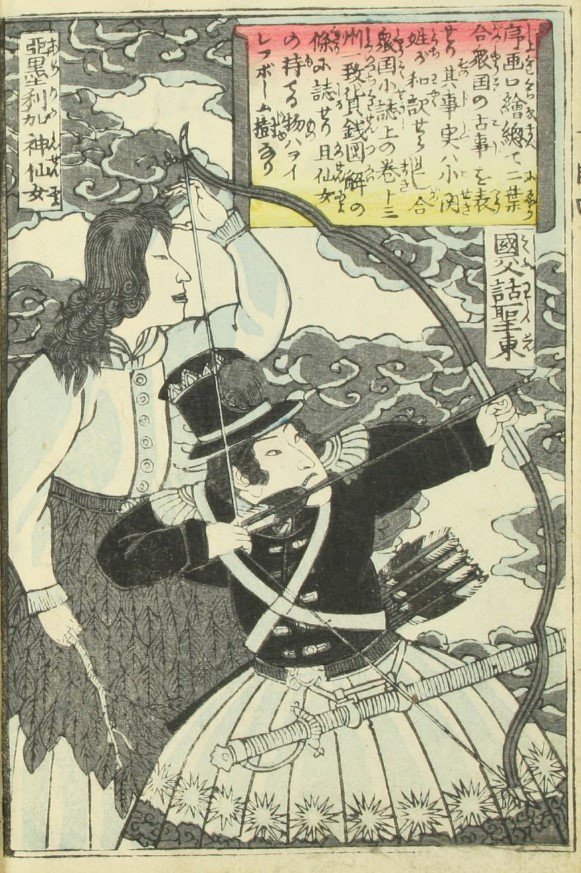
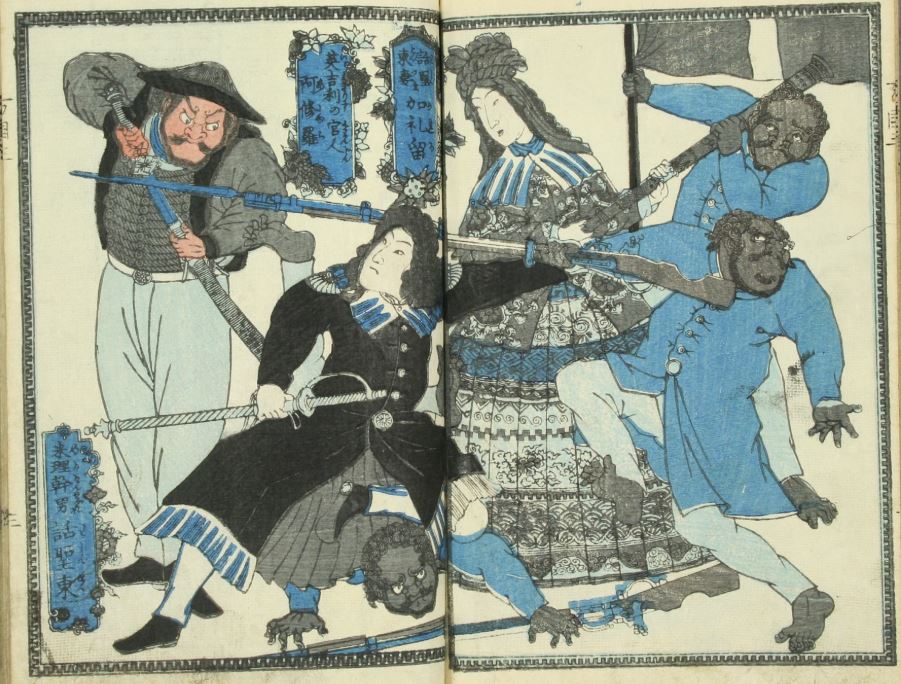
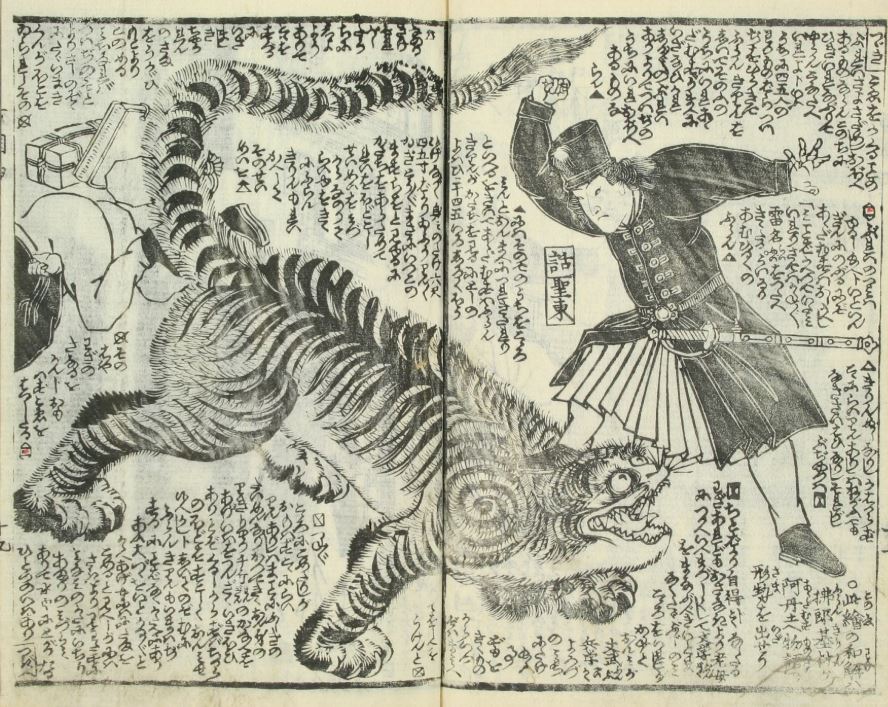
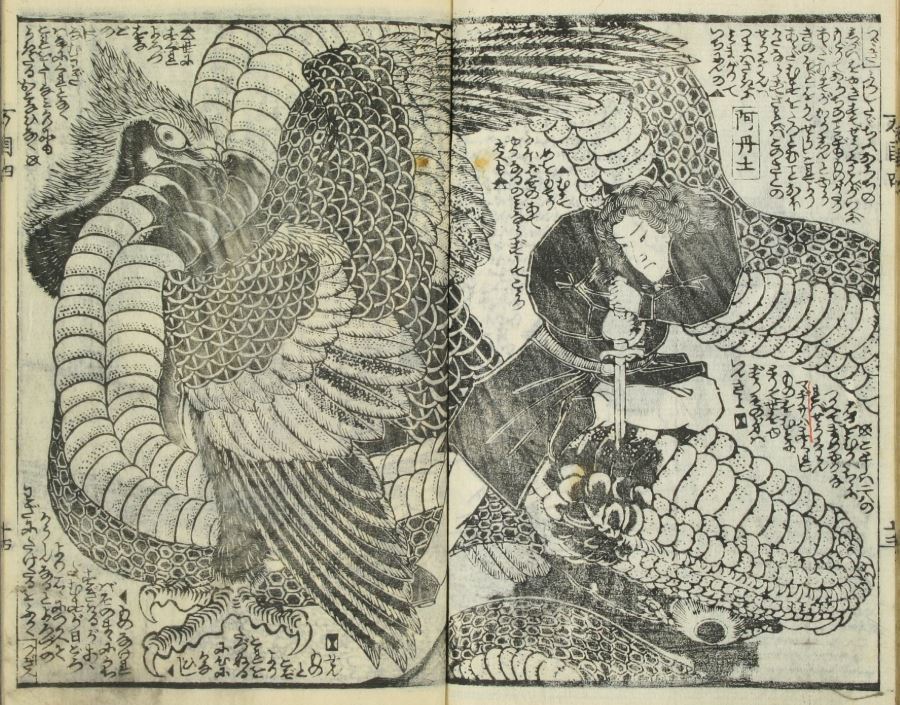
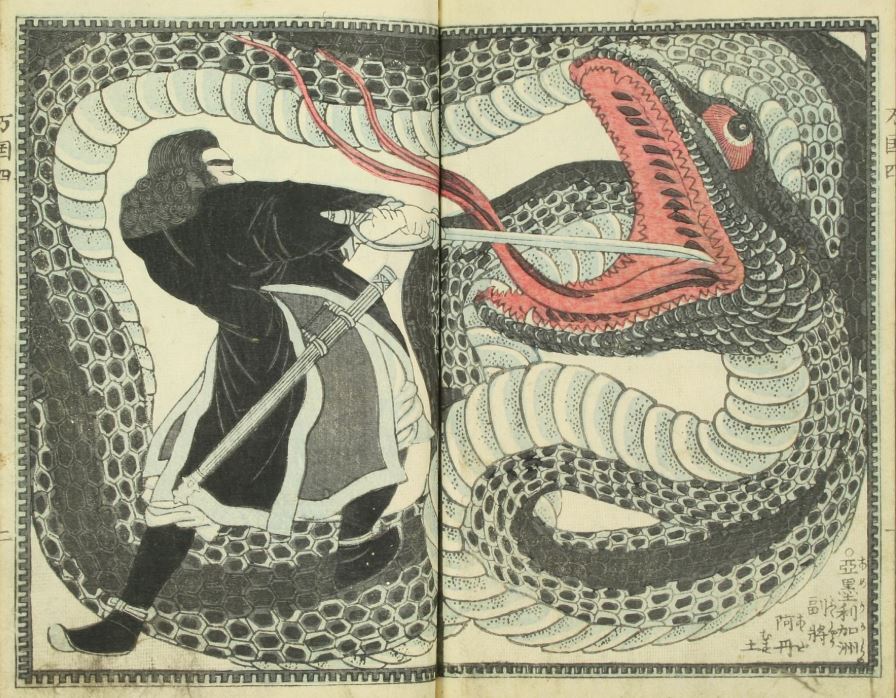
Dur­ing Chi­na’s Ming and Qing dynas­ties, which togeth­er spanned the years 1386 to 1912, few in the Mid­dle King­dom, let alone else­where, could hope for even a glimpse of the finest Chi­nese art­works of their time. But recent­ly one muse­um has made a trove of art and arti­facts from those dynas­ties and oth­ers dig­i­tal­ly acces­si­ble to the world, and a muse­um out­side main­land Chi­na at that. “Accord­ing to pop­u­lar news web­site The Paper,” writes the BBC’s Ker­ry Allen, “Taipei’s Nation­al Palace Muse­um has placed 70,000 high-qual­i­ty elec­tron­ic images in a free-to-down­load archive so that online users can enjoy its exhi­bi­tions” — and with­out the has­sles of “glass bar­ri­er and light­ing restric­tions.”

First estab­lished as the Palace Muse­um in 1925, after the expul­sion of Chi­na’s last emper­or Puyi, the Nation­al Palace Muse­um began its col­lec­tion with valu­ables belong­ing to the for­mer Impe­r­i­al fam­i­ly. Now, writes Hyper­al­ler­gic’s Claire Voon, it boasts “one of the largest troves of ancient Chi­nese impe­r­i­al arti­facts, from paint­ings to rare books to all sorts of objects made of jade, bronze, ceram­ic, and more.”

The dig­i­ti­za­tion and upload­ing project, called Nation­al Palace Muse­um Open Data, offers an Eng­lish ver­sion site, “although that is cur­rent­ly a rather lim­it­ed and incom­plete resource. The Chi­nese ver­sion fea­tures two por­tals to more effi­cient­ly comb through the museum’s relics. One is specif­i­cal­ly for paint­ing and cal­lig­ra­phy works; the oth­er, for every­thing else.”

Still, the Nation­al Palace Muse­um has been improv­ing its Eng­lish por­tal, which allows search­es not just by cat­e­go­ry of object but by dynasty, a list that now reach­es far beyond the Ming and Qing, all the way back to the Shang Dynasty of 1600 BC to 1046 BC. But even as the Eng­lish ver­sion catch­es up to the Chi­nese one — as of this writ­ing, it con­tains more than 4700 items — it will sure­ly take some time before Nation­al Palace Muse­um Open Data catch­es up with the com­plete hold­ings of the Nation­al Palace Muse­um, with its per­ma­nent col­lec­tion of about 700,000 Chi­nese impe­r­i­al arti­facts and art­works span­ning eight mil­len­nia. As with Chi­nese his­to­ry itself, a for­mi­da­ble sub­ject of study if ever there was one, it has to be tak­en one piece at a time.

via Hyper­al­ler­gic

Relat­ed Con­tent:

1.8 Mil­lion Free Works of Art from World-Class Muse­ums: A Meta List of Great Art Avail­able Online

The World’s Old­est Mul­ti­col­or Book, a 1633 Chi­nese Cal­lig­ra­phy & Paint­ing Man­u­al, Now Dig­i­tized and Put Online

Pre-Flight Safe­ty Demon­stra­tion Gets Per­formed as a Mod­ern Dance: A Cre­ative Video from a Tai­wanese Air­line

China’s New Lumi­nous White Library: A Strik­ing Visu­al Intro­duc­tion

Based in Seoul, Col­in Mar­shall writes and broad­casts on cities and cul­ture. His projects include the book The State­less City: a Walk through 21st-Cen­tu­ry Los Ange­les and the video series The City in Cin­e­ma. Fol­low him on Twit­ter at @colinmarshall or on Face­book.

French Illustrator Revives the Byzantine Empire with Magnificently Detailed Drawings of Its Monuments & Buildings: Hagia Sophia, Great Palace & More

The Byzan­tine Empire fell in the mid-15th cen­tu­ry, but some­thing of its spir­it still lives on. A great deal of it lives on in the work of the French illus­tra­tor Antoine Hel­bert. “This pas­sion was kin­dled by a birth­day gift from his moth­er,” writes a blog­ger named Herve Ris­son in a post about it. “This gift was a book about Byzan­tium. Hel­bert was 7 years old.” Like many an inter­est instilled ear­ly and deeply enough in child­hood, Hel­bert’s fas­ci­na­tion turned into an obses­sion — or any­way, what looks like it must be an obses­sion, since it has moti­vat­ed him to cre­ate such mag­nif­i­cent­ly detailed recre­ations of Byzan­tium in its hey­day.

“Attract­ed by the archi­tec­ture,” Ris­son writes of Hel­bert, “he has also a strong pas­sion for the his­to­ry of the Byzan­tine Empire, much maligned and despised, in com­par­i­son with the his­to­ry of the ‘real’ Roman Empire.”

That’s not to say that the Byzan­tine Empire, also known as the East­ern Roman Empire, has received no atten­tion, but undoubt­ed­ly it has received less than the West­ern Roman Empire it sur­vived in the fifth cen­tu­ry. Still, few his­tor­i­cal empires of any kind receive such an exquis­ite degree of atten­tion from any sin­gle liv­ing artist.

You can see some of Hel­bert’s work on his site, which is divid­ed into two sec­tions: one for scenes of Byzan­tium, and one for the archi­tec­ture of Byzan­tium. The lat­ter cat­e­go­ry, images from which you see here, includes such world-famous land­marks as Hagia Sophia, Boukoleon Palace, and the Great Palace of Con­stan­tino­ple — the city now known as Istan­bul, Turkey. The intact Hagia Sophia con­tin­ues to attract tourists in huge num­bers, but those who vis­it the Great Palace, or what remains of it, have to use their imag­i­na­tion to get a sense of what it must have looked like in the Byzan­tine Empire’s hey­day.

Hel­bert, who only made his first vis­it to Istan­bul at the age of 35, has put in that amount of imag­i­na­tive work and much more besides. “Since then,” writes Ris­son, Hel­bert “has tak­en great care to res­ur­rect the city of the emper­ors, with great atten­tion to details and to the sources avail­able. What he can’t find, he invents, but always with a great care for the his­tor­i­cal accu­ra­cy.” Indeed, many of Hel­bert’s illus­tra­tions don’t, at first glance, look like illus­tra­tions at all, but more like what you’d come up with if you trav­eled back to the Con­stan­tino­ple of fif­teen or so cen­turies ago with a cam­era. “The project has no lucra­tive goal,” Ris­son notes. “It’s a pas­sion. A byzan­tine pas­sion!”

Relat­ed Con­tent:

Map­ping the Sounds of Greek Byzan­tine Church­es: How Researchers Are Cre­at­ing “Muse­ums of Lost Sound”

The His­to­ry of Byzan­tium Pod­cast Picks Up Where The His­to­ry of Rome Left Off

How Ara­bic Trans­la­tors Helped Pre­serve Greek Phi­los­o­phy … and the Clas­si­cal Tra­di­tion

Hear the Hagia Sophia’s Awe-Inspir­ing Acoustics Get Recre­at­ed with Com­put­er Sim­u­la­tions, and Let Your­self Get Trans­port­ed Back to the Mid­dle Ages

Based in Seoul, Col­in Mar­shall writes and broad­casts on cities and cul­ture. His projects include the book The State­less City: a Walk through 21st-Cen­tu­ry Los Ange­les and the video series The City in Cin­e­ma. Fol­low him on Twit­ter at @colinmarshall or on Face­book.

How an Art Conservator Completely Restores a Damaged Painting: A Short, Meditative Documentary

We here at Open Cul­ture take great plea­sure in soup to nuts doc­u­men­taries of mas­ter crafts­peo­ple at work, par­tic­u­lar­ly when the nar­ra­tion has been left out delib­er­ate­ly.

The med­i­ta­tive effect is more pow­er­ful that way, as is our won­der­ment.

We can always go rab­bit­ing after the tech­ni­cal specs of the trade being plied if we’re not entire­ly sure what we’re see­ing.

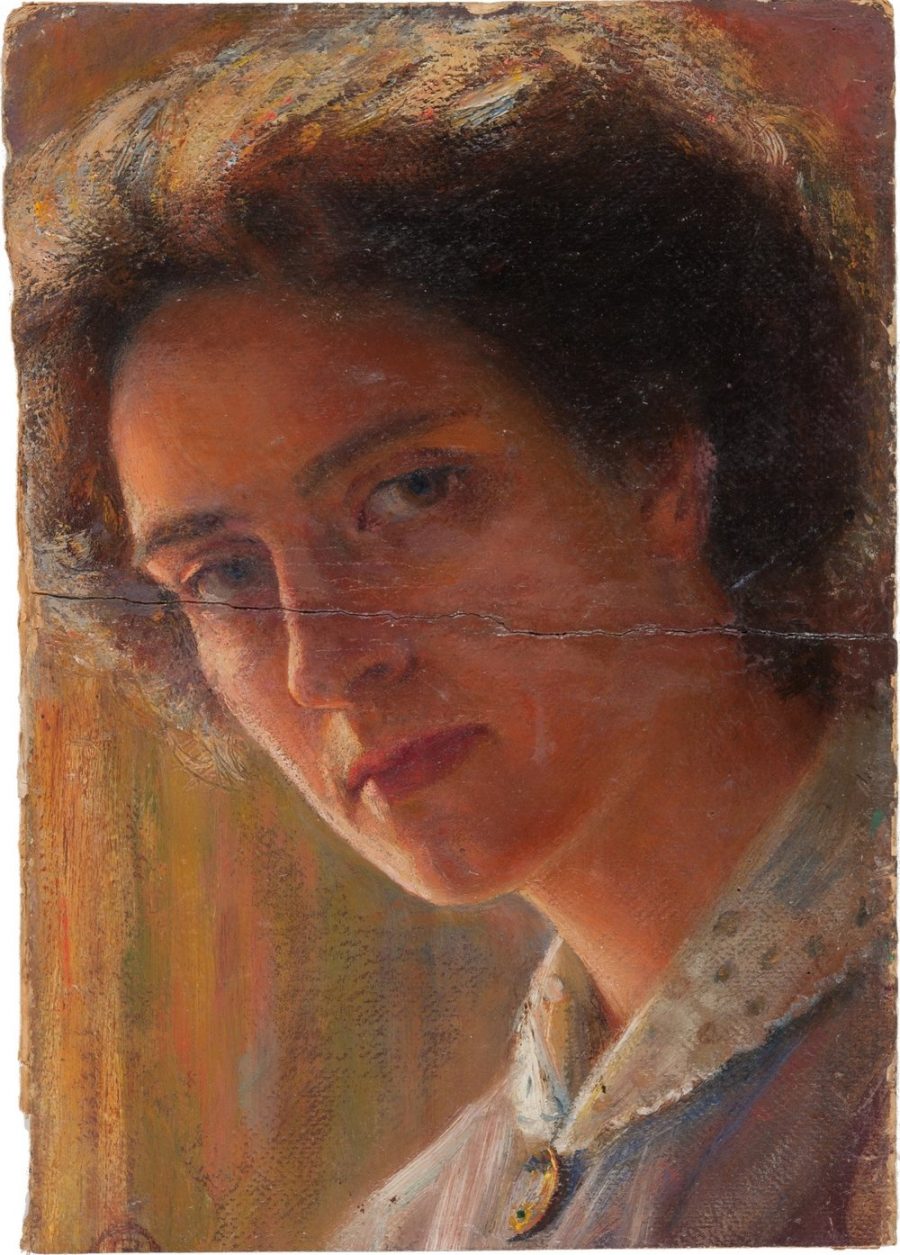
For instance, those tiny strands con­ser­va­tion­ist Julian Baum­gart­ner of Baum­gart­ner Fine Art Restora­tion places ever so care­ful­ly across a tear in painter Emma Gag­giot­ti Richards’ unti­tled 38”x29” self por­trait?

A tech­nique known as bridg­ing, where­in a rip is sutured using indi­vid­ual strands of Bel­gian linen and reversible con­ser­va­tion adhe­sive.

(We found that out on Baumgartner’s Insta­gram…)

We also take geeky delight in still life-like pre­sen­ta­tions of tools both spe­cial­ized and shock­ing­ly ordi­nary.

Baumgartner’s include an over-the-counter iron and a pair of orange-han­dled scis­sors, labelled so that no one walks away with them…

And who couldn’t think of alter­na­tive uses for those giant Q‑tips, though watch­ing Richards’ skin tones go from dingy to dewy in just a few mea­sured swabs implies that art con­ser­va­tion is the rea­son they were put on earth.

The conservator’s own painter­ly skills are very much on dis­play as he recre­ates dam­aged areas with filler and con­ser­va­tion qual­i­ty oils.

As he has not­ed else­where:

Just as dif­fi­cult as faces but no less impor­tant is fab­ric. Get­ting the col­or and vol­ume just right is very reward­ing. 

The goal of con­ser­va­tion is that the dam­age no longer affects the image as a whole. So we’re not ter­ri­bly con­cerned with whether under a micro­scope or extreme­ly close exam­i­na­tion the restora­tion is vis­i­ble. If you look close enough all con­ser­va­tion is vis­i­ble. 

Our phi­los­o­phy is to alter the art­work as lit­tle as pos­si­ble with respect to the orig­i­nal inten­tion of the artist.

There is one ques­tion left unmet by film­mak­er Jack Brandt­man’s video por­trait, one that casu­al online research seems unlike­ly to sat­is­fy.

What kind of music does the con­ser­va­tor lis­ten to in the stu­dio? Not that soporif­ic instru­men­tal sound­track, we hope!

Per­haps North­west­ern University’s great lis­ten­er-sup­port­ed, stu­dent run sta­tion, WNUR?

WBEZ, the leg­endary pub­lic radio sta­tio?

Or CHIRP, the lat­est addi­tion to Chicago’s radio pedi­gree?

It’d be a pleas­ant sur­prise to find him pow­er­ing through his dai­ly tasks to the tune of the local rock fea­tured in Brantman’s oth­er Made in Chica­go series entries on forg­ing knives and mak­ing jeans.

We live to have our expec­ta­tions defied!

Fol­low Baum­gart­ner Fine Art Restoration’s Insta­gram here.

via The Kids Should See This

Relat­ed Con­tent:

The Art of Restor­ing a 400-Year-Old Paint­ing: A Five-Minute Primer

The Art of Restor­ing Clas­sic Films: Cri­te­ri­on Shows You How It Refreshed Two Hitch­cock Movies

25 Mil­lion Images From 14 Art Insti­tu­tions to Be Dig­i­tized & Put Online In One Huge Schol­ar­ly Archive

Ayun Hal­l­i­day is an author, illus­tra­tor, the­ater mak­er and Chief Pri­ma­tol­o­gist of the East Vil­lage Inky zine.  Join her in NYC on Mon­day, Sep­tem­ber 24 for anoth­er month­ly install­ment of her book-based vari­ety show, Necro­mancers of the Pub­lic Domain. Fol­low her @AyunHalliday.

Hundreds of Classical Sculptures from the Uffizi Gallery Now Digitized & Put Online: Explore a Collection of 3D Interactive Scans

As the mighty House of Medici amassed works of art between the 15th and 18th cen­turies, could its mem­bers have imag­ined that we would still be enjoy­ing their col­lec­tion in the 21st? Per­haps they did, giv­en the ten­den­cy — some­times fatal — of busi­ness and polit­i­cal dynas­ties to imag­ine them­selves as eter­nal. But the Medicis could scarce­ly have imag­ined how peo­ple all around the world have just gained access to the sculp­ture they col­lect­ed, now dis­played at Flo­rence’s Uffizi Gallery and else­where, through the Uffizi Dig­i­ti­za­tion Project.

A col­lab­o­ra­tion between Indi­ana Uni­ver­si­ty’s Vir­tu­al World Her­itage Lab­o­ra­to­ry, the Politec­ni­co di Milano, and the Uni­ver­si­ty of Flo­rence, the five-year project, which began in 2016, has as its goal the com­plete dig­i­ti­za­tion of Greek and Roman sculp­ture in the Uffizi Gallery, Pit­ti Palace, and Boboli Gar­dens. Though not yet fin­ished, it has already man­aged to dig­i­tize more works of clas­si­cal sculp­ture than any oth­er effort by a sin­gle muse­um, and at its site you can take a look at every com­plete piece and frag­ment already dig­i­tized — and not just a look, as you’d get while pass­ing by on a walk through a muse­um, but a clos­er and more detailed look than you may ever have thought pos­si­ble.

“The gen­uine­ly easy-to-nav­i­gate web­site proves more inter­ac­tive than many com­put­er­ized muse­um archives,” writes Hyper­al­ler­gic’s Jas­mine Weber. “Users are giv­en the oppor­tu­ni­ty to trav­el inside tombs and inside every nook of the fig­ures’ con­struc­tion. The inter­face allows users to trav­el around and with­in the sculp­tures, get­ting clos­er than vis­i­tors often can in the muse­um space itself thanks to three-dimen­sion­al ren­der­ing from every imag­in­able angle.” The col­lec­tion, notes the Uffizzi Dig­i­ti­za­tion Pro­jec­t’s about page, con­tains “works of excep­tion­al inter­est to stu­dents of Greek and Roman art, notably the Medici Venus, the Medici Faun, the Nio­bids, and the Ari­adne.”

The Uffizi Dig­i­ti­za­tion Project has so far made more than 300 works avail­able to view as 3D mod­els, and you can find them by either search­ing the col­lec­tion or scrolling down to browse by cat­e­go­ry, a list that includes every­thing from altars and busts to stat­uettes and vas­es. And though no more tech­no­log­i­cal­ly impres­sive col­lec­tion of vir­tu­al clas­si­cal sculp­ture may exist on the inter­net, after expe­ri­enc­ing it you might nev­er­the­less feel the need to see these pieces in an envi­ron­ment oth­er than the black dig­i­tal void. If so, have a look at the vir­tu­al tour of the Uffizi Gallery we fea­tured ear­li­er this year here on Open Cul­ture. But be pre­pared: from there you may want to book a tick­et to Flo­rence and see the sculp­ture col­lect­ed by the House of Medici in the very city where it rose to such vast eco­nom­ic and cul­tur­al pow­er.

via Hyper­al­ler­gic

Relat­ed Con­tent:

Take a Vir­tu­al Tour of The Uffizi Gallery in Flo­rence, the World-Famous Col­lec­tion of Renais­sance Art

3D Scans of 7,500 Famous Sculp­tures, Stat­ues & Art­works: Down­load & 3D Print Rodin’s Thinker, Michelangelo’s David & More

How Ancient Greek Stat­ues Real­ly Looked: Research Reveals their Bold, Bright Col­ors and Pat­terns

Artists Put Online 3D, High Res­o­lu­tion Scans of 3,000-Year-Old Nefer­ti­ti Bust (and Con­tro­ver­sy Ensues)

Based in Seoul, Col­in Mar­shall writes and broad­casts on cities and cul­ture. His projects include the book The State­less City: a Walk through 21st-Cen­tu­ry Los Ange­les and the video series The City in Cin­e­ma. Fol­low him on Twit­ter at @colinmarshall or on Face­book.

The Surreal Paintings of the Occult Magician, Writer & Mountaineer, Aleister Crowley

I am not equipped to judge whether the noto­ri­ous Aleis­ter Crow­ley—whom the British press once called “the wickedest man in the world”—was an over­rat­ed magi­cian (or “Mag­ick-ian”). His ban­ish­ment from the Her­met­ic Order of the Gold­en Dawn, by none oth­er than William But­ler Yeats, may not speak well of him. But this is an area of debate best left to experts in the mys­tic arts.

Nor do I feel qual­i­fied to ven­ture an opin­ion on Crowley’s moun­taineer­ing. It’s true, he did not reach the sum­mit of K2, but he gets more than par­tial cred­it as part of the first expe­di­tion to make the attempt in 1902.

As for Crow­ley the poet… well, he was a less­er lit­er­ary tal­ent than his rival Yeats, whom he sup­pos­ed­ly envied. One writer remarks of the con­flict between them that Crow­ley “was nev­er able to speak the lan­guage of poet­ic sym­bol with the con­fi­dence of a native speak­er in the way Yeats def­i­nite­ly could.”

Still, many of his poems have an unde­ni­ably enchant­i­ng qual­i­ty. Their obscure myth­ic depths show the promi­nent influ­ence of William Blake. Oth­ers, like the obscene­ly puerile “Leah Sub­lime” derive from the lib­er­tine tra­di­tion of John Wilmot.

What of Crow­ley the painter? I must say, until recent­ly, I knew lit­tle of this side of him, though I’ve had many encoun­ters with this weird character’s life and work. While long­time fans and fol­low­ers sure­ly know his visu­al art well, the casu­al­ly curi­ous rarely get a glimpse.

Crow­ley, writes Robert Burat­ti at Raw Vision, “has nev­er been as well known for his artis­tic pur­suits as for his more eso­teric inter­ests,” and that espe­cial­ly goes for his paint­ing. His art appar­ent­ly did not pique the pruri­ent inter­est of the tabloids, the pri­ma­ry source of his pop­u­lar fame, but maybe it deserves at least as much atten­tion as his spell­work and sex mag­ic.

Burat­ti, a Crow­ley dis­ci­ple of Thele­ma and mem­ber of the Art Guild of Ordo Tem­pli Ori­en­tis Aus­tralia, curat­ed a 2013 exhi­bi­tion called Win­dows to the Sacred that fea­tured sev­er­al of Crowley’s paint­ings. He argues that Crowley’s “sig­nif­i­cance as an artist lies in his recon­sid­er­a­tion of art as a cen­tral com­po­nent in his mag­i­cal the­o­ry of the uni­verse and, in par­tic­u­lar, its abil­i­ty to awak­en, as he put it, ‘our Secret Self—our Sub­con­scious Ego, whose mag­i­cal Image is our indi­vid­u­al­i­ty expressed in men­tal and bod­i­ly form.”

As for the for­mal prop­er­ties of the paint­ings them­selves, Burat­ti ref­er­ences the Sur­re­al­ists, and notes in an inter­view that Crow­ley “was quite inspired by Paul Gau­guin.” The paint­ings’ rough, child­like prim­i­tivism also resem­bles the tech­nique of artists like Georges Rouault and the ear­ly, pre-abstrac­tion Wass­i­ly Kandin­sky.

Who knows whether “The Great Beast 666,” as Crow­ley liked to call him­self, would take these com­par­isons as a com­pli­ment. But I expect it takes a true adept to unrav­el the mys­ter­ies of enig­mat­ic works from 1920–21 like The Sun (Auto Por­trait), at the top, The Moon (Study for Tarot), fur­ther down, or The Hiero­phant, below. Avant-garde film­mak­er Ken­neth Anger is such an adept, a con­vert to Crowley’s reli­gion, which exert­ed much influ­ence on his work.

Above, see Anger’s “Brush of Bapho­me­nt,” a short film in which his cam­era zooms and pans over Crowley’s paint­ings, pick­ing up mys­ti­cal sym­bols and intrigu­ing­ly inde­ci­pher­able sym­bol­ism. And learn more about Crow­ley’s visu­al art in this radio inter­view with Burat­ti and his edit­ed col­lec­tion of Crow­ley’s work, The Night­mare Paint­ings.

Relat­ed Con­tent:

Aleis­ter Crow­ley & William But­ler Yeats Get into an Occult Bat­tle, Pit­ting White Mag­ic Against Black Mag­ic (1900)

Aleis­ter Crow­ley: The Wickedest Man in the World Doc­u­ments the Life of the Bizarre Occultist, Poet & Moun­taineer

Aleis­ter Crow­ley Reads Occult Poet­ry in the Only Known Record­ings of His Voice (1920)

The Thoth Tarot Deck Designed by Famed Occultist Aleis­ter Crow­ley

Josh Jones is a writer and musi­cian based in Durham, NC. Fol­low him at @jdmagness

Watch 13 Comedians Take “The Bob Ross Challenge” & Help Raise Money for The Leukemia & Lymphoma Society

The late Bob Ross, the almost laugh­ably calm host of PBS’ pop­u­lar how-to series, the Joy of Paint­ing, was a boss of many things—business, brand­ing, the 16th-cen­tu­ry wet-on-wet ”Alla Pri­ma” tech­nique…

Also speed, as thir­teen New York City come­di­ans recent­ly dis­cov­ered first­hand.

Invit­ed to par­tic­i­pate in The Bob Ross Chal­lenge, a web series-cum-fundrais­er hatched by come­di­ans Mic­ah Sher­man and Mark Stet­son, they game­ly plunged ahead, regard­less of artis­tic tal­ent or famil­iar­i­ty with the mas­ter.

Some like, Julia Duffy, are sim­ply too young to have encoun­tered Ross in his pub­lic tele­vi­sion hey­day.

(For the record, all 403 episodes of Ross’ paint­ing show are now view­able online for free.)

Oth­ers, like Aparna Nancher­la, above, chanced upon reruns screened for iron­ic effect in dive bars…

Or, like Keisha Zol­lar, they’re in a roman­tic rela­tion­ship with some­one who uses The Joy of Paint­ing to com­bat insom­nia.

The major­i­ty seem to share a latch key kid’s fond­ness for the gen­tle Ross, whose show proved a chill pair­ing with after­school snacks.

“We spent about $1000 on offi­cial Bob Ross sup­plies,” She­man reports. From easel to the fan brush, every­thing was set up for the par­tic­i­pat­ing come­di­ans’ suc­cess. Like Ross, who typ­i­cal­ly shot a sea­son’s worth of episodes over a sin­gle week­end, the first sea­son’s shoot tran­spired over a few days.

The ground rules were sim­ple. Armed with an arse­nal of offi­cial­ly sanc­tioned sup­plies, each come­di­an entered a stu­dio where a Joy of Paint­ing episode was screen­ing, charged with recre­at­ing that can­vas in real time. At the end of the episode, it was “brush­es down” whether or not the can­vas bore pass­ing resem­blance to Bob’s.

“Our orig­i­nal title was Bob Ross Fails, but peo­ple were actu­al­ly suc­ceed­ing,” Sher­man con­fess­es.

That said, there’s a def­i­nite edge. The par­tic­i­pants may be trained in improv, but as per­form­ers, there’s an imper­a­tive to get over, and, as stat­ed, Ross moves fast. In the time it takes an aver­age mor­tal to apply a sky wash, he’s like­ly fan brushed in a cou­ple of hap­py lit­tle trees.

Tough nuts.

The rules of the game decree that the stop­watch abides.

As Ralf Jean-Pierre observes, it’s a race against time.

Though not every­one plays by the rules…

David Carl, above, cre­ator of Trump Lear, declares (in char­ac­ter) that he not only defeat­ed Bob Ross, but that “no one’s ever had a bet­ter tree than that” and that his clouds are “beau­ti­ful­ly tremen­dous.”

Sher­man and his co-cre­ator Mark Stet­son have con­ceived of The Bob Ross Chal­lenge as a fundrais­er for the Leukemia & Lym­phoma Soci­ety. Like Ross, Stetson’s father was pre­ma­ture­ly claimed by lym­phoma. Make a dona­tion in their hon­or here.

Watch the first sea­son of The Bob Ross Chal­lenge here.

#BobRossIs­A­Boss

Relat­ed Con­tent:

Watch Every Episode of Bob Ross’ The Joy Of Paint­ing Free Online: 403 Episodes Span­ning 31 Sea­sons

Arti­fi­cial Neur­al Net­work Reveals What It Would Look Like to Watch Bob Ross’ The Joy of Paint­ing on LSD

Chris Rock Cre­ates a List of His 13 Favorite Standup Com­e­dy Spe­cials

Ayun Hal­l­i­day is an author, illus­tra­tor, the­ater mak­er and Chief Pri­ma­tol­o­gist of the East Vil­lage Inky zine. Her recent trip to Mex­i­co City is the inspi­ra­tion for her lat­est short play at The Tank in New York City on August 23, Fol­low her @AyunHalliday.

A Visionary 115-Year-Old Color Theory Manual Returns to Print: Emily Noyes Vanderpoel’s Color Problems

Nobody can doubt that we can live in an age of screen-read­ing, nor that it has brought a few prob­lems along with its con­sid­er­able con­ve­niences. To name just one of those prob­lems, each of us reads on our own screen, and each screen repro­duces the infor­ma­tion fed into it to dis­play dif­fer­ent­ly. A col­or, for instance, might well not look quite the same to any giv­en read­er of an e‑book as it did to the design­er who orig­i­nal­ly chose it. This imbues with a new rel­e­vance the old dorm-room philo­soph­i­cal ques­tion of whether what I call “blue” real­ly looks the same as what you call “blue,” and at least the more con­trol­lable nature of old-fash­ioned print books takes the issue of screen vari­a­tion out of the equa­tion.

Hence the val­ue in bring­ing back to print cer­tain visu­al­ly-ori­ent­ed books, even when we can already read them on our screens. This goes espe­cial­ly for vol­umes like Emi­ly Noyes Van­der­poel’s Col­or Prob­lems: a Prac­ti­cal Man­u­al for the Lay Stu­dent of Col­or, which deals direct­ly with issues of col­or in the phys­i­cal world and its rep­re­sen­ta­tion. Van­der­poel, an artist and his­to­ri­an, first pub­lished the book “under the guise of flower paint­ing and dec­o­ra­tive arts, sub­jects that were appro­pri­ate for a woman of her time,” writes Colos­sal’s Kate Sierzputows­ki. But “the study pro­vid­ed an exten­sive look at col­or the­o­ry ideas of the ear­ly 20th cen­tu­ry,” and one whose tech­niques proved silent­ly influ­en­tial over time. “Many of the includ­ed stud­ies pre­dict design and art trends that wouldn’t occur for sev­er­al decades, such as a con­cen­tric square for­mat that pre­dates Joseph Albers’s Homage to the Square by fifty years.”

You can read a dig­i­tized ver­sion of Col­or Prob­lems at the Inter­net Archive (or embed­ded right above), but know that pub­lish­er The Cir­ca­di­an Press and Sacred Bones Records recent­ly raised well over $200,000 on Kick­starter to repub­lish the book in its full paper glo­ry. “With this new edi­tion we have tak­en metic­u­lous mea­sures to repro­duce the orig­i­nal arti­fact at an afford­able price,” says the pro­jec­t’s about page. “Work­ing with the His­tor­i­cal Soci­ety that Emi­ly Noyes Van­der­poel helped estab­lish, we are the first to invest the time, mon­ey, and love it takes to repli­cate this bril­liant col­lec­tion of col­or stud­ies accu­rate­ly. Using the most cur­rent dig­i­tal meth­ods and archival print­ing pro­duc­tion, we aim to final­ly do jus­tice to Vanderpoel’s for­got­ten lega­cy as vision­ary and pio­neer.”

This new edi­tion will also fea­ture an intro­duc­tion by design schol­ar Alan P. Bru­ton meant to “reflect on her incred­i­ble body of work from the van­tage point of 21st cen­tu­ry art his­to­ry and wom­en’s move­ments, help­ing to illus­trate that Van­der­poel remains one of the most impor­tant, under­rat­ed, and con­tem­porar­i­ly rel­e­vant artists of her time and of the last cen­tu­ry.” Had Van­der­poel pub­lished Col­or Prob­lems thir­ty years lat­er, writes John F. Ptak in his exam­i­na­tion of the book, “we’d call it some sort of constructivist/constructionist art form. But since the art­work in the book comes a decade before the first non-rep­re­sen­ta­tion­al art­work in human his­to­ry (or so), I don’t know exact­ly what to call it.” Its repub­li­ca­tion will allow gen­er­a­tions of new read­ers, see­ing it in the way Van­der­poel intend­ed it to be seen, to come to con­clu­sions like Ptak’s: “I still do not know what this book is try­ing to tell me, but I do know that it is remark­able.”

via Colos­sal

Relat­ed Con­tent:

Werner’s Nomen­cla­ture of Colour, the 19th-Cen­tu­ry “Col­or Dic­tio­nary” Used by Charles Dar­win (1814)

A Pre-Pan­tone Guide to Col­ors: Dutch Book From 1692 Doc­u­ments Every Col­or Under the Sun

Goethe’s The­o­ry of Col­ors: The 1810 Trea­tise That Inspired Kandin­sky & Ear­ly Abstract Paint­ing

The Vibrant Col­or Wheels Designed by Goethe, New­ton & Oth­er The­o­rists of Col­or (1665–1810)

The Female Pio­neers of the Bauhaus Art Move­ment: Dis­cov­er Gertrud Arndt, Mar­i­anne Brandt, Anni Albers & Oth­er For­got­ten Inno­va­tors

Based in Seoul, Col­in Mar­shall writes and broad­casts on cities and cul­ture. His projects include the book The State­less City: a Walk through 21st-Cen­tu­ry Los Ange­les and the video series The City in Cin­e­ma. Fol­low him on Twit­ter at @colinmarshall or on Face­book.

Meet Ellen Rubin (aka The Popuplady) and Her Collection of 9,000 Pop-Up Books

It’s unusu­al to encounter a pop-up book for sale in a thrift store.

Their enthu­si­as­tic child own­ers tend to work them so hard, that even­tu­al­ly even sen­ti­men­tal val­ue is trashed.

Stuck slid­er bars and torn flaps scotch the ele­ment of sur­prise.

Scenes that once sprang to crisp atten­tion can bare­ly man­age a flac­cid 45° angle.

One good yank and Cinderella’s coach gives way for­ev­er, leav­ing an unsight­ly crust of dried glue.

Their nat­ur­al ten­den­cy toward obso­les­cence only serves to make author Ellen G. K. Rubin’s inter­na­tion­al col­lec­tion of more than 9000 pop-up and move­able books all the more aston­ish­ing.

The Popuplady—an hon­orif­ic she sports with pride—would like to cor­rect three com­mon­ly held beliefs about the objects of her high­ly spe­cial­ized exper­tise:

  1. They are not a recent phe­nom­e­non. One item in her col­lec­tion dates back to 1547.
  2. They were not orig­i­nal­ly designed for use by chil­dren (as a 1933 flip book with pho­to illus­tra­tions on how women can become bet­ter sex­u­al part­ners would seem to indi­cate.)
  3. They were once con­ceived of as excel­lent edu­ca­tion­al tools in such weighty sub­jects as math­e­mat­ics, astron­o­my, med­i­cine… and, as men­tioned above, the boudoir.

A Yale trained physician’s assis­tant, she found that her hob­by gen­er­at­ed much warmer inter­est at social events than her dai­ly toil in the area of bone mar­row trans­plants.

And while paper engi­neer­ing may not be not brain surgery, it does require high lev­els of artistry and tech­ni­cal prowess. It galls Rubin that until recent­ly, paper engi­neers went uncred­it­ed on the books they had ani­mat­ed:

Paper engi­neers are the artists who take the illus­tra­tions and make them move. They are pup­pet­mas­ters, but they hand the strings to us, the read­er.

As seen in Atlas Obscu­ra’s video, above, Rubin’s col­lec­tion includes a mov­ing postage stamp, a num­ber of wheel-shaped volvelles, and a one-of-a-kind ele­phant-themed mini-book her friend, paper engi­neer, Edward H. Hutchins, cre­at­ed from ele­phant dung paper she found on safari.

She has curat­ed or served as con­sul­tant for a num­ber of pop-up exhi­bi­tions at venues includ­ing the Brook­lyn Pub­lic Library, the Biennes Cen­ter of the Lit­er­ary Arts and the Smithsonian’s Nation­al Muse­um of Amer­i­can His­to­ry. See a few more exam­ples from her col­lec­tion, which were dis­played as part of the latter’s Paper Engi­neer­ing: Fold, Pull, Pop & Turn exhi­bi­tion here.

Relat­ed Con­tent:

The Raven: a Pop-up Book Brings Edgar Allan Poe’s Clas­sic Super­nat­ur­al Poem to 3D Paper Life

French Book­store Blends Real People’s Faces with Book Cov­er Art

Won­der­ful­ly Weird & Inge­nious Medieval Books

Ayun Hal­l­i­day is an author, illus­tra­tor, the­ater mak­er and Chief Pri­ma­tol­o­gist of the East Vil­lage Inky zine.  Fol­low her @AyunHalliday.

« Go BackMore in this category... »
Quantcast