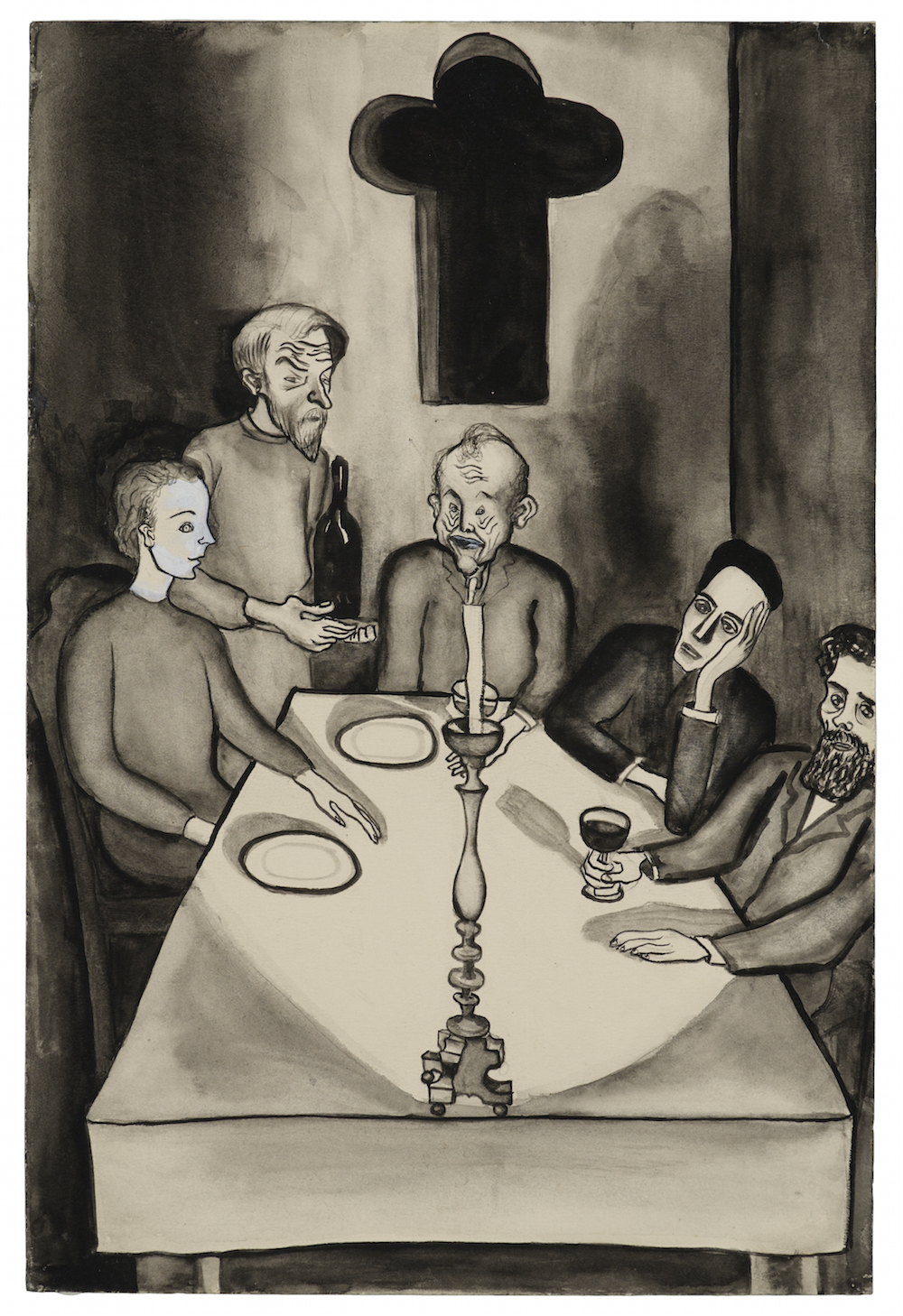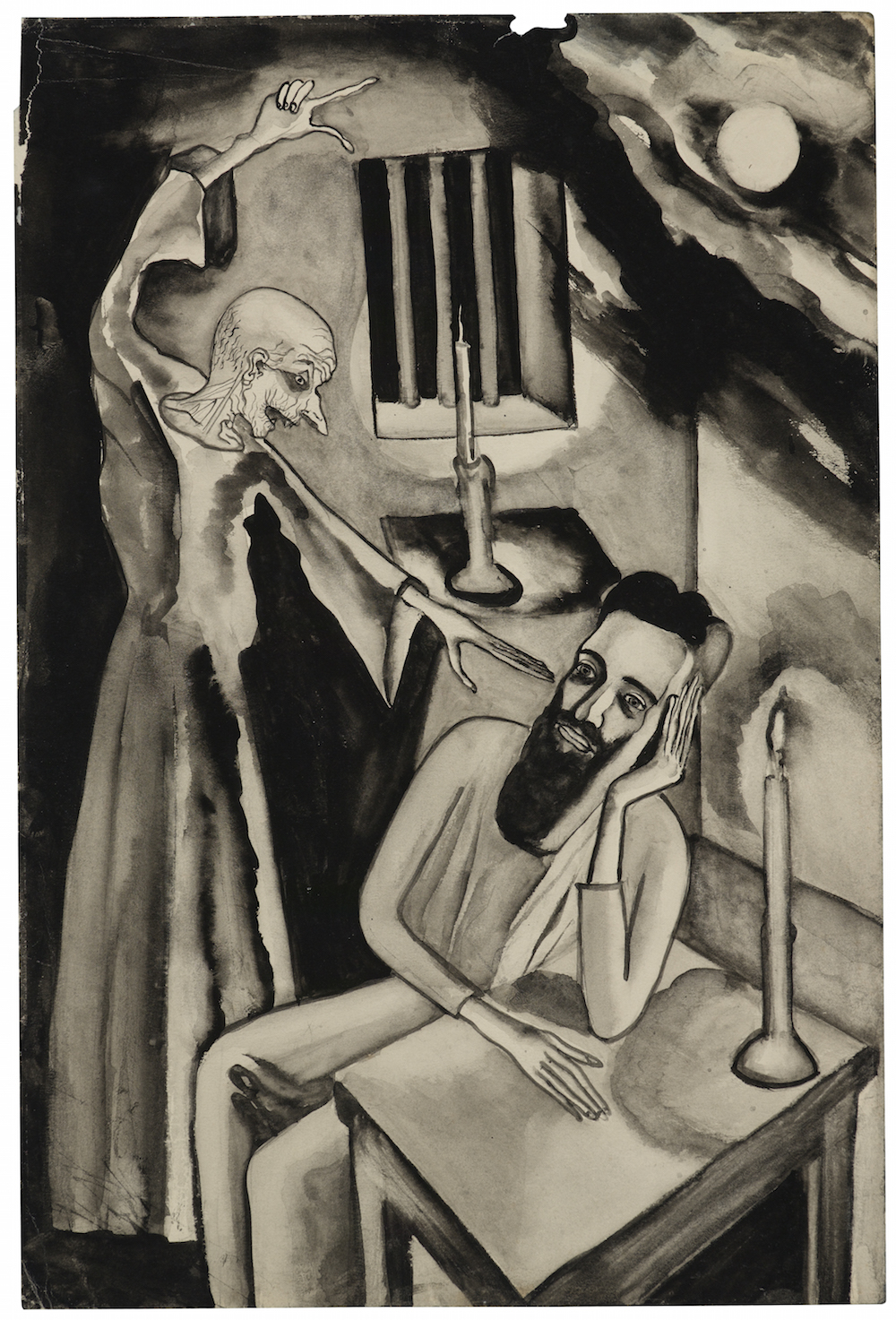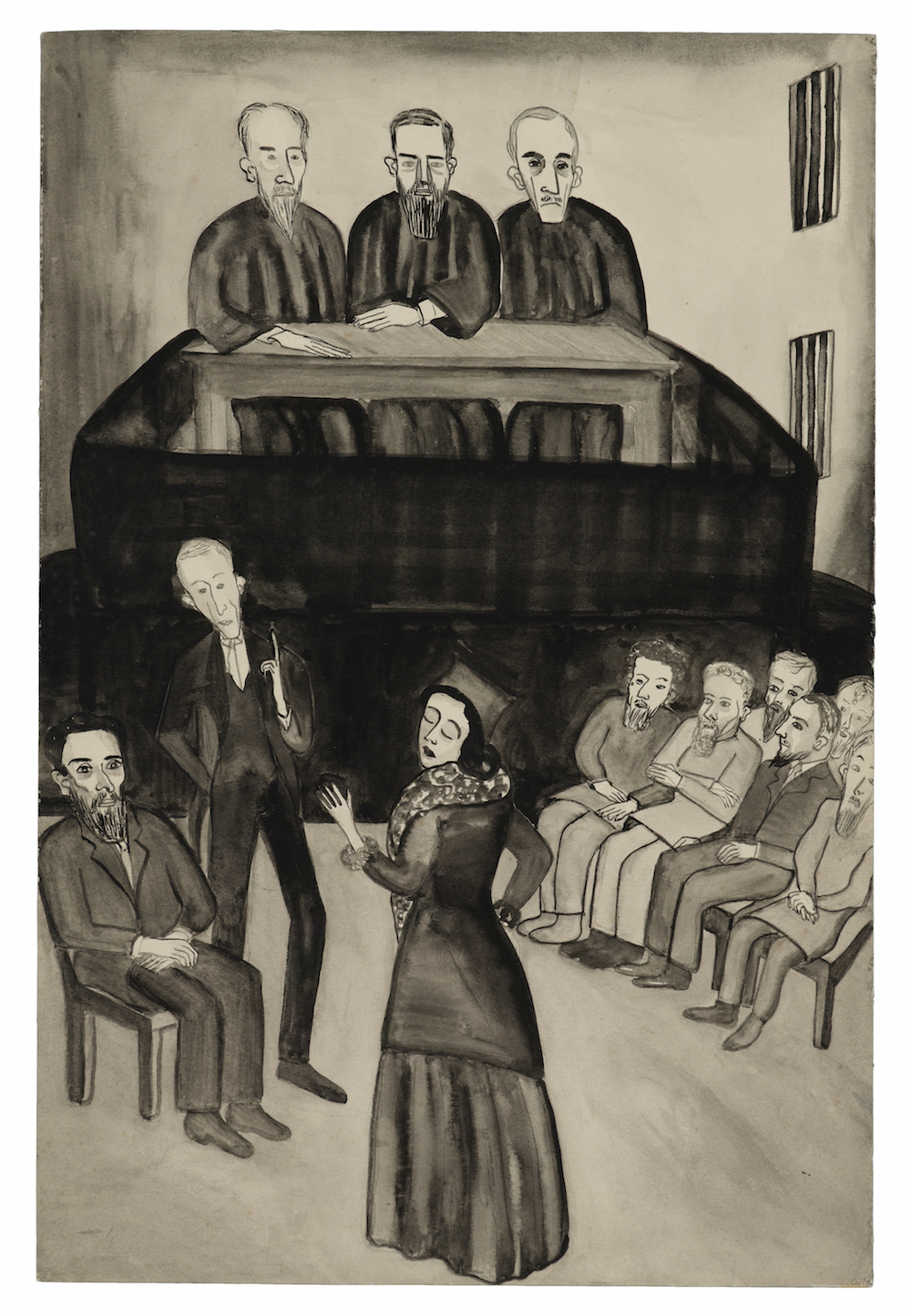
Mœbius Illustrates Dante’s Paradiso

Sal­vador Dalí, Gus­tave DoréAlber­to Mar­ti­niSan­dro Bot­ti­cel­li, the ear­li­er and less-rec­og­nized Pri­amo del­la Quer­cia and Gio­van­ni di Pao­lo — all of these artists have tried their hand at illus­trat­ing Dante Alighier­i’s Divine Com­e­dy. We have, in turn, fea­tured all their efforts, each of a strik­ing­ly dif­fer­ent sen­si­bil­i­ty and aes­thet­ic inter­pre­ta­tion of the har­row­ing jour­ney out of the mor­tal realm and into the under­world described by this much-stud­ied, much-trans­lat­ed, and just plain much-read 14th-cen­tu­ry text. But none of those artists, despite the rich­ness of their visions, spoke direct­ly to the late 20th and ear­ly 21st cen­tu­ry. For a tru­ly mod­ern Divine Com­e­dy, behold the work of Jean Giraud, bet­ter known as Mœbius.

Mœbius, who passed out of this mor­tal realm him­self in 2012, made his name with comics like Blue­ber­ryArzach, and The Air­tight Garage of Jer­ry Cor­nelius — though to call these works, which belong simul­ta­ne­ous­ly to the fields of sci­ence fic­tion and fan­ta­sy while tran­scend­ing the both of them, noth­ing more than “comics” belies the artist’s abil­i­ty to escape their con­ven­tions of sto­ry­telling and com­po­si­tion as if he’d nev­er encoun­tered them in the first place.

The dis­tinc­tive results attract­ed a fair few col­lab­o­ra­tors, both actu­al and hope­ful; you may remem­ber our post on his sto­ry­boards and con­cept art for Ale­jan­dro Jodor­owsky’s nev­er-real­ized adap­ta­tion of Dune, but he also lent his hand to such com­plet­ed motion pic­tures as Alien, The Abyss, and The Fifth Ele­ment.

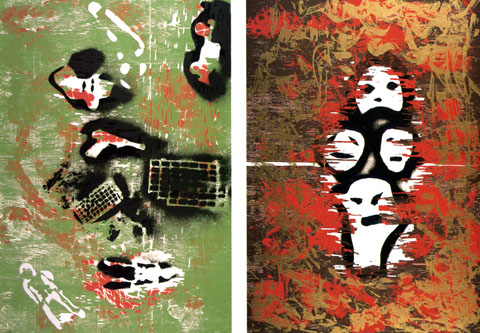
“In 1999, Nuages Gallery in Milan pub­lished three illus­trat­ed edi­tions of Infer­no, Pur­ga­to­rio, and Par­adiso,” says Bow­doin’s Dante Today. Nuages select­ed a dif­fer­ent illus­tra­tor for each, result­ing in L’In­fer­no di Loren­zo Mat­tot­tiIl Pur­ga­to­rio di Mil­ton Glaser (who, though he would have pre­ferred the Infer­no, still pro­duced an also strik­ing­ly mod­ern take on Dante), and, final­ly, Il Par­adiso di MœbiusWe’ve includ­ed three pieces of the lat­ter’s art­work here, but if you’d like more insight into the mind that cre­at­ed them, have a look at In Search of Mœbius, the BBC doc­u­men­tary we fea­tured after the artist’s death — a death that means, among oth­er loss­es, that our world will nev­er see the Divine Com­e­dy ani­mat­ed film it needs.

You can find works by Dante in our Free Audio Books and Free eBooks col­lec­tions. A Yale course called Dante in Trans­la­tion appears on our mega list, 1,700 Free Online Cours­es from Top Uni­ver­si­ties.

via Red­dit

Relat­ed Con­tent:

Botticelli’s 92 Illus­tra­tions of Dante’s Divine Com­e­dy

Gus­tave Doré’s Dra­mat­ic Illus­tra­tions of Dante’s Divine Com­e­dy

Alber­to Martini’s Haunt­ing Illus­tra­tions of Dante’s Divine Com­e­dy (1901–1944)

Sal­vador Dalí’s 100 Illus­tra­tions of Dante’s The Divine Com­e­dy

Dante’s Divine Com­e­dy Illus­trat­ed in a Remark­able Illu­mi­nat­ed Medieval Man­u­script (c. 1450)

Col­in Mar­shall hosts and pro­duces Note­book on Cities and Cul­ture as well as the video series The City in Cin­e­ma and writes essays on cities, lan­guage, Asia, and men’s style. He’s at work on a book about Los Ange­les, A Los Ange­les Primer. Fol­low him on Twit­ter at @colinmarshallor on Face­book.

Posters Promoting the 1970s L.A. Punk Scene: Black Flag, The Plimsouls, The Runaways & More

blackflag4

Fred Pat­ter­son, aka Phast Phred­die, Senior Archivist of the ARChive of Con­tem­po­rary Music, DJ, music jour­nal­ist and for­mer punk rock zinester has unde­ni­able street cred.

He also has a hand­ful of fly­ers doc­u­ment­ing the late ‘70s LA punk scene.

Talk about ephemera!

Man, psy­che­del­ic con­cert posters of the peri­od were suit­able for fram­ing, and the util­i­tar­i­an box­ing style win­dow cards’ cool quo­tient ensured their longevi­ty. Ama­teur whip outs (such as those Pat­ter­son man­aged to pre­serve) rarely sur­vived beyond a sea­son or two on a fan’s fridge door.

runaways1

His rag­tag col­lec­tion is what self-pro­mo­tion looked like in the predig­i­tal age. The Plim­souls, the Run­aways, and Black Flag except­ing, few of these bands achieved the sort of sta­tus that would have allowed them to move away from the realm of the murky pho­to­copy.

The ama­teur­ish aes­thet­ic of these home­made efforts was anchored with a spiky humor that went nice­ly with the out­ra­geous band names. Sketchy loca­tions were her­ald­ed as the sorts of places where the pop­u­lar teen set gath­ered. Word bub­bles abound­ed.

plimsouls79

Cut and paste col­lage, Letraset, and scratchy hand let­ter­ing were the hall­mark of neces­si­ty. Nowa­days, these obso­lete ele­ments are co-opt­ed for their implied authen­tic­i­ty, even if the final prod­uct is like­ly assem­bled in Pho­to­shop.

See more of Phast Preddie’s col­lec­tion here.

Relat­ed Con­tent:

The Art of Punk, MOCA’s Series of Punk Doc­u­men­taries, Begins with Black Flag

CBGB’s: The Roots of Punk Lets You Watch Vin­tage Footage from the Hey­day of NYC’s Great Music Scene

Four Female Punk Bands That Changed Women’s Role in Rock

Ayun Hal­l­i­day is an author, home­school­er, and Chief Pri­ma­tol­o­gist of the East Vil­lage Inky zine. Fol­low her @AyunHalliday

Kandinsky, Mondrian, Munch & Fleming Entered Public Domain in 2015 — But Welles, Achebe, and “Purple People Eater” Didn’t

kandinskybluered

As you faith­ful read­ers of Open Cul­ture know, we love noth­ing more than when impor­tant works of humankind fall into the pub­lic domain. Accord­ing to cur­rent Unit­ed States copy­right law, a work stays out of the pub­lic domain for 70 years after its author’s death; for cor­po­rate “works-for-hire,” 95 years after its pub­li­ca­tion. This means that, the­o­ret­i­cal­ly, new things arrive in the pub­lic domain each and every year. Since we’ve just start­ed a new one, what has the pub­lic domain gained?

On Jan­u­ary 1, 2015, accord­ing to Duke Uni­ver­si­ty’s Cen­ter for the Study of the Pub­lic Domain, pub­lic-domain read­ers received “the writ­ings of Rachel Carl­son, Ian Flem­ing, and Flan­nery O’Con­nor” — in Cana­da, that is. As for Euro­peans, they can now freely enjoy “the works of Antoine de Saint-Exupéry, Wass­i­ly Kandin­sky, Piet Mon­dri­an, Edvard Munch, and hun­dreds of oth­ers.” But what of the Amer­i­cans? Alas, “no pub­lished works will enter our pub­lic domain until 2019,” owing to an exten­sion of U.S. copy­right law leg­is­la­tion that pushed up retroac­tive copy­right by 95 years for any­thing cre­at­ed between 1923 and 1977 — a legal event that may, some whis­per, have had the endorse­ment of a cer­tain cor­po­ra­tion in pos­ses­sion of a cer­tain high­ly lucra­tive car­toon mouse.

sheb-wooley-the-purple-people-eater

For a sense of what this has cost us, the CSPD has put togeth­er a tan­ta­liz­ing list of still-vital works of lit­er­a­ture, film, music, and sci­ence that could have gone pub­lic domain this year, if not for that med­dling exten­sion. It includes Chin­ua Achebe’s Things Fall Apart, Simone de Beau­voir’ Mémoires d’une jeune fille rangéeGra­ham Greene’s Our Man in Havana, Orson Welles’ Touch of Evil, Jacques Tati’s Mon Oncle, Nathan H. Juran’s Attack of the 50-Foot Woman, Chuck Berry’s “John­ny B. Goode,” Sheb Woo­ley’s “Pur­ple Peo­ple Eater.”

To learn more about the art that some parts of the world have new­ly wel­comed into the pub­lic domain, see also Hyper­al­ler­gic’s Pub­lic Domain Day post by Alli­son Meier. Though we could eas­i­ly feel frus­trat­ed by the rich­ness of the mate­r­i­al that Amer­i­ca has refused, in the words of Jus­tice Louis Bran­deis, to let “free as the air to com­mon use,” do remem­ber the exis­tence of a lit­tle some­thing we cit­i­zens of 2015 like to call the inter­net. The increas­ing­ly few bound­aries and lit­tle fric­tion with which it has enabled us to con­nect and com­mu­ni­cate will cer­tain­ly con­tin­ue to alle­vi­ate the cramp reg­u­la­tions like these have put in our style. So even if Amer­i­cans won’t enjoy a mean­ing­ful Pub­lic Domain Day for four years yet, I’d say we still have rea­son to cel­e­brate.

via Hyper­al­ler­gic

Relat­ed Con­tent:

Sher­lock Holmes Is Now in the Pub­lic Domain, Declares US Judge

The British Library Puts 1,000,000 Images into the Pub­lic Domain, Mak­ing Them Free to Reuse & Remix

A Cab­i­net of Curiosi­ties: Dis­cov­er The Pub­lic Domain Review’s New Book of Essays

Col­in Mar­shall hosts and pro­duces Note­book on Cities and Cul­ture and writes essays on cities, lan­guage, Asia, and men’s style. He’s at work on a book about Los Ange­les, A Los Ange­les Primer. Fol­low him on Twit­ter at @colinmarshall or on Face­book.

Play Chess Against the Ghost of Marcel Duchamp: A Free Online Chess Game

Ear­li­er this year, Col­in Mar­shall told you how “Chess has obsessed many of humanity’s finest minds over cen­turies and cen­turies and Mar­cel Duchamp seems to have shown lit­tle resis­tance to its intel­lec­tu­al and aes­thet­ic pull.” His pas­sion for the game (which he describes above) led him to design a now icon­ic Art Deco chess set, to print an array of chess tour­na­ment posters, and to become a pret­ty adept chess play­er him­self, even­tu­al­ly earn­ing the title of “grand mas­ter” as a result. In a pret­ty neat project, Scott Kil­dall has looked back at records of Ducham­p’s chess match­es and cre­at­ed a com­put­er pro­gram that lets you play against a “Duchampian ghost.” Just click here, and then click on the chess piece you want to move. It will turn green, and then you can move it with your trackpad/mouse. Enjoy.

If you would like to sign up for Open Culture’s free email newslet­ter, please find it here. It’s a great way to see our new posts, all bun­dled in one email, each day.

If you would like to sup­port the mis­sion of Open Cul­ture, con­sid­er mak­ing a dona­tion to our site. It’s hard to rely 100% on ads, and your con­tri­bu­tions will help us con­tin­ue pro­vid­ing the best free cul­tur­al and edu­ca­tion­al mate­ri­als to learn­ers every­where. You can con­tribute through Pay­Pal, Patre­on, and Ven­mo (@openculture). Thanks!

Relat­ed Con­tent:

A Free 700-Page Chess Man­u­al Explains 1,000 Chess Tac­tics in Plain Eng­lish

Clay­ma­tion Film Recre­ates His­toric Chess Match Immor­tal­ized in Kubrick’s 2001: A Space Odyssey

A Human Chess Match Gets Played in Leningrad, 1924

Man Ray Designs a Supreme­ly Ele­gant, Geo­met­ric Chess Set in 1920 (and It’s Now Re-Issued for the Rest of Us)

Play Chess Against the Ghost of Mar­cel Duchamp: A Free Online Chess Game

Watch Bill Gates Lose a Chess Match in 79 Sec­onds to the New World Chess Cham­pi­on Mag­nus Carlsen

by | Permalink | Make a Comment ( 4 ) |

The Tate Digitizes 70,000 Works of Art: Photos, Sketchbooks, Letters & More

Photograph of Nigel Henderson by Nigel Henderson 1917-1985

Pho­to­graph of Nigel Hen­der­son via Nigel Hen­der­son Estate

If you’re like me, one of the first items on your itin­er­ary when you hit a new city is the art muse­ums. Of course one, two, even three or four vis­its to the world’s major col­lec­tions can’t begin to exhaust the wealth of paint­ing, sculp­ture, pho­tog­ra­phy, and more con­tained with­in. Rotat­ing and spe­cial exhibits make tak­ing it all in even less fea­si­ble. That’s why we’re so grate­ful for the dig­i­tal archives that insti­tu­tions like the Get­tyLA Coun­ty Muse­um of Art, the Met­ro­pol­i­tan Muse­um of Art, the Nation­al Gallery, and the British Library make avail­able free online. Now anoth­er muse­um, Britain’s Tate Mod­ern, gets into the dig­i­tal archive are­na with around 70,000 dig­i­tized works of art in their online gallery.

Sketch of the bus stop

“Sketch of the bus stop” from the estate of Josef Her­man

But wait, there’s more. Much more. A sep­a­rate dig­i­tal archive—the Tate’s Archives & Access project—offers up a trove of mate­ri­als you’re unlike­ly to encounter much, if at all, in their phys­i­cal spaces. That’s because this col­lec­tion dig­i­tizes lit­tle-seen “artists’ mate­ri­als, includ­ing pho­tographs, sketch­books, diaries, let­ters and objects, doc­u­ment­ing the lives and work­ing process­es of British born and émi­gré artists, from 1900 to the present.” These include, writes The Guardian, “the love let­ters of painter Paul Nash, the detailed sculp­ture records of Bar­bra Hep­worth, and 3,000 pho­tographs by Nigel Hen­der­son, pro­vid­ing a behind-the-scenes back­stage look at London’s 1950s jazz scene.” Thus far, the Tate has uploaded about 6,000 items, “includ­ing 52 col­lec­tions relat­ing to 79 artists.” At the Tate archive, you’ll find pho­tographs like that of painter and pho­tog­ra­ph­er Nigel Hen­der­son (see top of the post) and also paint­ings by the high­ly regard­ed Pol­ish-British real­ist, Josef Her­man (right above).

Squared-up drawings of soldiers 1920-1921 by David Jones 1895-1974

“Squared-up draw­ings of sol­diers” via The estate of David Jones

You’ll find pre­lim­i­nary sketch­es like the 1920–21 Squared-up draw­ings of sol­diers by painter and poet David Jones, above, one of 109 sketch­es and two sketch­books avail­able by the same artist. You’ll find let­ters like that below, writ­ten by sculp­tor Ken­neth Armitage to his wife Joan Moore in 1951—one of hun­dreds. These are but the tini­est sam­pling of what is now “but a drop in the ocean,” The Guardian writes, “giv­en the more than 1 mil­lion items in the [phys­i­cal] archive.” Archive head Adri­an Glew calls the col­lec­tion “a nation­al archival trea­sure” that is also “for the enrich­ment of the whole world.”

Letter from Kenneth Armitage to Joan Moore [1951] by Kenneth Armitage 1916-2002

Let­ter from Ken­neth Armitage to Joan Moore via the The Ken­neth Armitage Foun­da­tion

The remain­der of the dig­i­tized Archives & Access collection—52, 000 items in total—should be avail­able by the sum­mer of 2015. While view­ing art and arti­facts online is cer­tain­ly no sub­sti­tute for see­ing them in per­son, it’s bet­ter than nev­er see­ing them at all. In any case, mil­lions of pieces are only view­able by cura­tors and spe­cial­ists and nev­er make their way to gallery floors. But with the appear­ance and expan­sion of free online archives like the Tate’s, that sit­u­a­tion will shift dra­mat­i­cal­ly, open­ing up nation­al trea­sures to inde­pen­dent schol­ars and ordi­nary art lovers the world over.

Relat­ed Con­tent:

The British Library Puts 1,000,000 Images into the Pub­lic Domain, Mak­ing Them Free to Reuse & Remix

The Met­ro­pol­i­tan Muse­um of Art Puts 400,000 High-Res Images Online & Makes Them Free to Use

The Nation­al Gallery Makes 25,000 Images of Art­work Freely Avail­able Online

LA Coun­ty Muse­um Makes 20,000 Artis­tic Images Avail­able for Free Down­load

Josh Jones is a writer and musi­cian based in Durham, NC. Fol­low him at @jdmagness
John Cage Performs Water Walk on US Game Show I’ve Got a Secret (1960)


Back in 2011, we fea­tured John Cage’s 1960 tele­vi­sion per­for­mance of his piece Water WalkIts video qual­i­ty may have left some­thing to be desired, but now, thanks to the YouTube chan­nel of Bard Col­lege’s Richard B. Fish­er Cen­ter for the Per­form­ing Arts, you can watch the entire ten-minute seg­ment in much crisper qual­i­ty than most sur­viv­ing pro­grams from that era. This unlike­ly hap­pen­ing occurred on I’ve Got a Secret, the long-run­ning occu­pa­tion-guess­ing game show whose guest ros­ter also includ­ed chess prodi­gy Bob­by Fis­ch­er, “fifth Bea­t­le” Pete Best, and fried-chick­en icon Colonel Har­land Sanders. For this par­tic­u­lar episode, we wrote in our ear­li­er post, “the TV show offered Cage some­thing of a teach­able moment, a chance to intro­duce the broad­er pub­lic to his brand of avant-garde music.”

For Water Walk, Cage round­ed up a vari­ety of “instru­ments” all to do with that liq­uid — a bath­tub, a pitch­er, ice cubes in a mix­er — and the uncon­ven­tion­al sym­pho­ny they pro­duce cul­mi­nates in the Rube Gold­ber­gian mix­ing of a drink, the sip­ping of which the com­po­si­tion dic­tates about two and a half min­utes in. Nat­u­ral­ly, Cage being Cage, the piece incor­po­rates audi­ence reac­tion nois­es; when host Gary Moore warns him that cer­tain mem­bers of the stu­dio audi­ence will laugh, Cage responds, “I con­sid­er laugh­ter bet­ter than tears.”

You can learn more about this inter­sec­tion of far for­ward-think­ing artistry and the mid­cen­tu­ry tele­vi­su­al main­stream in Lau­ra Paolin­i’s piece “John Cage’s Secret,” avail­able at johncage.org. “At that moment in 1960, a rup­ture was being deep­ened,” Paoli­ni writes. “High art and low were becom­ing more and more com­fort­able with one anoth­er over the air­waves. At this moment, as the screens glow their blue auras into the homes of North Amer­i­ca, every­one sees some­thing they haven’t seen before. And every­one has an opin­ion about it.” And those opin­ions, I like to think Cage would have said, only extend the art fur­ther.

If you would like to sign up for Open Culture’s free email newslet­ter, please find it here. It’s a great way to see our new posts, all bun­dled in one email, each day.

If you would like to sup­port the mis­sion of Open Cul­ture, con­sid­er mak­ing a dona­tion to our site. It’s hard to rely 100% on ads, and your con­tri­bu­tions will help us con­tin­ue pro­vid­ing the best free cul­tur­al and edu­ca­tion­al mate­ri­als to learn­ers every­where. You can con­tribute through Pay­Pal, Patre­on, and Ven­mo (@openculture). Thanks!

Relat­ed Con­tent:

John Cage Per­forms Water Walk on “I’ve Got a Secret” (1960)

10 Rules for Stu­dents and Teach­ers Pop­u­lar­ized by John Cage

Lis­ten to John Cage’s 5 Hour Art Piece: Diary: How To Improve The World (You Will Only Make Mat­ters Worse)

Hear Joey Ramone Sing a Piece by John Cage Adapt­ed from James Joyce’s Finnegans Wake

Watch a Sur­pris­ing­ly Mov­ing Per­for­mance of John Cage’s 1948 “Suite for Toy Piano”

Col­in Mar­shall hosts and pro­duces Note­book on Cities and Cul­ture and writes essays on cities, lan­guage, Asia, and men’s style. He’s at work on a book about Los Ange­les, A Los Ange­les Primer. Fol­low him on Twit­ter at @colinmarshall or on Face­book.

Salvador Dalí’s Avant-Garde Christmas Cards

navidad_1959_dali_felicitacion-de-navidad-hallmark

If ever you find your­self look­ing down on the Christ­mas card as a bland, main­stream art form, remem­ber that John Waters makes them. So did Andy Warhol. But we’ve told you about those two coun­ter­cul­tur­al cre­ators’ appre­ci­a­tion for the imagery of Christ­mas before. This hol­i­day sea­son, we sub­mit for your approval a series of Christ­mas cards from the hand of none oth­er than Sal­vador Dalí. They came our way via Span­ish lit­er­a­ture pro­fes­sor Rebec­ca M. Ben­der, who writes that the sur­re­al­ist painter “designed 19 unique Christ­mas cards between 1958–1976 for the Barcelona-based com­pa­ny Hoechst Ibéri­ca,” a chap­ter in a com­mer­cial career that also includ­ed “art­work for adver­tise­ments (Bryan’s Hosiery) and mag­a­zine cov­ers dur­ing the mid-20th cen­tu­ry.”

navidad_1946_dali_felicitacion-de-navidad-vogue-cover

Ben­der, a Dalí enthu­si­ast who teach­es at Grin­nell, has assem­bled an impres­sive col­lec­tion of images that give Christ­mas the sur­re­al touch that I think we can all agree the hol­i­day has always need­ed. The sketch for a 1948 Vogue mag­a­zine cov­er just above “exhibits tell-tale char­ac­ter­is­tics of Dalí’s sur­re­al­ist style, includ­ing the bar­ren, expan­sive land­scape and the incor­po­ra­tion of dou­ble-images (which also char­ac­ter­ize his depic­tion of the Span­ish Civ­il War).” While that image has today become a spe­cial­ty Christ­mas card, the art he cre­at­ed specif­i­cal­ly for cards “did not incor­po­rate tra­di­tion­al Mediter­ranean, Catholic Christ­mas imagery such as the Nativ­i­ty scene or the Reyes magos (Wise men), but rather they appro­pri­at­ed more Amer­i­can and Cen­tral Euro­pean ele­ments, such as the Christ­mas Tree,” which he some­times used as “an alle­gor­i­cal depic­tion of the year’s events” or infused “with dis­tinc­tive ele­ments of Span­ish cul­ture.”

navidad_1960_dali_felicitacion-de-navidad_arbol

When Dalí did try his hand at more tra­di­tion­al Christ­mas iconog­ra­phy, he did it for Amer­i­can greet­ing-card titan Hall­mark. You can see one fruit of this com­mis­sion in the 1959 nativ­i­ty scene at the top of the post. Ben­der cites Patrick Regan’s book Hall­mark: A Cen­tu­ry of Car­ing as describ­ing Dalí’s “take on Christ­mas [being] a bit too avant garde for the aver­age greet­ing card buy­er.” But tastes, even main­stream tastes, seem to have broad­ened quite a bit over the past 55 years. The time may have come where every man, woman, and child in Amer­i­ca could do with a lit­tle sur­re­al­ism stirred into their Christ­mas spir­it. If you agree, make sure to read and see every­thing else Ben­der has gath­ered from Dalí’s Christ­mas-card career, all of which will inspire you to make the Yule­tide more aes­thet­i­cal­ly dar­ing.

dali xmas card 4

via Rebec­ca Ben­der

Relat­ed Con­tent:

John Waters Makes Hand­made Christ­mas Cards, Says the “Whole Pur­pose of Life is Christ­mas”

Watch Ter­ry Gilliam’s Ani­mat­ed Short, The Christ­mas Card (1968)

Andy Warhol’s Christ­mas Art

Col­in Mar­shall hosts and pro­duces Note­book on Cities and Cul­ture and writes essays on cities, lan­guage, Asia, and men’s style. He’s at work on a book about Los Ange­les, A Los Ange­les Primer. Fol­low him on Twit­ter at @colinmarshall or on Face­book.

Leonardo Da Vinci’s To Do List (Circa 1490) Is Much Cooler Than Yours

da vinci todo list

Most people’s to-do lists are, almost by def­i­n­i­tion, pret­ty dull, filled with those quo­tid­i­an lit­tle tasks that tend to slip out of our minds. Pick up the laun­dry. Get that thing for the kid. Buy milk, canned yams and kumquats at the local mar­ket.

Leonar­do Da Vin­ci was, how­ev­er, no ordi­nary per­son. And his to-do lists were any­thing but dull.

Da Vin­ci would car­ry around a note­book, where he would write and draw any­thing that moved him. “It is use­ful,” Leonar­do once wrote, to “con­stant­ly observe, note, and con­sid­er.” Buried in one of these books, dat­ing back to around the 1490s, is a to-do list. And what a to-do list.

NPR’s Robert Krul­wich had it direct­ly trans­lat­ed. And while all of the list might not be imme­di­ate­ly clear, remem­ber that Da Vin­ci nev­er intend­ed for it to be read by web surfers 500  years in the future.

[Cal­cu­late] the mea­sure­ment of Milan and Sub­urbs

[Find] a book that treats of Milan and its church­es, which is to be had at the stationer’s on the way to Cor­du­sio

[Dis­cov­er] the mea­sure­ment of Corte Vec­chio (the court­yard in the duke’s palace).

[Dis­cov­er] the mea­sure­ment of the castel­lo (the duke’s palace itself)

Get the mas­ter of arith­metic to show you how to square a tri­an­gle.

Get Mess­er Fazio (a pro­fes­sor of med­i­cine and law in Pavia) to show you about pro­por­tion.

Get the Brera Fri­ar (at the Bene­dic­tine Monastery to Milan) to show you De Pon­deribus (a medieval text on mechan­ics)

[Talk to] Gian­ni­no, the Bom­bardier, re. the means by which the tow­er of Fer­rara is walled with­out loop­holes (no one real­ly knows what Da Vin­ci meant by this)

Ask Benedet­to Poti­nari (A Flo­ren­tine Mer­chant) by what means they go on ice in Flan­ders

Draw Milan

Ask Mae­stro Anto­nio how mor­tars are posi­tioned on bas­tions by day or night.

[Exam­ine] the Cross­bow of Mas­tro Gian­net­to

Find a mas­ter of hydraulics and get him to tell you how to repair a lock, canal and mill in the Lom­bard man­ner

[Ask about] the mea­sure­ment of the sun promised me by Mae­stro Gio­van­ni Francese

Try to get Vitolone (the medieval author of a text on optics), which is in the Library at Pavia, which deals with the math­e­mat­ic.

You can just feel Da Vinci’s vora­cious curios­i­ty and intel­lec­tu­al rest­less­ness. Note how many of the entries are about get­ting an expert to teach him some­thing, be it math­e­mat­ics, physics or astron­o­my. Also who casu­al­ly lists “draw Milan” as an ambi­tion?

Leonardo da Vinci exhibition

Lat­er to-do lists, dat­ing around 1510, seemed to focus on Da Vinci’s grow­ing fas­ci­na­tion with anato­my. In a note­book filled with beau­ti­ful­ly ren­dered draw­ings of bones and vis­cera, he rat­tles off more tasks that need to get done. Things like get a skull, describe the jaw of a croc­o­dile and tongue of a wood­peck­er, assess a corpse using his fin­ger as a unit of mea­sure­ment.

On that same page, he lists what he con­sid­ers to be impor­tant qual­i­ties of an anatom­i­cal draughts­man. A firm com­mand of per­spec­tive and a knowl­edge of the inner work­ings of the body are key. So is hav­ing a strong stom­ach.

You can see a page of Da Vinci’s note­book above but be warned. Even if you are con­ver­sant in 16th cen­tu­ry Ital­ian, Da Vin­ci wrote every­thing in mir­ror script.

If you would like to sign up for Open Culture’s free email newslet­ter, please find it here. It’s a great way to see our new posts, all bun­dled in one email, each day.

If you would like to sup­port the mis­sion of Open Cul­ture, con­sid­er mak­ing a dona­tion to our site. It’s hard to rely 100% on ads, and your con­tri­bu­tions will help us con­tin­ue pro­vid­ing the best free cul­tur­al and edu­ca­tion­al mate­ri­als to learn­ers every­where. You can con­tribute through Pay­Pal, Patre­on, and Ven­mo (@openculture). Thanks!

Relat­ed Con­tent:

Thomas Edison’s Huge­ly Ambi­tious “To-Do” List from 1888

Watch Leonar­do da Vinci’s Musi­cal Inven­tion, the Vio­la Organ­ista, Being Played for the Very First Time

The Anatom­i­cal Draw­ings of Renais­sance Man, Leonar­do da Vin­ci

An Ani­mat­ed His­to­ry Of Avi­a­tion: From da Vinci’s Sketch­es to Apol­lo 11

1,700 Free Online Cours­es from Top Uni­ver­si­ties

Jonathan Crow is a Los Ange­les-based writer and film­mak­er whose work has appeared in Yahoo!, The Hol­ly­wood Reporter, and oth­er pub­li­ca­tions. You can fol­low him at @jonccrow. And check out his blog Veep­to­pus, fea­tur­ing lots of pic­tures of bad­gers and even more pic­tures of vice pres­i­dents with octo­pus­es on their heads.  The Veep­to­pus store is here.

« Go BackMore in this category... »
Quantcast