Celebrate The Day of the Dead with The Classic Skeleton Art of José Guadalupe Posada

Posada Calavera Catrina

In Mex­i­co on Novem­ber 2, mor­tal­i­ty is approached with music and laugh­ter.

“On the Day of the Dead, when the spir­its come back to us,” explains the Dr. Vig­il char­ac­ter in the 1984 film of Mal­colm Lowry’s Under the Vol­cano, “the road from heav­en must be made easy, and not slip­pery with tears.”

The souls of the dead are wel­comed back with offer­ings of food and drink. Skulls and frol­ick­ing skele­tons, often dressed in full cos­tume, are depict­ed on alters, food and else­where — a play­ful reminder that all of us, despite our van­i­ties, will one day turn to dust.

The ori­gins of the Day of the Dead and its basic motifs can be traced back 3000 years, to the Aztecs, but the satir­i­cal skele­tons of its present-day iconog­ra­phy bear the strong influ­ence of one man who died 101 years ago: the print­mak­er and draughts­man José Guadalupe Posa­da.

Posa­da was an obscure news­pa­per illus­tra­tor when he set­tled in Mex­i­co City in 1888 and began work­ing for a com­pa­ny that pub­lished graph­ic fly­ers designed to bring the news of the day to a large­ly illit­er­ate pub­lic. Posada’s engrav­ings soon caught on.

“Long drawn to the sen­sa­tion­al,” writes Jesse Cordes Sel­bin at the Hen­ry Ran­som Cen­ter, “Posada’s inter­est cen­tered on such fan­tas­tic and unsa­vory aspects of life as mur­ders, rob­beries, bull­fights, polit­i­cal scan­dals, and illic­it love affairs. While his polit­i­cal work alter­nate­ly sat­i­rized Pres­i­dent Por­firio Díaz and laud­ed the pop­ulist rev­o­lu­tion­ary lead­ers Emil­iano Zap­a­ta and Fran­cis­co Madero, for the most part his prints suc­cess­ful­ly struck the fine line between hard-hit­ting and light-heart­ed, res­onat­ing wide­ly through­out Mex­i­co.”

Calavera-Huertista--C.1910

Despite their hum­ble pur­pose, Posada’s engrav­ings were a major influ­ence on the devel­op­ment of 20th cen­tu­ry Mex­i­can art. Octavio Paz described his tech­nique as “a min­i­mum of lines and a max­i­mum of expres­sion.” In his intro­duc­tion to Mex­i­co: Splen­dors of Thir­ty Cen­turies, Paz writes, “By birthright Posa­da belongs to a man­ner that has left its stamp on the twen­ti­eth cen­tu­ry: Expres­sion­ism. Unlike the major­i­ty of Expres­sion­ist artists, how­ev­er, Posa­da nev­er took him­self too seri­ous­ly.”

Oth­ers, how­ev­er, did. The mural­ists who flour­ished in post-rev­o­lu­tion­ary Mex­i­co revered Posa­da. Diego Rivera and José Clemente Oroz­co, in par­tic­u­lar, praised him as an inspi­ra­tional fig­ure. In his auto­bi­og­ra­phy, Oroz­co writes:

Posa­da used to work in full view, behind the shop win­dows, and on my way to school and back, four times a day, I would stop and spend a few enchant­ed min­utes in watch­ing him, and some­times I even ven­tured to enter the shop and snatch up a bit of the met­al shav­ings that fell from the min­i­mum-coat­ed met­al plate as the mas­ter’s graver passed over it. This was the push that first set my imag­i­na­tion in motion and impelled me to cov­er paper with my ear­li­est lit­tle fig­ures; this was my awak­en­ing to the exis­tence of the art of paint­ing.

The most influ­en­tial of Posada’s works were his Calav­eras, mean­ing “skulls,” or, by exten­sion, “skele­tons.” Per­haps the most famous work from the series is Calav­era Cat­ri­na (above), a zinc etch­ing com­plet­ed in about 1910. It depicts a woman of the social class known as the Catrins (from a Span­ish word mean­ing “over-ele­gant”), a group who denied their Maya her­itage and thought of them­selves only as Euro­pean.

In 1947 Diego Rivera paid homage to Posa­da by plac­ing him at the cen­ter of his panoram­ic Dream of a Sun­day After­noon in the Alame­da Cen­tral with a full-length ver­sion of the Calav­era Cat­ri­na on his arm, while Rivera him­self, depict­ed as a young boy, stands on the oth­er side hold­ing her bony hand. For more of Posada’s Calav­eras, scroll down.

The Folk Dance Beyond the Grave:

Posada Folk Dance Beyond Grave

Anoth­er zinc etch­ing from around 1910, El Jarabe en ultra­tum­ba (“The Folk Dance Beyond the Grave”) depicts a mer­ry group of skele­tons eat­ing, drink­ing, mak­ing music and danc­ing the tra­di­tion­al jarabe. The repro­duc­tion is from the posthu­mous 1930 mono­graph Las Obras de José Guadalupe Posa­da, Grabador Mex­i­cano.

Calav­era from Oax­a­ca:

Posada Calavera Oaxaquena

Calav­era Oax­aque­ña (“Calav­era from Oax­a­ca”) was first pub­lished on a broad­side in 1910. It shows a proud-look­ing skele­ton dressed as a char­ro, run­ning past a crowd of skele­tons with a blood-stained knife in his hand.

Calav­era of Don Quixote:

Posada Calavera Don Quixote

In this etch­ing made some­time between 1910 and Posada’s death in 1913, Don Quixote rides into bat­tle wear­ing an upside-down bar­ber’s basin he imag­ines to be the leg­endary hel­met of Mam­bri­no, a sol­id-gold rel­ic said to make its wear­er invul­ner­a­ble. He van­quish­es every foe. “This is the calav­era of Don Quixote,” says the cap­tion on the orig­i­nal broad­side pub­li­ca­tion, “the first-class one, the match­less one, the gigan­tic one.”

Click on the images above to view them in a larg­er for­mat. You can view more prints by Posa­da at MoMA and The Pub­lic Domain Review.

Relat­ed Con­tent:

Charles & Ray Eames’ Short Film on the Mex­i­can Day of the Dead (1957)

Fri­da Kahlo and Diego Rivera Vis­it Leon Trot­sky in Mex­i­co, 1938

Speak­ing in Whis­tles: The Whis­tled Lan­guage of Oax­a­ca, Mex­i­co

Modern Art Was Used As a Torture Technique in Prison Cells During the Spanish Civil War

We’ve all got those friends or fam­i­ly mem­bers who con­sid­er “mod­ern art” a form of tor­ture. Next time they com­plain about an exhi­bi­tion you bring them to, just tell them how relieved they should feel that they did­n’t fight in the Span­ish Civ­il War — not just for the obvi­ous rea­sons; they could have found them­selves sub­ject not just to actu­al tor­ture, but tor­ture direct­ly inspired by mod­ernist aes­thet­ic prin­ci­ples. “A Span­ish art his­to­ri­an has found evi­dence that sug­gests some Civ­il War jail cells were built like 3‑D mod­ern art paint­ings in order to tor­ture pris­on­ers,” reports BBC News. “The cells were built in 1938 for the repub­li­can forces fight­ing Gen­er­al Fran­co’s Fas­cist Nation­al­ist army, who even­tu­al­ly won pow­er.” The find­ing comes from his­to­ri­an Jose Milicua, who dis­cov­ered ref­er­ences to these mod­ern-art cells among court papers from “the 1939 tri­al of French anar­chist Alphonse Lau­ren­cic, a repub­li­can, by a Fran­co-ist mil­i­tary court.”

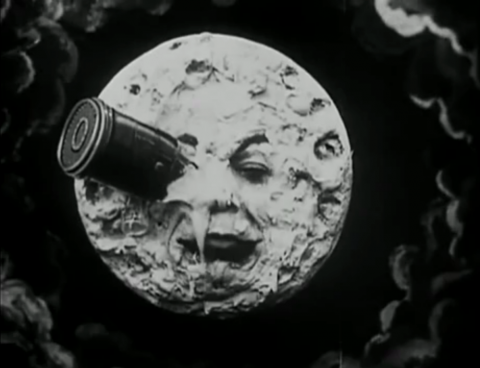
“Dur­ing the tri­al,” the BBC arti­cle con­tin­ues, “Lau­ren­cic revealed he was inspired by mod­ern artists, such as sur­re­al­ist Sal­vador Dali and Bauhaus artist Wass­i­ly Kandin­sky” to cre­ate the six-foot-by-four-foot cells placed secret­ly in Barcelona (see a re-cre­ation above), which fea­tured “slop­ing beds at a 20-degree angle that were almost impos­si­ble to sleep on,” “irreg­u­lar­ly shaped bricks on the floor that pre­vent­ed pris­on­ers from walk­ing back­wards or for­wards,” walls “cov­ered in sur­re­al­ist pat­terns designed to make pris­on­ers dis­tressed and con­fused,” and light­ing effects “to make the art­work even more dizzy­ing.” Evi­dence also indi­cates that, else­where in Spain, Nation­al­ist pris­on­ers “were forced to watch Sal­vador Dali and Luis Bunuel’s film Un Chien Andalou,” espe­cial­ly an end­less loop of its “graph­ic sequence of an eye­ball being cut open” (at the top of the post).

modernartastorture

Iron­i­cal­ly, those impris­oned in such cells would have wound up there in the name of their fas­cist cause, which like the Fran­co-back­ing Nazi regime in Ger­many, con­sid­ered mod­ernism “degen­er­a­tive.” Pre­sum­ably, they did­n’t leave their impris­on­ment with any more sym­pa­thet­ic idea of mod­ern art than the one they’d gone in with. “A sub­cur­rent of shock and provo­ca­tion has always lurked with­in avant-garde art, which delib­er­ate­ly sets out to chal­lenge bour­geois con­ven­tion and to elic­it a strong response” writes the New York Times’ John Rock­well. “My own expe­ri­ence has been that oppo­nents of new art are much too quick to pre­sume provo­ca­tion, let alone provo­ca­tion intend­ed lit­er­al­ly to tor­ture. Still, there can be no doubt that out­rage was and is a goal of some artists, even if they rarely pushed it to the log­i­cal extreme that Lau­ren­cic took it.” You can learn more about this unusu­al­ly artis­tic form of war­fare in this All Things Con­sid­ered inter­view with art his­to­ri­an Vic­to­ria Com­balia. (Lis­ten below.) And do try to sup­press those fan­tasies of throw­ing your more Philis­tine acquain­tances in there for an hour or two.

Relat­ed Con­tent:

Restored Ver­sion of Un Chien Andalou: Luis Buñuel & Sal­vador Dalí’s Sur­re­al Film (1929)

The Nazi’s Philis­tine Grudge Against Abstract Art and The “Degen­er­ate Art Exhi­bi­tion” of 1937

How the CIA Secret­ly Fund­ed Abstract Expres­sion­ism Dur­ing the Cold War

Col­in Mar­shall hosts and pro­duces Note­book on Cities and Cul­ture and writes essays on cities, lan­guage, Asia, and men’s style. He’s at work on a book about Los Ange­les, A Los Ange­les Primer. Fol­low him on Twit­ter at @colinmarshall or on Face­book.

On the Importance of the Creative Brief: Frank Gehry, Maira Kalman & Others Explain its Essential Role

Every project starts with a brief. 

From the layman’s per­spec­tive, the project above starts with a bit of self-mythol­o­giz­ing.

Bas­sett & Part­ners, the “award-win­ning, dis­rup­tive brand and design strat­e­gy firm” and mak­er of the video above, seems not to sub­scribe to TED-Ed’s prac­tice of edu­cat­ing view­ers from the get-go.

A cou­ple of min­utes in, I hit pause in order to do a lit­tle research on the word “brief.”

I’m famil­iar with male under­pants (though tech­ni­cal­ly those are plur­al, even if the gar­ment is sin­gu­lar).

I have the aver­age movie­go­ers han­dle on the mean­ing of legal briefs.

And now I know what the not­ed archi­tects, illus­tra­tor, design­er, and ad execs are talk­ing about above! If only they’d referred to it as an ele­va­tor pitch, I’d have been on board from the start. Of course, why would they? Only those of us who want to sound all Hol­ly­wood call it that.

What­ev­er you call it, it’s a con­cise state­ment that gets right to the heart of what you—or your project—are about. No his­to­ry. No cam­paign plans or cita­tions. Just a whole lot of pas­sion and truth tight­ly packed into a small ves­sel.

Archi­tect David Rock­well defines a brief as a short-form com­mu­ni­ca­tion tool from a client.

Art Direc­tor John Jay says its pur­pose is to inspire the cre­atives…

…with­out (as per ad exec John Boil­er) dic­tat­ing cre­ative terms. Of all the inter­vie­wees, the truck­er hat­ted Boil­er exudes the schmoozi­est, most off-putting Hol­ly­wood vibe. I’d rather do lunch with Frank Gehry. Does this make me guilty of com­par­ing apples to oranges, when direc­tor (and “dis­rup­tive brand and design” strate­gist) Tom Bas­sett lev­eled the play­ing field by giv­ing them equal time?

Per­haps if Boil­er had hum­bled him­self by shar­ing an expe­ri­ence as heart­break­ing as Gehry’s ill-fat­ed Eisen­how­er Memo­r­i­al. (Skip ahead to the 16:16 mark if you want to hear how out­side opin­ion can pound con­text, research, poet­ry, and many months of thought­ful work to a heap of rub­ble.)

I love Maira Kalman, but remain unclear as to whether she’s field­ing or sub­mit­ting briefs. If the lat­ter, how do those dif­fer from book pro­pos­als?

What if the emo­tion, cre­ativ­i­ty, and enthu­si­as­tic research that went into Nike’s 1996 Olympics ads result­ed in an equal­ly fierce cam­paign to end hunger in a coun­try with no Olympic teams?

What if the clien­t’s prob­lem was can­cer? Could the brief demand a cure? That sounds sim­ple.

Let us acknowl­edge that most grand scale visions require a fleet of under­lings to come to fruition. I won­der what plumbers and elec­tri­cians would make of see­ing their con­tri­bu­tions described in such poet­ic terms.  Nev­er under­es­ti­mate the pow­er of a sound­track.

Relat­ed Con­tent:

David Byrne: How Archi­tec­ture Helped Music Evolve

Bauhaus, Mod­ernism & Oth­er Design Move­ments Explained by New Ani­mat­ed Video Series

Ayun Hal­l­i­day is an author, home­school­er, and Chief Pri­ma­tol­o­gist of the East Vil­lage Inky zine. Fol­low her @AyunHalliday


The Groundbreaking Art of Alex Steinweiss, Father of Record Cover Design

Steinweiss Grieg

Giv­en the visu­al per­fec­tion and ubiq­ui­ty of album cov­ers by design­ers like Storm Thorg­er­son and Peter Sav­ille—giv­en the pop­u­lar­i­ty of blogs fea­tur­ing mon­u­men­tal­ly bad album covers—it’s hard to fea­ture a time when records came wrapped in plain brown paper like cheap booze or cov­ered in non­de­script bind­ings like busi­ness ledgers. But this was the case, before anoth­er wide­ly admired design­er, Alex Stein­weiss, more or less invent­ed the album cov­er in 1939 at the age of 22.

Steinweiss Boogie

There had been cov­er art before, dur­ing the age of the 78 rpm record, but only for the rare spe­cial release. Most music came stamped with its con­tents and lit­tle else. Ini­tial­ly con­tract­ed by Colum­bia Records to pro­duce bet­ter jack­ets for the unwieldy 78, Stein­weiss soon became the label’s art direc­tor and con­vinced them to try out sev­er­al full col­or designs inspired by French and Ger­man mod­ernist poster art. When Colum­bia released the first vinyl LP in 1948, Stein­weiss not only designed the cov­er, but he invent­ed the paper­board jack­et that still sur­rounds records today.

Steinweiss Gershwin

You can see a few of Stein­weiss’ cov­ers for clas­si­cal and jazz albums here. At the top of the post, see that first LP cov­er, for a record­ing of Grieg’s Vio­lin Con­cer­to in E Minor. The design may seem pret­ty restrained, but Stein­weiss quick­ly broad­ened his palette. Just below the Grieg cov­er is a clas­sic design for the jazz com­pi­la­tion Boo­gie Woo­gie, and just above, we have a col­or­ful block design for a Gersh­win album. Stein­weiss also drew inspi­ra­tion from abstract expres­sion­ist painters like Wass­i­ly Kandin­sky, as you can see in the Bar­tok cov­er below.

bartok cover

Stein­weiss’ designs were extreme­ly pop­u­lar and sent record sales soar­ing. In one instance, Newsweek report­ed that sales of a record­ing of Beethoven’s “Eroica” sym­pho­ny “increased 895% with its new Stein­weiss cov­er.” A savvy, fear­less artist, Stein­weiss left the field with the same ease and grace with which he’d entered it. After design­ing album cov­ers, movie posters, and graph­ics for “count­less oth­er prod­ucts” for 33 years, writes Jeff Newelt for the Art Direc­tors Club, Stein­weiss retired to become a painter, “not­ing the rise of Swiss Mod­ernism and min­i­mal­ism, and the increas­ing pref­er­ence for pho­tog­ra­phy in the field” of graph­ic design. While Stein­weiss was­n’t afraid to incor­po­rate pho­tos into his designs on occasion—as you can see in a 1940 Bessie Smith cov­er below—it was the rare occa­sion. Most­ly what inter­est­ed him were bold col­ors and geo­met­ri­cal shapes.

Steinweiss Bessie Smith

Though it’s cer­tain that some­one would have come along and cre­at­ed record cov­ers even­tu­al­ly, it’s hard to under­es­ti­mate the tremen­dous influ­ence Stein­weiss had on the form—the way his work has guid­ed our expe­ri­ence of star­ing in awe at a mys­te­ri­ous album cov­er, even in the MP3 age, and try­ing to imag­ine the kind of music it describes. For much, much more on Stein­weiss, you could pur­chase this enor­mous, and enor­mous­ly expen­sive, Taschen book. Or save a few bucks and browse through some exten­sive online col­lec­tions of his work, like this Stein­weiss trib­ute site, this six part biog­ra­phy, and the Bir­ka Jazz Archive from Colum­bia, which also fea­tures icon­ic cov­ers by such artists as Jim Flo­ra, Neil Fuji­ta, and Saul Bass. Steven Heller, who teach­es at the School of Visu­al Arts in NYC, presents a talk on Stein­weiss’ art here.

Relat­ed Con­tent:

Andy Warhol Cre­ates Album Cov­ers for Jazz Leg­ends Thelo­nious Monk, Count Basie & Ken­ny Bur­rell

Clas­sic Jazz Album Cov­ers Ani­mat­ed, or the Re-Birth of Cool

Under­ground Car­toon­ist R. Crumb Intro­duces Us to His Rol­lick­ing Album Cov­er Designs

Josh Jones is a writer and musi­cian based in Durham, NC. Fol­low him at @jdmagness

Lynda Barry, Cartoonist Turned Professor, Gives Her Old Fashioned Take on the Future of Education

With col­lege tuitions bal­loon­ing to the point of implo­sion, and free edu­ca­tion­al con­tent pro­lif­er­at­ing online, the future of edu­ca­tion is a scorch­ing hot top­ic.

So where are we head­ing?

Cours­era and Khan Acad­e­myVideo game-based cur­ric­u­la? Expe­ri­ence-dri­ven microlearn­ing?

Or school build­ings that moon­light as can­dy?

So sug­gest­ed one of the younger par­tic­i­pants in a work­shop led by the Uni­ver­si­ty of Wisconsin’s Assis­tant Pro­fes­sor of Inter­dis­ci­pli­nary Cre­ativ­i­ty, car­toon­ist and author Lyn­da Bar­ry (aka Pro­fes­sor Long-Title).

Barry’s mes­sian­ic embrace of the arts has proved pop­u­lar with stu­dents of all ages. When the university’s Coun­ter­fac­tu­al Draw­ing Board Project invit­ed fac­ul­ty, staff, and oth­ers to con­sid­er what the “appear­ance, pur­pose, atmos­phere and com­mu­ni­ty of the cam­pus” would be like in 100 years time, Bar­ry delib­er­ate­ly widened the pool to include chil­dren.

Yes, their inno­va­tions tend­ed toward vol­cano schools that erupt at dis­missal, but pre­sum­ably some of those same chil­dren will be in the van­guard when it’s time for ini­tia­tives that seem unimag­in­able now to be imple­ment­ed. Rome wasn’t built in a day, and all that.

Or as one gim­let-eyed youth put it, in a hun­dred years “the teach­ers will all be dead.”

No won­der few adult par­tic­i­pants can see past a but­ton-dri­ven, her­met­i­cal­ly sealed, dig­i­tal future where­in every stu­dent has a chip implant­ed in his or her head.

Bar­ry, no stranger to depres­sion, man­ages to laugh such gloomy fore­casts off, despite what they por­tend for the tac­tile, hand­made ephemera she reveres. A sense of humor—and humanity—is at the core of every edu­ca­tion­al reform she prac­tices.

Rather than rip each other’s writ­ing to shreds dur­ing in-class cri­tiques, her stu­dents call each oth­er by out­landish pseu­do­nyms and draw med­i­ta­tive spi­rals as each oth­ers’ work is read aloud. Every read­er is assured of a hearty “good!” from the teacher. She wants them to keep going, you see.

Sure­ly there are insti­tu­tions where this approach might not fly, but why poo-poo it? Isn’t fuel­ing the cre­ative spir­it a prac­ti­cal invest­ment in the future?

“It’s there in every­body,” Bar­ry believes. “You have to give peo­ple an expe­ri­ence of it, a repeat­ed expe­ri­ence of it that they gen­er­ate them­selves.”

Maybe some­day, some kid who hasn’t had the love of learn­ing squelched out of him or her will apply all that cre­ativ­i­ty toward cur­ing can­cer. That’d be great, huh? At worst, that care­ful­ly tend­ed spark can give solace in the dark days ahead. As fans of Barry’s work well know, art exists to car­ry us through times of “sor­row and grief and trou­ble.”

Relat­ed Con­tent:

Car­toon­ist Lyn­da Bar­ry Reveals the Best Way to Mem­o­rize Poet­ry

Join Car­toon­ist Lyn­da Bar­ry for a Uni­ver­si­ty-Lev­el Course on Doo­dling and Neu­ro­science

Pablo Picasso’s Two Favorite Recipes: Eel Stew & Omelette Tortilla Niçoise

picasso stew

Back in 1964, Pablo Picas­so shared with Vogue’s food colum­nist Ninette Lyon two of his favorite recipes — one for Eel Stew, the oth­er for Omelette Tor­tilla Niçoise. If you live in the South of France, as Picas­so did, the recipes prob­a­bly won’t be entire­ly for­eign to you. But if you aren’t so lucky, you might want to add these recipes, now reprint­ed by Vogue, to your culi­nary buck­et list.

Below, we’ve high­light­ed the ingre­di­ents for the recipes. But, for step-by-step direc­tions on how to pre­pare the dish­es, head over to Vogue itself.

For more recipes from cul­tur­al icons — Hem­ing­way, Tol­stoy, Alice B. Tok­las, Jane Austen, David Lynch, Miles Davis, etc. — head to the bot­tom of this page.

Eel Stew for Four Peo­ple

6 table­spoons olive oil
6 table­spoons but­ter
12 small white onions
1 tea­spoon sug­ar
2 yel­low onions, chopped
12 mush­rooms
⅓ pound salt pork, cubed
2 shal­lots, minced
2 cloves gar­lic, minced
2 eels of about 1 pound each, cut into four- to five-inch sec­tions
1 bot­tle of good red wine
1 table­spoon flour
Salt, pep­per, cayenne pep­per
Bou­quet gar­ni: thyme, bay leaf, pars­ley, fen­nel, and a small branch of cel­ery

Omelette Tor­tilla Niçoise for Four Peo­ple
6 table­spoons olive oil
1 large onion
4 pep­pers, red and green
3 toma­toes
2 table­spoons wine vine­gar
8 eggs
Salt and pep­per

Relat­ed Con­tent:

Ernest Hemingway’s Favorite Ham­burg­er Recipe

Leo Tolstoy’s Fam­i­ly Recipe for Mac­a­roni and Cheese

David Lynch Teach­es You to Cook His Quinoa Recipe in a Weird, Sur­re­al­ist Video

Thomas Jefferson’s Hand­writ­ten Vanil­la Ice Cream Recipe

Alice B. Tok­las Reads Her Famous Recipe for Hashish Fudge (1963)

Mar­i­lyn Monroe’s Hand­writ­ten Turkey-and-Stuff­ing Recipe

Read Film­mak­er Luis Buñuel’s Recipe for the Per­fect Dry Mar­ti­ni, and Then See Him Make One

Miles Davis’ “South Side Chica­go Chili Mack” Recipe Revealed

The Recipes of Icon­ic Authors: Jane Austen, Sylvia Plath, Roald Dahl, the Mar­quis de Sade & More

Professor Michael Stipe: R.E.M.‘s Frontman Now Teaching Art Classes at NYU


stipe at nyu

Admir­ers of Michael Stipe will know that he before he became a famous rock star with R.E.M., he was an art stu­dent at the Uni­ver­si­ty of Geor­gia. He may have skipped the degree, but he nev­er stopped mak­ing things, includ­ing the pho­tog­ra­phy and design of the band’s album cov­ers, the light­ing and stage design of their live shows, and sev­er­al of their videos. Now a rock star emer­i­tus, Stipe makes things full time in an offi­cial capac­i­ty as the vis­it­ing artist and schol­ar in res­i­dence at the NYU Stein­hardt Depart­ment of Art. He has recent­ly curat­ed an “evolv­ing exhi­bi­tion project” called NEW SIGHTS, NEW NOISE, writes Eric Alper, “pro­duced col­lab­o­ra­tive­ly with Jonathan Berg­er” and includ­ing “con­tri­bu­tions from spe­cial guests Dou­glas Cou­p­land, Jef­fer­son Hack, Peach­es,” and oth­ers.

Appear­ing at NYU’s 80 WSE Gallery, the exhi­bi­tion also includes work from Stipe’s stu­dents. That’s right, Michael Stipe is a “shiny hap­py” col­lege pro­fes­sor, as this pun-hap­py Spin arti­cle tells us, and the show comes from his class assign­ments: “Each week, Stipe and a dif­fer­ent spe­cial guest will give the class’ 18 stu­dents a prompt, and they’ll respond with ‘100 images and gifs, both found and made, all of which will be uploaded to a pri­vate class web­site.’” It’s all cen­tered around themes Stipe has pur­sued for some time, as you can see from his Tum­blr. He describes the project on R.E.M.’s web­site as refer­ring to “the glut and onslaught of infor­ma­tion made avail­able by the inter­net, often with­out con­text or author­ship; the dis­pro­por­tion­ate and impul­sive reac­tions that it pro­vokes, and the reck­less cyn­i­cism of a 24 hour news cycle.” Read much more about the project at Alper’s blog, and see much more of Stipe’s work—with sculp­ture, paint­ing, and film—at the Creator’s Project video above from 2011.

pho­to by David Shankbone.

Relat­ed Con­tent:

Why R.E.M.’s 1991 Out of Time May Be the “Most Polit­i­cal­ly Impor­tant Album” Ever

Two Very Ear­ly Con­cert Films of R.E.M., Live in ‘81 and ‘82

R.E.M Plays “Radio Free Europe” on Their Nation­al Tele­vi­sion Debut on The David Let­ter­man Show (1983)

Josh Jones is a writer and musi­cian based in Durham, NC. Fol­low him at @jdmagness.

Breaking Bad Illustrated by Gonzo Artist Ralph Steadman

steadmanwalterwhiteslkj1

Sure, I suf­fered from Break­ing Bad with­draw­al syn­drome after the show’s excel­lent fifth and final sea­son. Symp­toms includ­ed watch­ing episodes of Metás­ta­sis, the Colom­bian telen­ov­ela-style, Span­ish lan­guage remake; obses­sive­ly read­ing news about upcom­ing spin-off, Bet­ter Call Saul; and wish­ing the hoax about a Sea­son 6 was true. The con­di­tion is wide­spread, shared by fans of oth­er cult hits like Dex­ter and The Wire. Many take to the alter­nate uni­vers­es of fan fic­tion and art, and who can blame them? We become as engrossed in the lives of tele­vi­sion char­ac­ters as we do mem­bers of our own fam­i­ly, though I feel for you if your fam­i­ly is as dys­func­tion­al as Wal­ter White’s.

jessepinkmanralphsteadmansldkjf

The unlike­ly drug king­pin from sub­ur­ban Albu­querque appealed to us, I think, because he seemed so non­de­script , so painful­ly ordinary—a domes­ti­cat­ed every­man, until des­per­a­tion and hubris turned him into the feared and respect­ed Heisen­berg. No small amount of wish ful­fill­ment for audi­ences there. Break­ing Bad’s world of hyper­vi­o­lence and insan­i­ty resem­bles the dan­ger­ous real world of des­per­a­does, sleazy oppor­tunists, and mer­ce­nar­ies that Hunter S. Thomp­son fear­less­ly doc­u­ment­ed, and so it makes per­fect sense that Thomp­son illus­tra­tor Ralph Stead­man would be cho­sen to draw six cov­ers for an upcom­ing release of all five sea­sons of the show on Blu-ray (the last sea­son is bro­ken in two, the way it was broad­cast). At the top of the post, see Steadman’s glow­er­ing ren­di­tion of Walt/Heisenberg him­self. Just above, see a dazed and con­fused Jesse Pinkman, and below, the blast­ed vis­age of their sup­pli­er turned arch-ene­my, Gus Fring. (The com­pli­cat­ed, and baf­fling­ly much-despised Skyler does not get her own cov­er.)

guschickenmanfringlkjsdf

Steadman’s illus­tra­tions for Thompson’s Fear & Loathing in Las Vegas, a “sur­re­al drug-fueled road trip” of a book, pre­fig­ure the law­less lim­i­nal spaces of Break­ing Bad’s sur­re­al desert land­scapes (remem­ber the tur­tle?). His ren­der­ings of a crazed Thomp­son on his “sav­age jour­ney to the heart of the Amer­i­can dream” per­haps even inspired the dan­ger­ous­ly unhinged jour­ney Walt and Jesse take togeth­er. Com­ing in Feb­ru­ary, the Stead­man-illus­trat­ed Blu-ray col­lec­tion is a lim­it­ed edi­tion and will, Dan­ger­ous Minds informs us, “be sold exclu­sive­ly by Zavvi.com ($30 bucks each). Pre-order is going on now but be fore­warned, the Gus “The Chick­en Man” Fring edi­tion for sea­son four (as well as Mike Ehrmantraut’s sea­son five and Hank Schrader’s show finale sea­son) have already sold-out.” Lots of Break­ing Bad addicts out there, des­per­ate for a fix. If you’re one of them, act fast, though it’s like­ly Stead­man will even­tu­al­ly offer prints for sale (and maybe mugs and t‑shirts, too) on his web­site. See the oth­er three cov­ers over at Dan­ger­ous Minds.

Relat­ed Con­tent:

Watch the Orig­i­nal Audi­tion Tapes for Break­ing Bad Before the Final Sea­son Debuts

The Sci­ence of Break­ing Bad: Pro­fes­sor Don­na Nel­son Explains How the Show Gets it Right

Bryan Cranston Reads Shelley’s Son­net “Ozy­man­dias” in Omi­nous Teas­er for Break­ing Bad’s Last Sea­son

How Hunter S. Thomp­son — and Psilo­cy­bin — Influ­enced the Art of Ralph Stead­man, Cre­at­ing the “Gonzo” Style

Josh Jones is a writer and musi­cian based in Durham, NC. Fol­low him at @jdmagness.

« Go BackMore in this category... »
Quantcast