Neil Gaiman & Famous Friends Read Aloud the Entirety of Coraline (and The Graveyard Book Too)

One of the many plea­sures of hear­ing a children’s author read­ing his or her own work is their over­whelm­ing lack of vocal sen­ti­ment. When my chil­dren were young, I always opt­ed for the horse’s mouth, over the more histri­on­ic char­ac­ter­i­za­tions of a hired nar­ra­tor, regard­less of what sit­com or Broad­way play he or she may have starred in. It might have tak­en author E.B. White 17 takes to lay down a track for Charlotte’s Web’s tit­u­lar character’s death scene, but he even­tu­al­ly achieved the healthy remove that lets the listener—not the reader—wallow in the val­ley of deep emo­tions.

Neil Gaiman’s Cora­line is not a weepie, like White’s best loved work. Instead, it rev­els in a sort of under­stat­ed creepi­ness en route to the hor­rif­i­cal­ly bizarre. It’s a tone his fel­low lit­er­ary celebs are bliss­ful­ly well equipped to deliv­er, read­ing chap­ters aloud in hon­or of the book’s 10th anniver­sary. You can see them read all of the chap­ters here and also above and below.

Gaiman him­self book­ends the pro­ceed­ings by claim­ing the first (above) and final chap­ter. Lucky that. One shud­ders to think of the myr­i­ad ways in which a nar­ra­tor of cute­si­er sen­si­bil­i­ties could have screwed up phras­es like “oom­pah oom­pah” and “squidy brown toad­stools” (thus blight­ing the entire book).

I con­ceive of these read­ings as a mul­ti­ple nar­ra­tor audio­book because the per­form­ers are read­ing, rather than attempt­ing to act out the text in their hands, but real­ly it’s more of a video sto­ry­time. Gaiman is def­i­nite­ly on point in front of the camera—his large brown eyes, promi­nent pro­boscis and stringy ster­n­oclei­do­mas­toid mus­cles adding to the pro­ceed­ings.

Sand­wiched in between the master’s per­for­mances, you will find such lumi­nar­ies as authors R.L. Stine, John Hodg­man, and Daniel “Lemo­ny Snick­et” Han­dler, framed so that he has no head. For­mer child star Fairuza Balk would’ve made a gim­crack Cora­line back in the day, but her ren­di­tion of the book’s penul­ti­mate chap­ter sug­gests that she’s even bet­ter suit­ed to the role of Coraline’s “Oth­er Moth­er,” or rather her dis­em­bod­ied hand. Bed­lam, indeed.

Lis­ten to the 10th Anniver­sary Cel­e­bra­tion of the book in its entire­ty here.

Should that leave you want­i­ng more, Harp­er Collins has com­piled a stem to stern playlist of Gaiman read­ing 2008’s The Grave­yard Book, culled from var­i­ous videos of the author on tour. You can watch it above, or find it in our col­lec­tion, 1,000 Free Audio Books: Down­load Great Books for Free.

Relat­ed Con­tent:

Neil Gaiman’s Free Short Sto­ries

Neil Gaiman Reads “The Man Who For­got Ray Brad­bury”

Where Do Great Ideas Come From? Neil Gaiman Explains

Ayun Hal­l­i­day is an author, illus­tra­tor, and Chief Pri­ma­tol­o­gist of the East Vil­lage Inky zine. Fol­low her @AyunHalliday

Hear John Malkovich Read From Breakfast of Champions, Then Hear Kurt Vonnegut Do the Same

breakfastofchampionscover2
In high school when I was try­ing to write sur­re­al­is­tic short sto­ries in the vein of Richard Brauti­gan, despite not real­ly under­stand­ing 90 per­cent of Richard Brauti­gan, my Eng­lish teacher rec­om­mend­ed I start read­ing Kurt Von­negut, so lat­er that day I went down to our city’s sci-fi book/comic book store and bought on her rec­om­men­da­tion Break­fast of Cham­pi­ons. A com­ic nov­el, it was breezy and fun, and by gum, had car­toons in it! (One was of a cat’s but­t­hole, the effect of which on a high schooler’s mind can­not be over­stat­ed.)

But, I admit, I haven’t read it since–the world and my tsun­doku is too big for rereadings–and maybe you haven’t read it at all, or per­haps it’s your favorite book. It was the nov­el Von­negut pub­lished four years after his best known work Slaugh­ter­house Five. When he grad­ed his nov­els in his 1981 “Auto­bi­o­graph­i­cal Col­lage” Palm Sun­day he gave Break­fast a C. It’s cer­tain­ly one of his most ram­bling nov­els, where he brings back Slaugh­ter­house Five’s sci-fi author Kil­go­re Trout and pairs him with the delu­sion­al Dwayne Hoover, and unpacks all the dark parts of Amer­i­can his­to­ry, from racism to cap­i­tal­ism to envi­ron­men­tal degra­da­tion in pas­sages both sober and bleak­ly com­ic.

John Malkovich does­n’t seem like the obvi­ous choice to read Von­negut for this audio­book, a short excerpt of which can be heard above. (Note: you can down­load the com­plete Malkovich read­ing for free via Audi­ble’s Free Tri­al pro­gram.) But the pas­sage is key in that it intro­duces the mar­ti­ni cock­tail lounge ori­gins of the book’s title, and Malkovich brings out the droll irony of Vonnegut’s writ­ing, espe­cial­ly the way he rolls the word “schiz­o­phre­nia” off his tongue. There’s a bit of the schizoid in every author, let­ting a world of char­ac­ters speak through them like a medi­um.

For com­par­i­son, check out this ear­li­er Open Cul­ture post about Von­negut read­ing a long sec­tion from Break­fast of Cham­pi­ons in 1970. The author chuck­les at some of his more com­ic pas­sages, and the audi­ence roars along. The tim­ing is that of a standup rou­tine, but this opening—one assumes its the opening—would go on to be furi­ous­ly rewrit­ten, drop­ping the first per­son style. It’s an alter­na­tive uni­verse Break­fast that can only leave one to won­der how the rest of the nov­el might have been han­dled.

h/t Ayun

Relat­ed con­tent:

Richard Brautigan’s Sto­ry, ‘One After­noon in 1939,’ Read From a Wood­en Spool

Kurt Vonnegut’s 8 Tips on How to Write a Good Short Sto­ry

22-Year-Old P.O.W. Kurt Von­negut Writes Home from World War II: “I’ll Be Damned If It Was Worth It”

Ted Mills is a free­lance writer on the arts who cur­rent­ly hosts the FunkZone Pod­cast. You can also fol­low him on Twit­ter at @tedmills, read his oth­er arts writ­ing at tedmills.com and/or watch his films here.

Christopher Lee Reads “The Tell-Tale Heart,” Edgar Allan Poe’s 1843 Classic

Last Fri­day, after we marked the pass­ing of Christo­pher Lee by fea­tur­ing his read­ing of Edgar Allan Poe’s 1845 nar­ra­tive poem “The Raven,” we stum­bled, by chance, upon Lee’s read­ing of anoth­er Poe classic–“The Tell-Tale Heart.” Oper­at­ing with the the­o­ry that there’s no such thing as too much Edgar Allan Poe, and cer­tain­ly no such thing as too much Christo­pher Lee read­ing Edgar Allan Poe, we’ve fea­tured that sec­ond read­ing above. It’ll be added to our col­lec­tion of Free Audio Books

via the Edgar Allan Poe Face­book Page

If you would like to sign up for Open Culture’s free email newslet­ter, please find it here. It’s a great way to see our new posts, all bun­dled in one email, each day.

If you would like to sup­port the mis­sion of Open Cul­ture, con­sid­er mak­ing a dona­tion to our site. It’s hard to rely 100% on ads, and your con­tri­bu­tions will help us con­tin­ue pro­vid­ing the best free cul­tur­al and edu­ca­tion­al mate­ri­als to learn­ers every­where. You can con­tribute through Pay­Pal, Patre­on, and Ven­mo (@openculture). Thanks!

Isaac Asimov’s Favorite Story “The Last Question” Read by Leonard Nimoy

Isaac Asi­mov, one of the most pro­lif­ic cre­ators in sci­ence-fic­tion his­to­ry, wrote or edit­ed more than 500 books in his life­time, includ­ing the high-pro­file ones we all rec­og­nize like I, Robot and the Foun­da­tion series (hear a ver­sion dra­ma­tized here). But which piece of this mas­sive body of work did Asi­mov him­self con­sid­er his favorite? Always a fan of clar­i­ty, the man did­n’t leave that issue shroud­ed in mys­tery: the hon­or belongs to “The Last Ques­tion,” which first appeared in the Novem­ber 1956 issue of Sci­ence Fic­tion Quar­ter­ly. It’s now avail­able in Isaac Asi­mov: The Com­plete Sto­ries, Vol. 1.

“Why is it my favorite?” Asi­mov lat­er wrote. “For one thing I got the idea all at once and did­n’t have to fid­dle with it; and I wrote it in white-heat and scarce­ly had to change a word. This sort of thing endears any sto­ry to any writer.” But it also had, and con­tin­ues to have, “the strangest effect on my read­ers. Fre­quent­ly some­one writes to ask me if I can give them the name of a sto­ry, which they ‘think’ I may have writ­ten, and tell them where to find it. They don’t remem­ber the title but when they describe the sto­ry it is invari­ably ‘The Last Ques­tion.’ ”

You cer­tain­ly won’t for­get who wrote the sto­ry if you can hear it read by Leonard Nimoy, sure­ly the most dis­tinc­tive sci-fi nar­ra­tor of our time, in the video just above. Nimoy first read “The Last Ques­tion” aloud for an adap­ta­tion staged at Michi­gan State Uni­ver­si­ty’s Abrams Plan­e­tar­i­um in 1966, a pro­duc­tion that first moved Asi­mov him­self to con­sid­er rank­ing its source mate­r­i­al among his best works. Of course, the sto­ry would have received none of this ret­ro­spec­tive atten­tion, from its author or oth­ers, if not for its intel­lec­tu­al con­tent, which comes through vivid­ly no mat­ter how you take it in.

Look past the more enter­tain­ing­ly dat­ed ele­ments — expres­sions like “for Pete’s sake,” enor­mous cen­tral com­put­ers that print all their out­put on paper slips, an ear­ly ref­er­ence to “high­balls” — and you find plen­ty of ele­ments that qual­i­fy as eter­nal: the ever more rapid expan­sion of human­i­ty, the ever more rapid progress of tech­nol­o­gy, and the seem­ing­ly ever-fal­ter­ing abil­i­ty of the for­mer to main­tain dom­i­nance over the lat­ter. With­in the sto­ry’s nine pages, Asi­mov even digs into sci­en­tif­ic con­cepts like entropy and the heat death of the uni­verse as well as philo­soph­i­cal con­cepts like the true nature of “for­ev­er” and the ori­gin of life, the uni­verse, and every­thing. If you read only one of Asi­mov’s sto­ries, he’d sure­ly approve if you made it “The Last Ques­tion.” (And if you read two, why not “The Last Answer”?). Find these read­ings added to our col­lec­tion, 1,000 Free Audio Books: Down­load Great Books for Free.

Look­ing for free, pro­fes­sion­al­ly-read audio books from Audible.com, includ­ing ones writ­ten by Isaac Asi­mov? Here’s a great, no-strings-attached deal. If you start a 30 day free tri­al with Audible.com, you can down­load two free audio books of your choice. Get more details on the offer here.

Relat­ed Con­tent:

Isaac Asi­mov Pre­dicts in 1964 What the World Will Look Like Today — in 2014

Free: Isaac Asimov’s Epic Foun­da­tion Tril­o­gy Dra­ma­tized in Clas­sic Audio

Isaac Asi­mov Explains the Ori­gins of Good Ideas & Cre­ativ­i­ty in Nev­er-Before-Pub­lished Essay

Isaac Asi­mov Explains His Three Laws of Robots

Leonard Nimoy Reads Ray Brad­bury Sto­ries From The Mar­t­ian Chron­i­cles & The Illus­trat­ed Man (1975–76)

Col­in Mar­shall writes on cities, lan­guage, Asia, and men’s style. He’s at work on a book about Los Ange­les, A Los Ange­les Primer, and the video series The City in Cin­e­ma. Fol­low him on Twit­ter at @colinmarshall or on Face­book.

Download the Major Works of Jane Austen as Free eBooks & Audio Books

Jane_Austen

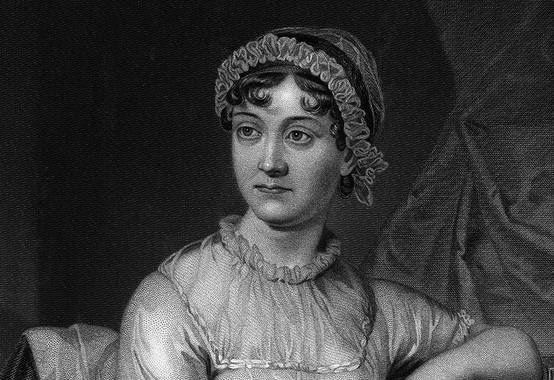
Why does Jane Austen feel so much like our con­tem­po­rary? Is it the way she has been appro­pri­at­ed by pop­u­lar cul­ture, turned into a vamp­ish, mod­ern con­sumer icon in adap­ta­tions like From Pra­da to Nada, Clue­less, and Brid­get Jones’ Diary? Do these can­dy-col­ored updates of Austen tru­ly rep­re­sent the spir­it of the late 18th/early 19th cen­tu­ry novelist’s world? Or do we grav­i­tate toward Austen because of nos­tal­gia for a sim­pler, almost pre-indus­tri­al time, when—as in the rather reac­tionary world of Down­ton Abbey—the com­ings and goings in a sin­gle house­hold con­sti­tut­ed an entire human soci­ety?

Why not both? As the writ­ers and artists in the video above from the Mor­gan Library assert, Austen, like Shake­speare, is a writer for every age. “The Divine Jane” as the title dubs her, had an insight into human behav­ior that tran­scends the par­tic­u­lars of her his­tor­i­cal moment. But of course, the con­text of Austen’s fiction—a time of great Eng­lish coun­try hous­es and an emerg­ing class-con­scious­ness based on rapid­ly chang­ing social arrangements—is no mere back­drop. Like Shake­speare, we need to under­stand Austen on her own terms as much as we enjoy her wit trans­posed into our own.

The Mor­gan Library’s “A Woman’s Wit” exhib­it, moved online since its debut in the phys­i­cal space in 2009, offers an excel­lent col­lec­tion of resources for schol­ars and lay read­ers to dis­cov­er Austen’s world through her cor­re­spon­dence and man­u­scripts. You’ll also find there draw­ings by Austen and her con­tem­po­raries and com­men­tary from a num­ber of twen­ti­eth cen­tu­ry writ­ers inspired by her work. Much of the Austen-mania of the past sev­er­al years treats the nov­el­ist as a more-or-less post­mod­ern ironist—“hotter,” wrote Mar­tin Amis in 1996, “than Quentin Taran­ti­no.” That she has become such fod­der for films, both good and frankly ter­ri­ble, can obscure her obses­sion with lan­guage, one rep­re­sent­ed by her nov­els, of course, as well as by her let­ters—so live­ly and imme­di­ate so as to have inspired a “Per­fect Love Let­ter” com­pe­ti­tion among Austen enthu­si­asts.

As for the nov­els, well, there real­ly is no sub­sti­tute. Dress­ing Austen up in Pra­da and Guc­ci and recast­ing her bum­bling suit­ors and imp­ish hero­ines as mall-savvy teenage Amer­i­cans has—one hopes—been done enough. Let not Austen’s appeal to our age eclipse the rich, fine-grained obser­va­tions she made of hers. Whether you’re new to Austen or a life­long read­er, her work is always avail­able, as she intend­ed it to be expe­ri­enced, on the page—or, er… the screen… thanks to inter­net pub­lish­ing and orga­ni­za­tions like Project Guten­berg and Lib­rivox. At the links below, you can find all of Austen’s major works in var­i­ous eBook and audio for­mats.

So by all means, enjoy the mod­ern clas­sic Clue­less, that hilar­i­ous ren­di­tion of Austen’s Emma. And by all means, read Emma, and Pride and Prej­u­dice, and Mans­field Park, and… well, you get the idea….

Relat­ed Con­tent:

1,000 Free Audio Books: Down­load Great Books for Free

Jane Austen Used Pins to Edit Her Aban­doned Man­u­script, The Wat­sons

800 Free eBooks for iPad, Kin­dle & Oth­er Devices

What Did Jane Austen Real­ly Look Like? New Wax Sculp­ture, Cre­at­ed by Foren­sic Spe­cial­ists, Shows Us

15-Year-Old Jane Austen Writes a Satir­i­cal His­to­ry Of Eng­land: Read the Hand­writ­ten Man­u­script Online (1791)

Josh Jones is a writer and musi­cian based in Wash­ing­ton, DC. Fol­low him at @jdmagness

Download The Newly-Discovered Sherlock Holmes Story as a Free Audio Book

audible lost sherlock holmes

Quick fyi: A cou­ple weeks ago, the lit­er­ary world gasped when a lost Sher­lock Holmes sto­ry was appar­ent­ly dis­cov­ered in an attic in Scot­land. Read it online here. It has­n’t been com­plete­ly con­firmed that the sto­ry came from the pen of Arthur Conan Doyle. Some experts still have their doubts. But even so, the fine folks at Audi­ble have pro­duced an audio record­ing of the sto­ry, nar­rat­ed by the award-win­ning narrator/actor Simon Vance. You can down­load it for free at Audi­ble (on the con­di­tion that you cre­ate a user­name and pass­word).

It’s also worth not­ing that if you start a 30-day free tri­al with Audi­ble, you can down­load two free audio books, includ­ing many con­tem­po­rary best­sellers. At the end of the 30 days, you can join Audi­ble’s sub­scrip­tion ser­vice, or you can can­cel. Either way, you can keep the two free audio books. Get more details here

If you would like to sign up for Open Culture’s free email newslet­ter, please find it here. It’s a great way to see our new posts, all bun­dled in one email, each day.

If you would like to sup­port the mis­sion of Open Cul­ture, con­sid­er mak­ing a dona­tion to our site. It’s hard to rely 100% on ads, and your con­tri­bu­tions will help us con­tin­ue pro­vid­ing the best free cul­tur­al and edu­ca­tion­al mate­ri­als to learn­ers every­where. You can con­tribute through Pay­Pal, Patre­on, and Ven­mo (@openculture). Thanks!


Hear Kim Gordon, Sonic Youth Rocker, Read From Her New Memoir, Girl in a Band

kim gordon reads

I’ll admit it. I have a thing for lis­ten­ing to rock biogra­phies and auto­bi­ogra­phies on Audi­ble, par­tic­u­lar­ly mem­oirs nar­rat­ed by the author him or her­self. Look in my per­son­al Audi­ble library and you’ll find Pat­ti Smith read­ing Just Kids. Kei­th Richards read­ing sec­tions of his best­seller Life. And Pete Town­shend nar­rat­ing his 18-hour tome Who Am I. That’s just nam­ing a few.

Right now, I’m get­ting start­ed with Girl in a Band, the new mem­oir released by Kim Gor­don, the co-founder of the influ­en­tial indie rock band, Son­ic Youth. And it looks like you can do the same with me. Rough Trade has made avail­able online five audio clips, start­ing with Gor­don read­ing from Chap­ter 1. Togeth­er, they amount to almost an hour of free audio. Find them all below.

Mean­while, if you want to down­load the entire mem­oir for free, you can go here, and then click on the “Try Audi­ble Free” but­ton in the upper right cor­ner. Just real­ize that you’re sign­ing up for Audi­ble’s 30-Day Free Tri­al pro­gram, which lets you down­load two free audio­books and try out the ser­vice for 30 days. If you so choose, you can can­cel before a fee kicks in. Please make sure you read all of the fine print before you sign up.

Chap­ter 1:

Writ­ing About New York Is Hard

The Way The Band Com­posed Songs

First Time See­ing Nir­vana

Fash­ion in New York

Fol­low us on Face­book, Twit­ter and Google Plus and share intel­li­gent media with your friends. Or bet­ter yet, sign up for our dai­ly email and get a dai­ly dose of Open Cul­ture in your inbox.

Relat­ed Con­tent:

1,000 Free Audio Books: Down­load Great Books for Free

Son­ic Youth Gui­tarist Thurston Moore Teach­es a Poet­ry Work­shop at Naropa Uni­ver­si­ty: See His Class Notes (2011)

Fear of a Female Plan­et: Kim Gor­don (Son­ic Youth) on Why Rus­sia and the US Need a Pussy Riot

Leonard Nimoy Reads Ray Bradbury Stories From The Martian Chronicles & The Illustrated Man (1975–76)

Ray Brad­bury, author of The Mar­t­ian Chron­i­cles and Fahren­heit 451, con­tributed to sci­ence fic­tion a high­ly dis­tinc­tive voice; the now depart­ed Leonard NimoyStar Trek’s Mr. Spock, also con­tributed to sci­ence fic­tion a high­ly dis­tinc­tive voice. In the mid-sev­en­ties, a pair of record albums came out that togeth­er offered a tru­ly sin­gu­lar lis­ten­ing expe­ri­ence: the voice of Brad­bury in the voice of Nimoy.

1975’s The Mar­t­ian Chron­i­cles and 1976’s The Illus­trat­ed Man con­tain Nimoy’s ren­di­tions of two well-known sto­ries, one per side, from each of Brad­bury’s epony­mous books. At the top of the post, you can hear The Mar­t­ian Chron­i­cles’ “There Will Come Soft Rains” and “Ush­er II.” At the bot­tom of the post, we have The Illus­trat­ed Man’s “The Veldt” and “Mar­i­onettes Inc.”

In our inter­net age, with its abun­dance of down­load­able audio and mobile media deliv­ery sys­tems, we’ve grown thor­ough­ly accus­tomed to the idea of the audio book. But 40 years ago, in the age of twelve-inch vinyl discs that could bare­ly hold 45 min­utes of con­tent, the ful­ly real­ized con­cept must have seemed more like some­thing we would thrill to Brad­bury him­self writ­ing about, or Nimoy him­self using on tele­vi­sion. But the vision­ar­ies in this case worked at the record label Caed­mon, “a pio­neer in the audio­book busi­ness,” accord­ing to the Inter­net Archive, “the first com­pa­ny to sell spo­ken word record­ings to the pub­lic,” and “the ‘seed’ of the audio­book indus­try.” They grew famous putting out record­ings of lit­er­ary lumi­nar­ies read­ing their own work: Dylan Thomas read­ing Dylan Thomas, T.S. Eliot read­ing T.S. Eliot, Gertrude Stein read­ing Gertrude Stein. But to my mind — or to my ear, any­way — the best of it hap­pened at the inter­sec­tions, like this one, of an era-defin­ing author, and a dif­fer­ent era-defin­ing read­er.

Relat­ed Con­tent:

Leonard Nimoy Nar­rates Short Film About NASA’s Dawn: A Voy­age to the Ori­gins of the Solar Sys­tem

Ray Brad­bury: “The Things That You Love Should Be Things That You Do.” “Books Teach Us That”

Ray Brad­bury: Sto­ry of a Writer 1963 Film Cap­tures the Para­dox­i­cal Late Sci-Fi Author

Ray Brad­bury Gives 12 Pieces of Writ­ing Advice to Young Authors (2001)

Ray Brad­bury: Lit­er­a­ture is the Safe­ty Valve of Civ­i­liza­tion

Col­in Mar­shall hosts and pro­duces Note­book on Cities and Cul­ture and writes essays on cities, lan­guage, Asia, and men’s style. He’s at work on a book about Los Ange­les, A Los Ange­les Primer. Fol­low him on Twit­ter at @colinmarshall or on Face­book.

« Go BackMore in this category... »
Quantcast