Hear Kurt Vonnegut Read Slaughterhouse-Five, Cat’s Cradle & Other Novels

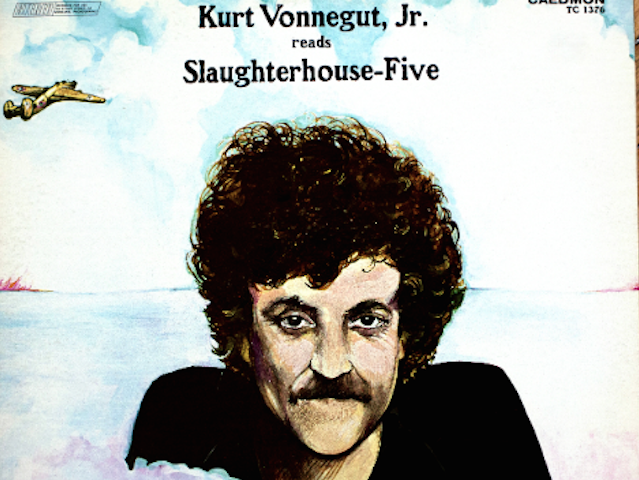
vonnegut reads 3

Many of us grade the books we read, but Kurt Von­negut grad­ed the books he wrote. Let­ters of Note once tweet­ed out a list of the thir­teen grades he applied to thir­teen of his nov­els, pref­aced with his dis­claimer that “the grades I hand out to myself do not place me in lit­er­ary his­to­ry. I am com­par­ing myself with myself.” With that out of the way, he gives 1969’s Slaugh­ter­house-Five, his sixth nov­el and best-known work, an A‑plus, and puts his fourth nov­el, Cat’s Cra­dle from 1963, in the very same league.

But you don’t have to take Vonnegut’s word for it. You can, of course, read these books your­self — or you can hear them read aloud, at least in abridged ver­sions, for free on Spo­ti­fy. What’s more, you can hear Von­negut, clear­ly not a man to dis­tance him­self from his fin­ished work, read them aloud in his own voice. The record­ings come from the label Caed­mon, pio­neers of the vinyl-album pro­to-audio­book begin­ning in the 1950s with a record of Dylan Thomas read­ing his poet­ry. Their Von­negut-read­ing-Von­negut releas­es came out through the 1970s.

You might as well begin by lis­ten­ing to the read­ings of Cat’s Cra­dle and Slaugh­ter­house-Five, Vonnegut’s “A‑plus” books. They also put out audio ver­sions of Wel­come to the Mon­key House, which the author grad­ed a bit more harsh­ly with a B‑minus, and Break­fast of Cham­pi­ons, which, with a C, he ranked down among what he con­sid­ered his less­er works. But that dis­dain doesn’t affect his char­ac­ter­is­tic rich­ly weary deliv­ery of the text, and besides, some of his fans love Break­fast of Cham­pi­ons best of all. Bonus: Sto­ries from Wel­come to the Mon­key House is also an option.

If you don’t yet have the free soft­ware need­ed to play these or oth­er record­ings on Spo­ti­fy, down­load it here, start lis­ten­ing to these clas­si­cal­ly satir­i­cal, inven­tive, and cyn­i­cal mid­cen­tu­ry Amer­i­can nov­els, and pre­pare to hand out some grades of your own.

Look­ing for free, pro­fes­sion­al­ly-read audio books from Audible.com? For exam­ple, John Malkovich read­ing Break­fast of Cham­pi­ons? Or James Fran­co read­ing Slaugh­ter­house-FiveHere’s a great, no-strings-attached deal. If you start a 30 day free tri­al with Audible.com, you can down­load two free audio books of your choice. Get more details on the offer here.

Relat­ed Con­tent:

Kurt Von­negut Maps Out the Uni­ver­sal Shapes of Our Favorite Sto­ries

Kurt Vonnegut’s 8 Tips on How to Write a Good Short Sto­ry

Kurt Von­negut Explains “How to Write With Style”

Kurt Von­negut Urges Young Peo­ple to Make Art and “Make Your Soul Grow”

Hear Hem­ing­way Read Hem­ing­way, and Faulkn­er Read Faulkn­er (90 Min­utes of Clas­sic Audio)

Lis­ten to 60+ Free, High-Qual­i­ty Audio­Books of Clas­sic Lit­er­a­ture on Spo­ti­fy: Austen, Dick­ens, Tol­stoy & More

Col­in Mar­shall writes on cities, lan­guage, Asia, and men’s style. He’s at work on a book about Los Ange­les, A Los Ange­les Primer, and the video series The City in Cin­e­ma. Fol­low him on Twit­ter at @colinmarshall or on Face­book.

Hear Dramatizations of H.P. Lovecraft’s Stories On His Birthday: “The Call of Cthulhu,” “The Dunwich Horror,” & More

Hor­ror writer Howard Phillips Love­craft was a man who lived his life in fear—of peo­ple of oth­er races and nation­al­i­ties, of women, of real­i­ty itself. In a recent New York Review of Books write-up, Charles Bax­ter some­what deri­sive­ly char­ac­ter­izes Love­craft as a dis­en­chant­ed ado­les­cent (and favorite of dis­en­chant­ed ado­les­cents), who “nev­er real­ly grew up. ‘Adult­hood is hell,’ he once wrote in a let­ter.” Yet his fic­tion depicts more than a tor­ment­ed adult world, but an entire uni­verse brim­ming with name­less ancient horrors—and occa­sion­al­ly named ones like the crea­ture Cthul­hu, whose like­ness he once sketched out in a let­ter to a friend.

The cephalo­pod-faced mon­ster crys­tal­izes Lovecraft’s dis­gust with real­i­ty in all its strange­ness and, for him, all its vari­ety. It’s a per­fect image of alien­ation (just this past week we saw tongue-in-cheek spec­u­la­tion over whether octo­pus­es are aliens; a plau­si­ble con­ceit) and presents us with an ele­men­tal uncan­ni­ness that char­ac­ter­izes his entire body of work. “Fic­tion like Lovecraft’s can be bru­tal­ly hyp­not­ic,” writes Bax­ter, “the young read­er, intel­lec­tu­al­ly unde­fend­ed and eas­i­ly shak­en enters the writer’s fear-drenched uni­verse and can’t eas­i­ly get out of it.”

The Call of Cthul­hu — Part 1

Whether you dis­cov­ered Love­craft as a young read­er or an old­er one, you may have found your­self sim­i­lar­ly entrapped by the hor­rors of his imag­i­na­tion. And you could count your­self in the com­pa­ny of not only her­met­ic, mis­an­throp­ic, death-obsessed young men in punk bands but also of media friend­ly, death-obsessed writ­ers like Stephen King and Joyce Car­ol Oates. And, of course, thou­sands upon thou­sands of hor­ror fans across the world, includ­ing a great many actors, writ­ers, and direc­tors who over the years have adapt­ed Lovecraft’s fic­tion as old-fash­ioned radio dra­ma of the kind the author him­self might have con­sumed while iso­lat­ed from the wicked world in his New Eng­land home.

You can hear some choice exam­ples here: at the top of the post we have Richard Coyle’s read­ing of the novel­la At the Moun­tains of Mad­ness. (You can also hear his read­ing of “The Shad­ow Over Inns­mouth” here.)  Next, we have a 1945 drama­ti­za­tion of “The Dun­wich Hor­ror,” per­formed by Acad­e­my Award-win­ning actor Ronald Col­man. And then hear the infa­mous “Call of Cthul­hu,” parts one and two, pro­duced by the Atlanta Radio The­atre Com­pa­ny, who have record­ed no small num­ber of Love­craft radio plays. Just above, lis­ten to a read­ing of “Behind the Wall of Sleep” from old-time radio sci-fi read­ings archive Mind Webs (which we’ve cov­ered in a pre­vi­ous post). Final­ly, below, lis­ten on Spo­ti­fy to the HP Love­craft Radio Hour Vol 1, a col­lec­tion of dra­ma­tized Love­craft sto­ries. 

Should you hap­pen to tear through these record­ings and find your­self in des­per­ate need of more to feed your Love­craft obses­sion, fear not; you would have a very hard time exhaust­ing all the options. The World’s Largest H.P. Love­craft Audio Links Gate­way, for exam­ple, deliv­ers exact­ly what it promis­es. Should that expan­sive data­base some­how leave out a read­ing or drama­ti­za­tion, you’ll per­haps find it over at the H.P. Love­craft Archive’s size­able col­lec­tion. And you must, if you’re a Love­craft fan, vis­it the H.P. Love­craft His­tor­i­cal Soci­ety, who host plen­ty of Love­craft merch, and links to much more Love­craft audio, includ­ing albums inspired by his work and a pod­cast.

And on the off chance you knew lit­tle or not at all of Love­craft before read­ing this post, beware. You may, after lis­ten­ing to some of his weird tales of hor­ror, come away a devot­ed Love­craft cultist.

Relat­ed Con­tent:

H.P. Lovecraft’s Clas­sic Hor­ror Sto­ries Free Online: Down­load Audio Books, eBooks & More

H.P. Lovecraft’s Mon­ster Draw­ings: Cthul­hu & Oth­er Crea­tures from the “Bound­less and Hideous Unknown”

Love­craft: Fear of the Unknown (Free Doc­u­men­tary)

Josh Jones is a writer and musi­cian based in Durham, NC. Fol­low him at @jdmagness

18 Stories & Novels by Neil Gaiman Online: Free Texts & Readings by Neil Himself

Neil Gaiman might just be the most beloved fan­ta­sy author out there. He writes weird, twist­ed, exhil­a­rat­ing tales about hid­den real­i­ties and the bizarre, fan­ci­ful crea­tures that live in them. His works, like Sand­man, Frag­ile Things and Amer­i­can Gods, are pure escapism and a blast to read. No doubt, that’s the major rea­son why the author has devel­oped such a rabid fan base.

But per­haps anoth­er rea­son is that he is sim­ply more avail­able than most writ­ers. Sure, oth­er authors, like J. K. Rowl­ing for instance, might have inspired an entire gen­er­a­tion with her Har­ry Pot­ter series but she prefers to keep a cer­tain remove from her read­er­ship. Though she has a Twit­ter account, she uses it spar­ing­ly.

Gaiman, on the oth­er hand, is seem­ing­ly always on Twit­ter — he has, as of this writ­ing, tweet­ed at least nine times in the past 24 hours, inter­act­ing with fans, pub­lish­ers and the press. This is the guy who once report­ed­ly signed 75,000 copies of his book The Ocean at the End of the Lane, after all.

He has also post­ed a lot of his work for free up on the inter­net. Below is a list of Gaiman’s work that you can read, see or hear online. Many are read by Neil him­self. If you know of any miss­ing texts, please let us know and we’ll get them added to our list ASAP.

Above you can find videos of Gaiman read­ing the first chap­ter of his book Cora­line, and also the sto­ry “The Man Who For­got Ray Brad­bury.”

Audio & Video
Text

Relat­ed Con­tent:

1,000 Free Audio Books: Down­load Great Books for Free

Neil Gaiman Reads “The Man Who For­got Ray Brad­bury”

Where Do Great Ideas Come From? Neil Gaiman Explains

Aman­da Palmer Ani­mates & Nar­rates Hus­band Neil Gaiman’s Uncon­scious Mus­ings

Jonathan Crow is a Los Ange­les-based writer and film­mak­er whose work has appeared in Yahoo!, The Hol­ly­wood Reporter, and oth­er pub­li­ca­tions. You can fol­low him at @jonccrow. And check out his blog Veep­to­pus, fea­tur­ing lots of pic­tures of vice pres­i­dents with octo­pus­es on their heads.  The Veep­to­pus store is here.

Arthur C. Clarke Reads His Classic Sci-Fi Works: Childhood’s End and “The Star”

Sir Arthur C. Clarke, the sci­ence fic­tion author best known for 2001: A Space Odyssey, start­ed writ­ing at the end of World War II and the begin­ning of the nuclear age, a time when tech­nol­o­gy promised to bring untold ben­e­fit to human­i­ty and had the poten­tial to utter­ly destroy it. So he wrote sci­ence fic­tion with some actu­al sci­ence in it, tales about space trav­el, alien encoun­ters and human evo­lu­tion.

The future was a con­tin­u­ing object of fas­ci­na­tion for Clarke. He proved to be uncan­ni­ly accu­rate at mak­ing div­ina­tions about the course of tech­nol­o­gy. Back in 1964, he pre­dict­ed vir­tu­al surgery, 3D print­ers and the inter­net. Of course, he also pre­dict­ed that we would have an army of mon­key ser­vants to cater to our every whim. You can’t always be right.

But thanks to the mag­ic of one of his pre­dic­tions – the inter­net – you can lis­ten to Clarke read two of his most acclaimed works – Childhood’s End and “The Star.”


The for­mer tale, writ­ten in 1953, is about a mys­te­ri­ous alien race that brings the Cold War to a screech­ing halt and kick starts human evo­lu­tion. But at what cost? Stan­ley Kubrick was report­ed­ly inter­est­ed in devel­op­ing the book until he set­tled on 2001. Lis­ten to Clarke read long excerpts from Childhood’s End at the top of this post.

The lat­ter sto­ry, pub­lished in 1955, might very well be the best sci-fi Christ­mas sto­ry ever. It was adapt­ed into a Twi­light Zone episode that thor­ough­ly freaked me out as a kid. Lis­ten to “The Star just above.

Relat­ed Con­tent:

Arthur C. Clarke Nar­rates Film on Mandelbrot’s Frac­tals; David Gilmour Pro­vides the Sound­track

Isaac Asi­mov Pre­dicts in 1964 What the World Will Look Like Today — in 2014

Free Sci­ence Fic­tion Clas­sics on the Web: Hux­ley, Orwell, Asi­mov, Gaiman & Beyond

1,000 Free Audio Books: Down­load Great Books for Free

Jonathan Crow is a Los Ange­les-based writer and film­mak­er whose work has appeared in Yahoo!, The Hol­ly­wood Reporter, and oth­er pub­li­ca­tions. You can fol­low him at @jonccrow. And check out his blog Veep­to­pus, fea­tur­ing lots of pic­tures of vice pres­i­dents with octo­pus­es on their heads.  The Veep­to­pus store is here.


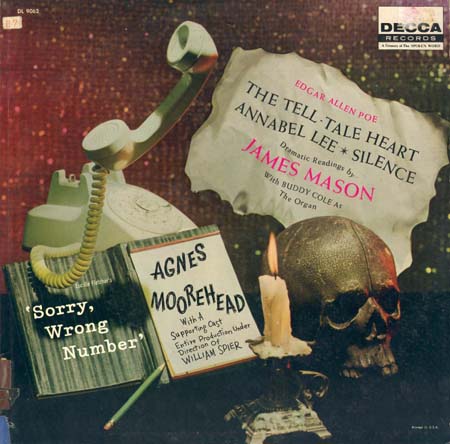
Hours of Edgar Allan Poe Stories Read by Vincent Price & Basil Rathbone

price reads poe
Record label Caed­mon Audio spe­cial­ized in spo­ken-word record­ings, pair­ing great lit­er­ary works with great actors. They got James Mason to read the poet­ry of Robert Brown­ing, mul­ti-Oscar win­ner Wal­ter Bren­nan to read the works of Mark Twain and Sir Lau­rence Olivi­er to read Win­ston Churchill.

But there were a cou­ple releas­es, lat­er com­piled into one glo­ri­ous CD set, that is so head-slap­ping­ly per­fect that it requires spe­cial atten­tion: Basil Rath­bone and Vin­cent Price read the works of Edgar Allan Poe over the course of 5 hours. Rath­bone was, of course, a South African-born Shake­speare­an actor who is most famous for play­ing Sher­lock Holmes in a string of films (watch one here) and radio plays, though he was also a vet­er­an star of low-bud­get hor­ror films like The Black Sheep and Tales of Ter­ror. Vin­cent Price was, well, Vin­cent Price – the icon­ic cack­ling vil­lain in dozens of hor­ror flicks includ­ing Roger Corman’s campy cin­e­mat­ic adap­ta­tions of Poe – The House of Ush­er, The Raven and The Masque of the Red Death.

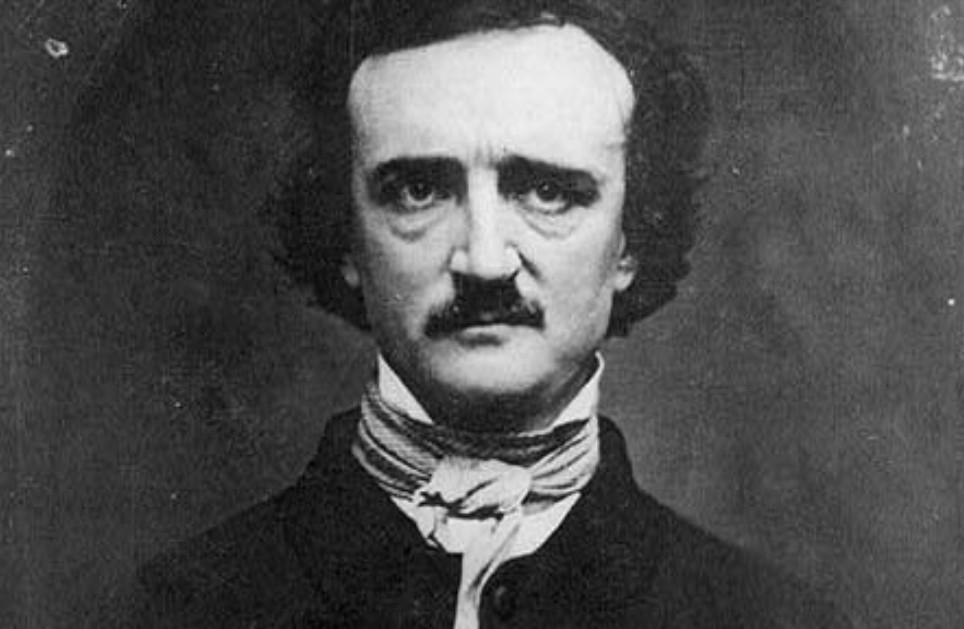
The Caed­mon record­ings, which are now avail­able on Spo­ti­fy (down­load the soft­ware here) and can be heard below, are pret­ty much Poe’s great­est hits – from “The Tell-Tale Heart” to “The Pit and Pen­du­lum.” Poe’s goth­ic gloomi­ness pairs bril­liant­ly with Rath­bone and Price’s sin­is­ter bari­tone.

So get into your favorite smok­ing jack­et, get a fire start­ed, pour your­self a stiff glass of absinthe, set aside a good block of time, and have a lis­ten.

If you would like to sign up for Open Culture’s free email newslet­ter, please find it here. It’s a great way to see our new posts, all bun­dled in one email, each day.

If you would like to sup­port the mis­sion of Open Cul­ture, con­sid­er mak­ing a dona­tion to our site. It’s hard to rely 100% on ads, and your con­tri­bu­tions will help us con­tin­ue pro­vid­ing the best free cul­tur­al and edu­ca­tion­al mate­ri­als to learn­ers every­where. You can con­tribute through Pay­Pal, Patre­on, and Ven­mo (@openculture). Thanks!

Relat­ed Con­tent:

Edgar Allan Poe’s “The Raven,” Read by Christo­pher Walken, Vin­cent Price, and Christo­pher Lee

Watch the 1953 Ani­ma­tion of Edgar Allan Poe’s “The Tell-Tale Heart,” Nar­rat­ed by James Mason

Edgar Allan Poe Ani­mat­ed: Watch Four Ani­ma­tions of Clas­sic Poe Sto­ries

Down­load The Com­plete Works of Edgar Allan Poe on His Birth­day

1,000 Free Audio Books: Down­load Great Books for Free

Jonathan Crow is a Los Ange­les-based writer and film­mak­er whose work has appeared in Yahoo!, The Hol­ly­wood Reporter, and oth­er pub­li­ca­tions. You can fol­low him at @jonccrow. And check out his blog Veep­to­pus, fea­tur­ing lots of pic­tures of vice pres­i­dents with octo­pus­es on their heads.  The Veep­to­pus store is here.

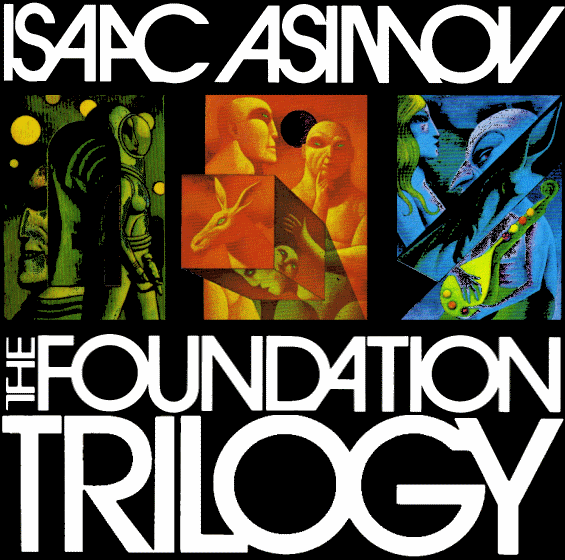
Isaac Asimov’s Foundation Trilogy: Hear a Radio Dramatization (1973)

TheFoundationTrilogy
Last year Jonathan Nolan–screenwriter of Memen­to and Inter­stel­lar and not coin­ci­den­tal­ly direc­tor Christo­pher Nolan’s brother–announced that he would be devel­op­ing Isaac Asimov’s leg­endary Foun­da­tion tril­o­gy for HBO as a series. And we assume he’s still doing that, because there’s been nary a peep from the chan­nel since. So far the Inter­net con­sen­sus has been a col­lec­tive “well, that could be good!” instead of groans, which is a heart­en­ing thing these days.

For those who haven’t read the clas­sic books, but would like to get the jump on ol’ Nolan, we sub­mit this BBC Radio pro­duc­tion from 1973, which is now avail­able on Spo­ti­fy below. (Down­load Spo­ti­fy soft­ware here.) The record­ing also lives on Archive.org as well.

Right from the begin­ning we know we are in good hands, with the ana­log drones of the BBC Radio­phon­ic Work­shop ush­er­ing us into a stereo land­scape filled with plum­my British accents and atmos­pher­ic sound effects. It’s like the best ever episode of Doc­tor Who with­out a Tardis, cor­ri­dors, or the enfee­bled cries of a lost com­pan­ion.

The Foun­da­tion Tril­o­gy is heav­i­ly indebt­ed to Edward Gibbon’s The His­to­ry of the Decline and Fall of the Roman Empire, as well as a belief in the cir­cu­lar nature of his­to­ry.

Asimov’s hero in the first book, Hari Sel­don, using a sci­ence called psy­chohis­to­ry, can see the inevitable col­lapse of the Galac­tic Empire in which he lives and sets about try­ing to change it by set­ting up an oppo­si­tion called the Foun­da­tion. The nov­els then jump decades ahead, check­ing in with this essen­tial con­flict, much like Gibbon’s work goes from emper­or to emper­or, mark­ing the decline of empire and its inevitabil­i­ty. Free of aliens and shoot-em-ups, Foun­da­tion is very human despite its galac­tic scope.

Adapt­ed by Patrick Tull and Mike Stott, the eight part radio series does a good job of pre­sent­ing the nov­els as a char­ac­ter-dri­ven dra­ma, and while it is talky (it’s radio after all), it was Orson Scott Card who said of Foun­da­tion, it is “all talk, no action — but Asi­mov’s talk is action.”

It also influ­enced many future sci-fi writ­ers. No doubt some­where along the way Dou­glas Adams was lis­ten­ing to the radio play’s talk­ing ency­clo­pe­dia and think­ing, hmm, what if this had jokes?
And once you get through the trilogy–maybe after an eight-hour flight?–there’s more Asi­mov radio plays for your lis­ten­ing plea­sure on Spo­ti­fy: Host­ess, Peb­ble in the Sky, and Night­fall.

If you would like to sign up for Open Culture’s free email newslet­ter, please find it here. It’s a great way to see our new posts, all bun­dled in one email, each day.

If you would like to sup­port the mis­sion of Open Cul­ture, con­sid­er mak­ing a dona­tion to our site. It’s hard to rely 100% on ads, and your con­tri­bu­tions will help us con­tin­ue pro­vid­ing the best free cul­tur­al and edu­ca­tion­al mate­ri­als to learn­ers every­where. You can con­tribute through Pay­Pal, Patre­on, and Ven­mo (@openculture). Thanks!

Relat­ed Con­tent:

Isaac Asimov’s Favorite Sto­ry “The Last Ques­tion” Read by Isaac Asi­mov— and by Leonard Nimoy

Lis­ten to 188 Dra­ma­tized Sci­ence Fic­tion Sto­ries by Ursu­la K. Le Guin, Isaac Asi­mov, Philip K. Dick, J.G. Bal­lard & More

Two Doc­u­men­taries Intro­duce Delia Der­byshire, the Pio­neer in Elec­tron­ic Music

1,000 Free Audio Books: Down­load Great Books for Free

Ted Mills is a free­lance writer on the arts who cur­rent­ly hosts the FunkZone Pod­cast. You can also fol­low him on Twit­ter at @tedmills, read his oth­er arts writ­ing at tedmills.com and/or watch his films here.

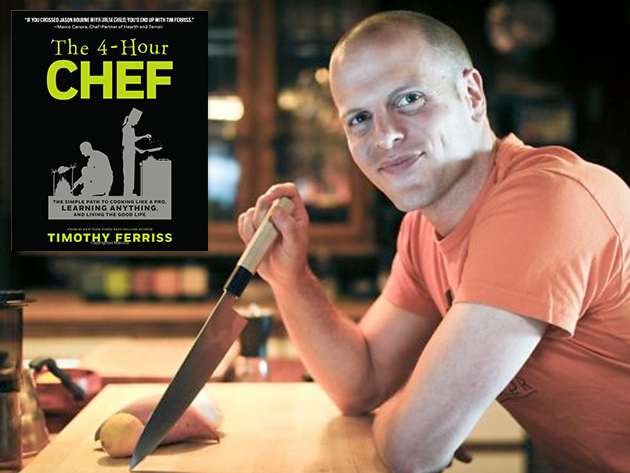
Download The 4‑Hour Chef by Tim Ferriss as a Free Audio Book

tim ferriss

On the off chance that this kind of thing inter­ests you, Boing Boing is mak­ing avail­able a free audio down­load of Tim Fer­riss’ book, The 4‑Hour Chef. The book pitch­es itself as fol­lows:

You’ll train inside the kitchen for every­thing out­side the kitchen. Fea­tur­ing tips and tricks from chess prodi­gies, world-renowned chefs, pro ath­letes, mas­ter som­me­liers, super mod­els, and every­one in between, this “cook­book for peo­ple who don’t buy cook­books” is a guide to mas­ter­ing cook­ing and life.

The 4‑Hour Chef is a five-stop jour­ney through the art and sci­ence of learn­ing:

1. META-LEARNING. Before you learn to cook, you must learn to learn. META charts the path to dou­bling your learn­ing poten­tial.

2. THE DOMESTIC. DOM is where you learn the build­ing blocks of cook­ing. These are the ABCs (tech­niques) that can take you from Dr, Seuss to Shake­speare.

3. THE WILD. Becom­ing a mas­ter stu­dent requires self-suf­fi­cien­cy in all things. WILD teach­es you to hunt, for­age, and sur­vive.

4. THE SCIENTIST. SCI is the mad sci­en­tist and mod­ernist painter wrapped into one. This is where you redis­cov­er whim­sy and won­der.

5. THE PROFESSIONAL. Swaraj, a term usu­al­ly asso­ci­at­ed with Mahat­ma Gand­hi, can be trans­lat­ed as “self-rule.” In PRO, we’ll look at how the best in the world become the best in the world, and how you can chart your own path far beyond this book.

You can down­load it here.

If this isn’t your cup of tea, feel free to dive into our meta col­lec­tion, 1,000 Free Audio Books: Down­load Great Books for Free.

Or explore the Free Tri­al Pro­grams offered by Audible.com and Audiobooks.com, both of which give you the chance to down­load an audio­book for free while try­ing out their pro­grams.

Fol­low us on Face­book, Twit­ter, Google Plus and LinkedIn and  share intel­li­gent media with your friends. Or bet­ter yet, sign up for our dai­ly email and get a dai­ly dose of Open Cul­ture in your inbox.

Read the First Chapter of Harper Lee’s New Book, Then Hear It Read by Reese Witherspoon

Go Set a Watchman

After much press and debate, Harp­er Lee’s new nov­el — a sequel of sorts to her beloved book, To Kill a Mock­ing­bird — will be released on July 14th. You can pre-order Go Set a Watch­man: A Nov­el (already #1 on Ama­zon’s best­seller list). But, even bet­ter, you can head over to the The Wall Street Jour­nal or The Guardian and read the first chap­ter online. The Guardian also fea­tures an audio ver­sion read by the Oscar-win­ning actress Reese With­er­spoon. Stream it right below. (And, fyi, you can always down­load a free audio copy of To Kill a Mock­ing­bird through the free tri­al pro­grams run by Audiobooks.com and Audible.com.)

Fol­low us on Face­book, Twit­ter, Google Plus and LinkedIn and share intel­li­gent media with your friends. Note: There’s now a way to make sure that our posts show up in your Face­book news­feed. Find info on that here.

by | Permalink | Make a Comment ( 2 ) |

« Go BackMore in this category... »
Quantcast