Leonard Nimoy Reads Ray Bradbury Stories From The Martian Chronicles & The Illustrated Man (1975–76)

Ray Brad­bury, author of The Mar­t­ian Chron­i­cles and Fahren­heit 451, con­tributed to sci­ence fic­tion a high­ly dis­tinc­tive voice; the now depart­ed Leonard NimoyStar Trek’s Mr. Spock, also con­tributed to sci­ence fic­tion a high­ly dis­tinc­tive voice. In the mid-sev­en­ties, a pair of record albums came out that togeth­er offered a tru­ly sin­gu­lar lis­ten­ing expe­ri­ence: the voice of Brad­bury in the voice of Nimoy.

1975’s The Mar­t­ian Chron­i­cles and 1976’s The Illus­trat­ed Man con­tain Nimoy’s ren­di­tions of two well-known sto­ries, one per side, from each of Brad­bury’s epony­mous books. At the top of the post, you can hear The Mar­t­ian Chron­i­cles’ “There Will Come Soft Rains” and “Ush­er II.” At the bot­tom of the post, we have The Illus­trat­ed Man’s “The Veldt” and “Mar­i­onettes Inc.”

In our inter­net age, with its abun­dance of down­load­able audio and mobile media deliv­ery sys­tems, we’ve grown thor­ough­ly accus­tomed to the idea of the audio book. But 40 years ago, in the age of twelve-inch vinyl discs that could bare­ly hold 45 min­utes of con­tent, the ful­ly real­ized con­cept must have seemed more like some­thing we would thrill to Brad­bury him­self writ­ing about, or Nimoy him­self using on tele­vi­sion. But the vision­ar­ies in this case worked at the record label Caed­mon, “a pio­neer in the audio­book busi­ness,” accord­ing to the Inter­net Archive, “the first com­pa­ny to sell spo­ken word record­ings to the pub­lic,” and “the ‘seed’ of the audio­book indus­try.” They grew famous putting out record­ings of lit­er­ary lumi­nar­ies read­ing their own work: Dylan Thomas read­ing Dylan Thomas, T.S. Eliot read­ing T.S. Eliot, Gertrude Stein read­ing Gertrude Stein. But to my mind — or to my ear, any­way — the best of it hap­pened at the inter­sec­tions, like this one, of an era-defin­ing author, and a dif­fer­ent era-defin­ing read­er.

Relat­ed Con­tent:

Leonard Nimoy Nar­rates Short Film About NASA’s Dawn: A Voy­age to the Ori­gins of the Solar Sys­tem

Ray Brad­bury: “The Things That You Love Should Be Things That You Do.” “Books Teach Us That”

Ray Brad­bury: Sto­ry of a Writer 1963 Film Cap­tures the Para­dox­i­cal Late Sci-Fi Author

Ray Brad­bury Gives 12 Pieces of Writ­ing Advice to Young Authors (2001)

Ray Brad­bury: Lit­er­a­ture is the Safe­ty Valve of Civ­i­liza­tion

Col­in Mar­shall hosts and pro­duces Note­book on Cities and Cul­ture and writes essays on cities, lan­guage, Asia, and men’s style. He’s at work on a book about Los Ange­les, A Los Ange­les Primer. Fol­low him on Twit­ter at @colinmarshall or on Face­book.

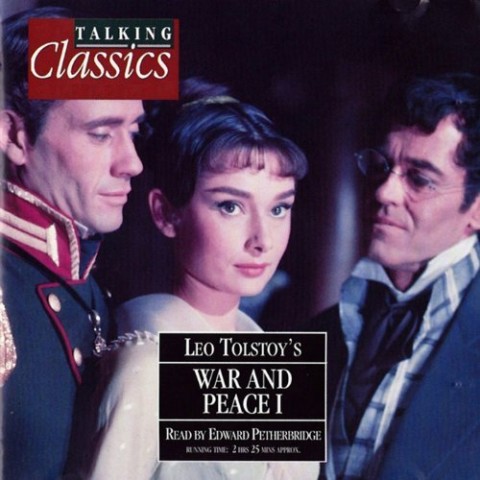
Listen to 60+ Free, High-Quality AudioBooks of Classic Literature on Spotify: Austen, Dickens, Tolstoy & More

tolstoy on spotify

Where music goes, tech­no­log­i­cal­ly speak­ing, audio books soon fol­low. We’ve had audio books on vinyl LP, on cas­sette tape, on CD, and on MP3, just like we’ve had music. Now that so many of us pull up our dai­ly jams on Spo­ti­fy, it should­n’t come as a sur­prise that we can do a fair bit of our “read­ing” there as well. We’ve found a few lists that gath­er up the best audio book avail­able on Spo­ti­fy, includ­ing 21 clas­sics and a col­lec­tion of Shake­speare plays and son­nets at Gnarl’d, ten ever­green lit­er­ary picks from Life­hack­er, and a Spo­ti­fy forum thread ded­i­cat­ed to sub­ject.

Below, you’ll find Spo­ti­fy links to more than 60 clas­sic works of lit­er­a­ture that, even if you strug­gled on get­ting them read in your Eng­lish class­es, you can now revis­it in a per­haps much more lifestyle-com­pat­i­ble medi­um. If you find more audio books on Spo­ti­fy, def­i­nite­ly let us know in the com­ments sec­tion below and we’ll add them to our list.

To lis­ten to any of these, you will of course need Spo­ti­fy’s soft­ware and account, both easy to come by: you just down­load and reg­is­ter.

For more great audio, don’t for­get to vis­it our col­lec­tion, 1,000 Free Audio Books: Down­load Great Books for Free. Also remem­ber that you can down­load a free audio­book (includ­ing many con­tem­po­rary books) from Audible.com’s Free Tri­al pro­gram.

Relat­ed Con­tent:

630 Free Audio Books: Down­load Great Books for Free

Down­load 55 Free Online Lit­er­a­ture Cours­es: From Dante and Mil­ton to Ker­ouac and Tolkien

Col­in Mar­shall hosts and pro­duces Note­book on Cities and Cul­ture as well as the video series The City in Cin­e­ma and writes essays on cities, lan­guage, Asia, and men’s style. He’s at work on a book about Los Ange­les, A Los Ange­les Primer. Fol­low him on Twit­ter at @colinmarshall or on Face­book.

Stream Classic Poetry Readings from Harvard’s Rich Audio Archive: From W.H. Auden to Dylan Thomas

harvard poetry

Found­ed in 1931, the Wood­ber­ry Poet­ry Room at Har­vard Uni­ver­si­ty fea­tures (among oth­er things) 6,000 record­ings of poet­ry from the 20th and 21st cen­turies. There you can find some of the ear­li­est record­ings of W. H. Auden, Eliz­a­beth Bish­op, T. S. Eliot, Denise Lev­er­tov, Robert Low­ell, Anais Nin, Ezra Pound, Robert Penn War­ren, Ten­nessee Williams and many oth­ers.

In the “Lis­ten­ing Booth,” a sec­tion of the Poet­ry Room web­site, you can lis­ten to record­ings of clas­sic read­ings by near­ly 200 authors, includ­ing John Berry­man, Robert Bly, Jorge Luis Borges, Joseph Brod­sky, Jorie Gra­ham, Sea­mus Heaney, Jack Ker­ouac, Adri­enne Rich, Anne Sex­ton, Wal­lace Stevens, Dylan Thomas, Anne Wald­man, William Car­los Williams and more. The sound files are all free to stream. And if this is your kind of thing, make sure you vis­it the Penn Sound archive at the Uni­ver­si­ty of Penn­syl­va­nia, which is an equal­ly rich and amaz­ing audio archive. We pre­vi­ous­ly fea­tured it here.

If you would like to sign up for Open Culture’s free email newslet­ter, please find it here. It’s a great way to see our new posts, all bun­dled in one email, each day.

If you would like to sup­port the mis­sion of Open Cul­ture, con­sid­er mak­ing a dona­tion to our site. It’s hard to rely 100% on ads, and your con­tri­bu­tions will help us con­tin­ue pro­vid­ing the best free cul­tur­al and edu­ca­tion­al mate­ri­als to learn­ers every­where. You can con­tribute through Pay­Pal, Patre­on, and Ven­mo (@openculture). Thanks!

Relat­ed Con­tent:

1,000 Free Audio Books: Down­load Great Books for Free

Bill Mur­ray Reads Great Poet­ry by Bil­ly Collins, Cole Porter, and Sarah Man­gu­so

13 Lec­tures from Allen Ginsberg’s “His­to­ry of Poet­ry” Course (1975)

Son­ic Youth Gui­tarist Thurston Moore Teach­es a Poet­ry Work­shop at Naropa Uni­ver­si­ty: See His Class Notes (2011)

Down­load 55 Free Online Lit­er­a­ture Cours­es: From Dante and Mil­ton to Ker­ouac and Tolkien

Hear the Only Recording of Raymond Carver Reading “What We Talk About When We Talk About Love”

This is sure­ly worth a quick men­tion: Today we have a record­ing of Ray­mond Carv­er read­ing his most famous sto­ry, “What We Talk About When We Talk About Love.” Taped in a Palo Alto hotel room in 1983 for a new radio series called Tell Me a Sto­ry, it’s the only known record­ing of Carv­er read­ing his sig­na­ture sto­ry. The read­ing itself starts at the 6:00 mark. Start lis­ten­ing here (or stream it above).

In 2009, Stephen King called Ray­mond Carv­er “sure­ly the most influ­en­tial writer of Amer­i­can short sto­ries in the sec­ond half of the 20th cen­tu­ry.” If you’d like to get deep­er into his lit­er­ary world — a lit­er­ary world that explores “the dim ache in the non­de­script lives of aspir­ing stu­dents, down-and-out­ers, din­er wait­ress­es, sales­men, and unhap­pi­ly hitched blue-col­lar cou­ples,” as Josh Jones once put it — you can refer back to a pre­vi­ous post where we fea­tured Richard Ford, Anne Enright, and David Means read­ing sev­er­al oth­er Carv­er sto­ries.

If you would like to sign up for Open Culture’s free email newslet­ter, please find it here. It’s a great way to see our new posts, all bun­dled in one email, each day.

If you would like to sup­port the mis­sion of Open Cul­ture, con­sid­er mak­ing a dona­tion to our site. It’s hard to rely 100% on ads, and your con­tri­bu­tions will help us con­tin­ue pro­vid­ing the best free cul­tur­al and edu­ca­tion­al mate­ri­als to learn­ers every­where. You can con­tribute through Pay­Pal, Patre­on, and Ven­mo (@openculture). Thanks!

by | Permalink | Make a Comment ( 4 ) |

Download The Complete Works of Edgar Allan Poe on His Birthday

poe birthday

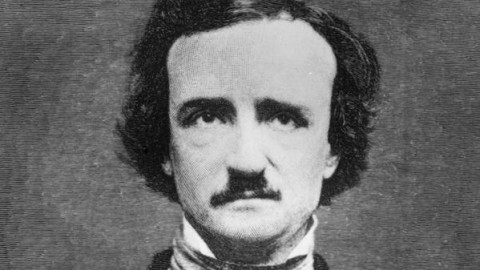
Edgar Allan Poe was born on this day 206 years ago. Boing­Bo­ing sug­gests cel­e­brat­ing Poe’s birth­day with these Vin­cent Price wines. But see­ing that the 2012 Raven Caber­net Sauvi­gnon runs $75.00, we’re going to steer you toward some­thing free. If you revis­it our post from Octo­ber, you can down­load Poe’s com­plete works as ebooks and free audio books. Lots of great sto­ries in one bun­dle. And it won’t cost you a dime. You’d have to think that Poe, who died pen­ni­less, would approve.

Find lots more lit­er­ary free­bies in our twin col­lec­tions:

1,000 Free Audio Books: Down­load Great Books for Free

and

800 Free eBooks for iPad, Kin­dle & Oth­er Devices.

Relat­ed Con­tent:

Watch the 1953 Ani­ma­tion of Edgar Allan Poe’s “The Tell-Tale Heart,” Nar­rat­ed by James Mason

Sev­en Tips from Edgar Allan Poe on How to Write Vivid Sto­ries and Poems

Gus­tave Doré’s Splen­did Illus­tra­tions of Edgar Allan Poe’s “The Raven” (1884)

Edgar Allan Poe’s “The Raven,” Read by Christo­pher Walken, Vin­cent Price, and Christo­pher Lee

by | Permalink | Make a Comment ( 1 ) |

Hear Hemingway Read Hemingway, and Faulkner Read Faulkner (90 Minutes of Classic Audio)

Hemingway.Faulkner

Images via Wiki­me­dia Com­mons

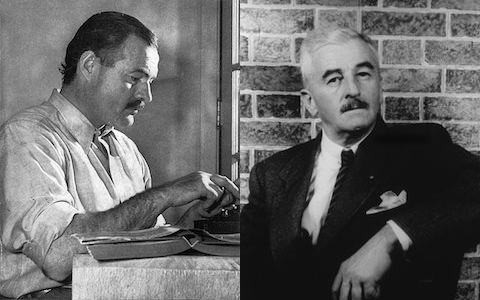
Hem­ing­way and Faulkn­er, Faulkn­er and Hem­ing­way…. The Amer­i­can lit­er­ary canon has expand­ed so much in the past thir­ty years or so that it almost spans the globe, like Amer­i­can busi­ness, draw­ing in writ­ers from every pos­si­ble cor­ner. With greater inclu­sion comes the pass­ing out of fash­ion of many a for­mer icon (does any­one read Dreis­er or Dos Pas­sos any­more?). And yet, no mat­ter how much crit­i­cal tastes and schol­ar­ly mea­sures change, it seems we’ll nev­er be able to do with­out our Hem­ing­way and Faulkn­er.

Per­haps it’s their deep takes on history—Hemingway’s sen­ti­men­tal war cor­re­spon­dence and trag­ic sense of a chang­ing Europe; Faulkner’s sense of a South held in thrall to squalid delu­sions of grandeur and epic colo­nial vio­lence. Geopo­lit­i­cal­ly rel­e­vant they still may be, but there’s much more to both than geopol­i­tics. Per­haps it’s the time­less styl­is­tic dialec­tic, or the Nobels, or the trad­ed insults, or that the names them­selves, like Roo­sevelt and Kennedy, trig­ger instant recall of the “Amer­i­can cen­tu­ry.” Of course, devo­tees of Faulkn­er (I am one), of Hem­ing­way, or of Faulkn­er and Hem­ing­way need no ratio­nale, and it is to such peo­ple prin­ci­pal­ly that today’s post is addressed.

For today, we bring you Hem­ing­way and Faulkn­er, read­ing Hem­ing­way and Faulkn­er. In the Spo­ti­fy playlists above (down­load Spo­ti­fy here), we have both authors read­ing from their Nobel accep­tance speech­es, then excerpts from their lit­er­ary works. These record­ings were orig­i­nal­ly released as vinyl albums by Caed­mon Records, that pre-audio­book phe­nom­e­non found­ed by Bar­bara Holdridge and Mar­i­anne Roney in 1952. Caed­mon released albums of read­ings by dozens of major writ­ers, like Dylan Thomas and Eudo­ra Wel­ty, and we have fea­tured many of them here before—such as those from T.S. Eliot, Sylvia Plath, W.H. Auden, and Ten­nessee Williams (read­ing Hart Crane). But today, it’s Hem­ing­way and Faulkn­er, who despite—or because of—their dif­fer­ences, belong togeth­er for­ev­er as great Amer­i­can lit­er­ary patri­archs, even if patri­archy is ter­mi­nal­ly passé.

If you need the Spo­ti­fy soft­ware, please down­load it here.

Relat­ed Con­tent:

Down­load 55 Free Online Lit­er­a­ture Cours­es: From Dante and Mil­ton to Ker­ouac and Tolkien

William Faulkner’s Review of Hemingway’s The Old Man and the Sea (1952)

18 (Free) Books Ernest Hem­ing­way Wished He Could Read Again for the First Time

Rare Audio: William Faulkn­er Names His Best Nov­el, And the First Faulkn­er Nov­el You Should Read

Josh Jones is a writer and musi­cian based in Durham, NC. Fol­low him at @jdmagness

Neil Gaiman Reads “The Man Who Forgot Ray Bradbury”

man who forgot ray bradbury

Neil Gaiman sent Ray Brad­bury a gift for what turned out to be his last birth­day, his 91st. It was a sto­ry called “The Man Who For­got Ray Brad­bury.” And when Brad­bury’s edi­tor read it to the bed-rid­den author, he report­ed­ly took great plea­sure in it.

What could have been bet­ter? I guess only hear­ing Neil Gaiman read the sto­ry him­self. Which is pre­cise­ly what you can do with the audio below.

Gaiman’s read­ing was taped at the Aladdin The­ater in Port­land, Ore­gon. You can read the text of the sto­ry over at i09. We have many more instances of Gaiman read­ing Gaiman in our col­lec­tion of Free Neil Gaiman Sto­ries.

If you would like to sign up for Open Culture’s free email newslet­ter, please find it here. It’s a great way to see our new posts, all bun­dled in one email, each day.

If you would like to sup­port the mis­sion of Open Cul­ture, con­sid­er mak­ing a dona­tion to our site. It’s hard to rely 100% on ads, and your con­tri­bu­tions will help us con­tin­ue pro­vid­ing the best free cul­tur­al and edu­ca­tion­al mate­ri­als to learn­ers every­where. You can con­tribute through Pay­Pal, Patre­on, and Ven­mo (@openculture). Thanks!

Relat­ed Con­tent:

Neil Gaiman’s Free Short Sto­ries

Neil Gaiman Reads Dr. Seuss’ Green Eggs and Ham

Hear James Joyce’s Great Short Story “The Dead,” Performed by Cynthia Nixon & Colum McCann

james-joyce (1)
The Dead” is the last – and most mem­o­rable – short sto­ry in James Joyce’s first book, Dublin­ers. Set dur­ing a New Year’s feast in 1904, the sto­ry focus­es on Gabriel Con­roy, a plump, bespec­ta­cled young man who is painful­ly aware of his own social inep­ti­tude. As he nav­i­gates one minor faux pas after the next – mak­ing a poor­ly received joke here, clum­si­ly par­ry­ing a barbed joke there – he comes to real­ize over the course of the par­ty that his beau­ti­ful, dis­tant wife has a past he nev­er knew.

James’s sto­ry is filled with such humor, atten­tion to char­ac­ter and musi­cal­i­ty of lan­guage that it seems to cry out to be read aloud. The NPR series Select­ed Shorts heed­ed that call and presents the entire sto­ry per­formed live by Cyn­thia Nixon, of Sex and the City fame, who reads the first half, and by Irish author Colum McCann, who reads part of the sec­ond.

The read­ing will be added to our col­lec­tion of Free Audio Books. Also find the text of James’ great sto­ry in our col­lec­tion, 800 Free eBooks for iPad, Kin­dle & Oth­er Devices. To learn about the long and dif­fi­cult pub­li­ca­tion of Dublin­ers, check out Sean Hutchin­son’s post over at Men­tal Floss.

Note: you can down­load the audio as MP3s by click­ing the down­load arrow at the top of each audio clip above.

Relat­ed Con­tent:

James Joyce’s Dublin Cap­tured in Vin­tage Pho­tos from 1897 to 1904

James Joyce, With His Eye­sight Fail­ing, Draws a Sketch of Leopold Bloom (1926)

James Joyce’s Ulysses: Down­load the Free Audio Book

Hear All of Finnegans Wake Read Aloud: A 35 Hour Read­ing

See our list of Free Online Lit­er­a­ture Cours­es

Jonathan Crow is a Los Ange­les-based writer and film­mak­er whose work has appeared in Yahoo!, The Hol­ly­wood Reporter, and oth­er pub­li­ca­tions. You can fol­low him at @jonccrow. And check out his blog Veep­to­pus, fea­tur­ing lots of pic­tures of bad­gers and even more pic­tures of vice pres­i­dents with octo­pus­es on their heads.  The Veep­to­pus store is here.

« Go BackMore in this category... »
Quantcast