This is Your Brain on Jazz Improvisation: The Neuroscience of Creativity

It’s clear that ama­teur sax­o­phon­ist and Johns Hop­kins sur­geon Charles Limb has an abid­ing inter­est in the neu­ro­science of cre­ativ­i­ty.

He’s also an unabashed fan­boy. I’ll bet the spir­it of sci­en­tif­ic inquiry is not the only moti­vat­ing fac­tor behind this jazz fan’s exper­i­ments on jazz impro­vis­ers.

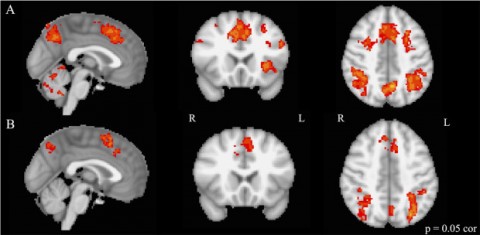
Sure, he has them play spon­ta­neous vari­a­tions on a MIDI key­board in a func­tion­al MRI tube in order to study blood oxy­gen lev­els in var­i­ous parts of their brains.

But he also gets to hang out in the technologist’s booth, ”trad­ing fours” with cap­tive musi­cian Mike Pope, whom he describes in his TED Talk, above, as “one of the world’s best bassists and a fan­tas­tic piano play­er.”

Is this an exper­i­ment or a DIY fan­ta­sy camp?

I’m not sure one needs thou­sands of dol­lars’ worth of med­ical equip­ment to con­clude that impro­vi­sa­tion thrives when the inner crit­ic is ban­ished. But that’s exact­ly what Dr. Limb’s find­ings reveal. Activ­i­ty in the lat­er­al pre­frontal cor­tex, an area asso­ci­at­ed with self-mon­i­tor­ing, dropped dra­mat­i­cal­ly, while that in the medi­al pre­frontal cortex—a struc­ture asso­ci­at­ed with the self-expression—spiked.

The same thing hap­pened when a rap­per named Emmanuelle was in the tube, free-styling on a set of prompts con­tained in a rhyme Dr. Limb com­posed for the occa­sion:

My pas­sion’s not fash­ion, you can see how I’m dressed 

Psy­cho­path­ic words in my head appear

Whis­per these lyrics only I can hear

The art of dis­cov­er­ing and that which is hov­er­ing 

Inside the mind of those uncon­fined 

All of these words keep pour­ing out like rain 

I need a mad sci­en­tist to check my brain 

(For me, the best part of the TED Talk was when a ner­vous Dr. Limb game­ly per­formed his rap for the crowd, the lyrics pro­ject­ed on a giant screen in case they want­ed to chime in. What I wouldn’t give to have a scan of his brain in this moment…)

The ulti­mate val­ue of Dr. Limb’s research remains to be seen. If noth­ing else, we may get a bit more insight into the work­ings of this most mys­te­ri­ous of organs. But I was struck by a remark he made in an inter­view with Abil­i­ty, a mag­a­zine focus­ing on health, dis­abil­i­ty and human poten­tial:

At some point, every musi­cian grap­ples with whether they’re going to pur­sue it as a pro­fes­sion, or do some­thing else to make a liv­ing. Some musi­cians absolute­ly feel that there’s no oth­er road for them. And then there are oth­er peo­ple, like me, who could have gone into music, but I didn’t feel like I deserved to. And what I mean by that is I wasn’t will­ing to suf­fer for my art. You have to have the con­vic­tion, that you can ride out the lows, to be a real­ly suc­cess­ful musi­cian.

Per­haps in the future, those with the tem­pera­ment for a career in impro­vi­sa­tion­al jazz will use an fMRI to dou­ble check that their deoxy­he­mo­glo­bin con­cen­tra­tions are also up to the task.

Relat­ed Con­tent: 

Free Online Psy­chol­o­gy & Neu­ro­science Cours­es

Why We Love Rep­e­ti­tion in Music: Explained in a New TED-Ed Ani­ma­tion

Play­ing an Instru­ment Is a Great Work­out For Your Brain: New Ani­ma­tion Explains Why

Philoso­pher Jacques Der­ri­da Inter­views Jazz Leg­end Ornette Cole­man: Talk Impro­vi­sa­tion, Lan­guage & Racism (1997)

Son­ny Rollins Describes How 50 Years of Prac­tic­ing Yoga Made Him a Bet­ter Musi­cian

Ayun Hal­l­i­day is an author, home­school­er, and Chief Pri­ma­tol­o­gist of the East Vil­lage Inky zine. She stud­ied com­e­dy impro­vi­sa­tion with Del Close and plays the piano poor­ly. Fol­low her @AyunHalliday

16,000 Pages of Charles Darwin’s Writing on Evolution Now Digitized and Available Online

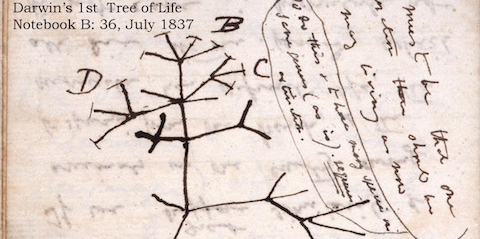
Darwin Tree of Life

The Dar­win­ian the­o­ry of evo­lu­tion is an amaz­ing sci­en­tif­ic idea that seems, at least to a layper­son like me, to meet all the cri­te­ria for what sci­en­tists like Ian Glynn praise high­ly as “elegance”—all of them per­haps except one: Sim­plic­i­ty. Evo­lu­tion­ary the­o­ry may seem on its face to be a fair­ly sim­ple expla­na­tion of the facts—all life begins as sin­gle-celled organ­isms, then changes and adapts in response to its envi­ron­ment, branch­ing and devel­op­ing into mil­lions of species over bil­lions of years. But the jour­ney Dar­win took to arrive at this idea was hard­ly straight­for­ward and it cer­tain­ly didn’t arrive in one eure­ka moment of enlight­en­ment.

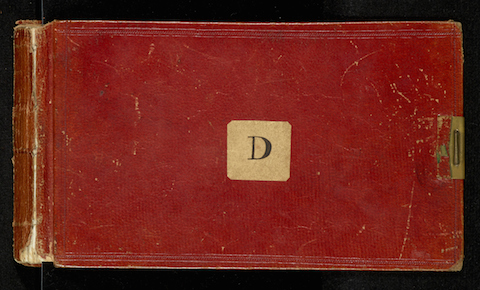
darwin Notebook D

The process for him took over two decades, rep­re­sent­ed by the hun­dreds of pages of notes he left behind, all of which will be freely avail­able online at the Dar­win Man­u­scripts Project at the Amer­i­can Muse­um of Nat­ur­al His­to­ry in 2015. This means 30,000 dig­i­tized doc­u­ments, like the naturalist’s first “Tree of Life” at the top of the page, from a July 1837 note­book entry, and Trans­mu­ta­tion Note­book D above, the first note­book in which Dar­win began work­ing on the the­o­ry of nat­ur­al selec­tion.

The Muse­um has cur­rent­ly announced that it is a lit­tle over the halfway point, with just over 16,000 dig­i­tized doc­u­ments that cov­er, they write, “the 25-year peri­od in which Dar­win became con­vinced of evo­lu­tion; dis­cov­ered nat­ur­al selec­tion; devel­oped expla­na­tions of adap­ta­tion, spe­ci­a­tion, and a branch­ing tree of life and wrote the Ori­gin [of Species].” Direc­tor of the project David Kohn describes that lat­ter famous work as “the mature fruit of a pro­longed process of sci­en­tif­ic explo­ration and cre­ativ­i­ty that began toward the end of his Bea­gle voy­age… and that con­tin­ued to expand in range and deep­en in con­cep­tu­al rig­or through numer­ous well-marked stages.”

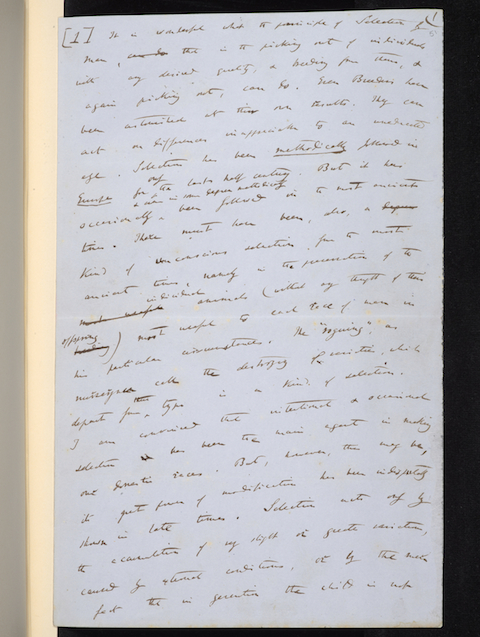
mdb56

Now his­to­ri­ans of sci­ence can trace those stages as though they were a fos­sil record, start­ing with that famous H.M.S. Bea­gle voy­age, in which the young Dar­win sailed from South Amer­i­ca to the Pacif­ic Islands—stopping at numer­ous sites, includ­ing the Gala­pa­gos Islands of course, and col­lect­ing sam­ples and mak­ing obser­va­tions. The jour­ney pro­duced a live­ly account, 1839’s Voy­age of the Bea­gle, pre­lude to the ful­ly devel­oped the­o­ry pre­sent­ed 20 years lat­er in On the Ori­gin of Species. Look­ing into the Bea­gle voy­age sec­tion, you’ll find hun­dreds of pages of notes, like that above on Gala­pa­gos mock­ing­birds. Darwin’s hand­writ­ing will present a chal­lenge, which is why, Hyper­al­ler­gic tells us, the project is “adding tran­scrip­tions and a schol­ar­ly struc­ture to its high-res­o­lu­tion images.”

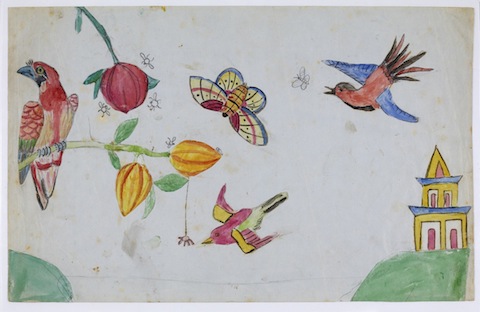
darwin Children's drawing

Hyper­al­ler­gic also sums up the remain­ing con­tents of the huge archive, which in addi­tion to the Bea­gle mate­r­i­al will fea­ture every­thing “from the rest of his life, which he spent defend­ing his work.” This means “scrib­blings in books he stud­ied, abstracts, his own book drafts, arti­cles and their revi­sions, jour­nals he read, and his note­books on trans­mu­ta­tion.” You’ll also find “some charm­ing odd­i­ties” like draw­ings by the scientist’s chil­dren (above) on the back of orig­i­nal Ori­gin man­u­script pages. Learn much more about the archive, and Darwin’s life­long work, at the Amer­i­can Muse­um of Nat­ur­al History’s Dar­win Man­u­script Project site.

via io9/Hyper­al­ler­gic

Relat­ed Con­tent:

What Did Charles Dar­win Read? See His Hand­writ­ten Read­ing List & Read Books from His Library Online

Read the Orig­i­nal Let­ters Where Charles Dar­win Worked Out His The­o­ry of Evo­lu­tion

Trace Darwin’s Foot­steps with Google’s New Vir­tu­al Tour of the Gala­pa­gos Islands

New Ani­mat­ed Web Series Makes the The­o­ry of Evo­lu­tion Easy to Under­stand

Josh Jones is a writer and musi­cian based in Durham, NC. Fol­low him at @jdmagness

Shelf Life: American Museum of Natural History Creates New Video Series on Its 33 Million Artifacts

I once spent a sum­mer as a secu­ri­ty guard at the Children’s Muse­um of Indi­anapo­lis. A won­der­ful place to vis­it, but my work­day expe­ri­ence proved dread­ful­ly dull. By far the high­light was being pulled off what­ev­er exhib­it I hap­pened to be guard­ing to assist in col­lec­tions, a cav­ernous back­stage area where untold trea­sures were shelved with­out cer­e­mo­ny. The head con­ser­va­tor con­fid­ed that many of these items would nev­er be sin­gled out for dis­play. The thrift store egal­i­tar­i­an­ism that reigned here was far more appeal­ing than the eye-catch­ing, edu­ca­tion­al sig­nage in the pub­lic area. From the obliv­ion of deep stor­age springs the poten­tial for dis­cov­ery.

How grat­i­fy­ing to learn that the 200 plus sci­en­tists employed by the Amer­i­can Muse­um of Nat­ur­al His­to­ry feel the same. As palen­tol­o­gist Mike Novacek, puts it in Shelf Life, the museum’s just launched month­ly video series:

You can make new dis­cov­er­ies in Col­lec­tions just like you can out in the field. You can walk around the cor­ner and see some­thing that no one’s quite observed that way before, describe a new species or a new fea­ture that’s impor­tant to sci­ence.

The insti­tu­tion can choose from among more than 33,430,000 good­ies, from ancient objects they’ve been care­ful­ly tend­ing for more than two cen­turies to the sam­ples of frozen tis­sue and DNA com­pris­ing the bare­ly 13-year-old Ambrose Mon­ell Cryo Col­lec­tion for Mol­e­c­u­lar and Micro­bial Research.

Gems and mete­orites!

Arrow­heads and gourds!

Ver­te­brates and inver­te­brates!

There’s tru­ly some­thing here for…

WaspsFinalFlat

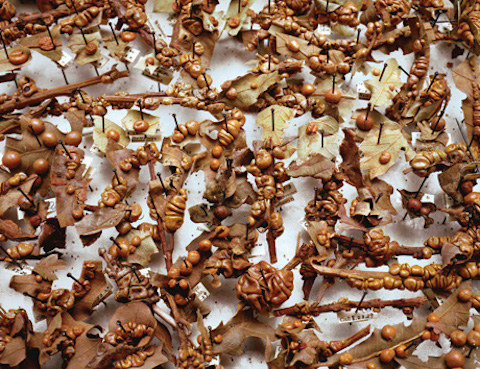
Wasp enthu­si­asts (you know who you are) can thrill to the sev­en and a half mil­lion spec­i­mens in sex researcher Alfred Kinsey’s Cynip­i­dae col­lec­tion. (They’re ready for their close up, Mr. DeMille. Famous as they are, the first episode passed them over in favor of a more pho­to­genic mock bee from the genus Criorhi­na.)

Future episodes will call upon in-house ichthy­ol­o­gists, pale­on­tol­o­gists, anthro­pol­o­gists, astro­physi­cists, and her­petol­o­gists to dis­cuss such top­ics as spec­i­men prepa­ra­tion, tax­on­o­my, and cura­tion. Stay abreast (and — bonus!- cel­e­brate Nero’s birth­day with tur­tles) by sub­scrib­ing to the museum’s youtube chan­nel.

Relat­ed Con­tent:

A Panoram­ic Vir­tu­al Tour of the Smith­son­ian Nation­al Muse­um of Nat­ur­al His­to­ry

Down­load the Uni­verse: A Dis­cern­ing Cura­tor for Sci­ence eBooks

How to Make a Mum­my — Demon­strat­ed by The Get­ty Muse­um

Ayun Hal­l­i­day is an author, home­school­er, and Chief Pri­ma­tol­o­gist of the East Vil­lage Inky zine. She goes into more detail about her short-lived stint as a muse­um secu­ri­ty guard in her third book, Job Hop­per. Fol­low her @AyunHalliday

The Ebola Virus Explained with Animated Video

There’s just one small men­tion of the Ebo­la virus on the New York Times home­page right now. And it’s buried halfway down the page — which means that, no longer in pan­ic mode, we can take a cool, calm and col­lect­ed look at this virus called Ebo­la.“What does the Ebo­la virus actu­al­ly do in your body? Why is it so dan­ger­ous and why does it kill so many peo­ple?” Those are the ques­tions explored in a new video by Kurzge­sagt, a Munich-based design stu­dio that spe­cial­izes in cre­at­ing edu­ca­tion­al and sci­en­tif­ic ani­ma­tions. Kurzge­sagt, in case you’re won­der­ing, means “in a nut­shell” in Ger­man. As in, here’s the deal with Ebo­la in a nut­shell.

Fol­low us on Face­bookTwit­ter and Google Plus and share intel­li­gent media with your friends. Or bet­ter yet, sign up for our dai­ly email and get a dai­ly dose of Open Cul­ture in your inbox.

Relat­ed Con­tent:

Free Online Biol­o­gy Cours­es

How to Dance Your Dis­ser­ta­tion: See the Win­ning Video in the 2014 “Dance Your PhD” Con­test

Sal­vador Dalí Cre­ates a Chill­ing Anti-Vene­re­al Dis­ease Poster Dur­ing World War II

How to Dance Your Dissertation: See the Winning Video in the 2014 “Dance Your PhD” Contest

We’ve seen how mod­ern dance can explain key con­cepts in sta­tis­tics (e.g. cor­re­la­tion and sam­pling error). So why could­n’t dance also illus­trate the con­clu­sions of a plant biol­o­gy doc­tor­al dis­ser­ta­tion?

Uma Nagen­dra, a grad­u­ate stu­dent at the Uni­ver­si­ty of Geor­gia, has just won the 2014 edi­tion of the “Dance Your Ph.D.” con­test. Spon­sored by Sci­ence and High­Wire Press, the con­test asks grad stu­dents to “explain their Ph.D. research in the most jar­gon-free medi­um of all: dance.” (More cri­te­ria can be found over at the con­test’s tips & tricks page.) Accord­ing to Sci­ence mag­a­zine, Nagen­dra likes to spend “a good deal of her [free] time hang­ing upside down from a trapeze doing cir­cus aeri­als.” It’s a cre­ative out­let for her. And it offers a good way, it turns out, to visu­al­ize the con­clu­sions of her dis­ser­ta­tion explor­ing â€śPlant-soil feed­backs after severe tor­na­do dam­age.”

The “Dance Your Ph.D.” con­test allows each con­tes­tant to sub­mit a video with a short piece of descrip­tive text. Here is what Nagen­dra wrote:

Many of the pat­terns we see in forests around the world are caused by the rela­tion­ships that plants have with organ­isms in the soil. Some very diverse forests can only sup­port as many dif­fer­ent tree species as they do because soil-borne dis­eases pre­vent any one species from tak­ing over. But what hap­pens when a tor­na­do comes along? Do the plants and soil organ­isms main­tain this diver­si­ty-pro­mot­ing rela­tion­ship?

My PhD research focus­es on how sev­er­al dif­fer­ent species of tree seedlings in the south­ern Appalachi­an moun­tains inter­act with soil organisms—and how tor­na­does might mix things up. I study many dif­fer­ent species. As an exam­ple, we can look at white pine (Pinus strobus), and the many pathogens that attack the roots of its seedlings.

The dance begins in an undis­turbed for­est. Because trees live for so long in one place, a mature pine tree accu­mu­lates a unique group of fun­gi around its roots—including pathogens that cause dis­eases in tree seedlings (in this case, Pythi­um and Rhi­zoc­to­nia). White pine seedlings that are very close to a mature tree are more like­ly to be attacked by these pathogens—causing stunt­ed growth, or even death. The far­ther away a seedling is from a mature tree, the less like­ly it is to get infect­ed. These dis­tant seedlings are more like­ly to sur­vive to matu­ri­ty. A pat­tern emerges where the mature pine trees are spaced far apart—leaving room for seedlings of oth­er species to grow, and cre­at­ing a diverse for­est.

In the mid­dle of the dance, we wit­ness the tornado—and how it changes the for­est envi­ron­ment. The mature pine tree dies, and the for­est floor is no longer shad­ed. The soil becomes hot­ter and dri­er. With­out the liv­ing mature tree as a host, spe­cial­ist pathogens are less active, and many die. Because of this, I am pre­dict­ing that plant-soil rela­tion­ships in recent­ly tor­na­do-dam­aged areas may be much weak­er. In the last part of the dance, seedlings close to the (killed) mature tree are no longer at greater risk for dis­ease; they grow and sur­vive the same as their more dis­tant sib­lings. The chang­ing plant-soil rela­tion­ships after dis­tur­bances might be one piece in the puz­zle of how diverse ecosys­tems change over time.

via Explore

Fol­low us on Face­bookTwit­ter and Google Plus and share intel­li­gent media with your friends. Or bet­ter yet, sign up for our dai­ly email and get a dai­ly dose of Open Cul­ture in your inbox.

Relat­ed Con­tent:

Sta­tis­tics Explained Through Mod­ern Dance: A New Way of Teach­ing a Tough Sub­ject

The Illus­trat­ed Guide to a Ph.D.

Ser­i­al Entre­pre­neur Damon Horowitz Says “Quit Your Tech Job and Get a Ph.D. in the Human­i­ties”

by | Permalink | Make a Comment ( 1 ) |

New Animated Web Series Makes the Theory of Evolution Easy to Understand

When it comes to mat­ters of broad sci­en­tif­ic con­sen­sus, I’m gen­er­al­ly inclined to offer pro­vi­sion­al assent. Like every­one else, I have to rely on the exper­tise of oth­ers in mat­ters out­side my ken, and in many cas­es, this ratio­nal appeal to author­i­ty is the best one can do with­out acquir­ing the rel­e­vant qual­i­fi­ca­tions and years of expe­ri­ence in high­ly spe­cial­ized sci­en­tif­ic fields. In the case of evo­lu­tion, I hap­pen to find the evi­dence and expla­na­tions near­ly all biol­o­gists prof­fer much more per­sua­sive than the claims—and accusations—of their most­ly unsci­en­tif­ic crit­ics. But as we know from recent sur­vey data, a very large per­cent­age of Amer­i­cans reject the the­o­ry of evo­lu­tion, at least when it comes to humans, though it’s like­ly a great many of them—like myself—do not know very much about it.

But as a layper­son with an admit­ted­ly rudi­men­ta­ry sci­ence edu­ca­tion, I’m always grate­ful for clear, sim­ple expla­na­tions of com­plex ideas. This is pre­cise­ly what we get in the video series Stat­ed Clear­ly, which har­ness­es the pow­er of web ani­ma­tion as an instruc­tion­al tool to define what the the­o­ry of evo­lu­tion is, and why it explains the observ­able facts bet­ter than any­thing else. Stat­ed Clear­ly’s tagline is “sci­ence is for every­one,” and indeed, their mis­sion “is sim­ple”: “to pro­mote the art of crit­i­cal think­ing by expos­ing peo­ple from all walks of life, to the sim­ple beau­ty of sci­ence.” The video at the top gives us a broad overview of the the­o­ry of evo­lu­tion. The ani­ma­tion just above presents the evi­dence for evo­lu­tion, or some of it any­way, in clear, com­pelling terms, draw­ing from at least two of the many inde­pen­dent lines of evi­dence. And below, we have a Stat­ed Clear­ly take on nat­ur­al selec­tion, an absolute­ly key con­cept of evo­lu­tion­ary biol­o­gy, and one reg­u­lar­ly mis­un­der­stood.

After watch­ing these three shorts, you might agree that what is “often con­sid­ered a com­plex and con­tro­ver­sial top­ic” is “actu­al­ly a very sim­ple con­cept to under­stand.” In layman’s terms, at least. In fact, artist, nar­ra­tor, and cre­ator of the series, Jon Per­ry, admits that he him­self has no for­mal sci­en­tif­ic train­ing. “He believed,” his bio states, “that if he could cre­ate just one good ani­ma­tion on his own, sci­en­tists and edu­ca­tors would real­ize the poten­tial of this project and help him cre­ate more.” And indeed they have. Stat­ed Clear­ly has a dis­tin­guished pan­el of sci­ence advis­ers and part­ners that include the Cen­ter for Chem­i­cal Evo­lu­tion, Emory Uni­ver­si­ty, Geor­gia Tech, NASA, and the Nation­al Sci­ence Foun­da­tion. Learn much more about Stat­ed Clearly’s goals and affil­i­a­tions, or lack there­of, at their web­site. And below, see the fourth video of the series, “Does the The­o­ry of Evo­lu­tion Real­ly Mat­ter?,” which address­es the prac­ti­cal, real world impli­ca­tions of evo­lu­tion­ary the­o­ry, and sci­en­tif­ic lit­er­a­cy.

Relat­ed Con­tent:

Carl Sagan Explains Evo­lu­tion in an Eight-Minute Ani­ma­tion

Watch Episode #2 of Neil deGrasse Tyson’s Cos­mos: Explains the Real­i­ty of Evo­lu­tion (US View­ers)

Richard Dawkins Makes the Case for Evo­lu­tion in the 1987 Doc­u­men­tary, The Blind Watch­mak­er

Josh Jones is a writer and musi­cian based in Durham, NC. Fol­low him at @jdmagness

Stanford’s Robert Sapolsky Demystifies Depression, Which, Like Diabetes, Is Rooted in Biology

We know that depres­sion affects peo­ple from all walks of life. Rich. Poor. Celebs. Ordi­nary Joes. Young. Old. But, some­how after the death of Robin Williams, there’s a renewed focus on depres­sion, and my mind turned imme­di­ate­ly to a lec­ture we fea­tured on the site way back in 2009. The lec­ture is by Robert Sapol­sky, a Stan­ford biol­o­gist, who has a tal­ent for mak­ing sci­en­tif­ic sub­jects pub­licly acces­si­ble. A recip­i­ent of the MacArthur genius grant, Sapol­sky notes that depres­sion — cur­rent­ly the 4th great­est cause of dis­abil­i­ty world­wide, and soon the 2nd — is deeply bio­log­i­cal. Depres­sion is root­ed in biol­o­gy, much as is, say, dia­betes. As the lec­ture unfolds, you will see how depres­sion changes the body. When depressed, our brains func­tion dif­fer­ent­ly while sleep­ing, our stress response goes way up 24/7, our bio­chem­istry lev­els change, etc. You will see that biol­o­gy is at work.

Sapol­sky is one com­pelling teacher. So you might not want to miss his Stan­ford course, Intro­duc­tion to Human Biol­o­gy. It’s equal­ly worth your time. You can always find it housed in our col­lec­tion 1,700 Free Online Cours­es from Top Uni­ver­si­ties.

If you would like to sign up for Open Culture’s free email newslet­ter, please find it here. It’s a great way to see our new posts, all bun­dled in one email, each day.

If you would like to sup­port the mis­sion of Open Cul­ture, con­sid­er mak­ing a dona­tion to our site. It’s hard to rely 100% on ads, and your con­tri­bu­tions will help us con­tin­ue pro­vid­ing the best free cul­tur­al and edu­ca­tion­al mate­ri­als to learn­ers every­where. You can con­tribute through Pay­Pal, Patre­on, and Ven­mo (@openculture). Thanks!

by | Permalink | Make a Comment ( 26 ) |

Playing an Instrument Is a Great Workout For Your Brain: New Animation Explains Why

Get me a piano teacher, stat!

When I was a child, my father, enchant­ed by the notion that I might some­day pro­vide live piano accom­pa­ni­ment to his evening cock­tails, signed me up for lessons with a mild-man­nered wid­ow who—if mem­o­ry serves—charged 50¢ an hour.

Had I only been forced to prac­tice more reg­u­lar­ly, I’d have no trou­ble remem­ber­ing the exact price of these lessons. My mem­o­ry would be a supreme­ly robust thing of beau­ty. Dit­to my math skills, my cog­ni­tive func­tion, my abil­i­ty to mul­ti­task.

Instead, my dad even­tu­al­ly con­ced­ed that I was not cut out to be a musi­cian (or a bal­le­ri­na, or a ten­nis whiz…) and Mrs. Arnold was out a pupil.

Would that I stuck with it beyond my halt­ing ver­sions of “The Enter­tain­er” and “FĂĽr Elise.” Accord­ing to the TED-Ed video above, play­ing an instru­ment is one of the very best things you can do for your brain. Tal­ent does­n’t mat­ter in this con­text, just ongo­ing prac­tice.

Neu­ro­sci­en­tists using fMRI (Func­tion­al Mag­net­ic Res­o­nance Imag­ing) and PET (Positron Emis­sion Tomog­ra­phy) tech­nol­o­gy to mon­i­tor the brain activ­i­ty of sub­jects lis­ten­ing to music saw engage­ment in many areas, but when the sub­jects trad­ed in head­phones for actu­al instru­ments, this activ­i­ty mor­phed into a grand fire­works dis­play.

(The ani­mat­ed expla­na­tion of the inter­play between var­i­ous musi­cal­ly engaged areas of the brain sug­gests the New York City sub­way map, a metaphor I find more apt.)

This mas­sive full brain work­out is avail­able to any­one will­ing to put in the time with an instru­ment. Read­ing the score, fig­ur­ing out tim­ing and fin­ger­ing, and pour­ing one’s soul into cre­ative inter­pre­ta­tion results in an interof­fice cere­bral com­mu­ni­ca­tion that strength­ens the cor­pus calos­sum and exec­u­tive func­tion.

 Vin­di­ca­tion for drum­mers at last!

Though to bring up the specter of anoth­er stereo­type, stay away from the hard stuff, guys…don’t fry those beau­ti­ful minds.

If you’d like to know more about the sci­en­tif­ic impli­ca­tions of music lessons, WBUR’s series “Brain Mat­ters” has a good overview here. And good luck break­ing the good news to your chil­dren.

Relat­ed Con­tent:

Watch a New Music Video Shot Entire­ly With­in an MRI Machine

TED-Ed Brings the Edgi­ness of TED to Learn­ing

“Hum­ming­bird,” A New Form of Music Nota­tion That’s Eas­i­er to Learn and Faster to Read

Ayun Hal­l­i­day is an author, home­school­er, and Chief Pri­ma­tol­o­gist of the East Vil­lage Inky zine. Fol­low her @AyunHalliday

« Go BackMore in this category... »
Quantcast