Why Sitting Is The New Smoking: An Animated Explanation

Dur­ing the past year, sit­ting has become the new smok­ing. “Past stud­ies have found,” declares a 2014 arti­cle in The New York Times, “the more hours that peo­ple spend sit­ting, the more like­ly they are to devel­op dia­betes, heart dis­ease and oth­er con­di­tions, and poten­tial­ly to die pre­ma­ture­ly — even if they exer­cise reg­u­lar­ly.” What’s the sci­ence behind this alarm­ing claim? The ani­mat­ed TED-ED video (above) begins to paint the pic­ture. But it does­n’t get into the lat­est and per­haps most impor­tant research. Accord­ing to sci­ence writer Gretchen Reynolds, a recent Swedish study pub­lished in the British Jour­nal of Sports Med­i­cine sug­gests that when you sit all day, your telom­eres (the tiny caps on the ends of DNA strands) get short­er. Which is not a good thing. As telom­eres get short­er, the rate at which the body ages and decays speeds up. Con­verse­ly, the study found “that the telom­eres in [those] who were sit­ting the least had length­ened. Their cells seemed to be grow­ing phys­i­o­log­i­cal­ly younger.”

Sev­er­al months ago, KQED radio in San Fran­cis­co aired a pro­gram ded­i­cat­ed to this ques­tion, fea­tur­ing med­ical and ergonom­ics experts. To delve deep­er into it, lis­ten below. Or click here.

Mean­while, if you have advice on how to incor­po­rate move­ment into your day, please share it with your fel­low read­ers in the com­ments sec­tion below.

And if your mind imme­di­ate­ly drifts to buy­ing a stand­ing desk, then check out our relat­ed post: Who Wrote at Stand­ing Desks? Kierkegaard, Dick­ens and Ernest Hem­ing­way Too

Fol­low us on Face­book, Twit­ter, Google Plus and LinkedIn and share intel­li­gent media with your friends. And if you want to make sure that our posts def­i­nite­ly appear in your Face­book news­feed, just fol­low these sim­ple steps.

by | Permalink | Make a Comment ( 10 ) |

What Kind of Bird Is That?: A Free App From Cornell Will Give You the Answer

Part of the mis­sion of the Cor­nell Lab of Ornithol­o­gy is to help peo­ple answer the ques­tion, “What is that bird?” And so, in col­lab­o­ra­tion with the Visi­pedia research project, they’ve designed Mer­lin, a free app avail­able on iTunes and Google Play.

The app asks you a few basic ques­tions — what’s the col­or, size, and behav­ior of the bird you saw, and also when and where did you see it — and then, draw­ing on a data­base of infor­ma­tion gath­ered by Cor­nell experts and thou­sands of bird enthu­si­asts, the app will give you a short­list of pos­si­bil­i­ties. From there you can zero in on the actu­al bird you saw.

The free app (intro­duced in the video above) launched with “285 species most com­mon­ly encoun­tered in North Amer­i­ca.” But Cor­nell plans to add more species and fea­tures over time. Mean­while, the cur­rent app already offers “more than 2,000 stun­ning images tak­en by top pho­tog­ra­phers,” “more than 1,000 audio record­ings from the Macaulay Library, iden­ti­fi­ca­tion tips from experts, and range maps from the Birds of North Amer­i­ca Online.”

Hap­py bird­watch­ing!

If you would like to sign up for Open Culture’s free email newslet­ter, please find it here. It’s a great way to see our new posts, all bun­dled in one email, each day.

If you would like to sup­port the mis­sion of Open Cul­ture, con­sid­er mak­ing a dona­tion to our site. It’s hard to rely 100% on ads, and your con­tri­bu­tions will help us con­tin­ue pro­vid­ing the best free cul­tur­al and edu­ca­tion­al mate­ri­als to learn­ers every­where. You can con­tribute through Pay­Pal, Patre­on, and Ven­mo (@openculture). Thanks!

via Cor­nell/Petapix­el

Relat­ed Con­tent:

Cor­nell Launch­es Archive of 150,000 Bird Calls and Ani­mal Sounds, with Record­ings Going Back to 1929

A Bird Bal­let in South­ern France

A Stun­ning, Chance Encounter With Nature

by | Permalink | Make a Comment ( 5 ) |

The Poetry of the Cherry Blossoms Comes to Life in a One Minute Time Lapse Video

Are we to look at cher­ry blos­soms only in full bloom, the moon only when it is cloud­less? To long for the moon while look­ing on the rain, to low­er the blinds and be unaware of the pass­ing of spring—these are even more deeply mov­ing. Branch­es about to blos­som or gar­dens strewn with fad­ed flow­ers are wor­thi­er of our admi­ra­tion.

-Yoshi­da Kenko, Essays in Idle­ness (1330–1332)

Depend­ing on your coor­di­nates, cher­ry blos­som sea­son is either approach­ing, over, or in full riotous bloom. Every year, the Brook­lyn Botan­ic Gar­den sched­ules its annu­al Saku­ra Mat­suri fes­ti­val in igno­rance of what the weath­er may hold. Will lin­ger­ing win­ter tem­per­a­tures delay the blos­soms, or will spring come ear­ly, caus­ing the trees to erupt way ear­li­er than antic­i­pat­ed?

The only thing one can be cer­tain of is a mob scene, as ardent flower-view­ers of all ages stam­pede toward the cot­ton can­dy-col­ored trees, devices in hand. Mod­ern hana­mi prac­tice would sure­ly con­found the elite of the 8th Cen­tu­ry Impe­r­i­al Court. They wouldn’t have under­stood the con­cept of “self­ie” if it bit ‘em in the shakuhachi.

Of course, for every deter­mined 21st-cen­tu­ry soul who makes a point of admir­ing the blos­soms dur­ing their brief appear­ance, there are thou­sands more who, in the words of bureau­crat-turned-monk, Kenko, “low­er the blinds…unaware of the pass­ing of spring.”

Per­haps this lat­ter group is who Dave Allen, the Brook­lyn Botan­ic Garden’s for­mer web­mas­ter, had in mind when he installed a cam­era in a weath­er­proof box near the Cher­ry Esplanade. Every 3 min­utes, the shut­ter snapped, cap­tur­ing not just the glo­ri­ous Prunus ‘Kan­zan’ (aka Sekiya­ma) that line the walk­ways, but also a wide range of vis­i­tors who flocked to the gar­den between April 18 to April 26, 2008, seek­ing respite from the pres­sures of urban liv­ing.

The time lapse video Allen assem­bled from 3000 cap­tured moments takes slight­ly more than a minute to view. I think we have time to spare…

Watch it once for the main attrac­tion…

And then again for the (pix­il­lat­ed) peo­ple. Ran­dom­ly press “pause” to catch a kiss­ing cou­ple, a Hasidic man in a shtreimel, and a lit­tle girl in pink who some­how found her­self the sole human on the path…

Then one more time for the shad­ows of the clouds. Ah… That’s like­ly the time-strapped vir­tu­al viewer’s best chance for achiev­ing the sort of mind­set one might ascribe to The Tale of Gen­ji.

(Though per­haps a calm and con­tem­pla­tive mood was nev­er the goal. As ninth cen­tu­ry aris­to­crat­ic poet Ari­wara no Nar­i­hi­ra wrote (in trans­la­tion by Hiroa­ki Sato & Bur­ton Wat­son):

If there were no such thing

as cher­ry blos­soms

in this world,

in spring­time how untrou­bled

our hearts would be!

There is a mod­ern schol­ar on Tum­blr whose research sup­ports this take on the pink blooms’ blood quick­en­ing effects.)

In a week or two it will all be over.

As the petals fall, take refuge in Toi Der­ri­cotte’s recent poem. Its set­ting should feel famil­iar…

Cher­ry blos­soms

I went down to

min­gle my breath

with the breath

of the cher­ry blos­soms.

There were pho­tog­ra­phers:

Moth­ers arrang­ing their

chil­dren against 

gnarled old trees;

a cou­ple, hug­ging, 

asks a passer­by

to snap them

like that,

so that their love

will always be caught

between two friend­ships:

ours & the friend­ship

of the cher­ry trees.

Oh Cher­ry,

why can’t my poems

be as beau­ti­ful?

A young woman in a fur-trimmed

coat sets a card table

with linens, can­dles,

a pic­nic bas­ket & wine.

A father tips

a boy’s wheel­chair back

so he can gaze

up at a branched

heav­en.

                     All around us

the blos­soms

flur­ry down

whis­per­ing,

        Be patient

you have an ancient beau­ty.

                                            Be patient,

                                  you have an ancient beau­ty.

Relat­ed Con­tent:

Spring: A Short Film Based on Hemingway’s Mem­oir

Venice in a Day: From Day­break to Sun­set in Time­lapse

The Beau­ty of Namib­ian Nights in Time­lapse Motion

Ayun Hal­l­i­day will be releas­ing the 55th issue of her zine, the East Vil­lage Inky at the Brook­lyn Zine Fest this Sun­day. Fol­low her @AyunHalliday

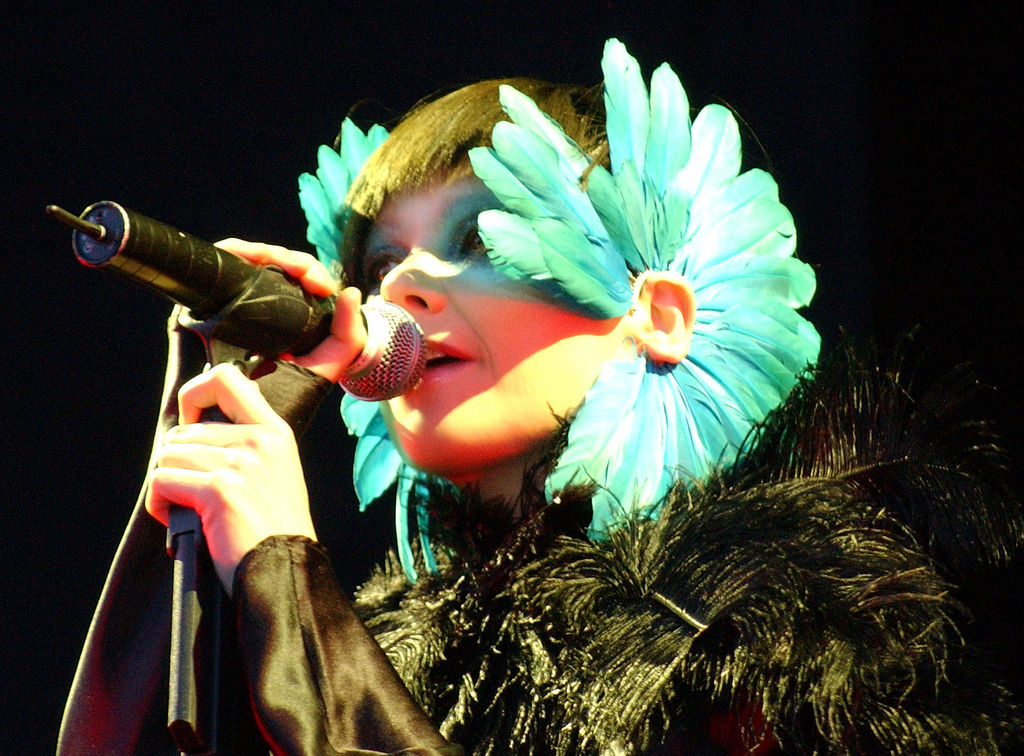
Watch Björk’s 6 Favorite TED Talks, From the Mushroom Death Suit to the Virtual Choir

Björk_-_Hurricane_Festival

Image by Zach Klein

Singer-song­writer Björk, cur­rent­ly enjoy­ing a career ret­ro­spec­tive at the Muse­um of Mod­ern Art, cel­e­brat­ed TED’s bil­lionth video view with a playlist of six trea­sured TED Talks. What do her choic­es say about her?

In this talk, artist Jae Rhim Lee mod­els her Mush­room Death Suit, a kicky lit­tle snug­gy designed to decom­pose and reme­di­ate tox­ins from corpses before they leech back into the soil or sky. Despite Björk’s fond­ness for out­ré fash­ion, I’m pret­ty sure this choice goes beyond the mere­ly sar­to­r­i­al.

For more infor­ma­tion, or to get in line for a mush­room suit of your own, see the Infin­i­ty Bur­ial Project.

Con­tin­u­ing with the mush­room / fash­ion theme, Björk next turns to design­er Suzanne Lee, who demon­strates how she grows sus­tain­able tex­tiles from kom­bucha mush­rooms. The result­ing mate­r­i­al may var­i­ous­ly resem­ble paper or flex­i­ble veg­etable leather. It is extreme­ly recep­tive to nat­ur­al dyes, but not water repel­lent, so bring a non-kom­bucha-based change of clothes in case you get caught in the rain.

For more infor­ma­tion on Lee’s home­grown, super green fab­ric, vis­it Bio­Cou­ture.

Björk’s clear­ly got a soft spot for things that grow: mush­rooms, mush­room-based fab­ric, and now…building mate­ri­als? Pro­fes­sor of Exper­i­men­tal Archi­tec­ture Rachel Arm­strong’s plan for self-regen­er­at­ing build­ings involves pro­to­cols, or “lit­tle fat­ty bags” that behave like liv­ing things despite an absence of DNA. I’m still not sure how it works, but as long as the lit­tle fat­ty bags are not added to my own ever-grow­ing edi­fice, I’m down.

For more infor­ma­tion on what Dr. Arm­strong refers to as bot­tom up con­struc­tion (includ­ing a scheme to keep Venice from sink­ing) see Black Sky Think­ing.

Björk’s next choice takes a turn for the seri­ous… with games. Game Design­er Bren­da Romero began explor­ing the heavy duty emo­tion­al pos­si­bil­i­ties of the medi­um when her 9‑year-old daugh­ter returned from school with a less than nuanced under­stand­ing of the Mid­dle Pas­sage. The suc­cess of that exper­i­ment inspired her to cre­ate games that spur play­ers to engage on a deep­er lev­el with thorny his­tor­i­cal sub­jects. (The Trail of Tears required 50,000 indi­vid­ual red­dish-brown pieces).

Learn more about Romero’s ana­log games at The Mechan­ic is the Mes­sage.

Remem­ber those 50,000 indi­vid­ual pieces? As pho­tog­ra­ph­er Aaron Huey doc­u­ment­ed life on Pine Ridge Reser­va­tion, he was hum­bled by hear­ing him­self referred to as “wasichu,” a Lako­ta word that can be trans­lat­ed as “non-Indi­an.” Huey decid­ed not to shy away from its more point­ed trans­la­tion: “the one who takes the best meat for him­self.” His TED Talk is an impas­sioned his­to­ry les­son that begins in 1824 with the cre­ation of the Bureau of Indi­an Affairs and ends in an activist chal­lenge.

Proof that Björk is not entire­ly about the quirk.

See Huey’s pho­tos from the Nation­al Geo­graph­ic cov­er sto­ry, “In the Spir­it of Crazy Horse.”

Björk opts to close things on a musi­cal note with excerpts from com­pos­er Eric Whitacre’s “Lux Aurumque” and “Sleep” per­formed by a crowd­sourced vir­tu­al choir. Its members—they swell to 1999 for “Sleep”—record their parts alone at home, then upload them to be mixed into some­thing son­i­cal­ly and spir­i­tu­al­ly greater than the sum of its parts.

Lis­ten to “Sleep” in its entire­ty here.

Relat­ed Con­tent:

Hear the Album Björk Record­ed as an 11-Year-Old: Fea­tures Cov­er Art Pro­vid­ed By Her Mom (1977)

A Young Björk Decon­structs (Phys­i­cal­ly & The­o­ret­i­cal­ly) a Tele­vi­sion in a Delight­ful Retro Video

Björk and Sir David Atten­bor­ough Team Up in a New Doc­u­men­tary About Music and Tech­nol­o­gy

Ayun Hal­l­i­day is an author, illus­tra­tor, and Chief Pri­ma­tol­o­gist of the East Vil­lage Inky zine. Fol­low her @AyunHalliday

What It’s Like to Be Color Blind and See Art in Color for the First Time

We all know that say­ing about walk­ing in anoth­er’s shoes, but what about see­ing through anoth­er’s eye­balls? I’m not talk­ing about per­spec­tive. I’m talk­ing about col­or. As in I see it, and my hus­band does­n’t. At least not the way I do.

His cop­ing mech­a­nism is to chal­lenge me when­ev­er I refer to some­thing as “blue.” To him, it’s grey, or brown, or some oth­er non-blue shade. He wants me to see it that way too. To admit that I am wrong. For my part, I feel it’s impor­tant that the per­son to whom I’m mar­ried acknowl­edge that there’s no way my favorite bowl can be the col­or of cement, no mat­ter what his cone cell recep­tors are telling him.

Per­haps he’d have bet­ter luck ask­ing patient strangers to describe col­or to him, as blind-from-birth film crit­ic Tom­my Edi­son does below. Hmm. Col­or may be more sub­jec­tive than my hus­band’s and my spec­tral stand-offs would sug­gest.

Accord­ing to EnChro­ma, the com­pa­ny that designed and sells the col­or-cor­rect­ing lens­es the onscreen guinea pigs are seen wear­ing in the video up top, an esti­mat­ed 300 mil­lion peo­ple suf­fer from some form of col­or blind­ness. Their glass­es offer some of those three mil­lion a chance at see­ing red in the lit­er­al sense. The video par­tic­i­pants are, not sur­pris­ing­ly, blown away by their first encounter with a Cray­ola-col­ored world.

Hav­ing refreshed myself on the struc­tures of the eye, I took the col­or blind­ness test on EnChro­ma’s web­site. I test­ed nor­mal, hav­ing iden­ti­fied the hid­den (or in my case not-so-hid­den) num­bers in a vari­ety of vir­tu­al mosaics.

My col­or blind friend, Bob, agreed to take it too, pro­vid­ed I muz­zle myself from offer­ing the sort of com­men­tary to which hus­bands are sub­ject­ed. (Whad­daya mean you can’t see it!? It’s bright fuch­sia!!!) He pulled a pret­ty heavy duty protan defi­cien­cy, oth­er­wise known as red-green col­or blind­ness.

Accord­ing to the man­u­fac­tur­er, EnChro­ma glass­es are unlike­ly to col­or his world. The best he could hope for is a slight improve­ment after weeks of wear­ing.

Bum­mer, except that he lives in Chica­go, where the Muse­um of Con­tem­po­rary Art offers EnChro­ma Cx loan­ers at the recep­tion desk. Like many such insti­tu­tions, the MCA is active­ly seek­ing ways to improve acces­si­bil­i­ty. (The museum’s col­or blind direc­tor of com­mu­ni­ca­tions rec­om­mends hav­ing a look at Mar­tin Creed’s Work No. 1351, a col­or­ful lat­tice in the cafe. See right below.)

Creed_JulyInstall_03

Per­haps Bob will get a peek at some­thing he has­n’t seen before. Like red. Oth­ers will expe­ri­ence a rev­e­la­tion. Mean­while, an insuf­fer­able non-col­or­blind indi­vid­ual such as myself might get an effect akin to an Insta­gram fil­ter. My col­ors will pop.

“Unfair,” say Bob and my hus­band. I have to agree. Should the Muse­um of Con­tem­po­rary Art offer col­or-leech­ing glass­es, I will wear them, even if the frames are real­ly ugly. Until then, the video below pro­vides some sense of what those of us who see the full range of col­or aren’t miss­ing.

via Vice

Relat­ed Con­tent:

The Pra­do Muse­um Cre­ates the First Art Exhi­bi­tion for the Visu­al­ly Impaired, Using 3D Print­ing

Jorge Luis Borges, After Going Blind, Draws a Self-Por­trait

Helen Keller Speaks About Her Great­est Regret — Nev­er Mas­ter­ing Speech

Ayun Hal­l­i­day is an author, illus­tra­tor, and Chief Pri­ma­tol­o­gist of the East Vil­lage Inky zine. Fol­low her @AyunHalliday

Hysterical Literature: Art & Sexuality Collide in Readings of Whitman, Emerson & Other Greats (NSFW)

With­out shame the man I like knows and avows the deli­cious­ness of his sex, 

With­out shame the woman I like knows and avows hers.

Thus spaketh Walt Whit­man in Leaves of Grass. 160 years after that poem’s pub­li­ca­tion, how might that most Amer­i­can of Amer­i­can Roman­tics react to the spec­ta­cle of an attrac­tive young woman plea­sur­ing her­self with his work, as an unseen hand beneath the table sur­rep­ti­tious­ly plea­sures her with the Cadil­lac of vibra­tors?

The peep­hole is much larg­er than it would’ve been in 1855. Hys­ter­i­cal Lit­er­a­ture was con­ceived as an online project in which each session’s fea­tured female par­tic­i­pant choos­es a res­o­nant text, then reads it aloud until a Hitachi Mag­ic Wand puts an end to her abil­i­ty to form coher­ent sen­tences.

Cre­ator Clay­ton Cubitt has com­plained that the orgas­mic ele­ment and the sta­tus of cer­tain celebri­ty par­tic­i­pants like come­di­an Mar­garet Cho  have pre­oc­cu­pied the press. His pref­er­ence is for view­ers to take a more holis­tic approach, view­ing the expe­ri­ence with some “mys­tery and mag­ic and ‘WTF.’”

Accord­ing­ly, let us focus upon some of the select­ed works:

Beloved by Toni Mor­ri­son

Sex­ing the Cher­ry by Jeanette Win­ter­son

The Necrophil­ia Vari­a­tions by Super­vert

Real­ly, no Anaïs Nin? I would’ve thought…

The most recent con­trib­u­tor to the series is also its old­est, 60-year-old Janet, below, who had to take leave of Whitman’s pal, Ralph Wal­do Emer­son, not once but twice in eight min­utes.

Cumu­la­tive­ly, these ses­sions make a mar­velous­ly frank primer for actors or direc­tors charged with cre­at­ing real­is­tic sex scenes. The dichoto­my of Hys­ter­i­cal Lit’s stag­ing ensures that things are fair­ly respectable above the waist, thus sat­is­fy­ing YouTube’s Com­mu­ni­ty Guide­lines.

Dar­ing female lovers of lit­er­a­ture should be advised that Cubitt seeks to include more women of col­or, old­er par­tic­i­pants, and non-Eng­lish texts. No word on who exact­ly is under that table. Drain your pent-up rivers by apply­ing here.

via Kot­tke

Relat­ed Con­tent:

Read Fan­ny Hill, the 18th-Cen­tu­ry Erot­ic Nov­el That Went to the Supreme Court in the 20th Cen­tu­ry

This is Your Brain on Sex and Reli­gion: Exper­i­ments in Neu­ro­science

An Intro­duc­tion to World Lit­er­a­ture by a Cast Of Lit­er­ary & Aca­d­e­m­ic Stars (Free Course)

Ayun Hal­l­i­day is an author, illus­tra­tor, and Chief Pri­ma­tol­o­gist of the East Vil­lage Inky zine. Fol­low her @AyunHalliday

Watch 570 Million Years of Evolution on Earth in 60 Seconds

570 mil­lions years of evo­lu­tion. That’s a lot of ground to cov­er. And it could be like watch­ing paint dry. But not when it flies by in 60 sec­onds, with a groovy sound­track by I‑Konic. First come the arthro­pods. Next some friend­ly fish, all fol­lowed by land plants, fly­ing insects, amphib­ians, and rep­tiles. Way down the line, at the very end, the first humans arrive on the scene. But don’t blink, you might miss it.

To get a lit­tle more detail on how this all hap­pened, I’d sug­gest watch­ing Carl Sagan explain evo­lu­tion in a clas­sic 8‑minute ani­ma­tion.

Relat­ed Con­tent:

New Ani­mat­ed Web Series Makes the The­o­ry of Evo­lu­tion Easy to Under­stand

Richard Dawkins Explains Why There Was Nev­er a First Human Being

Free Online Biol­o­gy Cours­es

16,000 Pages of Charles Darwin’s Writ­ing on Evo­lu­tion Now Dig­i­tized and Avail­able Online

by | Permalink | Make a Comment ( 3 ) |

Robert Sapolsky Explains the Biological Basis of Religiosity, and What It Shares in Common with OCD, Schizophrenia & Epilepsy

Since the 19th cen­tu­ry, thinkers like Lud­wig Feuer­bach, Friedrich Niet­zsche, and Sig­mund Freud have the­o­rized reli­gion as a strict­ly psy­cho­log­i­cal and anthro­po­log­i­cal phe­nom­e­non born of the ten­den­cy of the human mind to project its con­tents out into the heav­ens. The Dar­win­ian rev­o­lu­tion pro­vid­ed anoth­er framework—one ground­ed in exper­i­men­tal science—to explain reli­gion. Social sci­en­tists like Pas­cal Boy­er have inte­grat­ed these par­a­digms in com­pre­hen­sive accounts of the ori­gins of reli­gious belief, and in the­o­ries like E.O. Wilson’s Socio­bi­ol­o­gy, evo­lu­tion­ary biol­o­gy pro­vides an expla­na­tion for all social phe­nom­e­na, of which reli­gion is but one among many human adap­ta­tions. Advances in neu­ro­bi­ol­o­gy have fur­thered sci­en­tists’ under­stand­ing of reli­gion as a prod­uct not only of human con­scious­ness, but also of the phys­i­cal struc­ture of the brain. In exper­i­ments like the “God hel­met,” for exam­ple, sci­en­tists can induce reli­gious expe­ri­ences by prod­ding cer­tain areas of sub­jects’ brains.

It is in this con­text of psy­chol­o­gy, anthro­pol­o­gy, and evo­lu­tion­ary and neu­ro­bi­ol­o­gy that we need to sit­u­ate the lec­ture above from Stan­ford pro­fes­sor Robert Sapol­sky. Where many crit­ics of reli­gion explic­it­ly reject reli­gious author­i­ty and belief, Sapol­sky, though him­self “stri­dent­ly athe­is­tic,” has no such agen­da. As an arti­cle in the Col­orado Springs Inde­pen­dent puts it, “he’s no Christo­pher Hitchens.” Sapol­sky freely admits, as do many scientists—religious and non—that reli­gion has many ben­e­fits: “It makes you feel bet­ter. It tends to decrease anx­i­ety, and it gets you a com­mu­ni­ty.” How­ev­er, he claims, these pos­i­tives are the result of evo­lu­tion­ary adap­ta­tions, not proofs of any super­nat­ur­al realm. In fact, reli­gios­i­ty, Pro­fes­sor Sapol­sky argues above, is bio­log­i­cal­ly based and relat­ed to seem­ing­ly much less adap­tive traits like obses­sive com­pul­sive dis­or­der, schiz­o­phre­nia, and epilep­sy.

Part of a lec­ture course on “Human Behav­ioral Biol­o­gy” at Stan­ford, the reli­gion lec­ture is one Sapol­sky admits he is “most ner­vous for, sim­ply because this one peo­ple wind up hav­ing strong opin­ions about.” As he moves ahead, he presents his case (with occa­sion­al inter­rup­tions from his stu­dents) for reli­gios­i­ty as a result of nat­ur­al selec­tion, con­nect­ing belief to the selec­tion of genes for dis­eases like Tay-Sachs, the exis­tence of which can help to explain dispir­it­ing his­tor­i­cal cas­es like the Euro­pean Pogroms against the Jews in the Mid­dle Ages. Through­out his lec­ture, Sapol­sky makes con­nec­tions between reli­gios­i­ty and biol­o­gy, the­o­riz­ing, for exam­ple, that St. Paul had tem­po­ral-lobe epilep­sy.

At the end of his lec­ture, around the 1:19:30 mark, Sapol­sky issues a dis­claimer about what he’s “not say­ing”: “I’m not say­ing ‘you got­ta be crazy to be reli­gious.’ That would be non­sense. Nor am I say­ing, even, that most peo­ple who are, are psy­chi­atri­cal­ly sus­pect.” What he is say­ing, he con­tin­ues, is that “the same exact traits which in a sec­u­lar con­text are life-destroy­ing” and “sep­a­rate you from the com­mu­ni­ty” are, “at the core of what is pro­tect­ed, what is sanc­tioned, what is reward­ed, what is val­ued in reli­gious set­tings.” What fas­ci­nates Sapol­sky is the “under­ly­ing biol­o­gy” of these traits. Sapol­sky even con­fess­es that he “most regrets” his own break with the Ortho­dox reli­gion of his upbring­ing, but that his athe­ism is some­thing he “appears to be unable to change.” The ques­tions Sapol­sky asks broad­ly cov­er the phys­i­cal deter­min­ism of gain­ing faith, and of los­ing it, which he says, is “just as bio­log­i­cal.” What we are to make of all this is a ques­tion he leaves open.

You can watch Sapolsky’s full series of lec­tures on Behav­ioral Biol­o­gy here, and for a ful­ly anno­tat­ed sum­ma­ry of his reli­gios­i­ty lec­ture above, see this site.

Relat­ed Con­tent:

Stanford’s Robert Sapol­sky Demys­ti­fies Depres­sion

Biol­o­gy That Makes Us Tick: Free Stan­ford Course by Robert Sapol­sky

Do Your­self a Favor and Watch Stress: Por­trait of a Killer (with Stan­ford Biol­o­gist Robert Sapol­sky)

Dopamine Jack­pot! Robert Sapol­sky on the Sci­ence of Plea­sure

Josh Jones is a writer and musi­cian based in Durham, NC. Fol­low him at @jdmagness

« Go BackMore in this category... »
Quantcast