The Fantastic Flying Books of Mr. Morris Lessmore: An Oscar-Nominated Film for Book Lovers

The Fan­tas­tic Fly­ing Books of Mr. Mor­ris Less­more offers a mod­ern trib­ute to an old world. Made with an ani­ma­tion style that blends stop motion with com­put­er ani­ma­tion and tra­di­tion­al hand-draw­ing, the silent film pays homage to a bygone era when ele­gant­ly print­ed books inhab­it­ed our world. The 15-minute short is the first made by Moon­bot Stu­dios, a fledg­ling ani­ma­tion shop in Shreve­port, Louisiana. For their efforts, Moon­bot’s founders (William Joyce, Bran­don Old­en­burg and Lamp­ton Enochs) received an Oscar-nom­i­na­tion this week (Best Ani­mat­ed Short), putting them in com­pe­ti­tion with two oth­er films fea­tured on Open Cul­ture: Sun­day and Wild Life.

We rec­om­mend watch­ing The Fan­tas­tic Fly­ing Books of Mr. Mor­ris Less­more in “Couch mode” on Vimeo, or down­load­ing it for free in HD from iTunes. iPad own­ers will also want to con­sid­er buy­ing the relat­ed app ($4.99) that turns the film into an inter­ac­tive nar­ra­tive expe­ri­ence.

For more ani­mat­ed bib­lio­phil­ia, don’t miss:

Spike Jonze Presents a Stop Motion Film for Bib­lio­philes

Books Savored in Stop Motion Film

Going West: A Stop Motion Nov­el

Books Come to Life in Clas­sic Car­toons from 1930s and 1940s

by | Permalink | Make a Comment ( 6 ) |

Christopher Walken Reads The Three Little Pigs, The Raven, and a Little Lady Gaga

Here we go again. We’re get­ting meta with read­ings by the great Christo­pher Walken. It all starts with the actor appear­ing on a 1993 broad­cast of the British TV series “Sat­ur­day Zoo” host­ed by Jonathan Ross, and he’s read­ing and riff­ing on the beloved fairy tale, The Sto­ry of the Three Lit­tle Pigs. The poten­tial­ly ter­ri­fy­ing sto­ry is unchar­ac­ter­is­ti­cal­ly jol­ly. Walken goes for laughs, not chills. The same can’t be said for the next tale.

We’re not clear on the back­sto­ry of this read­ing. But we do know Walken is read­ing Edgar Allan Poe’s poem, The Raven, and stays true to the orig­i­nal text pub­lished in 1845. The Raven made Poe famous then, and it remains influ­en­tial today — so much so they named a foot­ball team after the poem. How many oth­er sports teams can make such a claim?

And then we come full cir­cle again. Almost 16 years after Walken’s read­ing of The Three Lit­tle Pigs, the star returned to anoth­er show host­ed by Jonathan Ross (BBC’s Fri­day Night) and served up a sec­ond com­ic read­ing. This time it’s “Pok­er Face” by the inescapable Lady Gaga.

Walken read­ing Where the Wild Things Are by Mau­rice Sendak? If only, if only .….

by | Permalink | Make a Comment ( 1 ) |

Johnny Depp Reads Letters from Hunter S. Thompson (NSFW)

Back in 1998, Hunter S. Thomp­son’s most famous piece of Gonzo jour­nal­ism, Fear and Loathing in Las Vegas, was brought to the sil­ver screen, with John­ny Depp play­ing a lead role. From this point for­ward, Depp and Thomp­son became fast friends. Indeed, Depp would end up pay­ing for Thomp­son’s elab­o­rate funer­al, which involved shoot­ing the writer’s ash­es out of a can­non to the tune of Nor­man Green­baum’s Spir­it in the Sky and Bob Dylan’s Mr. Tam­bourine Man.

Above we fea­ture John­ny read­ing aloud some let­ters he received from Hunter. The let­ters are very Thomp­son-esque, which means, among things, they’re NOT SAFE for work! Part 2 can be found here, and Part 3 here.

Relat­ed Con­tent:

Hunter S. Thomp­son Inter­views Kei­th Richards

Hunter S. Thomp­son Gets Con­front­ed by the Hell’s Angels

John­ny Depp Nar­rates New Kei­th Richards Auto­bi­og­ra­phy (and How to Snag a Free Copy)

Hunter S. Thompson’s The Rum Diary: a ‘Warped Casablan­ca’

by | Permalink | Make a Comment ( 3 ) |

Underground Cartoonist R. Crumb Introduces Us to His Rollicking Album Cover Designs

Music and com­ic book art are the two pas­sions of Robert Crumb’s cre­ative life. In this video from W.W. Nor­ton, Crumb talks about his obses­sive inter­est in the old-time blues, folk and coun­try music of the 1920s and 1930s. “I think it’s neu­ro­log­i­cal,” he says. “Some quirky types of ner­vous sys­tems are just attract­ed to that old music.”

As one of the pio­neers of the under­ground comix move­ment in the late 1960s, Crum­b’s work often relat­ed in some way to his love of music. His famous “Keep on Truckin’ ” com­ic of 1968 was inspired by the lyrics of Blind Boy Fuller’s song, “Truckin’ My Blues Away.” That same year Janis Joplin, who was singing with Big Broth­er & the Hold­ing Com­pa­ny, asked Crumb to design the cov­er of the band’s album Cheap Thrills.

Since then, Crumb has designed hun­dreds of album cov­ers and music posters. His new book, R. Crumb: The Com­plete Record Cov­er Col­lec­tion, brings togeth­er all the cov­ers and many relat­ed works. The book con­tains por­traits of famous artists like Robert John­son and Woody Guthrie, along with works fea­tur­ing obscure artists with names like “Ukelele Ike” and “Big John Wrencher and his Maxwell Street Blues Boys.” There are also cov­ers and posters made for Crum­b’s own band, the Cheap Suit Ser­e­naders.

Crumb is a ban­jo and man­dolin play­er. One group he has sat in with in recent years is Eden & John’s East Riv­er String Band. This video was direct­ed by the group’s co-leader, John Heneghan, and includes appear­ances by him­self and his part­ner Eden Brow­er. The video fea­tures the fol­low­ing songs:

  1. “Sing Song Girl” by Leroy Sheild (1930)
  2. “Some of these Days” by Cab Cal­loway (1930)
  3. “Lind­berg Hop” by the Mem­phis Jug Band (1928)
  4. “Down On Me” by Eddie Head and His Fam­i­ly (1930)
  5. “Chasin’ Rain­bows” by R. Crumb and his Cheap Suit Ser­e­naders (1976)
  6. “Singing in the Bath­tub” by R. Crumb and his Cheap Suit Ser­e­naders (1978)
  7. “So Sor­ry Dear” by Eden & John’s East Riv­er String Band, fea­tur­ing R. Crumb

Relat­ed Con­tent:

The Con­fes­sions of Robert Crumb: A Por­trait Script­ed by the Under­ground Comics Leg­end Him­self (1987)

Robert Crumb Illus­trates Philip K. Dick’s Infa­mous, Hal­lu­ci­na­to­ry Meet­ing with God (1974)

R. Crumb’s Heroes of Blues, Jazz & Coun­try Fea­tures 114 Illus­tra­tions of the Artist’s Favorite Musi­cians

A Short His­to­ry of Amer­i­ca, Accord­ing to the Irrev­er­ent Com­ic Satirist Robert Crumb

The Joy of Books

Last year, “crazedad­man” and his wife reor­ga­nized a small book­shelf and record­ed the project in an endear­ing stop motion film. This year, they took things to the next lev­el, spend­ing “sleep­less nights mov­ing, stack­ing, and ani­mat­ing books at Type book­store in Toron­to.”  The rest speaks for itself. Don’t miss oth­er videos for book lovers right below:

Relat­ed Con­tent:

Spike Jonze Presents a Stop Motion Film for Book Lovers

A Secret Book­store in New York City

Books Savored in a Lov­ing  Stop Motion Film

Fol­low us on Face­bookTwit­ter and now Google Plus and share intel­li­gent media with your friends! They’ll thank you for it.

by | Permalink | Make a Comment ( 2 ) |

The Zen of Steve Jobs: A New Graphic Novel

Wal­ter Isaac­son’s new biog­ra­phy of Steve Jobs (click image below to get a free audio copy) cov­ers a lot of ground in 571 pages. By design, it’s broad and com­pre­hen­sive, but it does­n’t always go deep. One facet of Steve Jobs’ life that does­n’t get much cov­er­age here was his rela­tion­ship with Kobun Chi­no Oto­gawa (1938–2002), a Bud­dhist priest who taught Jobs the way of Zen and shared his pas­sion for art and design. The two became close — close enough that Kobun presided over the Steve Jobs-Lau­rene Pow­ell wed­ding in 1991. This rela­tion­ship receives a fuller treat­ment in The Zen of Steve Jobs, a new 80-page graph­ic nov­el that uses stripped down dia­logue and bold cal­li­graph­ic pan­els to tell this sto­ry. The book was authored by Forbes writer Caleb Mel­by, and the art­work pro­vid­ed by the cre­ative agency JESS3. The video above gives you a good intro­duc­tion to the imag­i­na­tive work. h/t Boing­Bo­ing


1 FREE Audiobook RISK-FREE from Audible

Free Philip K. Dick: Download 13 Great Science Fiction Stories

Although he died when he was only 53 years old, Philip K. Dick (1928 – 1982) pub­lished 44 nov­els and 121 short sto­ries dur­ing his life­time and solid­i­fied his posi­tion as arguably the most lit­er­ary of sci­ence fic­tion writ­ers. His nov­el Ubik appears on TIME magazine’s list of the 100 best Eng­lish-lan­guage nov­els, and Dick is the only sci­ence fic­tion writer to get hon­ored in the pres­ti­gious Library of Amer­i­ca series, a kind of pan­theon of Amer­i­can lit­er­a­ture.

If you’re not inti­mate­ly famil­iar with his nov­els, then you assured­ly know major films based on Dick’s work – Blade Run­ner, Total Recall, A Scan­ner Dark­lyand Minor­i­ty Report. Today, we bring you anoth­er way to get acquaint­ed with his writ­ing. We’re pre­sent­ing a selec­tion of Dick­’s sto­ries avail­able for free on the web. Below we have culled togeth­er 11 short sto­ries from our col­lec­tions. Some of the sto­ries col­lect­ed here have also found their way into the recent­ly-pub­lished book, Select­ed Sto­ries by Philip K. Dick, which fea­tures an intro­duc­tion by Jonathan Lethem.

eTexts 

Audio

Relat­ed Con­tent:

Robert Crumb Illus­trates Philip K. Dick’s Infa­mous, Hal­lu­ci­na­to­ry Meet­ing with God (1974)

Philip K. Dick Pre­views Blade Run­ner: “The Impact of the Film is Going to be Over­whelm­ing” (1981)

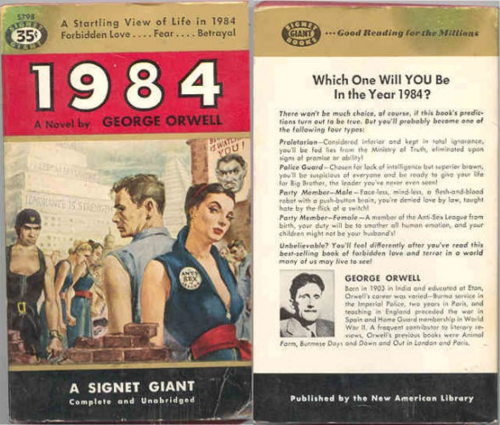
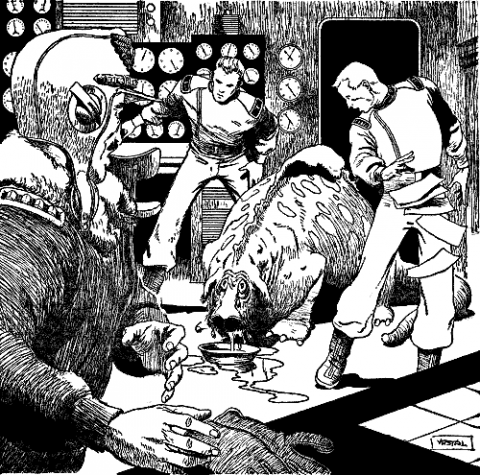
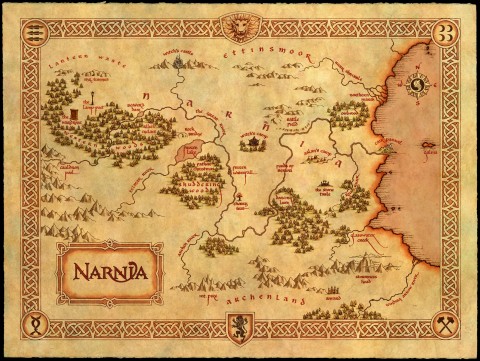
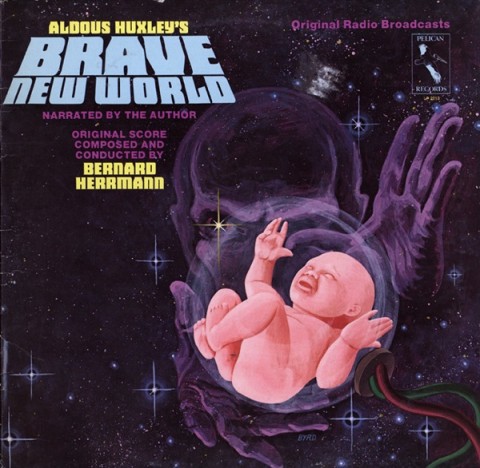
Free Sci­ence Fic­tion Clas­sics on the Web: Hux­ley, Orwell, Asi­mov, Gaiman & Beyond

by | Permalink | Make a Comment ( 24 ) |

The Best of Open Culture 2011

Before we rush head­long into a new year, it’s worth paus­ing, ever so briefly, to con­sid­er the ground we cov­ered in 2011. What top­ics res­onat­ed with you … and jazzed us? Today, we’re high­light­ing 10 the­mat­ic areas (and 46 posts) that cap­tured the imag­i­na­tion. Chances are you missed a few gems here. So please join us on our brief jour­ney back into time. Tomor­row, we start look­ing for­ward again.

1) Uni­ver­si­ties Offer More Free Cours­es, Then Start Push­ing Toward Cer­tifi­cates: The year start­ed well enough. Yale released anoth­er 10 stel­lar open cours­es. (Find them on our list of 400 Free Cours­es). Then oth­er uni­ver­si­ties start­ed push­ing the enve­lope on the open course for­mat. This fall, Stan­ford launched a series of free cours­es that com­bined video lec­tures with more dynam­ic resources — short quizzes; the abil­i­ty to pose ques­tions to Stan­ford instruc­tors; feed­back on your over­all per­for­mance; a state­ment of accom­plish­ment from the instruc­tor, etc. A new round of free cours­es will start in Jan­u­ary and Feb­ru­ary. (Get the full list and enroll here.) Final­ly, keep your eyes peeled for this: In 2012, MIT will offer sim­i­lar cours­es, but with one big dif­fer­ence. Stu­dents will get an offi­cial cer­tifi­cate at the end of the course, all at a very min­i­mal charge. More details here.

2) Cul­tur­al Icons at Occu­py Wall Street: OWS was a big nation­al sto­ry, and we were always intrigued by its cul­tur­al dimen­sion — by the cul­tur­al fig­ures who cham­pi­oned the move­ment. You can revis­it performances/speeches by: Philip Glass & Lou ReedWillie Nel­son, Pete Seeger, and Arlo GuthrieDavid Cros­by and Gra­ham NashJoseph Stiglitz and Lawrence LessigNoam Chom­sky; and Slavoj Zizek. Also check out: 8 Lec­tures from Occu­py Har­vard and Artis­tic Posters From Occu­py Wall Street.

3) Books Intel­li­gent Peo­ple Should Read: Neil deGrasse Tyson’s list “8 (Free) Books Every Intel­li­gent Per­son Should Read” end­ed up gen­er­at­ing far more con­ver­sa­tion and con­tro­ver­sy than we would have expect­ed. (Users have left 83 com­ments at last count.) No mat­ter what you think of his ratio­nale for choos­ing these texts, the books make for essen­tial read­ing, and they’re freely avail­able online.

Tyson’s list dove­tails fair­ly nice­ly with anoth­er list of essen­tial texts — The Har­vard Clas­sics, a 51 vol­ume set that’s avail­able online. Accord­ing to Charles W. Eliot, the leg­endary Har­vard pres­i­dent, if you were to spend just 15 min­utes a day read­ing these books, you could give your­self a prop­er lib­er­al edu­ca­tion. And that could part­ly apply to anoth­er list we pulled togeth­er: 20 Pop­u­lar High School Books Avail­able as Free eBooks & Audio Books — the great lit­er­ary clas­sics taught in class­rooms all across Amer­i­ca, all free…

4) Christo­pher Hitchens and Stephen Fry: Christo­pher Hitchens left us this past month. And, until his last day, Hitchens was the same old Hitch — pro­lif­ic, inci­sive, surly and defi­ant, espe­cial­ly when asked about whether he’d change his posi­tion on reli­gion, spir­i­tu­al­i­ty and the after­life. All of this was on dis­play when he spoke at the Amer­i­can Jew­ish Uni­ver­si­ty in Los Ange­les last Feb­ru­ary. We cov­ered his com­ments in a post called, No Deathbed Con­ver­sion for Me, Thanks, But it was Good of You to Ask. And even from the grave, Hitchens did more of the same, forc­ing us to ques­tion the whole mod­ern mean­ing of Christ­mas.

Dur­ing Hitch’s final days, Stephen Fry emceed a large trib­ute to his friend in Lon­don, an event that brought togeth­er Richard Dawkins, Christo­pher Buck­ley, Salman Rushdie, Lewis Lapham, Mar­tin Amis, poet James Fen­ton and actor Sean Penn. It’s well worth a watch. But you also should­n’t miss some oth­er great videos fea­tur­ing the wis­dom of Mr. Fry — his intro­duc­tion to the strange world of nanoscience, his ani­mat­ed debate on the virtues (or lack there­of) of the Catholic Church, and his thought­ful reflec­tion, What I Wish I Had Known When I Was 18.

5) Four for the Fab Four: John, Paul, Ringo and George. We sneak them in when­ev­er we can. A sprin­kling here and there. This year, we served up an ever-pop­u­lar post, Gui­tarist Randy Bach­man Demys­ti­fies the Open­ing Chord of ‘A Hard Day’s Night’, and a no less pop­u­lar free­bie: Down­load The Bea­t­les’ Yel­low Sub­ma­rine as a Free, Inter­ac­tive eBook. Trail­ing right behind are two oth­er good Bea­t­les picks: All Togeth­er Now: Every Bea­t­les Song Played at Once and The Bea­t­les’ Rooftop Con­cert: The Last Gig.

6) Wis­dom from Great Philoso­phers: Want the chance to take cours­es from great philoso­phers? Here’s your oppor­tu­ni­ty. Our meta post brought togeth­er courses/lectures from Bertrand Rus­sell, Michel Fou­cault, John Sear­le, Wal­ter Kauf­mann, Leo Strauss, Hubert Drey­fus, and Michael Sandel. You could get lost in this for days. Also while you’re at it, you should check out The His­to­ry of Phi­los­o­phy … With­out Any Gaps, an ongo­ing pod­cast cre­at­ed by Peter Adam­son (King’s Col­lege Lon­don) that moves from the Ancients to the Mod­erns. Plus we’d encour­age you to revis­it: Noam Chom­sky & Michel Fou­cault Debate Human Nature & Pow­er in 1971.

7) Vin­tage Film Col­lec­tions: Scour­ing the web for vin­tage films. It’s some­thing we love to do. In 2011, we brought you 22 films by Alfred Hitch­cock, 25 West­erns with John Wayne, 32 Film Noir clas­sics, and a series of films by the great Russ­ian direc­tor Andrei Tarkovsky. All are list­ed in our big col­lec­tion of Free Movies Online.

8) Back to the Future: We had fun going back — way back — and see­ing how past gen­er­a­tions imag­ined the future. Arthur C. Clarke Pre­dict­ed the Future in 1964 … And Pret­ty Much Nailed It. Before that, Amer­i­can fash­ion design­ers looked rough­ly 70 years into the future and guessed how women might dress in Year 2000. Turns out fash­ion design­ers aren’t the best futur­ists. And, even before that (cir­ca 1922), we get to see the world’s first mobile phone in action. Seri­ous­ly!

9) Ani­mat­ed Films: 2011 start­ed off on exact­ly the right note. On Jan­u­ary 1, we fea­tured Shel Sil­ver­stein’s ani­mat­ed ver­sion of The Giv­ing Tree. Then some oth­er gems fol­lowed: Des­ti­no, the Sal­vador Dalí – Dis­ney col­lab­o­ra­tion that start­ed in 1946 and fin­ished in 1999; Spike Jonze’s Auprès de Toi (To Die By Your Side), a short stop motion film set inside the famous Parisian book­store, Shake­speare and Com­pa­ny; John Tur­tur­ro nar­rat­ing an ani­mat­ed ver­sion of Ita­lo Calvino’s fairy tale, “The False Grand­moth­er;” and a series of ani­mat­ed films fea­tur­ing the voice of Orson Welles. Also let’s not for­get these splen­did ani­ma­tion con­cepts for The Amaz­ing Adven­tures of Kava­lier and Clay and, just for good mea­sure, Ter­ry Gilliam’s vin­tage primer on mak­ing your own cut-out ani­ma­tion.

10) New Archives & Art on the Web: Last but not least — 2011’s new archival projects that brought great cul­ture to the web.

And now onward into 2012.…

« Go BackMore in this category... »
Quantcast