Listen to 21-Year-Old David Letterman’s College Radio Show (1969)

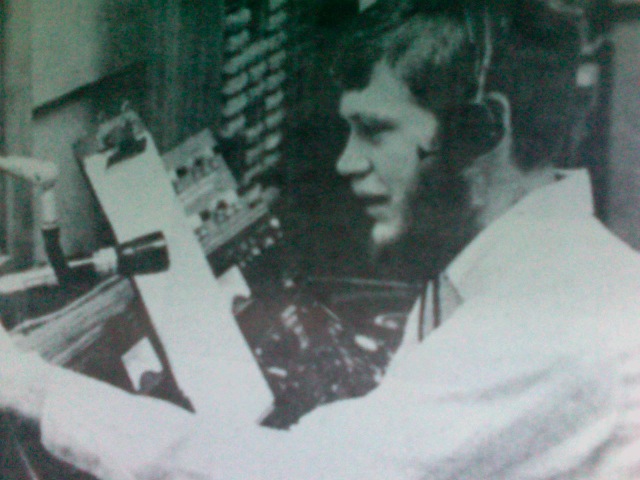
letterman in college

Over thir­ty years at the desk of his very own late-night talk show, mul­ti­ple gen­er­a­tions of fans, the respect of come­di­ans the world over: David Let­ter­man has had, by any mea­sure, an awful­ly good run. Though they had to know it could come soon­er or lat­er, thou­sands of view­ers, since Let­ter­man announced last Thurs­day that he plans to retire in 2015, face the immi­nent prospect of a world with­out the Late Show as they know it. For the young and young-ish among them, many of whom didn’t come into the world them­selves until after Letterman’s 1982 nation­al debut (see video at bot­tom), this con­sti­tutes an entire­ly new and trou­bling­ly less absurd tele­vi­su­al real­i­ty. But the mas­ter com­e­dy host didn’t sim­ply emerge on to the scene, ful­ly formed, those 32 years ago. Any­one who’s watched long enough to notice the fre­quen­cy of Letterman’s ref­er­ences to Indi­anapo­lis, his home­town and the media mar­ket that grant­ed him his first “big” chance as a weath­er­man, knows that he nev­er for­got his roots.

As with many illus­tri­ous careers, Letterman’s hum­ble ear­ly shot fol­lowed even hum­bler, ear­li­er shots. Just above, you can hear the 21-year-old “Dave Letterman”’s broad­cast from April Fool’s Day 1969 on WAGO-AM, the closed-cir­cuit radio sta­tion he helped to found at his future alma mater, Ball State Uni­ver­si­ty. Though only a five-minute clip, this record­ing show­cas­es not just Letterman’s preter­nat­u­al micro­phone pres­ence, but his way with the near-psy­che­del­ic walls of sound effects, seem­ing­ly free-asso­cia­tive speech, and pure wack­i­ness that so came into its own in the late six­ties and ear­ly sev­en­ties. (The Fire­sign The­ater would soon per­fect it.) Let­ter­man fol­low­ers who must know every­thing — and they cer­tain­ly exist — should note that, when he calls a deliri­ous-sound­ing woman in this seg­ment, he calls none oth­er than Michelle Cook, the very first Mrs. Let­ter­man. Though we have yet to learn the iden­ti­ty of Letterman’s Late Show replace­ment, I feel cer­tain, after this lis­ten­ing expe­ri­ence, that the Let­ter­man of twen­ty years from now will rise from the ranks of pod­cast­ing. Lis­ten out for him; he may not drop col­or­ful phras­es just like “horse den­tures falling into a rust­ed how­itzer artillery shell,” but you’ll know him when you hear him. Or her.

Below you can watch Bill Mur­ray’s appear­ance on Let­ter­man’s first 1982 show.

via WFMU’s Beware of the Blog

Relat­ed con­tent:

Tom Waits and David Let­ter­man: An Amer­i­can Tele­vi­sion Tra­di­tion

R.E.M Plays “Radio Free Europe” on Their Nation­al Tele­vi­sion Debut on The David Let­ter­man Show (1983)

Col­in Mar­shall hosts and pro­duces Note­book on Cities and Cul­ture and writes essays on cities, lan­guage, Asia, and men’s style. He’s at work on a book about Los Ange­les, A Los Ange­les Primer. Fol­low him on Twit­ter at @colinmarshall or on Face­book.

35 Years of Prince’s Hairstyles in 15 Glorious Seconds!

Any­one who’s suf­fered through the hell of grow­ing out a short style or spent a pre-awards show after­noon get­ting sewn into exten­sions will appre­ci­ate the brisk pace of Lon­don-based illus­tra­tor Gary Card’s “Prince Hair Chart” slideshow.

It’s only 15 sec­onds long, but seri­ous­ly, can you name anoth­er Prince with coif­fures amor­phous enough to mer­it such pro­longed gaze?  Cer­tain­ly, not Charles, or even the com­pelling­ly flame-haired Har­ry.

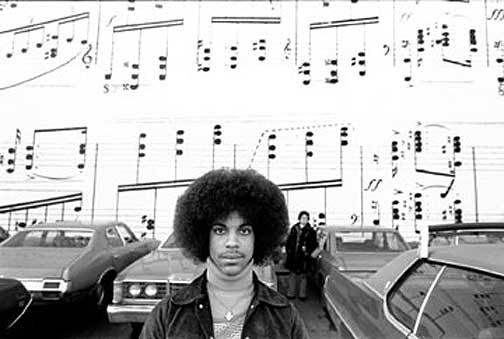
As this chrono­log­i­cal speed-through of 35 years of hair­dos attests, musi­cal chameleon Prince (aka  Love Sym­bol #2, Prince Rogers Nel­son) has nev­er shied from stand­ing out in a crowd. Thir­ty-six looks shim­mer and writhe atop his laven­der pate, as he stares cooly ahead, more man­tis than Medusa.

Not all of them worked. If we were play­ing Who Wore It Bet­ter, I’d have to go with Liza Minel­li (1985) and  Jen­nifer Anis­ton (1990), but the slideshow is rich­er (and a cou­ple of frac­tions of a sec­ond longer) due to such silli­ness.

Doubt­less Prince will have rearranged his locks before the doves can cry again. His lat­est look, as evi­denced by a recent guest cameo oppo­site Zooey Deschanel on the TV com­e­dy, ‘New Girl’, is a return to roots, a la 1978.

via Kot­tke

Ayun Hal­l­i­day is the author of sev­en books, and cre­ator of the award win­ning East Vil­lage Inky zine. Prince tweet­ed about Gary Card’s hair­do overview… so per­haps it’s in the realm of pos­si­bil­i­ty that he’ll be the next to squawk in her direc­tion  @AyunHalliday

Watch the Funky, Oscar-Winning Animated Film Featuring the Music of Herb Alpert & the Tijuana Brass (1966)

The first part of this 1966 Oscar win­ning ani­mat­ed short is so utter­ly charm­ing, I’m sur­prised it has­n’t spawned a con­tem­po­rary remake. The theme—a brave lit­tle flea going up against greedy devel­op­ers who are trans­form­ing his rus­tic home­land into a high rise vaca­tion par­adise for cig­ar-chomp­ing high rollers and their stacked molls—sounds like the sort of thing that might appeal to Dream­works.

Of course, we’d need to flesh out the char­ac­ters if we’re shoot­ing for fea­ture length. Give that sham­bling don­key and plump-bot­tomed hen some wise­crack­ing atti­tude, and maybe some mir­rored shades. I’m think­ing some­thing in the Chris Rock/Whoopie Goldberg/Nathan Lane-type vein. Get a kid to voice the flea. Does­n’t mat­ter who, as long as he’s relat­able and bland. Who’s that kid with the hair?

Obvi­ous­ly, we’re talk­ing 3D CGI. If we thought we could sell the kid­dies on a retro 20th-cen­tu­ry vibe, we’d bring in Wes Ander­son or Tim Bur­ton. They’re sort of into that creepy stop motion  deal, right?

Speak­ing of retro, we could maybe hang onto a bit of the “Span­ish Flea” thing out of respect and because of the char­ac­ter being a flea and all. I’m think­ing maybe a hip hop remix as the cred­its roll? Find out if that kid with the hair raps. I for­get what he’s famous for…

Enough!

The orig­i­nal is absolute­ly per­fect as is, funky and fun­ny, with loads of loose‑y goose‑y per­son­al­i­ty. Like the Herb Alpert and the Tijua­na Brass sound that dri­ves it, it’s both kid-friend­ly and a bit adult. (If that gyrat­ing chang­ing cabana puts you in mind of the Dat­ing Game, it’s like­ly more than the “Span­ish Flea”/“Bachelor’s Theme” con­nec­tion. Sure­ly I was not the only child view­er tan­ta­lized by the thought of what might hap­pen when the win­ning bach­e­lor and bach­e­lorette flew off togeth­er to take their shared vaca­tion-prize.)

The oth­er half of the short, a riff on “Tijua­na Taxi,” anoth­er hit from Alpert’s 1965 album, Going Places, is pret­ty great too.

Pro­duced by leg­endary ani­ma­tor John Hub­ley and his wife, Faith, this lit­tle two-for-the-price-of-one gem fea­tures con­tri­bu­tions by some of the peri­od’s oth­er greats: Ger­ard Bald­win, Phil Dun­can, Emery Hawkins, Bar­rie Nel­son, Rod Scrib­n­er, and Ed Smith. If it leaves you with a taste for more, have a look at the Hub­leys’ work for Dizzy Gille­spie, which we fea­tured last week.

A Herb Alpert and the Tijua­na Brass Dou­ble Fea­ture won the Acad­e­my Award for Best Ani­mat­ed Short Film in 1966. You can find it in our col­lec­tion of 675 Free Online Movies, plus our col­lec­tion of 35 Free Oscar Win­ning Films Online.

Relat­ed Con­tent:

Dizzy Gille­spie Wor­ries About Nuclear & Envi­ron­men­tal Dis­as­ter in Vin­tage Ani­mat­ed Films

Father and Daugh­ter: An Oscar-Win­ning Ani­mat­ed Short Film

Saul Bass’ Oscar-Win­ning Ani­mat­ed Short Pon­ders Why Man Cre­ates

Ayun Hal­l­i­day was also trans­fixed by the pruri­ence of Match Game 74. Fol­low her @AyunHalliday

Hipsters Ordering Coffee

“Cap­puc­ci­no small, low fat, extra dry.” Sor­ry to say, but that’s my line 2–3 times per day. That makes me almost as bad as the cof­fee-order­ing hip­sters in this new video by Nacho Punch. Let the video roll for a bit. It has its fun­ny moments.

On a more seri­ous note, if you live in the San Fran­cis­co Bay Area, con­sid­er spend­ing Sat­ur­day, May 3rd at Stan­ford’s one-day cof­fee sym­po­sium. Orga­nized by Stan­ford Con­tin­u­ing Stud­ies, the sym­po­sium — Cof­fee: From Tree to Beans to Brew and Every­thing in Between – will fea­ture guest speak­ers (his­to­ri­ans, sci­en­tists, the CEO of Blue Bot­tle Cof­fee, etc.) talk­ing about what goes into mak­ing this great bev­er­age of ours. Stu­dents will also have the oppor­tu­ni­ty to par­tic­i­pate in cof­fee tast­ing and eval­u­a­tion ses­sions. In full dis­clo­sure, I helped put the pro­gram togeth­er. It promis­es to be a great day. So I had to give a plug. You can learn more and sign up here.

via Huff­Po

Relat­ed Con­tent:

The Curi­ous Sto­ry of London’s First Cof­fee­hous­es (1650–1675)

Hon­oré de Balzac Writes About “The Plea­sures and Pains of Cof­fee,” and His Epic Cof­fee Addic­tion

Men In Com­mer­cials Being Jerks About Cof­fee: A Mashup of 1950s & 1960s TV Ads

The His­to­ry of Cof­fee and How It Trans­formed Our World

Black Cof­fee: Doc­u­men­tary Cov­ers the His­to­ry, Pol­i­tics & Eco­nom­ics of the “Most Wide­ly Tak­en Legal Drug”

by | Permalink | Make a Comment ( 1 ) |

Bill Murray Croons a Soulful Cover of “The House of the Rising Sun”

Bill Mur­ray began his singing shtick on Sat­ur­day Night Live back in the 70s. Any­one who watched the show dur­ing its hey­day will sure­ly remem­ber his “Nick Win­ter” lounge singer char­ac­ter belt­ing out the tune of the Star Wars theme song. Years lat­er, Mr. Mur­ray tick­led us with a karaoke scene in Lost in Trans­la­tion. And yet anoth­er decade lat­er we find him singing “The House of the Ris­ing Sun,” the Amer­i­can folk song record­ed numer­ous times since 1934, but per­haps most famous­ly by The Ani­mals in 1964. Bil­l’s ver­sion took place last night at the annu­al Cad­dyshack Celebri­ty Golf Char­i­ty Event. If you enjoy hear­ing Bill sing, you should real­ly lis­ten to him read poet­ry. We’ve got the below.

via Rolling Stone

Relat­ed Con­tent:

Bill Mur­ray Reads Great Poet­ry by Bil­ly Collins, Cole Porter, and Sarah Man­gu­so

Bill Mur­ray Reads Poet­ry at a Con­struc­tion Site

Bill Mur­ray Reads Wal­lace Stevens Poems — “The Plan­et on The Table” and “A Rab­bit as King of the Ghosts”

Great Shakespeare Plays Retold with Stick Figures in Three Simple Drawings

MacbethComic

Oth­er than Romeo and Juli­et and pos­si­bly Ham­let,  Shake­speare does­n’t exact­ly lend him­self to the ele­va­tor pitch. The same creaky plot devices and unfath­omable jokes that con­found mod­ern audi­ences make for long wind­ed sum­maries.

Not to say it can’t be done. Mya Gosling, a South­east Asia Copy Cat­a­loger at the Uni­ver­si­ty of Michi­gan, has been amus­ing her­self, and more recent­ly oth­ers, with “Good Tick­le Brain,” a web com­ic that reduces each of the com­plete works to a mere three pan­els. (Titus Andron­i­cus’ blood­bath required but one.)

Those of us who are semi-versed in the Bard should delight in the way major char­ac­ters and com­plex side plots are glibly strick­en from the record.

(Methinks Lady Mac­Beth would not be pleased…)

And what high school­er won’t expe­ri­ence a per­verse thrill, when the obscure and bor­ing text his class has been pars­ing for weeks is dis­patched with the swift­ness of your aver­age Garfield? (The wise teacher will be in no rush to share these rev­e­la­tions…)

HenryIV

Gosling, whose dad intro­duced her to Shake­speare at an ear­ly age, knows the mate­r­i­al well enough to sub­vert it. Who cares if her artis­tic tal­ent max­es out with stick fig­ures? Famil­iar­i­ty allows her to nail the end­ing of Troilus and Cres­si­da (“Home­r’s Ili­ad hap­pens”). The mid­dle pan­el of Win­ter’s Tale is devot­ed to “some poor guy” get­ting eat­en by a bear, and why should­n’t it be, when the author’s famous stage direc­tion is the only thing most peo­ple can dredge up with regard to that par­tic­u­lar play?

As for the title of her web com­ic, it’s an insult from one of her faves, Hen­ry IV, part 1. My kind of geek­ery, for­sooth.

H/T Michael Good­win, the author of Economix, a book that explains The His­to­ry of Eco­nom­ics & Eco­nom­ic The­o­ry with Comics. See a sam­ple by click­ing here.

Relat­ed Con­tent:

Free Course: A Sur­vey of Shakespeare’s Plays

Dis­cov­er What Shakespeare’s Hand­writ­ing Looked Like, and How It Solved a Mys­tery of Author­ship

The Bea­t­les Per­form a Fun Spoof of Shakespeare’s A Mid­sum­mer Night’s Dream (1964)

Ayun Hal­l­i­day’s 16-year-old daugh­ter plays a small part in Michael Almerey­da’s Cym­be­line. Fol­low her @AyunHalliday

Watch Seth Meyers’ Late Night Players Act Out the New Yorker’s Famous Cartoons

Along with its whim­si­cal, hand-drawn cov­ers and its sur­pris­ing­ly read­able arti­cles on unlike­ly sub­jects, like nick­el-min­ing, The New York­er mag­a­zine is known for its car­toons – sin­gle pan­el doo­dles that can be either wry com­men­taries on our cul­ture or, as a famous Sein­feld episode point­ed out, utter­ly inscrutable.

Trans­lat­ing the car­toons to tele­vi­sion seems a task doomed to fail­ure but Seth Mey­ers, the new­ly-installed host of Late Night, man­aged suc­cess­ful­ly to do just that. The show’s “the­ater group-in-res­i­dence, the late night play­ers” reen­act­ed some of the magazine’s more famous recent car­toons. Many of the magazine’s most endur­ing car­toon set ups are rep­re­sent­ed – a bar, a wed­ding recep­tion and, of course, a desert­ed island.

Pro­vid­ing dead­pan com­men­tary on the per­for­mances is The New York­er’s edi­tor-in-chief David Rem­nick. When select­ing car­toons for the mag­a­zine, he notes, the pri­ma­ry cri­te­ria is that they “should be fun­ny.” Check it out above.

Relat­ed Con­tent:

New York­er Car­toon Edi­tor Bob Mankoff Reveals the Secret of a Suc­cess­ful New York­er Car­toon

Improv with New York­er Car­toon­ists

Einstein’s Rel­a­tiv­i­ty: An Ani­mat­ed New York­er Car­toon

Jonathan Crow is a Los Ange­les-based writer and film­mak­er whose work has appeared in Yahoo!, The Hol­ly­wood Reporter, and oth­er pub­li­ca­tions. You can fol­low him at @jonccrow.

Seinfeld & Nothingness: A Supercut of the Show’s Emptiest Moments

They say Sein­feld was about noth­ing. But the clip above puts that sense of noth­ing­ness into per­spec­tive. Run­ning six plus min­utes, the mon­tage assem­bled by LJ Frez­za presents “A super­cut of emp­ty shots. A New York with­out peo­ple.” Essen­tial­ly moments of pure noth­ing­ness. When you’re done, you can grad­u­ate to some more exis­ten­tial­ist ideas — some fun, some sub­stan­tive — in our archive.

Relat­ed Con­tent:

The Exis­ten­tial Star Wars: Sartre Meets Darth Vad­er

The Jean-Paul Sartre Cook­book: Philoso­pher Pon­ders Mak­ing Omelets in Long Lost Diary Entries

Wal­ter Kaufmann’s Lec­tures on Niet­zsche, Kierkegaard and Sartre (1960)

Sartre, Hei­deg­ger, Niet­zsche: Doc­u­men­tary Presents Three Philoso­phers in Three Hours

100 Free Phi­los­o­phy Cours­es Online

by | Permalink | Make a Comment ( 2 ) |

« Go BackMore in this category... »
Quantcast