An Animated Look at the Charade of the Global Elites: Claiming They Want to “Change the World,” They End Up Preserving the Unjust Status Quo

From Peter Kropotkin to Leo Tol­stoy to Noam Chom­sky, some of the most revered anar­chist thinkers have exhaust­ed page after page explain­ing why pow­er over oth­ers is unjus­ti­fied, no mat­ter how it jus­ti­fies itself. To those who say the wealthy and pow­er­ful ben­e­fit soci­ety with char­i­ta­ble works and occa­sion­al­ly humane pol­i­cy, Tol­stoy might reply with the fol­low­ing illus­tra­tion, which opens Time edi­tor Anand Girid­haradas’ talk above, “Win­ner Take All,” as ani­mat­ed by the RSA:

I sit on a man’s back, chok­ing him and mak­ing him car­ry me, and yet assure myself and oth­ers that I am sor­ry for him and wish to light­en his load by all means pos­si­ble… except by get­ting off his back.

The author of Win­ners Take All: The Elite Cha­rade of Chang­ing the World, Girid­haradas doesn’t make the case for anar­chism here, except per­haps by the slight­est impli­ca­tion in his choice of epi­graph. But he does call out the “win­ners of our age,” no mat­ter how much they deter­mine to make a dif­fer­ence with human­i­tar­i­an aid, for being “unwill­ing to get off the man’s back.” Unwill­ing to pay tax­es, close loop­holes and tax shel­ters, pay high­er wages, or stop lob­by­ing to slash pub­lic ser­vices. Unwill­ing to rein­vest in the com­mu­ni­ties that made them.

“What does it look like to imag­ine the kind of change,” Girid­haradas asks, “that would involve the win­ners of our age step­ping off that guy’s back? Or being made to step off that guy’s back?” Here, he leaves us with an ellipses and moves to cri­tique the idea of the “win-win” as a means of mak­ing change, rather than just exchange.

The mar­ket econ­o­my has import­ed the cri­te­ria of exchange into pol­i­tics and social action. Every­thing is trans­ac­tion­al. But in order to address the gross inequities that result in peo­ple fig­u­ra­tive­ly sit­ting on the backs of oth­ers, some must gain more pow­er and oth­ers must have less. The par­ties do not meet in a state of ceteris paribus.

One might take issue with the very terms used in “win-win” think­ing. Rather than win­ners, some would call pow­er­ful cap­i­tal­ists oppor­tunists, prof­i­teers, and worse. (The term “rob­ber baron” was once in com­mon cir­cu­la­tion.) To claim that good works and good inten­tions obvi­ate mas­sive pow­er imbal­ances is to pre­sume that such imbal­ances are jus­ti­fi­able in the first place. Answer­ing this the­o­ret­i­cal ques­tion doesn’t, how­ev­er, address the prac­ti­cal prob­lem.

In the cur­rent sys­tem of cor­po­rate mis­rule, says Girid­haradas, “when every­thing is couched as a win-win, what you are real­ly say­ing… is that the best kinds of solu­tions don’t ask any­one to get off anyone’s back.” Unfet­tered cap­i­tal­ism has brought us the “pri­va­ti­za­tion of pub­lic prob­lems.” That is to say, com­pa­nies prof­it from the same issues they help cre­ate through pol­lu­tion, preda­to­ry schemes, and undue polit­i­cal influ­ence.

You don’t have to be an anar­chist to see a seri­ous prob­lem with that. But if you see the prob­lem, you should want to imag­ine how things could be oth­er­wise.

via Aeon

Relat­ed Con­tent:

Saul Alinsky’s 13 Tried-and-True Rules for Cre­at­ing Mean­ing­ful Social Change

Noam Chom­sky Explains the Best Way for Ordi­nary Peo­ple to Make Change in the World, Even When It Seems Daunt­ing

Teach­ing Tol­er­ance to Activists: A Free Course Syl­labus & Anthol­o­gy

Josh Jones is a writer and musi­cian based in Durham, NC. Fol­low him at @jdmagness

Ronan Farrow’s Catch and Kill Podcast: Stream a Gripping ‘Audio Companion’ to His Bestselling Book

In late 2017, Ronan Far­row was on the verge of blow­ing open the sto­ry reveal­ing the Har­vey Wein­stein sex­u­al abuse alle­ga­tions. But then exec­u­tives at NBC News killed the sto­ry, Far­row claims. Bewil­dered, he took his report­ing to the New York­er, which then vet­ted and pub­lished his report­ing. Fast for­ward two years, Far­row has won a Pulitzer and Har­vey Wein­stein is now using a walk­er and get­ting ready to go on tri­al.

In his 2019 best­selling book, Catch and Kill: Lies, Spies, and a Con­spir­a­cy to Pro­tect Preda­tors, Far­row delves into “the sys­tems that pro­tect pow­er­ful men accused of ter­ri­ble crimes in Hol­ly­wood, Wash­ing­ton, and beyond.” That sys­tem includes media exec­u­tives, tabloids, high-priced lawyers, under­cov­er oper­a­tives, pri­vate intel­li­gence agen­cies, and even, it appears, offi­cials with­in our own legal sys­tem. A com­ple­ment to his book, Far­row has now pro­duced The Catch and Kill pod­cast, whose first episodes you can now stream online. Find it on Apple, Spo­ti­fy, Stitch­er, and oth­er plat­forms. You can stream the first three episodes below.

Episode 1: The Spy

Episode 2: The Pro­duc­er

Episode 3: The Wire

by | Permalink | Make a Comment ( 1 ) |

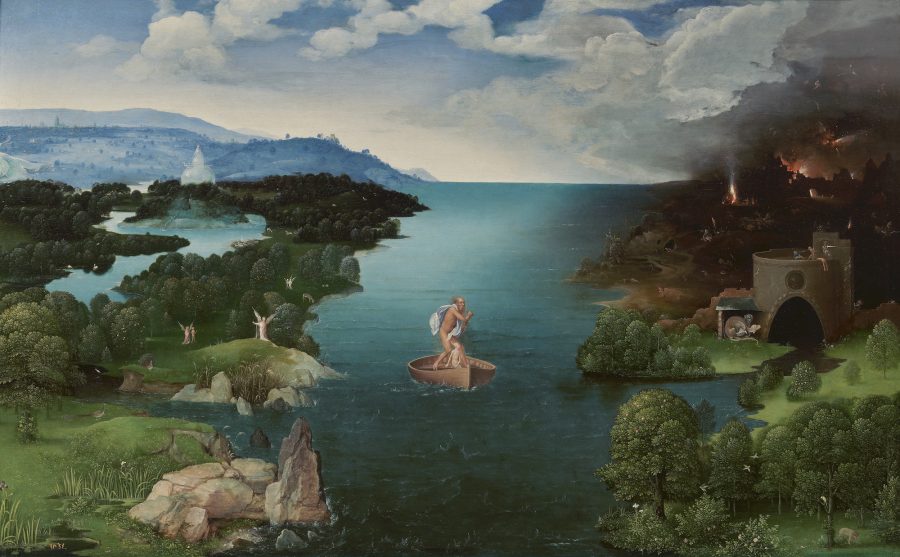
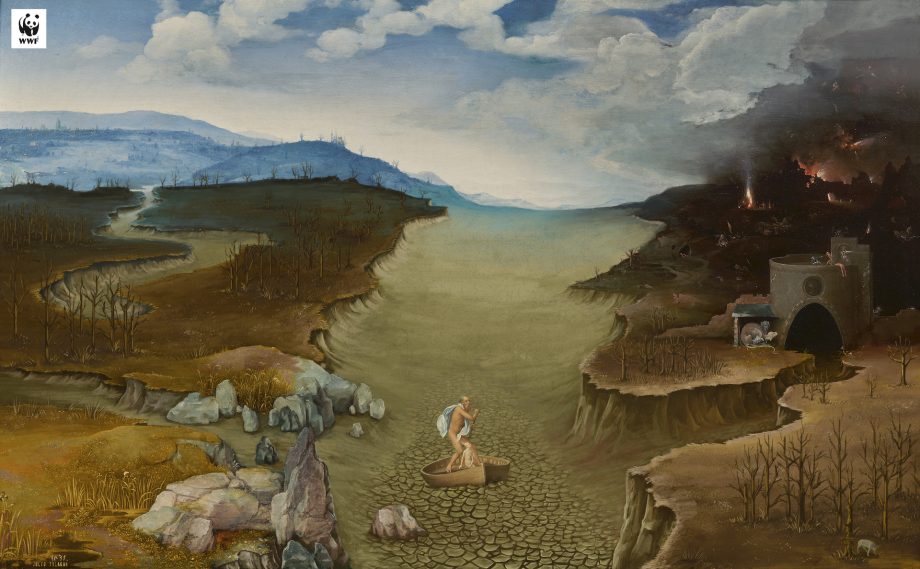
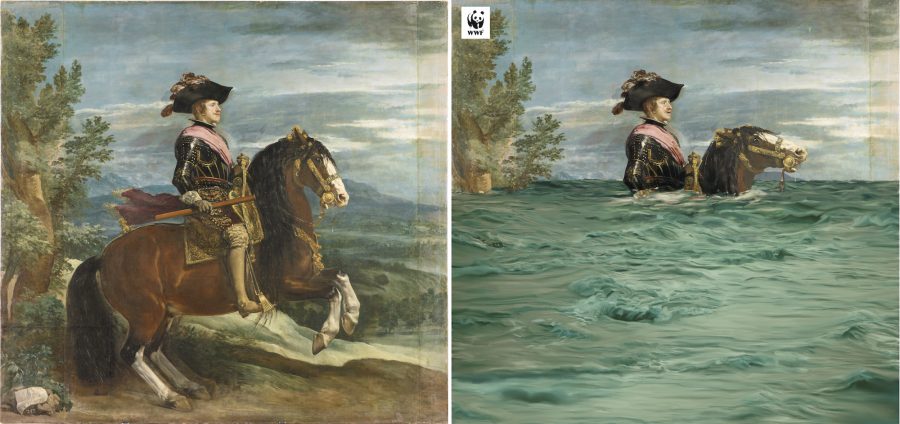
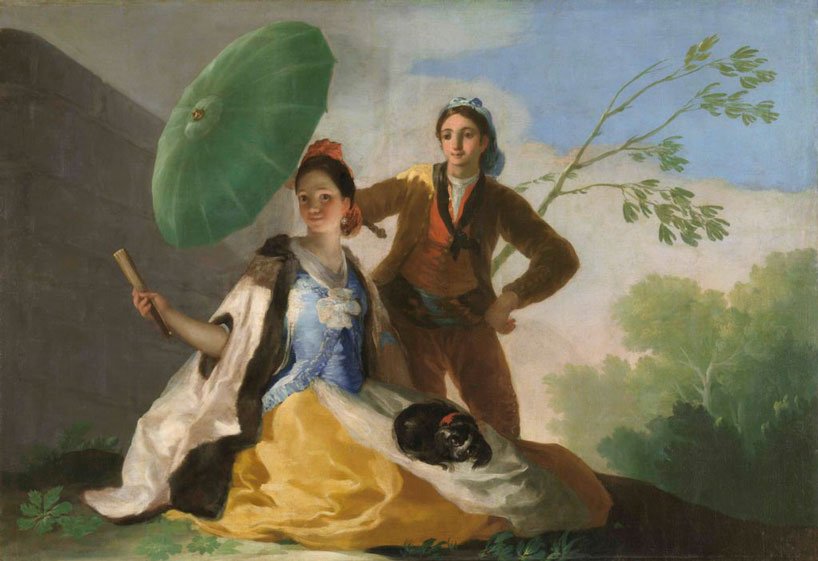
The Prado Museum Digitally Alters Four Masterpieces to Strikingly Illustrate the Impact of Climate Change

Accord­ing to the Unit­ed Nations’ Inter­gov­ern­men­tal Pan­el on Cli­mate Change, glob­al warm­ing is like­ly to reach 1.5°C above pre-indus­tri­al lev­els between 2030 and 2052 should it con­tin­ue to increase at its cur­rent rate.

What does this mean, exact­ly?

A cat­a­stroph­ic series of chain reac­tions, includ­ing but not lim­it­ed to:

–Sea lev­el rise
–Change in land and ocean ecosys­tems
–Increased inten­si­ty and fre­quen­cy of weath­er extremes
–Tem­per­a­ture extremes on land
–Drought due to pre­cip­i­ta­tion deficits
–Species loss and extinc­tion

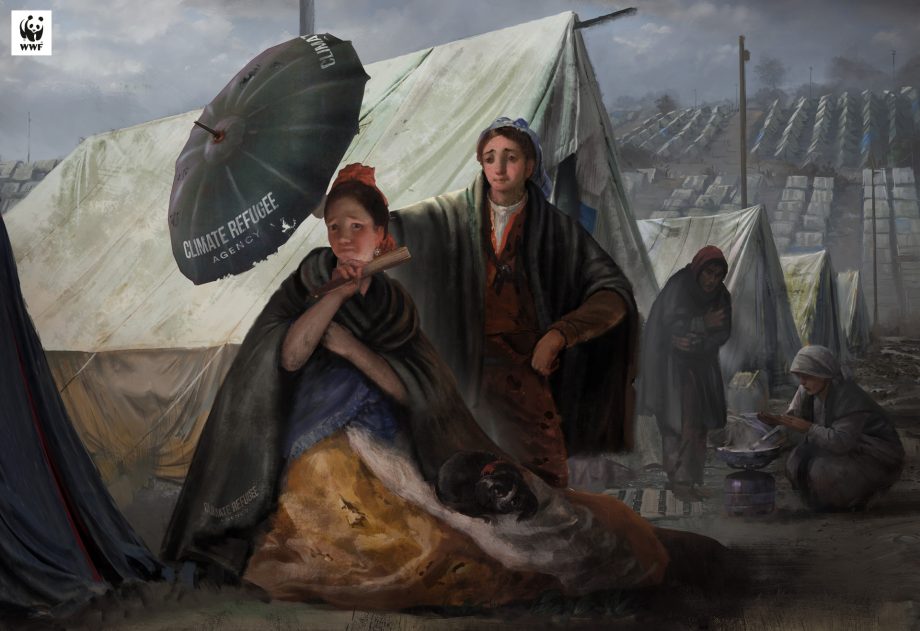
Look to the IPCC’s 2018 Spe­cial Report: Glob­al Warm­ing of 1.5°C for more specifics, or have a gan­der at these dig­i­tal updates of mas­ter­pieces in Madrid’s Museo del Pra­do’s col­lec­tions.

The muse­um col­lab­o­rat­ed with the World Wildlife Fund, choos­ing four paint­ings to be altered in time for the recent­ly wrapped Madrid Cli­mate Change Con­fer­ence.

Artist Julio Fala­gan brings extreme drought to bear on El Paso de la Lagu­na Esti­gia (Charon Cross­ing the Styx) by Joachim Patinir, 1520 — 1524

Mar­ta Zafra rais­es the sea lev­el on Felipe IV a Cabal­lo (Philip the IV on Horse­back) by Velázquez, cir­ca 1635.

The Para­sol that sup­plies the title for Fran­cis­co de Goya’s El Quitasol of 1777 becomes a tat­tered umbrel­la bare­ly shel­ter­ing mis­er­able, crowd­ed refugees in the sod­den, makeshift camp of Pedro Veloso’s reimag­in­ing.

And the Niños en la Playa cap­tured relax­ing on the beach in 1909 by Joaquín Sorol­la now com­pete for space with dead fish, as observed by artist Con­spir­a­cy 110 years fur­ther along.

None of the orig­i­nal works are cur­rent­ly on dis­play.

It would be a pub­lic ser­vice if they were, along­side their dras­ti­cal­ly retouched twins and per­haps Hierony­mus Bosch’s The Gar­den of Earth­ly Delights, to fur­ther unnerve view­ers about the sort of hell we’ll soon be fac­ing if we, too, don’t make some major alter­ations.

For now the works in the +1.5ºC Lo Cam­bia Todo (+1.5ºC Changes Every­thing) project are mak­ing an impact on giant bill­boards in Madrid, as well as online.

#LoCam­bi­aTo­do

via Colos­sal

Relat­ed Con­tent:

Glob­al Warm­ing: A Free Course from UChica­go Explains Cli­mate Change

Cli­mate Change Gets Strik­ing­ly Visu­al­ized by a Scot­tish Art Instal­la­tion

A Cen­tu­ry of Glob­al Warm­ing Visu­al­ized in a 35 Sec­ond Video

Per­pet­u­al Ocean: A Van Gogh-Like Visu­al­iza­tion of our Ocean Cur­rents

Ayun Hal­l­i­day is an author, illus­tra­tor, the­ater mak­er and Chief Pri­ma­tol­o­gist of the East Vil­lage Inky zine.  Join her in NYC on Mon­day, Jan­u­ary 6 when her month­ly book-based vari­ety show, Necro­mancers of the Pub­lic Domaincel­e­brates Cape-Cod­di­ties by Roger Liv­ingston Scaife (1920). Fol­low her @AyunHalliday.

Prisons Around the U.S. Are Banning and Restricting Access to Books

“We live,” wrote philoso­pher Alain Badiou, “in a con­tra­dic­tion.” Dehu­man­iza­tion must be nor­mal­ized in order to keep the econ­o­my going. “A bru­tal state of affairs… where all exis­tence is eval­u­at­ed in terms of mon­ey alone—is pre­sent­ed to us as ide­al.” Yet the mar­ket that promis­es free­dom just as often strips it away, in pub­lic-pri­vate part­ner­ships that bring cen­sor­ship and rent-seek­ing into hap­py sym­bio­sis.

In recent years, free mar­ket oppor­tunism has tak­en hold in the most unfree places in the U.S., the country’s pris­ons, which hold more peo­ple pro­por­tion­al­ly than in any oth­er nation in the world: a huge, pre­vi­ous­ly untapped mar­ket for sales of hygiene prod­ucts and vis­its with fam­i­ly. “Like the mil­i­tary,” writes Adam Bluestein at Inc., “the cor­rec­tions sys­tem is a big, well-cap­i­tal­ized cus­tomer.”

One recent com­mer­cial encroach­ment on pris­on­ers’ free­doms arrived this year when the West Vir­ginia Divi­sion of Cor­rec­tions issued inmates tablets, under a con­tract with a com­pa­ny called Glob­al Tel Link, who charge them by the minute to read books online. One might make the argu­ment that forc­ing inmates to pay for basic needs sat­is­fies some ide­al of pun­ish­ment. But to restrict access to books seems to dis­pense with the pre­tense that prison might also be a place of reha­bil­i­ta­tion.

“Any inmates look­ing to read Moby Dick,” reports Rea­son, “may find that it will cost them far more than it would have if they’d sim­ply got­ten a mass mar­ket paper­back.” Katy Ryan of the Appalachi­an Prison Book Project, which donates free books and mate­ri­als to pris­ons, points out how lim­it­ing the scheme is: “If you pause to think or reflect, that will cost you. If you want to reread a book, you will pay the entire cost again.”

West Vir­ginia is not ban­ning print books, pur­chased or donat­ed. It is, how­ev­er, charg­ing inmates for already free mate­r­i­al. The books they pay per minute to read online are all on Project Guten­berg, the open plat­form for thou­sands of free eBooks. That the pro­gram amounts to a kind of eco­nom­ic-based cen­sor­ship may hard­ly be coin­ci­dence. Oth­er states around the coun­try have begun lim­it­ing, or out­right ban­ning, books in pris­ons.

The Wash­ing­ton State Depart­ment of Cor­rec­tions has pro­hib­it­ed all books donat­ed by non­prof­its, pre­sum­ably because they might be used to smug­gle con­tra­band. Prison offi­cials at the Danville Cor­rec­tion­al Cen­ter in Illi­nois made clear what they con­sid­ered con­tra­band—books about black his­to­ry, 200 of which were removed from the prison library—including W.E.B. Du Bois The Souls of Black Folk and Har­ri­et Beech­er Stowe’s Uncle Tom’s Cab­in—after they were deemed “too racial.”

These are only a few exam­ples of a wide­spread phe­nom­e­non PEN Amer­i­ca details in a new report, “Lit­er­a­ture Locked Up: How Prison Book Restric­tion Poli­cies Con­sti­tute the Nation’s Largest Book Ban.” Para­dox­i­cal­ly, some restric­tions can seem at odds with mar­ket demands—such as lim­its on inmates’ abil­i­ty to order books from online retail­ers. But like many con­tra­dic­tions in the sys­tem, per­haps these also serve a larg­er goal—preventing pris­on­ers from edu­cat­ing them­selves may ensure a steady stream of repeat cus­tomers in the huge­ly prof­itable carcer­al indus­try.

Relat­ed Con­tent:  

Inmates in New York Prison Defeat Harvard’s Debate Team: A Look Inside the Bard Prison Ini­tia­tive

On the Pow­er of Teach­ing Phi­los­o­phy in Pris­ons

Artist is Cre­at­ing a Parthenon Made of 100,000 Banned Books: A Mon­u­ment to Democ­ra­cy & Intel­lec­tu­al Free­dom

Josh Jones is a writer and musi­cian based in Durham, NC. Fol­low him at @jdmagness.

Sacha Baron Cohen Links the Decline of Democracy to the Rise of Social Media, “the Greatest Propaganda Machine in History”

Pre­sent­ing a keynote address at an ADL con­fer­ence, come­di­an Sacha Baron Cohen was­n’t kid­ding around when he paint­ed a bleak pic­ture of our emerg­ing world: “Today … dem­a­gogues appeal to our worst instincts. Con­spir­a­cy the­o­ries once con­fined to the fringe are going main­stream. It’s as if the Age of Reason—the era of evi­den­tial argument—is end­ing, and now knowl­edge is dele­git­imized and sci­en­tif­ic con­sen­sus is dis­missed. Democ­ra­cy, which depends on shared truths, is in retreat, and autoc­ra­cy, which depends on shared lies, is on the march. Hate crimes are surg­ing, as are mur­der­ous attacks on reli­gious and eth­nic minori­ties.”

What’s lead­ing to these desta­bi­liz­ing changes? Baron Cohen could cite many rea­sons. But if pushed, he’ll empha­size one:

But one thing is pret­ty clear to me. All this hate and vio­lence is being facil­i­tat­ed by a hand­ful of inter­net com­pa­nies that amount to the great­est pro­pa­gan­da machine in his­to­ry.

The great­est pro­pa­gan­da machine in his­to­ry.

Think about it. Face­book, YouTube and Google, Twit­ter and others—they reach bil­lions of peo­ple. The algo­rithms these plat­forms depend on delib­er­ate­ly ampli­fy the type of con­tent that keeps users engaged—stories that appeal to our baser instincts and that trig­ger out­rage and fear. It’s why YouTube rec­om­mend­ed videos by the con­spir­acist Alex Jones bil­lions of times. It’s why fake news out­per­forms real news, because stud­ies show that lies spread faster than truth. And it’s no sur­prise that the great­est pro­pa­gan­da machine in his­to­ry has spread the old­est con­spir­a­cy the­o­ry in history—the lie that Jews are some­how dan­ger­ous. As one head­line put it, “Just Think What Goebbels Could Have Done with Face­book.”

On the inter­net, every­thing can appear equal­ly legit­i­mate. Bre­it­bart resem­bles the BBC. The fic­ti­tious Pro­to­cols of the Elders of Zion look as valid as an ADL report. And the rant­i­ngs of a lunatic seem as cred­i­ble as the find­ings of a Nobel Prize win­ner. We have lost, it seems, a shared sense of the basic facts upon which democ­ra­cy depends.

You can watch his sober­ing talk above, or read the tran­script here.

If you would like to sign up for Open Culture’s free email newslet­ter, please find it here. It’s a great way to see our new posts, all bun­dled in one email, each day.

If you would like to sup­port the mis­sion of Open Cul­ture, con­sid­er mak­ing a dona­tion to our site. It’s hard to rely 100% on ads, and your con­tri­bu­tions will help us con­tin­ue pro­vid­ing the best free cul­tur­al and edu­ca­tion­al mate­ri­als to learn­ers every­where. You can con­tribute through Pay­Pal, Patre­on, and Ven­mo (@openculture). Thanks!

Relat­ed Con­tent:

The Case for Delet­ing Your Social Media Accounts & Doing Valu­able “Deep Work” Instead, Accord­ing to Prof. Cal New­port

New Ani­ma­tion Explains Sher­ry Turkle’s The­o­ries on Why Social Media Makes Us Lone­ly

Lyn­da Bar­ry on How the Smart­phone Is Endan­ger­ing Three Ingre­di­ents of Cre­ativ­i­ty: Lone­li­ness, Uncer­tain­ty & Bore­dom

by | Permalink | Make a Comment ( 10 ) |

Download Stunning 3D Scans of the Bust of Nefertiti, Now Released by Berlin’s Neues Museum

Two years ago, a scan­dalous “art heist” at the Neues Muse­um in Berlin—involving ille­gal­ly made 3D scans of the bust of Nefer­ti­ti—turned out to be a dif­fer­ent kind of crime. The two Egypt­ian artists who released the scans claimed they had made the images with a hid­den “hacked Kinect Sen­sor,” reports Annalee Newitz at Ars Tech­ni­ca. But dig­i­tal artist and design­er Cos­mo Wen­man dis­cov­ered these were scans made by the Neues Muse­um itself, which had been stolen by the artists or per­haps a muse­um employ­ee.

The ini­tial con­tro­ver­sy stemmed from the fact that the muse­um strict­ly con­trols images of the art­work, and had refused to release any of their Nefer­ti­ti scans to the pub­lic. The prac­tice, Wen­man point­ed out, is con­sis­tent across dozens of insti­tu­tions around the world. “There are many influ­en­tial muse­ums, uni­ver­si­ties, and pri­vate col­lec­tions that have extreme­ly high-qual­i­ty 3D data of impor­tant works, but they are not shar­ing that data with the pub­lic.” He lists many promi­nent exam­ples in a recent Rea­son arti­cle; the long list includes the Venus de Milo, Rodin’s Thinker, and works by Donatel­lo, Berni­ni, and Michelan­ge­lo.

What­ev­er their rea­sons, the aggres­sive­ly pro­pri­etary atti­tude adopt­ed by the Neues seems strange con­sid­er­ing the con­tro­ver­sial prove­nance of the Nefer­ti­ti bust. Ger­many has long claimed that it acquired the bust legal­ly in 1912. But at the time, the British con­trolled Egypt, and Egyp­tians them­selves had lit­tle say over the fate of their nation­al trea­sures. Fur­ther­more, the chain of cus­tody seems to include at least a few doc­u­ment­ed instances of fraud. Egypt has been demand­ing that the arti­fact be repa­tri­at­ed “ever since it first went on dis­play.”

This crit­i­cal his­tor­i­cal con­text notwith­stand­ing, the bust is already “one of the most copied works of ancient Egypt­ian art,” and one of the most famous. “Muse­ums should not be repos­i­to­ries of secret knowl­edge,” Wen­man argued in his blog post. Pres­ti­gious cul­tur­al insti­tu­tions “are in the best posi­tion to pro­duce and pub­lish 3D data of their works and pro­vide author­i­ta­tive con­text and com­men­tary.”

Wen­man waged a “3‑year-long free­dom of infor­ma­tion effort” to lib­er­ate the scans. His request was ini­tial­ly met with “the gift shop defense”—the muse­um claimed releas­ing the images would threat­en sales of Nefer­ti­ti mer­chan­dise. When the appeal to com­merce failed to dis­suade Wen­man, the muse­um let him exam­ine the scans “in a con­trolled set­ting”; they were essen­tial­ly treat­ing the images, he writes, “like a state secret.” Final­ly, they relent­ed, allow­ing Wen­man to pub­lish the scans, with­out any insti­tu­tion­al sup­port.

He has done so, and urged oth­ers to share his Rea­son arti­cle on social media to get word out about the files, now avail­able to down­load and use under a CC BY-NC-SA license. He has also tak­en his own lib­er­ties with the scans, col­oriz­ing and adding the blue 3D map­ping lines him­self to the image at the top, for exam­ple, drawn from his own inter­ac­tive 3D mod­el, which you can view and down­load here. These are exam­ples of his vision for high-qual­i­ty 3D scans of art­works, which can and should “be adapt­ed, mul­ti­plied, and remixed.”

“The best place to cel­e­brate great art,” says Wen­man, “is in a vibrant, live­ly, and anar­chic pop­u­lar cul­ture. The world’s back cat­a­log of art should be set free to run wild in our visu­al and tac­tile land­scape.” Orga­ni­za­tions like Scan the World have been releas­ing unof­fi­cial 3D scans to the pub­lic for the past cou­ple years, but these can­not guar­an­tee the accu­ra­cy of mod­els ren­dered by the insti­tu­tions them­selves.

Whether the actu­al bust of Nefer­ti­ti should be returned to Egypt is a some­what more com­pli­cat­ed ques­tion, since the 3,000-year old arti­fact may be too frag­ile to move and too cul­tur­al­ly impor­tant to risk dam­ag­ing in tran­sit. But whether or not its vir­tu­al rep­re­sen­ta­tions should be giv­en to every­one who wants them seems more straight­for­ward.

The images already belong to the pub­lic, in a sense, Wen­man sug­gests. With­hold­ing them for the sake of pro­tect­ing sales seems like a vio­la­tion of the spir­it in which most cul­tur­al insti­tu­tions were found­ed. Down­load the Nefer­ti­ti scans at Thin­gi­verse, see Wen­man’s own 3D mod­els at Sketch­fab, and read all of his cor­re­spon­dence with the muse­um through­out the free­dom of infor­ma­tion process here. Next, he writes, he’s lob­by­ing for the release of offi­cial 3D Rodin scans. Watch this space. 

via Rea­son

Relat­ed Con­tent:

Artists Put Online 3D, High Res­o­lu­tion Scans of 3,000-Year-Old Nefer­ti­ti Bust (and Con­tro­ver­sy Ensues)

The British Muse­um Cre­ates 3D Mod­els of the Roset­ta Stone & 200+ Oth­er His­toric Arti­facts: Down­load or View in Vir­tu­al Real­i­ty

3D Scans of 7,500 Famous Sculp­tures, Stat­ues & Art­works: Down­load & 3D Print Rodin’s Thinker, Michelangelo’s David & More

Josh Jones is a writer and musi­cian based in Durham, NC. Fol­low him at @jdmagness

A Schoolhouse Rock-Inspired Guide to Impeachment

How does a bill become a law? You can’t hear the ques­tion and not hum a few bars from School­house Rock’s “I’m Just a Bill.” The groovy car­toon civics les­son was for mil­lions the first they learned about the leg­isla­tive process. Ask anoth­er ques­tion, how­ev­er, like “how does impeach­ment work,” and you may hear more crick­ets than 70’s edu­ca­tion­al TV jin­gles.

Sure­ly we took some­thing from Bill Clinton’s impeach­ment tri­al besides cig­ars, stained blue dress­es, and the spec­ta­cle of moral­ly com­pro­mised politi­cians wag­ging their fin­gers at a moral­ly com­pro­mised politi­cian? Sure­ly we’ve all read the Water­gate tran­scripts, and can quote more from that his­to­ry than Richard Nixon’s “I am not a crook” (mut­tered before he resigned instead of fac­ing the charges)?

Maybe not. Despite the talk of closed-door hear­ings and con­flict­ed jurors, many of us have not paid close atten­tion to the par­tic­u­lars of the process, giv­en that impeach­ment tri­als can make for such com­pelling­ly broad polit­i­cal the­ater. And we nev­er got our School­house Rock impeach­ment episode. Until now.

See­ing as how the pres­i­dent faces pub­lic, tele­vised impeach­ment hear­ings next week, there may be no more oppor­tune time to get caught up on some details with Jonathan Coulton’s School­house Rock-inspired “The Good Fight.” Its ani­ma­tion style and catchy tune recalls the 70s edu­ca­tion­al series, but Coul­ton doesn’t address the kids at home as his pri­ma­ry audi­ence.

“Your tiny hands may scratch and claw,” sings Coul­ton, “but nobody’s above the law.” You won’t win any prizes for guess­ing who this means—a per­son in need of a child­like explain­er on basic gov­ern­ment, it seems. More ver­bal jabs are thrown, and the alleged crimes enu­mer­at­ed, end­ing with trea­son (and a mis­placed, anachro­nis­tic ham­mer and sick­le by ani­ma­tors Head Gear Ani­ma­tion). The video final­ly gets into the impeach­ment process over a minute in, past the halfway mark.

View­ers might find the first half emo­tion­al­ly sat­is­fy­ing, with its char­ac­ter­i­za­tion of impeached pres­i­dents as way­ward chil­dren in need of cor­rec­tion by a swag­ger­ing Con­sti­tu­tion and a sassy band of founders. It’s cute but leaves pre­cious lit­tle time for learn­ing how this account­abil­i­ty process is sup­posed to work. Coul­ton rush­es through the expla­na­tion, and you may find your­self skip­ping back to hear it sev­er­al times.

Nev­er fear: Google—or the search engine of your choice—is here to fer­ry you to thou­sands of guides to the impeach­ment process. “The Good Fight” isn’t, after all, actu­al­ly a School­house Rock ad, but a fun civic-mind­ed reminder to every­one that the pres­i­dent is not above the law, and that Con­gress is enti­tled by the Con­sti­tu­tion to hold the hold­er of that office, whomev­er they may be, account­able. An explain­er by Vox appears below:

via Boing­Bo­ing

Relat­ed Con­tent:

School­house Rock: Revis­it a Col­lec­tion of Nos­tal­gia-Induc­ing Edu­ca­tion­al Videos

I’m Just a Pill: A School­house Rock Clas­sic Gets Reimag­ined to Defend Repro­duc­tive Rights in 2017

Con­spir­a­cy The­o­ry Rock: The School­house Rock Par­o­dy Sat­ur­day Night Live May Have Cen­sored

Josh Jones is a writer and musi­cian based in Durham, NC. Fol­low him at @jdmagness

Free: A Professionally-Read Version of the Ukraine Whistleblower Complaint, Released by Penguin Random House Audio

Lis­ten to the Whistle­blow­er Com­plaint released by the House Intel­li­gence Com­mit­tee, as read by Sask­ia Maar­leveld. Stream or down­load it above. Find more of Maar­leveld’s nar­rat­ed books on Audi­ble.

This record­ing will be added to our col­lec­tion, 1,000 Free Audio Books: Down­load Great Books for Free.

by | Permalink | Make a Comment ( 20 ) |

« Go BackMore in this category... »
Quantcast