Milton Glaser (RIP) Presents 10 Rules for Life & Work: Wisdom from the Celebrated Designer

“None of us has real­ly the abil­i­ty to under­stand our path until it’s over,” the cel­e­brat­ed graph­ic design­er Mil­ton Glaser (RIP) mus­es less than a minute into the above video.

Glaser’s many con­tri­bu­tions to pop culture—the  I ❤ NY logo, the psy­che­del­ic por­trait of a rain­bow-haired Bob Dylan, DC Comics’ clas­sic bul­let logo—con­fer unde­ni­able author­i­ty. To the out­side eye, he seems to have had a pret­ty firm han­dle on the path he trav­eled for lo these many decades. Aspi­rant design­ers would do well to give extra con­sid­er­a­tion to any advice he might share.

As would the rest of us.

His “Ten Things I Have Learned,” orig­i­nal­ly deliv­ered as part of a talk to the AIGA—a ven­er­a­ble mem­ber­ship orga­ni­za­tion for design professionals—qualifies as sol­id life advice of gen­er­al inter­est.

Yes, the Inter­net spawns bul­let-point­ed tips for bet­ter liv­ing the way spring rains yield mush­rooms, but Glaser, a self-described “child of mod­ernism” who’s still a con­tender, does not truck in pithy Insta­gram-friend­ly apho­risms. Instead, his list is born of reflec­tion on the var­i­ous turns of a long and most­ly sat­is­fy­ing cre­ative career.

We’ve excerpt­ed some of his most essen­tial points below, and sug­gest that those read­ers who are still in train­ing give spe­cial empha­sis to num­ber sev­en. Don’t place too much weight on num­ber nine until you’ve estab­lished a sol­id work eth­ic. (See num­ber four for more on that.)

MILTON GLASER”S TEN RULES FOR WORK AND LIFE (& A BONUS JOKE ABOUT A RABBIT).

1. YOU CAN ONLY WORK FOR PEOPLE THAT YOU LIKE

Some years ago I real­ized that… all the work I had done that was mean­ing­ful and sig­nif­i­cant came out of an affec­tion­ate rela­tion­ship with a client.

2. IF YOU HAVE A CHOICE NEVER HAVE A JOB

Here, Glaser quotes com­pos­er John CageNev­er have a job, because if you have a job some­day some­one will take it away from you and then you will be unpre­pared for your old age. 

3. SOME PEOPLE ARE TOXIC AVOID THEM.

Glaser rec­om­mends putting a ques­tion­able com­pan­ion to a gestalt ther­a­py test. If, after spend­ing time with that per­son “you are more tired, then you have been poi­soned. If you have more ener­gy, you have been nour­ished. The test is almost infal­li­ble and I sug­gest that you use it for the rest of your life.”

4. PROFESSIONALISM IS NOT ENOUGH (or THE GOOD IS THE ENEMY OF THE GREAT)

Glaser con­cedes that a record of depend­able excel­lence is some­thing to look for in a brain sur­geon or auto mechan­ic, but for those in the arts, “con­tin­u­ous trans­gres­sion” is the qual­i­ty to cul­ti­vate. Pro­fes­sion­al­ism does not allow for that because trans­gres­sion has to encom­pass the pos­si­bil­i­ty of fail­ure and if you are pro­fes­sion­al your instinct is not to fail, it is to repeat suc­cess. 

5. LESS IS NOT NECESSARILY MORE

I have an alter­na­tive to the propo­si­tion that I believe is more appro­pri­ate. ‘Just enough is more.’

6. STYLE IS NOT TO BE TRUSTED

Style change is usu­al­ly linked to eco­nom­ic fac­tors, as all of you know who have read Marx. Also fatigue occurs when peo­ple see too much of the same thing too often.

7. HOW YOU LIVE CHANGES YOUR BRAIN

The brain is the most respon­sive organ of the body…. Thought changes our life and our behav­ior. I also believe that draw­ing works in the same way…. Draw­ing also makes you atten­tive. It makes you pay atten­tion to what you are look­ing at, which is not so easy.

8. DOUBT IS BETTER THAN CERTAINTY

One of the signs of a dam­aged ego is absolute cer­tain­ty. Schools encour­age the idea of not com­pro­mis­ing and defend­ing your work at all costs. Well, the issue at work is usu­al­ly all about the nature of com­pro­mise…. Ide­al­ly, mak­ing every­one win through acts of accom­mo­da­tion is desir­able.

9. IT DOESN’T MATTER

Glaser cred­its essay­ist Roger Rosenblatt’s Rules for Aging (misiden­ti­fy­ing the title as Aging Grace­ful­ly) with help­ing him artic­u­late his phi­los­o­phy here.  It doesn’t mat­ter what you think. It does not mat­ter if you are late or ear­ly, if you are here or there, if you said it or didn’t say it, if you are clever or if you were stu­pid. If you were hav­ing a bad hair day or a no hair day or if your boss looks at you cock­eyed or your boyfriend or girl­friend looks at you cock­eyed, if you are cock­eyed. If you don’t get that pro­mo­tion or prize or house or if you do – it doesn’t mat­ter.

10. TELL THE TRUTH

It’s inter­est­ing to observe that in the new AIGA’s code of ethics there is a sig­nif­i­cant amount of use­ful infor­ma­tion about appro­pri­ate behav­ior towards clients and oth­er design­ers, but not a word about a designer’s rela­tion­ship to the pub­lic. If we were licensed, telling the truth might become more cen­tral to what we do.

BONUS JOKE

A butch­er was open­ing his mar­ket one morn­ing and as he did a rab­bit popped his head through the door. The butch­er was sur­prised when the rab­bit inquired ‘Got any cab­bage?’ The butch­er said ‘This is a meat mar­ket – we sell meat, not veg­eta­bles.’ The rab­bit hopped off. The next day the butch­er is open­ing the shop and sure enough the rab­bit pops his head round and says ‘You got any cab­bage?’ The butch­er now irri­tat­ed says ‘Lis­ten you lit­tle rodent, I told you yes­ter­day we sell meat, we do not sell veg­eta­bles and the next time you come here I am going to grab you by the throat and nail those flop­py ears to the floor.’ The rab­bit dis­ap­peared hasti­ly and noth­ing hap­pened for a week. Then one morn­ing the rab­bit popped his head around the cor­ner and said ‘Got any nails?’ The butch­er said ‘No.’ The rab­bit said ‘Ok. Got any cab­bage?’’

Read Mil­ton Glaser’s “Ten Things I Have Learned” in its entire­ty here.

Note: This post orig­i­nal­ly appeared on our site in April 2017.

Relat­ed Con­tent:

Mil­ton Glaser Draws Shake­speare & Explains Why Draw­ing is the Key to Under­stand­ing Life

Mick­ey Mouse In Viet­nam: The Under­ground Anti-War Ani­ma­tion from 1968, Co-Cre­at­ed by Mil­ton Glaser

Dieter Rams Lists the 10 Time­less Prin­ci­ples of Good Design–Backed by Music by Bri­an Eno

Ayun Hal­l­i­day is an author, illus­tra­tor, the­ater mak­er and Chief Pri­ma­tol­o­gist of the East Vil­lage Inky zine.  Fol­low her @AyunHalliday.

Construct Your Own Bayeux Tapestry with This Free Online App

A wise woman once quoth that one man’s adult col­or­ing book is another’s Medieval Tapes­try Edit.

If tak­ing crayons to emp­ty out­lines of man­dalas, flo­ral pat­terns, and for­est and ocean scenes has failed to calm your mind, the His­toric Tale Con­struc­tion Kit may cure what ails you.

Pro­gram­mers Leonard Allain-Lau­nay and Math­ieu Thoret­ton and soft­ware engi­neer Maria Cos­mi­na Ete­gan cre­at­ed the online kit as a trib­ute to a late, great, ear­ly 21st-cen­tu­ry appli­ca­tion designed by Acad­e­my of Media Arts Cologne stu­dents Björn Karnebo­gen and Gerd Jung­bluth.

They sep­a­rat­ed out var­i­ous ele­ments of the Bayeux Tapes­try, allow­ing you to freely mess around with 1000-year-old images of war­riors, com­mon­ers, beasts, and build­ings:

Craft thy own Bayeux Tapes­try

Slay mis­chie­vous beasts

Rule the king­dom

Rotate, resize, clone

Choose a back­ground, add some text in your choice of Bayeux or Augus­ta font and you’ll have done your bit to revive the fad­ing art of the Medieval Macro (or meme.)

The orig­i­nal tapes­try used some 224 feet of wool-embroi­dered linen to recount the Bat­tle of Hast­ings and the events lead­ing up to it.

You need not have such lofty aims.

Per­haps test the waters with a Father’s Day greet­ing, resiz­ing and rotat­ing until you feel ready to export as a PNG.

The inter­face is extreme­ly user friend­ly, kind of like a tech-savvy 11th-cen­tu­ry cousin of the online drag-and-drop graph­ic design tool, Can­va.

The His­toric Tale Con­struc­tion Kit’s most impres­sive bells and whis­tles reside in the paint­brush tool in the low­er left cor­ner, which allows you to lay down great swaths of folks, birds, or corpses in a sin­gle sweep.

Your palette will be lim­it­ed to the shades deployed by the Bayeux embroi­der­ers, who obtained their col­ors from plants—dyer’s woadmad­der, and dyer’s rock­et (or weld).

The text, of course, is entire­ly up to you.

It pleased us to go with the emi­nent­ly quotable David Bowie, and only after we groped our way into the three fledg­ling efforts you see above did we dis­cov­er that we’re not the only ones.

Pre­sent­ing Ear­ly Pre-Bowie Ref­er­ences to “Space Odd­i­ty”


Throw on some Bard­core and begin rework­ing the Bayeux Tapes­try with the His­toric Tale Con­struc­tion Kit here.

If you are inter­est­ed in some­thing a bit more tech­ni­cal, the design­ers have put the open­source code on GitHub for your cus­tomiz­ing plea­sure.

The Bayeux Tapes­try has also been recent­ly dig­i­tized. Explore it here: The Bayeux Tapes­try Gets Dig­i­tized: View the Medieval Tapes­try in High Res­o­lu­tion, Down to the Indi­vid­ual Thread

Relat­ed Con­tent:

Lis­ten to Medieval Cov­ers of “Creep,” “Pumped Up Kicks,” “Bad Romance” & More by Hilde­gard von Blin­gin’

160,000 Pages of Glo­ri­ous Medieval Man­u­scripts Dig­i­tized: Vis­it the Bib­lio­the­ca Philadel­phien­sis

Why Knights Fought Snails in Illu­mi­nat­ed Medieval Man­u­scripts

Ayun Hal­l­i­day is an author, illus­tra­tor, the­ater mak­er and Chief Pri­ma­tol­o­gist of the East Vil­lage Inky zine. Fol­low her @AyunHalliday.

Why This Font Is Everywhere: How Cooper Black Became Pop Culture’s Favorite Font

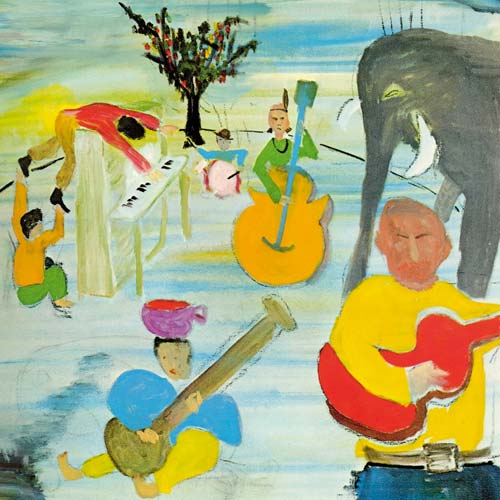
You know Times New Roman, you know Hel­veti­ca, you know Com­ic Sans — and though you may not real­ize it, you know Coop­er Black as well. Just think of the “VOTE FOR PEDRO” shirt worn in Napoleon Dyna­mite (and in real life for years there­after), or a few decades ear­li­er, the cov­er of Pet Sounds. In fact, the his­to­ry of Coop­er Black extends well before the Beach Boys’ mid-1960s mas­ter­piece; to see and hear the full sto­ry, watch the Vox video above. It begins, as nar­ra­tor Estelle Caswell explains, in Chica­go, at the turn of the 1920s when type design­er Oswald Bruce Coop­er cre­at­ed the series of fonts that bear his name. Near­ly a cen­tu­ry after the 1922 intro­duc­tion of the vari­ant Coop­er Black, we see it every­where, not just on album cov­ers and T‑shirts but store­fronts, movie posters, and can­dy wrap­pers all over the world.


The evo­lu­tion of print­ing, specif­i­cal­ly the evo­lu­tion from carved wood type to cast met­al, made Coop­er Black pos­si­ble. Its dis­tinc­tive look — and the curved edges that made it for­giv­ing to imper­fect print­ing process­es — made it a hit. And when film strips replaced met­al type, allow­ing the kind of close­ly-spaced print­ing that Coop­er thought best pre­sent­ed his font, the already-pop­u­lar Coop­er Black under­went a renais­sance.

“It thrived, as always, in adver­tis­ing,” says Caswell. “Its friend­ly curves fit the tongue-in-cheek aes­thet­ic of the 1960s and 70s, but it also showed up in mag­a­zines, movies, and hun­dreds of album cov­ers.” To typog­ra­phy enthu­si­asts, Pet Sounds seem­ing­ly remains Coop­er Black­’s finest hour: “Just look at the way the D works with the E and the Y, and ‘Boys’ fits so nice­ly over the O,” as art direc­tor Stephen Heller says in the video.

In the 1920s Coop­er Black not only show­cased cut­ting-edge print­ing tech­nol­o­gy, its aes­thet­ic looked exhil­a­rat­ing­ly mod­ern as well. Now, of course, it looks com­fort­ing­ly retro, evoca­tive of the era of hand­made graph­ic design slip­ping out of liv­ing mem­o­ry in our dig­i­tal 21st cen­tu­ry. But the 21st cen­tu­ry so far has also been a time of “retro­ma­nia”: with all pre­vi­ous media increas­ing­ly at our fin­ger­tips, we draw inspi­ra­tion (and even mate­r­i­al) for our art and design more direct­ly and instinc­tive­ly than ever from the trends of the past. No won­der we con­tin­ue to feel a res­o­nance in Coop­er Black, whose let­ters, as Caswell puts it, bring with them the weight of “a cen­tu­ry’s worth of changes in tech­nol­o­gy and pop cul­ture.” Nor is Coop­er Black­’s next cen­tu­ry, what­ev­er uses it sees the font put to, like­ly to dimin­ish its appeal.

Relat­ed Con­tent:

The His­to­ry of Typog­ra­phy Told in Five Ani­mat­ed Min­utes

Com­ic Sans Turns 25: Graph­ic Design­er Vin­cent Connare Explains Why He Cre­at­ed the Most Hat­ed Font in the World

Down­load Hel­l­veti­ca, a Font that Makes the Ele­gant Spac­ing of Hel­veti­ca Look as Ugly as Pos­si­ble

The Mak­ing (and Remak­ing) of the Beach Boys’ Pet Sounds, Arguably the Great­est Rock Album of All Time

Enter the Cov­er Art Archive: A Mas­sive Col­lec­tion of 800,000 Album Cov­ers from the 1950s through 2018

Based in Seoul, Col­in Mar­shall writes and broad­casts on cities, lan­guage, and cul­ture. His projects include the book The State­less City: a Walk through 21st-Cen­tu­ry Los Ange­les and the video series The City in Cin­e­ma. Fol­low him on Twit­ter at @colinmarshall, on Face­book, or on Insta­gram.
DEVO Is Now Selling COVID-19 Personal Protective Equipment: Energy Dome Face Shields

Accord­ing to DEVO’s co-prin­ci­ple song­writer and bassist Ger­ald Casale, the exper­i­men­tal art band turned ear­ly MTV pop-punk dar­lings were “pro-infor­ma­tion, anti stu­pid con­for­mi­ty and knew that the strug­gle for free­dom against tyran­ny is nev­er-end­ing.”

Their sin­gu­lar per­for­mance garb also set them apart, and none more so than the bright red plas­tic Ener­gy Dome hel­mets they donned 40 years ago this month, upon the release of their third album, Free­dom of Choice.

The record, which the band con­ceived of as a funk album, explod­ed into main­stream con­scious­ness. The visu­als may have made an even more last­ing impact than the music, which includ­ed the chart top­ping “Whip It.”

Even the most anti-New Wave met­al­head could iden­ti­fy the source of those domes, which have been likened to upturned flower pots, dog bowls, car uri­nals, and lamp shades.

What they prob­a­bly don’t know is the Ener­gy Dome was “designed accord­ing to ancient zig­gu­rat mount pro­por­tions used in votive wor­ship. Like the mounds, it col­lects ener­gy and recir­cu­lates it. In this case, the dome col­lects ener­gy that escapes from the crown of the human head and push­es it back into the Medu­la Oblon­ga­ta for increased men­tal ener­gy.”

Thus sayeth Casale, any­way.

DEVO’s 2020 con­cert plans were, of course, scotched by the coro­n­avirus pan­dem­ic, but the band has found an alter­na­tive way to mark the 40th anniver­sary of Free­dom of Choice and the birth of its icon­ic head­gear.

In addi­tion to face masks embla­zoned with the famil­iar red tiered shape, DEVO­tees with mon­ey and con­fi­dence to spare can ante up for a DIY Per­son­al Pro­tec­tive Equip­ment kit that trans­forms a stan­dard-issue Ener­gy Dome into a face shield.

It’s worth not­ing that before tak­ing your con­vert­ed ener­gy dome out for a par­ti­cle deflect­ing spin, you’ll have to truf­fle up a hard hat sus­pen­sion lin­er and install it for a prop­er fit.

Casale her­ald­ed the open­ing of DEVO’s merch store in a Face­book post:

Here we are 40 years lat­er, liv­ing in the alter­nate real­i­ty night­mare spawned by Covid 19 and the botched response of our world “lead­ers” to do the right thing quick­ly. We are not exag­ger­at­ing when we say that 2020 could be the last time you might be able to exer­cise your free­dom of choice. If you don’t use it, you can cer­tain­ly lose it.

Uh, he’s talk­ing about vot­ing, right, rather than storm­ing the capi­tol build­ing to demand the pre­ma­ture reopen­ing of inessen­tial busi­ness­es or mak­ing out­sized threats in response to gro­cery store mask poli­cies?

Per­haps the pow­er of the Ener­gy Dome is such that it could reawak­en the pro-infor­ma­tion, anti-stu­pid­i­ty sen­si­bil­i­ties of some dor­mant DEVO fans among the unmasked rank and file.

As Casale him­self posit­ed in an inter­view with Amer­i­can Song­writer: “You make it taste good so that they don’t real­ize there’s med­i­cine in it.”

Pre-order masks and PPE kits from DEVO’s offi­cial merch store.

Down­load instruc­tions for installing a hard hat sus­pen­sion replace­ment inside the Ener­gy Dome pri­or to attach­ing the shield.

via Con­se­quence of Sound

Relat­ed Con­tent:

Japan­ese Design­er Cre­ates Free Tem­plate for an Anti-Virus Face Shield: Down­load, and Then Use a Print­er, Paper & Scis­sors

The Phi­los­o­phy & Music of Devo, the Avant-Garde Art Project Ded­i­cat­ed to Reveal­ing the Truth About De-Evo­lu­tion

The Mas­ter­mind of Devo, Mark Moth­ers­baugh, Presents His Per­son­al Syn­the­siz­er Col­lec­tion

Devo’s Mark Moth­ers­baugh & Oth­er Arists Tell Their Musi­cal Sto­ries in the Ani­mat­ed Video Series, “Cal­i­for­nia Inspires Me”

Ayun Hal­l­i­day is an author, illus­tra­tor, the­ater mak­er and Chief Pri­ma­tol­o­gist of the East Vil­lage Inky zine.  Here lat­est project is an ani­ma­tion and a series of free down­load­able posters, encour­ag­ing cit­i­zens to wear masks in pub­lic and wear them prop­er­ly. Fol­low her @AyunHalliday.

Experience New York City’s Fabled Mid-Century Nightclubs in an Interactive, COVID-19-Era, Student-Designed Exhibit

It’s been over a month since pub­lic health pre­cau­tions led almost every school in the Unit­ed States to switch to online instruc­tion.

While there are obvi­ous­ly much greater tragedies unfold­ing dai­ly, it’s hard not to empathize with stu­dents who have watched count­less spe­cial events—proms, com­mence­ments, spring sports, per­for­mances, hot­ly antic­i­pat­ed rites of passage—go poof.

In New York City, stu­dents in Par­sons School of Design’s Nar­ra­tive Spaces: Design Tools for Spa­tial Sto­ry­telling course were crest­fall­en to learn that their upcom­ing open-to-the-pub­lic exhi­bi­tion of group and solo projects in the West Village—the cen­ter­piece of the class and a huge oppor­tu­ni­ty to con­nect with an audi­ence out­side of the classroom—was sud­den­ly off the menu.

Mul­ti­dis­ci­pli­nary artist Jeff Stark, who co-teach­es the class with Pamela Park­er, was dis­ap­point­ed on their behalves.

Stark’s own work, from Empire Dri­ve In to Miss Rock­away Arma­da, is root­ed in live expe­ri­ence, and New York City holds a spe­cial place in his heart. (He also edits the week­ly email list Non­sense NYC, an invalu­able resource for inde­pen­dent art and Do-It-Your­self events in the city.)

This year’s class projects stemmed from vis­its to the City Reli­quary, a small muse­um and civic orga­ni­za­tion cel­e­brat­ing every­day New York City arti­facts. Stu­dents were able to get up close and per­son­al with Chris Engel’s col­lec­tion of pho­tographs, menus, pro­mo­tion­al mate­ri­als, and sou­venirs doc­u­ment­ing the hey­day of New York’s sup­per club nightlife, from the 1940s through the 1960s.

Stu­dent Rylie Cooke, an Aus­tralian who aspires to launch a design com­pa­ny, found that her research deep­ened her con­nec­tion to arti­facts she encoun­tered at the Reli­quary, as she came to appre­ci­ate the fabled Copaca­bana’s influ­ence on the pop­u­lar cul­ture, food, and music of the peri­od:

… with COVID-19 it became impor­tant to have this con­nec­tion to the arti­facts as I was­n’t able to phys­i­cal­ly touch or look at them when Par­sons moved to online for the semes­ter. I am a very hands-on cre­ative and I love curat­ing things, espe­cial­ly in an exhib­it for­mat.

Rather than scrap their goal of pub­lic exhi­bi­tion, the class decid­ed to take things into the vir­tu­al realm, hus­tling to adapt their orig­i­nal con­cepts to a pure­ly screen-based expe­ri­ence, The New York Sup­per Club: From Nightlife to Social Dis­tanc­ing.

The plan to wow vis­i­tors with a peri­od-appro­pri­ate table in the cen­ter of their West Vil­lage exhi­bi­tion space became a grid of dig­i­tal place­mats that serve as por­tals to each project.

Cooke’s con­tri­bu­tion, A Seat at the Copaca­bana, begins with an inter­view in which base­ball great Mick­ey Man­tle recounts get­ting into a cloak­room brawl as he and fel­low New York Yan­kees cel­e­brat­ed a birth­day with a Sam­my Davis Jr. set. Recipes for steak and pota­toes, Chick­en a la King, rarebit, and arroz con pol­lo pro­vide fla­vor for a floor­show rep­re­sent­ed by archival footage of “Let’s Do the Copaca­bana” star­ring Car­men Miran­da, a Mar­tin and Lewis appear­ance, and a dance rehearsal from 1945. The tour ends at the Copa’s cur­rent incar­na­tion in Times Square, with a vision of pre-social­ly dis­tanced con­tem­po­rary mer­ry­mak­ers sal­sa-ing the night away.

(Nav­i­gate this exhib­it using tool­bar arrows at the bot­tom of the screen.)

Stu­dent Hongxi Chen’s inves­ti­ga­tions into The Chi­na Doll night­club result­ed in an elab­o­rate inter­ac­tive immer­sive expe­ri­ence on the top­ic of cul­tur­al appro­pri­a­tion:

The Chi­na Doll… was found­ed in 1946 by Cau­casian stage pro­duc­er Tom Ball, who deemed it the only “all-ori­en­tal” night club in New York. While the club some­times played off “Ori­en­tal” stereo­types, and titled one of its shows “Slant-Eyed Scan­dals,” they fea­tured Asian dancers and Asian singers pre­sent­ing pop­u­lar songs in a way New York­ers had nev­er seen before. The Dim inter­ac­tive expe­ri­ence unfolds with the sto­ry of Thomas, a wait­er at the Chi­na Doll.

As a junior in Par­sons’ Design and Tech­nol­o­gy pro­gram, Chen had plen­ty of pre­vi­ous expe­ri­ence forg­ing vir­tu­al envi­ron­ments, but work­ing with a muse­um col­lec­tion was new to him, as was col­lab­o­rat­ing on a vir­tu­al plat­form.

He sought Stark’s advice on cre­at­ing vivid dia­logue for his fic­tion­al wait­er.

Jiaqi Liuan, a Design and Tech­nol­o­gy MFA stu­dent and vet­er­an of the Shang­hai pro­duc­tion of Sleep No More, Punchdrunk’s immer­sive retelling of Mac­Beth, helped chore­o­graph Chen’s Chi­na Doll dancers in an homage to The Flower Drum Songs Fan Tan Fan­nie num­ber.

Chen stayed up until 7 am for two weeks, devour­ing open source tuto­ri­als in an attempt to wran­gle and debug the many ele­ments of his ambi­tious project—audio, video, char­ac­ter mod­els and ani­ma­tion, soft­ware, game engines, and game serv­er plat­form.

As Chen not­ed at the exhibition’s recent Zoom open­ing (an event that was fol­lowed by a dig­i­tal dance par­ty), the mas­sive game can be a bit slow to load. Don’t wor­ry, it’s worth the wait, espe­cial­ly as you will have a hand in the sto­ry, steer­ing it to one of five dif­fer­ent end­ings.

Chen, an inter­na­tion­al stu­dent, could not safe­ly return to Chi­na and has not left his stu­dent apart­ment since mid-March, but game­ly states that remain­ing in the same time zone as his school allowed him to com­mu­ni­cate effi­cient­ly with his pro­fes­sors and the major­i­ty of his class­mates. (Cooke is back home in Aus­tralia.)

Adds Chen:

Even though we are fac­ing a dif­fi­cult cir­cum­stance under the pan­dem­ic and had to piv­ot our orig­i­nal ideas into a vir­tu­al pre­sen­ta­tion, I’m glad that our class was able to quick­ly change plans and adapt to the sit­u­a­tion. This… actu­al­ly inspired me a lot and opened up ways to invite and con­nect peo­ple with vir­tu­al art­work.

Oth­er high­lights of The New York Sup­per Club: From Nightlife to Social Dis­tanc­ing include Ming Hong Xian’s explo­ration of the famous West Vil­lage coun­try music club, The Vil­lage Barn (com­plete with tur­tle races) and What Are You? a per­son­al­i­ty test devised by Mi Ri Kim and Eleanor Mel­by, to help vis­i­tors deter­mine which clas­sic NYC sup­per club best suits their per­son­al­i­ty.

(Appar­ent­ly, I’m head­ed to Cafe Zanz­ibar, below, where the drinks are cheap, the aspirin is free, and Cab Cal­loway is a fre­quent head­lin­er.)

Stark admits that ini­tial­ly, his stu­dents may not have shared his swoon­ing response to the source mate­r­i­al, but they share his love of New York City and the desire to “get in the thick of it.” By bring­ing a Gen­er­a­tion Z per­spec­tive to this his­tor­i­cal ephemera, they stake a claim, mak­ing work that could help the City Reli­quary con­nect to a new audi­ence.

Enter The New York Sup­per Club: From Nightlife to Social Dis­tanc­ing here.

Explore the City Reli­quary online here, and join in the civic pride by par­tic­i­pat­ing in its week­ly Insta­gram Live events, includ­ing Thurs­day Col­lec­tors’ Nights.

(All images used with per­mis­sion of the artists and The City Reli­quary)

Relat­ed Con­tent: 

See New York City in the 1930s and Now: A Side-by-Side Com­par­i­son of the Same Streets & Land­marks

New York City: A Social His­to­ry (A Free Online Course from N.Y.U.) 

The Lost Neigh­bor­hood Buried Under New York City’s Cen­tral Park

Ayun Hal­l­i­day is an author, illus­tra­tor, the­ater mak­er and Chief Pri­ma­tol­o­gist of the East Vil­lage Inky zine. Her con­tri­bu­tion to art in iso­la­tion is a hasti­ly assem­bled trib­ute to the clas­sic 60s social line dance, The Madi­son. Fol­low her @AyunHalliday.

Vintage Book & Record Covers Brought to Life in a Mesmerizing Animated Video

The state of vir­tu­al and aug­ment­ed real­i­ty tech­nol­o­gy has reached the thresh­old of a time in which VR meet­ings will be the norm. Apart from oth­er appli­ca­tions, this may soon allow con­sumers to stroll through vir­tu­al aisles rather than click­ing box­es on a screen, pick­ing up prod­ucts and view­ing them from every angle. Still, design­ers rec­og­nize that an essence of the human expe­ri­ence is lost with­out the sense of touch. There may even be a future in which we wear clothes with hap­tic feed­back sys­tems embed­ded in them, to feel the pages of a vir­tu­al book beneath our fin­gers…

Yet our slow tran­si­tion from the phys­i­cal to the vir­tu­al world leaves out intan­gi­bles. Some­thing is lost from both. Big box stores still devote sig­nif­i­cant floor space to books and records, for exam­ple. But I sub­mit that a glossi­ness pre­vails in print design, per­haps a con­se­quence of com­pet­ing with screens. There’s a wabi-sabi qual­i­ty to brows­ing a used book­store or record shop in per­son, thumb­ing through an old col­lec­tion of vin­tage paper­backs and LPs, that can­not be sim­u­lat­ed or enhanced in any way. On the inter­net, how­ev­er, where video is king, it can be made the sub­ject of some hyp­not­ic video art.

As the sen­si­ble major­i­ty of us are hope­ful­ly stay­ing put for the long haul (if we can), we may find our­selves curi­ous­ly edi­fied by the video art of Hen­ning M. Led­er­er. We’ve pre­vi­ous­ly fea­tured Lederer’s ani­ma­tions of mid-cen­tu­ry min­i­mal­ist book cov­ers and vin­tage psy­chol­o­gy and phi­los­o­phy books. He turns the abstract geo­met­ric pat­terns beloved by book and record com­pa­ny design­ers of the lat­ter half of the 20th cen­tu­ry into mov­ing images that hint at how prop­er cov­er design can set the imag­i­na­tion whirring (even if it’s a cov­er design for Basic Account­ing).

If Lederer’s mes­mer­iz­ing videos sim­u­late any­thing, it’s the expe­ri­ence of wan­der­ing into a used book­store next to a lib­er­al arts college—full of pro­fes­sors’ fas­ci­nat­ing­ly out­dat­ed hand-me-downs—after hav­ing ingest­ed a small quan­ti­ty of LSD. Maybe you’ll have a slight­ly dif­fer­ent asso­ci­a­tion. But the point is that Lederer’s art sug­gests a sce­nario rather than attempt­ing to recre­ate one. His stud­ies of mod­ernist cov­er designs also recall Mar­cel Duchamp’s Rotore­liefs, con­cep­tu­al art pieces intend­ed for pop­u­lar use as opti­cal illu­sions.

Duchamp’s spin­ning disks became fea­tures of ear­ly Sur­re­al­ist cin­e­ma, icon­ic sym­bols of dreams on film. There is a mys­te­ri­ous opac­i­ty to his phys­i­cal objects onscreen, just as Lederer’s book and record cov­ers seem to have a weight of their own, a use of dig­i­tal tech­nol­o­gy to high­light the strange unique­ness of phys­i­cal objects, rather than their end­less repro­ducibil­i­ty.

Relat­ed Con­tent:

36 Abstract Cov­ers of Vin­tage Psy­chol­o­gy, Phi­los­o­phy & Sci­ence Books Come to Life in a Mes­mer­iz­ing Ani­ma­tion

157 Ani­mat­ed Min­i­mal­ist Mid-Cen­tu­ry Book Cov­ers

Watch Mar­cel Duchamp’s Hyp­not­ic Rotore­liefs: Spin­ning Discs Cre­at­ing Opti­cal Illu­sions on a Turntable (1935)

Josh Jones is a writer and musi­cian based in Durham, NC. Fol­low him at @jdmagness

Japanese Designer Creates Free Template for an Anti-Virus Face Shield: Download, and Then Use a Printer, Paper & Scissors

A few years ago we fea­tured the Japan­ese art of chindōgu, or the inven­tion of amus­ing­ly “use­less” inven­tions. The chindōgu canon includes such simul­ta­ne­ous­ly sen­si­ble and non­sen­si­cal objects as minia­ture toe­cap umbrel­las (to keep one’s shoes dry in the rain) and chop­sticks fit­ted with minia­ture fans (to cool down ramen noo­dles before con­sump­tion). Today we present a Japan­ese inven­tion that may at first glance look chindōgu-like, but would nev­er qual­i­fy due to its sim­plic­i­ty and sheer use­ful­ness: an anti-virus face shield that any­one can make in three easy steps. After you’ve down­loaded the tem­plate, all you need is a print­er, paper, scis­sors, and some kind of clear plas­tic sheet.

“Health­care work­ers around the world are putting their lives on the line to fight COVID-19 but their bat­tle con­tin­ues to be fought uphill as a short­age of med­ical sup­plies threat­ens to dis­rupt an already over­whelmed sys­tem,” writes Spoon & Tam­ago’s John­ny Wald­man. We’ve all read of the lack of neces­si­ties like face masks and ven­ti­la­tors in some of the most afflict­ed coun­tries, and in such places hav­ing access to face shields could make a real dif­fer­ence in the num­ber of lives saved.

“Face shields are typ­i­cal­ly made with mul­ti­ple parts and would be dif­fi­cult to cre­ate and assem­ble at home,” Wald­man notes. “But Toku­jin Yoshioka’s bril­liant idea sim­pli­fies the design great­ly, allow­ing it to be held in place with ordi­nary eye­wear.” Best known as an artist and design­er, Yosh­io­ka has made his name cre­at­ing strik­ing sculp­tures, instal­la­tions, works of archi­tec­ture, and many oth­er objects besides.

Yosh­io­ka even designed the torch for the 2020 Sum­mer Olympics in Tokyo, shaped like a Japan­ese cher­ry blos­som and made with the same alu­minum extru­sion tech­nol­o­gy used to man­u­fac­ture the coun­try’s equal­ly icon­ic bul­let trains. Clear­ly the coro­n­avirus-caused post­pone­ment of the games has­n’t got Yosh­io­ka too down to con­tin­ue pur­su­ing his call­ing. “I am grate­ful to the brave and ded­i­cat­ed health­care work­ers for fight­ing the con­ta­gious dis­ease,” he writes in the note accom­pa­ny­ing the video at the top of the post that shows you how to make and wear his face shield. As you can see, it’s made to be worn with glass­es, so the non-bespec­ta­cled will need to stick with oth­er forms of pro­tec­tion against the virus — or take the oppor­tu­ni­ty to order some fash­ion­able frames of the kind that all the best design­ers seem to be wear­ing these days.

via Spoon and Tam­a­go

Relat­ed Con­tent:

Watch “Coro­n­avirus Out­break: What You Need to Know,” and the 24-Lec­ture Course “An Intro­duc­tion to Infec­tious Dis­eases,” Both Free from The Great Cours­es

Inter­ac­tive Web Site Tracks the Glob­al Spread of the Coro­n­avirus: Cre­at­ed and Sup­port­ed by Johns Hop­kins

Why Fight­ing the Coro­n­avirus Depends on You

The 10 Com­mand­ments of Chindōgu, the Japan­ese Art of Cre­at­ing Unusu­al­ly Use­less Inven­tions

Based in Seoul, Col­in Mar­shall writes and broad­casts on cities, lan­guage, and cul­ture. His projects include the book The State­less City: a Walk through 21st-Cen­tu­ry Los Ange­les and the video series The City in Cin­e­ma. Fol­low him on Twit­ter at @colinmarshall, on Face­book, or on Insta­gram.

The Amazing Artistry & Ingenuity of the Furniture Enjoyed by 18th Century Aristocrats

What­ev­er did peo­ple do with them­selves all day before social media and stream­ing video? Before TV, film, and radio? If you were most peo­ple in Europe, before var­i­ous rev­o­lu­tions, you worked from dawn to dusk and col­lapsed in bed, with rare hol­i­days to break up the monot­o­ny.
But if you were an aris­to­crat, you not only had the plea­sures of juicy gos­sip, live­ly cor­re­spon­dence, and bawdy nov­els to look for­ward to, but you might also—just as mil­lions do now—encounter such plea­sures while gam­ing.

The gam­ing tech­nol­o­gy of the time was all hand­craft­ed, and said aris­to­crats might find them­selves trad­ing wicked barbs while seat­ed around the height of tech above, a table that unfolds a series of leaves to reveal a felt sur­face for card games, a board for chess or check­ers, and a leather writ­ing sur­face that offers the option of a bookrest, for prop­ping up a scan­dalous book of verse.

If you think that’s impres­sive, the table hasn’t fin­ished yet. It fur­ther opens into a backgam­mon board, with slid­ing lids reveal­ing com­part­ments for game pieces. Then, the whole thing folds back to its size as a small side table, with detach­able legs that can be stored inside it for easy portage.

The ani­mat­ed video of the ulti­mate 18th cen­tu­ry gam­ing sys­tem at the top comes to us from the Met­ro­pol­i­tan Muse­um of Art, demon­strat­ing a piece in their col­lec­tion designed by Ger­man cab­i­net­mak­er David Roent­gen that “once graced the inti­mate inte­ri­or of an aris­to­crat­ic Euro­pean home.” Not to be out­done, the Get­ty Muse­um brings us the 3D ani­ma­tion above of an 18th-cen­tu­ry French mechan­i­cal table, with intri­cate work­ings designed by Jean-François Oeben.

“An afflu­ent lady might spend hours at a fash­ion­able table, engaged in leisure or work,” notes a com­pan­ion video above. It illus­trates the point with a pair of ghost­ly ani­mat­ed hands com­pos­ing a let­ter on the table’s silk writ­ing sur­face.

One can imag­ine these hands spilling the ink while open­ing juniper-scent­ed draw­ers, and prop­ping up the book stand; los­ing their place in a book while search­ing through com­part­ments, ear­ly forms of scrolling or open­ing mul­ti­ple tabs.

We may now car­ry mechan­i­cal tables in our pock­ets and right­ly think of gam­ing sys­tems as por­tals to oth­er worlds, but there’s no deny­ing that these bespoke ances­tors of our devices offered plen­ty of oppor­tu­ni­ty for pleas­ant dis­trac­tion.

Relat­ed Con­tent:

How Ladies & Gen­tle­men Got Dressed in the 18th Cen­tu­ry: It Was a Pret­ty Involved Process

The Sights & Sounds of 18th Cen­tu­ry Paris Get Recre­at­ed with 3D Audio and Ani­ma­tion

Restora­tion and 18th Cen­tu­ry Poet­ry: From Dry­den to Wordsworth (Free Course) 

Josh Jones is a writer and musi­cian based in Durham, NC. Fol­low him at @jdmagness.

« Go BackMore in this category... »
Quantcast