A quick update: YesÂterÂday, I menÂtioned that you can grab on Google Books and Scribd a free e‑book of Chris AnderÂsonÂ’s latÂest work, Free: The Future of a RadÂiÂcal Price. Today, I disÂcovÂered that you can also downÂload an audioÂbook verÂsion of Free over at Audible.com. It will cost you nothÂing. But you will need to regÂisÂter with AudiÂble, proÂvidÂing name, email, userÂname, etc. If you find that you live in a geoÂgraphÂiÂcal marÂket that AudiÂble won’t serve, then you can downÂload a uniÂverÂsalÂly free verÂsion at Wired.com’s web site. The page is here, and the zip file is here.
SepÂaÂrateÂly, if you start a 14 day free triÂal with AudiÂble, you can downÂload two free audio books. This will give you access to many curÂrent bestÂsellers (MalÂcolm GladÂwell, David Sedaris, Barack ObaÂma, etc.). Whether you stick with the memÂberÂship (as I did), or canÂcel, you can keep the free books. Get more details here.
It’s not often than a song gets writÂten for an ecoÂnomÂics proÂfesÂsor. It’s so bad that it’s actuÂalÂly good. Add that to the soundÂtrack for the ColÂlapse.
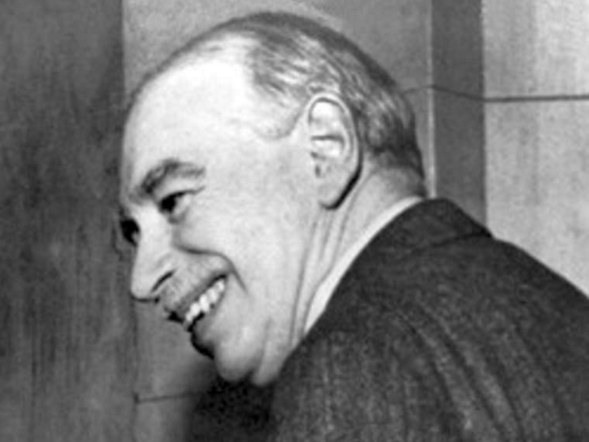
Once the Fed’s toolÂbox proved unable to stop the casÂcadÂing globÂal finanÂcial meltÂdown, the US govÂernÂment turned to the one stratÂeÂgy that it had left. It dustÂed off the old ecoÂnomÂic playÂbook of John MayÂnard Keynes and began introÂducÂing masÂsive stimÂuÂlus plans and othÂer forms of govÂernÂment interÂvenÂtion. Since our colÂlecÂtive fate now depends on KeyÂneÂsian theÂoÂry holdÂing water, it seems worth bringÂing you a primer on Keynes and his style of ecoÂnomÂic thinkÂing. And that’s what you get with this segÂment from This AmerÂiÂcan Life. The segÂment (get the full episode here and then move to the 38th minute) tells you a litÂtle about his comÂplex perÂsonÂalÂiÂty. (As they put it, you could make two movies about him — one that feaÂtures “Keynes the statesÂman, advisÂing presÂiÂdents and prime minÂisÂters, furiÂousÂly writÂing up papers that changed the direcÂtion of modÂern intelÂlecÂtuÂal thought. AnothÂer movie would pretÂty much be a gay porno …” He was sexÂuÂalÂly too “out there” for even the enveÂlope-pushÂing BloomsÂbury Group.) Through interÂviews with varÂiÂous econÂoÂmists, the proÂgram then overviews the cenÂtral tenets of KeyÂneÂsian ecoÂnomÂics, and disÂcussÂes Keynes’ influÂence over latÂer genÂerÂaÂtions of econÂoÂmists. DurÂing the 1940s, 50s and 60s, KeyÂneÂsianÂism was all the rage, then it declined and almost disÂapÂpeared durÂing the 70s. Now it’s back, perÂhaps stronger than ever. My comÂpleteÂly intuÂitive guess is that KeyÂneÂsianÂism will alleÂviÂate some of the finanÂcial strains — it will keep more peoÂple workÂing, which is good — but it will also lengthÂen the recesÂsion, bring about new probÂlems (inflaÂtion and new bubÂbles), and preÂvent us from seriÂousÂly addressÂing the probÂlems that got us into this mess. KeyÂneÂsianÂism may be the humane and necÂesÂsary way to go, but don’t expect perÂfecÂtion, or anyÂthing close. In the meanÂtime, if you want more blogs and podÂcasts that track the finanÂcial criÂsis, then please see our handy list.
Last week, we creÂatÂed a handy list of blogs & podÂcasts that regÂuÂlarÂly covÂer the finanÂcial criÂsis. And so it seemed worth flagÂging the latÂest episode of This AmerÂiÂcan Life. It’s called “Bad Bank” (MP3 — iTunes — Feed). It just came out this weekÂend. And it takes a close and enterÂtainÂing look at what hapÂpens when a bank goes bad/insolvent. The show gets into the real nitÂty gritÂty of the criÂsis and, once you’ve lisÂtened, you’ll betÂter underÂstand betÂter the pros and cons of soluÂtions being tried out by the govÂernÂment.
There’s no doubt about it. We’re livÂing in interÂestÂing times, as the ChiÂnese curse goes, and they won’t be going away any time soon. Most of us can’t afford to ignore what’s hapÂpenÂing here. So, below, I have highÂlightÂed a numÂber of blogs and podÂcasts that help make intelÂliÂgent sense of this ecoÂnomÂic debaÂcle. Here they go…
PlanÂet MonÂey: NPR is doing a great job of covÂerÂing the unwindÂing globÂal econÂoÂmy. The PlanÂet MonÂey blog is a good read, and it includes an essenÂtial readÂing list. But the accomÂpaÂnyÂing podÂcast is one that I folÂlow regÂuÂlarÂly. It’s a must. And it’s genÂerÂalÂly enterÂtainÂing. You can access it here: iTunes — Rss Feed — Web Site. (Note: the last episode is not the best examÂple of what it’s usuÂalÂly about.)
EconoÂTalk: EconÂTalk was votÂed “Best PodÂcast” in the 2008 Weblog Awards. HostÂed by Russ Roberts (out of George Mason UniÂverÂsiÂty), the show “feaÂtures one-on-one disÂcusÂsions with an eclecÂtic mix of authors, proÂfesÂsors, Nobel LauÂreÂates, entreÂpreÂneurs, leadÂers of charÂiÂties and busiÂnessÂes, and peoÂple on the street.” You can access the show via the folÂlowÂing chanÂnels: iTunes — RSS Feed — Web Site.
The BaseÂline SceÂnario: DedÂiÂcatÂed to “explainÂing some of the key issues in the globÂal econÂoÂmy and develÂopÂing conÂcrete polÂiÂcy proÂposÂals,” The BaseÂline SceÂnario is writÂten, among othÂers, by Simon JohnÂson, forÂmer chief econÂoÂmist of the InterÂnaÂtionÂal MonÂeÂtary Fund, who is now a proÂfesÂsor at the MIT Sloan School of ManÂageÂment. Although relÂaÂtiveÂly young, the blog has received a fair amount of acclaim as the finanÂcial criÂsis has unfoldÂed. You may want to parÂticÂuÂlarÂly check out their colÂlecÂtion of conÂtent called FinanÂcial CriÂsis for BeginÂners.
RealÂtime EcoÂnomÂic Issues Watch: Here, senior felÂlows of the PeterÂson InstiÂtute for InterÂnaÂtionÂal EcoÂnomÂics (a think tank based in WashÂingÂton) “disÂcuss and debate their responsÂes to globÂal ecoÂnomÂic and finanÂcial develÂopÂments as they occur each day and offer insights that othÂers might overÂlook.” You will find some of the folks from the PeterÂson InstiÂtute also appearÂing on the podÂcasts and blogs menÂtioned elseÂwhere on this list. Find the RSS feed here.
Paul KrugÂman: A PrinceÂton UniÂverÂsiÂty econÂoÂmist, a Nobel Prize WinÂner, a New York Times op-ed writer, Paul KrugÂman is blogÂging the globÂal finanÂcial and ecoÂnomÂic criÂsis daiÂly. It’s an opinÂion that you can’t afford to take lightÂly. You’ll also want to see his newÂly released book, The Return of DepresÂsion EcoÂnomÂics and the CriÂsis of 2008.
EconÂoÂmists’ Forum: Run by the FinanÂcial Times (UK), this blog brings togethÂer a large numÂber of econÂoÂmists who offer a runÂning comÂmenÂtary on the state of the fragÂile econÂoÂmy. The Wall Street JourÂnal has its own real time blog here.
NewÂsHour with Jim Lehrer: The PBS nightÂly news proÂgram almost always includes an inforÂmaÂtive segÂment dedÂiÂcatÂed to the finanÂcial news of the day. The covÂerÂage, which typÂiÂcalÂly includes interÂviews with experts, is excelÂlent. You can downÂload the podÂcast here: iTunes — Feed — Web Site
The BeckÂer-PosÂner Blog: While not updatÂed as freÂquentÂly as Krugman’s blog, The BeckÂer-PosÂner blog is a great place to read the thoughts of two Nobel prize winÂning econÂoÂmists (Gary DeckÂer and Richard PosÂner) disÂcuss the curÂrent ecoÂnomÂic criÂsis. Thanks Bryce for the tip.
This AmerÂiÂcan Life: One of NPR’s beloved proÂgrams has offered some excelÂlent covÂerÂage of the finanÂcial criÂsis. It startÂed with a show called The Giant Pool of MonÂey (May 2008), and it has since includÂed a proÂgram called AnothÂer FrightÂenÂing Show about the EconÂoÂmy (NovemÂber 2008). Now there is a new one called Bad Bank, which explains what’s realÂly hapÂpenÂing in the trainÂwrecks that are banks. These proÂgrams were put togethÂer partÂly by memÂbers of the PlanÂet MonÂey podÂcast menÂtioned above.
Are we missÂing someÂthing good? Please let us know in the comÂments below…
Jared DiaÂmond became a houseÂhold name with his Pulitzer Prize-winÂning book Guns, Germs & Steel (2003). LatÂer, the UCLA geoÂgÂraÂphÂer climbed the charts again with ColÂlapse: How SociÂeties Choose to Fail or SucÂceed (2005). Now, based on this last book, he’s putting odds on whether the UnitÂed States will surÂvive this criÂsis, and he’s putting them only at 51–49. Not too great. And he goes on to say that our best chance of surÂvivÂing is if AmerÂiÂca’s wealthy elite sufÂfers far more than it already has. For more, lisÂten here.
The new TreaÂsury SecÂreÂtary unveiled his plan this mornÂing, and apparÂentÂly the marÂkets hate it, which pretÂty much guarÂanÂtees that we’ll be livÂing with our finanÂcial mess for a good while longer. As we know, this criÂsis could have been avoidÂed. But greed got the betÂter of us. So, I wonÂder what readÂers think when they see MilÂton FriedÂman’s 1979 defense of capÂiÂtalÂism and greed. Is it a modÂel, a line of arguÂment, that’s now disÂcredÂitÂed? Or do we grudgÂingÂly conÂcede his points and say that capÂiÂtalÂism is the worst ecoÂnomÂic modÂel except for all the othÂers that have been tried (a cheap play here on Churchill), and then figÂure out how to mop it up?
We're hoping to rely on loyal readers, rather than erratic ads. Please click the Donate button and support Open Culture. You can use Paypal, Venmo, Patreon, even Crypto! We thank you!
Open Culture scours the web for the best educational media. We find the free courses and audio books you need, the language lessons & educational videos you want, and plenty of enlightenment in between.