Blogs & Podcasts for the Financial Crisis

There’s no doubt about it. We’re liv­ing in inter­est­ing times, as the Chi­nese curse goes, and they won’t be going away any time soon. Most of us can’t afford to ignore what’s hap­pen­ing here. So, below, I have high­light­ed a num­ber of blogs and pod­casts that help make intel­li­gent sense of this eco­nom­ic deba­cle. Here they go…

  • Plan­et Mon­ey: NPR is doing a great job of cov­er­ing the unwind­ing glob­al econ­o­my. The Plan­et Mon­ey blog is a good read, and it includes an essen­tial read­ing list. But the accom­pa­ny­ing pod­cast is one that I fol­low reg­u­lar­ly. It’s a must. And it’s gen­er­al­ly enter­tain­ing. You can access it here:  iTunes — Rss Feed — Web Site. (Note: the last episode is not the best exam­ple of what it’s usu­al­ly about.)
  • Econo­Talk: Econ­Talk was vot­ed “Best Pod­cast” in the 2008 Weblog Awards. Host­ed by Russ Roberts (out of George Mason Uni­ver­si­ty), the show “fea­tures one-on-one dis­cus­sions with an eclec­tic mix of authors, pro­fes­sors, Nobel Lau­re­ates, entre­pre­neurs, lead­ers of char­i­ties and busi­ness­es, and peo­ple on the street.” You can access the show via the fol­low­ing chan­nels: iTunes — RSS Feed — Web Site.
  • The Base­line Sce­nario: Ded­i­cat­ed to “explain­ing some of the key issues in the glob­al econ­o­my and devel­op­ing con­crete pol­i­cy pro­pos­als,” The Base­line Sce­nario is writ­ten, among oth­ers, by Simon John­son, for­mer chief econ­o­mist of the Inter­na­tion­al Mon­e­tary Fund, who is now a pro­fes­sor at the MIT Sloan School of Man­age­ment. Although rel­a­tive­ly young, the blog has received a fair amount of acclaim as the finan­cial cri­sis has unfold­ed. You may want to par­tic­u­lar­ly check out their col­lec­tion of con­tent called Finan­cial Cri­sis for Begin­ners.
  • Real­time Eco­nom­ic Issues Watch:  Here, senior fel­lows of the Peter­son Insti­tute for Inter­na­tion­al Eco­nom­ics (a think tank based in Wash­ing­ton) “dis­cuss and debate their respons­es to glob­al eco­nom­ic and finan­cial devel­op­ments as they occur each day and offer insights that oth­ers might over­look.”  You will find some of the folks from the Peter­son Insti­tute also appear­ing on the pod­casts and blogs men­tioned else­where on this list. Find the RSS feed here.
  • Paul Krug­man: A Prince­ton Uni­ver­si­ty econ­o­mist, a Nobel Prize Win­ner, a New York Times op-ed writer, Paul Krug­man is blog­ging the glob­al finan­cial and eco­nom­ic cri­sis dai­ly. It’s an opin­ion that you can’t afford to take light­ly. You’ll also want to see his new­ly released book, The Return of Depres­sion Eco­nom­ics and the Cri­sis of 2008.
  • Econ­o­mists’ Forum: Run by the Finan­cial Times (UK), this blog brings togeth­er a large num­ber of econ­o­mists who offer a run­ning com­men­tary on the state of the frag­ile econ­o­my. The Wall Street Jour­nal has its own real time blog here.
  • New­sHour with Jim Lehrer: The PBS night­ly news pro­gram almost always includes an infor­ma­tive seg­ment ded­i­cat­ed to the finan­cial news of the day. The cov­er­age, which typ­i­cal­ly includes inter­views with experts, is excel­lent. You can down­load the pod­cast here: iTunes — Feed — Web Site
  • The Beck­er-Pos­ner Blog: While not updat­ed as fre­quent­ly as Krugman’s blog, The Beck­er-Pos­ner blog is a great place to read the thoughts of two Nobel prize win­ning econ­o­mists (Gary Deck­er and Richard Pos­ner) dis­cuss the cur­rent eco­nom­ic cri­sis. Thanks Bryce for the tip.
  • This Amer­i­can Life: One of NPR’s beloved pro­grams has offered some excel­lent cov­er­age of the finan­cial cri­sis. It start­ed with a show called The Giant Pool of Mon­ey (May 2008), and it has since includ­ed a pro­gram called Anoth­er Fright­en­ing Show about the Econ­o­my (Novem­ber 2008). Now there is a new one called Bad Bank, which explains what’s real­ly hap­pen­ing in the train­wrecks that are banks. These pro­grams were put togeth­er part­ly by mem­bers of the Plan­et Mon­ey pod­cast men­tioned above.

Are we miss­ing some­thing good? Please let us know in the com­ments below…

by | Permalink | Make a Comment ( 9 ) |

The Odds on America’s Collapse

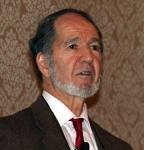
jdiamond1Jared Dia­mond became a house­hold name with his Pulitzer Prize-win­ning book Guns, Germs & Steel (2003). Lat­er, the UCLA geo­g­ra­ph­er climbed the charts again with Col­lapse: How Soci­eties Choose to Fail or Suc­ceed (2005). Now, based on this last book, he’s putting odds on whether the Unit­ed States will sur­vive this cri­sis, and he’s putting them only at 51–49. Not too great. And he goes on to say that our best chance of sur­viv­ing is if Amer­i­ca’s wealthy elite suf­fers far more than it already has. For more, lis­ten here.

via Big Think’s Twit­ter Feed. Get our Twit­ter Feed here.

by | Permalink | Make a Comment ( 2 ) |

Milton Friedman on Greed

The new Trea­sury Sec­re­tary unveiled his plan this morn­ing, and appar­ent­ly the mar­kets hate it, which pret­ty much guar­an­tees that we’ll be liv­ing with our finan­cial mess for a good while longer. As we know, this cri­sis could have been avoid­ed. But greed got the bet­ter of us. So, I won­der what read­ers think when they see Mil­ton Fried­man’s 1979 defense of cap­i­tal­ism and greed. Is it a mod­el, a line of argu­ment, that’s now dis­cred­it­ed? Or do we grudg­ing­ly con­cede his points and say that cap­i­tal­ism is the worst eco­nom­ic mod­el except for all the oth­ers that have been tried (a cheap play here on Churchill), and then fig­ure out how to mop it up?

via Andrew Sul­li­van’s Dai­ly Dish

by | Permalink | Make a Comment ( 3 ) |

Japan’s Lost Decade and What It Means for the US

NPR’s Plan­et Mon­ey pod­cast has done an excel­lent job of track­ing the ongo­ing glob­al finan­cial cri­sis. In its lat­est install­ment (Stream — iTunes — Rss Feed), they get down to an impor­tant ques­tion: Does his­to­ry offer solu­tions to the cur­rent cri­sis? And if so, does it make sense to look back at the Depres­sion of the 1930s? Or does 1990s Japan offer a bet­ter exam­ple?

One of Plan­et Mon­ey’s guests, econ­o­mist Adam Posen, argues that we should keep our eyes on Japan. Dur­ing the 1980s, Japan­ese banks and investors exploit­ed loose mort­gage lend­ing and gen­er­at­ed a sub­stan­tial real estate bub­ble, which popped in the ear­ly 90s once Japan’s gov­ern­ment start­ed tight­en­ing cred­it. From there, all oth­er assets and mar­kets fell apart, and a long reces­sion began. Sound famil­iar?

For Posen, the actions of the Japan­ese gov­ern­ment help illus­trate which anti-reces­sion poli­cies worked, and which did­n’t. The upshot is that Japan’s cri­sis could have been lim­it­ed to three years. But it went on for a decade instead. And that’s because Japan nev­er passed a major stim­u­lus pack­age until the very end, and because the gov­ern­ment nev­er forced the banks to change their prac­tices. This all sug­gests that Amer­i­can pol­i­cy can make a dif­fer­ence. The Oba­ma admin­is­tra­tion has a big stim­u­lus pack­age com­ing. But will it get the banks under con­trol? I’m less than san­guine about that, and it could make the dif­fer­ence between a short, sharp reces­sion and anoth­er lost decade.

PS The con­ver­sa­tion men­tioned above starts about 3 and 1/2 min­utes into the pod­cast.

by | Permalink | Make a Comment ( 1 ) |

Thomas Friedman on the Green Revolution

Thomas Fried­man has a new book out, Hot, Flat, and Crowd­ed. And it gets into the whole ques­tion of what a “green rev­o­lu­tion” is real­ly all about. New books mean book tours, and here we have an out­take from a spir­it­ed talk he recent­ly gave in North­ern Cal­i­for­nia. You can watch the full talk on Fora.tv here.

By the way, Fried­man starts talk­ing at the out­set about “ET,” and it hap­pens to stand for “Ener­gy Tech­nol­o­gy.”

by | Permalink | Make a Comment ( 3 ) |

Paul Krugman’s Nobel Prize in Economics

Paul Krug­man is main­ly known in the States as an econ­o­mist who writes fre­quent­ly for The New York Times. Mean­while, few real­ly know much about his seri­ous aca­d­e­m­ic work. Now that’s he’s been award­ed the Nobel Prize, it’s worth giv­ing you a quick feel for it. Here’s Krug­man giv­ing you the gist in his own words (iTunes — Rss Feed — Stream).

A Short Course in Behavioral Economics

Here’s a course for our his­tor­i­cal moment.…

Behav­ioral economics—“the study of how think­ing and emo­tions affect indi­vid­ual eco­nom­ic deci­sions and the behav­ior of markets”—is a rel­a­tive­ly new dis­ci­pline. This approach to eco­nom­ics, which mar­ries psy­chol­o­gy and eco­nom­ics and dis­cards the assump­tion that every eco­nom­ic actor is ratio­nal, was devel­oped part­ly by Richard Thaler, Direc­tor of the Cen­ter for Deci­sion Research at the Uni­ver­si­ty of Chica­go Grad­u­ate School of Busi­ness. Now, thanks to the Edge.org, you can fol­low a short class on the sub­ject. It’s taught by Thaler him­self and he’s joined by Har­vard econ­o­mist Send­hil Mul­lainathan and Nobel Lau­re­ate Daniel Kah­ne­man.

The course, deliv­ered in text and video, is being rolled out week­ly on the Edge web site in six install­ments. You can find Weeks 1 and 2 here and here. And you can check back for new install­ments here (scroll to the very bot­tom of the page.)

Sub­scribe to Our Feed

by | Permalink | Make a Comment ( 5 ) |

Reading Marx’s Capital with David Harvey (Free Lectures)

David Har­vey, an impor­tant social the­o­rist and geo­g­ra­ph­er, has got the right idea. Take what you know. Teach it in the class­room. Cap­ture it on video. Then dis­trib­ute it to the world. Keep it sim­ple, but just do it.

In launch­ing this new web site, Har­vey is mak­ing avail­able 26 hours of lec­tures, dur­ing which he gives a close read­ing of Karl Marx’s Das Kap­i­tal (1867). This work, often con­sid­ered to be Marx’s mas­ter­piece, is where he elab­o­rat­ed a cri­tique of cap­i­tal­ism and laid the ground­work for an ide­ol­o­gy that took the 20th cen­tu­ry by storm (and then it dis­ap­peared in a fair­ly quick snap). Har­vey is no stranger to this text. He has taught this class for over 40 years now, both in uni­ver­si­ties (Johns Hop­kins and CUNY) and in the com­mu­ni­ty as well.

The videos will be rolling out in stages. We have post­ed the first one below. (The first lec­ture actu­al­ly starts about 6 min­utes in. A short intro­duc­tion pre­cedes it). Gen­er­al­ly, the videos can be accessed via Har­vey’s web site, or via iTunes and RSS Feed. Also, we have placed the course in our col­lec­tion of Free Online Cours­es, which keeps on grow­ing. Find it under the “Eco­nom­ics” sec­tion.

Sub­scribe to our feed

by | Permalink | Make a Comment ( 1 ) |

« Go BackMore in this category... »
Quantcast