The Official Trailer for Ridley Scott’s Long-Awaited Blade Runner Sequel Is Finally Out

Rid­ley Scot­t’s Blade Run­ner (1982) has pro­vid­ed us mate­r­i­al for many posts over the years (find some favorites below). If his upcom­ing sequel Blade Run­ner 2049 yields half as much, we’ll count our­selves lucky.

The offi­cial trail­er for the new film came out today. Look for the film in the­aters on Octo­ber 6th.

If you would like to sign up for Open Culture’s free email newslet­ter, please find it here. It’s a great way to see our new posts, all bun­dled in one email, each day.

If you would like to sup­port the mis­sion of Open Cul­ture, con­sid­er mak­ing a dona­tion to our site. It’s hard to rely 100% on ads, and your con­tri­bu­tions will help us con­tin­ue pro­vid­ing the best free cul­tur­al and edu­ca­tion­al mate­ri­als to learn­ers every­where. You can con­tribute through Pay­Pal, Patre­on, and Ven­mo (@openculture). Thanks!

Relat­ed Con­tent:

Philip K. Dick Pre­views Blade Run­ner: “The Impact of the Film is Going to be Over­whelm­ing” (1981)

Watch an Ani­mat­ed Ver­sion of Rid­ley Scott’s Blade Run­ner Made of 12,597 Water­col­or Paint­ings

Stream 72 Hours of Ambi­ent Sounds from Blade Run­ner: Relax, Go to Sleep in a Dystopi­an Future

The Art of Mak­ing Blade Run­ner: See the Orig­i­nal Sketch­book, Sto­ry­boards, On-Set Polaroids & More

The Orig­i­nal Blade Run­ner Pro­mo­tion­al Film

How Rid­ley Scott’s Blade Run­ner Illu­mi­nates the Cen­tral Prob­lem of Moder­ni­ty

Watch Tears In the Rain: A Blade Run­ner Short Film–A New, Unof­fi­cial Pre­quel to the Rid­ley Scott Film

Blade Run­ner Gets Re-Cre­at­ed, Shot for Shot, Using Only Microsoft Paint

Blade Run­ner is a Waste of Time: Siskel & Ebert in 1982

“If Life Were Only Like This”: Woody Allen Gets Marshall McLuhan to Put a Pontificating Professor in His Place

The dig­i­tal rev­o­lu­tion cre­at­ed a mighty forum for those who once held forth from around the pick­le bar­rel or atop a stur­dy soap box.

The Inter­net has spawned many com­men­ta­tors whose thoughts are cogent, well researched and well argued, but they’re sad­ly out­num­bered by a mul­ti­tude of blowhards, wind­bags, and oth­er self-appoint­ed experts, force­ful­ly express­ing opin­ions as fact.

And, as you’ve like­ly heard, many con­sumers fail to check cre­den­tials before believ­ing unsub­stan­ti­at­ed state­ments are the rock sol­id truth, to be repeat­ed and act­ed upon, some­times to last­ing con­se­quence.

Com­pare the unman­age­abil­i­ty of our sit­u­a­tion to that of 40 years ago, when an obnox­ious blovi­a­tor could appar­ent­ly be silenced by the intro­duc­tion of irrefutable author­i­ty…

Ah, wait, this is fic­tion…

A notable thing about the above scene from 1977’s Annie Hallbesides how beau­ti­ful­ly the com­e­dy holds up—is that the bad guy’s not stu­pid. His qual­i­fi­ca­tions are actu­al­ly quite impres­sive.

(We speak here of the Guy in Line, not writer-direc­tor-star Woody Allen, whose rep­u­ta­tion has been per­ma­nent­ly tar­nished by per­son­al mis­con­duct, some of it easy to sub­stan­ti­ate.)

The scene’s best punch­line comes from pit­ting intel­lec­tu­al against intel­lec­tu­al, not intel­lec­tu­al against some myth­i­cal “reg­u­lar” Amer­i­can, as we’ve come to expect.

The audi­ence is well posi­tioned to side with Allen and his ace-in-the-hole, media philoso­pher Mar­shall McLuhan. It’s a revenge fan­ta­sy designed to appeal to any­one whose free­dom has been impinged by some loud­mouthed stranger sound­ing off in a pub­lic area.

That’s all of us, right? (Though how many of us are will­ing to cop to the occa­sions when we may have been the nar­cis­sis­tic jerk monop­o­liz­ing the con­ver­sa­tion at top vol­ume …)

The court­ly McLuhan, a last minute replace­ment for direc­tor Fed­eri­co Felli­ni, pos­sessed the per­fect tem­pera­ment to skew­er the over­in­flat­ed self-worth of a pon­tif­i­cat­ing ego­ma­ni­ac.

He was, how­ev­er, not much of a per­former, accord­ing to Rus­sell Hor­ton, who played the Guy in Line:

Woody would pull him out and he’d say some­thing like, ‘Well you’re wrong, young man.’ Or, ‘Oh, gee, I don’t know what to say.’… We did like 17 or 18 takes, and if you look at it care­ful­ly in the movie, McLuhan says, ‘You mean my whole fal­la­cy is wrong’ which makes no sense. How can you have your fal­la­cy wrong?

Read the recent, and extreme­ly amus­ing Enter­tain­ment Week­ly inter­view with Guy in Line (and voice of the Trix cere­al rab­bit) Hor­ton in its entire­ty here.

Relat­ed Con­tent:

Mar­shall McLuhan in Two Min­utes: A Brief Ani­mat­ed Intro­duc­tion to the 1960s Media The­o­rist Who Pre­dict­ed Our Present

Woody Allen Tells a Clas­sic Joke About Hem­ing­way, Fitzger­ald & Gertrude Stein in 1965: A Pre­cur­sor to Mid­night in Paris

Woody Allen Amus­es Him­self by Giv­ing Untruth­ful Answers in Unaired 1971 TV Inter­view

Watch a 44-Minute Super­cut of Every Woody Allen Stam­mer, From Every Woody Allen Film

Ayun Hal­l­i­day is an author, illus­tra­tor, the­ater mak­er and Chief Pri­ma­tol­o­gist of the East Vil­lage Inky zine.  Fol­low her @AyunHalliday.

Watch “A Family Tree,” Jonathan Demme’s 1980s Sitcom Episode with David Byrne & Rosanna Arquette

It comes as some­thing of a sur­prise to real­ize that the film­mak­er Jonathan Demme, who died last week, nev­er made a tele­vi­sion series of his own. He did, in addi­tion to fea­tures like Some­thing Wild and The Silence of the Lambs and doc­u­men­taries like Stop Mak­ing Sense, direct a few episodes of TV shows as var­ied as Sat­ur­day Night Live and Enlight­ened. But we nev­er got to see a full-on cre­at­ed-by-Demme series that, in this long Gold­en Age of Tele­vi­sion in which we live, could sure­ly have show­cased in an even deep­er way his much-praised inter­est in and empa­thy for human­i­ty. But we can get a sense of how one might have played from “A Fam­i­ly Tree,” the Rosan­na Arquette-star­ring sit­com episode he made in 1987 for the PBS prime-time com­e­dy series Try­ing Times.

Demme, in the words of The New York­er’s Dan Piepen­bring, “direct­ed an ensem­ble com­e­dy about CB-radio enthu­si­asts, a doc­u­men­tary on an Epis­co­palian min­is­ter, and the only episode of Colum­bo to traf­fic in the dra­ma of haute cui­sine. But nev­er did he roam far­ther afield than he does in ‘A Fam­i­ly Tree,’ a pitch-black anti-sit­com about an anx­ious young woman whose desire to belong leads her — per­haps in a nod to Stop Mak­ing Sense — to lit­er­al­ly burn down the house. Fit­ting­ly, David Byrne him­self is there to watch the flames go up, enjoy­ing an impe­ri­ous turn as a cig­ar-puff­ing, pie-hid­ing, rep­tile-obsessed broth­er-in-law.” And who could resist, hav­ing read a descrip­tion like that, giv­ing the episode a watch on Youtube, avail­able there in three parts (watch them above and below)?

The pro­duc­tion cer­tain­ly stood out from the Amer­i­can tele­vi­su­al land­scape of the time. The Chica­go Tri­bune’s TV crit­ic Clif­ford Per­ry, after trash­ing the then-new Full House, described Dem­me’s episode of Try­ing Times, the series’ pre­miere, as “built upon sick humor and a per­va­sive nas­ti­ness,” high­light­ing “an appeal­ing­ly vul­ner­a­ble per­for­mance by Arquette as the harassed out­sider who suf­fers through cig­ar smoke, belch­ing, home­made apple­jack, intra­mur­al bick­er­ing and a bar­rage of insults — as well as her own inep­ti­tude, which results in a series of house­hold dis­as­ters. Fine sup­port is giv­en by Hope Lange as the shrewish moth­er, Robert Ridge­ly as the just-fired father,” and par­tic­u­lar­ly Byrne “as the acer­bic yet bor­ing broth­er-in-law-to-be.”

Ulti­mate­ly, Per­ry judged “A Fam­i­ly Tree” as a “schiz­o­phrenic half-hour” that “veers between the far­ci­cal and the sur­re­al,” which pre­sum­ably was­n’t intend­ed as a straight­for­ward com­pli­ment. Today, how­ev­er, its laugh track-free tone of inti­mate unease and real­ism unapolo­get­i­cal­ly tinged with the bizarre would no doubt win it a con­sid­er­able fol­low­ing. The trib­utes paid to Demme have described him as a mak­er of films well root­ed in their eras and set­tings, but now we know he could make tele­vi­sion thir­ty years ahead of its time as well.

via The New York­er

Relat­ed Con­tent:

How Jonathan Demme Put Human­i­ty Into His Films: From The Silence of the Lambs to Stop Mak­ing Sense

Jonathan Demme Nar­rates I Thought I Told You To Shut Up!!, a Short Film About the Coun­ter­cul­ture Car­toon Reid Flem­ing

Based in Seoul, Col­in Mar­shall writes and broad­casts on cities and cul­ture. He’s at work on a book about Los Ange­les, A Los Ange­les Primer, the video series The City in Cin­e­ma, the crowd­fund­ed jour­nal­ism project Where Is the City of the Future?, and the Los Ange­les Review of Books’ Korea Blog. Fol­low him on Twit­ter at @colinmarshall or on Face­book.

The Career of Paul Thomas Anderson: A 5‑Part Video Essay on the Auteur of Boogie Nights, Punch-Drunk Love, The Master, and More

For at least the past decade and a half, each of Paul Thomas Ander­son­’s movies has arrived in the­aters as a major cin­e­mat­ic event. By pure chance, I got an espe­cial­ly pow­er­ful taste of this a few years ago in Los Ange­les when, after a revival screen­ing of The Shin­ing, we in the audi­ence were told to stay right there in our seats for the rest of the night’s sur­prise dou­ble-fea­ture, the sec­ond half being Ander­son­’s as yet unre­leased and almost com­plete­ly unseen The Mas­ter — pro­ject­ed in 70-mil­lime­ter. Need­less to say, nobody left, so pal­pa­ble was the desire to expe­ri­ence the next phase of the cin­e­mat­ic vision of the auteur who has, to that point, giv­en us Hard EightBoo­gie NightsMag­no­liaPunch-Drunk Love, and There Will Be Blood.

So what makes Ander­son­’s cin­e­mat­ic vision so com­pelling? Video essay­ist Cameron Beyl, cre­ator of The Direc­tors Series (whose explo­rations of Stan­ley Kubrick, David Finch­er, and the Coen broth­ers we’ve pre­vi­ous­ly fea­tured here on Open Cul­ture), attempts an answer in this analy­sis of Ander­son­’s films, each of whose chap­ters reflect a chap­ter of the auteur’s jour­ney to his cur­rent promi­nence. The first of them finds him, at sev­en­teen after a child­hood in the San Fer­nan­do Val­ley, shoot­ing a porn-star mock­u­men­tary called The Dirk Dig­gler Sto­ry, ele­ments of which would lat­er shape his 1997 porn-indus­try epic Boo­gie Nights. Hav­ing ditched film school after just two days, the slight­ly old­er Ander­son set out to make Cig­a­rettes & Cof­fee, a short tale of low life told in high style that would expand into his first fea­ture, the mis­treat­ed but redis­cov­ered Hard Eight.

Beyl’s minis­eries of video essays, which runs near­ly three hours in total, con­tin­ues from Ander­son­’s ear­ly Sun­dance suc­cess (a suc­cess that did much to raise the pro­file of the fes­ti­val itself) to his much larg­er-bud­get “Cal­i­for­nia chron­i­cles” Boo­gie Nights and Mag­no­lia, his “con­cept come­dies” Punch-Drunk Love and var­i­ous oth­er shorts made at the time, his “por­traits of pow­er” There Will Be Blood and The Mas­ter, and his ascent to “high­er states” in the Thomas Pyn­chon adap­ta­tion Inher­ent Vice and the doc­u­men­tary Jun­jun.

Beyl describes Ander­son as unde­ni­ably “born to be a film­mak­er,” and so it stands to rea­son that, though his favorite themes includ­ing fam­i­ly, pow­er, and sex­u­al dys­func­tion remain con­stant, each new phase of the direc­tor’s life results in a new phase in his film­mak­ing — or indeed, the oth­er way around. And so every­one who takes film seri­ous­ly eager­ly awaits his next chap­ter.

Relat­ed Con­tent:

The Hid­den Secrets in “Day­dream­ing,” Paul Thomas Anderson’s New Radio­head Music Video

Two Short Films on Cof­fee and Cig­a­rettes from Jim Jar­musch & Paul Thomas Ander­son

What Makes a Coen Broth­ers Movie a Coen Broth­ers Movie? Find Out in a 4‑Hour Video Essay on Bar­ton Fink, The Big Lebows­ki, Far­go, No Coun­try for Old Men & More

Dis­cov­er the Life & Work of Stan­ley Kubrick in a Sweep­ing Three-Hour Video Essay

How Did David Finch­er Become the Kubrick of Our Time? A New, 3.5 Hour Series of Video Essays Explains

Based in Seoul, Col­in Mar­shall writes and broad­casts on cities and cul­ture. He’s at work on a book about Los Ange­les, A Los Ange­les Primer, the video series The City in Cin­e­ma, the crowd­fund­ed jour­nal­ism project Where Is the City of the Future?, and the Los Ange­les Review of Books’ Korea Blog. Fol­low him on Twit­ter at @colinmarshall or on Face­book.

Metamorfosis: Franz Kafka’s Best-Known Short Story Gets Adapted Into a Tim Burtonesque Spanish Short Film

In one sense, giv­en their spare set­tings and alle­gor­i­cal feel, the sto­ries of Franz Kaf­ka could play out any­where. But in anoth­er, one can only with dif­fi­cul­ty sep­a­rate those sto­ries from the late 19th- and ear­ly 2oth-cen­tu­ry cen­tral Europe in which Kaf­ka him­self spent his short life. This simul­ta­ne­ous con­nec­tion to place and place­less­ness (and also, per David Fos­ter Wal­lace’s inter­pre­ta­tion, play­ful­ness, or at least humor of some kind) has made Kafka’s work appeal­ing mate­r­i­al indeed for ani­ma­tors, some of whose work we’ve fea­tured here on Open Cul­ture before.

When film­mak­ers try their hands at live-action Kaf­ka adap­ta­tions, though, they tend to find them­selves per­form­ing acts of not just artis­tic but cul­tur­al trans­plan­ta­tion. Just last year we post­ed Dominic Allen’s Two Men, an award-win­ning short film that relo­cates Kafka’s para­ble “Passers-by” to a remote sec­tion of West­ern Aus­tralia.

Work­ing with a much longer and bet­ter-known piece of the Kaf­ka canon, direc­tor Fran Estévez’s Meta­mor­fo­s­is brings the tale of Gre­gor Sam­sa’s sud­den trans­for­ma­tion into a large insect to Spain — or into the Span­ish lan­guage, any­way.

The recip­i­ent of quite a few awards itself in South Amer­i­ca and Europe (includ­ing a fes­ti­val in Kafka’s own birth­place, the cur­rent Czech Repub­lic), Meta­mor­fo­s­is com­bines Kafka’s still-star­tling man-turned-bug first-per­son nar­ra­tion with both stark black-and-white footage and illus­tra­tions to cre­ate just the right claus­tro­pho­bic, askew atmos­phere. The set design, which at cer­tain moments feels right out of ear­ly Tim Bur­ton, under­scores the fairy-tale aspect of this grim work of imag­i­na­tion. But then, at the very end, the aes­thet­ic ceil­ing lifts, widen­ing the view­er’s per­spec­tive on not just the movie’s fore­go­ing six­teen min­utes but on the nature of The Meta­mor­pho­sis, Kafka’s orig­i­nal sto­ry, itself — though, alas, things still don’t end par­tic­u­lar­ly well for poor old Gre­gor Sam­sa.

Meta­mor­fo­s­is will be added to our list, 4,000+ Free Movies Online: Great Clas­sics, Indies, Noir, West­erns, Doc­u­men­taries & More.

Relat­ed Con­tent:

Hear Bene­dict Cum­ber­batch Read Kafka’s The Meta­mor­pho­sis

Four Franz Kaf­ka Ani­ma­tions: Enjoy Cre­ative Ani­mat­ed Shorts from Poland, Japan, Rus­sia & Cana­da

Franz Kaf­ka Sto­ry Gets Adapt­ed into an Award-Win­ning Aus­tralian Short Film: Watch Two Men

Franz Kaf­ka Says the Insect in The Meta­mor­pho­sis Should Nev­er Be Drawn; Vladimir Nabokov Draws It Any­way

Based in Seoul, Col­in Mar­shall writes and broad­casts on cities and cul­ture. He’s at work on a book about Los Ange­les, A Los Ange­les Primer, the video series The City in Cin­e­ma, the crowd­fund­ed jour­nal­ism project Where Is the City of the Future?, and the Los Ange­les Review of Books’ Korea Blog. Fol­low him on Twit­ter at @colinmarshall or on Face­book.

How Jonathan Demme Put Humanity Into His Films: From The Silence of the Lambs to Stop Making Sense

“My friend, the direc­tor Jonathan Demme, passed last night,” wrote Talk­ing Heads’ David Byrne on his blog yes­ter­day. “I met Jonathan in the ‘80s when Talk­ing Heads were tour­ing a show that he would even­tu­al­ly film and turn into Stop Mak­ing Sense,” the famous — and in the minds of many, still the very best — con­cert movie. “I loved his films Melvin and Howard and Cit­i­zens Band (AKA Han­dle With Care). From those movies alone, one could sense his love of ordi­nary peo­ple. That love sur­faces and is man­i­fest over and over through­out his career.” Read just a few of the many oth­er trib­utes to Demme made so far, and you’ll encounter the same words over and over again: love, empa­thy, com­pas­sion.

Few film­mak­ers man­age to get those qual­i­ties onscreen as con­sis­tent­ly as Demme did, and even few­er do it at his lev­el of tech­ni­cal mas­tery. The two video essays here exam­ine his cin­e­mat­ic tech­nique, espe­cial­ly as seen in one of his best-known films: 1991’s Silence of the Lambs, the sec­ond in the ongo­ing series fea­tur­ing refined career can­ni­bal Han­ni­bal Lecter. The brief episode of Tony Zhou’s Every Frame a Paint­ing at the top of the post breaks down how Demme han­dles the ques­tion of who “wins” the inter­ac­tion in the first con­ver­sa­tion between Antho­ny Hop­kins’ Lecter and Jodie Fos­ter’s young FBI trainee Clarice Star­ling — two char­ac­ters who enter into this and all their sub­se­quent inter­ac­tions with their own shift­ing moti­va­tions, goals, and sen­si­tiv­i­ties.

In this and oth­er scenes through­out his career, Demme made strong and influ­en­tial use of close-up shots, to the point where Jacob T. Swin­ney could ded­i­cate a super­cut to “The Jonathan Demme Close-Up.” While “most film­mak­ers choose to employ the close-up shot dur­ing scenes of cru­cial dia­logue,” Swin­ney writes, “Demme prefers to line up his char­ac­ters in the cen­ter of the frame and have them look direct­ly into the lens of the cam­era.” And so “when Dr. Han­ni­bal Lecter hiss­es at Agent Clarice Star­ling, we feel equal­ly vic­tim­ized,” or in Philadel­phia “as Andrew Beck­ett suc­cumbs to AIDS, we feel an over­whelm­ing sen­sa­tion of sym­pa­thy. These char­ac­ters seem to be look­ing at us, and we there­fore con­nect on a deep­er lev­el.”

While Demme used his sig­na­ture close-ups and oth­er emo­tion­al­ly charged shots in all his fea­tures, from his ear­ly days work­ing for leg­endary B‑movie pro­duc­er Roger Cor­man on, he brought his human­is­tic style to his var­i­ous doc­u­men­tary and con­cert film projects as well. “Stop Mak­ing Sense was char­ac­ter dri­ven too,” writes Byrne. “Jonathan’s skill was to see the show almost as a the­atri­cal ensem­ble piece, in which the char­ac­ters and their quirks would be intro­duced to the audi­ence, and you’d get to know the band as peo­ple, each with their dis­tinct per­son­al­i­ties. They became your friends, in a sense. I was too focused on the music, the stag­ing and the light­ing to see how impor­tant his focus on char­ac­ter was — it made the movies some­thing dif­fer­ent and spe­cial.”

Relat­ed Con­tent:

Every Frame a Paint­ing Explains the Film­mak­ing Tech­niques of Mar­tin Scors­ese, Jack­ie Chan, and Even Michael Bay

David Byrne Plays Sev­en Char­ac­ters & Inter­views Him­self in Fun­ny Pro­mo for Stop Mak­ing Sense

Based in Seoul, Col­in Mar­shall writes and broad­casts on cities and cul­ture. He’s at work on a book about Los Ange­les, A Los Ange­les Primer, the video series The City in Cin­e­ma, the crowd­fund­ed jour­nal­ism project Where Is the City of the Future?, and the Los Ange­les Review of Books’ Korea Blog. Fol­low him on Twit­ter at @colinmarshall or on Face­book.

Jonathan Demme Narrates I Thought I Told You To Shut Up!!,” a Short Film About the Counterculture Cartoon Reid Fleming

Ear­li­er today, we sad­ly learned about the pass­ing of Jonathan Demme, direc­tor of The Silence of the Lambs and Stop Mak­ing Sense. We’ll have more to say about his con­tri­bu­tions to cin­e­ma in the morn­ing. But, for now, I want to share a short film, nar­rat­ed by Demme him­self in 2015, called I Thought I Told You To Shut Up!!.  Fea­tur­ing stop motion ani­ma­tion and inter­views, the short revis­its David Boswell’s 1970s coun­ter­cul­ture car­toon, Reid Flem­ing, World’s Tough­est Milk­man. Per­haps the car­toon nev­er end­ed up on your radar. But it cer­tain­ly influ­enced a num­ber of impor­tant cre­ators you’re famil­iar with. And, hap­pi­ly, you can still pick up copies of Reid Flem­ing: World’s Tough­est Milk­man on Ama­zon or over at the offi­cial Reid Flem­ing web site.

Direct­ed by Char­lie Tyrell, I Thought I Told You To Shut Up!! will be added to our col­lec­tion, 4,000+ Free Movies Online: Great Clas­sics, Indies, Noir, West­erns, Doc­u­men­taries & More. You can also down­load it over at Tyrel­l’s vimeo page.

If you would like to sign up for Open Culture’s free email newslet­ter, please find it here. It’s a great way to see our new posts, all bun­dled in one email, each day.

If you would like to sup­port the mis­sion of Open Cul­ture, con­sid­er mak­ing a dona­tion to our site. It’s hard to rely 100% on ads, and your con­tri­bu­tions will help us con­tin­ue pro­vid­ing the best free cul­tur­al and edu­ca­tion­al mate­ri­als to learn­ers every­where. You can con­tribute through Pay­Pal, Patre­on, and Ven­mo (@openculture). Thanks!

Relat­ed Con­tent:

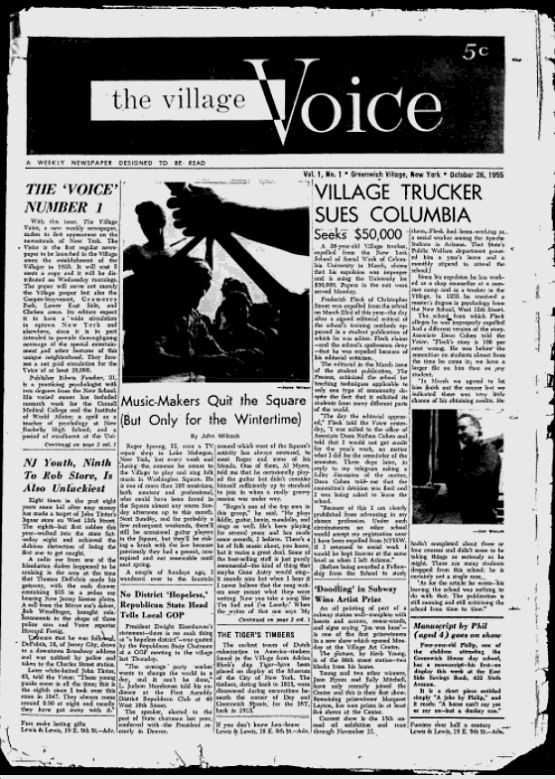
The Com­ic Biog­ra­phy of Under­ground Pub­lish­er & Polit­i­cal Writer, John Wilcock

In Ani­mat­ed Car­toon, Ali­son Bechdel Sees Her Life Go From Puli­tiz­er Prize Win­ning Com­ic to Broad­way Musi­cal

Car­toon­ist R. Crumb Assess­es 21 Cul­tur­al Fig­ures, from Dylan & Hitch­cock, to Kaf­ka & The Bea­t­les

What Makes a Coen Brothers Movie a Coen Brothers Movie? Find Out in a 4‑Hour Video Essay of Barton Fink, The Big Lebowski, Fargo, No Country for Old Men & More

What could movies as dif­fer­ent as Bar­ton FinkThe Big Lebows­kiNo Coun­try for Old Men, and True Grit have in com­mon? Even casu­al cinephiles will take that as a sil­ly ques­tion, know­ing full well that all of them came from the same sib­ling writ­ing-direct­ing team of Joel and Ethan Coen, bet­ter known as the Coen broth­ers. But to those who real­ly dig deep into movies, the ques­tion stands: what, aes­thet­i­cal­ly, for­mal­ly, intel­lec­tu­al­ly, or emo­tion­al­ly, does uni­fy the fil­mog­ra­phy of the Coen broth­ers? Though it boasts more than its fair share of crit­i­cal, com­mer­cial, and cult fan favorites, its auteurs seem­ing­ly pre­fer to mark their work with many sub­tle sig­na­tures rather than one bold and obvi­ous one.

Cameron Beyl, cre­ator of The Direc­tors Series (whose exam­i­na­tions of Stan­ley Kubrick and David Finch­er we’ve pre­vi­ous­ly fea­tured here on Open Cul­ture), finds out just what makes a Coen broth­ers movie a Coen broth­ers movie in his sev­en-part, near­ly four-hour set of video essays on the two Jew­ish broth­ers from the Min­neso­ta sub­urbs who went on to make per­haps the most dis­tinc­tive impact on the zeit­geist of their gen­er­a­tion of Amer­i­can film­mak­ers.

He begins with the Coen broth­ers’ Texas noir debut Blood Sim­ple and sopho­more south­west­ern slap­stick Rais­ing Ari­zona, then goes on to their larg­er-scale post­mod­ern peri­od pieces Miller’s Cross­ingBar­ton Fink, and the Hud­suck­er Proxy.

The next chap­ter cov­ers their break­out films of the late 1990s Far­go and The Big Lebows­ki, and then two high­ly styl­ized pic­tures, the Odyssey-inspired prison break O Broth­er, Where Art Thou? and the black-and-white noir The Man Who Was­n’t There. Then come Intol­er­a­ble Cru­el­ty and The Ladykillers, two 21st-cen­tu­ry screw­ball come­dies, fol­lowed by their “pres­ti­gious pin­na­cle,” the acclaimed four-pic­ture stretch of No Coun­try for Old MenBurn After Read­ingA Seri­ous Man, and True Grit.

The final chap­ter (below) looks at the Coen broth­ers’ two most recent works, both of which take on the cul­ture indus­try: Inside Llewyn Davis, the tale of a would-be 1960s folk star, and Hail, Cae­sar!, one of ear­ly-1950s Hol­ly­wood.

Beyl’s analy­sis brings to the fore both the more and the less vis­i­ble com­mon ele­ments of the Coen broth­ers’ movies. The for­mer include their fond­ness for his­tor­i­cal and “mid­dle Amer­i­can” set­tings, their repeat­ed use of actors like John Good­man, Steve Busce­mi, Frances McDor­mand, and John Tur­tur­ro, and their ten­den­cy to move the cam­era with what Beyl sev­er­al times describes as “break­neck speed.” The lat­ter include eas­i­ly miss­able place and char­ac­ter inter­con­nec­tions (for instance, how Bar­ton Fink and Hail, Cae­sar!, set a decade apart and made a quar­ter-cen­tu­ry apart, involve the same fic­tion­al Hol­ly­wood stu­dio) and their simul­ta­ne­ous deploy­ment and sub­ver­sion of genre con­ven­tions, pos­si­bly owing to their life­long “out­sider” per­spec­tive.

But above all, noth­ing sig­nals the work of the Coen broth­ers quite so clear­ly as their ever-more-refined mix­ture of zani­ness and bru­tal­i­ty, which Beyl puts in terms of their mix­ture of dis­parate film­mak­ing influ­ences: Pre­ston Sturges on one hand, for exam­ple, and Sam Peck­in­pah on the oth­er. This comes with their films’ built-in resis­tance to straight­for­ward inter­pre­ta­tion, a kind of plea­sur­able com­plex­i­ty that pre­vents any one sim­ple his­tor­i­cal, social, or polit­i­cal read­ing from mak­ing much head­way. In fact, as Beyl acknowl­edges in the first of these video essays, the Coen broth­ers would prob­a­bly con­sid­er this sort of long-form exam­i­na­tion of their work a waste of time, but if it sends view­ers back to that work — and espe­cial­ly if it sends them back watch­ing and notic­ing more close­ly — it does a favor to the rare kind of mod­ern cin­e­ma that actu­al­ly mer­its the word unique.

Relat­ed Con­tent:

How the Coen Broth­ers Sto­ry­board­ed Blood Sim­ple Down to a Tee (1984)

Is The Big Lebows­ki a Great Noir Film? A New Way to Look at the Coen Broth­ers’ Icon­ic Movie

How the Coen Broth­ers Put Their Remark­able Stamp on the “Shot Reverse Shot,” the Fun­da­men­tal Cin­e­mat­ic Tech­nique

Tui­leries: A Short, Slight­ly Twist­ed Film by Joel and Ethan Coen

World Cin­e­ma: Joel and Ethan Coen’s Play­ful Homage to Cin­e­ma His­to­ry

Dis­cov­er the Life & Work of Stan­ley Kubrick in a Sweep­ing Three-Hour Video Essay

How Did David Finch­er Become the Kubrick of Our Time? A New Series of Video Essays Explains

Based in Seoul, Col­in Mar­shall writes and broad­casts on cities and cul­ture. He’s at work on a book about Los Ange­les, A Los Ange­les Primer, the video series The City in Cin­e­ma, the crowd­fund­ed jour­nal­ism project Where Is the City of the Future?, and the Los Ange­les Review of Books’ Korea Blog. Fol­low him on Twit­ter at @colinmarshall or on Face­book.

« Go BackMore in this category... »
Quantcast