The Largest Ever Analysis of Film Dialogue (Over 4 Million Lines in 2,000 Scripts) Reveals Gender Bias Built Into Cinema

film dialogue analysis

By their col­or palettes, by their dra­mat­ic struc­tures, by their shot lengths, by the fre­quen­cy and vari­ety of their char­ac­ters’ swear­ing: film enthu­si­asts have found ways to ana­lyze just about every aspect of film. But only recent­ly has the world of film analy­sis seen a large-scale study of dia­logue by gen­der and age — in fact, the largest-scale study of dia­logue by gen­der and age yet — under­tak­en by a new site called Poly­graph, “a pub­li­ca­tion that explores pop­u­lar cul­ture with data and visu­al sto­ry­telling.” They want­ed to put to the data test part of the notion, wide­ly expressed in opin­ion pieces, that “white men dom­i­nate movie roles.”

“We Googled our way to 8,000 screen­plays and matched each character’s lines to an actor,” write Poly­graph’s Han­nah Ander­son and Matt Daniels. “From there, we com­piled the num­ber of words spo­ken by male and female char­ac­ters across rough­ly 2,000 films, arguably the largest under­tak­ing of script analy­sis, ever.” They present their quan­ti­ta­tive results with great visu­al clar­i­ty, and you can view them for three dis­tinct areas of cin­e­ma ter­ri­to­ry: just the 2,000 screen­plays the study focused on; only high-gross­ing films at the Amer­i­can box office; and only Dis­ney movies (known, of course, for their abun­dance of princess­es, with or with­out many lines).

film dialogue

“Across thou­sands of films in our dataset,” they write, “it was hard to find a sub­set that didn’t over-index male. Even roman­tic come­dies have dia­logue that is, on aver­age, 58% male. For exam­ple, Pret­ty Woman and 10 Things I Hate About You both have lead women (i.e., char­ac­ters with the most amount of dia­logue). But the over­all dia­logue for both films is 52% male, due to the num­ber of male sup­port­ing char­ac­ters.” And as far as age, “dia­logue avail­able to women who are over 40 years old decrease sub­stan­tial­ly. For men, it’s the exact oppo­site: there are more roles avail­able to old­er actors.”

Depend­ing on what kind of films you watch, this may well jibe with your view­ing expe­ri­ence: main­stream sto­ries have long tend­ed to favor macho and often mature pro­tag­o­nists, and the antag­o­nists they defeat in man-to-man com­bat have some­times reached advanced ages indeed (all the more time, pre­sum­ably, in which to have mas­tered the art of vil­lainy, espe­cial­ly of the one-last-grand-speech-before-I-destroy-the-world vari­ety). The women, and usu­al­ly young women, fea­tured in such pic­tures, when they appear at all, have to do much of their com­mu­ni­ca­tion non­ver­bal­ly.

This all sup­ports a com­plaint I’ve long had about the movies, main­stream or oth­er­wise: over a cen­tu­ry in exis­tence, and they’ve hard­ly touched the vast cre­ative space avail­able to them. The all-female Ghost­busters com­ing this sum­mer will sure­ly do its small part to rec­ti­fy the lack of woman-deliv­ered dia­logue on the sil­ver screen, but the depth of the defi­cien­cy, as revealed by Poly­graph, sug­gests we could do with a few all-female Glen­gar­ry Glen Rosses as well.

Relat­ed Con­tent:

An Ambi­tious List of 1400 Films Made by Female Film­mak­ers

85 Com­pelling Films Star­ring and/or Direct­ed By Women of Col­or: A List Cre­at­ed by Direc­tor Ava DuVer­nay & Friends on Twit­ter

10 Tips From Bil­ly Wilder on How to Write a Good Screen­play

Based in Seoul, Col­in Mar­shall writes and broad­casts on cities, lan­guage, and style. He’s at work on a book about Los Ange­les, A Los Ange­les Primer, the video series The City in Cin­e­ma, the crowd­fund­ed jour­nal­ism project Where Is the City of the Future?, and the Los Ange­les Review of Books’ Korea Blog. Fol­low him on Twit­ter at @colinmarshall or on Face­book.

Free MIT Course Teaches You to Watch Movies Like a Critic: Watch Lectures from The Film Experience

We all have our favorite film crit­ics. Maybe we grav­i­tat­ed to them because they write well or because they share our tastes, but the very best of them — the crit­ics we read even on gen­res and direc­tors we oth­er­wise would­n’t care about â€” make us see movies in a new way. Specif­i­cal­ly, they make us see them the way they do, and the point of view of a pro­fes­sion­al crit­ic steeped in cin­e­ma his­to­ry and the­o­ry (not to men­tion the thou­sands and thou­sands of hours of actu­al film they’ve watched) will always have a rich­ness that the casu­al movie­go­er can’t hope to enjoy on his/her own.

Unless, of course, you take The Film Expe­ri­ence, a 23-lec­ture course from the Mass­a­chu­setts Insti­tute of Tech­nol­o­gy. And you don’t need to enroll at MIT — or even show up and sur­rep­ti­tious­ly audit — to take it, since the school has made those lec­tures, their accom­pa­ny­ing mate­ri­als, and even sup­ple­men­tal media (just like the DVD extras that have inspired a gen­er­a­tion of cinephiles) free on their Open­Course­Ware site. They’ve also assem­bled the videos, star­ring MIT’s Film and Media Stud­ies pro­gram found­ing pro­fes­sor David Thor­burn, into a sin­gle Youtube playlist.

Thor­burn’s lec­tures begin with the intro­duc­tion to film as a cul­tur­al form at the top of the post, which itself begins with the ques­tion “What is film?” He then launch­es into a jour­ney through film his­to­ry, from the silent come­dies of Buster Keaton and Char­lie Chap­lin (see also our Keaton and Chap­lin col­lec­tions) to the Hol­ly­wood stu­dio era and Alfred Hitch­cock (for whom we’ve got a col­lec­tion as well) to Amer­i­can film in the 1970s and Ital­ian neo­re­al­ism to François Truf­faut and Aki­ra Kuro­sawa. When you come out of the course pos­sess­ing a new­ly height­ened abil­i­ty to decode the lan­guage of film, you may or may not hear the call­ing to become a crit­ic your­self — but at least it’ll make your next trip to the mul­ti­plex more inter­est­ing.

The Film Expe­ri­ence will be added to our col­lec­tion, 1,700 Free Online Cours­es from Top Uni­ver­si­ties.


If you would like to sign up for Open Culture’s free email newslet­ter, please find it here. It’s a great way to see our new posts, all bun­dled in one email, each day.

If you would like to sup­port the mis­sion of Open Cul­ture, con­sid­er mak­ing a dona­tion to our site. It’s hard to rely 100% on ads, and your con­tri­bu­tions will help us con­tin­ue pro­vid­ing the best free cul­tur­al and edu­ca­tion­al mate­ri­als to learn­ers every­where. You can con­tribute through Pay­Pal, Patre­on, and Ven­mo (@openculture). Thanks!

Relat­ed Con­tent:

The 10 Great­est Films of All Time Accord­ing to 846 Film Crit­ics

Take a Free Course on Film Noir; Then Watch Oodles of Free Noir Films Online

65 Free Char­lie Chap­lin Films Online

The Gen­er­al, “Per­haps the Great­est Film Ever Made,” and 20 Oth­er Buster Keaton Clas­sics Free Online

22 Free Hitch­cock Movies Online

Based in Seoul, Col­in Mar­shall writes and broad­casts on cities, lan­guage, and style. He’s at work on a book about Los Ange­les, A Los Ange­les Primer, the video series The City in Cin­e­ma, the crowd­fund­ed jour­nal­ism project Where Is the City of the Future?, and the Los Ange­les Review of Books’ Korea Blog. Fol­low him on Twit­ter at @colinmarshall or on Face­book.

Question: Where Can You Watch 65 Charlie Chaplin Films Free Online?

free chaplin films

Answer: Why, in our col­lec­tion 65 Char­lie Chap­lin Films Free Online. Just did­n’t want you to for­get :)


If you would like to sign up for Open Culture’s free email newslet­ter, please find it here. It’s a great way to see our new posts, all bun­dled in one email, each day.

If you would like to sup­port the mis­sion of Open Cul­ture, con­sid­er mak­ing a dona­tion to our site. It’s hard to rely 100% on ads, and your con­tri­bu­tions will help us con­tin­ue pro­vid­ing the best free cul­tur­al and edu­ca­tion­al mate­ri­als to learn­ers every­where. You can con­tribute through Pay­Pal, Patre­on, and Ven­mo (@openculture). Thanks!

40,000 Film Posters in a Wonderfully Eclectic Archive: Italian Tarkovsky Posters, Japanese Orson Welles, Czech Woody Allen & Much More

stalker-md-web

Here we have a poster for a film many of you will have heard of, and some of you will have watched right here on Open Cul­ture: Stalk­er, wide­ly con­sid­ered the most mas­ter­ful of Sovi­et auteur Andrei Tarkovsky’s career full of mas­ter­pieces. Need­less to say, the film has inspired no small amount of cinephile enthu­si­asm in the 37 years since its release, and if it has inspired the same in you, what bet­ter way to express it than to hang its poster on your wall? And why not take it to the next lev­el by hang­ing a Stalk­er poster from anoth­er coun­try, such as the Ital­ian one here?

hannah-and-her-sisters-md-web

We found it on Pos­ter­i­tati, a New York movie poster gallery whose online store also func­tions as a dig­i­tal archive of over 40,000 of these com­mer­cial-cin­e­mat­ic works of art, all con­ve­nient­ly sort­ed into cat­e­gories: not just Tarkovsky posters, but posters from the for­mer East Ger­many and Iran, posters from the Czech New Wave, and posters designed by the Japan­ese artist Tadanori Yokoo (whose works, said no less an observ­er of the human con­di­tion than Yukio Mishi­ma, “reveal all of the unbear­able things which we Japan­ese have inside our­selves”). And that’s just a small sam­pling of what Pos­ter­i­tati has to offer. If you dig deep enough, you can even find posters from Poland and the Czech Repub­lic with cats in them.

bullitt-md-web

Avid Open Cul­ture read­ers might find Pos­ter­i­tati’s phi­los­o­phy sec­tion espe­cial­ly worth­while, con­tain­ing as it does posters for movies we’ve pre­vi­ous­ly fea­tured and movies about thinkers we like to write about, like Der­ri­da, Exam­ined LifeWittgen­stein, and of course the Slavoj Ĺ˝iĹľek-star­ring The Per­vert’s Guide to Ide­ol­o­gy and Ĺ˝iĹľek! 

f-for-fake-md-web

They also sell posters at the site, though even the ones not in stock remain avail­able to view as images: just tog­gle the “IN STOCK ONLY” switch to the OFF posi­tion, and you can then see all of the posters in the col­lec­tion.  No mat­ter what your cin­e­mat­ic, intel­lec­tu­al, or aes­thet­ic inter­ests, you’ll find at least a few posters that pique your inter­est. The Japan­ese poster for Orson Welles’ F for Fake just above, for instance, rep­re­sents a near-per­fect inter­sec­tion of most of my own inter­ests. Just as well Pos­ter­i­tati does­n’t have it in stock — I’d prob­a­bly pay any­thing.

Relat­ed Con­tent:

50 Film Posters From Poland: From The Empire Strikes Back to Raiders of the Lost Ark

The Strange and Won­der­ful Movie Posters from Ghana: The Matrix, Alien & More

Japan­ese Movie Posters of 10 David Lynch Films

Down­load Vin­tage Film Posters in High-Res: From The Philadel­phia Sto­ry to Attack of the Crab Mon­sters

A Look Inside Mar­tin Scorsese’s Vin­tage Movie Poster Col­lec­tion

100 Great­est Posters of Film Noir

Strik­ing French, Russ­ian & Pol­ish Posters for the Films of Andrei Tarkovsky

Watch Stalk­er, Andrei Tarkovsky’s Mind-Bend­ing Mas­ter­piece Free Online

F for Fake: Orson Welles’ Short Film & Trail­er That Was Nev­er Released in Amer­i­ca

Based in Seoul, Col­in Mar­shall writes and broad­casts on cities, lan­guage, and style. He’s at work on a book about Los Ange­les, A Los Ange­les Primer, the video series The City in Cin­e­ma, the crowd­fund­ed jour­nal­ism project Where Is the City of the Future?, and the Los Ange­les Review of Books’ Korea Blog. Fol­low him on Twit­ter at @colinmarshall or on Face­book.

Tom Waits Names 14 of His Favorite Art Films

Tom Waits is that rare breed of artist who has equal amounts of cred­i­bil­i­ty in the art house the­aters and on the punk rock street. His depres­sion-era every­man blues and drunk­en skid row laments ring just as true as his high-con­cept vaude­ville the­ater act and cock­tail lounge per­for­mance art. Hav­ing the abil­i­ty to con­vinc­ing­ly set his brow high or low makes Waits an excel­lent ambas­sador for film, a medi­um sad­ly riv­en by brow height. While cable TV and Net­flix may be the art hous­es of the 21st cen­tu­ry, let’s not give up on the cul­tur­al reach of lega­cy archives like the Cri­te­ri­on Col­lec­tion just yet. Not before we hear Waits weigh in on his favorite art films.

Waits’ fil­mog­ra­phy as an actor is itself a tes­ta­ment to his brow-span­ning abilities—from such wide-release fare as Drac­u­la and Sev­en Psy­chopaths to the scrap­py, inti­mate films of Jim Jar­musch, and more or less every­thing in-between. The threads that run through all of his film choic­es as an actor are a cer­tain sur­re­al sense of humor and the off-kil­ter human­i­ty and for­mal anar­chy we know so well from his musi­cal choic­es.

We see sim­i­lar pro­cliv­i­ties in Waits’ film favorites, as com­piled by Chris Ambro­sio at Cri­te­ri­on. Most of the choic­es are of the, “Ah, of course” vari­ety in that these films so per­fect­ly explain, or illus­trate, the Tom Waits uni­verse. We might imag­ine many of them with alter­nate sound­tracks of songs from Real Gone, Sword­fishtrom­bones, Bone Machine, etc.

First, up, of course, Fellini’s neo­re­al­ist La Stra­da, a film about the sad­dest, sweet­est, gruffest trav­el­ing cir­cus act ever. Waits also con­fess­es a pas­sion for all of the beau­ti­ful­ly over­wrought films of Carl Theodor Drey­er, includ­ing the pro­found and dis­turb­ing 1928 The Pas­sion of Joan of Arc and 1932 hor­ror clas­sic Vampyr (both above). You can see the full list of Waits’ favs below. Let your pas­sion for art film be rekin­dled, and when watch­ing the silent films, con­sid­er putting on some Mule Vari­a­tions or Blood Mon­ey. You’ll prob­a­bly find it fits per­fect­ly.

  1. La Stra­da, Fed­eri­co Felli­ni (U.S. read­ers: watch Fellini’s films free on Hulu)
  2. Zato­ichi: The Blind Swords­man
  3. Put­ney Swope, Robert Downey, Sr.
  4. Every­thing by Carl Theodor Drey­er
  5. Amar­cord, Fed­eri­co Felli­ni
  6. 8 1/2, Fed­eri­co Felli­ni
  7. The Night of the Hunter, Charles Laughton
  8. Wise Blood, John Hus­ton
  9. Two-Lane Black­top, Monte Hell­man
  10. Eraser­head, David Lynch
  11. Pick­up on South Street, Samuel Fuller
  12. Ikiru, Aki­ra Kuro­sawa
  13. Ver­non, Flori­da, Errol Mor­ris
  14. In a Lone­ly Place, Nicholas Ray

Relat­ed Con­tent:

Free on Hulu: Stream Fellini’s 8 1/2, La Stra­da & Oth­er Clas­sic & Con­tem­po­rary Films

Tom Waits, Play­ing the Down-and-Out Barfly, Appears in Clas­sic 1978 TV Per­for­mance

The Tom Waits Map: A Map­ping of Every Place Waits Has Sung About, From L.A. to Africa’s Jun­gles

Jim Jar­musch: The Art of the Music in His Films

Josh Jones is a writer and musi­cian based in Durham, NC. Fol­low him at @jdmagness

Watch Heavy Metal Parking Lot, the Cult Classic Film That Ranks as One of the “Great Rock Documentaries” of All Time

Grow­ing up in the Wash­ing­ton, DC sub­urbs in the 80s and 90s among a cer­tain sub­cul­ture of dis­af­fect­ed youth meant that the short cult doc­u­men­tary Heavy Met­al Park­ing Lot had an espe­cial­ly leg­endary sta­tus. Every­body seemed to know a friend of a friend’s old­er broth­er or sis­ter who had been caught on cam­era by film­mak­ers John Heyn and Jeff Kru­lik out­side that 1986 Judas Priest con­cert at Largo, Mary­land’s Cap­i­tal Cen­tre (RIP). But geo­graph­i­cal prox­im­i­ty alone to the tit­u­lar park­ing lot does not explain the 17-minute video’s pop­u­lar­i­ty.

Since its first screen­ing at a club called DC Space, Heavy Met­al Park­ing Lot has become one of the most beloved of rock films world­wide, a “soci­o­log­i­cal study of head­bangers,” writes Rolling Stone, who rank the short at num­ber 33 in their list of the 40 Great­est Rock Doc­u­men­taries. “Decades before the inter­net made shar­ing video clips as sim­ple as post­ing to Twit­ter or Face­book,” writes The Verge, “Heavy Met­al Park­ing Lot caught on, not through offi­cial dis­tri­b­u­tion chan­nels, but through an under­ground net­work of fans that would dub VHS copies and pass them along.” (The movie got a big boost when the film­mak­ers gave a copy to DC-area native Dave Grohl, who kept it on reg­u­lar rota­tion on the Nir­vana tour bus.)

What makes this exposĂ© of met­al fans so spe­cial? Although there’s undoubt­ed­ly a seg­ment of its view­ers who laugh at the film’s col­lec­tion of most­ly anony­mous mid-eight­ies met­al fans, for the most part, Heavy Met­al Park­ing Lot’s appeal has not been that of so much viral inter­net content—mean-spirited com­e­dy at the expense of naĂŻve ama­teurs. Thought it’s tempt­ing, as Rolling Stone remarks, “to mock these mul­let-afflict­ed met­al­heads… there’s an unde­ni­able sweet­ness that per­me­ates” the mini-doc and its sub­jects’ “inno­cent quest for rock & roll kicks.”

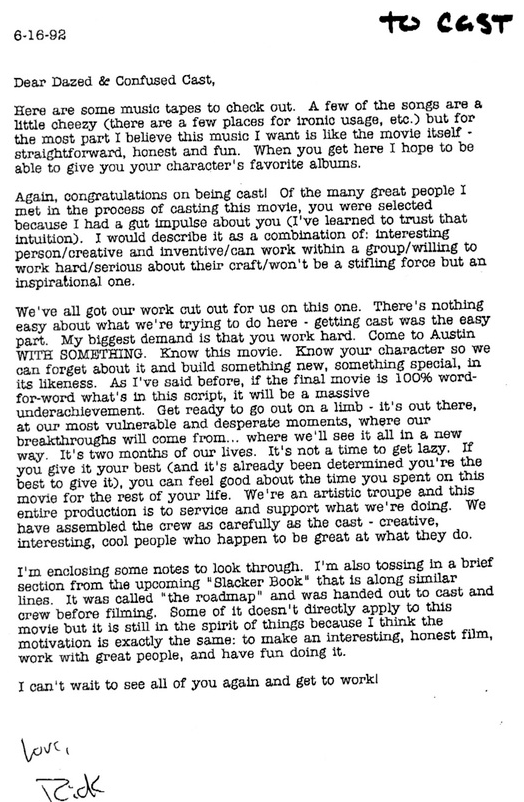
The sheer goofi­ness and joy­ous aban­don that is 80s heavy met­al con­tributes to the film’s char­ac­ter. And much of the love of Heavy Met­al Park­ing Lot comes from the same nos­tal­gic place as that for Dazed and Con­fused except that its char­ac­ters are the real deal. The doc­u­men­tary presents an authen­tic record of mid-80s sub­ur­ban youth in Amer­i­ca. It’s like­ly cos­tume design­ers of Richard Lin­klater’s fol­low-up peri­od piece Every­body Wants Some!! stud­ied Heavy Met­al Park­ing Lot in detail.

Like Lin­klater’s testos­terone-heavy films, Heavy Met­al Park­ing Lot is large­ly dom­i­nat­ed by dudes—metal bros who “may occa­sion­al­ly be inar­tic­u­late, sex­ist and obnox­ious.” And yet, even fans of the film who grew up in more enlight­ened times and places—and who may not have had friends who looked just like these guys—have found much to love in the movie. The slice-of-life char­ac­ter stud­ies and inter­views cre­ate “a time cap­sule,” Kru­lik told the Verge on the doc­u­men­tary’s 30th anniver­sary screen­ing, one sur­pris­ing­ly still “a lit­tle bit shock­ing.”

On the oth­er hand, Heavy Met­al Park­ing Lot remains a vital, time­less record of fandom—of the unvar­nished, uncrit­i­cal devo­tion young lovers of any pop cul­ture phe­nom­e­non bestow upon their object. And like cer­tain oth­er doc­u­men­taries about fandom—such as 1997’s Trekkies—Heavy Met­al Park­ing Lot allows its sub­jects to ful­ly be them­selves, with­out judg­ment or con­de­scen­sion. Even as ordi­nary, most­ly name­less, most­ly stoned and shirt­less kids in the sub­urbs, those selves prove to be as at least as enter­tain­ing as the flam­boy­ant band they came to see.

Heavy Met­al Park­ing Lot will be added to our list of Free Doc­u­men­taries, a sub­set of our col­lec­tion 4,000+ Free Movies Online: Great Clas­sics, Indies, Noir, West­erns, Doc­u­men­taries & More. Above you can also watch, â€śHeavy Met­al Park­ing Lot Alum­ni: Where Are They Now,” the sequel to our fea­tured film. 

via The Verge/Dead Spin

Relat­ed Con­tent:

1980s Met­al­head Kids Are All Right: New Study Sug­gests They Became Well-Adjust­ed Adults

Punk & Heavy Met­al Music Makes Lis­ten­ers Hap­py and Calm, Not Aggres­sive, Accord­ing to New Aus­tralian Study

Heavy Met­al: BBC Film Explores the Music, Per­son­al­i­ties & Great Cloth­ing That Hit the Stage in the 1980s

Josh Jones is a writer and musi­cian based in Durham, NC. Fol­low him at @jdmagness

50 Must-See Documentaries, Selected by 10 Influential Documentary Filmmakers

How to get a han­dle on doc­u­men­tary film? Giv­en not just the quan­ti­ty but the wide vari­ety of works in the field, with all their vast dif­fer­ences in style, dura­tion, approach, and epis­te­mol­o­gy, get­ting up to speed with the state of the art (or per­haps you con­sid­er it a form of essay, or of jour­nal­ism) can seem a daunt­ing task indeed. But as luck would have it, ten experts on doc­u­men­tary film — doc­u­men­tar­i­ans them­selves, in fact — have just done some of the work for you, select­ing a total of “Fifty Doc­u­men­taries You Need to See” for The Guardian.

Few pic­tures in the his­to­ry of cin­e­ma have played as impor­tant a role in the for­ma­tion of a genre as has Dzi­ga Ver­tov’s 1929 Man with a Movie Cam­era, which Man on Wire direc­tor James Marsh named as an essen­tial. “This was the first tru­ly sub­ver­sive, play­ful doc­u­men­tary,” he says. “It’s notion­al­ly a day in the life of a city in the Sovi­et Union and so it has, on a pure­ly sociological/historical lev­el, great val­ue. But what it does beyond that is to show you the means of pro­duc­tion: the film­ing, the cut­ting room, the edit­ing – all the things that are going into the mak­ing of this film.”

You can, of course, watch Man with a Movie Cam­era free at the top of this post. For the oth­er 49 Doc­u­men­taries You Need to See, you may have to do some more search­ing, but they’ll repay the effort many times over with their intel­lec­tu­al stim­u­la­tion, their unex­pect­ed dra­ma, and their explo­ration of the bor­der­lands between cin­e­mat­ic fic­tion and cin­e­mat­ic fact. Few films of any kind per­form that last mis­sion as astute­ly as Abbas Kiarostami’s Close-up (avail­able on Hulu if you start a free tri­al), about a man’s imper­son­ation of famous Iran­ian film­mak­er Mohsen Makhmal­baf, re-enact­ed with the very same peo­ple orig­i­nal­ly involved: the impos­tor, the fam­i­ly he tried to trick, the judge who presided over the ensu­ing tri­al, and even Makhmal­baf him­self.

Close-up (as well as one of Makhmal­baf’s own movies, Salaam Cin­e­ma) appears among the picks from Joshua Oppen­heimer, a doc­u­men­tar­i­an spe­cial­iz­ing in exam­i­na­tions of mas­sacres in Indone­sia. When you’ve watched all the rec­om­men­da­tions, you might con­sid­er cir­cling back and check­ing out Oppen­heimer’s The Act of Killing and The Look of Silence. By the same token, after you’ve seen Agnès Var­da’s The Glean­ers and I, have a look at Lucy Walk­er’s Waste Land; after Wern­er Her­zog’s Griz­zly Man, Kha­lo Mata­bane’s Sto­ry of a Beau­ti­ful Coun­try. But fair warn­ing before you launch into this view­ing project: once you come out of it, you won’t see the pos­si­bil­i­ties of cin­e­ma in quite the same way ever again — at the very least, you’ll see infi­nite­ly more of them.

For anoth­er list, see The 10 Great­est Doc­u­men­taries of All Time Accord­ing to 340 Film­mak­ers and Crit­ics.

Relat­ed Con­tent:

265 Free Doc­u­men­taries Online

Free: Dzi­ga Vertov’s A Man with a Movie Cam­era, the 8th Best Film Ever Made

Wern­er Her­zog Nar­rates the Touch­ing, Exis­ten­tial Jour­ney of a Plas­tic Bag

Based in Seoul, Col­in Mar­shall writes and broad­casts on cities, lan­guage, and style. He’s at work on a book about Los Ange­les, A Los Ange­les Primer, the video series The City in Cin­e­ma, the crowd­fund­ed jour­nal­ism project Where Is the City of the Future?, and the Los Ange­les Review of Books’ Korea Blog. Fol­low him on Twit­ter at @colinmarshall or on Face­book.

Watch City Out of Time, A Short Tribute to Venice, Narrated by William Shatner in 1959

Last month, Cana­da lost one of its impor­tant film­mak­ers, Col­in Low. Over a career span­ning six decades, Low worked on over 200 pro­duc­tions at the Nation­al Film Board of Cana­da. He won count­less awards, includ­ing two Short Film Palme d’Or awards at the Cannes Film Fes­ti­val. His work inspired oth­er soon-to-be-influ­en­tial film­mak­ers, like Ken Burns and Stan­ley Kubrick. And he helped pio­neer the giant-screen IMAX for­mat.

Above you can watch City Out of Time, Low’s short trib­ute to Venice. The 1959 film, writes the Nation­al Film Board of Cana­da, â€śdepicts Venice in all its splen­dor. In the tra­di­tion of Venet­ian painter Canalet­to, the film cap­tures the great Ital­ian city’s elu­sive beau­ty and fabled land­scapes, where spired church­es and tur­ret­ed palaces soar into a blue Mediter­ranean sky.” The film also fea­tures a nar­ra­tion by a young William Shat­ner, then only 28 years old, whose voice sounds noth­ing like the one we’d hear sev­er­al years lat­er in Star Trek, nev­er mind those unfor­get­table spo­ken-word albums he start­ed releas­ing in the late 1960s.

City Out of Time will be added to our list of Free Doc­u­men­taries, a sub­set of our col­lec­tion 4,000+ Free Movies Online: Great Clas­sics, Indies, Noir, West­erns, Doc­u­men­taries & More.

The sec­ond film on the page is Low’s 1952 ani­ma­tion, The Romance of Trans­porta­tion in Cana­da, which won a Short Film Palme d’Or at the Cannes Film Fes­ti­val.

Relat­ed Con­tent:

William Shat­ner Nar­rates Space Shut­tle Doc­u­men­tary

Nation­al Film Board of Cana­da Launch­es Free iPad App

Take a Vir­tu­al Tour of Venice (Its Streets, Plazas & Canals) with Google Street View

A Short His­to­ry of the Venice Bien­nale, the World’s Most Impor­tant Art Exhi­bi­tion

« Go BackMore in this category... »
Quantcast