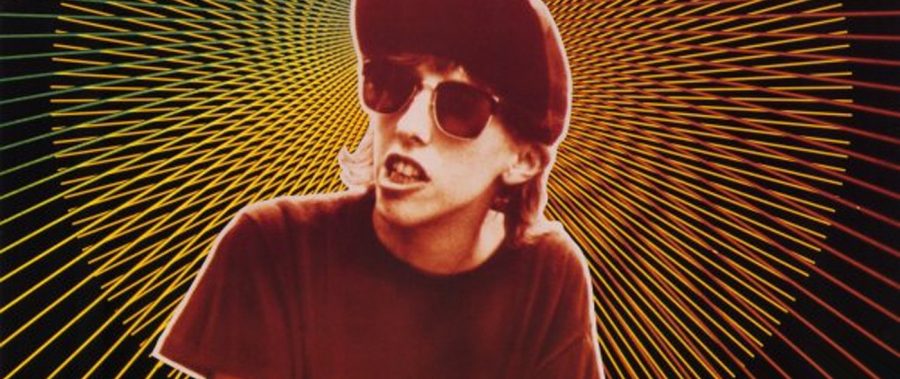
The Famous Intro to 20th Century Fox Films … As It Ought to Be

The world be an infi­nite­ly more cheer­ful place if every 20th Cen­tu­ry Fox Film start­ed like this, would­n’t it?

Find us on Face­book and Twit­ter, and don’t for­get to check out our col­lec­tion of 500 Free Online Movies.

by | Permalink | Make a Comment ( 8 ) |

James Franco Reads a Dreamily Animated Version of Allen Ginsberg’s Epic Poem ‘Howl’

“Hold back the edges of your gowns, Ladies, we are going through hell.” With those words, William Car­los Williams gives fair warn­ing to any­one bold enough to read Allen Gins­berg’s har­row­ing poem from the dark under­bel­ly of Amer­i­ca, “Howl.”

“Howl” made quite a stir when it was first pub­lished in 1956, spark­ing a noto­ri­ous obscen­i­ty tri­al and launch­ing Gins­berg as one of the most cel­e­brat­ed and con­tro­ver­sial poets of the 20th cen­tu­ry. In 2010, Rob Epstein and Jef­frey Fried­man made a film exam­in­ing the events sur­round­ing the poem’s incep­tion and recep­tion, star­ring James Fran­co as a young Gins­berg. The film is called Howl, and Newsweek called it “a response to a work of art that is art itself.”

Per­haps the most cel­e­brat­ed aspect of the film is its ani­mat­ed ver­sion of the poem itself. The sequence was designed by the artist Eric Drook­er, a friend of the late Gins­berg who is per­haps best known for his cov­ers for The New York­er–includ­ing the famous Octo­ber 10, 2011 cov­er show­ing a tow­er­ing stat­ue of a Wall Street bull with glow­ing red eyes and smoke­stack horns pre­sid­ing over the city like the false god in Gins­berg’s poem:

Moloch whose eyes are a thou­sand blind win­dows! Moloch whose sky­scrap­ers stand in the long streets like end­less Jeho­vahs! Moloch whose fac­to­ries dream and croak in the fog! Moloch whose smoke­stacks and anten­nae crown the cities!

Drook­er first met Gins­berg in the sum­mer of 1988, when they both lived on the Low­er East Side of Man­hat­tan. It was a time of local unrest, when police on horse­back were crack­ing down on punks and squat­ters occu­py­ing Tomp­kins Square Park. The young Drook­er had been plas­ter­ing the neigh­bor­hood with polit­i­cal action posters, and as he recalls on his Web site, Gins­berg lat­er “admit­ted that he’d been peel­ing them off brick walls and lamp­posts, and col­lect­ing them at home.”

The two men went on to col­lab­o­rate on sev­er­al projects, includ­ing Gins­berg’s final book, Illu­mi­nat­ed Poems. So Drook­er seemed a nat­ur­al for Epstein and Fried­man’s movie. “When they approached me with the inge­nious idea of ani­mat­ing ‘Howl,’ ” he says, “I thought they were nuts and said ‘sure, let’s ani­mate Dan­te’s Infer­no while we’re at it!’ Then they told me I’d work with a team of stu­dio ani­ma­tors who would bring my pic­tures to life… how could I say no?”

You can watch the begin­ning of Drook­er’s ani­mat­ed (and slight­ly abridged) ren­di­tion of “Howl” above, and con­tin­ue by click­ing the fol­low­ing six links:

Relat­ed con­tent:

Allen Gins­berg Reads His Clas­sic Beat Poem, ‘Howl’

Allen Gins­berg Reads a Poem he Wrote on LSD to William F. Buck­ley

The Bal­lad of the Skele­tons’: Allen Gins­berg’s 1996 Col­lab­o­ra­tion with Philip Glass and Paul McCart­ney

“Expan­sive Poet­ics” by Allen Gins­berg: A Free Course from 1981

Bill Murray Reads Wallace Stevens Poems — “The Planet on The Table” and “A Rabbit as King of the Ghosts”

On June 11th, Poets House host­ed The 17th Annu­al Poet­ry Walk Across the Brook­lyn Bridge. The event fea­tures “read­ings of the poet­ry of Walt Whit­man, Mar­i­anne Moore, Langston Hugh­es and oth­er greats,” all in order to raise funds for the New York City non-prof­it ded­i­cat­ed to cul­ti­vat­ing a wider audi­ence for poet­ry. And the event is reg­u­lar­ly attend­ed by the great­est cin­e­mat­ic sup­port­er of Poets House — the actor Bill Mur­ray.

In 2001, Mur­ray took part in the fes­tiv­i­ties and read three poems: Sarah Man­gu­so’s “What We Miss,” Cole Porter’s “Brush Up,” and Bil­ly Collins’ “For­get­ful­ness.” (Click links to see the read­ings.)  This year, he returned and delight­ed the audi­ence with a read­ing of two poems by Wal­lace Stevens: “The Plan­et on The Table” and “A Rab­bit as King of the Ghosts.”

But if you’re look­ing for my favorite read­ing, then I’ll steer you back to 2009, when Mur­ray read poems by Bil­ly Collins, Lorine Niedeck­er and Emi­ly Dick­in­son to con­struc­tion work­ers build­ing the new home for Poets House. It’s a charm­ing, very Bill Mur­ray moment.

Find more poet­ry in our col­lec­tion of Free Audio Books.

h/t @webacion

by | Permalink | Make a Comment ( 3 ) |

The Making of Apocalypse Now Remixed/Revisited

In an inter­view aired on San Fran­cis­co radio last week, Fran­cis Ford Cop­po­la acknowl­edged that he could no longer com­pete with him­self — that he could­n’t make the kind of films that made him famous dur­ing the 1970s. The God­fa­ther (1972), The God­fa­ther II (1974), and Apoc­a­lypse Now (1979) — they were big, sprawl­ing, mas­ter­ful films. And they some­times pushed a young Cop­po­la to the phys­i­cal and finan­cial brink.

The mak­ing of Apoc­a­lypse Now is a leg­endary tale. Shot in the Philip­pines in 1976, the pro­duc­tion ran into imme­di­ate prob­lems. After only two weeks, Cop­po­la fired Har­vey Kei­t­el, the lead actor, and replaced him with Mar­tin Sheen, who stum­bled into chaos upon his arrival. As biog­ra­ph­er Robert Sell­ers not­ed in The Inde­pen­dent, “Cop­po­la was writ­ing the movie as he went along and fir­ing per­son­nel, peo­ple were com­ing down with var­i­ous­trop­i­cal dis­eases and the heli­copters used in the com­bat sequences were con­stant­ly recalled by Pres­i­dent Mar­cos to fight his own war against anti-gov­ern­ment rebels.” And things only got worse from there. Mar­lon Bran­do showed up enor­mous­ly over­weight and not know­ing his lines. Then, dur­ing the dif­fi­cult film­ing, Sheen suf­fered a heart attack, and Cop­po­la him­self had a seizure and even­tu­al­ly a ner­vous break­down, appar­ent­ly threat­en­ing to com­mit sui­cide on sev­er­al occa­sions. Speak­ing about the whole expe­ri­ence years lat­er, Cop­po­la’s wife, Eleanor, said:

It was a jour­ney for him up the riv­er I always felt. He went deep­er and deep­er into him­self and deep­er and deep­er and deep­er into the pro­duc­tion. It just got out of con­trol.… The script was evolv­ing and the scenes were chang­ing — it just got larg­er and more com­plex. And lit­tle by lit­tle he got out there as far as his char­ac­ters. That was­n’t the inten­tion at all at the begin­ning.

Yes, it’s no won­der that Cop­po­la, now 73 years old, might not have anoth­er epic film in him.

Apoc­a­lypse Now hit the­aters exact­ly 33 years ago this week. And to com­mem­o­rate that occa­sion, we’re serv­ing up a short remix film, Heart of Cop­po­la, that weaves togeth­er scenes from the film, footage from behind the scenes, and audio of the great Orson Welles read­ing from Heart of Dark­ness, the Joseph Con­rad novel­la upon which Apoc­a­lypse Now was loose­ly based. (Find it in our col­lec­tion of Free Audio Books and Free eBooks.)

by | Permalink | Make a Comment ( 4 ) |

Bukowski: Born Into This — The Definitive Documentary on the Hard-Living American Poet (2003)

Neglect­ed to mark the occa­sion of poet and nov­el­ist Charles Bukows­ki’s birth­day yes­ter­day? Then observe it today with a view­ing of the doc­u­men­tary Bukows­ki: Born Into This (avail­able for pur­chase here). The most in-depth explo­ration of Bukowski’s life yet com­mit­ted to film, the movie “is valu­able because it pro­vides a face and a voice to go with the work,” wrote Roger Ebert in 2004. “Ten years have passed since Bukowski’s death, and he seems like­ly to last, if not for­ev­er, then longer than many of his con­tem­po­raries. He out­sells Ker­ouac and Kesey, and his poems, it almost goes with say­ing, out­sell any oth­er mod­ern poet on the shelf.” A wide range of Bukows­ki enthu­si­asts both expect­ed and unex­pect­ed appear onscreen: Sean Penn, Tom Waits, Har­ry Dean Stan­ton, Black Spar­row Press pub­lish­er John Mar­tin, film­mak­er Tay­lor Hack­ford (direc­tor of the ear­li­er doc­u­men­tary titled sim­ply Bukows­ki), and Bono, to name but a few. “Excerpts are skill­ful­ly woven with the rem­i­nis­cences of for­mer drink­ing bud­dies, fel­low writ­ers and Bukowski’s sec­ond wife, Lin­da, the keep­er of the flame, whom he mar­ried in 1985,” wrote Stephen Hold­en in the New York Times. “With­out strain­ing, the film makes a strong case for Bukows­ki as a major Amer­i­can poet whose work was a slash­ing rebuke to polite aca­d­e­m­ic for­mal­ism.”

Some might con­trar­i­ly con­sid­er Bukowski’s writ­ing glo­ri­fied wal­low­ing, a mere pro­fane exul­ta­tion of the low life, but Born Into This reveals that the man wrote as he lived and lived as he wrote, omit­ting nei­ther great embar­rass­ment nor minor tri­umph. Hold­en men­tions that Bukows­ki, “a pari­ah in high school, suf­fered from severe acne vul­garis, which cov­ered his face with run­ning sores that left his skin deeply pit­ted. He recalls stand­ing mis­er­ably in the dark out­side his senior prom, too humil­i­at­ed to show him­self,” and that for all his work deal­ing with late-life sex­u­al prowess, “he was a vir­gin until he was 24, the same age at which his first sto­ry was pub­lished. His descrip­tion of sex­u­al ini­ti­a­tion with an obese woman whom he wrong­ly accused of steal­ing his wal­let is a spec­tac­u­lar­ly unpromis­ing begin­ning to the pro­lif­ic sex­u­al activ­i­ty (described in his nov­el “Women”) that flow­ered after fame brought admir­ers.” Ebert asks the obvi­ous ques­tion: “How much was leg­end, how much was pose, how much was real?”  Then he answers it: “I think it was all real, and the doc­u­men­tary sug­gests as much. There were no shields sep­a­rat­ing the real Bukows­ki, the pub­lic Bukows­ki and the auto­bi­o­graph­i­cal hero of his work. They were all the same man. Maybe that’s why his work remains so imme­di­ate and affect­ing: The wound­ed man is the man who writes, and the wounds he writes about are his own.”

Relat­ed con­tent:

Charles Bukows­ki: Depres­sion and Three Days in Bed Can Restore Your Cre­ative Juices (NSFW)

The Last (Faxed) Poem of Charles Bukows­ki

Tom Waits Reads Charles Bukows­ki

Bono Reads Two Poems by Charles Bukows­ki, “Lau­re­ate of Amer­i­can Lowlife”

Charles Bukows­ki Reads His Poem “The Secret of My Endurance”

Col­in Mar­shall hosts and pro­duces Note­book on Cities and Cul­ture. Fol­low him on Twit­ter at @colinmarshall.

The Hearts of Age: Orson Welles’ Surrealist First Film (1934)

The sto­ry is leg­endary. When Orson Welles shot Cit­i­zen Kane (1941), he was a first-time film­mak­er who cre­at­ed what Roger Ebert has called “one of the mir­a­cles of cin­e­ma.” And, years lat­er, Welles admit­ted that per­haps youth­ful igno­rance, being a com­plete novice, was the genius of the film.

I didn’t know what you couldn’t do. I didn’t delib­er­ate­ly set out to invent any­thing. It just seemed to me, why not? And there is a great gift that igno­rance has to bring to any­thing. That was the gift I brought to Kane, igno­rance. [See him elab­o­rate on that here.]

If you want to get tech­ni­cal about things, Kane was­n’t Orson Welles’ first film. Back in the sum­mer of 1934, Welles, only 19 years old, joined up with William Vance, a high school friend, and shot The Hearts of Age. It ran eight short min­utes and fea­tured four cast mem­bers: Welles, Vance, Vir­ginia Nichol­son (Welles’ girl­friend and even­tu­al first wife) and Paul Edger­ton. Mean­while, the plot was sur­re­al, cryp­tic, hard to fol­low — all for a good rea­son. In an inter­view with Peter Bog­danovich, Welles claimed that The Hearts of Age was noth­ing but a par­o­dy of Jean Cocteau’s first film, The Blood of a Poet (1930). It was also a “joke,” a film “shot in two hours, for fun, one Sun­day after­noon. It has no sort of mean­ing.” Sens­es of Cin­e­ma has more on Welles’ first for­ay (or non-for­ay) into film­mak­ing. You can find it per­ma­nent­ly list­ed in our col­lec­tion of Free Movies Online, along with oth­er movies cre­at­ed by or star­ring the great Orson Welles.

Relat­ed Con­tent:

Orson Welles Nar­rates Plato’s Cave Alle­go­ry, Kafka’s Para­ble, and Free­dom Riv­er

Orson Welles’ The Stranger: The Full Movie

by | Permalink | Make a Comment ( 1 ) |

Fear and Loathing on the Road to Hollywood: The BBC’s 1978 Portrait of Hunter S. Thompson

“It’s been four years, maybe five,” mut­ters artist Ralph Stead­man as his flight descends into Col­orado. “I don’t know what the man has done since then. He may have ter­ri­ble brain dam­age.” He speaks of a famous col­lab­o­ra­tor, a writer whose ver­bal style the cul­ture has linked for­ev­er with Stead­man’s own visu­al style. “He has these mace guns and CO2 fire extin­guish­ers, which he usu­al­ly just aims at peo­ple,” Stead­man’s voiceover con­tin­ues, and we know this col­lab­o­ra­tor could be none oth­er than Hunter S. Thomp­son, the impul­sive, drug- and firearm-lov­ing chron­i­cler of an Amer­i­can Dream gone sour.  Many of Stead­man’s fans no doubt found their way into his blotchy and grotesque but nev­er­the­less pre­cise­ly observed artis­tic world in the pages of Thomp­son’s best-known book, 1971’s Fear and Loathing in Las Vegas — or in those of its fol­low-up Fear and Loathing on the Cam­paign Trail ’72, or along­side his “gonzo” ground-break­ing arti­cle “The Ken­tucky Der­by is Deca­dent and Depraved.” Fear and Loathing on the Road to Hol­ly­wood, the BBC Omnibus doc­u­men­tary above, finds the men reunit­ing in 1978 to take a jour­ney into the heart of, if not the Amer­i­can Dream, then at least the osten­si­ble Amer­i­can “Dream Fac­to­ry.”

As Stead­man’s British, mid­dle-aged stolid­ness may seem sur­pris­ing giv­en the out-and-out insan­i­ty some see in his imagery, so Thomp­son’s famous­ly errat­ic behav­ior belies his words’ sober (as it were) indict­ment of Amer­i­ca. He wrote of Thomas Jef­fer­son­’s belief in Amer­i­ca as “a chance to start again [ .. ] a fan­tas­tic mon­u­ment to all the best instincts of the human race.” But alas, “instead, we just moved in here and destroyed the place from coast to coast like killer snails.” We see him cruise the Vegas strip, suf­fer a fit of para­noia by Grau­man’s Chi­nese The­ater (though I myself react sim­i­lar­ly to Hol­ly­wood Boule­vard), and take a meet­ing about the film that may or may not have become Where the Buf­fa­lo Roam, which fea­tured Bill Mur­ray in the Thomp­son­ian per­sona. We see archival footage of Mur­ray help­ing Thomp­son out with his sar­don­ic “Re-elect Nixon in 1980” cam­paign. We even see Thomp­son have a hotel-room sit-down with Nixon’s White House Coun­sel John Dean, who tes­ti­fied against the Pres­i­dent in the Water­gate tri­al. Between these seg­ments, Thomp­son reflects on the wild, sub­stance-fueled per­sona he cre­at­ed, and how it had got­ten away from him even then: “I’m real­ly in the way, as a per­son. The myth has tak­en over.” But he always had an eye on the next phase: at the doc­u­men­tary’s end, he draws up plans for the memo­r­i­al mount and can­non that would, 27 years lat­er, fire his ash­es high into the air.

[NOTE: Fear and Loathing on the Road to Hol­ly­wood’s nar­ra­tor refers to Thomp­son as a for­mer Hel­l’s Angel. In fact, he only rode along­side the Hel­l’s Angels, col­lect­ing mate­r­i­al for the book Hel­l’s Angels: The Strange and Ter­ri­ble Saga of the Out­law Motor­cy­cle Gangs. Remain­ing a non-mem­ber all the while, he even bought a British bike to dis­tin­guish him­self from the Harley-David­son-ded­i­cat­ed gang.]

Look for Fear and Loathing on the Road to Hol­ly­wood in our col­lec­tion of Free Doc­u­men­taries Online, part of our col­lec­tion of 635 Free Movies Online.

Relat­ed Con­tent:

The Crazy Nev­er Die: Hunter S. Thomp­son in Rare 1988 Doc­u­men­tary (NSFW)

Hunter S. Thompson’s The Rum Diary: a ‘Warped Casablan­ca’

Hunter S. Thomp­son Gets Con­front­ed by The Hell’s Angels

John­ny Depp Reads Let­ters from Hunter S. Thomp­son (NSFW)

Col­in Mar­shall hosts and pro­duces Note­book on Cities and Cul­ture. Fol­low him on Twit­ter at @colinmarshall.

Unseen Scenes from Jim Jarmusch’s 1986 Jailbreak Movie Down By Law

In 1980, Jim Jar­musch made his first fea­ture, Per­ma­nent Vaca­tion, an urban walk­a­bout that’s equal parts stark, alien­at­ed, and fun­ny. Four years lat­er came Stranger Than Par­adise, a film often com­pared to both Yasu­jiro Ozu and The Hon­ey­moon­ers, and the one that made his name in the cinephilic con­scious­ness. Faced with the job of fol­low­ing up this sur­pris­ing­ly (some would say shock­ing­ly) low-key hit, Jar­musch came up with 1986’s Down By Law. His pro­duc­tions have always tak­en pains to assem­ble dis­tinc­tive casts, and this one stars the trio of Tom Waits, Stranger Than Par­adise’s John Lurie, and Rober­to Benig­ni. When the three find them­selves locked up togeth­er in the same prison cell, they devise an escape plan that takes them straight out into the sur­round­ing Louisiana swamps. The film there­fore rep­re­sents Jar­musch’s entry into the genre of the jail­break movie, albeit in the same con­ven­tion-skew­ing, tra­di­tion-dis­miss­ing, tan­gen­tial way that his Dead Man was a west­ern, his Ghost Dog was a samu­rai movie, and his The Lim­its of Con­trol was a spy thriller.

Above you’ll find unseen scenes Jar­musch shot for Down by Law (here’s part two) show­ing a few char­ac­ter­is­ti­cal­ly intrigu­ing moments of per­for­mance from Waits, Lurie, and oth­ers in jail and out on the streets of New Orleans. All of it comes shot in a rich, dream­like black-and-white by famed cin­e­matog­ra­ph­er Rob­by Müller, a look Jar­musch tried out in Stranger Than Par­adise and would lat­er per­fect in Dead Man. Though these scenes did­n’t ulti­mate­ly make it into the movie, they nonethe­less come off as clear­ly Jar­muschi­an in their appear­ance and tone. Crit­ics have long con­sid­ered Jar­musch one of the least, if not the least com­pro­mis­ing inde­pen­dent film­mak­er to come out of the eight­ies. You can, of course, see that in the way an entire per­son­al­i­ty comes through in each of his films. But lis­ten close­ly to these out­takes, and you’ll find that even the way he says “action” and “cut” bears the stamp of his cin­e­mat­ic atti­tude.

Relat­ed Con­tent:

Jim Jar­musch: The Art of the Music in His Films

Col­in Mar­shall hosts and pro­duces Note­book on Cities and Cul­ture. Fol­low him on Twit­ter at @colinmarshall.

« Go BackMore in this category... »
Quantcast