The Art of the Japanese Teapot: Watch a Master Craftsman at Work, from the Beginning Until the Startling End

Peo­ple all over the world enjoy Japan­ese tea, but few of them have wit­nessed a prop­er Japan­ese tea cer­e­mo­ny — and see­ing as a prop­er Japan­ese tea cer­e­mo­ny can last up to four hours, many prob­a­bly imag­ine they don’t have the endurance. But Japan­ese tea cul­ture holds up metic­u­lous­ness as a high virtue for the pre­par­er, the drinker, and even more so the crafts­man who makes the tea ware both of them use. In the video above, you can see one such mas­ter named Shimizu Gen­ji at work in his stu­dio in Tokon­ame, a city known as a ceram­ics cen­ter for hun­dreds and hun­dreds of years.

Shimizu, writes the pro­pri­etor of pot­tery site Artisticnippon.com about a vis­it to his work­shop, “throws a block of clay onto the wheel, cre­at­ing the teapot’s body, han­dle, spout and lid one after anoth­er, all from the same block. It real­ly is quite mes­meris­ing and awe-inspir­ing to watch.”

Once he assem­bles these for­mi­da­bly sol­id-look­ing but decep­tive­ly light pieces, he dries them out over three days, a process that offers “just one exam­ple of the time and care invest­ed in the craft­ing of exquis­ite Tokon­ame teapots.” Final­ly comes the sea­weed, of which cer­tain pieces get a lay­er applied before fir­ing. After­ward, the traces left by the sea­weed cre­ate a “charred” pat­tern­ing called mogake.

We would sure­ly wel­come any of Shimizu’s prod­ucts, or those by the oth­er respect­ed prac­ti­tion­ers of his tra­di­tion, into our home. But as with all Japan­ese crafts honed over count­less gen­er­a­tions, the process counts for just as much as the prod­uct, or even more so. Take, for instance, Shimizu’s process as cap­tured by this video: we appre­ci­ate the con­cen­tra­tion, delib­er­a­tion, and sen­si­tiv­i­ty shown at each and every stage, and the pieces of the teapot as they come into exis­tence don’t look half bad either. But if we become too attached to the final result we’ve been antic­i­pat­ing over these four­teen min­utes — well, suf­fice it to say that the mas­ter crafts­man has a les­son in imper­ma­nence in store for us.

Relat­ed Con­tent:

Japan­ese Crafts­man Spends His Life Try­ing to Recre­ate a Thou­sand-Year-Old Sword

The Mak­ing of Japan­ese Hand­made Paper: A Short Film Doc­u­ments an 800-Year-Old Tra­di­tion

Watch a Japan­ese Crafts­man Lov­ing­ly Bring a Tat­tered Old Book Back to Near Mint Con­di­tion

The Art of Col­lo­type: See a Near Extinct Print­ing Tech­nique, as Lov­ing­ly Prac­ticed by a Japan­ese Mas­ter Crafts­man

Based in Seoul, Col­in Mar­shall writes and broad­casts on cities and cul­ture. His projects include the book The State­less City: a Walk through 21st-Cen­tu­ry Los Ange­les and the video series The City in Cin­e­ma. Fol­low him on Twit­ter at @colinmarshall or on Face­book.

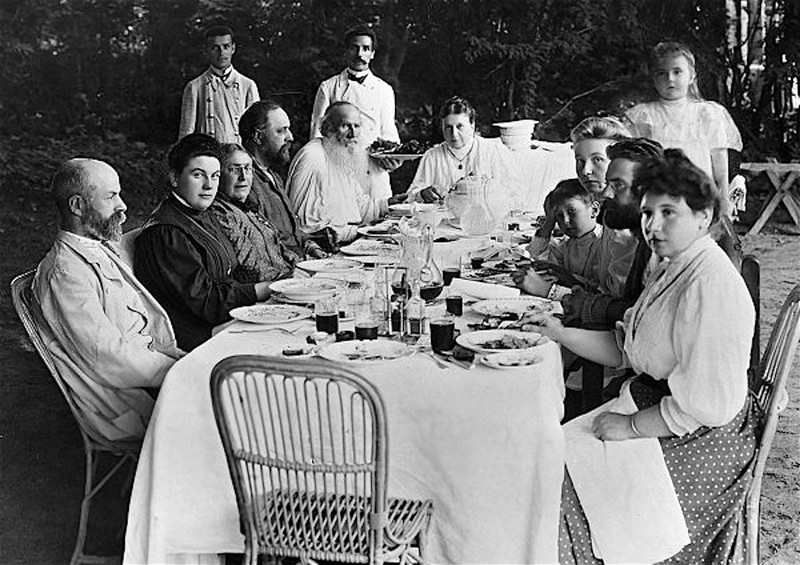
Leo Tolstoy’s Family Recipe for Mac ‘N’ Cheese

In 1874, Stepan Andree­vich Bers pub­lished The Cook­book and gave it as a gift to his sis­ter, count­ess Sophia Andreev­na Tol­staya, the wife of the great Russ­ian nov­el­ist, Leo Tol­stoy. The book con­tained a col­lec­tion of Tol­stoy fam­i­ly recipes, the dish­es they served to their fam­i­ly and friends, those for­tu­nate souls who belonged to the aris­to­crat­ic rul­ing class of late czarist Rus­sia. Almost 150 years lat­er, this cook­book has been trans­lat­ed and repub­lished by Sergei Bel­tyukov.

Avail­able in an inex­pen­sive Kin­dle for­mat ($3.99), Leo Tol­stoy’s fam­i­ly recipe book fea­tures dozens of recipes, every­thing from Tar­tar Sauce and Spiced Mush­rooms (what’s a Russ­ian kitchen with­out mush­rooms?), to Stuffed Dumplings and Green Beans à la Maître d’Hô­tel, to Cof­fee Cake and Vien­nese Pie. The text comes with a trans­la­tion, too, of Russ­ian weights and mea­sures used dur­ing the peri­od. One recipe Mr. Bel­tyukov pro­vid­ed to us (which I did­n’t see in the book) is for the Tol­stoy’s good ole Mac ‘N’ Cheese dish. It goes some­thing like this:

Bring water to a boil, add salt, then add mac­a­roni and leave boil­ing on light fire until half ten­der; drain water through a colan­der, add but­ter and start putting mac­a­roni back into the pot in lay­ers – lay­er of mac­a­roni, some grat­ed Parme­san and some veg­etable sauce, mac­a­roni again and so on until you run out of mac­a­roni. Put the pot on the edge of the stove, cov­er with a lid and let it rest in light fire until the mac­a­roni are soft and ten­der. Shake the pot occa­sion­al­ly to pre­vent them from burn­ing.

We’ll leave you with bon appétit! — an expres­sion almost cer­tain­ly heard in the homes of those French-speak­ing Russ­ian aris­to­crats.

If you would like to sign up for Open Culture’s free email newslet­ter, please find it here. It’s a great way to see our new posts, all bun­dled in one email, each day.

If you would like to sup­port the mis­sion of Open Cul­ture, con­sid­er mak­ing a dona­tion to our site. It’s hard to rely 100% on ads, and your con­tri­bu­tions will help us con­tin­ue pro­vid­ing the best free cul­tur­al and edu­ca­tion­al mate­ri­als to learn­ers every­where. You can con­tribute through Pay­Pal, Patre­on, and Ven­mo (@openculture). Thanks!

Note: This post first appeared on OC back in 2014.

Relat­ed Con­tent:

Leo Tolstoy’s 17 “Rules of Life:” Wake at 5am, Help the Poor, & Only Two Broth­el Vis­its Per Month

Rare Record­ing: Leo Tol­stoy Reads From His Last Major Work in Four Lan­guages, 1909

Vin­tage Footage of Leo Tol­stoy: Video Cap­tures the Great Nov­el­ist Dur­ing His Final Days

An Archive of 3,000 Vin­tage Cook­books Lets You Trav­el Back Through Culi­nary Time

MIT Teach­es You How to Speak Ital­ian & Cook Ital­ian Food All at Once (Free Online Course)

The Futur­ist Cook­book (1930) Tried to Turn Ital­ian Cui­sine into Mod­ern Art

Works by Tol­stoy can be found in our col­lec­tions, 800 Free eBooks for iPad, Kin­dle & Oth­er Devices and 1,000 Free Audio Books: Down­load Great Books for Free

by | Permalink | Make a Comment ( 1 ) |

How to Cook Like Frida Kahlo & Georgia O’Keefe

It’s a myth that starv­ing artists don’t eat.

They do, just not often or well. Their meals rarely rate recipes, let alone cook­books.

Those cook­books do exist though.…

The most­ly con­cep­tu­al Starv­ing Artist Cook­book put togeth­er by EIDIA (aka artists Paul Lamarre and Melis­sa Wolf) comes close to the spir­it of sus­tain­ing life through mea­ger ingre­di­ents… like spaghet­ti or 4 pages of shred­ded Prav­da.

Not so this oth­er title, which approach­es cute over­load with an abun­dance of Insta­gram-wor­thy illus­trat­ed fare—moji­tos, an unstruc­tured berry tart, a “man­ly” burg­er.…

Do “starv­ing” artists no longer fear being out­ed as posers?

Suc­cess­ful artists may not wor­ry about that, as they eat what­ev­er and how­ev­er they want.

Andy Warhol had the taste of an eccen­tric child.

Mari­na Abramović takes the ascetic route.

Many have glady trad­ed the can­dle in the chi­anti bot­tle for the most rar­i­fied restau­rants in town.

Geor­gia O’Keefe and Fri­da Kahlo, PBS Dig­i­tal Stu­dios’ series the Art Assign­ment informs us, took cooking—and eating—seriously.

So seri­ous­ly, their culi­nary efforts led to cook­books, which the Art Assignment’s host, cura­tor Sarah Urist Green, tries out on cam­era.

O’Keefe, who grew up in Wis­con­sin on home­made yogurt, home­made cheese, and plen­ti­ful home­grown pro­duce, ground her own flour in order to bake dai­ly loaves of whole wheat bread.

Green treats view­ers to a brief overview of O’Keefe’s life and work as she strug­gles with the grinder. (You might get the same, or bet­ter, results if you take a $5 bill to a good bak­ery right at open­ing.)

She also tack­les the wheat germ Tiger’s Milk smooth­ie advo­cat­ed by Adele Davis, a nutri­tion­ist whom O’Keefe  admired, and Green Chiles with Gar­lic and Oil and Fried Eggs, using recipes from the cook­books A Painter’s Kitchen and Din­ner with Geor­gia O’Keefe.

Before attempt­ing the same, you might want to watch the Kahlo-cen­tric episode, above, in which Green dis­cov­ers a much bet­ter method for roast­ing the poblano pep­pers she hap­less­ly sub­sti­tut­ed for New Mex­i­co chiles in O’Keefe’s egg dish.

Here, they’re used for Chiles Rel­lenos, a dish whose pro­nun­ci­a­tion the self-effac­ing Green butch­ers, along with a mul­ti­tude of oth­er Span­ish phras­es, a fact not lost on the video’s Youtube com­menters. They also take issue with the pres­ence of plan­tains, her prepa­ra­tion of the Nopales Sal­ad, and her cook­ing skills in gen­er­al. No won­der Green—a self-pro­claimed wussy where ser­ra­nos are concerned—seems so eager to reach for a shot of tequi­la as din­ner is final­ly served.

Green chose the dish­es for this episode from Frida’s Fies­tas: Recipes and Rem­i­nis­cences of Life with Fri­da Kahlo by Marie-Pierre Colle and Kahlo’s step­daugh­ter, Guadalupe Rivera.

Kahlo her­self learned to cook from her mother’s copy of El Nue­vo Cocinero Meji­cano, and from hus­band Diego Rivera’s first wife, Guadalupe (lead­ing one to won­der if some of that cook­book’s recipes aren’t mis­at­trib­uted to the more famous cook).

As with the O’Keefe video and the cook­books cit­ed here­in, there’s a wealth of vin­tage pho­tos and repro­duced art­work on dis­play.

Even though Green alludes to Kahlo’s dark side, sen­si­tive stom­achs might have trou­ble with the inclu­sion of the graph­i­cal­ly vio­lent Unos Quan­tos Piqueti­tos. Anoth­er paint­ing, My Nurse and I is at least relat­ed to eat­ing, if not cook­ing and recipes.

Those with stom­achs of steel on the oth­er hand can con­tin­ue on to anoth­er Art Assignment—the supreme­ly gross Meat Sculp­ture from the Futur­ist Cook­book.

Relat­ed Con­tent:

The Futur­ist Cook­book (1930) Tried to Turn Ital­ian Cui­sine into Mod­ern Art

MoMA’s Artists’ Cook­book (1978) Reveals the Meals of Sal­vador Dalí, Willem de Koon­ing, Andy Warhol, Louise Bour­geois & More

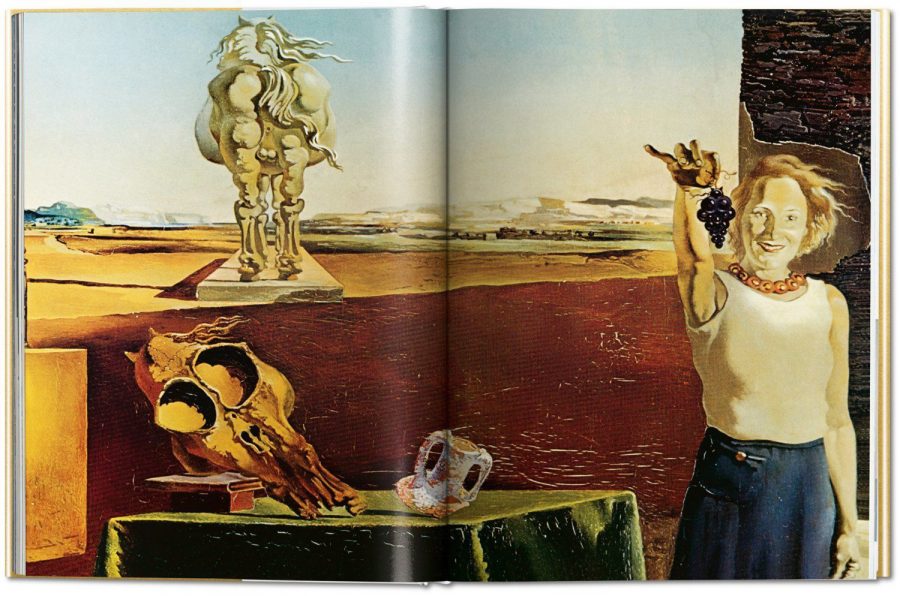
Sal­vador Dalí’s 1973 Cook­book Gets Reis­sued: Sur­re­al­ist Art Meets Haute Cui­sine

Ayun Hal­l­i­day is an author, illus­tra­tor, the­ater mak­er and Chief Pri­ma­tol­o­gist of the East Vil­lage Inky zine.  Dis­cuss Emi­ly Dick­in­son with her infor­mal­ly at Pete’s Mini Zine­fest in Brook­lyn this Sat­ur­day. Fol­low her @AyunHalliday.

Bob Dylan Potato Chips, Anyone?: What They’re Snacking on in China

They sound tasty. The rub? You have to trav­el to Chi­na to get them.

And now a ques­tion for any read­ers flu­ent in Chi­nese. Can you trans­late the text on the bag? We would be curi­ous to know what’s the pitch for these chips. Feel free to put any trans­la­tions in com­ments sec­tion below.

via @stevesilberman

If you would like to sign up for Open Culture’s free email newslet­ter, please find it here. It’s a great way to see our new posts, all bun­dled in one email, each day.

If you would like to sup­port the mis­sion of Open Cul­ture, con­sid­er mak­ing a dona­tion to our site. It’s hard to rely 100% on ads, and your con­tri­bu­tions will help us con­tin­ue pro­vid­ing the best free cul­tur­al and edu­ca­tion­al mate­ri­als to learn­ers every­where. You can con­tribute through Pay­Pal, Patre­on, and Ven­mo (@openculture). Thanks!

Relat­ed Con­tent:

Allen Gins­berg Teach­es You How to Med­i­tate with a Rock Song Fea­tur­ing Bob Dylan on Bass

Two Leg­ends Togeth­er: A Young Bob Dylan Talks and Plays on The Studs Terkel Pro­gram, 1963

Jeff Bridges Nar­rates a Brief His­to­ry of Bob Dylan’s and The Band’s Base­ment Tapes

by | Permalink | Make a Comment ( 5 ) |

An Animated History of Tea

Self pro­claimed tea geek, Shu­nan Teng’s knowl­edge of her cho­sen sub­ject extends well beyond the prop­er way to serve and pre­pare her best-loved bev­er­age.

Her recent TED-Ed les­son on the His­to­ry of Tea, above, hints at cen­turies of blood­shed and mer­ce­nary trade prac­tices, dis­creet­ly masked by Steff Lee’s benign ani­ma­tion.

Addic­tion, war, and child labor—the last, a grim ongo­ing real­i­ty…. Med­i­tate on that the next time you’re enjoy­ing a nice cup of Dar­jeel­ing, or bet­ter yet, matcha, a prepa­ra­tion whose West­ern buzz is start­ing to approx­i­mate that of the Tang dynasty.

Even die-hard cof­fee loy­al­ists with lit­tle patience for the rit­u­al­is­tic niceties of tea cul­ture can indulge in some fas­ci­nat­ing triv­ia, from the inven­tion of the clip­per ship to the pos­si­ble health ben­e­fits of eat­ing rather than drink­ing those green leaves.

Test your TQ post-les­son with TED-Ed’s quiz, or this one from Tea Drunk, Teng’s authen­tic Man­hat­tan tea house.

Relat­ed Con­tent:

George Orwell Explains How to Make a Prop­er Cup of Tea

10 Gold­en Rules for Mak­ing the Per­fect Cup of Tea (1941)

“The Virtues of Cof­fee” Explained in 1690 Ad: The Cure for Lethar­gy, Scurvy, Drop­sy, Gout & More

Ayun Hal­l­i­day is an author, illus­tra­tor, the­ater mak­er and Chief Pri­ma­tol­o­gist of the East Vil­lage Inky zine. She’ll be appear­ing onstage in New York City this June as one of the clowns in Paul David Young’s Faust 3. Fol­low her @AyunHalliday.

How Baking, Cooking & Other Daily Activities Help Promote Happiness and Alleviate Depression and Anxiety

Image by Beth MacKen­zie, via Flickr Com­mons

Most healthy peo­ple prac­tice at least some form of what we call these days “self-care,” whether it be yoga, med­i­ta­tion, run­ning, writ­ing, art, music, ther­a­py, col­or­ing books, or what-have-you. And if you’re func­tion­ing tol­er­a­bly well in the mad­ness of our times, you’re prob­a­bly dip­ping reg­u­lar­ly into the well of at least one restora­tive dis­ci­pline, in addi­tion to what­ev­er larg­er beliefs you may hold.

But per­haps you feel at loose ends—unable to find the time or mon­ey for yoga class­es or paint­ing, feel­ing too rest­less to sit motion­less for half an hour or more a day.… The activ­i­ties that sus­tain our psy­ches should not feel unat­tain­able. One need not be a yogi, Zen monk, marathon­er, or Impres­sion­ist to find reg­u­lar ful­fil­ment in life. Per­haps reg­u­lar, ordi­nary activ­i­ties have the pow­er to make us just as hap­py.

Recent research sug­gests that tasks such as “knit­ting, cro­chet­ing and jam-mak­ing” can “work won­ders for well­be­ing,” writes Tom Ough at The Tele­graph, as can oth­er cre­ative prac­tices like “cook­ing, bak­ing, per­form­ing music, paint­ing, draw­ing, sketch­ing, dig­i­tal design and cre­ative writ­ing.” All may have pro­found effects on emo­tion­al health. This list might expand indef­i­nite­ly to include any hands-on activ­i­ty with mea­sur­able results, from wood­work­ing to bee­keep­ing.

A 2016 study of 658 stu­dents at New Zealand’s Ota­go Uni­ver­si­ty found that engag­ing in small cre­ative pur­suits on a dai­ly basis pro­duces enthu­si­asm and feel­ings of “flourishing”—“a men­tal health term describ­ing hap­pi­ness and mean­ing.” The results of, say, mak­ing a loaf of bread or a scarf, don’t sim­ply ben­e­fit us in the moment, but car­ry over into the future. As the study’s lead author Tam­lin Con­nor notes, “engag­ing in cre­ative behav­iour leads to increas­es in well-being the next day, and this increased well-being is like­ly to facil­i­tate cre­ative activ­i­ty on the same day.”

The more we bake, the more we’ll want to bake, the hap­pi­er we’ll feel.

Does focus­ing our atten­tion on small, achiev­able dai­ly tasks lead to the kind of meta­phys­i­cal ful­fil­ment most peo­ple seem to crave—what Vik­tor Fran­kl called “man’s search for mean­ing”? Not nec­es­sar­i­ly, no. “Recent research sug­gests,” notes Daisy Gre­w­al at Sci­en­tif­ic Amer­i­can, “that while hap­pi­ness and a sense of mean­ing often over­lap, they also diverge in impor­tant and sur­pris­ing ways.” Fran­kl may not be wrong about the need for mean­ing, but even he admit­ted that seek­ing it out is not iden­ti­cal to the pur­suit of hap­pi­ness.

In a 2013 study pub­lished in The Jour­nal of Pos­i­tive Psy­chol­o­gy, Roy Baumeis­ter, Kath­leen Vohs, Jen­nifer Aak­er, and Emi­ly Garbin­sky found that hap­pi­ness, “flour­ish­ing,” or emo­tion­al well-being cor­re­late strong­ly with “sat­is­fy­ing one’s needs and wants” as well as with “being a giv­er rather than a tak­er.” Phi­los­o­phy, pol­i­tics, reli­gion, and art may seek truth or coher­ence, but while “con­cerns with per­son­al iden­ti­ty and express­ing the self con­tributed to mean­ing,” they have lit­tle last­ing effect on hap­pi­ness, as many a philoso­pher, priest, or poet may tell you. On the oth­er hand, while hav­ing com­fort­able eco­nom­ic means does mea­sur­ably improve hap­pi­ness, it does not con­tribute sig­nif­i­cant­ly to a sense of larg­er pur­pose (that which, Fran­kl argued stren­u­ous­ly, can save our lives in times of cri­sis).

Baumeis­ter and his col­leagues obtained their find­ings by sur­vey­ing around 400 Amer­i­can adults over a peri­od of three weeks, dur­ing which time the par­tic­i­pants mon­i­tored a vari­ety of dai­ly activ­i­ties. In one read­ing of the Ota­go Uni­ver­si­ty study, Daisy Mea­ger at Vice focus­es spe­cial­ly on bak­ing as a means to ward off a “shit­ty mood.” It may be a mat­ter of taste—some may pre­fer mak­ing sauces to cakes. The effects are the same, “a com­mon cure,” writes Dan­ny Lewis at Smith­son­ian, “for stress or feel­ing down.”

Mea­ger points to work done by Julie Ohana, a “culi­nary ther­a­pist” who uses the kitchen to help patients com­bat “depres­sion, anx­i­ety, and oth­er men­tal health issues.” Vice’s Jack­son Con­nor describes his per­son­al expe­ri­ence of how cook­ing “alle­vi­ates symp­toms of stress and anx­i­ety almost imme­di­ate­ly,” as well as over time. And no less an author­i­ty than food the­o­rist Michael Pol­lan makes the per­sua­sive case for “how cook­ing can change your life” in the short ani­mat­ed video below (see his full talk at the RSA here).

Fur­ther argu­ing, how­ev­er, for bak­ing as a spe­cial form of “flour­ish­ing,” Julie Thom­son at Huff­Po describes the act as “a pro­duc­tive form of self-expres­sion and com­mu­ni­ca­tion” and con­sults with experts like Ohana and Don­na Pin­cus, asso­ciate pro­fes­sor of psy­cho­log­i­cal and brain sci­ences at Boston Uni­ver­si­ty, who told Thom­son, “Bak­ing has the ben­e­fit of allow­ing peo­ple cre­ative expres­sion.” Peo­ple who may not be nat­ur­al artists, writ­ers, or musi­cians. Yet bak­ing is also a kind of prob­lem-solv­ing as well as a cre­ative act, and “actu­al­ly requires a lot of full atten­tion.”

You have to mea­sure, focus phys­i­cal­ly on rolling out dough. If you’re focus­ing on smell and taste, on being present with what you’re cre­at­ing, that act of mind­ful­ness in that present moment can also have a result in stress reduc­tion.

The ref­er­ence to mind­ful­ness is apt. (Go ahead and read about a course on “Brea­d­i­ta­tion,” make fun of it, then try it at home.) I know not a few peo­ple who swear they can­not med­i­tate to save their lives, but who will hap­pi­ly spend a cou­ple hours on a Sat­ur­day evening bak­ing brioche or plates of cook­ies. But there’s more to it than the med­i­ta­tive absorp­tion that comes from mind­ful activ­i­ty. Bak­ing, says Pincus—and cook­ing in general—is a form of altru­ism. “The nice thing about bak­ing,” she ways, “is that you have such a tan­gi­ble reward at the end and that can feel very ben­e­fi­cial to oth­ers.”

So the research sug­gests that—whatever activ­i­ties one grav­i­tates toward—finding hap­pi­ness on a dai­ly basis involves more than using Pin­ter­est boards and mag­a­zines to craft a cozy, styl­ish new life. Though any sus­tained cre­ative activ­i­ty may do the trick, we approach clos­er to last­ing hap­pi­ness as well as greater fulfillment—to meaning—when we direct activ­i­ty to a “con­nec­tion with oth­er peo­ple” through gen­eros­i­ty.

via Sci­en­tif­ic Amer­i­can

Relat­ed Con­tent:

Michael Pol­lan Explains How Cook­ing Can Change Your Life; Rec­om­mends Cook­ing Books, Videos & Recipes

53 New York Times Videos Teach Essen­tial Cook­ing Tech­niques: From Poach­ing Eggs to Shuck­ing Oys­ters

How to Get Start­ed with Yoga: Free Yoga Lessons on YouTube

Stream 18 Hours of Free Guid­ed Med­i­ta­tions

Free Col­or­ing Books from World-Class Libraries & Muse­ums: The Met, New York Pub­lic Library, Smith­son­ian & More

Holo­caust Sur­vivor Vik­tor Fran­kl Explains Why If We Have True Mean­ing in Our Lives, We Can Make It Through the Dark­est of Times

Josh Jones is a writer and musi­cian based in Durham, NC. Fol­low him at @jdmagness

Watch Teeny Tiny Japanese Meals Get Made in a Miniature Kitchen: The Joy of Cooking Mini Tempura, Sashimi, Curry, Okonomiyaki & More

Every time I go to Japan, I mar­vel at the arti­fi­cial sand­wich­es, omelets, bowls of noo­dles, and par­faits dis­played out­side even the hum­blest shop­ping-arcade cafés, all made to give the cus­tomer a more vivid sense of the dish­es on offer than would any two-dimen­sion­al pho­to­graph. But while those fake foods, made to scale with polyvinyl chlo­ride and oth­er ined­i­ble mate­ri­als, do reflect Japan’s long tra­di­tion of high-qual­i­ty hand-crafts­man­ship, they don’t reflect some of the cul­ture’s oth­er virtues: the advanced Japan­ese skills of minia­tur­iza­tion (remarked upon by even the ear­li­est West­ern vis­i­tors to the once-closed coun­try), not to men­tion the deli­cious­ness of actu­al Japan­ese food.

At a stroke, the Youtube chan­nel Minia­ture Space com­bines all of those into a sin­gle project: its cre­ators repli­cate a vari­ety of clas­sic Japan­ese, West­ern, and Japan­ese-West­ern dish­es like shrimp tem­pu­ra, cur­ry, and okonomiya­ki on video, all at what seems an impos­si­bly small scale. Not only that, but they use only minia­ture kitchen tools, right down to wee knives, spat­u­las, and rolling pins as well as tea can­dle-pow­ered stoves.

Some of these, writes iDig­i­tal­Times’ ND Med­i­na, “come from Re-Ment, a Japan­ese com­pa­ny not­ed for the impres­sive detail of its minia­tures. How­ev­er, many of the tools used have long been out of pro­duc­tion, like any­thing by Kon­a­pun, a brand which made fun minia­ture cook­ing sets for kids to expe­ri­ence the joys of cook­ing.”

Minia­ture cook­ing at this lev­el of rig­or requires not just con­sid­er­able man­u­al dex­ter­i­ty but a cer­tain knack for cre­ative sub­sti­tu­tion: tooth­picks instead of stan­dard skew­ers, quail eggs instead of chick­en eggs, spe­cial shrimp from the aquar­i­um sup­ply store small enough to fit inside one’s thim­ble-sized cook­ing pot. Though aes­thet­i­cal­ly sat­is­fy­ing on many lev­els and tech­ni­cal­ly edi­ble to boot, these mini-meals would­n’t sat­is­fy any nor­mal human appetite. Nev­er­the­less, watch­ing enough Minia­ture Space videos in a row will almost cer­tain­ly get you hun­ger­ing for a reg­u­lar-sized grill of yak­i­tori, bowl of spaghet­ti, or plate of pan­cakes — and leave you with some of the know-how need­ed to make such dish­es, even in a non-minia­ture kitchen.

You can view a playlist of minia­ture Japan­ese cook­ing here.

Relat­ed Con­tent:

Cook­pad, the Largest Recipe Site in Japan, Launch­es New Site in Eng­lish

How Japan­ese Things Are Made in 309 Videos: Bam­boo Tea Whisks, Hina Dolls, Steel Balls & More

Build Your Own Minia­ture Sets from Hayao Miyazaki’s Beloved Films: My Neigh­bor Totoro, Kiki’s Deliv­ery Ser­vice & More

Based in Seoul, Col­in Mar­shall writes and broad­casts on cities and cul­ture. He’s at work on a book about Los Ange­les, A Los Ange­les Primer, the video series The City in Cin­e­ma, the crowd­fund­ed jour­nal­ism project Where Is the City of the Future?, and the Los Ange­les Review of Books’ Korea Blog. Fol­low him on Twit­ter at @colinmarshall or on Face­book.

How to Make the World’s Smallest Cup of Coffee, from Just One Coffee Bean

The Finnish cof­fee com­pa­ny, Paulig, has been around for a good long while–since 1876, to pre­cise. But only in 2017 did they get around to doing this–enlisting Helsin­ki design­er Lucas Zan­ot­to “to make the small­est cup of cof­fee, out of 1 bean.” Zan­ot­to does­n’t need much more than a nail file, can­dle, and thim­ble-sized cup to pro­duce that tiny cup of joe. Con­cep­tu­al­ly, it’s a neat exer­cise in effi­cien­cy and con­ser­va­tion. But, prac­ti­cal­ly speak­ing, will it get you through the day?

If you would like to sign up for Open Culture’s free email newslet­ter, please find it here. It’s a great way to see our new posts, all bun­dled in one email, each day.

If you would like to sup­port the mis­sion of Open Cul­ture, con­sid­er mak­ing a dona­tion to our site. It’s hard to rely 100% on ads, and your con­tri­bu­tions will help us con­tin­ue pro­vid­ing the best free cul­tur­al and edu­ca­tion­al mate­ri­als to learn­ers every­where. You can con­tribute through Pay­Pal, Patre­on, and Ven­mo (@openculture). Thanks!

via Colos­sal

Relat­ed Con­tent:

A Rol­lick­ing French Ani­ma­tion on the Per­ils of Drink­ing a Lit­tle Too Much Cof­fee

Philoso­phers Drink­ing Cof­fee: The Exces­sive Habits of Kant, Voltaire & Kierkegaard

David Lynch Directs a Mini-Sea­son of Twin Peaks in the Form of Japan­ese Cof­fee Com­mer­cials

J.S. Bach’s Com­ic Opera, “The Cof­fee Can­ta­ta,” Sings the Prais­es of the Great Stim­u­lat­ing Drink (1735)

“The Virtues of Cof­fee” Explained in 1690 Ad: The Cure for Lethar­gy, Scurvy, Drop­sy, Gout & More

« Go BackMore in this category... »
Quantcast