A few years back, we visÂitÂed HĹŤshi, a hotel locatÂed in KomatÂsu, Japan, which holds the disÂtincÂtion of being the 2nd oldÂest hotel in the world, and “the oldÂest still runÂning famÂiÂly busiÂness in the world.” Built in 718 AD, HĹŤshi has been operÂatÂed by the same famÂiÂly for 46 conÂsecÂuÂtive genÂerÂaÂtions.
It’s hard to imagÂine. But it’s true. Once estabÂlished, HĹŤshi would have to wait anothÂer 500 years before soy sauce came to Japan and could be served to its guests. AccordÂing to the NationÂal GeoÂgraphÂic video above, a budÂdhist monk travÂeled from ChiÂna to Yuasa, Japan in the 13th cenÂtuÂry. And there he began proÂducÂing soy sauce, ferÂmentÂing soy beans, wheat, salt and water. That traÂdiÂtion conÂtinÂues to this day. This fasÂciÂnatÂing short film by Mile NagaoÂka gives you a good glimpse into this timeÂless process.
If you would like to supÂport the misÂsion of Open CulÂture, conÂsidÂer makÂing a donaÂtion to our site. It’s hard to rely 100% on ads, and your conÂtriÂbuÂtions will help us conÂtinÂue proÂvidÂing the best free culÂturÂal and eduÂcaÂtionÂal mateÂriÂals to learnÂers everyÂwhere. You can conÂtribute through PayÂPal, PatreÂon, and VenÂmo (@openculture). Thanks!
The brewÂing of beer is as old as agriÂculÂture, which is to say as old as setÂtled civÂiÂlizaÂtion. The oldÂest recipe we know of dates to 1800 B.C. Over cenÂturies, beer moved up and down the class ladÂder dependÂing on its priÂmaÂry conÂsumers. Medieval monks brewed many fine variÂeties and were renowned for their techÂnique. Beer descendÂed into pubs and rowÂdy beer halls, whetÂting the whisÂtles not only of farmÂers, solÂdiers, sailors, and pilÂgrims, but also of burghers and a budÂding indusÂtriÂal workÂforce. DurÂing the age of modÂern empire, beer became, on both sides of the Atlantic, the bevÂerÂage of workÂing-class sports fans in bleachÂers and La-Z-Boys.
A craft beer RenaisÂsance at the end of last cenÂtuÂry brought back a monkÂish mysÂtique to this most ancient bevÂerÂage, turnÂing beer into wine, so to speak, with comÂpaÂraÂble levÂels of conÂnoisÂseurÂship. Beer bars became galÂleries of fine polÂished brass, punÂgent, fruity aroÂmas, dark and seriÂous wood appointÂments. Craft beer is fun—with its quirky names and labels—it is also intimÂiÂdatÂing, in the breadth of comÂpliÂcatÂed conÂcocÂtions on offer. (HipÂsters and penuÂriÂous revÂelÂers revoltÂed, made a fetish of PabÂst Blue RibÂbon, Milwaukee’s Best, and ye olde malt liquor.)
“Has craft beer peaked?” wonÂders The WashÂingÂton Post’s Rachel Siegel. You can probÂaÂbly guess from the quesÂtion that most trends point to “yes.” But as long as there is wheat, barÂley, and hops, we will have beer, no matÂter who is drinkÂing it and where. One lastÂing effect of beer’s highÂbrow few decades remains: a popÂuÂlar scholÂarÂly appreÂciÂaÂtion for its culÂture and comÂpoÂsiÂtion. You can study the typogÂraÂphy of beer, for examÂple, as Print magÂaÂzine has done in recent years. A new online course applies the tools of empirÂiÂcal and sociÂoÂlogÂiÂcal research to beer drinkÂing.
“The SciÂence of Beer,” taught by a cadre of stuÂdent teachÂers from WageninÂgen UniÂverÂsiÂty in HolÂland, explores “how [beer is] made, the raw mateÂriÂals used, its supÂply chain, how it’s marÂketÂed and the effect of beer conÂsumpÂtion on your body.” (This last point—in a world turned against sugÂar, carbs, and gluten—being partÂly the reaÂson for craft beer’s decline.) Should your voice quaÂver when you approach the upscale reclaimed walÂnut bar and surÂvey unfaÂmilÂiar lagers, ales, stouts, bocks, porters, and hefeweizens… should you hesÂiÂtate at Whole Foods when faced with a wall of bevÂerÂages with names like incanÂtaÂtions, this free class may set you at ease.
Not only will you learn about the difÂferÂent types of beer, but “after this course, tastÂing a beer will be an entireÂly new senÂsaÂtion: you will enjoy it even more since you will betÂter underÂstand what’s inside your drink.” EnrollÂment for the 5‑week course began this past MonÂday and the class is curÂrentÂly open and free. (Make sure you select the “Audit” option for the free verÂsion of the course.) You should expect to devote 2 to 4 hours per week to “The SciÂence of Beer.” Please, study responÂsiÂbly.
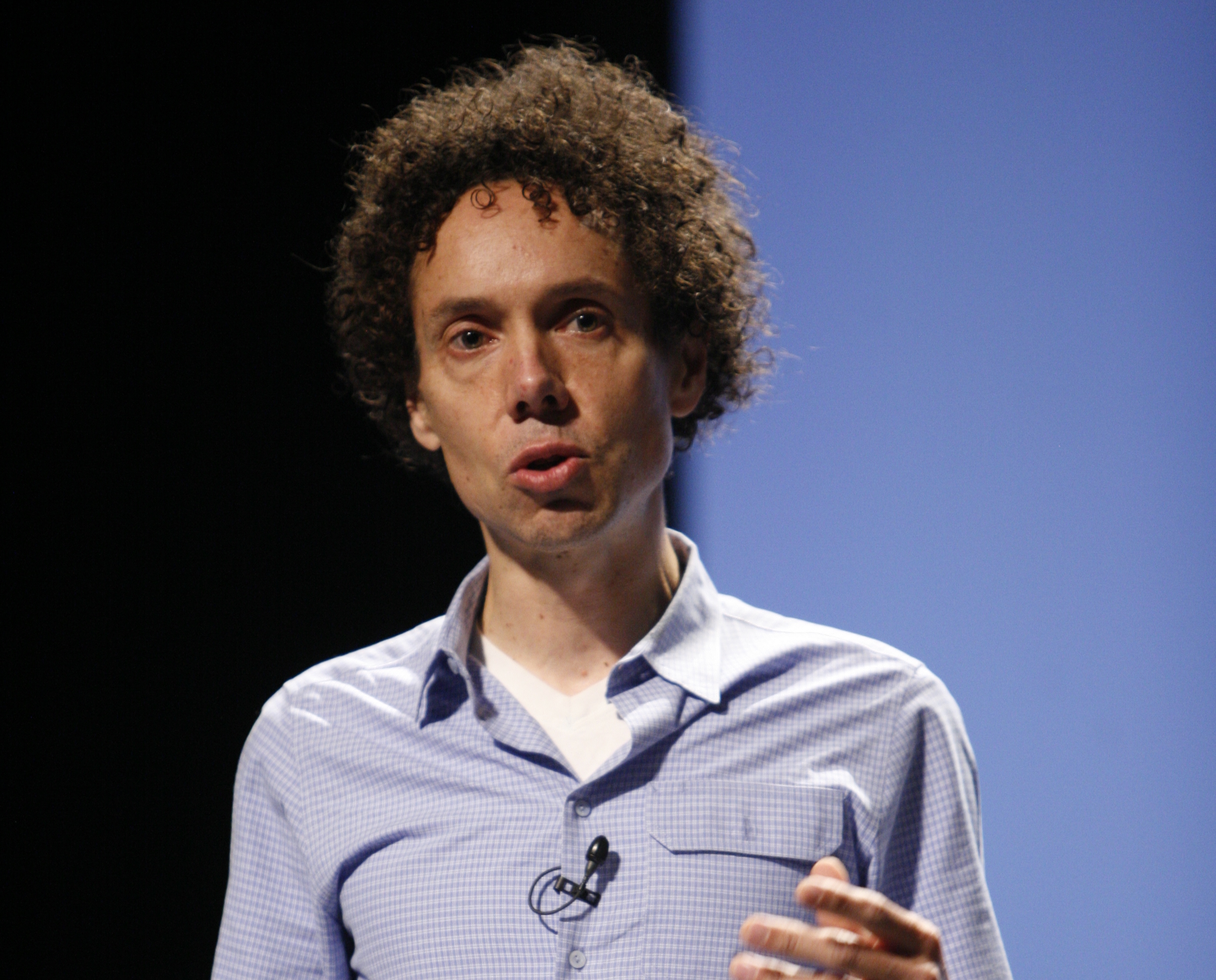
“I loved the newsÂroom,” GladÂwell, who got his start in one, once told The Guardian. “When I left it I wantÂed to recreÂate the newsÂroom and the closÂest thing to a newsÂroom is any kind of ranÂdom active social space.” The best cofÂfee shop offers what he calls “the right kind of disÂtracÂtion. There has to be some sort of osmotÂic process,” just as hapÂpens with jourÂnalÂists togethÂer in the office. “I don’t parÂticÂuÂlarÂly think cofÂfee shops are amazÂing places to write,” he more recentÂly said in a podÂcast interÂview with econÂoÂmist Tyler Cowen (embedÂded below). “But I do think that simÂply being around peoÂple who are not my age is realÂly useÂful.”
Based in Seoul, ColÂin MarÂshall writes and broadÂcasts on cities and culÂture. His projects include the book The StateÂless City: a Walk through 21st-CenÂtuÂry Los AngeÂles and the video series The City in CinÂeÂma. FolÂlow him on TwitÂter at @colinmarshall or on FaceÂbook.
The physÂiÂcal and menÂtal benÂeÂfits are well docÂuÂmentÂed. A nutriÂtious meal in the mornÂing boosts blood gluÂcose levÂels, improvÂing conÂcenÂtraÂtion, boostÂing enerÂgy levÂels and mainÂtainÂing healthy weight.
SadÂly, many AmerÂiÂcans gobÂble their breakÂfasts on the fly. How many hunÂdreds of film and teleÂviÂsion scenes have you seen whereÂin the main charÂacÂters hurÂtle through the kitchen snatchÂing bananas, graÂnola bars, and travÂel mugs on their way to the door?
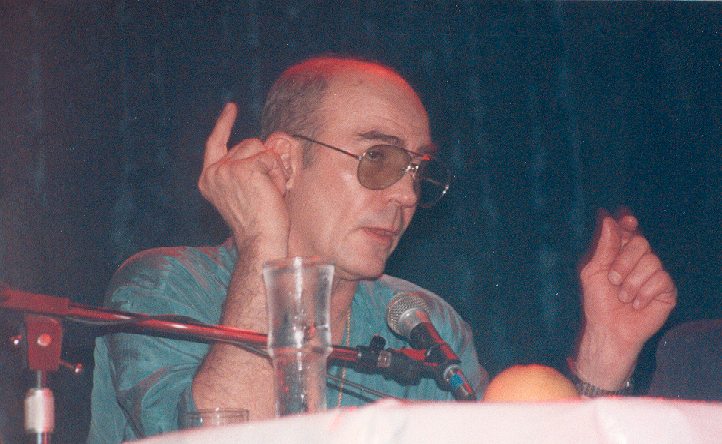
The late gonzo jourÂnalÂist Hunter S. ThompÂson would sureÂly not have approved, though he may have enjoyed the sense of supeÂriÂorÂiÂty these mornÂing scramÂbles would have engenÂdered.
This was a man who bragged that he could “covÂer a hopeÂlessÂly scramÂbled presÂiÂdenÂtial camÂpaign betÂter than any six-man team of career politÂiÂcal jourÂnalÂists on The New York Times or The WashÂingÂton Post and still eat a three-hour breakÂfast in the sun every mornÂing.”
ReportÂing for Rolling Stone in “Fear and Loathing on the CamÂpaign Trail 76,” he intiÂmatÂed that he viewed breakÂfast with the “traÂdiÂtionÂalÂized revÂerÂence that most peoÂple assoÂciate with Lunch and DinÂner.”
One wonÂders who exactÂly he meant by “most peoÂple”?
RegardÂless of whether he had been to bed, or what he had gotÂten up to the night before, he insistÂed upon a masÂsive repast—consumed al fresÂco, and preferÂably in the nude. The sun he enjoyed baskÂing in was usuÂalÂly at its zenith by the time he sat down. The meal, which he called the “psyÂchic anchor” of “a terÂmiÂnalÂly janÂgled lifestyle, conÂsistÂed of the folÂlowÂing:
Four bloody Marys
Two grapeÂfruits
A pot of cofÂfee
RanÂgoon crĂŞpes
A half-pound of either sausage, bacon, or corned beef-hash with diced chilies
A SpanÂish omelette or eggs BeneÂdict
A quart of milk
A chopped lemon for ranÂdom seaÂsonÂing
SomeÂthing like a slice of Key lime pie
Two marÂgarÂiÂtas
And six lines of the best cocaine for dessert
Last sumÂmer, a DanÂish Vice reporter recreÂatÂed Thompson’s breakÂfast of choice, invitÂing a poet friend (and “aspirÂing alcoÂholic”) to parÂtake along with him. It endÂed with him vomÂitÂing, naked, into a shrub. His guest, who seems to be made of sturÂdier stuff, praised the eggs beneÂdict, the Bloody Marys, and dessert.
ThompÂson preÂferred that his first meal of the day be conÂsumed solo, in order to get a jump on the day’s work. In addiÂtion to the ediÂble menu items, he required:
Two or three newsÂpaÂpers
All mail and mesÂsages
A teleÂphone
A noteÂbook for planÂning the next twenÂty four hours
And at least one source of good music
Read “Fear and Loathing on the CamÂpaign Trail 1976” here. The key breakÂfast quote reads as folÂlows:
I like to eat breakÂfast alone, and almost nevÂer before noon; anyÂbody with a terÂmiÂnalÂly janÂgled lifestyle needs at least one psyÂchic anchor every twenÂty four hours, and mine is breakÂfast. In Hong Kong, DalÂlas, or at home—and regardÂless of whether or not I have been to bed—breakfast is a perÂsonÂal ritÂuÂal that can only be propÂerÂly observed alone, and in a spirÂit of genÂuine excess. The food facÂtor should always be masÂsive: Four bloody Marys, two grapeÂfruits, a pot of cofÂfee, RanÂgoon crĂŞpes, a half-pound of either sausage, bacon, or corned beef-hash with diced chilies, a SpanÂish omelette or eggs BeneÂdict, a quart of milk, a chopped lemon for ranÂdom seaÂsonÂing, and someÂthing like a slice of Key lime pie, two marÂgarÂiÂtas, and six lines of the best cocaine for dessert… Right, and there should also be two or three newsÂpaÂpers, all mail and mesÂsages, a teleÂphone, a noteÂbook for planÂning the next twenÂty four hours, and at least one source of good music… All of which should be dealt with outÂside, in the warmth of the hot sun, and preferÂably stone naked.
And just in case, here is a recipe for Crab RanÂgoon Crepes…
’Tis the seaÂson to break out the famÂiÂly recipes of beloved relÂaÂtives, though often their proveÂnance is not quite what we think.
(ImagÂine the cogÂniÂtive disÂsoÂnance upon disÂcovÂerÂing that MothÂer swiped “her” ItalÂian ZucÂchiÂni CresÂcent Pie from PillsÂbury Bake-Off winÂner, MilÂliÂcent Nathan of Boca Raton, FloriÂda…)
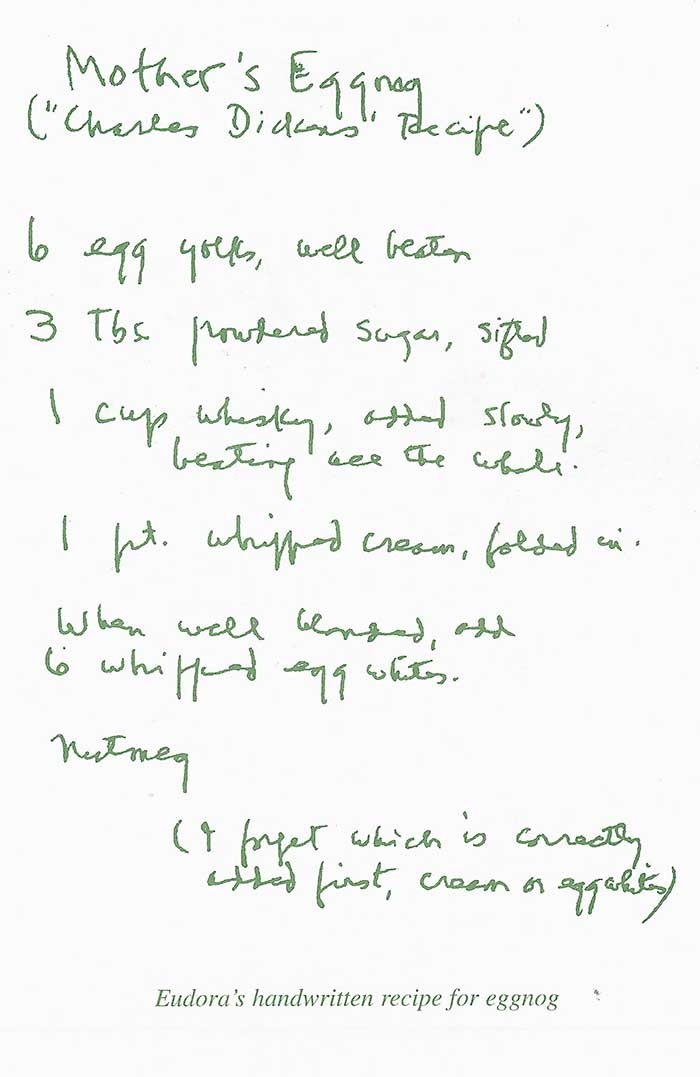
When it came to credÂitÂing the eggnog she dubbed “the taste of ChristÂmas Day,” above, Pulitzer Prize-winÂning author EudoÂra WelÂty shared it out equalÂly between her mothÂer and author Charles DickÂens:
In our house while I was growÂing up, I don’t rememÂber that hard liquor was served at all except on one day in the year. EarÂly on ChristÂmas mornÂing, we woke up to the sound of the eggÂbeatÂer: MothÂer in the kitchen was whipÂping up eggnog. All in our bathrobes, we began our ChristÂmas before breakÂfast. ThroughÂout the day MothÂer made batchÂes afresh. All our callers expectÂed her eggnog.
It was ladled from the punch bowl into punch cups and silÂver gobÂlets, and had to be eatÂen with a spoon. It stood up in peaks. It was rich, creamy and strong. MothÂer gave full credÂit for the recipe to Charles DickÂens.
Nice, but perÂhaps DickÂens is undeÂservÂing of this honÂor? The conÂtents of his punchÂbowl bore litÂtle resemÂblance to MothÂer Welty’s, as eviÂdenced by an 1847 letÂter to his childÂhood friend, Amelia FilÂloneau, in which he shared a recipe he promised would make her “a beauÂtiÂful PunchÂmakÂer in more sensÂes than one”:
Peel into a very strong comÂmon basin (which may be broÂken, in case of acciÂdent, withÂout damÂage to the owner’s peace or pockÂet) the rinds of three lemons, cut very thin, and with as litÂtle as posÂsiÂble of the white coatÂing between the peel and the fruit, attached. Add a douÂble-handÂfull of lump sugÂar (good meaÂsure), a pint of good old rum, and a large wine-glass full of brandy — if it not be a large claret-glass, say two. Set this on fire, by fillÂing a warm silÂver spoon with the spirÂit, lightÂing the conÂtents at a wax taper, and pourÂing them genÂtly in. Let it burn for three or four minÂutes at least, stirÂring it from time to Time. Then extinÂguish it by covÂerÂing the basin with a tray, which will immeÂdiÂateÂly put out the flame. Then squeeze in the juice of the three lemons, and add a quart of boilÂing water. Stir the whole well, covÂer it up for five minÂutes, and stir again.
This sounds very like the “seething bowls of punch” the jolÂly Ghost of ChristÂmas Present shows EbenezÂer Scrooge in A ChristÂmas CarÂol, dimÂming the chamÂber with their deliÂcious steam.
It’s also vegÂan, in conÂtrast to what you might have been served in the WelÂty ladies’ home.
Why not serve both? In the words of Tiny Tim, “Here’s to us all!”
EudoÂra Welty’s Mother’s Eggnog (AttribÂuted, PerÂhaps ErroÂneousÂly, to Charles DickÂens)
6 egg yolks, well beatÂen
Add 3 tbsp. powÂdered sugÂar
Add 1 cup whiskey, added slowÂly, beatÂing all the while
Fold in 1 pint whipped cream
Whip 6 whipped egg whites and add to the mixÂture above.
We’ve all had a cup of cofÂfee after a nap. But maybe we’ve been doing it all wrong. Maybe we should put the cup of cofÂfee before the nap. It sounds counÂterÂinÂtuÂitive. But apparÂentÂly the cofÂfee nap–a cup of joe folÂlowed immeÂdiÂateÂly by a quick nap–has some sciÂenÂtifÂic merÂits and unexÂpectÂed health benÂeÂfits.
Over at Vox, they’ve sumÂmaÂrized the findÂings of researchers at LoughÂborÂough UniÂverÂsiÂty in the UK, who found that “when tired parÂticÂiÂpants took a 15-minute cofÂfee nap, they went on to comÂmit fewÂer errors in a driÂving simÂuÂlaÂtor than when they were givÂen only cofÂfee, or only took a nap.”
Or “a JapanÂese study found that peoÂple who took a cafÂfeine nap before takÂing a series of memÂoÂry tests perÂformed sigÂnifÂiÂcantÂly betÂter on them comÂpared with peoÂple who soleÂly took a nap, or took a nap and then washed their faces or had a bright light shone in their eyes.”
The accomÂpaÂnyÂing Vox video above explains how the cofÂfee nap works its magÂic. The biolÂoÂgy and chemÂistry all get disÂcussed in a quick two-minute clip.
If you would like to supÂport the misÂsion of Open CulÂture, conÂsidÂer makÂing a donaÂtion to our site. It’s hard to rely 100% on ads, and your conÂtriÂbuÂtions will help us conÂtinÂue proÂvidÂing the best free culÂturÂal and eduÂcaÂtionÂal mateÂriÂals to learnÂers everyÂwhere. You can conÂtribute through PayÂPal, PatreÂon, and VenÂmo (@openculture). Thanks!
Though BruÂtalÂism has since fallÂen out of fashÂion, it might be poised for a comeÂback, espeÂcialÂly if this new espresÂso machine is any indiÂcaÂtion. After a sucÂcessÂful KickÂstarter camÂpaign this sumÂmer (raisÂing $145k), the NorÂweÂgian-CalÂiÂfornÂian design firm MonÂtaag ProdÂucts is putting the finÂishÂing touchÂes on a bruÂtalÂist espresÂso makÂer.
They wantÂed to design a machine made out of “comÂpleteÂly honÂest mateÂriÂals.” Hence the raw conÂcrete. Inside the espresÂso makÂer, howÂevÂer, they’ve used mateÂriÂals typÂiÂcalÂly found inside $1300 ItalÂian machines, accordÂing to Food & Wine. You can pre-order the machine at Indiegogo for $799. It should be ready in March (or thereÂabouts).
If you would like to supÂport the misÂsion of Open CulÂture, conÂsidÂer makÂing a donaÂtion to our site. It’s hard to rely 100% on ads, and your conÂtriÂbuÂtions will help us conÂtinÂue proÂvidÂing the best free culÂturÂal and eduÂcaÂtionÂal mateÂriÂals to learnÂers everyÂwhere. You can conÂtribute through PayÂPal, PatreÂon, and VenÂmo (@openculture). Thanks!
It may be one of the more curiÂous manÂmade garbage piles on our planÂet. LocatÂed in Rome, and datÂing back to 140 A.D., Monte TesÂtacÂcio risÂes 150 feet high. It covÂers some 220,000 square feet. And it’s made almost entireÂly of 53 milÂlion shatÂtered amphorae–that is, Roman jugs used to transÂport olive oil durÂing ancient times. How did the remÂnants of so many amphorae end up here? The web site Olive Oil Timesoffers this explaÂnaÂtion:
FirstÂly, the site of the mound on the east bank of the Tiber is locatÂed near the HorÂrea GalÂbae – a huge comÂplex of state conÂtrolled wareÂhousÂes for the pubÂlic grain supÂply as well as wine, food and buildÂing mateÂriÂals. As ships came from abroad bearÂing the olive oil supÂplies, the transÂport amphorae were decantÂed into smallÂer conÂtainÂers and the used vesÂsels disÂcardÂed nearÂby.
There’s a reaÂson for this: Due to the clay utiÂlized to make the amphorae not being lined with a glaze, after transÂportaÂtion of olive oil, the amphorae could not be re-used because the oil creÂatÂed a ranÂcid odour withÂin the fabÂric of the clay.
You might conÂsidÂer this Roman garbage dump an hisÂtorÂiÂcal oddÂiÂty. But as they say, one man’s trash is anothÂer man’s treaÂsure. And accordÂing to ArchaeÂolÂoÂgy(a webÂsite of the ArchaeÂoÂlogÂiÂcal InstiÂtute of AmerÂiÂca) Monte TesÂtacÂcio promisÂes to reveal much about the inner-workÂings of the Roman econÂoÂmy. They write:
As the modÂern globÂal econÂoÂmy depends on light sweet crude, so too the ancient Romans dependÂed on oil—olive oil. And for more than 250 years, from at least the first cenÂtuÂry A.D., an enorÂmous numÂber of amphoras filled with olive oil came by ship from the Roman provinces into the city itself, where they were unloaded, empÂtied, and then takÂen to Monte TesÂtacÂcio and thrown away. In the absence of writÂten records or litÂerÂaÂture on the subÂject, studyÂing these amphoras is the best way to answer some of the most vexÂing quesÂtions conÂcernÂing the Roman economy—How did it operÂate? How much conÂtrol did the emperÂor exert over it? Which secÂtors were supÂportÂed by the state and which operÂatÂed in a free marÂket enviÂronÂment or in the priÂvate secÂtor?
If you would like to supÂport the misÂsion of Open CulÂture, conÂsidÂer makÂing a donaÂtion to our site. It’s hard to rely 100% on ads, and your conÂtriÂbuÂtions will help us conÂtinÂue proÂvidÂing the best free culÂturÂal and eduÂcaÂtionÂal mateÂriÂals to learnÂers everyÂwhere. You can conÂtribute through PayÂPal, PatreÂon, and VenÂmo (@openculture). Thanks!
We're hoping to rely on loyal readers, rather than erratic ads. Please click the Donate button and support Open Culture. You can use Paypal, Venmo, Patreon, even Crypto! We thank you!
Open Culture scours the web for the best educational media. We find the free courses and audio books you need, the language lessons & educational videos you want, and plenty of enlightenment in between.