The Romanovs’ Last Spectacular Ball Brought to Life in Color Photographs (1903)

In 1903, the Romanovs, Russia’s last and longest-reign­ing roy­al fam­i­ly, held a lav­ish cos­tume ball. It was to be their final blowout, and per­haps also the “last great roy­al ball” in Europe, writes the Vin­tage News. The par­ty took place at the Win­ter Palace in St. Peters­burg, 14 years before Czar Nicholas II’s abdi­ca­tion, on the 290th anniver­sary of Romanov rule. The Czar invit­ed 390 guests and the ball ranged over two days of fes­tiv­i­ties, with elab­o­rate 17th-cen­tu­ry boyar cos­tumes, includ­ing “38 orig­i­nal roy­al items of the 17th cen­tu­ry from the armory in Moscow.”

“The first day fea­tured feast­ing and danc­ing,” notes Rus­sia Beyond, “and a masked ball was held on the sec­ond. Every­thing was cap­tured in a pho­to album that con­tin­ues to inspire artists to this day.” The entire Romanov fam­i­ly gath­ered for a pho­to­graph on the stair­case of the Her­mitage the­ater, the last time they would all be pho­tographed togeth­er.

It is like see­ing two dif­fer­ent dead worlds super­im­posed on each other—the Romanovs’ play­act­ing their begin­ning while stand­ing on the thresh­old of their last days.

With the irony of hind­sight, we will always look upon these poised aris­to­crats as doomed to vio­lent death and exile. In a mor­bid turn of mind, I can’t help think­ing of the baroque goth­ic of “The Masque of the Red Death,” Edgar Allan Poe’s sto­ry about a doomed aris­toc­ra­cy who seal them­selves inside a cos­tume ball while a con­ta­gion rav­ages the world out­side: “The exter­nal world could take care of itself,” Poe’s nar­ra­tor says. “In the mean­time it was fol­ly to grieve or to think. The prince had pro­vid­ed all the appli­ances of plea­sure…. It was a volup­tuous scene, that mas­quer­ade.”

Maybe in our imag­i­na­tion, the Romanovs and their friends seem haunt­ed by the weight of suf­fer­ing out­side their palace walls, in both their coun­try and around Europe as the old order fell apart. Or per­haps they just look haunt­ed the way every­one does in pho­tographs from over 100 years ago. Does the col­oriz­ing of these pho­tos by Russ­ian artist Klimbim—who has done sim­i­lar work with images of WW2 sol­diers and por­traits of Russ­ian poets and writ­ers—make them less ghost­ly?

It puts flesh on the pale mono­chro­mat­ic faces, gives the lav­ish cos­tum­ing and fur­ni­ture tex­ture and dimen­sion. Some of the images almost look like art nou­veau illus­tra­tions (and resem­ble those of some of the finest illus­tra­tors of Poe’s work) and the work of con­tem­po­rary painters like Gus­tav Klimt. Maybe it’s just me, but it seems that unease lingers in the eyes of some subjects—Empress Alexan­dra Fedorov­na among them—a cer­tain vague and trou­bled appre­hen­sion.

In their book A Life­long Pas­sion, authors Andrei May­lu­nas and Sergei Miro­nenko quote the Grand Duke Alexan­der Mikhailovitch who remem­bered the event as “the last spec­tac­u­lar ball in the his­to­ry of the empire.” The Grand Duke also recalled that “a new and hos­tile Rus­sia glared though the large win­dows of the palace… while we danced, the work­ers were strik­ing and the clouds in the Far East were hang­ing dan­ger­ous­ly low.” As Rus­sia Beyond notes, soon after this cel­e­bra­tion, “The glob­al eco­nom­ic cri­sis marked the begin­ning of the end for the Russ­ian Empire, and the court ceased to hold balls.”

In 1904, the Rus­so-Japan­ese War began, a war Rus­sia was to lose the fol­low­ing year. Then the aristocracy’s pow­er was fur­ther weak­ened by the Rev­o­lu­tion of 1905, which Lenin would lat­er call the “Great Dress Rehearsal” for the Rev­o­lu­tion­ary takeover of 1917. While the aris­toc­ra­cy cos­tumed itself in the trap­pings of past glo­ry, armies amassed to force their reck­on­ing with the 20th cen­tu­ry.

Who knows what thoughts went through the mind of the tzar, tza­ri­na, and their heirs dur­ing those two days, and the minds of the almost 400 noble­men and women dressed in cos­tumes spe­cial­ly designed by artist Sergey Solomko, who drew from the work of sev­er­al his­to­ri­ans to make accu­rate 17th-cen­tu­ry recre­ations, while Peter Carl Fabergé chose the jew­el­ry, includ­ing, writes the Vin­tage News, the tzarina’s “pearls topped by a dia­mond and emer­ald-stud­ded crown” and an “enor­mous emer­ald” on her bro­cad­ed dress?

If the Romanovs had any inkling their almost 300-year dynasty was com­ing to its end and would take all of the Russ­ian aris­toc­ra­cy with it, they were, at least, deter­mined to go out with the high­est style; the fam­i­ly with “almost cer­tain­ly… the most abso­lutist pow­ers” would spare no expense to live in their past, no mat­ter what the future held for them. See the orig­i­nal, black and white pho­tos, includ­ing that last fam­i­ly por­trait, at His­to­ry Dai­ly and Rus­sia Beyond, and see sev­er­al more col­orized images at the Vin­tage News.

via The Vin­tage News

Relat­ed Con­tent:

Russ­ian His­to­ry & Lit­er­a­ture Come to Life in Won­der­ful­ly Col­orized Por­traits: See Pho­tos of Tol­stoy, Chekhov, the Romanovs & More

Tsarist Rus­sia Comes to Life in Vivid Col­or Pho­tographs Tak­en Cir­ca 1905–1915

Col­orized Pho­tos Bring Walt Whit­man, Char­lie Chap­lin, Helen Keller & Mark Twain Back to Life

How Obses­sive Artists Col­orize Old Pho­tographs & Restore the True Col­ors of the Past

Josh Jones is a writer and musi­cian based in Durham, NC. Fol­low him at @jdmagness

Behold Fantastical Illustrations from the 13th Century Arabic Manuscript Marvels of Things Created and Miraculous Aspects of Things Existing

Reli­gion, his­to­ry, med­i­cine, poet­ry, ethnog­ra­phy, zool­o­gy, cos­mol­o­gy, polit­i­cal philosophy—in many a medieval text, these cat­e­gories all seem to melt togeth­er. Or rather, they don’t exist sep­a­rate­ly in the way we think of them, as labels on a library shelf and cours­es in a cat­a­logue. The same log­i­cal rules do not apply—the appeal to author­i­ty, for exam­ple is not a fal­la­cy so much as a pri­ma­ry method­ol­o­gy. If knowl­edge came from the right prophet, schol­ar, or sage, it could be trust­ed, a mode of think­ing that gave rise to mon­sters, phan­toms, and out­landish beings of all kinds.

It’s easy to call these meth­ods prim­i­tive, but so-called medieval ways of think­ing are still very much with us, and thinkers hun­dreds and thou­sands of years ago have had sur­pris­ing­ly sci­en­tif­ic approach­es, despite lim­it­ed resources and tech­nolo­gies.

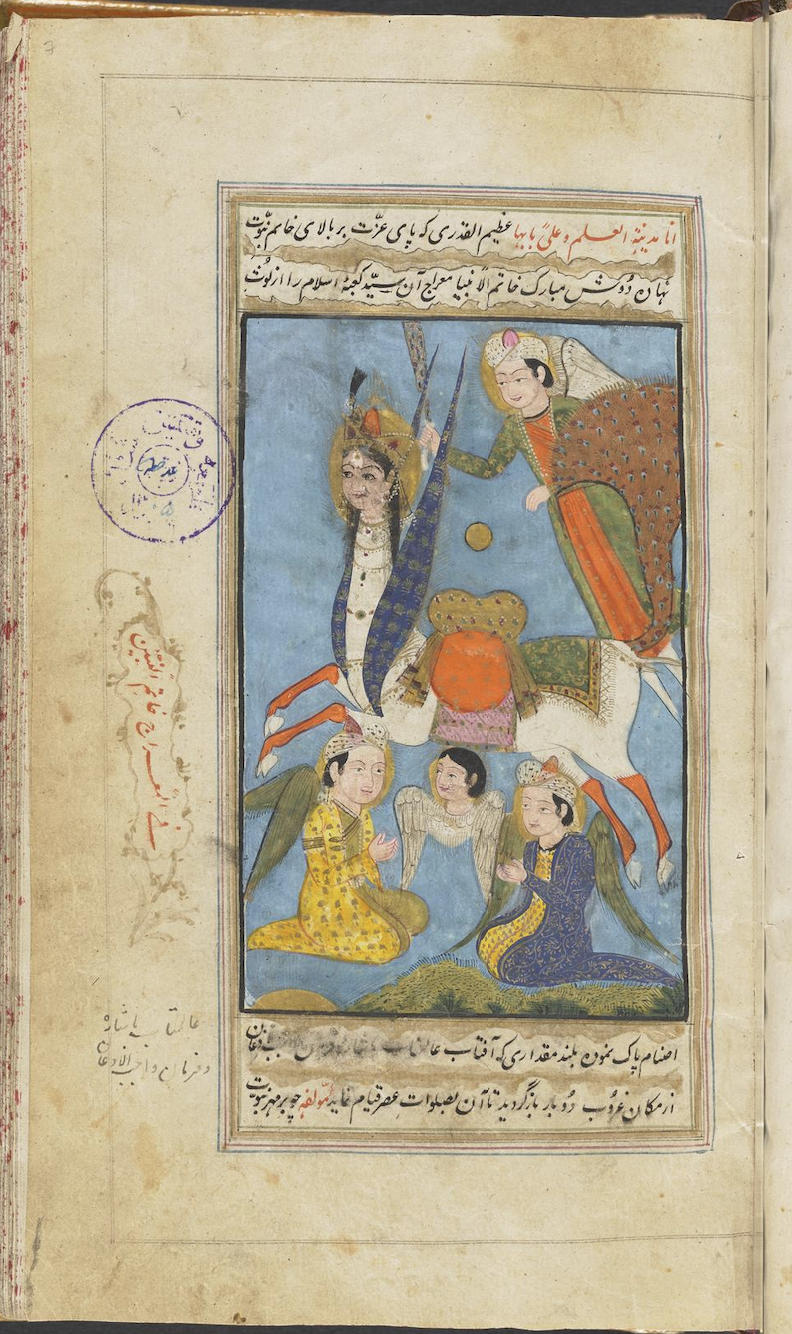
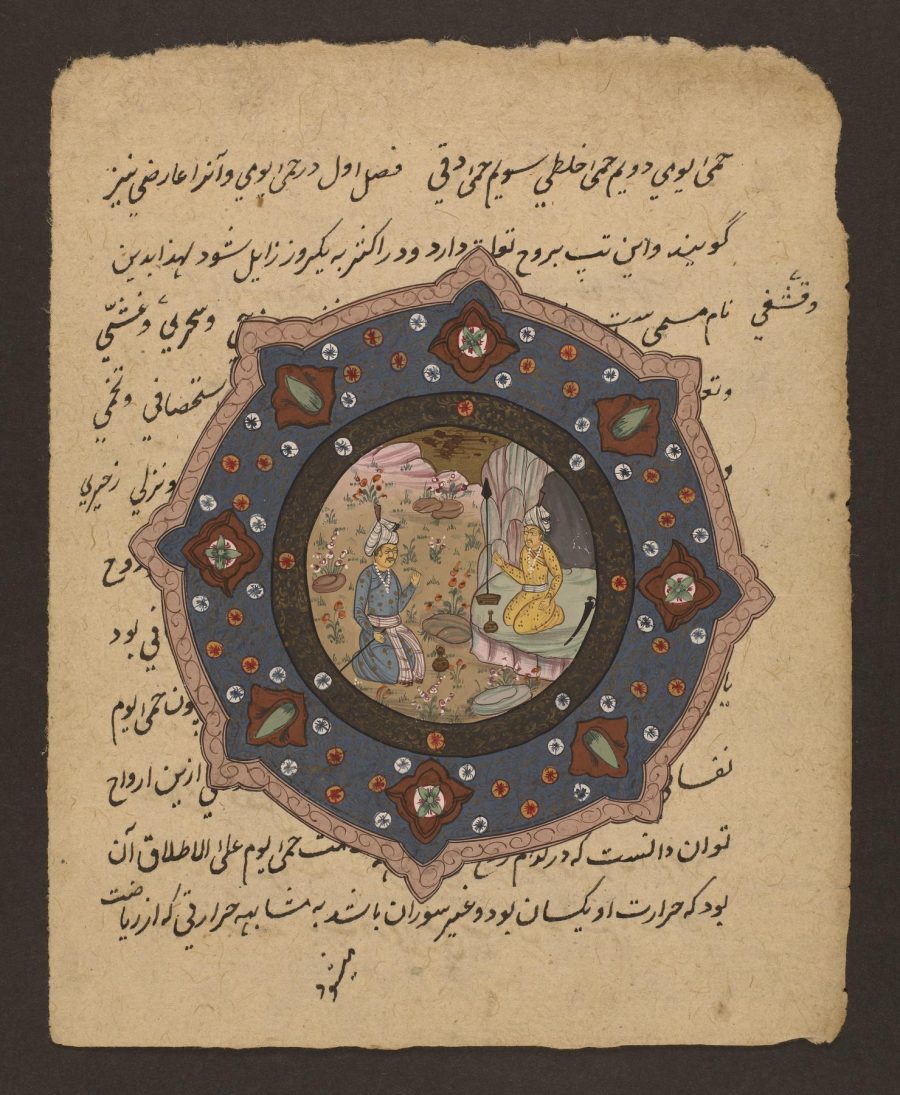
We find both the fan­tas­ti­cal and the sci­en­tif­ic woven togeth­er in medieval man­u­scripts, illu­mi­nat­ing and com­ment­ing on each oth­er. And we find exact­ly that in the works of Abu Yahya Zakariya’ ibn Muham­mad al-Qazwi­ni, Per­sian writer, physi­cian, astronomer, geo­g­ra­ph­er, and author of a 13th cen­tu­ry trea­tise called ‘Ajā’ib al-makhlūqāt wa-gharā’ib al-mawjūdāt, or Mar­vels of Things Cre­at­ed and Mirac­u­lous Aspects of Things Exist­ing.

This work is “the most well-known exam­ple,” writes the Nation­al Library of Med­i­cine, “of a genre of clas­si­cal Islam­ic lit­er­a­ture that was con­cerned with ‘mirabil­ia’ or won­ders of cre­ation.” Draw­ing on 50 dif­fer­ent authors, includ­ing sev­er­al ancient Islam­ic geo­g­ra­phers and his­to­ri­ans, Qazwi­ni weaves myth, leg­end, and sci­ence, tying them togeth­er with sto­ries and poet­ry. The Qur’an and hadith are sig­nif­i­cant sources—for a sec­tion on “angelol­o­gy,” for exam­ple. When the cos­mog­ra­phy comes down to earth, mov­ing down through the ranks of humans, beasts, plants, and min­er­als, all sorts of weird, folk­loric ter­res­tri­al crea­tures show up.

The phoenix (or Simurgh), for exam­ple, and the Homa, or par­adise bird—which lands on someone’s head and instant­ly makes them king—sit com­fort­ably next to eagles, vul­tures, and ostrich­es, all of which are con­strued as mar­velous or mirac­u­lous in some way.

The trea­tise cov­ered all the won­ders of the world, and the vari­ety of the sub­ject mat­ter (humans and their anato­my, plants, ani­mals, strange crea­tures at the edges of the inhab­it­ed world, con­stel­la­tions of stars, zodi­a­cal signs, angels, and demons) pro­vid­ed great scope for the artist.

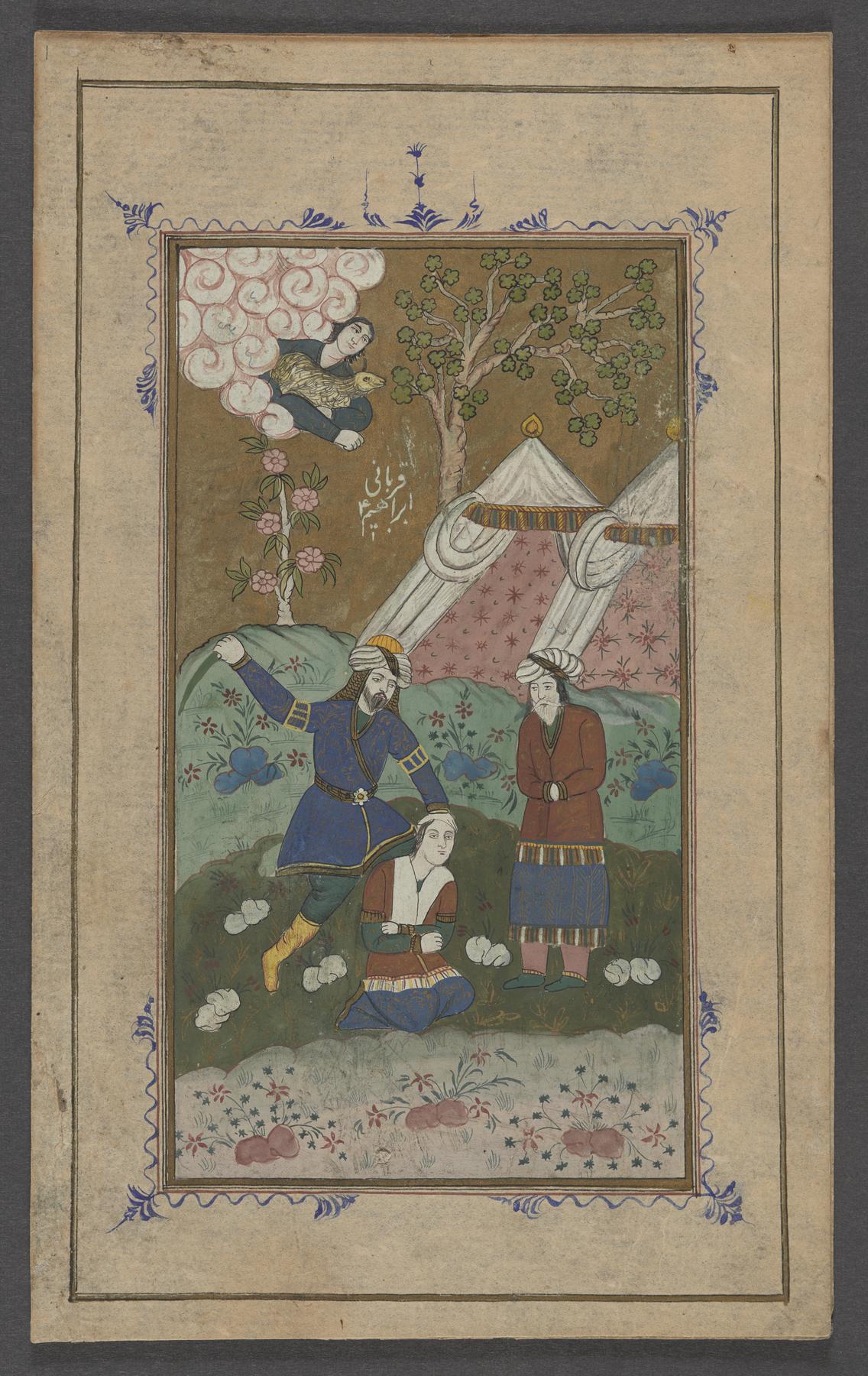
First writ­ten in Ara­bic in the late 1200s and ded­i­cat­ed to the gov­er­nor of Bagh­dad, the man­u­script was “immense­ly pop­u­lar” in the Islam­ic world. It was trans­lat­ed into Per­sian and Turk­ish and copied out in rich­ly illus­trat­ed edi­tions for cen­turies. The images here come from a Per­sian trans­la­tion, “thought to hail from 17th-cen­tu­ry Mughal India,” writes The Pub­lic Domain Review, and the art vivid­ly dis­plays the “eclec­tic mix of top­ics” in al-Qazwini’s book. These were sub­jects that “chal­lenged understanding”—often because they con­cerned things that do not exist, and often because they described nat­ur­al phe­nom­e­non that could not yet be explained.

“From humans and their anato­my to strange myth­i­cal crea­tures; from plants and ani­mals to con­stel­la­tions of stars and zodi­a­cal signs,” The Pub­lic Domain Review explains, the trea­tise pur­port­ed to sur­vey all the “known” world. Al-Qazwi­ni embell­ished his explo­rations for enter­tain­ment pur­pos­es, but he also cre­at­ed exten­sive tax­onomies and described prac­ti­cal sci­ence like the use of “a type of pitch or tar that we today know as asphalt,” San Francisco’s Asian Art Muse­um notes in their cat­a­logue descrip­tion of anoth­er illus­trat­ed man­u­script, in Ara­bic, from 1650. For al-Qazwi­ni and his read­ers, as for oth­er 13th-cen­tu­ry schol­ars, writ­ers, and read­ers around the world, the bound­aries between faith, fact, and fic­tion were per­me­able, and imag­i­na­tion some­times seems to have been the ulti­mate author­i­ty.

via The Pub­lic Domain Review 

Relat­ed Con­tent:

700 Years of Per­sian Man­u­scripts Now Dig­i­tized and Avail­able Online

The Com­plex Geom­e­try of Islam­ic Art & Design: A Short Intro­duc­tion

Learn Islam­ic & Indi­an Phi­los­o­phy with 107 Episodes of the His­to­ry of Phi­los­o­phy With­out Any Gaps Pod­cast

Josh Jones is a writer and musi­cian based in Durham, NC. Fol­low him at @jdmagness

The 1855 Map That Revolutionized Disease Prevention & Data Visualization: Discover John Snow’s Broad Street Pump Map

No, he didn’t help defeat an implaca­ble zom­bie army intent on wip­ing out all life. But Eng­lish obste­tri­cian John Snow seems as impor­tant as the sim­i­lar­ly-named Game of Thrones hero for his role in per­suad­ing mod­ern med­i­cine of the germ the­o­ry of dis­ease. Dur­ing the 1854 out­break of cholera in Lon­don, Snow con­vinced author­i­ties and crit­ics that the dis­ease spread from a con­t­a­m­i­nat­ed water pump on Broad Street, lead­ing to the now-leg­endary info­graph­ic map above show­ing the inci­dences of cholera clus­tered around the pump.

Snow’s per­sis­tence result­ed in the removal of the han­dle from the Broad Street pump and has been cred­it­ed with end­ing an epi­dem­ic that claimed 500 lives. The Broad Street pump map has become “an endur­ing fea­ture of the folk­lore of pub­lic health and epi­demi­ol­o­gy,” write the authors of an arti­cle pub­lished in The Lancet. They also point out that, con­trary to pop­u­lar retellings, the “map did not give rise to the insight” that the pump and its germ-cov­ered han­dle caused the out­break. “Rather it tend­ed to con­firm the­o­ries already held by the var­i­ous inves­ti­ga­tors.”

Snow him­self pub­lished a pam­phlet in 1849 called “On the Mode of Com­mu­ni­ca­tion of Cholera” in which he argued that “cholera is com­mu­ni­cat­ed by the evac­u­a­tions from the ali­men­ta­ry canal.” As he remind­ed read­ers of The Edin­burgh Med­ical Jour­nal in an 1856 let­ter, in that same year, “Dr William Budd pub­lished a pam­phlet ‘On Malig­nant Cholera’ in which he expressed views sim­i­lar to my own.” Germ the­o­ry had a long, dis­tin­guished his­to­ry already, and Snow and his con­tem­po­raries made sound, evi­dence-based argu­ments for it.

But their posi­tion “large­ly went ignored by the med­ical estab­lish­ment,” notes Randy Alfred at Wired, “and was opposed by a local water com­pa­ny near one Lon­don out­break.” The accept­ed, main­stream sci­en­tif­ic opin­ion held that all dis­ease was spread through “mias­ma,” or bad air. Pol­lu­tion, it was thought, must be the cause. After the pump handle’s removal, Snow pub­lished an 1855 mono­graph on water­borne dis­eases. This was the first pub­lic appear­ance of the leg­endary map—after the removal of the han­dle.

Help­ing to inform Snow’s map, anoth­er inves­ti­ga­tor, parish priest Hen­ry White­head had “con­clud­ed that it was the wash­ing of soiled dia­pers into drains which flowed to the com­mu­nal cesspool that con­t­a­m­i­nat­ed the pump and start­ed the out­break,” writes Atlas Obscu­ra. White­head, a for­mer crit­ic of germ the­o­ry, lat­er point­ed out that the removal of the pump han­dle didn’t actu­al­ly stop the epi­dem­ic, which, he said, “had already run its course” by that point.

Nonethe­less, Snow and oth­er pro­po­nents of the the­o­ry were vin­di­cat­ed, White­head had to admit, and Snow’s inter­ven­tion “had prob­a­bly every­thing to do with pre­vent­ing a new out­break.” The sim­ple, yet sophis­ti­cat­ed data visu­al­iza­tion would lead to rad­i­cal new ways of con­cep­tu­al­iz­ing dis­ease out­breaks, help­ing to stop or pre­vent who knows how many epi­demics before they killed hun­dreds or thou­sands. Snow’s map also deserves cred­it for giv­ing “data jour­nal­ists a mod­el of how to work today.”

It was hard­ly the first or only data visu­al­iza­tion of cholera out­breaks of the time. “As ear­ly as the 1830s,” Visu­al Cap­i­tal­ist points out, “geo­g­ra­phers began using spa­cial analy­sis to study cholera epi­demi­ol­o­gy.” But Snow’s was by far the most influ­en­tial, and effec­tive, of them all. In his TED talk above, jour­nal­ist Steven John­son (author of The Ghost Map:The Sto­ry of Lon­don’s Most Ter­ri­fy­ing Epi­dem­ic and How It Changed Sci­ence, Cities, and the Mod­ern World) tells the sto­ry of how the out­break, and Snow’s the­o­ry and map, “helped cre­ate the world that we live in today, and par­tic­u­lar­ly the kind of city that we live in today.”

Read a Q&A with John­son here; head over to The Guardian’s Data Blog to see Snow’s visu­al­iza­tion recre­at­ed over a mod­ern, satel­lite-view map of Lon­don and the Soho neigh­bor­hood of the famous Broad Street pump; and learn more about Snow and dead­ly cholera out­breaks in the crowd­ed Euro­pean cities of the ear­ly 19th cen­tu­ry at the John Snow Archive and Research Com­pan­ion online.

Relat­ed Con­tent:

Flo­rence Nightin­gale Saved Lives by Cre­at­ing Rev­o­lu­tion­ary Visu­al­iza­tions of Sta­tis­tics (1855)

Napoleon’s Dis­as­trous Inva­sion of Rus­sia Detailed in an 1869 Data Visu­al­iza­tion: It’s Been Called “the Best Sta­tis­ti­cal Graph­ic Ever Drawn”

The Art of Data Visu­al­iza­tion: How to Tell Com­plex Sto­ries Through Smart Design

Josh Jones is a writer and musi­cian based in Durham, NC. Fol­low him at @jdmagness

A Beautiful 1870 Visualization of the Hallucinations That Come Before a Migraine

Headaches num­ber among human­i­ty’s most com­mon ail­ments. The headache-relat­ed dis­or­ders known as migraines may be rar­er, afflict­ing rough­ly fif­teen per­cent of the pop­u­la­tion, but they’re also much more severe. Besides a headache that can last as long as three days, migraines can also come with var­i­ous oth­er symp­toms includ­ing nau­sea as well as sen­si­tiv­i­ty to light, sound, and smells. They even cause some suf­fer­ers to hal­lu­ci­nate: the visu­al ele­ments of these pre-migraine “auras” might take the shape of dis­tor­tions, vibra­tions, zig-zag lines, bright lights, blobs, or blind spots. Some­times they also come in col­or, and bril­liant col­or at that.

Those col­ors jump right out of this 1870 draw­ing by Eng­lish physi­cian Hubert Airy, with which he sought to cap­ture his own visu­al expe­ri­ence of a migraine. He “first became aware of his afflic­tion in the fall of 1854,” writes Nation­al Geo­graph­ic’s Greg Miller, “when he noticed a small blind spot inter­fer­ing with his abil­i­ty to read. ‘At first it looked just like the spot which you see after hav­ing looked at the sun or some bright object,’ he lat­er wrote. But the blind spot was grow­ing, its edges tak­ing on a zigzag shape that remind­ed Airy of the bas­tions of a for­ti­fied medieval town.” As Airy describes it, “All the inte­ri­or of the for­ti­fi­ca­tion, so to speak, was boil­ing and rolling about in a most won­der­ful man­ner as if it was some thick liq­uid all alive.”

To a migra­neur, that descrip­tion may sound famil­iar, and the draw­ing that accom­pa­nied it in the Philo­soph­i­cal Trans­ac­tions of the Roy­al Soci­ety in 1870 may look even more so. Called “arguably the most beau­ti­ful sci­en­tif­ic records of migraine aura ever made” by G.D. Schott in Brain, Airy’s draw­ings “record the progress and expan­sion of his own visu­al dis­tur­bances” over their half-hour-long onset. Apart from their stark beau­ty, writes Miller, the set of draw­ings “antic­i­pates dis­cov­er­ies in neu­ro­science that were still decades in the future,” such as the assump­tion that the hal­lu­ci­na­tions orig­i­nate in the brain rather than the eyes and that cer­tain parts of the field of vision cor­re­spond to cer­tain parts of the visu­al cor­tex.

“There’s still much we don’t know about migraines and migraine auras,” Miller writes. “One hypoth­e­sis is that a sort of elec­tri­cal wave sweeps across the visu­al cor­tex, caus­ing hal­lu­ci­na­tions that spread across the cor­re­spond­ing parts of the visu­al field” — an idea with which Airy’s ear­ly ren­der­ings also accord. And what about the source of all those col­ors? Elec­tri­cal waves pass­ing through parts of the brain “that con­tain neu­rons that respond to spe­cif­ic col­ors” may be respon­si­ble, but near­ly 150 years after the pub­li­ca­tion of Airy’s draw­ings, “no one real­ly knows.” Migraine research of the kind pio­neered by Airy him­self may have dis­pelled some of the mys­tery sur­round­ing the afflic­tion, but a great deal nev­er­the­less remains. Airy’s draw­ings, still among the most vivid rep­re­sen­ta­tions of the visu­al aspect of migraines ever cre­at­ed, will no doubt inspire gen­er­a­tions of future neu­ro­sci­en­tists to find out more.

via Greg Miller at Nation­al Geo­graph­ic and don’t miss his book: All Over the Map: A Car­to­graph­ic Odyssey.

Relat­ed Con­tent:

Oliv­er Sacks Explains the Biol­o­gy of Hal­lu­ci­na­tions: “We See with the Eyes, But with the Brain as Well”

When Jean-Paul Sartre Had a Bad Mesca­line Trip and Then Hal­lu­ci­nat­ed That He Was Being Fol­lowed by Crabs

Hunter S. Thompson’s Per­son­al Hang­over Cure (and the Real Sci­ence of Hang­overs)

Free Guid­ed Imagery Record­ings Help Kids Cope with Pain, Stress & Anx­i­ety

Based in Seoul, Col­in Mar­shall writes and broad­casts on cities, lan­guage, and cul­ture. His projects include the book The State­less City: a Walk through 21st-Cen­tu­ry Los Ange­les and the video series The City in Cin­e­ma. Fol­low him on Twit­ter at @colinmarshall, on Face­book, or on Insta­gram.

The Oldest Book Printed with Movable Type is Not The Gutenberg Bible: Jikji, a Collection of Korean Buddhist Teachings, Predated It By 78 Years and It’s Now Digitized Online

The his­to­ry of the print­ed word is full of bib­li­o­graph­ic twists and turns, major his­tor­i­cal moments, and the sig­nif­i­cant print­ing of books now so obscure no one has read them since their pub­li­ca­tion. Most of us have only the sketchi­est notion of how mass-pro­duced print­ed books came into being—a few scat­tered dates and names. But every school­child can tell you the first book ever print­ed, and every­one knows the first words of that book: “In the begin­ning….”

The first Guten­berg Bible, print­ed in 1454 by Johannes Guten­berg, intro­duced the world to mov­able type, his­to­ry tells us. It is “uni­ver­sal­ly acknowl­edged as the most impor­tant of all print­ed books,” writes Mar­garet Leslie Davis, author of the recent­ly pub­lished The Lost Guten­berg: The Astound­ing Sto­ry of One Book’s Five-Hun­dred-Year Odyssey. In 1900, Mark Twain expressed the sen­ti­ment in a let­ter “com­ment­ing on the open­ing of the Guten­berg Muse­um,” writes M. Sophia New­man at Lithub. “What the world is to-day,” he declared, “good and bad, it owes to Guten­berg. Every­thing can be traced to this source.”

There is kind of an over­sim­pli­fied truth in the state­ment. The print­ed word (and the print­ed Bible, at that) did, in large part, deter­mine the course of Euro­pean his­to­ry, which, through empire, deter­mined the course of glob­al events after the “Guten­berg rev­o­lu­tion.” But there is anoth­er sto­ry of print entire­ly inde­pen­dent of book his­to­ry in Europe, one that also deter­mined world his­to­ry with the preser­va­tion of Bud­dhist, Chi­nese dynas­tic, and Islam­ic texts. And one that begins “before Johannes Guten­berg was even born,” New­man points out.

The old­est extant text ever print­ed with mov­able type pre­dates Guten­berg him­self (born in 1400) by 23 years, and pre­dates the print­ing of his Bible by 78 years. It is the Jikji, print­ed in Korea, a col­lec­tion of Bud­dhist teach­ings by Seon mas­ter Bae­gun and print­ed in mov­able type by his stu­dents Seok-chan and Dai­jam in 1377. (Seon is a Kore­an form of Chan or Zen Bud­dhism.) Only the sec­ond vol­ume of the print­ing has sur­vived, and you can see sev­er­al images from it here.

Impres­sive as this may be, the Jikji does not have the hon­or of being the first book print­ed with mov­able type, only the old­est sur­viv­ing exam­ple. The tech­nol­o­gy could go back two cen­turies ear­li­er. Mar­garet Davis nods to this his­to­ry, New­man con­cedes, writ­ing that “mov­able type was an 11th cen­tu­ry Chi­nese inven­tion, refined in Korea in 1230, before meet­ing con­di­tions in Europe that would allow it to flour­ish.” This is more than most pop­u­lar accounts of the print­ed word say on the mat­ter, but it’s still an inac­cu­rate and high­ly cur­so­ry sum­ma­ry of the evi­dence.

New­man her­self says quite a lot more. In essays at Lithub and Tri­cy­cle, she describes how print­ing tech­niques devel­oped in Asia and were tak­en up in Korea in the 1200s by the Goryeo dynasty, who com­mis­sioned a print­er named Choe Yun-ui to recon­struct a wood­block print of the mas­sive col­lec­tion of ancient Bud­dhists texts called the Tip­i­ta­ka after the Mon­gols burned the only Kore­an copy. By cast­ing “indi­vid­ual char­ac­ters in met­al” and arrang­ing them in a frame—the same process Guten­berg used—he was able to com­plete the project by 1250, 200 years before Gutenberg’s press.

This text, how­ev­er, did not sur­vive, nor did the count­less num­ber of oth­ers print­ed when the tech­nol­o­gy spread across the Mon­gol empire on the Silk Road and took root with the Mus­lim Uyghurs. It is pos­si­ble, though “no clear his­tor­i­cal evi­dence” yet sup­ports the con­tention, that mov­able type spread to Europe from Asia along trade routes. “If there was any con­nec­tion,” wrote Joseph Need­ham in Sci­ence and Civ­i­liza­tion in Chi­na, “in the spread of print­ing between Asia and the West, the Uyghurs, who used both block print­ing and mov­able type, had good oppor­tu­ni­ties to play an impor­tant role in this intro­duc­tion.”

With­out sur­viv­ing doc­u­men­ta­tion, this ear­ly his­to­ry of print­ing in Asia relies on sec­ondary sources. But “the entire his­to­ry of the print­ing press” in Europe” is like­wise “rid­dled with gaps,” New­man writes. What we do know is that Jikji, a col­lec­tion of Kore­an Zen Bud­dhist teach­ings, is the world’s old­est extant book print­ed with mov­able type. The myth of Johannes Guten­berg as “a lone genius who trans­formed human cul­ture,” as Davis writes, “endures because the sweep of what fol­lowed is so vast that it feels almost myth­ic and needs an ori­gin sto­ry to match.” But this is one inven­tive indi­vid­ual in the his­to­ry of print­ing, not the orig­i­nal, god­like source of mov­able type.

Guten­berg makes sense as a con­ve­nient start­ing point for the growth and world­wide spread of cap­i­tal­ism and Euro­pean Chris­tian­i­ty. His inno­va­tion worked much faster than ear­li­er sys­tems, and oth­ers that devel­oped around the same time, in which frames were pressed by hand against the paper. Flows of new cap­i­tal enabled the rapid spread of his machine across Europe. The achieve­ment of the Guten­berg Bible is not dimin­ished by a fuller his­to­ry. But “what gets left out” of the usu­al sto­ry, as New­man tells us in great detail, “is star­tling­ly rich.”

“Only very recent­ly, most­ly in the last decade” has the long his­to­ry of print­ing in Asia been “acknowl­edged at all” in pop­u­lar cul­ture, though schol­ars in both the East and West have long known it. Korea has regard­ed Jikji “and oth­er ancient vol­umes as nation­al points of pride that rank among the most impor­tant of books.” Yet UNESCO only cer­ti­fied Jikji as the “old­est mov­able met­al type print­ing evi­dence” in 2001. The recog­ni­tion may be late in com­ing, but it mat­ters a great deal, nonethe­less. Learn much more about the his­to­ry, con­tent, and prove­nance of Jikji at this site cre­at­ed by “cyber diplo­mats” in Korea after UNESCO bestowed World Her­itage sta­tus on the book. And see a ful­ly dig­i­tized copy of the book here.

via Lithub

Relat­ed Con­tent:

The World’s Old­est Mul­ti­col­or Book, a 1633 Chi­nese Cal­lig­ra­phy & Paint­ing Man­u­al, Now Dig­i­tized and Put Online

1,000+ His­toric Japan­ese Illus­trat­ed Books Dig­i­tized & Put Online by the Smith­son­ian: From the Edo & Meji Eras (1600–1912)

See How The Guten­berg Press Worked: Demon­stra­tion Shows the Old­est Func­tion­ing Guten­berg Press in Action

Oxford Uni­ver­si­ty Presents the 550-Year-Old Guten­berg Bible in Spec­tac­u­lar, High-Res Detail

Josh Jones is a writer and musi­cian based in Durham, NC. Fol­low him at @jdmagness

Napoleon’s Disastrous Invasion of Russia Detailed in an 1869 Data Visualization: It’s Been Called “the Best Statistical Graphic Ever Drawn”

It’s tempt­ing to asso­ciate data visu­al­iza­tions with Pow­er­Point and online graph­ics, which have enabled an unheard-of capac­i­ty for dis­sem­i­nat­ing full-col­or images. But the form reach­es much fur­ther back in his­to­ry. Fur­ther back, even, than the front pages of USA Today and glossy side­bars of Time and
Newsweek. In 1900, for exam­ple, W.E.B. Du Bois made impres­sive use of sev­er­al full-col­or data visu­al­iza­tions for the First Pan-African Con­fer­ence in Lon­don, with no access what­so­ev­er to desk­top pub­lish­ing soft­ware or a laser print­er.

Almost fifty years before Du Bois turned sta­tis­tics into swirls of col­or and shape, Flo­rence Nightin­gale used her lit­tle-known graph­ic design skills to illus­trate the caus­es of dis­ease in the Crimean War and John Snow (not Jon Snow) illus­trat­ed his rev­o­lu­tion­ary Broad Street Pump cholera the­o­ry with a famous info­graph­ic street map.

Around this same time, anoth­er data visu­al­iza­tion pio­neer, Charles Joseph Minard, pro­duced some of the most high­ly-regard­ed info­graph­ics ever made, includ­ing the 1869 illus­tra­tion above of Napoleon’s march to, and retreat from, Moscow in the War of 1812. View it in a large for­mat here.

Made fifty years after the event, when Minard was 80 years old, the map has been called by the bible of data visu­al­iza­tion studies—Edward Tufte’s The Visu­al Dis­play of Quan­ti­ta­tive Infor­ma­tion—“prob­a­bly the best sta­tis­ti­cal graph­ic ever drawn.” Over at thoughtbot.com, Joanne Cheng sums up the con­text, if you need­ed a his­tor­i­cal refresh­er: “The year is 1812 and Napoleon is doing pret­ty well for him­self. He has most of Europe under his con­trol, except for the UK.”

Angered by Czar Alexander’s refusal to sup­port a UK trade embar­go to weak­en their defens­es, Napoleon “gath­ers a mas­sive army of over 400,000 to attack Rus­sia.” The cam­paign was dis­as­trous: over­con­fi­dent advances on Moscow turned into dev­as­tat­ing win­ter­time retreats dur­ing which the Grande Armée only “nar­row­ly escaped com­plete anni­hi­la­tion.” So, how does Minard’s 1869 Tableau Graphique tell this grand sto­ry of hubris and icy car­nage? And, Cheng asks, “what makes it so good?”

Cheng breaks Minard’s series of jagged lines and shapes down into more con­ven­tion­al XY axis line graphs to show how he coor­di­nat­ed a huge amount of infor­ma­tion, includ­ing the loca­tions (by lon­gi­tude) of dif­fer­ent groups of Napoleon’s troops at dif­fer­ent points in time, their direc­tion, and the pre­cip­i­tous­ly falling tem­per­a­tures in the stages of retreat. He drew from a list of the best his­tor­i­cal sources he could con­sult at the time, turn­ing dense prose into the spare, clean lines that set data sci­en­tists’ hearts a‑flutter.

Minard began his career in a much more rec­og­niz­ably 19-cen­tu­ry design field, build­ing bridges, dams, and canals across Europe for the first few decades of the 1800s. As a civ­il engi­neer “he had the good for­tune to take part in almost all the great ques­tions of pub­lic works which ush­ered in our cen­tu­ry,” not­ed an obit­u­ary pub­lished in Annals of Bridges and Roads the year after Minard’s death in 1870. “And dur­ing the twen­ty years of retire­ment, always au courant of the tech­ni­cal and eco­nom­ic sci­ences, he endeav­ored to pop­u­lar­ize the most salient results.”

He did so by ven­tur­ing out­side the sub­ject of engi­neer­ing, while using the “inno­v­a­tive tech­niques he had invent­ed for the pur­pose of dis­play­ing flows of peo­ple” on paper, writes Michael Sand­berg at DataViz. In order to tell the trag­ic tale” of Napoleon’s crush­ing defeat “in a sin­gle image,” Minard imag­ined the event as a dynam­ic phys­i­cal struc­ture.

Minard’s chart shows six types of infor­ma­tion: geog­ra­phy, time, tem­per­a­ture, the course and direc­tion of the army’s move­ment, and the num­ber of troops remain­ing. The widths of the gold (out­ward) and black (return­ing) paths rep­re­sent the size of the force, one mil­lime­tre to 10,000 men. Geo­graph­i­cal fea­tures and major bat­tles are marked and named, and plum­met­ing tem­per­a­tures on the return jour­ney are shown along the bot­tom.

This was hard­ly Minard’s first info­graph­ic. In fact, he made “scores of oth­er graph­ics and charts,” Nation­al Geo­graph­ic writes, “as well as near­ly 50 maps. He pio­neered sev­er­al impor­tant the­mat­ic map­ping tech­niques and per­fect­ed oth­ers, such as using flow lines on a map.” (See oth­er exam­ples of his work at Nation­al Geographic’s site.) Minard may not be much remem­bered for his infra­struc­ture, but his abil­i­ty, as his obit­u­ar­ist wrote, to turn “the dry and com­pli­cat­ed columns of sta­tis­ti­cal data” into “images math­e­mat­i­cal­ly pro­por­tioned” has made him a leg­end in data sci­ence his­to­ry cir­cles.

Again, view Minard’s visu­al­iza­tion of Napoleon’s failed inva­sion in a large for­mat here.

Relat­ed Con­tent:

Flo­rence Nightin­gale Saved Lives by Cre­at­ing Rev­o­lu­tion­ary Visu­al­iza­tions of Sta­tis­tics (1855)

W.E.B. Du Bois Cre­ates Rev­o­lu­tion­ary, Artis­tic Data Visu­al­iza­tions Show­ing the Eco­nom­ic Plight of African-Amer­i­cans (1900)

Napoleon’s Eng­lish Lessons: How the Mil­i­tary Leader Stud­ied Eng­lish to Escape the Bore­dom of Life in Exile

Josh Jones is a writer and musi­cian based in Durham, NC. Fol­low him at @jdmagness

David Bowie’s “Space Oddity” and the Apollo 11 Moon Landing Turn 50 This Month: Celebrate Two Giant Leaps That Took Place 9 Days Apart

One might call the explo­sion of “space rock” in the late 60s anoth­er kind of escapism, a turn from the heav­i­ness on plan­et Earth when the Age of Aquar­ius start­ed to get seri­ous­ly dark. Assas­si­na­tions, riots, ille­gal wars, blunt state repres­sion, coun­ter­cul­ture frag­men­ta­tion, vio­lence every­where, it seemed. Hal­lu­cino­gens played their part in guid­ing the music’s direc­tion, but who could blame bands and fans of bands like the Grate­ful Dead, Pink Floyd, Hawk­wind, or Hen­drix for turn­ing their gaze sky­wards and con­tem­plat­ing the stars?

One might also make the case that so-called “space rock”—psych-rock that direct­ly or indi­rect­ly ref­er­enced out­er space, space trav­el, and sci-fi themes, while sound­ing itself like the music of the spheres on acid—in fact, turned square­ly toward the most tech­no­log­i­cal­ly-advanced, ambi­tious proxy bat­tle of the entire Cold War. The very earth­ly space race made a fit­ting sub­ject for rock opera—a per­fect stage set for imag­i­na­tive songs about alien­ation, iso­la­tion, and tech­no­log­i­cal inhu­man­i­ty.

All of these themes come togeth­er in a celes­tial har­mo­ny in David Bowie’s 1969 sin­gle, “Space Odd­i­ty,” released on July 11th 1969 and inspired by Stan­ley Kubrick’s 2001: A Space Odyssey, both cul­tur­al arti­facts that antic­i­pat­ed the dra­ma of the Apol­lo 11 moon land­ing. The excite­ment Kubrick’s film and Bowie’s song helped gen­er­ate is odd, how­ev­er, con­sid­er­ing that both nar­ra­tives end with their pro­tag­o­nists lost in out­er space for­ev­er.

This didn’t stop the BBC from using “Space Odd­i­ty” to sound­track their Apol­lo cov­er­age, “despite its chill­ing con­clu­sion,” writes Jason Heller, author of Strange Stars: David Bowie, Pop Music, and the Decade Sci-Fi Explod­ed. The song’s sce­nario “couldn’t have been fur­ther from the typ­i­cal cheer­lead­ing of the astro­nauts that was being con­duct­ed by the media. No one was more sur­prised than Bowie,” who com­ment­ed:

I’m sure they real­ly weren’t lis­ten­ing to the lyrics at all. It wasn’t a pleas­ant thing to jux­ta­pose against a moon land­ing…. Obvi­ous­ly, some BBC offi­cial said, ‘Oh, right then, that space song, Major Tom, blah blah blah, that’ll be great.’ ‘Um, but he gets strand­ed in space, sir.’ Nobody had the heart to tell the pro­duc­er that.

“Of course,” says Bowie, ”I was over­joyed that they did” run with the song. It had been his label’s intent to gar­ner this kind of expo­sure when they rushed the record’s release to “cap­i­tal­ize on the Apol­lo craze.” “Space Odd­i­ty” made it to num­ber five on the UK charts. But if Bowie was mak­ing any com­ment on the moon mis­sion, at first it seems he did so only indi­rect­ly, inspired more by cin­e­ma than cur­rent events. He found 2001 “amaz­ing,” he com­ment­ed, adding, “I was out of my gourd any­way, I was very stoned when I went to see it, sev­er­al times, and it was real­ly a rev­e­la­tion to me.”

The song, he says, came out of that enhanced view­ing expe­ri­ence. Heller writes of sev­er­al more of Bowie’s lit­er­ary sci-fi influ­ences, but not of a par­tic­u­lar inter­est in the Apol­lo pro­gram. Yet Bowie, who record­ed the first “Space Odd­i­ty” demo in Jan­u­ary of 1969, did say he want­ed the song “to be the first anthem of the Moon.” The lyrics also “came from a feel­ing of sad­ness,” he said, about the space pro­gram’s direc­tion. “It has been dehu­man­ized,” he said. “Space Odd­i­ty” rep­re­sent­ed a delib­er­ate “anti­dote to space fever,” which is maybe why the song did­n’t catch on in the U.S. until the ‘70s.

This was not a song about plant­i­ng a flag of con­quest. Jour­nal­ist Chris O’Leary remem­bers Bowie mak­ing even more point­ed com­men­tary, con­sid­er­ing “the fate of Major Tom to be the tech­no­crat­ic Amer­i­can mind com­ing face-to-face with the unknown and blank­ing out.” The song her­ald­ed not only a piv­otal sci­en­tif­ic achieve­ment but a cul­tur­al break: “It was prob­a­bly not hyper­bole to assert that the Age of Aquar­ius end­ed when man walked on the Moon,” writes soci­ol­o­gist Philip Ennis. Or as Camille Paglia inter­pret­ed events in Bowie’s song, “we sense that the ‘60s coun­ter­cul­ture has trans­mut­ed into a hope­less­ness about polit­i­cal reform.”

This may seem like a lot of inter­pre­ta­tion to lay on what Bowie him­self called a “song-farce,” but when we’re talk­ing about Bowie’s song­writ­ing, even throw­away lines seem filled with por­tent. And when it comes to that supreme­ly ambiva­lent cou­plet “Plan­et Earth is blue / And there’s noth­ing I can do,” we find our­selves legit­i­mate­ly ask­ing along with Heller, is this “anthem or requiem? Cel­e­bra­tion or decon­struc­tion?” It has been all these things—the “defin­ing song of the Space Age,” sung by astro­nauts them­selves while float­ing in the tin can of the Inter­na­tion­al Space Sta­tion, and soon to be broad­cast at the Kennedy Cen­ter in a new video cel­e­brat­ing the 50th anniver­sary of the Apol­lo 11 moon land­ing.

The video at the NASA event on July 20th will com­mem­o­rate the event with “footage of David Bowie per­form­ing Space Odd­i­ty at his 50th birth­day con­cert at Madi­son Square Gar­den in 1997.” At the top of the post, see a lat­er video for the song (the first film Bowie made, in 1969, would not emerge until 1984); fur­ther up, see an excel­lent live per­for­mance as Zig­gy Star­dust and the Spi­ders from Mars; and just above, see a young, fresh, bell-bot­tomed, pre-glam Bowie play “Space Odd­i­ty” live on TV in 1969.

As we remem­ber the 50th anniver­sary of the moon land­ing this month, we also cel­e­brate the release of “Space Odd­i­ty” just nine days ear­li­er, the song that first launched Bowie’s career as a space­far­ing rock star. He couldn’t have pre­dict­ed the suc­cess of the Apol­lo 11 mis­sion, but now it seems we can­not prop­er­ly remem­ber it with­out also reflect­ing on his pre­scient pop critique—an attempt, he said, “to relate sci­ence and emo­tion.”

Relat­ed Con­tent:

Astro­naut Chris Had­field Sings David Bowie’s “Space Odd­i­ty” On Board the Inter­na­tion­al Space Sta­tion

How “Space Odd­i­ty” Launched David Bowie to Star­dom: Watch the Orig­i­nal Music Video From 1969

NASA Dig­i­tizes 20,000 Hours of Audio from the His­toric Apol­lo 11 Mis­sion: Stream Them Free Online

Josh Jones is a writer and musi­cian based in Durham, NC. Fol­low him at @jdmagness

When MAD Magazine Ruffled the Feathers of the FBI, Not Once But Three Times

Many of us grew up read­ing MAD, the soon-to-be-late illus­trat­ed satir­i­cal mag­a­zine. But only the gen­er­a­tions who went through their MAD peri­ods in the pub­li­ca­tion’s first cou­ple of decades, from the 1950s through the 1970s, enjoyed it at the height of its sub­ver­sive pow­ers. As hard as it may be to imag­ine in the 21st cen­tu­ry, there was even a time when MAD came under scruti­ny by no less pow­er­ful an orga­ni­za­tion than the Unit­ed States Fed­er­al Bureau of Inves­ti­ga­tion, and faced the wrath of its first and most feared direc­tor J. Edgar Hoover at that. But did the heat stop its cre­ators from doing their nec­es­sary work of irrev­er­ence? Most cer­tain­ly not.

“In a memo dat­ed Novem­ber 30, 1957,” writes Men­tal Floss’ Jake Rossen, “an agent with the Fed­er­al Bureau of Inves­ti­ga­tion iden­ti­fied as ‘A. Jones.’ raised an issue of crit­i­cal impor­tance.” That issue had to do with what the FBI file on the case described as sev­er­al com­plaints made “con­cern­ing the ‘Mad’ com­ic book,” and specif­i­cal­ly “a tongue-in-cheek game about draft dodg­ing. Play­ers who earned such sta­tus were advised to write to FBI Direc­tor J. Edgar Hoover and request a mem­ber­ship card cer­ti­fy­ing them­selves as a ‘full-fledged draft dodger.’ At least three read­ers, the agent report­ed, did exact­ly that.” Agent Jones also weighed in with a judg­ment of MAD itself: “It is rather unfun­ny.”

You can see all this for your­self in the doc­u­ments from the FBI file, excerpts of which are avail­able to down­load at thesmokinggun.com. “Crit­i­ciz­ing or lam­poon­ing the FBI has become stan­dard media fare,” says that site, “but when J. Edgar Hoover ran the joint, the bureau would­n’t stand for such swipes — and often retal­i­at­ed by inves­ti­gat­ing its foes. So that’s why it’s great to see that MAD mag­a­zine was­n’t intim­i­dat­ed by Hoover and seemed to take plea­sure in needling the Direc­tor.” It did it again in 1960, two years after pub­lish­er William Gaines promised nev­er to men­tion Hoover’s name in the pages of MAD, when it made fun of the FBI’s top man twice in a sin­gle issue, once in a faux adver­tise­ment for a vac­u­um clean­er called “The Hon­or­able J. Edgar Elec­trolux.”

The exchanges that ensued, says thesmokinggun.com, reveal the FBI’s pos­ses­sion of “one lousy sense of humor.” But they also reveal no small degree of courage on the part of a still-new humor mag­a­zine in the face of an intel­li­gence orga­ni­za­tion more than empow­ered to seri­ous­ly dis­rupt lives and careers. Not long there­after, MAD would become a rec­og­nized Amer­i­can insti­tu­tion in its own way, pok­ing fun at seem­ing­ly every phe­nom­e­non to pass, how­ev­er ephemer­al­ly, through the nation­al zeit­geist. But now that its own run, which adds up to a high­ly non-ephemer­al 67 years, has come to an end, we’d do well to reflect on what its his­to­ry tells us about satire and the state. The con­di­tion of that dynam­ic today may cause some of us to do just what MAD mas­cot Alfred E. Neu­man nev­er did — wor­ry.

via Men­tal Floss

Relat­ed Con­tent:

The End of an Era: MAD Mag­a­zine Will Pub­lish Its Last Issue With Orig­i­nal Con­tent This Fall

Every Cov­er of MAD Mag­a­zine, from 1952 to the Present: Behold 553 Cov­ers from the Satir­i­cal Pub­li­ca­tion

FBI’s “Vault” Web Site Reveals Declas­si­fied Files on Hem­ing­way, Ein­stein, Mar­i­lyn & Oth­er Icons

Read 113 Pages of Charles Bukowski’s FBI File From 1968

The Exis­ten­tial­ism Files: How the FBI Tar­get­ed Camus, and Then Sartre After the JFK Assas­si­na­tion

Who Was Afraid of Ray Brad­bury & Sci­ence Fic­tion? The FBI, It Turns Out (1959)

Based in Seoul, Col­in Mar­shall writes and broad­casts on cities, lan­guage, and cul­ture. His projects include the book The State­less City: a Walk through 21st-Cen­tu­ry Los Ange­les and the video series The City in Cin­e­ma. Fol­low him on Twit­ter at @colinmarshall, on Face­book, or on Insta­gram.

« Go BackMore in this category... »
Quantcast