The Bauhaus Bookshelf: Download Original Bauhaus Books, Journals, Manifestos & Ads That Still Inspire Designers Worldwide

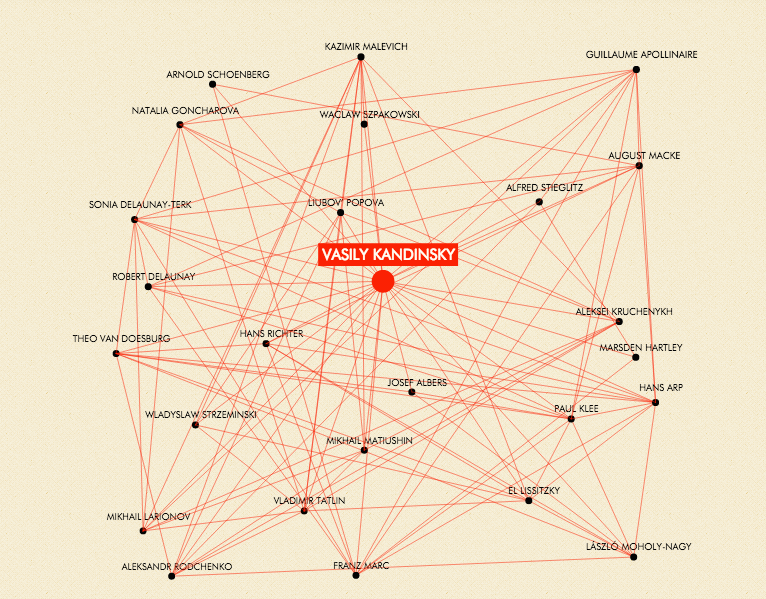
The Bauhaus, Bar­ry Bergdoll writes in the New York Times of the Ger­man design school found­ed a cen­tu­ry ago last month, “last­ed just 14 years before the Nazis shut it down. And yet in that time it proved a mag­net for much that was new and exper­i­men­tal in art, design and archi­tec­ture — and for decades after, its lega­cy played an out­size role in chang­ing the phys­i­cal appear­ance of the dai­ly world, in every­thing from book design to house­hold light­ing to light­weight fur­ni­ture.” Cel­e­bra­tions of the Bauhaus’ cen­te­nary have tak­en many forms, includ­ing the doc­u­men­tary series Bauhaus World, the reimag­in­ing of mod­ern cor­po­rate logos in the clas­sic Bauhaus style, and now the free online resource Bauhaus Book­shelf.

Bauhaus Book­shelf cre­ator Andrea Riegel calls the site “my mod­est con­tri­bu­tion to #bauhaus100 and beyond: (almost) all Bauhaus books and jour­nals in a vir­tu­al book­case — with the pos­si­bil­i­ty to down­load and take a clos­er look at the media and orig­i­nal sources, sup­ple­ment­ed by short excerpts and con­tri­bu­tions by Bauhaus peo­ple and con­tem­po­rary wit­ness­es or oth­er con­tent in con­text.”

In oth­er worlds, you’ll find there not just the orig­i­nal Bauhaus man­i­festo, but sec­tions on the series of “Bauhaus books” pub­lished by Wal­ter Gropius and Lás­zló Moholy-Nagy; Bauhaus-asso­ci­at­ed cre­ators and teach­ers like Paul Klee; Bauhaus adver­tis­ing; the women of the Bauhaus (a sub­ject pre­vi­ous­ly fea­tured here on Open Cul­ture); and mate­ri­als from the 1938 exhi­bi­tion at New York’s Muse­um of Mod­ern Art that intro­duced the Bauhaus to the world.

And 100 years after its found­ing, the world is still think­ing about the Bauhaus, which, in Bergdol­l’s words, “pro­duced one of the most pow­er­ful expres­sions of a view that design was every­thing. It served, in a way, as the embassy of mod­ernist design. But its suc­cess has often led to a reduc­tion­ism in our under­stand­ing of the rich nexus of artis­tic move­ments that criss­crossed at the school itself, as well as the diverse devel­op­ments it helped inspire.” For a bet­ter under­stand­ing of the Bauhaus, per­haps we must go back to the Bauhaus itself, not just in the sense of look­ing at the art, craft, design, and build­ings its teach­ers and stu­dents pro­duced, but the doc­u­ments it issued on its mis­sion and ideals. Whether in its Eng­lish or Ger­man ver­sions, Riegel’s Bauhaus Book­shelf serves as an intel­lec­tu­al­ly and aes­thet­i­cal­ly stim­u­lat­ing place to find them.

Relat­ed Con­tent:

Down­load Orig­i­nal Bauhaus Books & Jour­nals for Free: A Dig­i­tal Cel­e­bra­tion of the Found­ing of the Bauhaus School 100 Years Ago

32,000+ Bauhaus Art Objects Made Avail­able Online by Har­vard Muse­um Web­site

How the Rad­i­cal Build­ings of the Bauhaus Rev­o­lu­tion­ized Archi­tec­ture: A Short Intro­duc­tion

Watch Bauhaus World, a Free Doc­u­men­tary That Cel­e­brates the 100th Anniver­sary of Germany’s Leg­endary Art, Archi­tec­ture & Design School

Mod­ern Cor­po­rate Logos Reimag­ined in a Clas­sic Bauhaus Style: Cel­e­brate the 100th Anniver­sary of the Bauhaus Move­ment Today

Based in Seoul, Col­in Mar­shall writes and broad­casts on cities, lan­guage, and cul­ture. His projects include the book The State­less City: a Walk through 21st-Cen­tu­ry Los Ange­les and the video series The City in Cin­e­ma. Fol­low him on Twit­ter at @colinmarshall, on Face­book, or on Insta­gram.

A New Archive Transcribes and Puts Online the Diaries & Notebooks of Women Artists, Art Historians, Critics and Dealers

While one is still com­par­a­tive­ly young, one has many more thoughts & cer­tain­ly sen­ti­ments than one is able to make use of. It seems as if these might be stored up so that in old age or when one became less pro­lif­ic one could find mat­ter to use. Every thought or sug­ges­tion could be of use.

- Gertrude Van­der­bilt Whit­neysculp­tor, col­lec­tor, founder of the Whit­ney Muse­um of Amer­i­can Art, 1906

There are very few moral defens­es for rum­mag­ing inside another’s pri­vate diary or sketch­book, until that per­son shuf­fles off this mor­tal coil … and even then snoop­ers may get burned by what they read.

Or not.

Bore­dom is anoth­er strong pos­si­bil­i­ty.

Best to stick with fig­ures of his­tor­i­cal import.

With all due respect to Fri­da Kahlo, I pre­fer those whom his­to­ry hasn’t turned into mega-celebs.

It’s fun to dis­cov­er a fas­ci­nat­ing per­son via her own words and doo­dles, rather than seek them out as a bedaz­zled fan girl.

The Women’s His­to­ry Project at the Archives of Amer­i­can Art is scan­ning a trove of hand­writ­ten papers as part of a year long mis­sion to pre­serve and pass along the cre­ative process­es and dai­ly doings of var­i­ous women artists, art his­to­ri­ans, crit­ics, deal­ers, and gallery own­ers. Fas­ci­nat­ing read­ing awaits those who can get past the enig­mat­ic antique scrawl. More on that below.

A sam­ple:

Por­traitist Cecil­ia Beaux’s let­ters to her friend, fre­quent sit­ter, and pos­si­ble lover, actress Dorothea Gilder. (See Beaux’s paint­ing of “Mrs. Theodore Roo­sevelt and daugh­ter Ethel” from 1902 up top.)

The note­book of sculp­tor Anna Cole­man Ladd, stuffed with quotes, poems, research, def­i­n­i­tions, and auto­bi­o­graph­i­cal mus­ings, dat­ed the same year that she found­ed the Amer­i­can Red Cross Stu­dio for Por­trait Masks for severe­ly dis­fig­ured WW1 vets.

The above men­tioned Whitney’s 1914 trav­el diary, when she made sev­er­al trips to France in the name of estab­lish­ing and sup­port­ing a hos­pi­tal in north-cen­tral France.

Ready to explore?

You can do more than that.

The project is a part of the Smith­son­ian Tran­scrip­tion Cen­ter, which depends upon the pub­lic to take a crack at deci­pher­ing the obscure cur­sive of these hand­writ­ten pages, strike-throughs, mar­gin­a­lia, and all.  You can try your hand at a sin­gle sen­tence or tack­le an entire col­lec­tion or diary. No wor­ries if you have no tran­scrip­tion expe­ri­ence. The Cen­ter has easy to fol­low instruc­tions here.

Your efforts will make the dig­i­tized doc­u­ments key­word search­able, while pre­serv­ing the orig­i­nal cre­ators’ mem­o­ries for future gen­er­a­tions. New con­tent will be added month­ly through March 2020.

Begin your explo­rations of the Women’s His­to­ry Project at the Archives of Amer­i­can Art here.

via Hyper­al­ler­gic

Relat­ed Con­tent:

Ven­er­a­ble Female Artists, Musi­cians & Authors Give Advice to the Young: Pat­ti Smith, Lau­rie Ander­son & More

The Dai­ly Rit­u­als of 143 Famous Female Cre­ators: Octavia But­ler, Edith Whar­ton, Coco Chanel & More

“The Artist Project” Reveals What 127 Influ­en­tial Artists See When They Look at Art: An Acclaimed Video Series from The Met­ro­pol­i­tan Muse­um of Art

Ayun Hal­l­i­day is an author, illus­tra­tor, the­ater mak­er and Chief Pri­ma­tol­o­gist of the East Vil­lage Inky zine.  Join her in New York City this June for the next install­ment of her book-based vari­ety show, Necro­mancers of the Pub­lic Domain. Fol­low her @AyunHalliday.

What Did Etruscan Sound Like? An Animated Video Pronounces the Ancient Language That We Still Don’t Fully Understand

Read­ers of Open Cul­ture no doubt have more pro­nounced poly­glot ten­den­cies than aver­age web-surfers, and per­haps even toward rel­a­tive­ly unlike­ly lan­guages, but let us ask this: how many Etr­uscan speak­ers do you know? You’ve prob­a­bly heard that name, which refers to the civ­i­liza­tion that exist­ed in ancient Italy between rough­ly the eleventh and third cen­tu­ry BC and in rough­ly the era of mod­ern-day Tus­cany. The Etr­uscans had their own lan­guage, but it did­n’t sur­vive their civ­i­liza­tion’s assim­i­la­tion into the Roman Repub­lic in com­plete enough shape for us to under­stand it today. But even if we can’t under­stand texts com­posed in Etr­uscan, we’ve at least deter­mined what spo­ken Etr­uscan sound­ed like.

The ani­mat­ed NativLang video above tells the sto­ry of the Etr­uscan lan­guage’s redis­cov­ery, from its appear­ance on the linen wrap­pings of a mum­my in a sar­coph­a­gus pur­chased by a Euro­pean in the mid-1800s; to the deter­mi­na­tion that many of the let­ters Euro­pean lan­guages use descend­ed from it (first passed down from the Phoeni­cians and then to the Greeks); to the frus­trat­ed search for an “Etr­uscan Roset­ta Stone.”

It also breaks down sev­er­al Etr­uscan words : cre­ice, mean­ing “Greece”; ruma, mean­ing “Rome”; and pher­su, mean­ing “mask,” but which “lives on right at the heart of our Eng­lish vocab­u­lary as per­son.” Along the way, the video’s nar­ra­tor pro­vides exam­ples of quite a few Etr­uscan sounds and how we now know they were pro­nounced.

Lin­guists have fig­ured all this out with a rel­a­tive pauci­ty of sources, mak­ing each and every arti­fact inscribed with Etr­uscan writ­ing invalu­able to their quest for full com­pre­hen­sion: the Cip­pus Perus­i­nus, for exam­ple, a legal con­tract lit­er­al­ly etched in stone, or the afore­men­tioned mum­my wrap­pings, the mean­ing of which remains obscure. “We don’t know how this text got to Egypt. But thanks to all this work, we can tell it’s a kind of rit­u­al cal­en­dar, and some­times we can fol­low whole threads of text.” The nar­ra­tor pro­nounces a few of them, and “it’s almost like, if you close your eyes, I could take you right back to the days of flu­ent Etr­uscan. But ask how to say a sim­ple yes or no, and we’re lost again.”

Relat­ed Con­tent:

Hear What the Lan­guage Spo­ken by Our Ances­tors 6,000 Years Ago Might Have Sound­ed Like: A Recon­struc­tion of the Pro­to-Indo-Euro­pean Lan­guage

Hear the Epic of Gil­gamesh Read in its Orig­i­nal Ancient Lan­guage, Akka­di­an

Learn Latin, Old Eng­lish, San­skrit, Clas­si­cal Greek & Oth­er Ancient Lan­guages in 10 Lessons

What Ancient Latin Sound­ed Like, And How We Know It

Hear What Homer’s Odyssey Sound­ed Like When Sung in the Orig­i­nal Ancient Greek

The Evo­lu­tion of the Alpha­bet: A Col­or­ful Flow­chart, Cov­er­ing 3,800 Years, Takes You From Ancient Egypt to Today

Based in Seoul, Col­in Mar­shall writes and broad­casts on cities, lan­guage, and cul­ture. His projects include the book The State­less City: a Walk through 21st-Cen­tu­ry Los Ange­les and the video series The City in Cin­e­ma. Fol­low him on Twit­ter at @colinmarshall, on Face­book, or on Insta­gram.

The Writing System of the Cryptic Voynich Manuscript Explained: British Researcher May Have Finally Cracked the Code

Human­i­ty will remem­ber the name of James Joyce for gen­er­a­tions to come, not least because, as he once wrote about his best-known nov­el Ulysses, “I’ve put in so many enig­mas and puz­zles that it will keep the pro­fes­sors busy for cen­turies argu­ing over what I meant, and that’s the only way of insur­ing one’s immor­tal­i­ty.” If Joyce was right, then the author of the mys­te­ri­ous Voyn­ich man­u­script (about which you can see an ani­mat­ed intro­duc­tion here) has set a kind of stan­dard for immor­tal­i­ty. Filled with odd, not espe­cial­ly explana­to­ry illus­tra­tions and writ­ten in a script not seen any­where else, the ear­ly 15th-cen­tu­ry text has per­plexed schol­ars for at least 400 or so years of its exis­tence.

But recent years have seen a few claims of hav­ing cracked the Voyn­ich man­u­scrip­t’s code: one effort made use of arti­fi­cial intel­li­gence, anoth­er con­cludes that the text was writ­ten in pho­net­ic Old Turk­ish, and the lat­est declares the Voyn­ich man­u­script to have been com­posed in “the only known exam­ple of pro­to-Romance lan­guage.” Uni­ver­si­ty of Bris­tol Research Asso­ciate Ger­ard Cheshire, the man behind this new decod­ing, describes that lan­guage as “ances­tral to today’s Romance lan­guages includ­ing Por­tuguese, Span­ish, French, Ital­ian, Roman­ian, Cata­lan and Gali­cian. The lan­guage used was ubiq­ui­tous in the Mediter­ranean dur­ing the Medieval peri­od, but it was sel­dom writ­ten in offi­cial or impor­tant doc­u­ments because Latin was the lan­guage of roy­al­ty, church and gov­ern­ment.”

And what, pray tell, is the Voyn­ich man­u­script actu­al­ly about? Cheshire has revealed lit­tle about its con­tent thus far, though he has described the text as “com­piled by Domini­can nuns as a source of ref­er­ence for Maria of Castile, Queen of Aragon.” Though he has claimed to deter­mine the nature of its unusu­al lan­guage — one with­out punc­tu­a­tion but with “diph­thong, triph­thongs, quad­riph­thongs and even quin­tiph­thongs for the abbre­vi­a­tion of pho­net­ic com­po­nents” — deci­pher­ing its more than 200 pages of con­tent stands as anoth­er task alto­geth­er. In the mean­time, you can read his paper “The Lan­guage and Writ­ing Sys­tem of MS408 (Voyn­ich) Explained,” orig­i­nal­ly pub­lished in the jour­nal Romance Stud­ies.

Although Cheshire’s dis­cov­ery has pro­duced head­lines like the Express’ “Voyn­ich Man­u­script SOLVED: World’s Most Mys­te­ri­ous Book Deci­phered After 600 Years,” oth­ers include Ars Techh­ni­ca’s “No, Some­one Has­n’t Cracked the Code of the Mys­te­ri­ous Voyn­ich Man­u­script.” That arti­cle quotes Lisa Fagin Davis, exec­u­tive direc­tor of the Medieval Acad­e­my of Amer­i­ca (and vocal Voyn­ich-trans­la­tion skep­tic), crit­i­ciz­ing the foun­da­tion of Cheshire’s claim: “He starts with a the­o­ry about what a par­tic­u­lar series of glyphs might mean, usu­al­ly because of the word’s prox­im­i­ty to an image that he believes he can inter­pret. He then inves­ti­gates any num­ber of medieval Romance-lan­guage dic­tio­nar­ies until he finds a word that seems to suit his the­o­ry. Then he argues that because he has found a Romance-lan­guage word that fits his hypoth­e­sis, his hypoth­e­sis must be right.”

Fagin Davis adds that Cheshire’s “ ‘trans­la­tions’ from what is essen­tial­ly gib­ber­ish, an amal­gam of mul­ti­ple lan­guages, are them­selves aspi­ra­tional rather than being actu­al trans­la­tions,” and that “the fun­da­men­tal under­ly­ing argu­ment — that there is such a thing as one ‘pro­to-Romance lan­guage’ — is com­plete­ly unsub­stan­ti­at­ed and at odds with pale­olin­guis­tics.” Fagin Davis’ crit­i­cism does­n’t even stop there, and if she’s right, Cheshire’s approach will be unlike­ly to pro­duce a coher­ent trans­la­tion of the entire text. And so, at least for the moment, the Voyn­ich man­u­scrip­t’s life as a mys­tery con­tin­ues, keep­ing busy not just pro­fes­sors but enthu­si­asts, tech­nol­o­gists, Research Asso­ciates, and many oth­ers besides.

Relat­ed Con­tent:

Has the Voyn­ich Man­u­script Final­ly Been Decod­ed?: Researchers Claim That the Mys­te­ri­ous Text Was Writ­ten in Pho­net­ic Old Turk­ish

An Ani­mat­ed Intro­duc­tion to “the World’s Most Mys­te­ri­ous Book,” the 15th-Cen­tu­ry Voyn­ich Man­u­script

Behold the Mys­te­ri­ous Voyn­ich Man­u­script: The 15th-Cen­tu­ry Text That Lin­guists & Code-Break­ers Can’t Under­stand

Arti­fi­cial Intel­li­gence May Have Cracked the Code of the Voyn­ich Man­u­script: Has Mod­ern Tech­nol­o­gy Final­ly Solved a Medieval Mys­tery?

An Intro­duc­tion to the Codex Seraphini­anus, the Strangest Book Ever Pub­lished

Based in Seoul, Col­in Mar­shall writes and broad­casts on cities, lan­guage, and cul­ture. His projects include the book The State­less City: a Walk through 21st-Cen­tu­ry Los Ange­les and the video series The City in Cin­e­ma. Fol­low him on Twit­ter at @colinmarshall, on Face­book, or on Insta­gram.

Paris, New York & Havana Come to Life in Colorized Films Shot Between 1890 and 1931

Cities have long pro­vid­ed a rich envi­ron­ment for pho­tog­ra­phy, at least to pho­tog­ra­phers not inter­est­ed exclu­sive­ly in nature. But only with the advent of the motion pic­ture cam­era did the sub­ject of cities find a pho­to­graph­ic form that tru­ly suit­ed it. Hence the pop­u­lar­i­ty in the 1920s of “city sym­pho­ny” films, each of which sought to cap­ture and present the real life of a dif­fer­ent bustling indus­tri­al metrop­o­lis. But while city sym­phonies cer­tain­ly hold up as works of art, they do make mod­ern-day view­ers won­der: what would all these cap­i­tals look like if I could gaze back­ward in time, look­ing not through the jit­tery, col­or­less medi­um of ear­ly motion-pic­ture film, but with my own eyes?

Youtu­ber Igna­cio López-Fran­cos offers a step clos­er to the answer in the form of these four videos, each of which takes his­tor­i­cal footage of a city, then cor­rects its speed and adds col­or to make it more life­like.

At the top of the post we have “a col­lec­tion of high qual­i­ty remas­tered prints from the dawn of film tak­en in Belle Époque-era Paris, France from 1896–1900.” Shot by the Lumière com­pa­ny (which was found­ed by Auguste and Louis Lumière, inven­tors of the pro­ject­ed motion pic­ture), the sights cap­tured by the film include the Avenue des Champs-Élysées, Tui­leries Gar­den, the then-new Eif­fel Tow­er, and the now-soon-to-be-reha­bil­i­tat­ed but then-intact Notre Dame cathe­dral.

The Paris footage was col­orized using DeOld­ify, “a deep learn­ing-based project for col­oriz­ing and restor­ing old images.” So was the footage just above, which shows New York City in 1911 as shot by the Swedish com­pa­ny Sven­s­ka Biografteatern and released pub­licly by the Muse­um of Mod­ern Art. “Pro­duced only three years before the out­break of World War I, the every­day life of the city record­ed here — street traf­fic, peo­ple going about their busi­ness — has a casu­al, almost pas­toral qual­i­ty that dif­fers from the mod­ernist per­spec­tive of lat­er city-sym­pho­ny films,” say the accom­pa­ny­ing notes. “Take note of the sur­pris­ing and remark­ably time­less expres­sion of bore­dom exhib­it­ed by a young girl filmed as she was chauf­feured along Broad­way in the front seat of a con­vert­ible lim­ou­sine.”

Shot twen­ty years lat­er, these clips of New York’s The­ater Dis­trict have also under­gone the DeOld­ify treat­ment, which gets the bright lights (and numer­ous bal­ly­hoo­ing signs) of the big city a lit­tle clos­er to the stun­ning qual­i­ty they must have had on a new arrival in the 1930s. The streets of Havana were seem­ing­ly qui­eter dur­ing that same decade, at least if the col­orized footage below is to be believed. But then, the his­to­ry of tourism in Cuba remem­bers the 1930s as some­thing of a dull stretch after the high-liv­ing 1920s that came before, dur­ing the Unit­ed States’ days of Pro­hi­bi­tion — let alone the even more daiquiri- and moji­to-soaked 1950s that would come lat­er, speak­ing of eras one dreams of see­ing for one­self.

via Twist­ed Sifter

Relat­ed Con­tent:

Immac­u­late­ly Restored Film Lets You Revis­it Life in New York City in 1911

The Old­est Known Footage of Lon­don (1890–1920) Fea­tures the City’s Great Land­marks

Time Trav­el Back to Tokyo After World War II, and See the City in Remark­ably High-Qual­i­ty 1940s Video

Berlin Street Scenes Beau­ti­ful­ly Caught on Film (1900–1914)

Pris­tine Footage Lets You Revis­it Life in Paris in the 1890s: Watch Footage Shot by the Lumière Broth­ers

The Old­est Known Footage of Lon­don (1890–1920) Fea­tures the City’s Great Land­marks

Based in Seoul, Col­in Mar­shall writes and broad­casts on cities, lan­guage, and cul­ture. His projects include the book The State­less City: a Walk through 21st-Cen­tu­ry Los Ange­les and the video series The City in Cin­e­ma. Fol­low him on Twit­ter at @colinmarshall, on Face­book, or on Insta­gram.

Would You Go Back to 1889 and Take Out Baby Hitler?: Time-Travel Expert James Gleick Answers the Philosophical Question

The vast major­i­ty of us have no incli­na­tion to kill any­one, much less a small child. But what if we had the chance to kill baby Adolf Hitler, pre­vent­ing the Holo­caust and indeed the Sec­ond World War? That hypo­thet­i­cal ques­tion has endured for a vari­ety of rea­sons, touch­ing as it does on the con­cepts of geno­cide and infant mur­der in forms even more high­ly charged than usu­al. It also presents, in the words of Time Trav­el: A His­to­ry author James Gle­ick, “two prob­lems at once. There’s a sci­en­tif­ic prob­lem — you can set your mind to work imag­in­ing, ‘Could such a thing be pos­si­ble and how would that work?’ And then there’s an eth­i­cal prob­lem. ‘If I could, would I, should I?’ ”

By the sim­plest analy­sis, writes Vox’s Dylan Matthews, the ques­tion comes down to, “Is it eth­i­cal to kill one per­son to save 40-plus mil­lion peo­ple?” But time-trav­el fic­tion has been around long enough that we’ve all inter­nal­ized the mes­sage that it’s not quite so sim­ple. We can even ques­tion the assump­tion that killing baby Hitler would pre­vent the Holo­caust and World War II in the first place.

Maybe those ter­ri­ble events hap­pen on any time­line, regard­less of whether Hitler lives or dies: that would align with the Novikov self-con­sis­ten­cy prin­ci­ple, which holds that “time trav­el could be pos­si­ble, but must be con­sis­tent with the past as it has already tak­en place,” and which has been dra­ma­tized in time-trav­el sto­ries from La Jetée to The Ter­mi­na­tor.

Gle­ick does­n’t have a straight answer in the Vox video on the killing-baby-hitler ques­tion above as to whether he him­self would go back to 1889 and put baby Hitler out of action. “When you change his­to­ry,” he says of the moral of the count­less many time trav­el sto­ries he’s read, “you don’t get the result you’re look­ing for. Every day, every­thing we do is a turn­ing point in his­to­ry, whether it’s obvi­ous to us or not.” This in con­trast to for­mer Flori­da gov­er­nor and Unit­ed States pres­i­den­tial can­di­date Jeb Bush, who, when he had the big baby-Hitler ques­tion put to him by the Huff­in­g­ton Post, returned a hearty “Hell yea I would.” But giv­en time to reflect, even he con­clud­ed that such an act “could have a dan­ger­ous effect on every­thing else.” It appears that some of the lessons of time-trav­el sto­ries have been learned, but as for what human­i­ty will do if it actu­al­ly devel­ops time-trav­el tech­nol­o­gy — maybe we’d rather not peer into the future to find out.

Relat­ed Con­tent:

What’s the Ori­gin of Time Trav­el Fic­tion?: New Video Essay Explains How Time Trav­el Writ­ing Got Its Start with Charles Dar­win & His Lit­er­ary Peers

What Hap­pened When Stephen Hawk­ing Threw a Cock­tail Par­ty for Time Trav­el­ers (2009)

Pro­fes­sor Ronald Mal­lett Wants to Build a Time Machine in this Cen­tu­ry … and He’s Not Kid­ding

Carl Jung Psy­cho­an­a­lyzes Hitler: “He’s the Uncon­scious of 78 Mil­lion Ger­mans.” “With­out the Ger­man Peo­ple He’d Be Noth­ing” (1938)

How Did Hitler Rise to Pow­er? : New TED-ED Ani­ma­tion Pro­vides a Case Study in How Fas­cists Get Demo­c­ra­t­i­cal­ly Elect­ed

The New York Times’ First Pro­file of Hitler: His Anti-Semi­tism Is Not as “Gen­uine or Vio­lent” as It Sounds (1922)

Based in Seoul, Col­in Mar­shall writes and broad­casts on cities, lan­guage, and cul­ture. His projects include the book The State­less City: a Walk through 21st-Cen­tu­ry Los Ange­les and the video series The City in Cin­e­ma. Fol­low him on Twit­ter at @colinmarshall, on Face­book, or on Insta­gram.

A Mesmerizing Trip Across the Brooklyn Bridge: Watch Footage from 1899

It’s hard­ly orig­i­nal advice but bears repeat­ing any­way: no one vis­it­ing New York should leave, if they can help it, before they cross the Brook­lyn Bridge—preferably on foot, if pos­si­ble, and at a rev­er­en­tial pace that lets them soak up all the Neo-goth­ic structure’s sto­ried his­to­ry. Walk from Man­hat­tan to Brook­lyn, then back again, or the oth­er away around, since that’s what the bridge was built for—the com­mutes of a nine­teenth cen­tu­ry bridge-but-not-yet-tun­nel crowd (the first NYC sub­way tun­nel didn’t open until 1908).

In 1899, film­mak­ers from Amer­i­can Muto­scope and Bio­graph elect­ed for a mode of trav­el for a New York cen­tu­ry, putting a cam­era at “the front end of a third rail car run­ning at high speed,” notes a 1902 Amer­i­can Muto­scope cat­a­logue. They accel­er­at­ed the tour to the pace of a mod­ern machine, chos­ing the Man­hat­tan to Brook­lyn route. “The entire trip con­sumes three min­utes of time, dur­ing which abun­dant oppor­tu­ni­ty is giv­en to observe all the struc­tur­al won­ders of the bridge, and far dis­tant riv­er panora­ma below.” (See one-third of the trip just below.)

Film­mak­er Bill Mor­ri­son looped excerpts of those three New York min­utes and extend­ed them to nine in his short, stereo­scop­ic jour­ney “Out­er­bor­ough,” at the top, com­mis­sioned by The Muse­um of Mod­ern Art in 2005 and scored with orig­i­nal music by Todd Reynolds. Tak­ing the 1899 footage as its source mate­r­i­al, the film turns a rapid tran­sit tour into a mov­ing man­dala, a frac­tal rep­e­ti­tion at fright­en­ing­ly faster and faster speeds, of the bridge’s most mechan­i­cal vistas—the views of its loom­ing, vault­ed arch­es and of the steel cage sur­round­ing the tracks.

One of the engi­neer­ing won­ders of the world, the Brook­lyn Bridge opened 136 years ago this month, on May 24th, 1883. The first per­son to walk across it was the woman who over­saw its con­struc­tion for 11 of the 14 years it took to build the bridge. After design­er John Roe­bling died of tetanus, his son Wash­ing­ton took over, only to suc­cumb to the bends dur­ing the sink­ing of the cais­sons and spend the rest of his life bedrid­den. Emi­ly, his wife, “took on the chal­lenge,” notes the blog 6sqft, con­sult­ing with her hus­band while active­ly super­vis­ing the project.

She “stud­ied math­e­mat­ics, the cal­cu­la­tions of cate­nary curves, strengths of mate­ri­als and the intri­ca­cies of cable con­struc­tion.” On its open­ing day, Emi­ly walked the bridge’s 1,595 feet, from Man­hat­tan to Brook­lyn, “her long skirt bil­low­ing in the wind as she showed [the crowd] details of the con­struc­tion,” writes David McCul­lough in The Great Bridge. Six days lat­er, an acci­dent caused a pan­ic and a stam­pede that killed twelve peo­ple. Some months lat­er, P.T. Barnum’s Jum­bo led a parade of 21 ele­phants over the bridge in a stunt to prove its safe­ty.

Barnum’s the­atrics were sur­pris­ing­ly honest—the bridge may have need­ed sell­ing to skep­ti­cal com­muters, but it need­ed no hype. It out­lived most of its con­tem­po­raries, despite the fact that it was built before engi­neers under­stood the aero­dy­nam­ic prop­er­ties of bridges. The Roe­blings designed and built the bridge to be six times stronger than it need­ed to be, but no one could have fore­seen just how durable the struc­ture would prove.

It elicit­ed a fas­ci­na­tion that nev­er waned for its pal­pa­ble strength and beau­ty, yet few­er of its admir­ers chose to doc­u­ment the jour­ney that has tak­en mil­lions of Brook­lynites over the riv­er to low­er Man­hat­tan, by foot, bike, car, and yes, by train. Leave it to that futur­ist for the com­mon man, Thomas Edi­son, to film the trip. See his 1899 footage of Brook­lyn to Man­hat­tan by train just above.

via Aeon

Relat­ed Con­tent:

Immac­u­late­ly Restored Film Lets You Revis­it Life in New York City in 1911

An Online Gallery of Over 900,000 Breath­tak­ing Pho­tos of His­toric New York City

New York City: A Social His­to­ry (A Free Online Course from N.Y.U.) 

Josh Jones is a writer and musi­cian based in Durham, NC. Fol­low him at @jdmagness

The Shifting Power of the World’s Largest Cities Visualized Over 4,000 Years (2050 BC-2050 AD)

“When Rome fell….” The expres­sion seems designed to con­jure the Tarot card Tow­er that illus­trates it, a sud­den attack, a reck­on­ing. “Fell,” in the case of most ancient empires, means declined, changed, and trans­formed over cen­turies. As all great cities do, Rome suf­fered many vio­lent shocks dur­ing its fall, as it tran­si­tioned from a pagan to a Chris­t­ian empire. The sack­ing of Rome in 410 left Romans reel­ing, try­ing to make mean­ing from upheaval. They found it in the pagan reli­gion of their ances­tors.

To which the defend­er of the one true faith—by his lights—Augus­tine of Hip­po, answered with a rather odd defense of the new order. Rather than write a the­o­log­i­cal trea­tise or a fire-and-brim­stone ser­mon, though it is these things as well, he wrote a book about cities: the City of God, pit­ted against the Earth­ly City (which is, you guessed it, aligned with the Dev­il). The medieval idea of cities as vehi­cles for the grudge match­es of princes must have derived from this strange text, as well as from the emer­gent feu­dal order that turned dis­mem­bered empires into uneasy patch­works of cities. Rome did­n’t fall, it decen­tral­ized, diver­si­fied, and prop­a­gat­ed.

Augus­tine saw the city not only as a metaphor but also as the height of human pow­er: doomed to fall in the final analy­sis, yet built to pose a for­mi­da­ble chal­lenge to divine rule. But what is a city? Is it mere­ly a strong­hold for cor­rup­tion and com­merce or some­thing more right­eous? Is it an expres­sion of class pow­er, the work­er bees who run it or just cogs in a machine, a la Metrop­o­lis? Is it an “assem­blage,” defined by Gilles Deleuze and Felix Guat­tari as “a mul­ti­plic­i­ty which is made up of many het­eroge­nous terms and which estab­lish­es liaisons, rela­tions between them, across ages, sex­es and reigns”?

In our post-post-mod­ern moment, we find all of these ideas—the hier­ar­chi­cal and the horizontal—operating. Pop­u­lar books like Ian Morris’s Why the West Rules—For Now seem to spring from an impulse com­mon to apol­o­gists and sec­u­lar­ists alike—the will to lin­ear cer­tain­ty. There is a sense in which 21st cen­tu­ry thought has turned back to the­ol­o­gy, stripped of the trap­pings of belief, to make sense of the rise and decline of the West. This faith demands not blind alle­giance, but data, more and more and more data—to answer the burn­ing ques­tion of 2001’s Plan­et of the Apes: “How’d these apes get like this?”

Then there’s the internet—a space for shar­ing gifs, a func­tion­al assem­blage, and maybe some­day, a city. Glob­al cir­cum­stances seem to war­rant reflec­tion. Like the Romans, we want a sto­ry about how it came to pass, and we want to make and share ani­mat­ed info­graph­ic gifs about it. The gif at the top of the post is such a gif. Draw­ing on the sweep­ing, sev­er­al-thou­sand-year his­tor­i­cal argu­ment of Morris’s book, and data from the UN Pop­u­la­tion Divi­sion, its cre­ator whisks us through a visu­al nar­ra­tive of suprema­cy-by-city over the course of rough­ly four-thou­sand years.

Sheer size, in this visu­al account, deter­mines the winners—a sim­plis­tic cri­te­ria, but the mod­el here is sim­pli­fied for effect. It dra­ma­tizes argu­ments made and data gath­ered else­where. To get the full effect, you’d prob­a­bly do well to read Morris’s book and, while you’re reach­ing for your wal­let, the orig­i­nal arti­cle, behind a pay­wall at The Aus­tralian, for which this gif was made. Its title? “Why Rome is the World’s Best City.” The gif’s design­er admits in a Red­dit post, “We are deal­ing with his­toric demo­graph­ic data here which are always debat­ed among schol­ars…. I acknowl­edge that oth­er schol­ars would add or delete cer­tain cities that pop up in my map.”

For more on the idea of the city as assem­blage, see Euro­pean Grad­u­ate School pro­fes­sor Manuel DeLanda’s lec­ture “A Mate­ri­al­ist His­to­ry of Cities” and his book Assem­blage The­o­ry. Augus­tine insist­ed we view the city through the eye of faith—his faith. In the 21st cen­tu­ry, DeLanda’s intel­lec­tu­al ges­tures, like Mor­ris’s, are as grand, but he sug­gests throw­ing out West­ern schemat­ics in a return to ear­li­er reli­gious prac­tices. To under­stand  a city, he sug­gests, we might need “tools to manip­u­late these inten­si­ties… in the form of a grow­ing vari­ety of psy­choac­tive chem­i­cals that can be deployed to go beyond the actu­al world, and pro­duce at least a descrip­tive phe­nom­e­nol­o­gy of the vir­tu­al.”

Relat­ed Con­tent:

Get the His­to­ry of the World in 46 Lec­tures, Cour­tesy of Colum­bia Uni­ver­si­ty

Watch the His­to­ry of the World Unfold on an Ani­mat­ed Map: From 200,000 BCE to Today

A Crash Course in World His­to­ry

Josh Jones is a writer and musi­cian based in Durham, NC. Fol­low him at @jdmagness

« Go BackMore in this category... »
Quantcast