Joseph Priestley Visualizes History & Great Historical Figures with Two of the Most Influential Infographics Ever (1769)

A_New_Chart_of_History_color

Not a day now goes by with­out the appear­ance of new info­graph­ics, each of them meant to bring its view­ers a fuller under­stand­ing of a sub­ject or phe­nom­e­non (or con­vince them of an argu­ment) at a glance. Mod­ern tech­nol­o­gy has made it pos­si­ble for us to see, as well as cre­ate, a wider vari­ety of info­graph­ics filled with more data than ever, but their cre­ation as an artis­tic and intel­lec­tu­al pur­suit began longer ago than you might think. Here we have two hand­made info­graph­ics by the 18th-cen­tu­ry Eng­lish poly­math Joseph Priest­ley, notable not just for their ear­li­ness, but for the fact that they remain among the most impres­sive exam­ples of the form.

Priest­ley’s 1769 A New Chart of His­to­ry appears at the top of the post (click for larg­er ver­sion or see this one too). Accom­pa­nied by a descrip­tion and sub­ti­tles, “A View of the Prin­ci­pal Rev­o­lu­tions of Empire that have tak­en place in the World” lit­er­al­ly illus­trates its cre­ator’s view, uncon­ven­tion­al at the time, that to tru­ly under­stand his­to­ry requires more than just exam­in­ing the his­to­ry of one coun­try or one peo­ple. It requires exam­in­ing the his­to­ry of all the civ­i­liza­tions of Earth, which he divid­ed into Scan­di­navia, Poland, Rus­sia, Great Britain, Spain, France, Italy, “Turkey in Europe” and “Turkey in Asia,” Ger­many, Per­sia, India, Chi­na, Africa, and Amer­i­ca.

PriestleyChart

His ear­li­er A Chart of Biog­ra­phy (1765), a piece of which appears just above, had visu­al­ized not the for­tunes of empires but the for­tunes of indi­vid­u­als, more than 2000 states­men, war­riors, divines, meta­physi­cians, math­e­mati­cians, physi­cians, poets, artists, ora­tors, crit­ics, his­to­ri­ans, and anti­quar­i­ans who lived between 1200 BC and his own day. “What makes this viz espe­cial­ly amaz­ing,” says a pre­sen­ta­tion by Tableau Soft­ware on the five most influ­en­tial data visu­al­iza­tions of all time, “is that we can still learn from it at the aggre­gate lev­el when we com­bine it with the sec­ond part of his two-part visu­al­iza­tion” — the New Chart of His­to­ry.

“Togeth­er, they weave an intri­cate sto­ry. They explain and doc­u­ment both the rise and fall of empires, and the unique thinkers that defined those nations,” the lead­ing lights of the Greeks, the Romans, the Enlight­en­ment, and oth­er civ­i­liza­tions and peri­ods besides. They make his­to­ry, at least as Priest­ley and his stu­dents knew it, quick­ly gras­pable at a com­bi­na­tion of scales sel­dom con­sid­ered before, and one which has influ­enced think­ing ever since about how civ­i­liza­tions grow, col­lapse, expand, and col­lide. After their ini­tial pub­li­ca­tion, the Chart of Biog­ra­phy and New Chart of His­to­ry met with great acclaim and decades of pop­u­lar demand, and they still read as not just his­tor­i­cal, geo­graph­i­cal, and polit­i­cal, but some­how poet­ic — poet­ic in the man­ner, specif­i­cal­ly, of Shelly’s Ozy­man­dias.

You can read more about both charts at MIT’s Dig­i­tal Human­i­ties site.

Relat­ed Con­tent:

An Inter­ac­tive Time­line Cov­er­ing 14 Bil­lion Years of His­to­ry: From The Big Bang to 2015

10 Mil­lion Years of Evo­lu­tion Visu­al­ized in an Ele­gant, 5‑Foot Long Info­graph­ic from 1931

6,000 Years of His­to­ry Visu­al­ized in a 23-Foot-Long Time­line of World His­to­ry, Cre­at­ed in 1871

4000 Years of His­to­ry Dis­played in a 5‑Foot-Long “His­tom­ap” (Ear­ly Info­graph­ic) From 1931

5‑Minute Ani­ma­tion Maps 2,600 Years of West­ern Cul­tur­al His­to­ry

The His­to­ry of Phi­los­o­phy, from 600 B.C.E. to 1935, Visu­al­ized in Two Mas­sive, 44-Foot High Dia­grams

The Tree of Lan­guages Illus­trat­ed in a Big, Beau­ti­ful Info­graph­ic

Based in Seoul, Col­in Mar­shall writes and broad­casts on cities and cul­ture. He’s at work on a book about Los Ange­les, A Los Ange­les Primer, the video series The City in Cin­e­ma, the crowd­fund­ed jour­nal­ism project Where Is the City of the Future?, and the Los Ange­les Review of Books’ Korea Blog. Fol­low him on Twit­ter at @colinmarshall or on Face­book.

Was a 32,000-Year-Old Cave Painting the Earliest Form of Cinema?

A few years ago, Wern­er Her­zog’s acclaimed Cave of For­got­ten Dreams pulled off an unlike­ly com­bi­na­tion of tech­nol­o­gy and sub­ject mat­ter, using the lat­est in 3D cin­e­ma to cap­ture the old­est known man­made images. But in the view of French archae­ol­o­gist and film­mak­er Marc Azé­ma, it must have made per­fect sense as a kind of clos­ing of a grand cul­tur­al loop. More than twen­ty years of research has made him see the kind of up to 32,000-year-old cave paint­ings shown in Her­zog’s film as sequen­tial images of man and beast, not just sta­t­ic ones — mov­ing pic­tures, if you like — that emerge when arranged in a cer­tain way.

Azé­ma’s short video “Sequen­tial Ani­ma­tion: The First Pale­olith­ic Ani­mat­ed Pic­tures” does that arrang­ing for us, reveal­ing how the ear­ly anatom­i­cal sketch­es found on the walls of caves in France and Por­tu­gal depict ani­mal move­ment as the human artists per­ceived it. The con­nec­tion to mod­ern cin­e­ma, if you go through Ead­weard Muy­bridge’s nine­teenth-cen­tu­ry stud­ies of motion and then on to the prod­ucts of the Lumière broth­ers’ ear­ly movie cam­era, looks clear indeed. Once we fig­ured out how to sat­is­fy our ages-long curios­i­ty about how things move, we then, human ambi­tion being what it is, had to find a way to turn the dis­cov­ery toward artis­tic ends again.

“I don’t think it’s too much to call it an ear­ly form of cin­e­ma,” says Azé­ma in the seg­ment from PRI’s The World embed­ded above. “It was the first grand form of com­mu­ni­ca­tion, with an audi­ence and pic­tures.” He points to the key con­cept of reti­nal per­sis­tence, or per­sis­tence of vision, “when you’ve got an image, then a suc­ces­sive image, and anoth­er image, and the reti­na fol­lows what’s com­ing next,” which makes cin­e­ma pos­si­ble in the first place — and which ear­ly man, who “had the need to get the images out of his brain and on the wall,” seems to have known some­thing about. And what, we can hard­ly resist won­der­ing, will cin­e­ma look like to the future gen­er­a­tions who will regard even our biggest-bud­get 3D spec­ta­cles as, essen­tial­ly, pre­his­toric cave paint­ings?

Relat­ed Con­tent:

The His­to­ry of the Movie Cam­era in Four Min­utes: From the Lumiere Broth­ers to Google Glass

Watch the Films of the Lumière Broth­ers & the Birth of Cin­e­ma (1895)

We Were Wan­der­ers on a Pre­his­toric Earth: A Short Film Inspired by Joseph Con­rad

Hear the World’s Old­est Instru­ment, the “Nean­derthal Flute,” Dat­ing Back Over 43,000 Years

Based in Seoul, Col­in Mar­shall writes and broad­casts on cities and cul­ture. He’s at work on a book about Los Ange­les, A Los Ange­les Primer, the video series The City in Cin­e­ma, the crowd­fund­ed jour­nal­ism project Where Is the City of the Future?, and the Los Ange­les Review of Books’ Korea Blog. Fol­low him on Twit­ter at @colinmarshall or on Face­book.

How Did Hitler Rise to Power? : New TED-ED Animation Provides a Case Study in How Fascists Get Democratically Elected

How does one rise to pub­lic office? In part, by flat­ter­ing the sen­si­bil­i­ties of those one seeks to serve.

Do you appeal to their high­er nature, their sense of civic respon­si­bil­i­ty and inter­con­nect­ness?

Or do you cap­i­tal­ize on pre-exist­ing bias­es, stok­ing already sim­mer­ing fears and resent­ments to the boil­ing point?

The world paid a ghast­ly price when Germany’s Chan­cel­lor and even­tu­al Führer Adolf Hitler proved him­self a mas­ter of the lat­ter approach.

It seems like we’ve been hear­ing about Hitler’s rise to pow­er a lot late­ly… and not in antic­i­pa­tion of the fast-approach­ing 80th anniver­sary of the 1936 Olympic Games in Berlin.

We must always resist the temp­ta­tion to over­sim­pli­fy his­to­ry, espe­cial­ly when doing so serves our own ends. There are way too many con­tribut­ing fac­tors to Hitler’s ascen­dan­cy to squeeze into a five minute ani­ma­tion.

On the oth­er hand, you can’t dump a ton of infor­ma­tion on people’s heads and expect them to absorb it all in one sit­ting. You have to start some­where.

TED-Ed les­son plan­ners Alex Gendler and Antho­ny Haz­ard, in col­lab­o­ra­tion with the Uncle Gin­ger ani­ma­tion stu­dio, offer a very cogent expla­na­tion of how “a tyrant who orches­trat­ed one of the largest geno­cides in his­to­ry” achieved such a calami­tous­ly pow­er­ful posi­tion. All in a demo­c­ra­t­ic fash­ion.

When view­ers have more than five min­utes to devote to the sub­ject, they can delve into addi­tion­al resources and par­tic­i­pate in dis­cus­sions on the sub­ject.

The video doesn’t touch on Hitler’s men­tal ill­ness or the par­tic­u­lars of Weimar era polit­i­cal struc­tures, but even view­ers with lim­it­ed his­tor­i­cal con­text will walk away from it with an under­stand­ing that Hitler was a mas­ter at exploit­ing the Ger­man majority’s mood in the wake of WWI. (A 1933 cen­sus shows that Jews made up less than one per­cent of the total pop­u­la­tion.)

Hitler’s rep­u­ta­tion as a charis­mat­ic speak­er is dif­fi­cult to accept, giv­en hind­sight, mod­ern sen­si­bil­i­ties, and the herky-jerky qual­i­ty of archival footage. He seems unhinged. How could the crowds not see it?

Per­haps they could, Gendler and Haz­ard sug­gest. They just did­n’t want to. Busi­ness­men and intel­lec­tu­als, want­i­ng to back a win­ner, ratio­nal­ized that his more mon­strous rhetoric was “only for show.”

Quite an atten­tion-get­ting show, as it turns out.

Could it hap­pen again?  Gendler and Haz­ard, like all good edu­ca­tors, present stu­dents with the facts, then open the floor for dis­cus­sion.

Relat­ed Con­tent:

Rare 1940 Audio: Thomas Mann Explains the Nazis’ Ulte­ri­or Motive for Spread­ing Anti-Semi­tism

How Jazz-Lov­ing Teenagers–the Swingjugend–Fought the Hitler Youth and Resist­ed Con­for­mi­ty in Nazi Ger­many

Noam Chom­sky on Whether the Rise of Trump Resem­bles the Rise of Fas­cism in 1930s Ger­many

Ayun Hal­l­i­day is an author, illus­tra­tor, and Chief Pri­ma­tol­o­gist of the East Vil­lage Inky zine. Fol­low her @AyunHalliday

Stanley Kubrick’s Daughter Vivian Debunks the Age-Old Moon Landing Conspiracy Theory

Kubrick Moon Landing

All moon-land­ing con­spir­a­cy the­o­rists refuse to believe that the Unit­ed States land­ed on that much-mythol­o­gized rock 250,00 miles away in 1969. As to why the rest of us believe that it did hap­pen, moon-land­ing con­spir­a­cy the­o­rists vary in the specifics of their sto­ries. Per­haps the most inter­est­ing ele­ment of the lore — inter­est­ing to cinephiles, at least — holds that Stan­ley Kubrick, fresh off the pro­duc­tion of 2001: A Space Odyssey, secret­ly shot the land­ing video seen across Amer­i­ca in a stu­dio, lat­er cash­ing in on the favor by bor­row­ing one of NASA’s cus­tom-made Zeiss lens­es to shoot 1975’s Bar­ry Lyn­don.

Kubrick died in 1999, and so can’t clear up the mat­ter him­self, unless you believe the “con­fes­sion” video that cir­cu­lat­ed last year, con­vinc­ing nobody but the already-con­vinced. But his daugh­ter Vivian took to Twit­ter just this month to put the mat­ter to rest her­self, embed­ding an impas­sioned defense of her father’s integri­ty (and an encour­age­ment to focus on the more plau­si­ble abus­es of pow­er quite pos­si­bly going on right this moment) that goes way beyond 140 char­ac­ters:

Kubrick Moon Landing Tweet

“Vivian Kubrick worked on the set of The Shin­ing with her father where she shot a behind-the-scenes mak­ing-of doc­u­men­tary about the film,” adds Vari­ety’s Lamar­co McClen­don. “The­o­rists have pur­port­ed [Stan­ley] even used the film to admit to shoot­ing the hoax by leav­ing behind clues. One such clue was Dan­ny Lloyd wear­ing an Apol­lo 11 sweater.” The Shin­ing has giv­en rise to a fair few the­o­ries, con­spir­a­cy and oth­er­wise, of its own, prov­ing that Kubrick fans can get obses­sive, watch­ing and re-watch­ing his work while seek­ing out sym­bols and pat­terns, see­ing con­nec­tions and draw­ing con­clu­sions by build­ing elab­o­rate inter­pre­tive struc­tures atop thin evi­dence. Come to think of it, you’d think they and the moon-land­ing con­spir­a­cy the­o­rists would have a lot to talk about.

Relat­ed Con­tent:

Stan­ley Kubrick Faked the Apol­lo 11 Moon Land­ing in 1969, Or So the Con­spir­a­cy The­o­ry Goes

“Moon Hoax Not”: Short Film Explains Why It Was Impos­si­ble to Fake the Moon Land­ing

Michio Kaku & Noam Chom­sky School Moon Land­ing and 9/11 Con­spir­a­cy The­o­rists

Neil Arm­strong, Buzz Aldrin & Michael Collins Go Through Cus­toms and Sign Immi­gra­tion Form After the First Moon Land­ing (1969)

Based in Seoul, Col­in Mar­shall writes and broad­casts on cities and cul­ture. He’s at work on a book about Los Ange­les, A Los Ange­les Primer, the video series The City in Cin­e­ma, the crowd­fund­ed jour­nal­ism project Where Is the City of the Future?, and the Los Ange­les Review of Books’ Korea Blog. Fol­low him on Twit­ter at @colinmarshall or on Face­book.

Marie Curie Attended a Secret, Underground “Flying University” When Women Were Banned from Polish Universities

curie underground education

Image via Wiki­me­dia Com­mons

Marie Curie has long stood in the pan­theon of sci­en­tists for her research on radioac­tiv­i­ty — research so close to the sub­ject that, as we post­ed about last year, her papers remain radioac­tive over a cen­tu­ry lat­er. She’s also become the most promi­nent his­tor­i­cal role mod­el for female stu­dents with an inter­est in sci­ence, not least because of the obsta­cles she had to sur­mount to arrive at the posi­tion where she could do her research in the first place. Born in 19th-cen­tu­ry Poland to a fam­i­ly finan­cial­ly hum­bled by their par­tic­i­pa­tion in polit­i­cal strug­gles for inde­pen­dence from Rus­sia (whose author­i­ties took lab­o­ra­to­ry instruc­tion out of the coun­try’s schools), she hard­ly had a smooth road to fol­low, or even much of a road at all.

“I was only fif­teen when I fin­ished my high-school stud­ies, always hav­ing held first rank in my class,” Curie wrote of those years. “The fatigue of growth and study com­pelled me to take almost a year’s rest in the coun­try.” But when she returned to the cap­i­tal, she could­n’t con­tin­ue her for­mal learn­ing there, giv­en the Uni­ver­si­ty of War­saw’s refusal to admit women. So she con­tin­ued her learn­ing infor­mal­ly, get­ting involved with the “Fly­ing Uni­ver­si­ty” (or “Float­ing Uni­ver­si­ty”) that in the late 19th and ear­ly 20th cen­tu­ry clan­des­tine­ly offered an edu­ca­tion in ever-chang­ing loca­tions, often pri­vate hous­es, through­out the city. (Over 5,000 Poles, male and female, ben­e­fit­ed from its ser­vices, includ­ing the writer Zofia Nałkows­ka and doc­tor Janusz Kor­czak.)

Marie Curie and the Sci­ence of Radioac­tiv­i­ty author Nao­mi Pasa­choff writes that “the mis­sion of the patri­ot­ic par­tic­i­pants of the Float­ing Uni­ver­si­ty,” as its name is also trans­lat­ed, “was to bring about Poland’s even­tu­al free­dom by enlarg­ing and strength­en­ing its edu­cat­ed class­es.” Young­sters eager to read more about Curie’s expe­ri­ence there might like to read Marie Curie and the Dis­cov­ery of Radi­um, whose authors Ann E. Steinke and Roger Xavier write of Curie’s expe­ri­ence lis­ten­ing to “lessons on anato­my, nat­ur­al his­to­ry, and soci­ol­o­gy. In turn she gave lessons to women from poor fam­i­lies.” She would lat­er describe her time there as the ori­gin of her inter­est in exper­i­men­tal sci­en­tif­ic work.

With their sights set on West­ern Europe, Curie (then Maria Skłodows­ka) and her sis­ter Bro­nis­lawa (known as Bronya) made a pact: “Maria would work as a gov­erness to help pay for Bronya’s med­ical stud­ies in Paris. As soon as Bronya was trained and began to earn mon­ey, she would help cov­er the costs of Maria’s uni­ver­si­ty train­ing.” Curie earned two degrees in Paris in 1893 and 1894, and her first Nobel Prize in 1903. The Fly­ing Uni­ver­si­ty last­ed until 1905, and the oper­a­tion would lat­er return to activ­i­ty in the late 1970s and ear­ly 80s with Poland under the thumb of com­mu­nism. We now live in more enlight­ened times, with prop­er edu­ca­tions, sci­en­tif­ic or oth­er­wise, avail­able to stu­dents male or female across most of the world — thanks to the will that drove uncon­ven­tion­al insti­tu­tions like the Fly­ing Uni­ver­si­ty, and its uncon­ven­tion­al stu­dents like Marie Curie.

Relat­ed Con­tent:

Marie Curie’s Research Papers Are Still Radioac­tive 100+ Years Lat­er

New Archive Puts 1000s of Einstein’s Papers Online, Includ­ing This Great Let­ter to Marie Curie

Free Online Physics Cours­es, a sub­set of our col­lec­tion, 1,700 Free Online Cours­es from Top Uni­ver­si­ties

Based in Seoul, Col­in Mar­shall writes and broad­casts on cities and cul­ture. He’s at work on a book about Los Ange­les, A Los Ange­les Primer, the video series The City in Cin­e­ma, the crowd­fund­ed jour­nal­ism project Where Is the City of the Future?, and the Los Ange­les Review of Books’ Korea Blog. Fol­low him on Twit­ter at @colinmarshall or on Face­book.

Portraits of Ellis Island Immigrants Arriving on America’s Welcoming Shores Circa 1907

Guadalupe Woman

The shib­bo­leths of our polit­i­cal cul­ture have trend­ed late­ly toward the loathe­some, crude, and com­plete­ly spe­cious to such a degree that at least one promi­nent colum­nist has summed up the ongo­ing spec­ta­cle in Cleve­land as “grotes­querie… on a lev­el unique in the his­to­ry of our repub­lic.” It’s impos­si­ble to quan­ti­fy such a thing, but the sen­ti­ment feels accu­rate in the fer­vor of the moment. We’ll hear a tor­rent of well-worn counter-clichés at the oth­er par­ty’s big con­ven­tion, and one of them that’s sure to come up again and again is the phrase “nation of immi­grants.” The U.S., we’re told over and over, is a “nation of immi­grants.” And it is. Or has become so, though the term “immi­grant” is not an uncom­pli­cat­ed one, as we’ve seen in the EU’s strug­gle to parse “refugees” from “eco­nom­ic migrants.”

German Stowaway

The U.S. is also a nation of indige­nous peo­ple and for­mer slaves, inden­tured ser­vants, and set­tler colonists, all very dif­fer­ent histories—and aca­d­e­m­ic his­to­ri­ans are care­ful not to blur the cat­e­gories, even if politi­cians, ordi­nary cit­i­zens, and text­book pub­lish­ers often do. Yet rhetoric about who owns the coun­try, and who gets to “take it back,” clouds every issue—it belongs to every­one and no one, or as Wal­lace Stevens put it, “this is everybody’s world.”

Danish Man

But when we talk about the his­to­ry of immi­gra­tion, we usu­al­ly talk about a spe­cif­ic his­to­ry dat­ing from the mid-19th to ear­ly-20th cen­tu­ry, dur­ing which diverse groups of peo­ple arrived from all over the world, bring­ing with them their lan­guages, cus­toms, food, and cul­tures, and only slow­ly becom­ing “Amer­i­cans” as they nat­u­ral­ized and assim­i­lat­ed to var­i­ous degrees, forcibly or oth­er­wise. We also talk about a legal his­to­ry that pro­scribed cer­tain kinds of peo­ple and cre­at­ed hier­ar­chies of desir­able and unde­sir­able immi­grants with respect to eth­nic and nation­al ori­gin and eco­nom­ic sta­tus.

Algerian Man

Mil­lions of the peo­ple who arrived dur­ing the peak of U.S. immi­gra­tion passed through the immi­gra­tion inspec­tion sta­tion at New York’s Ellis Island, which oper­at­ed between the years 1882 and 1954. The indi­vid­u­als and fam­i­lies who spent any time there were work­ing peo­ple and peas­ants. Among new arrivals, “the first and sec­ond class pas­sen­gers were con­sid­ered wealthy enough,” writes The Pub­lic Domain Review, “not to become a bur­den to the state and were exam­ined onboard the ships while the poor­er pas­sen­gers were sent to the island where they under­went med­ical exam­i­na­tions and legal inspec­tions.”

Italian Woman

Many of these indi­vid­u­als also sat for por­traits tak­en by the Chief Reg­istry Clerk Augus­tus Sher­man while “wait­ing for mon­ey, trav­el tick­ets or some­one to come and col­lect them from the island.” Sherman’s cam­era cap­tured strik­ing images like the poised Guade­lou­pean woman in pro­file at the top, the defi­ant Ger­man stow­away below her, stern Dan­ish man fur­ther down, Alger­ian man and Ital­ian woman above, and severe-look­ing trio of Dutch women and Geor­gian man below.

Dutch Women

These pho­tographs date from before 1907, which was the busiest year for Ellis Island, “with an all-time high of 11,747 immi­grants arriv­ing in April.” About two per­cent of immi­grants at the time were denied entry because of dis­ease, insan­i­ty, or a crim­i­nal back­ground. That per­cent­age of peo­ple turned away rose in the fol­low­ing decade, and the diver­si­ty of peo­ple com­ing to the coun­try nar­rowed sig­nif­i­cant­ly in the 1920s, until the 1924 immi­gra­tion act imposed strict quo­tas, “as immi­grants from South­ern and East­ern Europe were seen as infe­ri­or to the ear­li­er immi­grants from North­ern and West­ern Europe” and those from out­side the Euro­pean con­ti­nent were lim­it­ed to a tiny frac­tion of the almost 165,000 allowed that year.

Russian Cossack

“Fol­low­ing the Red Scare of 1919,” writes the Den­sho Ency­clo­pe­dia, “wide­spread fear of rad­i­cal­ism fueled anti-for­eign sen­ti­ment and exclu­sion­ist demands. Sup­port­ers of immi­gra­tion leg­is­la­tion stressed recur­ring themes: Anglo-Sax­on supe­ri­or­i­ty and for­eign­ers as threats to jobs and wages.” Not coin­ci­den­tal­ly, dur­ing this time the coun­try also saw the resur­gence of the Klu Klux Klan, which—notes PBS—“moved in many states to dom­i­nate local and state pol­i­tics.” It was a time that very much resem­bled our own, sad­ly, as fanat­i­cal nativism and white suprema­cy became dom­i­nant strains in the polit­i­cal dis­course, accom­pa­nied by much fear­mon­ger­ing, dem­a­goguery, and vio­lence. (It was also in the teens and twen­ties that the idea of a supe­ri­or “West­ern Civ­i­liza­tion” was invent­ed.)

Group Portrait Ellis Island

The por­traits above were pub­lished in Nation­al Geo­graph­ic and “hung on the walls of the low­er Man­hat­tan head­quar­ters of the fed­er­al Immi­gra­tion Ser­vice” in 1907, before the hys­te­ria began. They show us the human face of an abstract phe­nom­e­non far too often used as an epi­thet or catch-all scare word rather than a fact of human exis­tence since humans have exist­ed. Becom­ing acquaint­ed with the his­to­ry of immi­gra­tion in the U.S. allows us to see how we have han­dled it well in the past, and how we have han­dled it bad­ly, and the pho­to­graph­ic evi­dence pre­serves the dig­ni­ty of the var­i­ous indi­vid­ual peo­ple from all over the world who were lumped togeth­er collectively—as they are today—with the loaded word “immi­grant.”

Ellis Island 2

These images come from the New York Pub­lic Library’s online archive of Ellis Island Pho­tographs, which con­tains 89 pho­tos in all, includ­ing sev­er­al exte­ri­or and inte­ri­or shots of the island’s facil­i­ties and many more por­traits of arriv­ing peo­ple. We’re grate­ful to the Pub­lic Domain Review (who have a fas­ci­nat­ing new book on Nitrous Oxide com­ing out) for bring­ing these to our atten­tion. For more of the NYPL’s huge repos­i­to­ry of his­tor­i­cal pho­tographs, see their Flickr gallery of over 2,500 pho­tos or full dig­i­tal pho­tog­ra­phy col­lec­tion of over 180,000 images.

Ellis Island 1

via The Pub­lic Domain Review

Relat­ed Con­tent:

1,000+ Haunt­ing & Beau­ti­ful Pho­tos of Native Amer­i­can Peo­ples, Shot by the Ethno­g­ra­ph­er Edward S. Cur­tis (Cir­ca 1905)

478 Dorothea Lange Pho­tographs Poignant­ly Doc­u­ment the Intern­ment of the Japan­ese Dur­ing WWII

The New York Pub­lic Library Lets You Down­load 180,000 Images in High Res­o­lu­tion: His­toric Pho­tographs, Maps, Let­ters & More

Josh Jones is a writer and musi­cian based in Durham, NC. Fol­low him at @jdmagness.

Enroll in a Free Online Course about ‘The Hobbits’ (aka Homo floresiensis)

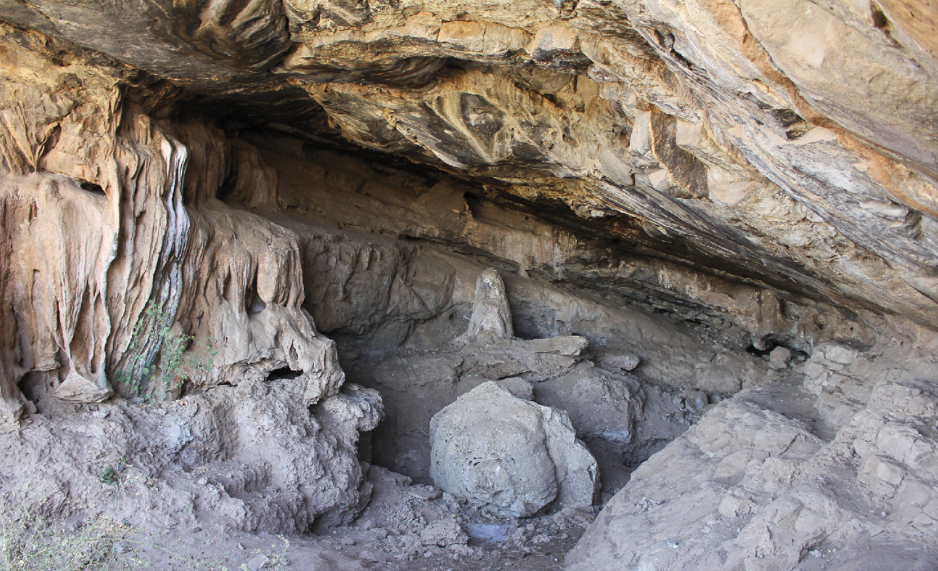
You might have seen a new type of ancient human on the news recent­ly, nick­named, affec­tion­ate­ly, ‘the hob­bit’ (not because they were tak­ing the ring to Mor­dor, but because of their rather diminu­tive stature).

If you didn’t, here’s the news in brief: a team of sci­en­tists went dig­ging for the first Aus­tralians and instead found a com­plete­ly new (and tiny) ancient human. Since then they’ve been try­ing to work out what hap­pened to these small ances­tors of ours.

To share their find­ings, some of the sci­en­tists involved in under­stand­ing ‘the hob­bit’ have put togeth­er a 4 week free online course to explain how the dis­cov­ery unfold­ed…

The course has been cre­at­ed with Future­Learn and will take you inside the world of this new species, giv­ing you a run through mod­ern sci­en­tif­ic archae­o­log­i­cal tech­niques along the way.

Here’s what’s on the syl­labus:

Week 1 — Human Ori­gins and Intro­duc­tion to Archae­ol­o­gy

Learn about where you, me and every­one came from — before get­ting onto the moment ‘the hob­bit’ was dis­cov­ered.

Week 2 — Archae­o­log­i­cal Meth­ods: In the Cave

You think a fes­ti­val is bad? Get to grips with how sci­ence trans­lates in some­where with­out elec­tric­i­ty or water.

Week 3 — Archae­o­log­i­cal Sci­ence: In the Lab

Under­stand what hap­pens once all the archae­o­log­i­cal finds are del­i­cate­ly hauled back to the lab.

Week 4 — Future Direc­tions

‘The Hob­bit’, despite it’s size, is hav­ing a big impact in the world of archae­ol­o­gy — find out exact­ly what this lit­tle ancient human might mean for the sto­ry of our ori­gins.

Intrigued? Join the course today — it start­ed this week, and you’re not too late to join.

Jess Weeks is a copy­writer at Future­Learn. She has nev­er con­duct­ed ground-break­ing sci­ence in a cave, or dis­cov­ered a new species, but there’s still time.

How Did Hannibal Cross the Alps?: A Short Free Course

Hannibal_traversant_les_Alpes_à_dos_déléphant_-_Nicolas_Poussin (1) - Version 2

Over on iTunes, you can find a short course (8 lec­tures in total) on the age-old mys­tery: How did Han­ni­bal and his ele­phants cross the Alps dur­ing the Sec­ond Punic War? The course was pre­sent­ed by arche­ol­o­gist Patrick Hunt in the Con­tin­u­ing Stud­ies pro­gram at Stan­ford Uni­ver­si­ty, back in 2007. Here’s the descrip­tion for the course:

Han­ni­bal is a name that evoked fear among the ancient Romans for decades. His courage, cun­ning and intre­pid march across the dan­ger­ous Alps in 218 BCE with his army and war ele­phants make for some of the most excit­ing pas­sages found in ancient his­tor­i­cal texts writ­ten by Poly­bius, Livy, and Appi­an. And they con­tin­ue to inspire his­to­ri­ans and archae­ol­o­gists today. The mys­tery of his exact route is still a top­ic of debate, one that has con­sumed Patrick Hunt (Direc­tor of Stanford’s Alpine Archae­ol­o­gy Project) for more than a decade. This course exam­ines Hannibal’s child­hood and his young sol­dier­ly exploits in Spain. Then it fol­lows him over the Pyre­nees and into Gaul, the Alps, Italy, and beyond, exam­in­ing his vic­to­ries over the Romans, his bril­liance as a mil­i­tary strate­gist, and his lega­cy after the Punic Wars. Along the way, stu­dents will learn about archae­ol­o­gists’ efforts to retrace Hannibal’s jour­ney through the Alps and the cut­ting-edge meth­ods that they are using. Hunt has been on foot over every major Alpine pass and has now deter­mined the most prob­a­ble sites where archae­o­log­i­cal evi­dence can be found to help solve the mys­tery.

This course on the great mil­i­tary leader will be added to our col­lec­tion, 1,700 Free Online Cours­es from Top Uni­ver­si­ties as well as our spe­cial­ized list of cours­es on Ancient his­to­ry, lit­er­ary and phi­los­o­phy.

If you live in the San Fran­cis­co Bay Are, you’ll def­i­nite­ly want to check out the cours­es offered by Stan­ford Con­tin­u­ing Stud­ies (where I also hap­pen to work). The pro­gram also reg­u­lar­ly offers online cours­es, for stu­dents liv­ing any­where on this plan­et.

If you would like to sign up for Open Culture’s free email newslet­ter, please find it here. It’s a great way to see our new posts, all bun­dled in one email, each day.

If you would like to sup­port the mis­sion of Open Cul­ture, con­sid­er mak­ing a dona­tion to our site. It’s hard to rely 100% on ads, and your con­tri­bu­tions will help us con­tin­ue pro­vid­ing the best free cul­tur­al and edu­ca­tion­al mate­ri­als to learn­ers every­where. You can con­tribute through Pay­Pal, Patre­on, and Ven­mo (@openculture). Thanks!

by | Permalink | Make a Comment ( 19 ) |

« Go BackMore in this category... »
Quantcast