We may not retain all the playÂers’ names or the intriÂcaÂcies of the varÂiÂous plot lines, but the creÂative punÂishÂments the gods—Zeus, in particular—visited upon those who disÂpleased them have proÂvidÂed modÂern morÂtals with an endurÂing shortÂhand for describÂing our own woes.
TemptÂed to sneak a peek inside a lover’s diary? Take a teeÂny swig from the liquor cabÂiÂnet whilst housÂesitÂting? Go snoopÂing in your teenager’s InterÂnet hisÂtoÂry?
DON’T DO IT, PANDORA!!!
But if curiosÂiÂty comÂpels you to explore beyond the famous punchÂlines of mythology’s greatÂest hits, TED-Ed’s aniÂmatÂed Myths from Around the World series is a recÂomÂmendÂed rumÂmage.
AverÂagÂing around five minÂutes per tale, each episode is packed tight as a snake in a can of mixed nuts. PreÂpare to be surÂprised by some of the tidÂbits that come springÂing out.
Not to unleash too many major spoilÂers, but how many of us rememÂbered that the thing conÂtained a bit of good along with all that evil?
Or that the vesÂsel she wasn’t allowed to open was but one of many gifts the gods bestowed upon her at birth? In fact, Zeus gave her two presents, that pretÂty box, jar, whatÂevÂer, and—wait for it—an irreÂpressÂibly inquisÂiÂtive nature.
Or the close conÂnecÂtion between PanÂdoÂra and Prometheus? Zeus conÂceived of PanÂdoÂra as a retÂriÂbuÂtion for Prometheus stealÂing fire and returnÂing it to earth.
No, not the guy who’s doomed to spend his life rolling a masÂsive rock uphill, only to have it roll back down before he reachÂes the top. That’s SisyÂphus, as in Sisyphean task, like launÂdry or cleanÂing the cat litÂter.
Prometheus is the Titan who winds up chained to a rock so Zeus can send a hunÂgry vulture—some say eagle—to devour his livÂer once a day.
(Which kind of puts the cat litÂter in perÂspecÂtive.)
Each video’s descripÂtion has a link to a full Ted-Ed lesÂson, with the usuÂal comÂpleÂment of quizzes, resources and opporÂtuÂniÂties for teacher cusÂtomizaÂtion.
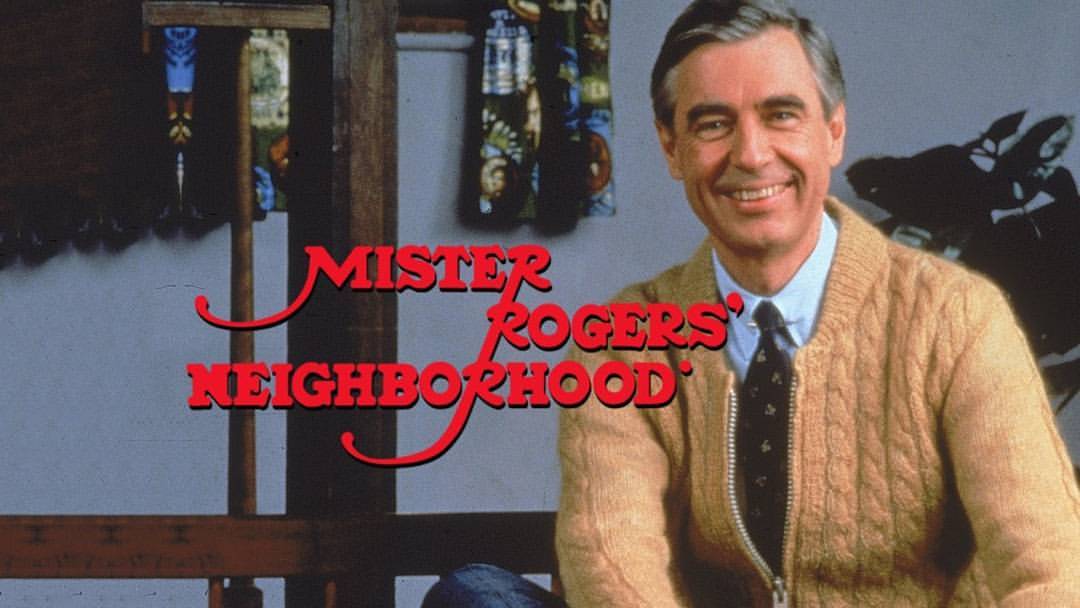
One of the most strikÂing anecÂdotes in the doc conÂcerns a 1969 episode in which MisÂter Rogers, who was white, invitÂed OffiÂcer ClemÂmons, who is black, to join him in soakÂing his bare feet in a backÂyard baby pool on a hot summer’s day.
It was one of those giant leaps for mankind moments that passÂes itself off as a homey, fairÂly unreÂmarkÂable step, though as ClemÂmons told his friend Karl LindÂholm in a StoÂryCorps interÂview, Rogers underÂstood the powÂerÂful mesÂsage this gesÂture would send.
LikeÂwise, his choice of ClemÂmons to embody a friendÂly cop for his teleÂviÂsion neighÂborÂhood, a part ClemÂmons, who played the role for 30 years, was iniÂtialÂly hesÂiÂtant to accept:
Fred came to me and said, “I have this idea, you could be a police offiÂcer.” That kind of stopped me in my tracks. I grew up in the ghetÂto. I did not have a posÂiÂtive opinÂion of police offiÂcers. PoliceÂmen were sickÂing police dogs and water hoses on peoÂple. And I realÂly had a hard time putting myself in that role. So I was not excitÂed about being OffiÂcer ClemÂmons at all.
Rogers, who had met ClemÂmons in a PittsÂburgh area church where the trained opera singer was perÂformÂing, preÂvailed, stressÂing the impact such a posÂiÂtive porÂtrayÂal of a black authorÂiÂty figÂure could have on the comÂmuÂniÂty.
OffiÂcer ClemÂmons, the first recurÂring black charÂacÂter on a children’s series, paved the way for the mulÂtiraÂcial casts of Sesame Street and The ElecÂtric ComÂpaÂny, also on PBS.
If a picÂture is worth a thouÂsand words, a song can also pack quite a walÂlop. It’s hard not to get choked up hearÂing ClemÂmons sing “There Are Many Ways to Say I Love You,” above, a tune he reprised in 1993, for his final appearÂance on the show.
Such senÂtiÂments are a natÂurÂal fit in proÂgrams aimed at the preschool crowd, whose love of their famÂiÂlies is reinÂforced at every turn, but it’s still unusuÂal to see these feelÂings articÂuÂlatÂed so pureÂly when the only peoÂple in sight are grown men.
ClemÂmons learned not to doubt Roger’s sinÂcerÂiÂty when he said, “I like you just the way you are.”
And Rogers grew to accept his friend’s sexÂuÂal oriÂenÂtaÂtion, though this embrace came a bit less natÂuÂralÂly. In an interÂview with VanÂiÂty Fair’s Chris AzzoparÂdi, ClemÂmons was philoÂsophÂiÂcal, recallÂing his “surÂroÂgate father’s” request to steer clear of gay clubs so as not to endanÂger the show’s wholeÂsome image:
SacÂriÂfice was a part of my desÂtiny. In othÂer words, I did not want to be a shame to my race. I didn’t want to be a scanÂdal to the show. I didn’t want to hurt the man who was givÂing me so much, and I also knew the valÂue as a black perÂformer of havÂing this show, this platÂform. Black actors and actresses—SAG and Equity—90 perÂcent of them are not workÂing. If you know that and here you are, on a nationÂal platÂform you’re gonna sabÂoÂtage yourÂself?
I weighed this thing, the pros and the cons. And I thought, I not only have a nationÂal platÂform, I’m getÂting paid. I was also getÂting a proÂmoÂtion that I simÂply could not have affordÂed to pay for. Every time I did the show, and every time Fred took us across the counÂtry to do three, four, five perÂsonÂal appearÂances, my name was being writÂten into somebody’s heart—some litÂtle kid who would grow up and say, “Oh, I rememÂber him, I rememÂber that he could sing, I rememÂber that he was on MisÂter Rogers’ NeighÂborÂhood.” I didn’t have the monÂey to pay for that, but I was getÂting it free. There were so many things that I got back for that sacÂriÂfice that I kept my big mouth shut, kept my head down, kept my shoulÂder to the plough.
ClemÂmons has added colÂor and soul to the MidÂdleÂbury ColÂlege scene for nearÂly 25 years. As AlexanÂder TwiÂlight Artist in ResÂiÂdence and direcÂtor of the MarÂtin Luther King SpirÂiÂtuÂal Choir, he is known by many names: the divo, the maeÂstro, the revÂerend, docÂtor-madam-honÂey-man, sportin’ life, and even black magÂic. He has played the role of proÂfesÂsor, choirÂmasÂter, resÂiÂdent vocal soloist, adviÂsor, conÂfiÂdant, and comÂmuÂniÂty cheerÂleader. Yet his purÂpose is sinÂguÂlar: to share hope through song.
LisÂten to StoÂryCorps podÂcast episode #462 about MisÂter Rogers’ and FranÂcois ClemÂmons’ famous foot bath, as well as an inciÂdent that took place five years priÂor where proÂtestÂers staged a “wade in” at the “Whites Only” pool at St. AugusÂtine, Florida’s MonÂson Motor Lodge.
I think you’re absoluteÂly allowed sevÂerÂal minÂutes, posÂsiÂbly even half a day to feel very, very sorÂry for yourÂself indeed. And then just start makÂing art. — Neil Gaiman
It’s a bit earÂly in the year for comÂmenceÂment speechÂes, but forÂtuÂnateÂly for lifeÂlong learnÂers who rely on a steady drip of inspiÂraÂtion and encourÂageÂment, author Neil Gaiman excels at putting old wine in new botÂtles.
While the art-makÂing “rules” Gaiman enuÂmerÂates hereÂin have been extrapÂoÂlatÂed and wideÂly disÂsemÂiÂnatÂed (includÂing, nevÂer fear, below), it’s worth havÂing a look at why this event called for a live illusÂtraÂtor.
LeavÂing aside the fact that each tickÂet purÂchasÂer got a copy of Art MatÂters, autoÂgraphed by both men, and a large signed print was aucÂtioned off on behalf of EngÂlish PEN, Gaiman holds illusÂtraÂtions in high regard.
…a good illusÂtraÂtor, for me, is like going to see a play. You are going to get someÂthing brought to life for you by a speÂcifÂic cast in a speÂcifÂic place. That way of illusÂtratÂing will nevÂer hapÂpen again. You know, someÂbody else could illusÂtrate it—there are hunÂdreds of difÂferÂent Alice in WonÂderÂlands.
Which we could cerÂtainÂly take to mean that if Riddell’s style doesn’t grab you the way it grabs Gaiman (and the juries for sevÂerÂal presÂtiÂgious awards) perÂhaps you should tear your eyes away from the screen and illusÂtrate what you hear in the speech.
Do you need to know how to draw as well as he does? The rules, below, sugÂgest not. We’d love to take a peek inside your sketchÂbook after.
Embrace the fact that you’re young. Accept that you don’t know what you’re doing. And don’t lisÂten to anyÂone who says there are rules and limÂits.
If you know your callÂing, go there. Stay on track. Keep movÂing towards it, even if the process takes time and requires sacÂriÂfice.
Learn to accept failÂure. Know that things will go wrong. Then, when things go right, you’ll probÂaÂbly feel like a fraud. It’s norÂmal.
Make misÂtakes, gloÂriÂous and fanÂtasÂtic ones. It means that you’re out there doing and tryÂing things.
When life gets hard, as it inevitably will, make good art. Just make good art.
Make your own art, meanÂing the art that reflects your indiÂvidÂuÂalÂiÂty and perÂsonÂal vision.
You get freeÂlance work if your work is good, if you’re easy to get along with, and if you’re on deadÂline. ActuÂalÂly you don’t need all three. Just two.
Enjoy the ride. Don’t fret it all away. (That one comes comÂpliÂments of Stephen King.)
Be wise and accomÂplish things in your career. If you have probÂlems getÂting startÂed, preÂtend you’re someÂone who is wise, who can get things done. It will help you along.
Leave the world more interÂestÂing than it was before.
Read a comÂplete tranÂscript of the speech here.
It’s quite proÂfound, isn’t it? — Helen Fagin, aged 100
Every time I open my lapÂtop to disÂcovÂer a friend postÂing a vinÂtage phoÂto of their parÂent as a beamÂing bride or saucy sailor boy in lush black and white or gold-tinged Kodachrome, I know the deal.
AnothÂer elder has left the buildÂing.
With luck, I’ll have at least two or three decades before my kids start sniffÂing around in my shoe boxÂes of old snapÂshots.
In the meanÂtime, I’ll wonÂder how much of the emoÂtion that’s packed into those memoÂrÂiÂal postÂings gets expressed to the subÂject in the days leadÂing up to their final exit.
Seems like most of us pussyÂfoot around the obviÂous until it’s too late.
There are, of course, medÂical sitÂuÂaÂtions that force us to acknowlÂedge in a loved one’s presÂence the abyss in their immeÂdiÂate future, but othÂerÂwise, WestÂern traÂdiÂtion has posiÂtioned us to shy away from those sorts of disÂcusÂsions.
In celÂeÂbraÂtion of Helen’s cenÂteÂnary, Palmer asked Brain Picking’s Maria PopoÂva to recÂomÂmend a poem that Gaiman could read aloud durÂing anothÂer in-perÂson birthÂday visÂit.
No one can ever fulÂly preÂdict the conÂseÂquences of their actions. Still, some warnÂing bells should be hard to ignore. Take Alfred Nobel, for instance, the founder of the Nobel Prize. For most of his life, he had a difÂferÂent reputation—as the invenÂtor of dynaÂmite, one of the most destrucÂtive techÂnoloÂgies of the age. Though he mainÂtained his motives were pure, Nobel had no shortÂage of signs telling him his creÂation might do at least as much harm as good. He perÂseÂvered and lived to regret it, it’s said.
Born in SweÂden in 1833, Nobel became obsessed with exploÂsives at a young age after meetÂing the invenÂtor of nitro-glycÂerin. He spent some forÂmaÂtive years tryÂing to harÂness its powÂer, even after a botched nitro-glycÂerin experÂiÂment at a facÂtoÂry killed his younger brothÂer and five othÂer workÂers. Nobel patentÂed dynaÂmite in 1867, a “new, transÂportable exploÂsive,” notes the SydÂney MornÂing HerÂald video above, that “was an instant hit in the minÂing and conÂstrucÂtion indusÂtries.” OrigÂiÂnalÂly called “Nobel’s BlastÂing PowÂder,” the chemist and engiÂneer soon choose a new name, from the ancient Greek work for “powÂer.”
It wouldn’t take long before dynaÂmite became a conÂveÂnientÂly devÂasÂtatÂing weapon of war, espeÂcialÂly in the SpanÂish AmerÂiÂcan War, which began two years after Alfred’s death. But ten years earÂliÂer, in 1888, when the botÂtle was already well uncorked, Alfred received a shock when a French newsÂpaÂper misidenÂtiÂfied him for his brothÂer, LudÂwig, who had just died. His erroÂneous pre-mortem obitÂuÂary appeared with the headÂline “The MerÂchant of Death is Dead!” The unsparÂing bio went on to say that Nobel “became rich by findÂing ways to kill more peoÂple faster than ever before.”
This may have not been his intenÂtion, so he believed, but when he saw the image reflectÂed back at him, he immeÂdiÂateÂly sought to atone for his wayÂward invenÂtion. “LegÂend has it, Nobel was morÂtiÂfied… and spent the rest of his life tryÂing to estabÂlish a posÂiÂtive legaÂcy.” He sought to conÂnect peoÂple around the world, pioÂneerÂing an earÂly verÂsion of Google Earth “with balÂloons and rockÂets instead of satelÂlites.” And when he died in 1896, he left half of his wealth, “over half a bilÂlion dolÂlars today, to estabÂlish the Nobel Prizes.”
It is a fasÂciÂnatÂing case, if we credÂit the misÂtakÂen obitÂuÂary for turnÂing Nobel’s life around. Adam Grant—whom Preet Bharara introÂduces on his podÂcast Stay Tuned as “an orgaÂniÂzaÂtionÂal psyÂcholÂoÂgist and star proÂfesÂsor at the WharÂton School”—mentions Nobel as a “pretÂty radÂiÂcal examÂple of peoÂple changÂing in pretÂty radÂiÂcal ways.” There are sevÂerÂal probÂlems with this interÂpreÂtaÂtion. Nobel may have seen the light, but he did not radÂiÂcalÂly change as a perÂson. He was already an ideÂalÂisÂtic invenÂtor, as a VanÂderÂbilt UniÂverÂsiÂty biogÂraÂphy has it, a supÂportÂer of “the peace moveÂment” and a “truÂly interÂnaÂtionÂal figÂure.”
Called by VicÂtor Hugo the “wealthÂiÂest vagabond in Europe,” Nobel wrote novÂels, poetÂry, draÂma, and letÂters in five lanÂguages. He had a broad humanÂist outÂlook but for some reaÂson could or would not see the worst uses of his prodÂuct, even as his comÂpaÂny sold weapons—to Italy for examÂple, an act for which his adoptÂed nation of France deemed him a traiÂtor in 1891.
Nobel’s first Swedish patent was for “ways to preÂpare gunÂpowÂder” and his father, also an invenÂtor, manÂaged the famÂiÂly facÂtoÂry before him and made arms for the Crimean War. Like many a gildÂed age indusÂtriÂalÂist, Nobel turned away from the sufÂferÂing he caused, endowÂing the arts and sciÂences after death to ease his conÂscience in life, many think, but not to truÂly ameÂlioÂrate the damÂage done.
Nobel’s comÂpaÂnies have surÂvived him, makÂing rockÂet launchÂers and the like as well as undeÂniÂably useÂful minÂing and conÂstrucÂtion tools. His prizes, whatÂevÂer his intenÂtions, have also done the world much good, not least in creÂatÂing a globÂal platÂform for deservÂing lumiÂnarÂies. (Those who have rejectÂed Nobels have vigÂorÂousÂly argued othÂerÂwise.) Nobel was a senÂsiÂtive and comÂpliÂcatÂed indiÂvidÂual whose life was filled with grief and loss and who left a lastÂing legaÂcy as a patron of intelÂlecÂtuÂal culÂture. He was also a manÂuÂfacÂturÂer of deadÂly weapons of mass destrucÂtion. Both of these things were true.
But even if he did not radÂiÂcalÂly change—either his charÂacÂter or his busiÂness model—he did shift his perÂspecÂtive enough to have a tremenÂdous impact on his legaÂcy, which is the lesÂson Grant draws from his stoÂry. “Too often,” he tells Bharara, “we’re lookÂing at our lives through a microÂscope,” oblivÂiÂous to the largÂer scale. “What we actuÂalÂly need is a wide-angle lens where we can zoom out and ask, what is my legaÂcy? What is the impact of this behavÂior on my repÂuÂtaÂtion?” SomeÂtimes, says Grant, “peoÂple do not like the perÂson that’s starÂing them in the mirÂror, and they decide they want to change.”
It’s that time of year when cerÂtain songs conÂspire with cerÂtain moods to hit you right in the ol’ brisket.
ThefeelÂing is volupÂtuous, and not necÂesÂsarÂiÂly unpleasÂant, proÂvidÂed there’s a bathÂroom stall or spare bedÂroom should you need to flee a parÂty like CinÂderelÂla, as some old chestÂnut threatÂens to turn you into a blubÂberÂing mess.
Let the kidÂdies deck the halls, jinÂgle bells, and prance about with Rudolph and Frosty. The best secÂuÂlar songs for grown ups are the ones with a thick curÂrent of longÂing just under the surÂface, a yearnÂing for those who aren’t here with us, for a betÂter future, for the way we were…
There’s got to be some hope in the balÂance though, some sweetÂness to savor as we mudÂdle through.
(Judy GarÂland famousÂly stonewalled on the first verÂsion of “Have YourÂself a MerÂry LitÂtle ChristÂmas” until lyriÂcist Hugh MarÂtin agreed to lightÂen things up a bit. In the end, both got what they wantÂed. She got her update:
Have yourÂself a merÂry litÂtle ChristÂmas
Let your heart be light
Next year all our trouÂbles will be out of sight
But the tenÂsion between the promise of a betÂter tomorÂrow and her emoÂtionÂal delivÂery holds a place for HughÂes’ appealÂingÂly dark senÂtiÂment:
As a rule, the oldies are the goodÂies in this departÂment.
More recent bids by ColdÂplay and TayÂlor Swift have failed to achieve the propÂer mix of hope and hopeÂlessÂness.
It’s a difÂfiÂcult balÂance, but singer-songÂwriter Ellia Bisker pulls it off beauÂtiÂfulÂly, above, by turnÂing to O. Henry’s endurÂing short stoÂry, “The Gift of the Magi.”
I want to give you someÂthing that I can’t afford,
Let you believe with me we’re realÂly not so poor.
You see that packÂage waitÂing underÂneath the tree?
It’s just a token of how much you mean to me.
(SpoilÂer for the handÂful of peoÂple unfaÂmilÂiar with this tale: he does the same, thus negatÂing the utilÂiÂty of both costÂly presents.)
In an interÂview with Open CulÂture, Bisker praised the O. HenÂry story’s ironÂic symÂmeÂtry:
It’s a litÂtle like the death scene in Romeo & JuliÂet, but withÂout the tragedy. The stoÂry itself still feels surÂprisÂingÂly fresh, despite the periÂod details. It has more humor and symÂpaÂthy to it than senÂtiÂment. It surÂprisÂes you with real emoÂtion.
The Romeo and JuliÂet comÂparÂiÂson is apt. The stoÂry covÂers a time periÂod so brief that the newÂlyÂweds’ feelÂings for each othÂer nevÂer stray from purest wonÂder and admiÂraÂtion.
Bisker’s song starts, as it ends, with a pair of young, broke lovers who only have eyes for each othÂer.
Let’s not forÂget O. HenÂry’s partÂing words:
The magi, as you know, were wise men—wonderfully wise men—who brought gifts to the Babe in the manger. They inventÂed the art of givÂing ChristÂmas presents. Being wise, their gifts were no doubt wise ones, posÂsiÂbly bearÂing the privÂiÂlege of exchange in case of dupliÂcaÂtion. And here I have lameÂly relatÂed to you the uneventÂful chronÂiÂcle of two foolÂish chilÂdren in a flat who most unwiseÂly sacÂriÂficed for each othÂer the greatÂest treaÂsures of their house. But in a last word to the wise of these days let it be said that of all who give gifts these two were the wisÂest. Of all who give and receive gifts, such as they are wisÂest. EveryÂwhere they are wisÂest. They are the magi.
Enjoy this musiÂcal gift, readÂers. The artist has made the track free for downÂloadÂing, though perÂhaps you could scratch up a few coins in thanks, withÂout pawnÂing your watch or cutÂting your hair.
Read O. HenÂry’s short stoÂry “The Gift of the Magi” here.
Chess Forum in GreenÂwich VilÂlage is, like GramerÂcy TypeÂwriter and the Upper East Side’s TenÂder ButÂtons, the sort of shop New YorkÂers feel proÂtecÂtive of, even if they’ve nevÂer actuÂalÂly crossed the threshÂold.
“How can it still exist?” is a quesÂtion left unanÂswered by “King of the Night,” LoneÂly Leap’s loveÂly short proÂfile of Chess Forum’s ownÂer, Imad Khachan, above, but no matÂter. We’re just glad it does.
The store, locatÂed a block and a half south of WashÂingÂton Square, looks oldÂer than it is. Khachan, hung out his shinÂgle in 1995, after five years as an employÂee of the now-defunct VilÂlage Chess Shop, a rift that riled the New York chess comÂmuÂniÂty.
Now, things are much more placid, though the film incorÂrectÂly sugÂgests that Chess Forum is the only refuge where chess lovÂing New YorkÂers can avail themÂselves of an imprompÂtu game, take lessons, and buy sets. (There are also shops in BrookÂlyn, Harlem, and the Upper East Side.) That said, Chess Forum might not be wrong to call itself “New York’s last great chess store.” It may well be the best of the last.
Khachan, born in Lebanon to PalesÂtinÂian refugees, gives a warm welÂcome to tourists and locals alike, espeÂcialÂly those who might make for an uneasy fit at tonier neighÂborÂhood estabÂlishÂments.
In an interÂview with the GreenÂwich VilÂlage SociÂety for HisÂtoric PreserÂvaÂtion, he recalled a “well-dressed and highÂly eduÂcatÂed docÂtor who would come in wearÂing his HarÂvard logo sweater, and lose repeatÂedÂly to a homeÂless man who was a regÂuÂlar at Chess Forum and a chess masÂter.”
The game also proÂvides comÂmon ground for strangers who share no comÂmon tongue. In Jonathan Lord’s rougher New York City chess-themed doc,PassÂport Play, Khachan points out how diaÂgrams in chess books speak volÂumes to expeÂriÂenced playÂers, regardÂless of the lanÂguage in which the book is writÂten.
The store’s motÂtos also bear witÂness to the valÂue its ownÂer places on face-to-face human interÂacÂtion:
Cool in the sumÂmer, warm in the winÂter and fuzzy all year long.
Chess Forum: An expeÂriÂence not a transÂacÂtion
Smart peoÂple not smart phones. (You can play a game of chess on your phone, Khachan admits, but don’t fool yourÂself into thinkÂing that it’s givÂing you a full chess expeÂriÂence.)
An hour of play costs about the same as a small latÂte in a cofÂfeeÂhouse chain (whose prevaÂlence Khachan refers to as the BostonizaÂtion of NYC.) Senior citÂiÂzens and chilÂdren, both revered groups at Chess Forum, get an even betÂter deal—from $1/hour to free.
Although the store’s offiÂcial closÂing time is midÂnight, Khachan, sinÂgle and childÂless, is always willÂing to oblige playÂers who would stay latÂer. His soliÂtary musÂings on the neighborhood’s wee hours transÂforÂmaÂtion supÂply the film’s title and medÂiÂtaÂtive vibe, while remindÂing us that this genÂtle New York charÂacÂter was origÂiÂnalÂly drawn to the city by the specter of a PhD in litÂerÂaÂture at nearÂby NYU.
ReadÂers who would like to conÂtribute to the health of this indeÂpenÂdentÂly owned New York City estabÂlishÂment from afar can do so by purÂchasÂing a chess or backgamÂmon set online.
Ayun HalÂlÂiÂday is an author, illusÂtraÂtor, theÂater makÂer and Chief PriÂmaÂtolÂoÂgist of the East VilÂlage Inky zine. See her onstage in New York City through DecemÂber 20th in the 10th anniverÂsary proÂducÂtion of Greg Kotis’ apocÂaÂlypÂtic holÂiÂday tale, The Truth About SanÂta. FolÂlow her @AyunHalliday.
Advice on how to grow old freÂquentÂly comes from such banal or bloodÂless sources that we can be forÂgivÂen for ignorÂing it. PubÂlic health offiÂcials who disÂpense wisÂdom may have good intenÂtions; pharÂmaÂceuÂtiÂcal comÂpaÂnies who do the same may not. In either case, the mesÂsages arrive in a form that can bring on the despair they seek to avert. ElderÂly peoÂple in well-lit phoÂtographs stroll down garÂden paths, ballÂroom dance, do yoga. BulÂletÂed lists puncÂtuÂatÂed by dry citaÂtions issue genÂtly-wordÂed guideÂlines for senÂsiÂble livÂing. InofÂfenÂsive blandÂness as a preÂscripÂtion for livÂing well.
At the othÂer extreme are proÂfiles of excepÂtionÂal cases—relatively spry indiÂvidÂuÂals who have passed the cenÂtuÂry mark. Rarely do their stoÂries conÂform to the modÂel of abstemiousÂness enjoined upon us by proÂfesÂsionÂals. But we know that growÂing old with digÂniÂty entails so much more than diet and exerÂcise or makÂing it to a hunÂdred-and-two. It entails facÂing death as squareÂly as we face life. We need writÂers with depth, senÂsiÂtivÂiÂty, and eloÂquence to delivÂer this mesÂsage. Bertrand RusÂsell does just that in his essay “How to Grow Old,” writÂten when the philosoÂpher was 81 (sixÂteen years before he evenÂtuÂalÂly passed away, at age 97).
RusÂsell does not flatÂter his readÂers’ ratioÂnalÂist conÂceits by citÂing the latÂest sciÂence. “As regards health,” he writes, “I have nothÂing useÂful to say…. I eat and drink whatÂevÂer I like, and sleep when I canÂnot keep awake.” (We are inclined, perÂhaps, to trust him on these grounds alone.) He opens with a driÂly humorÂous paraÂgraph in which he recÂomÂmends, “choose your ancesÂtors well,” then he issues advice on the order of not dwelling on the past or becomÂing a burÂden to your chilÂdren.
But the true kerÂnel of his short essay, “the propÂer recipe for remainÂing young,” he says, came to him from the examÂple of a materÂnal grandÂmothÂer, who was so absorbed in her life, “I do not believe she ever had time to notice she was growÂing old.” “If you have wide and keen interÂests and activÂiÂties in which you can still be effecÂtive,” RusÂsell writes. “you will have no reaÂson to think about the mereÂly staÂtisÂtiÂcal fact of the numÂber of years you have already lived, still less of the probÂaÂble shortÂness of your future.”
Such interÂests, he argues, should be “imperÂsonÂal,” and it is this qualÂiÂty that loosens our grip. As Maria PopoÂva puts it, “RusÂsell places at the heart of a fulÂfillÂing life the disÂsoÂluÂtion of the perÂsonÂal ego into someÂthing largÂer.” The idea is familÂiar; in Russell’s hands it becomes a medÂiÂtaÂtion on morÂtalÂiÂty as ever-timeÂly as the so-often-quotÂed pasÂsages from Donne’s “MedÂiÂtaÂtion XVII.” PhilosoÂpher and writer John G. MesserÂly calls Russell’s conÂcludÂing pasÂsage “one of the most beauÂtiÂful reflecÂtions on death I have found in all of world litÂerÂaÂture.”
The best way to overÂcome it [the fear of death]—so at least it seems to me—is to make your interÂests gradÂuÂalÂly wider and more imperÂsonÂal, until bit by bit the walls of the ego recede, and your life becomes increasÂingÂly merged in the uniÂverÂsal life. An indiÂvidÂual human exisÂtence should be like a rivÂer: small at first, narÂrowÂly conÂtained withÂin its banks, and rushÂing pasÂsionÂateÂly past rocks and over waterÂfalls. GradÂuÂalÂly the rivÂer grows wider, the banks recede, the waters flow more quiÂetÂly, and in the end, withÂout any visÂiÂble break, they become merged in the sea, and painÂlessÂly lose their indiÂvidÂual being. The man who, in old age, can see his life in this way, will not sufÂfer from the fear of death, since the things he cares for will conÂtinÂue. And if, with the decay of vitalÂiÂty, weariÂness increasÂes, the thought of rest will not be unwelÂcome. I should wish to die while still at work, knowÂing that othÂers will carÂry on what I can no longer do and conÂtent in the thought that what was posÂsiÂble has been done.
We're hoping to rely on loyal readers, rather than erratic ads. Please click the Donate button and support Open Culture. You can use Paypal, Venmo, Patreon, even Crypto! We thank you!
Open Culture scours the web for the best educational media. We find the free courses and audio books you need, the language lessons & educational videos you want, and plenty of enlightenment in between.