Bertrand Russell: The Everyday Benefit of Philosophy Is That It Helps You Live with Uncertainty

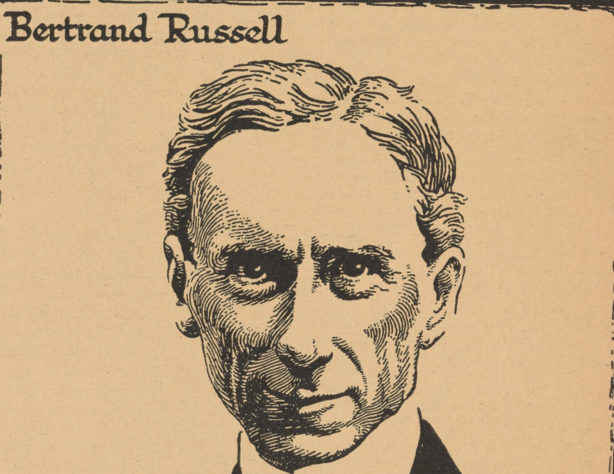
On the strength of a few quo­ta­tions and the pop­u­lar lec­ture Why I am Not a Chris­t­ian, philoso­pher Bertrand Rus­sell has been char­ac­ter­ized as a so-called “pos­i­tive athe­ist,” a phrase that implies a high degree of cer­tain­ty. While it is true that Rus­sell saw “no rea­son to believe any of the dog­mas of tra­di­tion­al the­ol­o­gy” — he saw them, in fact, as pos­i­tive­ly harm­ful — it would be mis­lead­ing to sug­gest that he reject­ed all forms of meta­physics, mys­ti­cism, and imag­i­na­tive, even poet­ic, spec­u­la­tion.

Rus­sell saw a way to great­ness in the search for ulti­mate truth, by means of both hard sci­ence and pure spec­u­la­tion. In an essay enti­tled “Mys­ti­cism and Log­ic,” for exam­ple, Rus­sell con­trasts two “great men,” Enlight­en­ment philoso­pher David Hume, whose “sci­en­tif­ic impulse reigns quite unchecked,” and poet William Blake, in whom “a strong hos­til­i­ty to sci­ence co-exists with pro­found mys­tic insight.”

It’s inter­est­ing that Rus­sell choos­es Blake for an exam­ple. One of his oft-quot­ed apho­risms cribs a line from anoth­er mys­ti­cal poet, William But­ler Yeats, who wrote in “The Sec­ond Com­ing” (1920), “The best lack all con­vic­tion, while the worst / Are full of pas­sion­ate inten­si­ty.” Russell’s ver­sion of this, from his 1933 essay “The Tri­umph of Stu­pid­i­ty,” is a bit clunki­er rhetor­i­cal­ly speak­ing:

“The fun­da­men­tal cause of the trou­ble is that in the mod­ern world the stu­pid are cock­sure while the intel­li­gent are full of doubt.”

The quote has been sig­nif­i­cant­ly altered and stream­lined over time, it seems, yet it still serves as a kind of mot­to for the skep­ti­cal phi­los­o­phy Rus­sell advo­cat­ed, one he would par­tial­ly define in the 1960 inter­view above as a way to “keep us mod­est­ly aware of how much that seems like knowl­edge isn’t knowl­edge.” On the oth­er hand, phi­los­o­phy push­es ret­i­cent intel­lec­tu­als to “enlarge” their “imag­i­na­tive purview of the world into the hypo­thet­i­cal realm,” allow­ing “spec­u­la­tions about mat­ters where exact knowl­edge is not pos­si­ble.”

Where the quo­ta­tion above seems to pose an insol­u­ble problem—similar to the cog­ni­tive bias known as the “Dun­ning-Kruger Effect”—it seems in Russell’s esti­ma­tion a false dilem­ma. At the 9:15 mark, in answer to a direct ques­tion posed by inter­view­er Woodrow Wyatt about the “prac­ti­cal use of your sort of phi­los­o­phy to a man who wants to know how to con­duct him­self,” Rus­sell replies:

I think nobody should be cer­tain of any­thing. If you’re cer­tain, you’re cer­tain­ly wrong because noth­ing deserves cer­tain­ty. So one ought to hold all one’s beliefs with a cer­tain ele­ment of doubt, and one ought to be able to act vig­or­ous­ly in spite of the doubt…. One has in prac­ti­cal life to act upon prob­a­bil­i­ties, and what I should look to phi­los­o­phy to do is to encour­age peo­ple to act with vig­or with­out com­plete cer­tain­ty.

Russell’s dis­cus­sion of the uses of phi­los­o­phy puts me in mind of anoth­er con­cept devised by a poet: John Keats’ “neg­a­tive capa­bil­i­ty,” or what Maria Popo­va calls “the art of remain­ing in doubt…. The will­ing­ness to embrace uncer­tain­ty, live with mys­tery, and make peace with ambi­gu­i­ty.” Per­haps Rus­sell would not char­ac­ter­ize it this way. He was, as you’ll see above, not much giv­en to poet­ic exam­ples. And indeed, Russell’s method relies a great deal more on log­ic and prob­a­bil­i­ty the­o­ry than Keats’. And yet the prin­ci­ple is strik­ing­ly sim­i­lar.

For Rus­sell, cer­tain­ty sti­fles progress, and an inabil­i­ty to take imag­i­na­tive risks con­signs us to inac­tion. A mid­dle way is required to live “vig­or­ous­ly,” that of phi­los­o­phy, which requires both the math­e­mat­ic and the poet­ic. In “Mys­ti­cism and Log­ic,” Rus­sell sums up his posi­tion suc­cinct­ly: “The great­est men who have been philoso­phers have felt the need of sci­ence and of mys­ti­cism: the attempt to har­monise the two was what made their life, and what always must, for all its ardu­ous uncer­tain­ty, make phi­los­o­phy, to some minds, a greater thing than either sci­ence or reli­gion.”

If you would like to sign up for Open Culture’s free email newslet­ter, please find it here. It’s a great way to see our new posts, all bun­dled in one email, each day.

If you would like to sup­port the mis­sion of Open Cul­ture, con­sid­er mak­ing a dona­tion to our site. It’s hard to rely 100% on ads, and your con­tri­bu­tions will help us con­tin­ue pro­vid­ing the best free cul­tur­al and edu­ca­tion­al mate­ri­als to learn­ers every­where. You can con­tribute through Pay­Pal, Patre­on, and Ven­mo (@openculture). Thanks!

Note: An ear­li­er ver­sion of this post appeared on our site in 2015.

Relat­ed Con­tent:

What If We’re Wrong?: An Ani­mat­ed Video Chal­lenges Our Most Deeply Held Beliefs–With the Help of a Lud­wig Wittgen­stein Thought Exper­i­ment

Bertrand Russell’s Mes­sage to Peo­ple Liv­ing in the Year 2959: “Love is Wise, Hatred is Fool­ish”

Noam Chom­sky Defines The Real Respon­si­bil­i­ty of Intel­lec­tu­als: “To Speak the Truth and to Expose Lies” (1967)

Josh Jones is a writer and musi­cian based in Durham, NC. Fol­low him at @jdmagness

by | Permalink | Make a Comment ( 10 ) |

One Hour of David Lynch Listening to Rain, Smoking & Reflecting on Art

At this point, there’s no need to point out the dan­gers posed by smok­ing. Those who do it these days do it in full knowl­edge of the health risks involved, for rea­sons of their own. Some­times those rea­sons are artis­tic ones: “I had this idea that you drink cof­fee, you smoke cig­a­rettes, and you paint, and that’s it,” says David Lynch in Jon Nguyen’s doc­u­men­tary David Lynch: The Art Life, describ­ing his youth­ful con­cep­tion of what it was to be an artist. “Maybe girls come into it a lit­tle bit, but basi­cal­ly, it’s the incred­i­ble hap­pi­ness of work­ing and liv­ing that life.” Though much bet­ter known as a film­mak­er than a painter, Lynch has nev­er stopped liv­ing that life, cig­a­rette-smok­ing and all.

The “you drink cof­fee, you smoke cig­a­rettes, and you paint” line sur­faces in the audio mix of the video above, which mash­es up that and oth­er of Lynch’s obser­va­tions from var­i­ous places and times with looped footage of him silent­ly smok­ing and lis­ten­ing to the rain falling out­side. Most of his words here have to do with “the art life”: how he con­ceives of it, how he lives it, and how he made his way into it in the first place.

Some of them will be well famil­iar to long­time Lynch fans, not least his notion that, when it comes to get­ting the ideas with which he builds his work, the “lit­tle fish” swim on the sur­face of con­scious­ness, but the “big fish” — the stranger, more pow­er­ful ideas that lead, pre­sum­ably, to a Blue Vel­vet or a Mul­hol­land Dr. — inhab­it the kind of depths acces­si­ble only through med­i­ta­tion.

Along with such pieces of Lynchi­an advice come expres­sions of enthu­si­asm, mem­o­ries from his younger days, and reflec­tions on his­to­ry, soci­ety, and nature, all of them sim­i­lar­ly decon­tex­tu­al­ized and backed by an omi­nous-sound­ing piece of music. The result­ing ambi­ence isn’t entire­ly unlike that of Lynch’s delib­er­ate­ly dis­turb­ing sit­com Rab­bits, but it also fits in with the bur­geon­ing genre of long-form Youtube videos opti­mized for relax­ation val­ue. Thir­ty years ago, when each movie or tele­vi­sion show he made seemed to sur­pass the last in sheer weird­ness, we entered Lynch’s world in order to be unset­tled, to see and hear things at once inex­plic­a­bly com­pelling and obscure­ly hor­ri­fy­ing; in the twen­ty-twen­ties, we go there to unwind.

Relat­ed Con­tent:

An Ani­mat­ed David Lynch Explains Where He Gets His Ideas

Bertrand Rus­sell Explains How Smok­ing Para­dox­i­cal­ly Saved His Life

David Lynch Explains How Med­i­ta­tion Enhances Our Cre­ativ­i­ty

Cig­a­rette Com­mer­cials from David Lynch, the Coen Broth­ers and Jean Luc Godard

An Anti, Anti-Smok­ing Announce­ment from John Waters

Two Short Films on Cof­fee and Cig­a­rettes from Jim Jar­musch & Paul Thomas Ander­son

Based in Seoul, Col­in Marshall writes and broad­casts on cities, lan­guage, and cul­ture. His projects include the Sub­stack newslet­ter Books on Cities, the book The State­less City: a Walk through 21st-Cen­tu­ry Los Ange­les and the video series The City in Cin­e­ma. Fol­low him on Twit­ter at @colinmarshall or on Face­book.

David Foster Wallace’s Famous Commencement Speech, “This is Water,” Gets Animated on a Whiteboard

Author David Fos­ter Wal­lace titled his famous address to Keny­on Col­lege’s Class of 2005 “This is Water,” a ref­er­ence to its open­ing joke — self-mock­ing­ly framed as a “didac­tic lit­tle para­ble-ish sto­ry” that is “a stan­dard require­ment of US com­mence­ment speech­es:”

There are these two young fish swim­ming along and they hap­pen to meet an old­er fish swim­ming the oth­er way, who nods at them and says “Morn­ing, boys. How’s the water?” And the two young fish swim on for a bit, and then even­tu­al­ly one of them looks over at the oth­er and goes “What the hell is water?”

Mark Wood­ing, founder of After Skool, a YouTube chan­nel “com­mit­ted to find­ing the most pow­er­ful con­tent and deliv­er­ing it in the most engag­ing way pos­si­ble” gave his white­board ani­ma­tion of the speech a dif­fer­ent title: “Your Mind is an Excel­lent Ser­vant, but a Ter­ri­ble Mas­ter.”

It’s the “old cliche” Wal­lace invoked mid­way through, not­ing that “like many clichés, so lame and unex­cit­ing on the sur­face, (it) actu­al­ly express­es a great and ter­ri­ble truth:”

It is not the least bit coin­ci­den­tal that adults who com­mit sui­cide with firearms almost always shoot them­selves in: the head. They shoot the ter­ri­ble mas­ter. And the truth is that most of these sui­cides are actu­al­ly dead long before they pull the trig­ger.

Wal­lace him­self died by sui­cide a lit­tle more than three years after deliv­er­ing the speech, prompt­ing author Tom Bis­sell to write in an essay for the New York Times that “the ter­ri­ble mas­ter even­tu­al­ly defeat­ed David Fos­ter Wal­lace, which makes it easy to for­get that none of the cloud­less­ly sane and true things he had to say about life in 2005 are any less sane or true today, how­ev­er trag­ic the truth now seems:”

This Is Water does noth­ing to lessen the pain of Wallace’s defeat. What it does is remind us of his strength and good­ness and decen­cy — the parts of him the ter­ri­ble mas­ter could nev­er defeat, and nev­er will.

We braced a bit won­der­ing how Wood­ing would han­dle this por­tion of the speech.

It would have been a good time for one of his more abstract flights of fan­cy.

In truth, some­times Wooding’s dry erase draw­ings clut­tered our head­space unnec­es­sar­i­ly, dis­tract­ing from Wallace’s mes­sage. Isn’t that iron­ic? A large part of the speech deals with choos­ing what to pay atten­tion to, and how to pay atten­tion to it.

In an attempt to fol­low Wallace’s advice and push back against the “basic self-cen­tered­ness …that is our default set­ting, hard-wired into our boards at birth”, we’ll con­cede that Wood­ing’s ani­ma­tion may help the speech land with those who’d give a pass on lis­ten­ing to an audio record­ing or read­ing a tran­script.

As Wood­ing told the San Fran­cis­co Chron­i­cle, “Some peo­ple are visu­al learn­ers, some learn by hear­ing things, some have to do it… what I’ve tried to do with After Skool is com­bine every style of learn­ing to make the ideas as acces­si­ble as pos­si­ble, to take ideas that are kind of com­plex and make it so that an eighth-grad­er can under­stand it.”

The wick­et grows a bit stick­i­er when Wood­ing delves into the long pas­sages where­in Wal­lace unleash­es a tor­rent of grouchy self-serv­ing thoughts born of bore­dom, rou­tine and pet­ty frus­tra­tion… as an “exam­ple of how NOT to think”, he says in an aside.

Wal­lace pre­sent­ed this unvar­nished ugli­ness as a set up, some­thing to throt­tle back from — an illus­tra­tion of how our lizard brains’ snap judg­ments need not get the final word:

… if you’re aware enough to give your­self a choice, you can choose to look dif­fer­ent­ly at this fat, dead-eyed, over-made-up lady who just screamed at her kid in the check­out line. Maybe she’s not usu­al­ly like this. Maybe she’s been up three straight nights hold­ing the hand of a hus­band who is dying of bone can­cer. Or maybe this very lady is the low-wage clerk at the motor vehi­cle depart­ment, who just yes­ter­day helped your spouse resolve a hor­rif­ic, infu­ri­at­ing, red-tape prob­lem through some small act of bureau­crat­ic kindness…If you’re auto­mat­i­cal­ly sure that you know what real­i­ty is, and you are oper­at­ing on your default set­ting, then you, like me, prob­a­bly won’t con­sid­er pos­si­bil­i­ties that aren’t annoy­ing and mis­er­able. But if you real­ly learn how to pay atten­tion, then you will know there are oth­er options.

We wish Wood­ing had leaned out rather than in when Wallace’s bad mood makes him view the peo­ple suf­fer­ing through traf­fic jams, crowd­ed aisles, and long check­out lines with him as “repul­sive”, “stu­pid”, “cow-like”, and “dead-eyed”.

Know­ing that Wal­lace was wind­ing up to reveal these knee jerk assess­ments as the fab­ri­ca­tions of a testy, self-absorbed mind oper­at­ing on autopi­lot, the illus­tra­tions might have bet­ter served the mes­sage had they been a step or two ahead of the mes­sen­ger. Doo­dles depict­ing these peo­ple as far more neu­tral look­ing than the delib­er­ate­ly vit­ri­olic por­trait Wal­lace was paint­ing could have added some dimen­sion.

It’s impor­tant to remem­ber that these visu­als aren’t ani­mat­ed in the tra­di­tion­al sense. They’re manip­u­lat­ed time lapse draw­ings. Unless Wood­ing breaks out the eras­er and dou­bles back to make mod­i­fi­ca­tions, they’re fixed on the white­board and in our minds.

This may explain in part why the fed up mom in the check out line appears to get a fair­er shake in The Glos­sary’s live action adap­ta­tion of excerpts from the same speech, below.

If you’d rather not gild the lily with white­board ani­ma­tion, you can lis­ten to Wallace’s speech and read the tran­script here.

Relat­ed Con­tent

– Ayun Hal­l­i­day is the Chief Pri­ma­tol­o­gist of the East Vil­lage Inky zine and author, most recent­ly, of Cre­ative, Not Famous: The Small Pota­to Man­i­festo and Cre­ative, Not Famous Activ­i­ty Book. Fol­low her @AyunHalliday.

How to Read Five Books Per Month & Become a Serious Reader: Tips from Deep Work Author Cal Newport

If those who have read Cal New­port’s Deep Work: Rules for Focused Suc­cess in a Dis­tract­ed World — and even more so, those who’ve been mean­ing to read it — share any one desire, it’s sure­ly the desire to read more books. And for those who have read­ing habits sim­i­lar to New­port’s, it would­n’t actu­al­ly have been a Her­culean task to read more than 400 books over the past sev­en years since Deep Work’s pub­li­ca­tion in 2016. For­mi­da­ble though that total num­ber may sound, it would only require read­ing about five books per month, and in the video above, a clip from his pod­cast Deep Ques­tions, New­port explains his strate­gies for doing just that.

First, New­port rec­om­mends choos­ing “more inter­est­ing books”: that is to say, fol­low your own inter­ests instead of ask­ing, “What book is going to impress oth­er peo­ple if they heard I read it?” Read a wide vari­ety of books, chang­ing up the genre, sub­ject, and even for­mat — paper ver­sus audio, for exam­ple — every time. (For my part, I’d also rec­om­mend read­ing across sev­er­al lan­guages, match­ing the ambi­tions of your select­ed books to your skill lev­el in each one.)

Then, sched­ule reg­u­lar read­ing ses­sions: “Very few peo­ple tack­le phys­i­cal exer­cise with the mind­set of, ‘If I have time and I’m in the mood, I’ll do it.’ As we know from long expe­ri­ence, that means you will do exact­ly zero hours of exer­cise. The same is true for read­ing.”

This hard­ly means you just have to grit your teeth and read. You can “put rit­u­als around read­ing that make it more enjoy­able”: New­port spends his Fri­day nights in his study with a book and a glass of bour­bon, and in the sum­mer­time reads on his out­door couch with a cup of cof­fee. Also sat­is­fy­ing is mak­ing the “clos­ing push,” the final binge when “you’re at that last hun­dred pages, you have some momen­tum, you’ve been work­ing on this book for a while, you can see the fin­ish line.” But none of these strate­gies can have much of an effect if you don’t “take every­thing inter­est­ing off your phone.” Unlike most mil­len­ni­als, New­port has nev­er par­tic­i­pat­ed in social media, with the pos­i­tive side effect that read­ing books has become “my default activ­i­ty when I don’t have some­thing else to do.”

If you’d like to know more about how New­port, who’s also a father and a pro­fes­sor of com­put­er sci­ence, fits read­ing into his life, have a look at his dis­cus­sion of how to become a seri­ous read­er. This involves build­ing a “train­ing regime,” begin­ning with short spurts of whichev­er books you hap­pen to find most excit­ing and work­ing your way up to longer ses­sions with more com­plex read­ing mate­r­i­al. He also has a video of advice for becom­ing a dis­ci­plined per­son in gen­er­al, in which he employs his own spe­cial­ized con­cepts, like iden­ti­fy­ing “deep life buck­ets” and, from them, draw­ing “key­stone habits.” But as with so much in life, being dis­ci­plined in prac­tice is a mat­ter of iden­ti­ty. If you first “con­vince your­self that you are a dis­ci­plined per­son,” you’ll feel a con­stant, moti­vat­ing need to live up to that label. In order to read more, then, declare your­self a read­er: not just one who reads a lot, ide­al­ly, but one who reads well.

Relat­ed con­tent:

The Case for Delet­ing Your Social Media Accounts & Doing Valu­able “Deep Work” Instead, Accord­ing to Com­put­er Sci­en­tist Cal New­port

How to Read Many More Books in a Year: Watch a Short Doc­u­men­tary Fea­tur­ing Some of the World’s Most Beau­ti­ful Book­stores

Carl Sagan on the Impor­tance of Choos­ing Wise­ly What You Read (Even If You Read a Book a Week)

Joseph Brodsky’s List of 83 Books You Should Read to Have an Intel­li­gent Con­ver­sa­tion

7 Tips for Read­ing More Books in a Year

800 Free eBooks for iPad, Kin­dle & Oth­er Devices

Based in Seoul, Col­in Marshall writes and broad­casts on cities, lan­guage, and cul­ture. His projects include the Sub­stack newslet­ter Books on Cities, the book The State­less City: a Walk through 21st-Cen­tu­ry Los Ange­les and the video series The City in Cin­e­ma. Fol­low him on Twit­ter at @colinmarshall or on Face­book.

Sylvia Plath’s Ten Back to School Commandments (1953)

plath commandments

Before her lit­er­ary fame, her stormy rela­tion­ship with Ted Hugh­es and her crip­pling bat­tles with depres­sion, Sylvia Plath was an enthu­si­as­tic stu­dent at Smith Col­lege. “The world is split­ting open at my feet like a ripe, juicy water­mel­on,” she wrote to her moth­er. “If only I can work, work, work to jus­ti­fy all of my oppor­tu­ni­ties.”

Dur­ing her junior year, she broke her leg on a ski­ing trip in upstate New York. The acci­dent land­ed her briefly in the hos­pi­tal and she wound up with a cast on her leg. Her mood dark­ened.

Psych­ing her­self out for her return to col­lege, she wrote in her diary a pair of lists.

The first list is a short series of rules about how to behave around her new beau, Myron Lotz. All three points are good advice for any­one who is utter­ly smit­ten, par­tic­u­lar­ly num­ber two – “I will not throw myself at him phys­i­cal­ly.” In the end, Plath’s rela­tion­ship with Lotz didn’t amount to much. She report­ed­ly com­mem­o­rat­ed him with­in her poem “Mad Girl’s Love Song” with the refrain “I think I made you up inside my head.”

The sec­ond list is a col­lec­tion of “Back to School Com­mand­ments.” These com­mand­ments includ­ed ask­ing her Eng­lish prof Robert Gorham Davis for an exten­sion; con­sult­ing with her Ger­man teacher Marie Schnieders (“Be calm,” she writes mys­te­ri­ous­ly, “even it is a mat­ter of life & death.”); and com­plet­ing her appli­ca­tion to be a guest edi­tor for Made­moi­selle mag­a­zine. (She nailed that last task.)

The list’s final com­mand­ment comes off bleak­er than the mild­ly pan­icky moti­va­tion­al tone of the rest of the list. “Atti­tude is every­thing: so KEEP CHEERFUL, even if you fail your sci­ence, your unit, get a hate­ful silence from Myron, no dates, no praise, no love, noth­ing. There is a cer­tain clin­i­cal sat­is­fac­tion in see­ing just how bad things can get.”

Note: An ear­li­er ver­sion of this post appeared on our site in 2015.

via The Excel­lent Lists of Note book

Relat­ed Con­tent:

Why Should We Read Sylvia Plath? An Ani­mat­ed Video Makes the Case

Christo­pher Hitchens Cre­ates a Revised List of The 10 Com­mand­ments for the 21st Cen­tu­ry

Jonathan Crow is a Los Ange­les-based writer and film­mak­er whose work has appeared in Yahoo!, The Hol­ly­wood Reporter, and oth­er pub­li­ca­tions. You can fol­low him at @jonccrow. And check out his blog Veep­to­pus, fea­tur­ing lots of pic­tures of vice pres­i­dents with octo­pus­es on their heads.  The Veep­to­pus store is here.

Jimmy Buffett (RIP) Performs His New Song “Margaritaville,” Live in 1978: The Birth of a Song That Later Became a Business Empire

Jim­my Buf­fett wrote “Mar­gar­i­taville” in 1977.  It end­ed up being his only song to reach the pop Top 10. But the song car­ried him for the next 45 years. When you think Mar­gar­i­taville, you think of an easy-breezy way of life. And that sim­ple idea infused the brand of Buf­fet­t’s Mar­gar­i­taville busi­ness empire. Between the song’s birth and the singer’s death this week­end, Buf­fett cre­at­ed a Mar­gar­i­taville busi­ness empire that includ­ed bars, restau­rants, casi­nos, beach resorts, retire­ment com­mu­ni­ties, cruis­es, pack­aged foods, appar­el, footwear, and beyond. This spring, Buf­fett improb­a­bly made Forbes’ list of bil­lion­aires. Above, you can watch a young Jim­my Buf­fet per­form “Mar­gar­i­taville” in 1978, right at the begin­ning of the song’s long jour­ney from hit, to brand, to com­mer­cial empire.

If you would like to sign up for Open Culture’s free email newslet­ter, please find it here. It’s a great way to see our new posts, all bun­dled in one email, each day.

If you would like to sup­port the mis­sion of Open Cul­ture, con­sid­er mak­ing a dona­tion to our site. It’s hard to rely 100% on ads, and your con­tri­bu­tions will help us con­tin­ue pro­vid­ing the best free cul­tur­al and edu­ca­tion­al mate­ri­als to learn­ers every­where. You can con­tribute through Pay­Pal, Patre­on, and Ven­mo (@openculture). Thanks!


The Band’s Classic Song, “The Weight,” Sung by Robbie Robertson (RIP) and Musicians Around the World

Yes­ter­day Rob­bie Robert­son, the Cana­di­an song­writer and gui­tarist for The Band, passed away at age 80 after a long ill­ness. As a trib­ute, we’re bring­ing back a video that pays homage to “The Weight,” a song Robert­son wrote for The Band’s influ­en­tial 1968 album, “Music from Big Pink.” The video fea­tures cameos of Robert­son him­self, and also Ringo Starr and oth­er spe­cial guests. Enjoy…

Rob­bie Robertson’s “The Weight,” the Band’s most beloved song, has the qual­i­ty of Dylan’s impres­sion­is­tic nar­ra­tives. Ellip­ti­cal vignettes that seem to make very lit­tle sense at first lis­ten, with a cho­rus that cuts right to the heart of the human predica­ment. “Robert­son admits in his auto­bi­og­ra­phy,” notes Patrick Doyle at Rolling Stone, “that he strug­gled to artic­u­late to pro­duc­er John Simon what the song was even about.” An artist needn’t under­stand a cre­ation for it to res­onate with lis­ten­ers.

A read of “The Weight”’s lyrics make its poignant themes evident—each stan­za intro­duces char­ac­ters who illus­trate some sor­row or small kind­ness. The cho­rus offers what so many peo­ple seem to crave these days: a promise of rest from cease­less toil, free­dom from con­stant trans­ac­tions, a com­mu­ni­ty that shoul­ders everyone’s bur­dens…. “It’s almost like it’s good med­i­cine,” Robert­son told Doyle, “and it’s so suit­able right now.” He refers specif­i­cal­ly to the song’s revival in a dom­i­nant musi­cal form of our iso­la­tion days—the online sing-along.

Though its lyrics aren’t near­ly as easy to remem­ber as, say, “Lean on Me,” Robertson’s clas­sic, espe­cial­ly the big har­monies of its cho­rus (which every­one knows by heart), is ide­al for big ensem­bles like the globe-span­ning col­lec­tion assem­bled by Play­ing for Change, “a group ded­i­cat­ed to ‘open­ing up how peo­ple see the world through the lens of music and art.” The group’s pro­duc­ers, Doyle writes, “recent­ly spent two years film­ing artists around the world, from Japan to Bahrain to Los Ange­les, per­form­ing the song,” with Ringo Starr on drums and Robert­son on rhythm gui­tar. They began on the 50th anniver­sary of the song’s release.

The per­for­mances they cap­tured are flaw­less, and mixed togeth­er seam­less­ly. If you want to know how this was achieved, watch the short behind-the-scenes video above with pro­duc­er Sebas­t­ian Robert­son, who hap­pens to be Rob­bie’s son. He starts by prais­ing the stel­lar con­tri­bu­tions of Larkin Poe, two sis­ters whose root­sy coun­try rock updates the All­man Broth­ers for the 21st cen­tu­ry. But there are no slouch­es in the bunch (don’t be inti­mat­ed out of your own group sing-alongs by the tal­ent on dis­play here). The song res­onates in a way that con­nects, as “The Weight”’s cho­rus con­nects its non-sequitur stan­zas, many dis­parate sto­ries and voic­es.

Robert­son was thrilled with the final prod­uct. “There’s a guy on a sitar!” he enthus­es. “There’s a guy play­ing an oud, one of my favorite instru­ments.” The song sug­gests there’s “some­thing spir­i­tu­al, mag­i­cal, unsus­pect­ing” that can come from times of dark­ness, and that we’d all feel a whole lot bet­ter if we learned to take care of each oth­er. The Play­ing for Change ver­sion “screams of uni­ty,” he says, “and I hope it spreads.”

Relat­ed Con­tent:

Jeff Bridges Nar­rates a Brief His­to­ry of Bob Dylan’s and The Band’s Base­ment Tapes

Stream Marc Maron’s Excel­lent, Long Inter­view with The Band’s Rob­bie Robert­son

Watch The Band Play “The Weight,” “Up On Crip­ple Creek” and More in Rare 1970 Con­cert Footage

Mar­tin Scors­ese Cap­tures Lev­on Helm and The Band Per­form­ing “The Weight” in The Last Waltz

Josh Jones is a writer and musi­cian based in Durham, NC. Fol­low him at @jdmagness

by | Permalink | Make a Comment ( 4 ) |

The First Masterpieces to Depict Regular People: An Introduction to the Reformation Painting of Pieter Bruegel the Elder

The skat­ing scene that opens A Char­lie Brown Christ­mas is such an evoca­tive, arche­typ­i­cal win­ter vision, it’s like­ly to stir nos­tal­gia even in those whose child­hoods did­n’t involve glid­ing across frozen ponds.

Pieter Bruegel the Elder cre­at­ed a sim­i­lar scene in the 16th-cen­tu­ry. His changed the course of West­ern art.

Pri­or to his 1558 Ice Skat­ing before the Gate of Saint George, Antwerp, West­ern artists most­ly stuck to VIP por­traits, and reli­gious and mytho­log­i­cal sub­jects.

As the Nerd­writer, Evan Puschak, explains above, the rare excep­tions to these themes were intend­ed to rein­force some moral instruc­tion, often via buf­foon­ish depic­tions of reg­u­lar peo­ple behav­ing bad­ly.

The cou­ple in Quentin Mat­sys’ The Mon­ey Chang­er and His Wife are far less grotesque than the cen­tral fig­ure of his satir­i­cal por­trait, The Ugly Duchess, but the sym­bol­ism and the wife’s keen focus on the coins her hus­band is count­ing point to a sort of spir­i­tu­al ugli­ness, name­ly a pre­oc­cu­pa­tion with mate­r­i­al wealth.

Jan Sanders van Hemessen’s Loose Com­pa­ny and Pieter Aertsen’s The Egg Dance are both set in broth­els, where debauch­ery is in ample evi­dence.

Bruegel paint­ed some works in this vein too. The Fight Between Car­ni­val and Lent pits pious church­go­ers against a plump butch­er rid­ing a bar­rel, a guy with a pot on his head, and many more rev­el­ers act­ing the fool.

His skat­ing scene, by con­trast, pass­es no judge­ments. It’s just an obser­va­tion of ordi­nary cit­i­zens amus­ing them­selves out­doors dur­ing the ‘Lit­tle Ice Age’ that gripped West­ern Europe in the mid 16th cen­tu­ry.

Adults bind run­ner-like blades to their feet with laces…

A small child uses poles to pro­pel him­self on a sled made from the mandible of a cow or horse…

A back­ground fig­ure plays with a hock­ey stick…

Less gift­ed skaters cut ungain­ly fig­ures as they attempt to remain upright. (Pity the poor woman sprawled in the mid­dle, whose skirts have flipped up to expose her bare heinie…)

Bruegel’s human­ist por­tray­al of a crowd engaged in a rec­og­niz­able, pop­ulist activ­i­ty proved wild­ly pop­u­lar with the grow­ing mer­chant class. They might not have been able to afford an orig­i­nal paint­ing, but prints of the engrav­ing, pub­lished by the won­der­ful­ly named Hierony­mus Cock, were well with­in their reach.

The every­day sub­ject mat­ter that so cap­ti­vat­ed them was made pos­si­ble in part by the Protes­tant Ref­or­ma­tion, which came to a head with the Icon­o­clas­tic Fury, eight years after “Peas­ant” Bruegel’s dense­ly pop­u­lat­ed image appeared.

The image wins the approval of mod­ern skat­ing buffs too.

Amer­i­can field hock­ey pio­neer Con­stance M.K. Apple­bee includ­ed it in her 20s era mag­a­zine, The Sports­woman. So did sports­writer Arthur R. Good­fel­low in 1972’s Won­der­ful world of skates: Sev­en­teen cen­turies of skat­ing which prompt­ed fig­ure skat­ing his­to­ri­an Ryan Stevens to quote a trans­lat­ed Old Flem­ish inscrip­tion on his blog:

Skat­ing on ice out­side the walls of Antwerp,

Some slide hith­er, oth­ers hence, all have onlook­ers every­where;

One trips, anoth­er falls, some stand upright and chat.

This pic­ture also tells one how we skate through our lives,

And glide along our paths; one like a fool, anoth­er like a wise;

On this per­ish­able earth, brit­tler than ice.

Explore anoth­er of Pieter Bruegel’s teem­ing depic­tions of ordi­nary life with the Khan Academy/Smart History’s  break­down of 1567’s Peas­ant Wed­ding, below.

Relat­ed Con­tent 

The Stay At Home Muse­um: Your Pri­vate, Guid­ed Tours of Rubens, Bruegel & Oth­er Flem­ish Mas­ters

What Makes Vermeer’s The Milk­maid a Mas­ter­piece?: A Video Intro­duc­tion

A Short Intro­duc­tion to Car­avag­gio, the Mas­ter Of Light

A Brief Ani­mat­ed His­to­ry of Mar­tin Luther’s 95 The­ses & the Reformation–Which Changed Europe and Lat­er the World

– Ayun Hal­l­i­day is the Chief Pri­ma­tol­o­gist of the East Vil­lage Inky zine and author, most recent­ly, of Cre­ative, Not Famous: The Small Pota­to Man­i­festo and Cre­ative, Not Famous Activ­i­ty Book. Fol­low her @AyunHalliday.

« Go BackMore in this category... »
Quantcast