Neil Gaiman Launches New Crowdsourced Storytelling Project (Sponsored by the New BlackBerry)

The tech-savvi­est among us may greet the news of a new Black­Ber­ry phone with an exag­ger­at­ed yawn, if that. But we have rea­sons not to dis­miss the lat­est iter­a­tion of Research in Motion’s flag­ship prod­uct entire­ly. The Z10 launched to record ear­ly sales in the Unit­ed Kind­gom and Cana­da. Both the device and the fresh oper­at­ing sys­tem that runs on it “rep­re­sent a rad­i­cal rein­ven­tion of the Black­Ber­ry,” writes Wall Street Jour­nal per­son­al tech­nol­o­gy critc Walt Moss­berg. “The hard­ware is decent and the user inter­face is log­i­cal and gen­er­al­ly easy to use. I believe it has a chance of get­ting RIM back into the game.” Even so, build­ing the prod­uct amounts to only half the bat­tle; now the Black­Ber­ry brand has to con­tin­ue gain­ing, and man­age to hold, cus­tomer inter­est. That’s where a cer­tain mas­ter of gain­ing and hold­ing inter­est named Neil Gaiman comes in.

Say what you will about their phones; Research in Motion’s mar­ket­ing depart­ment has shown an uncom­mon degree of lit­er­ary astute­ness, at least by the stan­dards of hard­ware mak­ers. You may remem­ber Dou­glas Cou­p­land, for instance, turn­ing up in adver­tise­ments for the Black­Ber­ry Pearl back in 2006. But the com­pa­ny has recruit­ed Gaiman—the Eng­lish author of every­thing from nov­els like Amer­i­can Gods and Cora­line to com­ic books like The Sand­man to tele­vi­sion series like Never­where to films like Mir­ror­Mask—for a more com­pli­cat­ed under­tak­ing than Cou­p­land’s. Under the aegis of Black­Ber­ry, Gaiman extends his col­lab­o­ra­tion-inten­sive work one domain fur­ther. A Cal­en­dar of Tales finds him sourc­ing ideas and visu­als from the pub­lic in order to cre­ate “an amaz­ing cal­en­dar show­cas­ing your illus­tra­tions beside Neil’s sto­ries.” The short video above recent­ly appeared as the first in a series of episodes cov­er­ing this sto­ry­telling project. Of this we’ll no doubt hear, see, and read much more before 2013’s actu­al cal­en­dar is out.

Relat­ed Con­tent:

Down­load Free Short Sto­ries by Neil Gaiman

Neil Gaiman Gives Grad­u­ates 10 Essen­tial Tips for Work­ing in the Arts

Neil Gaiman Gives Sage Advice to Aspir­ing Artists

Col­in Mar­shall hosts and pro­duces Note­book on Cities and Cul­ture and writes essays on lit­er­a­ture, film, cities, Asia, and aes­thet­ics. He’s at work on a book about Los Ange­les, A Los Ange­les Primer. Fol­low him on Twit­ter at @colinmarshall.


Anne Sexton, Confessional Poet, Reads “Wanting to Die” in Ominous 1966 Video

Many a writer has said they write to save their lives. And many a writer has died by sui­cide. In few cas­es has the con­nec­tion been so direct as in that of the poet Anne Sex­ton. Encour­aged in 1957 by her ther­a­pist to write poet­ry to stave off her sui­ci­dal ideation, she even­tu­al­ly joined a group of mid-cen­tu­ry “con­fes­sion­al” poets based in Boston—including Robert Low­ell and Sylvia Plath—whose per­son­al pathos, fam­i­ly pain, and severe bouts of depres­sion pro­vid­ed much of the mate­r­i­al for their work. Despite Sexton’s tremen­dous career suc­cess at what began, more-or-less, as a hob­by, she became over­whelmed by her ill­ness and com­mit­ted sui­cide in 1974.

There are those who wish to debate whether so-called “con­fes­sion­al poets” were tru­ly tor­ment­ed indi­vid­u­als or navel-gaz­ing nar­cis­sists. This seems fair enough giv­en the will­ing self-expo­sure of poets like Plath, Low­ell, and Sex­ton, but it kind of miss­es the point; their loss­es and trans­gres­sions were as real, or not, as anyone’s, but we remem­ber them, or should, for their writ­ing. Instead I find it inter­est­ing to see their pub­lic selves as per­for­mances, what­ev­er the auto­bi­o­graph­i­cal con­nec­tions in the work. A for­mer fash­ion mod­el, Anne Sex­ton was par­tic­u­lar­ly adept at self-pre­sen­ta­tion, and as her fame as a writer increased—she won the Pulitzer Prize in 1966 and a suc­ces­sion of grants and awards through­out the sixties—her poet­ry became less focused on the strict­ly per­son­al, more on the cul­tur­al (she has become well-known, for exam­ple, for a sar­don­ic, fem­i­nist per­spec­tive in such poems as “Snow White and the Sev­en Dwarfs”). A good deal of her work was pure inven­tion, despite the illu­sion of inti­ma­cy.

Nonethe­less, the short, 1966 film “Anne Sex­ton at Home” (top, with Span­ish sub­ti­tles, con­tin­ued below) lets us engage in some voyeurism. It begins with Sexton’s irri­ta­tion, as she’s inter­rupt­ed by the dog. Then the film cuts away, the scene has changed, and she frankly acknowl­edges the poet’s voice as a “per­sona” (from the Greek for mask); her poems are “mon­sters,” into which she has “pro­ject­ed her­self.” When we cut back again to the first scene, Sex­ton con­fi­dent­ly reads her “Men­stru­a­tion at Forty.” And we cut away again, and Sex­ton, her famil­iar cig­a­rette nev­er far away, riffs on “fam­i­ly & poet­ry” as her hus­band Alfred tries to avoid the cam­era. We see the poet with her daugh­ter, their inter­ac­tions play­ful (and also a lit­tle dis­turb­ing). Through­out it all Sex­ton per­forms, seem­ing­ly pleased and enjoy­ing the camera’s atten­tion.

In the last part of “Anne Sex­ton at Home” (above), the poet reads per­haps her most explic­it work about her many sui­cide attempts, “Want­i­ng to Die.” In a brief intro­duc­tion, she says, “I can explain sex in a minute, but death, I can’t explain.” But the play­ful­ness drains from her demeanor, as she comes to the final two stan­zas:

Bal­anced there, sui­cides some­times meet,
rag­ing at the fruit, a pumped-up moon,
leav­ing the bread they mis­took for a kiss,

leav­ing the page of the book care­less­ly open,
some­thing unsaid, the phone off the hook
and the love, what­ev­er it was, an infec­tion.


Relat­ed Con­tent

For Sylvia Plath’s 80th Birth­day, Hear Her Read ‘A Birth­day Present’

Josh Jones is a writer, edi­tor, and musi­cian. Fol­low him @jdmagness

Confirmed: The Bones of Richard III (1452–1485) Found Under a UK Parking Lot

richard iii take 2Last Sep­tem­ber, British archae­ol­o­gists made a pret­ty star­tling dis­cov­ery. They found, they believed, the bones of Richard III (1452–1485) in a makeshift grave under a park­ing lot in the city of Leices­ter. It sound­ed like a pret­ty igno­min­ious but karmi­cal­ly jus­ti­fied rest­ing place for the tyran­ni­cal medieval king por­trayed so famous­ly by William Shake­speare.

From the begin­ning, the archae­ol­o­gists were con­vinced that the skele­tal remains belonged to Richard (check out the pho­to gallery of the bones), but they still need­ed irrefutable proof. So they took DNA sam­ples and matched them to DNA belong­ing to Richard’s liv­ing descen­dants. They await­ed the results, and today Richard Buck­ley, the lead archae­ol­o­gist, told reporters, “Beyond rea­son­able doubt, the indi­vid­ual exhumed … is indeed Richard III, the last Plan­ta­genet king of Eng­land.” You can get more on the sto­ry over at The Guardian and The New York Times.

Fol­low us on Face­bookTwit­ter and Google Plus and share intel­li­gent media with your friends! They’ll thank you for it.


by | Permalink | Make a Comment ( 4 ) |

William Faulkner Explains Why Writing is Best Left to Scoundrels … Preferably Living in Brothels (1956)

william faulkner PR 1956Ask writ­ers for writ­ing advice, and they’ll usu­al­ly offer up some very prac­ti­cal tips. A few exam­ples:

  • Give the read­er at least one char­ac­ter he or she can root for (Kurt Von­negut).
  • When writ­ing dia­logue, read things aloud. Only then will it have the sound of speech (John Stein­beck).
  • Avoid detailed descrip­tions of char­ac­ters (Elmore Leonard).
  • Don’t start off try­ing to write nov­els. The short sto­ry is your friend (Ray Brad­bury).
  • Write when you know you’re at your best (Toni Mor­ri­son).
  • And make sure you always take two sharp­ened Num­ber 2 pen­cils with you on air­planes (Mar­garet Atwood).

Like I said, it’s all pret­ty nuts-and-bolts advice. But if you’re look­ing for some­thing a lit­tle more col­or­ful and out­side-the-box, then look no fur­ther than William Faulkn­er’s 1956 inter­view with the Paris Review. When asked “Is there any pos­si­ble for­mu­la to fol­low in order to be a good nov­el­ist?,” Faulkn­er per­haps sur­prised his inter­view­er, Jean Stein, when he said:

An artist is a crea­ture dri­ven by demons… He is com­plete­ly amoral in that he will rob, bor­row, beg, or steal from any­body and every­body to get the work done.

Elab­o­rat­ing, Faulkn­er con­tin­ued:

The writer’s only respon­si­bil­i­ty is to his art. He will be com­plete­ly ruth­less if he is a good one. He has a dream. It anguish­es him so much he must get rid of it. He has no peace until then. Every­thing goes by the board: hon­or, pride, decen­cy, secu­ri­ty, hap­pi­ness, all, to get the book writ­ten. If a writer has to rob his moth­er, he will not hes­i­tate.…

If Stein hoped to get Faulkn­er back into more prac­ti­cal ter­ri­to­ry with her next ques­tion, she was dis­ap­point­ed. To the ques­tion, “Then what would be the best envi­ron­ment for a writer?,” Faulkn­er offered this:

If you mean me, the best job that was ever offered to me was to become a land­lord in a broth­el. In my opin­ion it’s the per­fect milieu for an artist to work in. It gives him per­fect eco­nom­ic free­dom; he’s free of fear and hunger; he has a roof over his head and noth­ing what­ev­er to do except keep a few sim­ple accounts and to go once every month and pay off the local police. The place is qui­et dur­ing the morn­ing hours, which is the best time of the day to work. There’s enough social life in the evening, if he wish­es to par­tic­i­pate, to keep him from being bored.… My own expe­ri­ence has been that the tools I need for my trade are paper, tobac­co, food, and a lit­tle whiskey.

If you want to trans­late this into prac­ti­cal advice, you get some­thing like this. What should a young nov­el­ist aspire to? Basi­cal­ly being a Machi­avel­lian-type in a cat house. Not a pret­ty idea, but that’s how one of Amer­i­ca’s pre-emi­nent writ­ers saw the lit­er­ary life. And if you strip things down to their rawest essen­tials, you might find some wis­dom there. Live for your art, and give your­self the eco­nom­ic free­dom to write. Noth­ing more. Noth­ing less.

You can read the com­plete 1956 inter­view here.

Relat­ed Con­tent:

William Faulkn­er Tells His Post Office Boss to Stick It (1924)

William Faulkn­er Audio Archive Goes Online

William Faulkn­er Reads from As I Lay Dying

Drink­ing with William Faulkn­er

by | Permalink | Make a Comment ( 6 ) |

Fake Bob Dylan Sings Real Dr. Seuss

Five years ago, a 30-some­thing music pro­duc­er from Hous­ton, Texas got a big idea. Why not take his two favorite things — Bob Dylan and Dr. Seuss, of course — and mash them up into one orig­i­nal cre­ation. Hence came Dylan Hears a Who, a mock album that took sev­en Dr. Seuss clas­sics and put them to the melodies and imi­tat­ed voice of Mr. Dylan. The cuts went viral, giv­ing Dylan-Seuss fans world­wide the chance to enjoy cre­ative takes on Green Eggs and Ham (above); The Cat in the Hat; Oh, The Thinks You Can Think! (below); Too Many Dav­es; and The Zax. Soon enough, the songs fad­ed into YouTube obliv­ion, await­ing the day when a dig­i­tal archae­ol­o­gist would come along and do an exca­va­tion. Well, today’s the day. Enjoy!

Relat­ed Con­tent:

The Epis­te­mol­o­gy of Dr. Seuss & More Phi­los­o­phy Lessons from Great Children’s Sto­ries

New Archive Show­cas­es Dr. Seuss’s Ear­ly Work as an Adver­tis­ing Illus­tra­tor and Polit­i­cal Car­toon­ist

Bob Dylan Clas­sic, “For­ev­er Young,” Ani­mat­ed for Chil­dren

by | Permalink | Make a Comment ( 5 ) |

Read Jane Austen’s Fiction Manuscripts Free Online

pride_and_prejudice12

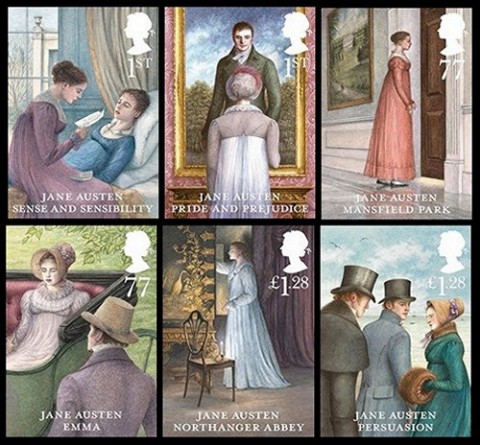
“Cur­rent­ly, it seems, Jane Austen is hot­ter than Quentin Taran­ti­no.” Mar­tin Amis wrote this in the New York­er back in 1996, when Taran­ti­no had cul­tur­al heat to spare. Even today, as the film­mak­er rides high on anoth­er one of his peri­od­ic waves of pop-cul­tur­al exu­ber­ance and con­tro­ver­sy-court­ing vio­lence, Austen may still win the pop­u­lar­i­ty con­test. Her much-read, often-adapt­ed sec­ond nov­el Pride and Prej­u­dice has, in fact, just passed its 200th anniver­sary of pub­li­ca­tion, and its rep­u­ta­tion as a reli­ably sharp and engag­ing com­e­dy seems stronger than ever.

Espe­cial­ly strik­ing for a nov­el of its age, this rep­u­ta­tion appears to have also grown wider than ever. Though some have always dis­missed her — and will always dis­miss her — as a writer of mere roman­tic fic­tion meant sole­ly for women, admi­ra­tion for Austen knows no demo­graph­ic bound­aries. Just look at her high-pro­file liv­ing male enthu­si­asts, a group that ranges from Amis to ven­ture cap­i­tal­ist and essay­ist Paul Gra­ham, who names Austen as one of his heroes. “In her nov­els I can’t see the gears at work,” Gra­ham writes. “Though I’d real­ly like to know how she does what she does, I can’t fig­ure it out, because she’s so good that her sto­ries don’t seem made up.”

“When I was intro­duced to the nov­el, at the age of four­teen,” Amis writes of Pride and Prej­u­dice, “I read twen­ty pages and then besieged my stepmother’s study until she told me what I need­ed to know. I need­ed to know that Dar­cy mar­ried Eliz­a­beth. (I need­ed to know that Bin­g­ley mar­ried Jane.) I need­ed this infor­ma­tion as bad­ly as I had ever need­ed any­thing. Pride and Prej­u­dice suck­ers you. Amaz­ing­ly — and, I believe, unique­ly — it goes on suck­er­ing you.” And if that 200-year-old nov­el fails to suck­er you, per­haps its 202-year-old pre­de­ces­sor Sense and Sen­si­bil­i­ty or its 199-year-old suc­ces­sor Mans­field Park will. You can browse Austen’s hand-writ­ten man­u­scripts per­tain­ing to these and oth­er of her nov­els in Jane Austen’s Fic­tion Man­u­scripts, an online joint project from the Uni­ver­si­ty of Oxford and King’s Col­lege Lon­don. Austen’s fan­base, per­haps because of its broad­ness, seems to con­tain rel­a­tive­ly few obses­sive exegetes (com­pared to, say, acolytes of Thomas Pyn­chon), but you can only read her six nov­els so many times before feel­ing a need, if a vain one, to glimpse those “gears at work.” And if this con­tact with Austen’s cre­ative spir­it moves you to write your own adap­ta­tion of Pride and Prej­u­dice, why not think out­side the box and check on Taran­ti­no’s avail­abil­i­ty to direct?

Copies of Pride and Prej­u­dice can be found in our col­lec­tion of Free Audio Books and Free eBooks.

You can also down­load free audio ver­sions of Jane Austen nov­els if you take part in the free tri­al pro­grams offered by Audible.com and FreeAudioBooks.com.

Relat­ed con­tent:

Jane Austen’s Fight Club

Dominic West (aka Jim­my McNul­ty) Reads Jane Austen

Niet­zsche, Melville, Jane Austen & More: The Lat­est Audio Book Clas­sics Released by Lib­rivox

Col­in Mar­shall hosts and pro­duces Note­book on Cities and Cul­ture and writes essays on lit­er­a­ture, film, cities, Asia, and aes­thet­ics. He’s at work on a book about Los Ange­les, A Los Ange­les Primer. Fol­low him on Twit­ter at @colinmarshall.

W.H. Auden Recites His 1937 Poem, ‘As I Walked Out One Evening’

w-h-auden

Today we bring you one of the best-loved poems of W.H. Auden, “As I Walked Out One Evening,” read (below) by the poet him­self. Auden wrote the poem in 1937 and first pub­lished it in his 1940 vol­ume, Anoth­er Time. The poem is a vari­ant of the bal­lad form, made up of 15 rhymed qua­trains. It’s a med­i­ta­tion on love and the remorse­less­ness of time, told in three voic­es: the nar­ra­tor, a rap­tur­ous lover, and the reproach­ful clocks that speak back to the lover.

‘The years shall run like rab­bits,
     For in my arms I hold
The Flower of the Ages,
    And the first love of the world.’

But all the clocks in the city
    Began to whirr and chime:
‘O let not Time deceive you,
    You can­not con­quer Time

Auden made a num­ber of audio record­ings over the years, and we were unable to track down the time and place of this one. It may be a 1953 record­ing orig­i­nal­ly released by Caed­mon Records. “As I Walked Out One Evening” is includ­ed in the Ran­dom House audio col­lec­tion, Voice of the Poet: W.H. Auden.

Relat­ed Con­tent:

500 Free Audio Books: Down­load Great Books for Free 

375 Free eBooks: Down­load to Kin­dle, iPad/iPhone & Nook

Hear Tennessee Williams Read Hart Crane’s “The Broken Tower” and “The Hurricane” (1960)

Note: Audio takes about 8 sec­onds to play…

Many Moons Ago, a poet­ry teacher of mine intro­duced me to the term “ter­mi­nal aes­thet­ic,” mean­ing a style that could go no fur­ther, hav­ing burned up all of its resources. It’s a great way to char­ac­ter­ize the poet Hart Crane’s ambiva­lent appraisal of his lit­er­ary fore­fa­ther, T.S. Eliot. Crane spent his poet­ry career try­ing to rem­e­dy what he saw as Eliot’s fail­ure to sal­vage any­thing from the mod­ern world but cramped despair in The Waste Land. As Crane put it, Eliot’s mas­ter­work was “so damned dead” and man­i­fest­ed “a refusal to see cer­tain spir­i­tu­al events and pos­si­bil­i­ties.” It’s prob­a­bly safe to say that near­ly every­one sub­ject­ed to Eliot’s por­ten­tous verse has felt this way at one time or anoth­er. But Crane felt it and per­se­vered; he tried to out-write The Waste Land with his own mod­ernist epic, The Bridge.

The poet’s opti­mism was total­ly at odds with his brief, painful life. As David Dud­ley summed it up recent­ly:

Crane’s short life was a train wreck—a teenage sui­cide attempt, fol­lowed by bit­ter estrange­ments from his moth­er, a Chris­t­ian Sci­en­tist, and his father, a well-to-do Cleve­land can­dy mak­er who dis­ap­proved of his son’s habits. Liv­ing as a semi-clos­et­ed gay man on the fringes of the cul­tur­al lime­light in New York and Europe, Crane had affairs with sailors, drank too much, got in fights, and couldn’t hold a job.

Crane’s depres­sion and feel­ings of fail­ure drove him to sui­cide in 1932, at age 32: he leapt into the Gulf of Mex­i­co from the steam ship Oriz­a­ba (most think; he left no note). His tomb­stone is inscribed with the words “lost at sea.”

That phrase also cap­tures how so many read­ers feel when faced with Crane’s roco­co verse. With its archa­ic (some would say pre­ten­tious) dic­tion, and obscure allu­sions nest­ed inside oblique ref­er­ences, the word “dif­fi­cult” may be an under­state­ment. But Crane’s work has had many cham­pi­ons, among them, Ten­nessee Williams. As an epi­graph to A Street­car Named Desire, Williams chose these lines from Crane’s “The Bro­ken Tow­er”:

And so it was I entered the bro­ken world
To trace the vision­ary com­pa­ny of love, its voice
An instant in the wind (I know not whith­er hurled)
But not for long to hold each des­per­ate choice.

The exquis­ite rhythms of Crane’s lines—Shakespearean by way of Eliot—lend them­selves so well to read­ing aloud. Above, then, we have the priv­i­lege of hear­ing Crane’s defend­er Williams read “The Bro­ken Tow­er” in his reedy, South­ern voice. Fol­low the text of the poem in the video as Williams reads. Both the audio above and that below—of Williams read­ing Crane’s hyp­not­ic “The Hurricane”—come from a near­ly-impos­si­ble-to-find 1960 LP from Caed­mon Records. Thanks again, Inter­net, and thanks to Don Yorty, who post­ed these videos.

Relat­ed Con­tent

The Bro­ken Tow­er, James Franco’s Docu­d­ra­ma On “Dif­fi­cult” Poet Hart Crane: A Pre­view

Mar­lon Bran­do Opens Up to Ten­nessee Williams

British Actors Read Poignant Poet­ry from World War I

Josh Jones is a writer, edi­tor, and musi­cian based in Wash­ing­ton, DC. Fol­low him @jdmagness

« Go BackMore in this category... »
Quantcast