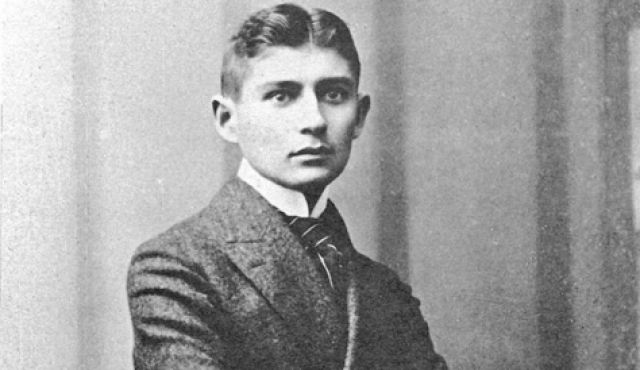
Franz Kafka Agonized, Too, Over Writer’s Block: “Tried to Write, Virtually Useless;” “Complete Standstill. Unending Torments” (1915)

No one sings as pure­ly as those who inhab­it the deep­est hell—what we take to be the song of angels is their song.

- Franz Kaf­ka, 1920

Poor Kaf­ka, born too ear­ly to blame his writer’s block on 21st-cen­tu­ry dig­i­tal excus­es:  social media addic­tion, cell phone addic­tion, stream­ing video… 

Would The Meta­mor­pho­sis have turned out dif­fer­ent­ly had its author had access to a machine that would have allowed him to self-pub­lish, com­mu­ni­cate face­less­ly, and dis­pense entire­ly with typ­ists, pens and paper? 

Had Kaf­ka had his way, his friend and fel­low writer, Max Brod, would have car­ried out instruc­tions to burn his unpub­lished work—including let­ters and jour­nal entries—upon his death

Instead Brod pub­lished them.

How hor­ri­fied would their author be to read The New Yorker’s opin­ion that his jour­nals should be regard­ed as one of his major lit­er­ary achieve­ments? A Kaf­ka-esque response might be the mildest reac­tion war­rant­ed by the sit­u­a­tion:

His life and per­son­al­i­ty were per­fect­ly suit­ed to the diary form, and in these pages he reveals what he cus­tom­ar­i­ly hid from the world.

These once-pri­vate pages (avail­able in book for­mat here) reveal a not-unfa­mil­iar writer­ly ten­den­cy to ago­nize over a per­ceived lack of out­put:

JANUARY 20, 1915: The end of writ­ing. When will it take me up again?

JANUARY 29, 1915: Again tried to write, vir­tu­al­ly use­less.

JANUARY 30, 1915: The old inca­pac­i­ty. Inter­rupt­ed my writ­ing for bare­ly ten days and already cast out. Once again prodi­gious efforts stand before me. You have to dive down, as it were, and sink more rapid­ly than that which sinks in advance of you.

FEBRUARY 7, 1915: Com­plete stand­still. Unend­ing tor­ments.

MARCH 11, 1915: How time flies; anoth­er ten days and I have achieved noth­ing. It doesn’t come off. A page now and then is suc­cess­ful, but I can’t keep it up, the next day I am pow­er­less.

MARCH 13, 1915: Lack of appetite, fear of get­ting back late in the evening; but above all the thought that I wrote noth­ing yes­ter­day, that I keep get­ting far­ther and far­ther from it, and am in dan­ger of los­ing every­thing I have labo­ri­ous­ly achieved these past six months. Pro­vid­ed proof of this by writ­ing one and a half wretched pages of a new sto­ry that I have already decid­ed to dis­card…. Occa­sion­al­ly I feel an unhap­pi­ness that almost dis­mem­bers me, and at the same time am con­vinced of its neces­si­ty and of the exis­tence of a goal to which one makes one’s way by under­go­ing every kind of unhap­pi­ness.

Psy­chol­o­gy Today iden­ti­fies five pos­si­ble under­ly­ing caus­es for such inac­tiv­i­ty, and tips for sur­mount­ing them. It seems like­ly the fas­tid­i­ous, self-absorbed Kaf­ka would have reject­ed them on their breezy tone alone, but per­haps oth­er less per­snick­ety indi­vid­u­als will find some­thing of use: 

1. You’ve Lost Your Way

If you’re stalled because you lost your way, try the oppo­site of what you usu­al­ly do—if you’re a plot­ter, give your imag­i­na­tion free rein for a day; if you’re a freewriter or a pantser, spend a day cre­at­ing a list of the next 10 scenes that need to hap­pen. This gives your brain a chal­lenge, and for this rea­son you can take heart, because your bil­lions of neu­rons love a chal­lenge and are in search of synaps­es they can form.

2. Your Pas­sion Has Waned

Remem­ber, your writ­ing brain looks for and responds to pat­terns, so be care­ful that you don’t make suc­cumb­ing to bore­dom or sur­ren­der­ing projects with­out a fight into a habit. Do your best to work through the rea­sons you got stalled and to fin­ish what you start­ed. This will lay down a neu­ronal path­way that your writ­ing brain will mer­ri­ly trav­el along in future work.

3. Your Expec­ta­tions Are Too High

Instead of set­ting your sights too high, give your­self per­mis­sion to write any­thing, on top­ic or off top­ic, mean­ing­ful or trite, use­ful or fol­ly. The point is that by attach­ing so much impor­tance to the work you’re about to do, you make it hard­er to get into the flow. Also, if your inner crit­ic sticks her nose in (which often hap­pens), tell her that her role is very impor­tant to you (and it is!) and that you will sum­mon her when you have some­thing wor­thy of her atten­tion.

4. You Are Burned Out

You aren’t blocked; you’re exhaust­ed. Give your­self a few days to real­ly rest. Lie on a sofa and watch movies, take long walks in the hour just before dusk, go out to din­ner with friends, or take a mini-vaca­tion some­where rest­ful. Do so with the inten­tion to give yourself—and your brain—a rest. No think­ing about your nov­el for a week! In fact, no heavy think­ing for a week. Lie back, have a mar­gari­ta, and chill.

5. You’re Too Dis­tract­ed

Take note that, unless you’re just one of those rare birds who always write no mat­ter what, you will expe­ri­ence times in your life when it’s impos­si­ble to keep to a writ­ing sched­ule. Peo­ple get sick, peo­ple have to take a sec­ond job, chil­dren need extra atten­tion, par­ents need extra atten­tion, and so on. If you’re in one of those emer­gency sit­u­a­tions (rais­ing small chil­dren counts), by all means, don’t berate your­self. Some­times it’s sim­ply nec­es­sary to put the actu­al writ­ing on hold. It is good, how­ev­er, to keep your hands in the water. For instance, in lieu of writ­ing your nov­el:

Read works sim­i­lar to what you hope to write.

Read books relat­ed to the sub­ject you’re writ­ing about.

Keep a des­ig­nat­ed jour­nal where you jot down ideas for the book (and oth­er works).

Write small vignettes or sketch­es relat­ed to the book

When­ev­er you find time to med­i­tate, envi­sion your­self writ­ing the book, bring­ing it to full com­ple­tion.

Make writ­ing the book a pri­or­i­ty.

Addi­tion­al­ly, you may find some mer­it in enlist­ing a friend to pub­lish, I mean, burn the above-men­tioned jour­nals posthu­mous­ly. Just don’t write any­thing you would­n’t want the pub­lic to see.

Read author Susan Reynolds’ com­plete Psy­chol­o­gy Today advice for blocked writ­ers here.

Have a peek at Kafka’s Diaries: 1910–1923 here.

via Austin Kleon

Relat­ed Con­tent:

Franz Kafka’s Kafkaesque Love Let­ters

Franz Kaf­ka: An Ani­mat­ed Intro­duc­tion to His Lit­er­ary Genius

Meta­mor­fo­s­is: Franz Kafka’s Best-Known Short Sto­ry Gets Adapt­ed Into a Tim Bur­tonesque Span­ish Short Film

Ayun Hal­l­i­day is an author, illus­tra­tor, the­ater mak­er and Chief Pri­ma­tol­o­gist of the East Vil­lage Inky zine, cur­rent­ly appear­ing onstage in New York City in Paul David Young’s Faust 3. Fol­low her @AyunHalliday.

Langston Hughes Creates a List of His 100 Favorite Jazz Recordings: Hear 80+ of Them in a Big Playlist

Image by The Library of Con­gress, via Wiki­me­dia Com­mons

“Langston Hugh­es was nev­er far from jazz,” writes Rebec­ca Gross at the NEA’s Art Works Blog. “He lis­tened to it at night­clubs, col­lab­o­rat­ed with musi­cians from Monk to Min­gus, often held read­ings accom­pa­nied by jazz com­bos, and even wrote a children’s book called The First Book of Jazz.” The 1955 book is a strik­ing visu­al arti­fact, with illus­tra­tions by Cliff Roberts made to resem­ble jazz album cov­ers of the peri­od. Though writ­ten in sim­ple prose, it has much to rec­om­mend it to adults, despite its some­what forced—literally—upbeat tone. “The book is very patri­ot­ic,” we not­ed in an ear­li­er post, “a fact dic­tat­ed by Hugh­es’ recent [1953] appear­ance before Sen­a­tor McCarthy’s Sub­com­mit­tee, which exon­er­at­ed him on the con­di­tion that he renounce his ear­li­er sym­pa­thies for the Com­mu­nist Par­ty and get with a patri­ot­ic pro­gram.”

Ear­li­er state­ments on music had been more can­did and close to the heart: “jazz to me is one of the inher­ent expres­sions of Negro life in Amer­i­ca,” Hugh­es wrote in a 1926 essay, “The Negro Artist and the Racial Moun­tain”—“the eter­nal tom-tom beat­ing in the Negro soul—the tom-tom of revolt against weari­ness in a white world, a world of sub­way trains, and work, work, work; the tom-tom of joy and laugh­ter, and pain swal­lowed in a smile.”

The sweet bit­ter­ness of these sen­ti­ments may lie fur­ther beneath the sur­face thir­ty years lat­er in The First Book of Jazz, but the children’s intro­duc­tion to that thor­ough­ly orig­i­nal African-Amer­i­can form made it clear. “For Hugh­es,” as Cross writes, “jazz was a way of life,” even when life was con­strained by red scare repres­sion.

Hugh­es invites his read­ers, of all ages, to share his pas­sion, not only through his care­ful his­to­ry and expla­na­tions of key jazz ele­ments, but also through a list of rec­om­men­da­tions in an appen­dix: “100 of My Favorite Record­ings of Jazz, Blues, Folk Songs, and Jazz-Influ­enced Per­for­mances.” (View them in a larg­er for­mat here: Page 1Page 2.) In this playlist below, you can hear 81 of Hugh­es’ selec­tions: clas­sic New Orleans jazz from Louis Arm­strong, blues from Bessie Smith, “jazz-influ­enced” clas­si­cal from George Gersh­win, bebop from Thelo­nious Monk, swing from Count Basie, gui­tar gospel from Sis­ter Roset­ta Tharpe, and much more from Son­ny Ter­ry, Tom­my Dorsey, Char­lie Park­er, Mem­phis Min­nie, Bil­lie Hol­i­day, and oh so many more artists who moved the Harlem Renais­sance poet to put “jazz into words” as he wrote in “Jazz as Com­mu­ni­ca­tion,” an essay pub­lished the fol­low­ing year. If you need Spo­ti­fy’s free soft­ware, down­load it here.

For Hugh­es, jazz was a broad cat­e­go­ry that embraced all black Amer­i­can music—not only the blues, rag­time, and swing but also, by the mid-fifties, rock and roll, which he believed, would “no doubt be washed back half for­got­ten into the sea of jazz” in years to come. But what­ev­er the future held for jazz, Hugh­es had no doubt it would be “what you call preg­nant,” and as fer­tile as its past.

“Poten­tial papas and mamas of tomorrow’s jazz are all known,” he con­cludes in his 1956 essay. “But THE papa and THE mama—maybe both—are anony­mous. But the child will com­mu­ni­cate. Jazz is a heartbeat—its heart­beat is yours. You will tell me about its per­spec­tives when you get ready.” Just above, see Hugh­es recite the poem “Weary Blues” with jazz band accom­pa­ni­ment in a CBC appear­ance from 1958.

Relat­ed Con­tent:

Langston Hugh­es Presents the His­to­ry of Jazz in an Illus­trat­ed Children’s Book (1955)

Watch Langston Hugh­es Read Poet­ry from His First Col­lec­tion, The Weary Blues (1958)

The Cry of Jazz: 1958’s High­ly Con­tro­ver­sial Film on Jazz & Race in Amer­i­ca (With Music by Sun Ra)

Josh Jones is a writer and musi­cian based in Durham, NC. Fol­low him at @jdmagness

Free eBooks with Modern Typography & Nice Formatting, All “Carefully Produced for the True Book Lover”

If you look through our col­lec­tion of 800+ Free eBooks, you will find many pub­lic domain texts pre­sent­ed by providers like Project Guten­berg and Archive.org. Pret­ty soon, we’ll have to add texts from Stan­dard eBooks, a vol­un­teer-dri­ven project that dig­i­tizes books while plac­ing an empha­sis on design and typog­ra­phy. Here’s how they describe their mis­sion:

While there are plen­ty of places where you can down­load free and accu­rate­ly-tran­scribed pub­lic domain ebooks, we feel the qual­i­ty of those ebooks can often be great­ly improved.

For exam­ple, Project Guten­berg, a major pro­duc­er of pub­lic-domain ebooks, hosts epub and Kin­dle files that some­times lack basic typo­graph­ic neces­si­ties like curly quotes; some of those ebooks are auto­mat­i­cal­ly gen­er­at­ed and can’t take full advan­tage of mod­ern eread­er tech­nol­o­gy like pop­up foot­notes or pop­up tables of con­tents; they some­times lack niceties like cov­er images and title pages; and the qual­i­ty of indi­vid­ual ebook pro­duc­tions varies great­ly.

Archival sites like the Inter­net Archive (and even Project Guten­berg, to some extent) painstak­ing­ly pre­serve entire texts word-for-word, includ­ing orig­i­nal typos and ephemera that are of lim­it­ed inter­est to mod­ern read­ers: every­thing includ­ing cen­turies-old pub­lish­ing marks, adver­tise­ments for long-van­ished pub­lish­ers, author bios, deeply archa­ic spellings, and so on. Some­times all you get is a scan of the actu­al book pages. That’s great for researchers, archivists, and spe­cial-inter­est read­ers, but not that great for casu­al, mod­ern read­ers.

The Stan­dard Ebooks project dif­fers from those etext projects in that we aim to make free pub­lic domain ebooks that are care­ful­ly type­set, cleaned of ancient and irrel­e­vant ephemera, take full advan­tage of mod­ern eread­ing tech­nol­o­gy, are for­mat­ted accord­ing to a detailed style guide, and that are each held to a stan­dard of qual­i­ty and inter­nal con­sis­ten­cy. Stan­dard Ebooks include care­ful­ly cho­sen cov­er art based on pub­lic domain art­work, and are pre­sent­ed in an attrac­tive way on your ebook­shelf. For tech­ni­cal­ly-inclined read­ers, Stan­dard Ebooks con­form to a rig­or­ous cod­ing style, are com­plete­ly open source, and are host­ed on Github, so any­one can con­tribute cor­rec­tions or improve­ments eas­i­ly and direct­ly with­out hav­ing to deal with baroque forums or opaque process­es.

All of the ebooks in the Stan­dard eBooks col­lec­tion “are thought to be in the pub­lic domain in the Unit­ed States.” You can cur­rent­ly down­load 103 texts–for exam­ple titles like Jane Austen’s Pride and Prej­u­dice, Mary Shel­ley’s Franken­stein, short fic­tion by Philip K. Dick, and Niet­zsche’s Beyond Good and Evil. (See the full col­lec­tion here.) They offer ver­sions spe­cial­ly designed for the Kin­dle and Kobo, but also the more uni­ver­sal epub for­mat. If you’d like to pitch in and help Stan­dard eBooks dig­i­tize more aes­thet­i­cal­ly-pleas­ing books, get more infor­ma­tion here.

If you would like to sign up for Open Culture’s free email newslet­ter, please find it here. It’s a great way to see our new posts, all bun­dled in one email, each day.

If you would like to sup­port the mis­sion of Open Cul­ture, con­sid­er mak­ing a dona­tion to our site. It’s hard to rely 100% on ads, and your con­tri­bu­tions will help us con­tin­ue pro­vid­ing the best free cul­tur­al and edu­ca­tion­al mate­ri­als to learn­ers every­where. You can con­tribute through Pay­Pal, Patre­on, and Ven­mo (@openculture). Thanks!

via Metafil­ter

Relat­ed Con­tent:

800 Free eBooks for iPad, Kin­dle & Oth­er Devices 1,000 Free Audio Books: Down­load Great Books for Free

135 Free Phi­los­o­phy eBooks

Down­load 243 Free eBooks on Design, Data, Soft­ware, Web Devel­op­ment & Busi­ness from O’Reilly Media

Down­load 464 Free Art Books from The Met­ro­pol­i­tan Muse­um of Art

Read 700 Free eBooks Made Avail­able by the Uni­ver­si­ty of Cal­i­for­nia Press

by | Permalink | Make a Comment ( 1 ) |

The First Bloomsday: See Dublin’s Literati Celebrate James Joyce’s Ulysses in Drunken Fashion (1954)

Here’s a fas­ci­nat­ing glimpse of the very first Blooms­day cel­e­bra­tion, filmed in Dublin in 1954.

The footage shows the great Irish comedic writer Bri­an O’Nolan, bet­ter known by his pen name Flann O’Brien, appear­ing very drunk as he sets off with two oth­er renowned post-war Irish writ­ers, Patrick Kavanagh and Antho­ny Cronin, and a cousin of James Joyce, a den­tist named Tom Joyce, on a pil­grim­age to vis­it the sites in James Joyce’s epic nov­el Ulysses.

The footage was tak­en by John Ryan, an artist, pub­lish­er and pub own­er who orga­nized the event. The idea was to retrace the steps of Leopold Bloom and oth­er char­ac­ters from the nov­el, but as Peter Costel­lo and Peter van de Kamp explain in this humor­ous pas­sage from their book, Flann O’Brien: An Illus­trat­ed Biog­ra­phy, things began to go awry right from the start:

The date was 16 June, 1954, and though it was only mid-morn­ing, Bri­an O’Nolan was already drunk.

This day was the fifti­eth anniver­sary of Mr. Leopold Bloom’s wan­der­ings through Dublin, which James Joyce had immor­talised in Ulysses.

To mark this occa­sion a small group of Dublin literati had gath­ered at the Sandy­cove home of Michael Scott, a well-known archi­tect, just below the Martel­lo tow­er in which the open­ing scene of Joyce’s nov­el is set. They planned to trav­el round the city through the day, vis­it­ing in turn the scenes of the nov­el, end­ing at night in what had once been the broth­el quar­ter of the city, the area which Joyce had called Night­town.

Sad­ly, no-one expect­ed O’Nolan to be sober. By rep­u­ta­tion, if not by sight, every­one in Dublin knew Bri­an O’Nolan, oth­er­wise Myles na Gopaleen, the writer of the Cruiskeen Lawn col­umn in the Irish Times. A few knew that under the name of Flann O’Brien, he had writ­ten in his youth a now near­ly for­got­ten nov­el, At Swim-Two-Birds. See­ing him about the city, many must have won­dered how a man with such extreme drink­ing habits, even for the city of Dublin, could have sus­tained a career as a writer.

As was his cus­tom, he had been drink­ing that morn­ing in the pubs around the Cat­tle Mar­ket, where cus­tomers, sup­pos­ed­ly about their law­ful busi­ness, would be served from 7:30 in the morn­ing. Now retired from the Civ­il Ser­vice, on grounds of “ill-health”, he was earn­ing his liv­ing as a free-lance jour­nal­ist, writ­ing not only for the Irish Times, but for oth­er papers and mag­a­zines under sev­er­al pen-names. He need­ed to write for mon­ey as his pen­sion was a tiny one. But this left lit­tle time for more cre­ative work. In fact, O’Nolan no longer felt the urge to write oth­er nov­els.

The rest of the par­ty, that first Blooms­day, was made up of the poet Patrick Kavanagh, the young crit­ic Antho­ny Cronin, a den­tist named Tom Joyce, who as Joyce’s cousin rep­re­sent­ed the fam­i­ly inter­est, and John Ryan, the painter and busi­ness­man who owned and edit­ed the lit­er­ary mag­a­zine Envoy. The idea of the Blooms­day cel­e­bra­tion had been Ryan’s, grow­ing nat­u­ral­ly out of a spe­cial Joyce issue of his mag­a­zine, for which O’Nolan had been guest edi­tor.

Ryan had engaged two horse drawn cabs, of the old fash­ioned kind, which in Ulysses Mr. Bloom and his friends dri­ve to poor Pad­dy Dig­nam’s funer­al. The par­ty were assigned roles from the nov­el. Cronin stood in for Stephen Dedalus, O’Nolan for his father, Simon Dedalus, John Ryan for the jour­nal­ist Mar­tin Cun­ning­ham, and A.J. Lev­en­thal, the Reg­is­trar of Trin­i­ty Col­lege, being Jew­ish, was recruit­ed to fill (unkown to him­self accord­ing to John Ryan) the role of Leopold Bloom.

Kavanagh and O’Nolan began the day by decid­ing they must climb up to the Martel­lo tow­er itself, which stood on a gran­ite shoul­der behind the house. As Cronin recalls, Kavanagh hoist­ed him­self up the steep slope above O’Nolan, who snarled in anger and laid hold of his ankle. Kavanagh roared, and lashed out with his foot. Fear­ful that O’Nolan would be kicked in the face by the poet­’s enor­mous farmer’s boot, the oth­ers has­tened to res­cue and restrain the rivals.

With some dif­fi­cul­ty O’Nolan was stuffed into one of the cabs by Cronin and the oth­ers. Then they were off, along the seafront of Dublin Bay, and into the city.

In pubs along the way an enor­mous amount of alco­hol was con­sumed, so much so that on Sandy­mount Strand they had to relieve them­selves as Stephen Dedalus does in Ulysses. Tom Joyce and Cronin sang the sen­ti­men­tal songs of Tom Moore which Joyce had loved, such as Silent, O Moyle. They stopped in Irish­town to lis­ten to the run­ning of the Ascot Gold Cup on a radio in a bet­ting shop, but even­tu­al­ly they arrived in Duke Street in the city cen­tre, and the Bai­ley, which John Ryan then ran as a lit­er­ary pub.

They went no fur­ther. Once there, anoth­er drink seemed more attrac­tive than a long tour of Joycean slums, and the siren call of the long van­ished plea­sures of Night­town.

 The First Bloomsday 1954

Cel­e­brants of the first Blooms­day pause for a pho­to in Sandy­mount, Dublin on the morn­ing of June 16, 1954. From left are John Ryan, Antho­ny Cronin, Bri­an O’Nolan (a.k.a. Flann O’Brien), Patrick Kavanagh and Tom Joyce, cousin of James Joyce.

Note: This post orig­i­nal­ly appeared on our site in 2013–likely before many of you start­ed to fre­quent our site. So it’s time to bring it back.

Relat­ed con­tent:

Vladimir Nabokov Cre­ates a Hand-Drawn Map of James Joyce’s Ulysses

On Blooms­day, Hear James Joyce Read From his Epic Ulysses, 1924

Stephen Fry Explains His Love for James Joyce’s Ulysses

Hen­ri Matisse Illus­trates 1935 Edi­tion of James Joyce’s Ulysses

James Joyce, With His Eye­sight Fail­ing, Draws a Sketch of Leopold Bloom (1926)

Hear Bob Dylan’s Newly-Released Nobel Lecture: A Meditation on Music, Literature & Lyrics

The furor sur­round­ing Bob Dylan’s Nobel Prize win in Lit­er­a­ture last Octo­ber now seems sev­er­al ages away. What was all that about again? Could it pos­si­bly have meant, as many a dis­grun­tled writer sug­gest­ed, that “peo­ple don’t care about books any­more”? Was this an “ill-con­ceived nos­tal­gia award,” as Irvine Welsh bit­ter­ly pro­claimed, bestowed by a com­mit­tee of “senile, gib­ber­ing hip­pies”? Even Dylan him­self seemed con­fused and embar­rassed. He remained silent after the announce­ment, ignor­ing the Swedish Academy’s calls and seem­ing to one Acad­e­my mem­ber “impo­lite and arro­gant.”

As any­one who has ever seen a Dylan inter­view from the mid-six­ties can attest, these qual­i­ties once defined his pub­lic per­sona. And yes, he isn’t near­ly as cul­tur­al­ly rel­e­vant now as he was in those days, when he played the near-untouch­able super­star and mer­cu­r­ial pop cul­ture savant. But the Swedish Acad­e­my vot­ed to cel­e­brate Dylan as a lit­er­ary writer, not a celebri­ty. And while writ­ers may fall in and out of fash­ion, we like to think of lit­er­a­ture as time­less. Many, per­haps most, authors award­ed the Nobel have been “past their prime,” in the sense of hav­ing a lifetime’s worth of work behind them. Dylan is cer­tain­ly no excep­tion.

The ques­tion of whether folk and rock and roll songs can be prop­er­ly con­sid­ered lit­er­a­ture is anoth­er mat­ter, but you’d have to be naïve not to know that all lit­er­a­ture began its life as song. Maybe much of it will return to this pri­mor­dial state in the future. Sens­ing that songcraft need­ed an advo­cate before crit­ics of lit­er­a­ture, when he record­ed his Nobel lecture–with musi­cal accom­pa­ni­ment, on June 4th, six months after his win (hear him read it above)–Dylan dis­cussed the inter­de­pen­dence of the two. He point­ed to Homer’s Odyssey, an epic song in verse before it assumed writ­ten form, as the source for not only so much West­ern lit­er­a­ture, but also so much Amer­i­can folk song, includ­ing his own.

The Odyssey is a great book whose themes have worked its way into the bal­lads of a lot of song­writ­ers,” says Dylan, then he con­cedes that “songs are unlike lit­er­a­ture. They’re meant to be sung, not read.” That’s okay. “The words in Shakespeare’s plays were meant to be act­ed on the stage,” not read by groups of stu­dents in uncom­fort­able desks and air­less rooms. No one became furi­ous­ly angry when play­wright Harold Pin­ter won the Nobel Prize in 2005. Should they have? But Dylan doesn’t pur­sue this line of rea­son­ing, and he doesn’t nec­es­sar­i­ly com­pare him­self to Shake­speare. Not quite.…

He did, how­ev­er, make a sim­i­lar argu­ment in his short accep­tance speech (read it here)—which he wrote and hand­ed to the U.S. Ambas­sador to Swe­den, Azi­ta Raji, to read in his place at the cer­e­mo­ny (see her deliv­er it above)–asking whether Shake­speare, and hence Dylan, should be con­sid­ered lit­er­a­ture: “I would reck­on he thought of him­self as a drama­tist… I would bet that the far­thest thing from Shake­speare’s mind was the ques­tion ‘Is this lit­er­a­ture?’” Like Shake­speare, Dylan writes, he has been busy with the exi­gen­cies of tour­ing, cre­at­ing ensem­bles, and per­form­ing: “not once have I ever had the time to ask myself, ‘Are my songs lit­er­a­ture?’” (Believe that or not.) He thanks the Swedish Acad­e­my for tak­ing up the ques­tion, and “for pro­vid­ing such a won­der­ful answer.”

In his new­ly-released record­ed lec­ture, at the top, Dylan also doesn’t answer the ques­tion direct­ly. He care­ful­ly con­sid­ers it—“wondering, exact­ly, how my songs relate to lit­er­a­ture.” He con­fess­es need­ing to “reflect on it, and see where the con­nec­tion was.” It is in the influ­ence of The Odyssey, Moby Dick, All Qui­et on the West­ern Front and oth­er great works. It is also, he sug­gests, in the way music par­tic­i­pates in lit­er­ary tra­di­tions, trad­ing sim­i­lar themes and estab­lish­ing sim­i­lar affil­i­a­tions. But he express­es no com­mit­ment to col­laps­ing the dis­tinc­tions between them. “His appar­ent atti­tude through­out the process” of win­ning the Nobel Prize, writes Emi­ly Tem­ple at Lit Hub, “has been… some­thing along the lines of: ‘okay, if you say so.”

“The fact that Bob Dylan doesn’t con­sid­er his songs lit­er­a­ture doesn’t make them not lit­er­a­ture, of course,” writes Tem­ple. We’re free to agree or dis­agree with him, but in either case his lec­ture might make us “con­sid­er the pos­si­bil­i­ty that they will become lit­er­a­ture, as William Shakespeare’s plays have.” By that time, Shake­speare was long dead. While he still lives, Dylan con­cludes, “I hope some of you will get the chance to lis­ten to these lyrics the way they were intend­ed to be heard: in con­cert or on record or how­ev­er peo­ple are lis­ten­ing to songs these days. I return once again to Homer, who says, ‘Sing in me, oh Muse, and through me tell the sto­ry.’”

You can read the tran­script of Dylan’s lec­ture here.

Relat­ed Con­tent:

Bob Dylan Wins Nobel Prize in Lit­er­a­ture for Cre­at­ing “New Poet­ic Expres­sions with­in the Great Amer­i­can Song Tra­di­tion”

Pat­ti Smith Sings Bob Dylan’s “A Hard Rains Gonna Fall” at Nobel Prize Cer­e­mo­ny & Gets a Case of the Nerves

Kurt Von­negut on Bob Dylan: He “Is the Worst Poet Alive”

Hear a 4 Hour Playlist of Great Protest Songs: Bob Dylan, Nina Simone, Bob Mar­ley, Pub­lic Ene­my, Bil­ly Bragg & More

Josh Jones is a writer and musi­cian based in Durham, NC. Fol­low him at @jdmagness


Hunter S. Thompson Typed Out The Great Gatsby & A Farewell to Arms Word for Word: A Method for Learning How to Write Like the Masters

Image  via Wiki­me­dia Com­mons

The word quixot­ic derives, of course, from Miguel Cer­vantes’ irrev­er­ent ear­ly 17th cen­tu­ry satire, Don Quixote. From the novel’s epony­mous char­ac­ter it car­ries con­no­ta­tions of anti­quat­ed, extrav­a­gant chival­ry. But in mod­ern usage, quixot­ic usu­al­ly means “fool­ish­ly imprac­ti­cal, marked by rash lofty roman­tic ideas.” Such des­ig­na­tions apply in the case of Jorge Luis Borges’ sto­ry, “Pierre Menard, Author of the Quixote,” in which the tit­u­lar aca­d­e­m­ic writes his own Quixote by recre­at­ing Cer­vantes’ nov­el word-for-word.

Why does this fic­tion­al minor crit­ic do such a thing? Borges’ expla­na­tions are as cir­cuitous­ly mys­te­ri­ous as you might expect. But we can get a much more straight­for­ward answer from a mod­ern-day Quixote—an indi­vid­ual who has under­tak­en many a “fool­ish­ly imprac­ti­cal” quest: Hunter S. Thomp­son. Though he would nev­er be mis­tak­en for a knight-errant, Thomp­son did tilt at more than a few wind­mills, includ­ing Fitzgerald’s The Great Gats­by and Hemingway’s A Farewell to Arms, from which he typed whole pages, word-for-word “just to get the feel­ing,” writes Louis Menand at The New York­er, “of what it was like to write that way.”

“You know Hunter typed The Great Gats­by,” an awestruck John­ny Depp told The Guardian in 2011, after he’d played Thomp­son him­self in Fear and Loathing in Las Vegas and a fic­tion­al­ized ver­sion of him in an adap­ta­tion of Thompson’s lost nov­el The Rum Diaries. “He’d look at each page Fitzger­ald wrote, and he copied it. The entire book. And more than once. Because he want­ed to know what it felt like to write a mas­ter­piece.” This exer­cise pre­pared him to write one, or his cracked ver­sion of one, 1972’s gonzo account of a more-than-quixot­ic road trip, Fear and Loathing in Las Vegas. Menand points out that Thomp­son first called the book The Death of the Amer­i­can Dream, like­ly inspired by Fitzgerald’s first Gats­by title, The Death of the Red White and Blue.

Thomp­son referred to Gats­by fre­quent­ly in books and let­ters. Just as often, he ref­er­enced anoth­er lit­er­ary hero—and pugna­cious Fitzger­ald com­peti­tor—Ernest Hem­ing­way. He first began typ­ing out Gats­by while employed at Time mag­a­zine as a copy boy in 1958, one of many mag­a­zine and news­pa­per jobs in a “pat­tern of dis­rup­tive employ­ment,” writes biog­ra­ph­er Kevin T. McE­neaney. “Thomp­son appro­pri­at­ed arm­loads of office sup­plies” for the task, and also typed out Hemingway’s A Farewell to Arms and “some of Faulkner’s stories—an unusu­al method for learn­ing prose rhythm.” He was fired the fol­low­ing year, not for mis­ap­pro­pri­a­tion, but for “his unpar­don­able, insult­ing wit at a Christ­mas par­ty.”

In a 1958 let­ter to his home­town girl­friend Ann Frick, Thomp­son named the Fitzger­ald and Hem­ing­way nov­els as two espe­cial­ly influ­en­tial books, along with Brave New World, William Whyte’s The Orga­ni­za­tion Man, and Rona Jaffe’s The Best of Every­thing (or “Girls before Girls”), a nov­el that “hard­ly belongs in the above­men­tioned com­pa­ny,” he wrote, and which he did not, pre­sum­ably, copy out on his type­writer at work. Sure­ly, how­ev­er, many a Thomp­son close read­er has dis­cerned the traces of Fitzger­ald, Faulkn­er, and Hem­ing­way in his work, par­tic­u­lar­ly the lat­ter, whose macho escapades and epic drink­ing bouts sure­ly inspired more than just Thompson’s writ­ing.

In Borges’ “Pierre Menard,” the title char­ac­ter first sets out to “be Miguel de Cervantes”—to “Learn Span­ish, return to Catholi­cism, fight against the Moor or Turk, for­get the his­to­ry of Europe from 1602 to 1918….” He finds the under­tak­ing not only “impos­si­ble from the out­set,” but also “the least inter­est­ing” way to go about writ­ing his own Quixote. Thomp­son may have dis­cov­ered the same as he worked his way through his influ­ences. He could not become his heroes. He would have to take what he’d learned from inhab­it­ing their prose, and use it as fuel for his lit­er­ary firebombs–or, seen dif­fer­ent­ly, for his ide­al­is­tic, imprac­ti­cal, yet strange­ly noble (in their way) knight’s quests.

Not since Thomp­son’s Nixon­ian hey­day has there been such need for a fero­cious out­law voice like his. He may have become a stock char­ac­ter by the end of his life, car­i­ca­tured as Uncle Duke in Doones­bury, giv­en pop cul­ture saint­hood by Dep­p’s unhinged por­tray­al. But “at its best,” writes Menand, “Thomp­son’s anger, in writ­ing, was a beau­ti­ful thing, fear­less and fun­ny and, after all, not wrong about the shab­bi­ness and hypocrisy of Amer­i­can offi­cial­dom.” Per­haps even now, some hun­gry young intern is typ­ing out Fear and Loathing word-for-word, prepar­ing to absorb it into his or her own 21st cen­tu­ry reper­toire of barbed-wire truth-telling about “the death of the Amer­i­can dream.” The method, it seems, may work with any great writer, be it Cer­vantes, Fitzger­ald, or Hunter S. Thomp­son.

Relat­ed Con­tent:

How Hunter S. Thomp­son Gave Birth to Gonzo Jour­nal­ism: Short Film Revis­its Thompson’s Sem­i­nal 1970 Piece on the Ken­tucky Der­by

Read 18 Lost Sto­ries From Hunter S. Thompson’s For­got­ten Stint As a For­eign Cor­re­spon­dent

Hunter S. Thomp­son, Exis­ten­tial­ist Life Coach, Gives Tips for Find­ing Mean­ing in Life

Josh Jones is a writer and musi­cian based in Durham, NC. Fol­low him at @jdmagness

Hayao Miyazaki Picks His 50 Favorite Children’s Books

Once upon a time, books served as the de fac­to refuge of the “phys­i­cal­ly weak” child. For ani­ma­tion leg­end, Hayao Miyaza­ki, above, they offered an escape from the grim­mer real­i­ties of post-World War II Japan.

Many of the 50 favorites he select­ed for a 2010 exhi­bi­tion hon­or­ing pub­lish­er Iwana­mi Shoten’s “Boy’s Books” series are time-test­ed West­ern clas­sics.

Lon­ers and orphans–The Lit­tle Prince, The Secret Gar­denfig­ure promi­nent­ly, as do talk­ing ani­mals (The Wind in the Wil­lows, Win­nie-the-Pooh, The Voy­ages of Doc­tor Dolit­tle).

And while it may be a com­mon­ly-held pub­lish­ing belief that boys won’t read sto­ries about girls, the young Miyaza­ki seemed to have no such bias, rank­ing Hei­di and Lau­ra Ingalls Wilder right along­side Tom Sawyer and Trea­sure Island’s pirates.

Sev­er­al of the titles that made the cut were ones he could only have encoun­tered as a grown up, includ­ing 1967’s From the Mixed-Up Files of Mrs. Basil E. Frankweil­er and When Marnie Was There, the lat­ter even­tu­al­ly serv­ing as source mate­r­i­al for a Stu­dio Ghi­b­li movie, as did Miyazaki’s top pick, Mary Norton’s The Bor­row­ers.

We invite you to take a nos­tal­gic stroll through Miyazaki’s best-loved children’s books. Read­ers, how many have you read?

Hayao Miyazaki’s Top 50 Children’s Books

  1. The Bor­row­ers — Mary Nor­ton
  2. The Lit­tle Prince — Antoine de Saint-Exupéry
  3. Chil­dren of Noisy Vil­lage — Astrid Lind­gren
  4. When Marnie Was There — Joan G. Robin­son
  5. Swal­lows and Ama­zons — Arthur Ran­some
  6. The Fly­ing Class­room — Erich Käst­ner
  7. There Were Five of Us — Karel Poláček
  8. What the Neigh­bours Did, and Oth­er Sto­ries — Ann Philip­pa Pearce
  9. Hans Brinker, or The Sil­ver Skates — Mary Mapes Dodge
  10. The Secret Gar­den — Frances Hodg­son Bur­nett
  11. Eagle of The Ninth — Rose­mary Sut­cliff
  12. The Trea­sure of the Nibelungs — Gus­tav Schalk
  13. The Three Mus­ke­teers — Alexan­dre Dumas, père
  14. A Wiz­ard of Earth­sea — Ursu­la K. Le Guin
  15. Les Princes du Vent — Michel-Aime Bau­douy
  16. The Flam­bards Series — K. M. Pey­ton
  17. Sou­venirs ento­mologiques — Jean Hen­ri Fab­re
  18. The Long Win­ter — Lau­ra Ingalls Wilder
  19. A Nor­we­gian Farm — Marie Ham­sun
  20. Hei­di — Johan­na Spyri
  21. The Adven­tures of Tom Sawyer — Mark Twain
  22. Lit­tle Lord Fauntleroy — Frances Hodg­son Bur­nett
  23. Tis­tou of the Green Thumbs — Mau­rice Druon
  24. The Adven­tures of Sher­lock Holmes — Arthur Conan Doyle
  25. From the Mixed-Up Files of Mrs. Basil E. Frankweil­er — E. L. Konigs­burg
  26. The Otter­bury Inci­dent — Cecil Day-Lewis
  27. Alice’s Adven­tures in Won­der­land — Lewis Car­roll
  28. The Lit­tle Book­room — Eleanor Far­jeon
  29. The For­est is Alive or Twelve Months — Samuil Yakovle­vich Mar­shak
  30. The Restau­rant of Many Orders — Ken­ji Miyaza­wa
  31. Win­nie-the-Pooh — A. A. Milne
  32. Nihon Ryōi­ki – Kyokai
  33. Strange Sto­ries from a Chi­nese Stu­dio — Pu Songling
  34. Nine Fairy Tales: And One More Thrown in For Good Mea­sure — Karel Čapek
  35. The Man Who Has Plant­ed Welsh Onions — Kim So-un
  36. Robin­son Cru­soe — Daniel Defoe
  37. The Hob­bit — J. R. R. Tolkien
  38. Jour­ney to the West — Wu Cheng’en
  39. Twen­ty Thou­sand Leagues Under the Sea — Jules Verne
  40. The Adven­tures of the Lit­tle Onion — Gian­ni Rodari
  41. Trea­sure Island — Robert Louis Steven­son
  42. The Ship that Flew — Hil­da Winifred Lewis
  43. The Wind in the Wil­lows — Ken­neth Gra­hame
  44. The Lit­tle Hump­backed Horse — Pyotr Pavlovich Yer­shov (Ershoff)
  45. The Lit­tle White Horse — Eliz­a­beth Goudge
  46. The Rose and the Ring — William Make­peace Thack­er­ay
  47. The Radi­um Woman — Eleanor Door­ly
  48. City Neigh­bor, The Sto­ry of Jane Addams — Clara Ingram Jud­son
  49. Ivan the Fool — Leo Tol­stoy
  50. The Voy­ages of Doc­tor Dolit­tle — Hugh Loft­ing

Relat­ed Con­tent:

The Essence of Hayao Miyaza­ki Films: A Short Doc­u­men­tary About the Human­i­ty at the Heart of His Ani­ma­tion

Hayao Miyaza­ki Tells Video Game Mak­ers What He Thinks of Their Char­ac­ters Made with Arti­fi­cial Intel­li­gence: “I’m Utter­ly Dis­gust­ed. This Is an Insult to Life Itself”

Build Your Own Minia­ture Sets from Hayao Miyazaki’s Beloved Films: My Neigh­bor Totoro, Kiki’s Deliv­ery Ser­vice & More

Ayun Hal­l­i­day is an author, illus­tra­tor, the­ater mak­er and Chief Pri­ma­tol­o­gist of the East Vil­lage Inky zine.  She’ll be appear­ing onstage in New York City this June as one of the clowns in Paul David Young’s Faust 3. Fol­low her @AyunHalliday.

Kurt Vonnegut Ponders Why “Poor Americans Are Taught to Hate Themselves” in a Timely Passage from Slaughterhouse-Five

Image by Daniele Prati, via Flickr Com­mons

Amidst what is now an ordi­nary day’s chaos and tur­moil in the news, you may have noticed some out­rage cir­cu­lat­ing over com­ments made by erst­while brain sur­geon, for­mer pres­i­den­tial can­di­date, and cur­rent Sec­re­tary of HUD Ben Car­son. Pover­ty, he said, is a “state of mind.” The idea fits square­ly in the wheel­house of Carson’s brand of mag­i­cal think­ing, as well as into what has always been a self-help tra­di­tion in the U.S. since Poor Richard’s Almanac.

Con­sid­er, for exam­ple, the immense pop­u­lar­i­ty of a book writ­ten dur­ing the Great Depres­sion, Napoleon Hill’s 1937 Think and Grow Rich, which has increased every year since its pub­li­ca­tion. By 2015, the book had sold around 100 mil­lion copies world­wide. Hill’s pro­lif­ic self-help cot­tage indus­try occu­pies a promi­nent place in a dis­tinct­ly Amer­i­can genre, and an econ­o­my unto itself. Books, videos, sem­i­nars, and megachurch­es promise the faith­ful that they need only to change them­selves to change their eco­nom­ic out­comes, in order not only thrive but to “grow rich.”

The notion has had pur­chase among wealthy oppo­nents of a wel­fare state, who find it a con­ve­nient way to blame the poor for cir­cum­stances out­side their con­trol. But it also, as robust sales indi­cate, has wide appeal among the not-so-wealthy. Why? One reason—the pre­scient­ly, acer­bical­ly insight­ful observ­er of Amer­i­can cul­ture, Kurt Von­negut might argue—has to do with the fact that Amer­i­cans think of pover­ty as a per­son­al fail­ing rather than a social con­di­tion, and con­verse­ly con­flate wealth with intel­li­gence and capa­bil­i­ty.

Von­negut artic­u­lates these obser­va­tions in his 1969 clas­sic Slaugh­ter­house-Five, through a char­ac­ter named Howard W. Camp­bell, Jr., an Amer­i­can play­wright who becomes a Nazi pro­pa­gan­dist (and who stands tri­al in Israel in an ear­li­er nov­el, Moth­er Night). Osten­si­bly quot­ing from a mono­graph of Camp­bel­l’s, Von­negut writes, “Amer­i­ca is the wealth­i­est nation on Earth, but its peo­ple are main­ly poor, and poor Amer­i­cans are urged to hate them­selves.” Camp­bel­l’s mono­graph con­tin­ues:

To quote the Amer­i­can humorist Kin Hub­bard, ‘It ain’t no dis­grace to be poor, but might as well be.’ It is in fact a crime for an Amer­i­can to be poor, even though Amer­i­ca is a nation of poor. Every oth­er nation has folk tra­di­tions of men who were poor but extreme­ly wise and vir­tu­ous, and there­fore more estimable than any­one with pow­er and gold. No such tales are told by the Amer­i­can poor. They mock them­selves and glo­ri­fy their bet­ters. The mean­est eat­ing or drink­ing estab­lish­ment, owned by a man who is him­self poor, is very like­ly to have a sign on its wall ask­ing this cru­el ques­tion: ‘if you’re so smart why ain’t you rich?’ There will also be an Amer­i­can flag no larg­er than a child’s hand glued to a lol­lipop stick and fly­ing from the cash reg­is­ter.

The Kin Hub­bard quot­ed here may now be large­ly for­got­ten, but in the first three decades of the 20th cen­tu­ry, he was a humorist as wide­ly admired as Mark Twain or Will Rogers. Hub­bard drew a pop­u­lar com­ic strip based on a char­ac­ter called Abe Mar­tin, and his humor was once described as a “com­i­cal mix­ture of hoss sense and no sense at all.”  The quote above comes from one of Mar­t­in’s many pithy polit­i­cal rumi­na­tions, which include lines like “It’s all right t’ aspire to office, but when a feller begins t’ per­spire fer one it’s time t’ watch out.”

The Hub­bard-quot­ing Camp­bell, writes Von­negut with wry humor, was “said by some to have had the high­est I.Q., of all the war crim­i­nals who were made to face a death by hang­ing.” He also pitch­es his appeals to the com­mon man, and ties togeth­er the “think and grow rich” phe­nom­e­non and the ten­den­cy of so many of the country’s less-well-off to sup­port can­di­dates and poli­cies that rou­tine­ly endan­ger access to pub­lic ser­vices, qual­i­ty edu­ca­tion, and health­care.

Amer­i­cans, like human beings every­where, believe many things that are obvi­ous­ly untrue. Their most destruc­tive untruth is that it is very easy for any Amer­i­can to make mon­ey. They will not acknowl­edge how in fact hard mon­ey is to come by, and there­fore, those who have no mon­ey blame and blame and blame them­selves. This inward blame has been a trea­sure for the rich and pow­er­ful, who have had to do less for their poor, pub­licly and pri­vate­ly, than any oth­er rul­ing class since, say, Napoleon­ic times.

Camp­bell appears else­where in the nov­el in an attempt to recruit Amer­i­can POWs into “a Ger­man mil­i­tary unit called ‘The Free Amer­i­can Corps,” of which he is “the inven­tor and com­man­der.” Near the top of the post, see the char­ac­ter in the 1972 Slaugh­ter­house-Five film defend his alliance with the Nazis and explain his bizarre uni­form in terms one com­men­ta­tor sees as dis­tinct­ly res­o­nant with today’s far-right rhetoric. For all his out­landish pre­sen­ta­tion, he is a com­pli­cat­ed figure—something of an amal­gam of the far right’s show­men and huck­sters and its cyn­i­cal intel­lec­tu­als, who often under­stand very well how the stark divi­sions of race and class are main­tained in the U.S., and exploit that knowl­edge for polit­i­cal gain.

Relat­ed Con­tent:

Kurt Von­negut Gives a Ser­mon on the Fool­ish­ness of Nuclear Arms: It’s Time­ly Again (Cathe­dral of St. John the Divine, 1982)

Hear Kurt Von­negut Read Slaugh­ter­house-Five, Cat’s Cra­dle & Oth­er Nov­els

Hear Kurt Von­negut Vis­it the After­life & Inter­view Dead His­tor­i­cal Fig­ures: Isaac New­ton, Adolf Hitler, Eugene Debs & More (Audio, 1998)

Josh Jones is a writer and musi­cian based in Durham, NC. Fol­low him at @jdmagness

« Go BackMore in this category... »
Quantcast