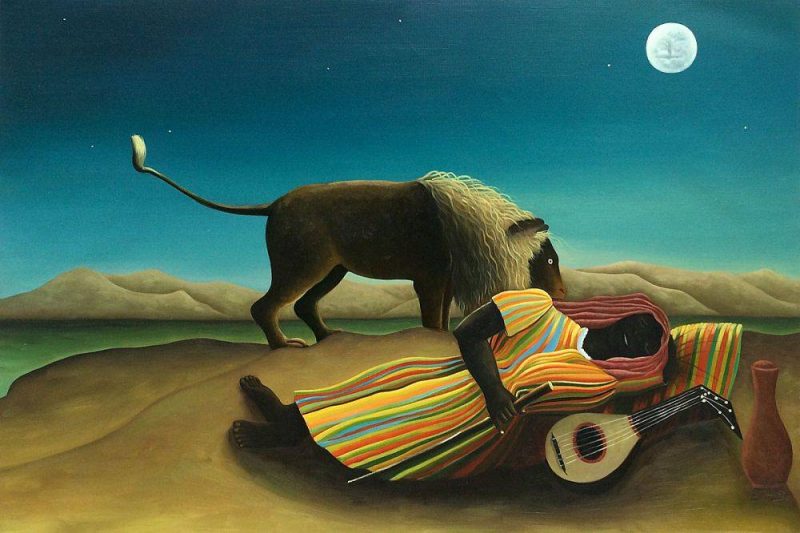
But we can take heart that one store of common wealth has majorly expanded recently, and will continue to grow each year since January 1, 2019—Public Domain Day—when hundreds of thousands of works from 1923 became freely available, the first time that happened in 21 years. This year saw the release of thousands more works into the public domain from 1924, and so it will continue ad infinitum.
And now—as if that weren’t enough to keep us busy learning about, sharing, adapting, and repurposing the past into the future—the Smithsonian has released 2.8 million images into the public domain, making them searchable, shareable, and downloadable through the museum’s Open Access platform.
This huge release of “high resolution two- and three-dimensional images from across its collections,” notes Smithsonian Magazine, “is just the beginning. Throughout the rest of 2020, the Smithsonian will be rolling out another 200,000 or so images, with more to come as the Institution continues to digitize its collection of 155 million items and counting.”
There are those who would say that these images always belonged to the public as the holdings of a publicly-funded institution sometimes called “the nation’s attic.” It’s a fair point, but shouldn’t take away from the excitement of the news. “Smithsonian” as a conveniently singular moniker actually names “19 museums, nine research centers, libraries, archives, and the National Zoo,” an enormous collection of art and historic artifacts.
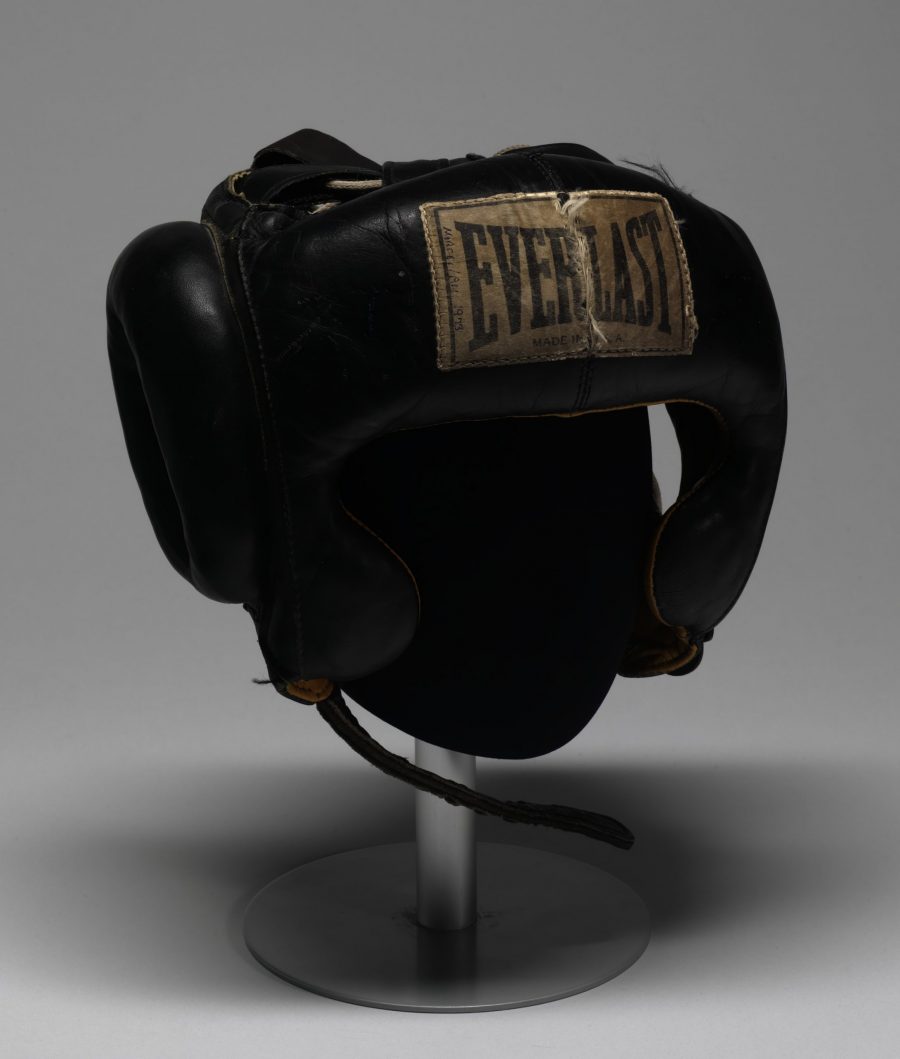
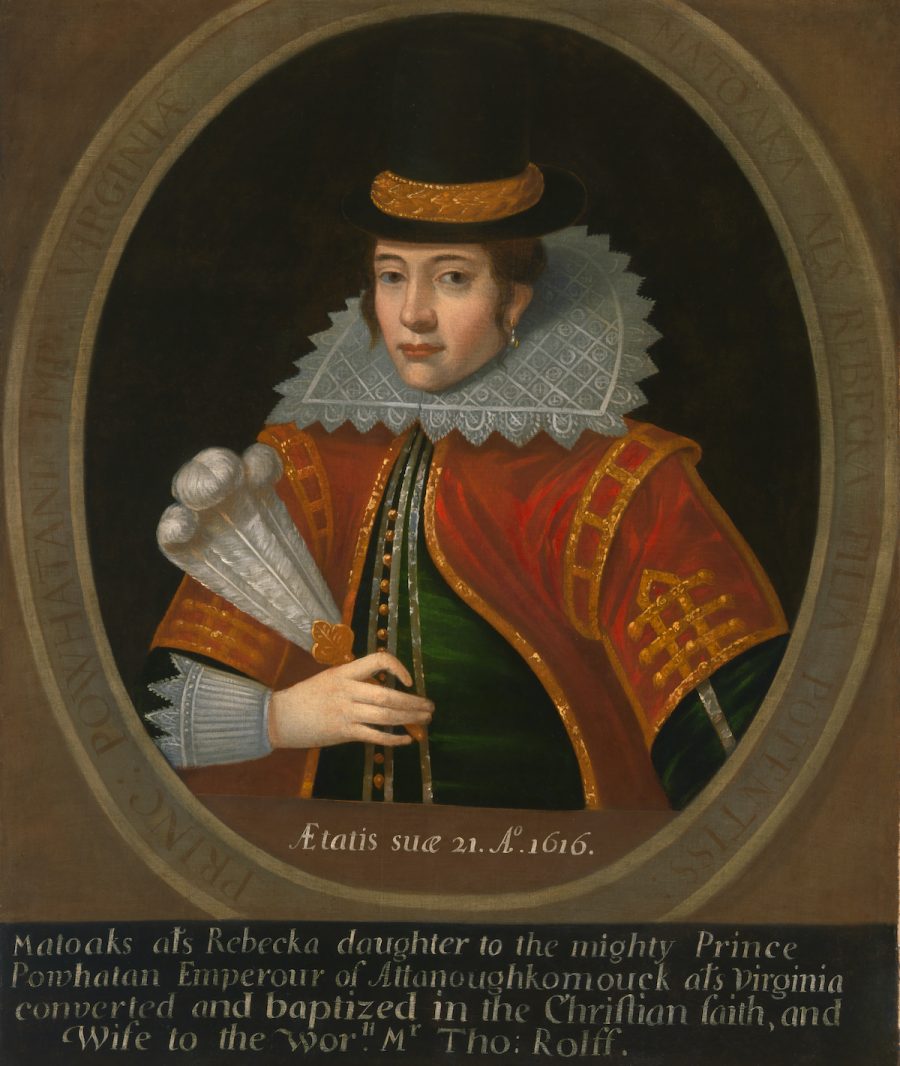
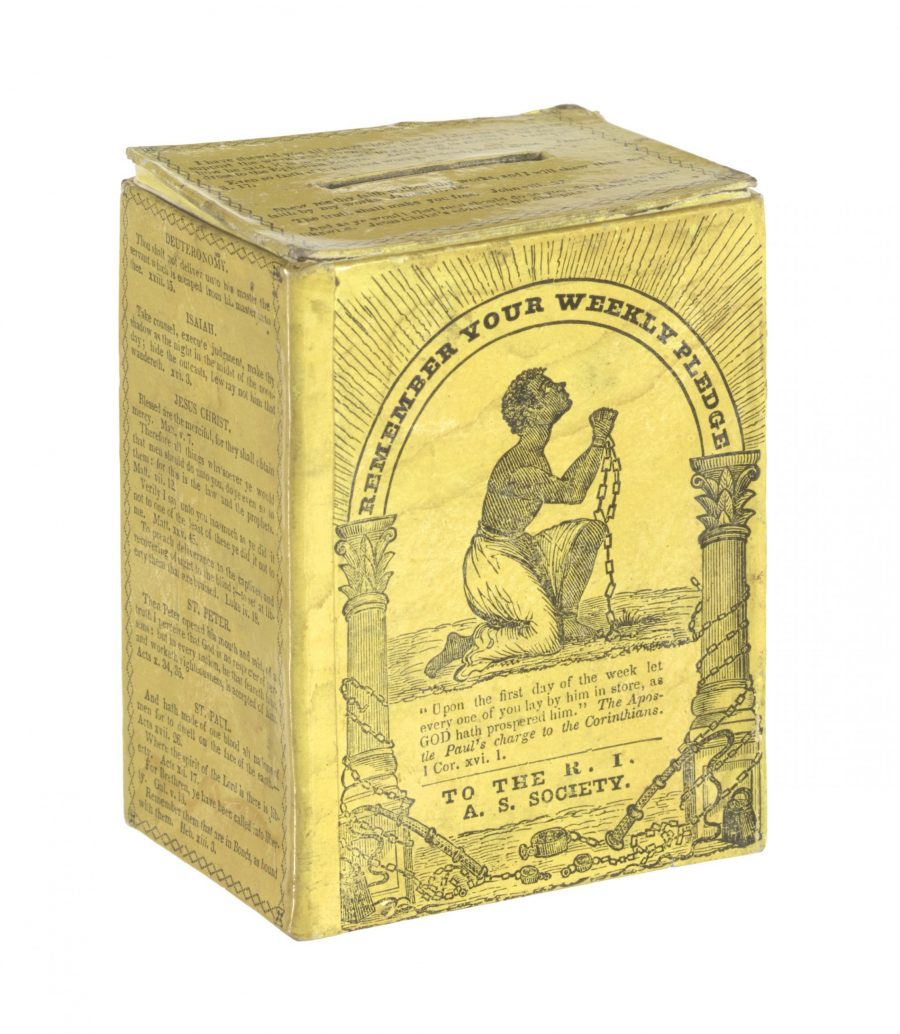
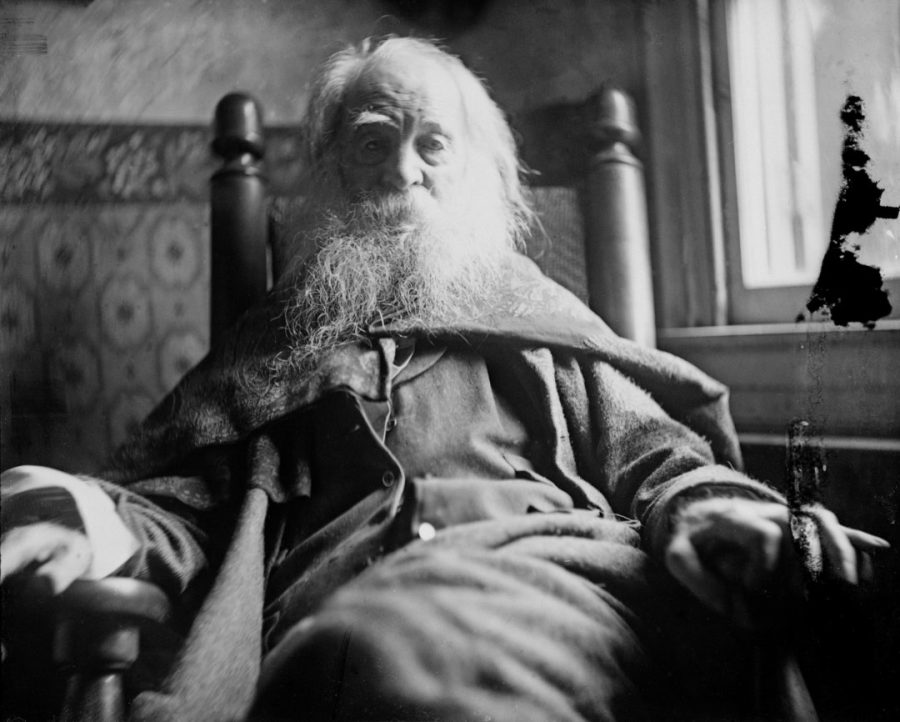
That’s quite a lot to sift through, but if you don’t know what you’re looking for, the site’s highlights will direct you to one fascinating image after another, from Mohammad Ali’s 1973 headgear to the historic Elizabethan portrait of Pocahontas, to the collection box of the Rhode Island Anti-Slavery Society owned by William Lloyd Garrison’s family, to Walt Whitman in 1891, as photographed by the painter Thomas Eakins, to just about anything else you might imagine.
Enter the Smithsonian’s Open Access archive here and browse and search its millions of newly-public domain images, a massive collection that may help expand the definition of common knowledge.
There are many roads to wellness. Meditation, yoga, exercise, and healthy diet are all effective therapies for bringing down stress levels. But we shouldn’t discount an activity we once used to while hours away as children, and that adults by the millions have taken to in recent years. Coloring takes us out of ourselves, say experts like Doctor of Psychiatry Scott M. Bea, “it’s very much like a meditative exercise.” It relaxes our brain by focusing our attention and pushing distracting and disturbing thoughts to the margins. The low stakes make the activity easy and pleasurable, qualities grown-ups don’t get to ascribe to most of what they spend their time doing.
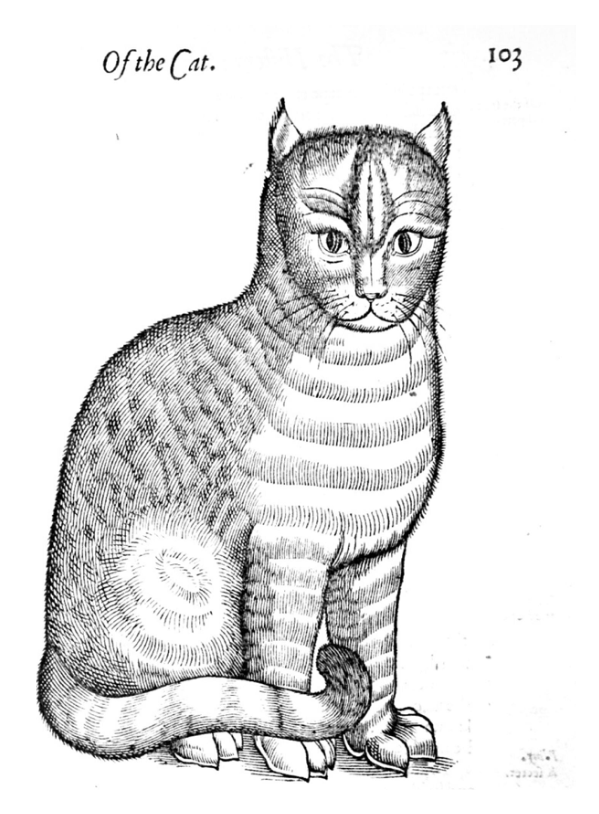
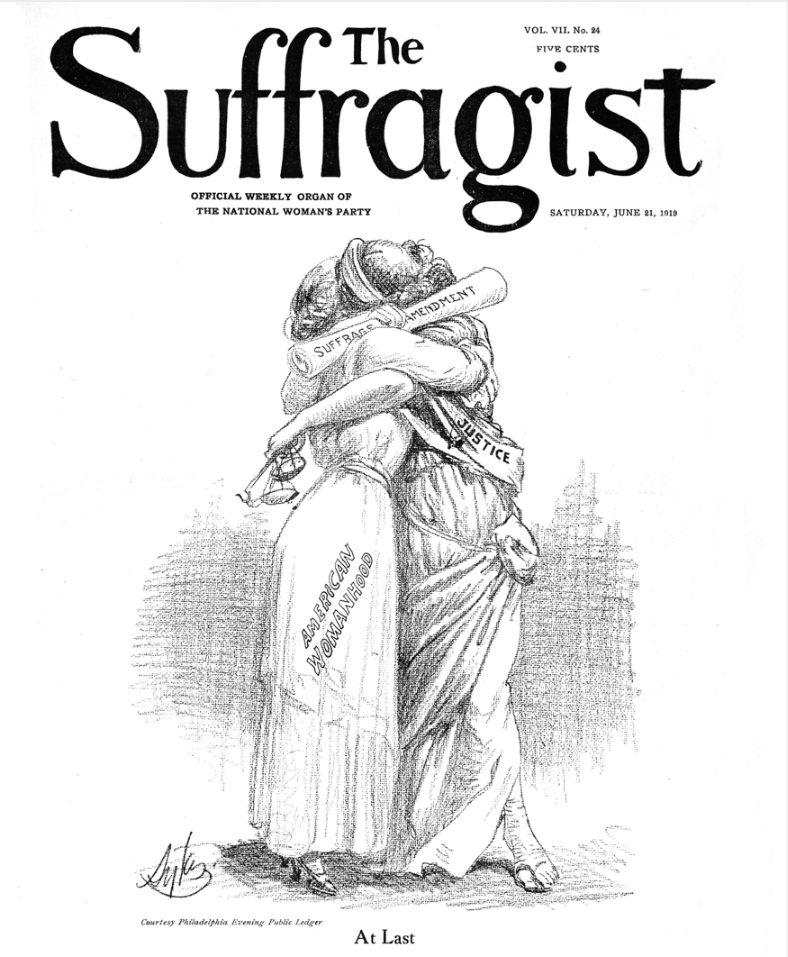
Reducing anxiety is all well and good, but some art and history lovers can’t accept just any old mass-market coloring book. Luckily, a consortium of overa hundred museums and libraries has given these special customers a reason to stick with it. Since 2016, the annual #ColorOurCollections campaign, led by the New York Academy of Medicine (NYAM), has made available, for free, adult coloring books. The range of images offers something for everyone, from early modern illustrations like the cat at the top, from Edward Topsell’s Historie of Foure-Footed Beastes (1607)—courtesy of Trinity Hall Cambridge; to the poignant cover of The Suffragist, below, from July 1919, a month after U.S. women won the right to the vote (from the Huntington Library, Art Museum, and Botanical Gardens).
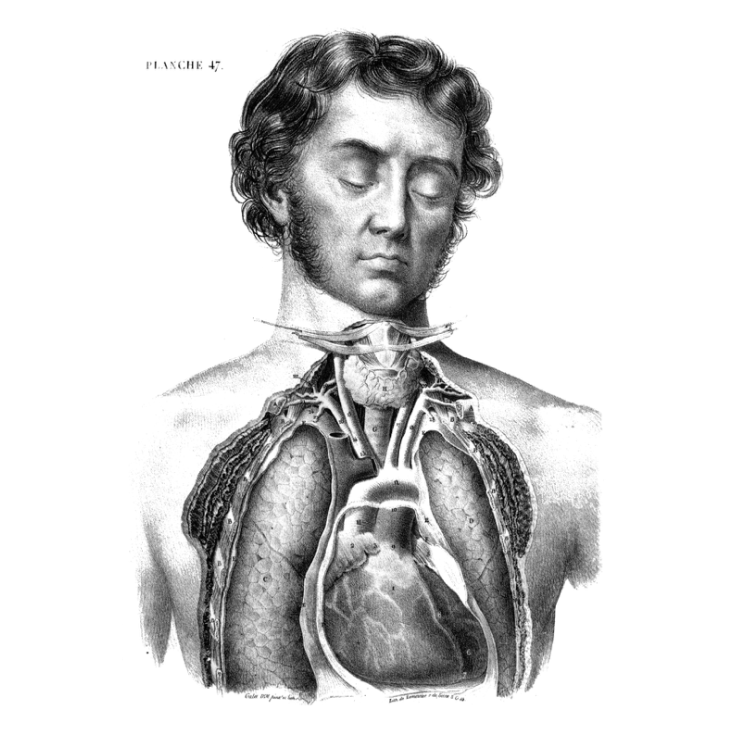
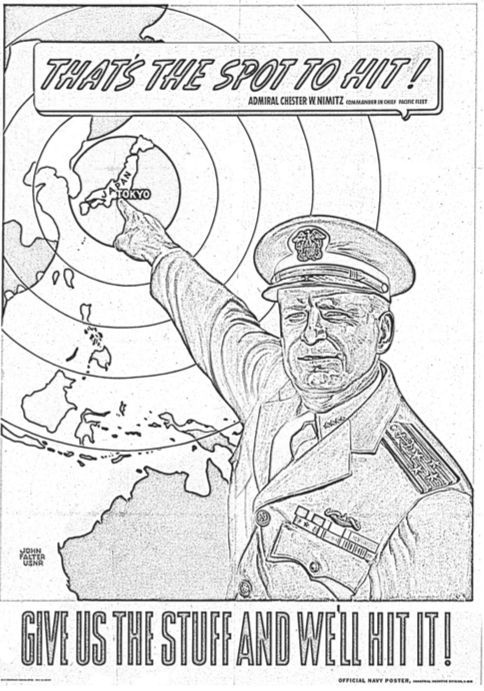
There are, unsurprisingly, copious illustrations of medical procedures and anatomy, like that below from the Library at the University of Barcelona. There are vintage advertisements, “canoe-heavy content” from a Canadian museum, as Katherine Wu reports at Smithsonian, and war posters like that further down of Admiral Chester Nimitz asking for “the stuff” to hit “the spot,” i.e. Tokyo –from the Pritzker Military Museum. “The only commonality shared by the thousands of prints and drawings available on the NYAM website is their black-and-white appearance: The pages otherwise span just about every taste and illustrative predilection a coloring connoisseur could conjure.”
One Twitter fan pointed out that the initiative provides “a great way to get to know some of the collections held in libraries around the world.” Their enthusiasm is catching. But note that few of the institutions (see full collection here) have uploaded a large quantity of colorable images. Most of the “coloring books” consist of only a handful of pages, some only one or two. Taken altogether, however, the combined strength of one hundred institutions, over four years (see previous years at the links below), adds up to many hundreds of pages of coloring fun and relaxation. If that’s your thing, start here. If you don’t know if it’s your thing, #ColorOurCollections is a free (minus the cost of printer ink and paper), educational way to find out. Grab those crayons, oil pastels, colored pencils, etc. and calm down again the way you did when you were six years old.
Only recently has “actor” become an acceptable gender-neutral term for performers of stage and screen.
Prior to that, we had “actor” and “actress,” and while there may have been some problematic assumptions concerning the type of woman who might be drawn to the profession, there was arguably linguistic parity between the two words.
Not so for artists.
In the not-so-distant past, female artists invariably found themselves referred to as “female artists.”
Not great, when male artists were referred to as (say it with me) “artists.”
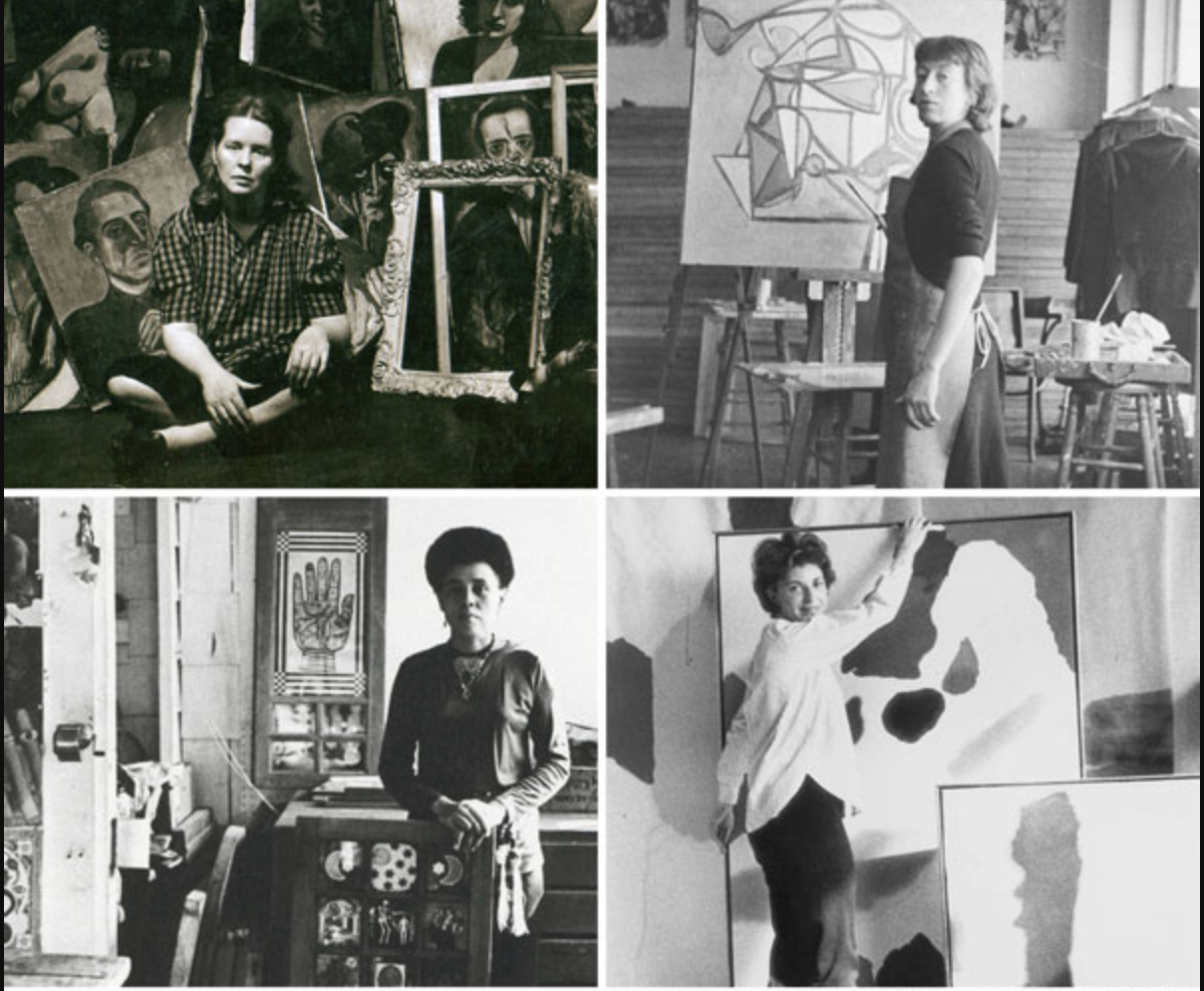
The new season of the Getty’s podcast Recording Artists pays tribute to six significant post-war artists—two Abstract Expressionists, a portraitist, a performance artist and experimental musician, and a printmaker who progressed to assemblage and collage works with an overtly social message.
Hopefully you won’t need to reach for your smelling salts upon discovering that all six artists are female:
Molesworth, who is joined by two art world guests per episode—some of them (gasp!) non-female—is the perfect choice to consider the impact of the Radical Women who give this season its subtitle.
We also hear from the artists themselves, in excepts from taped ’60s and ’70s-era interviews with historians Cindy Nemser and Barbara Rose.
Their candid remarks give Molesworth and her guests a lot to consider, from the difficulties of maintaining a consistent artistic practice after one becomes a mother to racial discrimination. A lot of attention is paid to historical context, even when it’s warts and all.
The late Alice Neel, a white artist best remembered for her portraits of her black and brown East Harlem neighbors and friends, cracks wise about butch lesbians in Greenwich Village, prompting Molesworth to remark that she thinks she—or any artist of her acquaintance—could have “easily” swayed Neel to can the homophobic remarks.
It’s also possible that Neel, who died in 1984, would have kept step with the times and made the necessary correction unprompted, were she still with us today.
A couple of the subjects, Yoko Ono and Betye Saar, are alive …and actively creating art, though it’s their past work that seems to be the source of greatest fascination.
This is a far cry better than New York Times critic Hilton Kramer’s dismissal of Neel’s 1974 retrospective at the Whitney, when the artist was 74 years old:
… the Whitney, which can usually be counted on to do the wrong thing, devoted a solo exhibition to Alice Neel, whose paintings (we can be reasonably certain) would never have been accorded that honor had they been produced by a man. The politics of the situation required that a woman be given an exhibition, and Alice Neel’s painting was no doubt judged to be sufficiently bizarre, not to say inept, to qualify as something ‘far out.’”
Twenty six years later, his opinion of Neel’s talent had not mellowed, though he had the political sense to dial down the misogyny in his scathing Observer review of Neel’s third show at the Whitney…or did he? In citing curator Ann Temkin’s observation that Neel painted “with the eye of a caricaturist” he makes sure to note that Neel’s subject Annie Sprinkle, “the porn star who became a performance artist, is herself a caricature, no mockery was needed.”
One has to wonder if he would have described the artist’s nude self-portrait at the age of 80 as that of “a geriatric ruin” had the artist been a man.
And while neither Saar nor Ono added any current commentary to the podcast, we encourage you to check out the interviews below in which they discuss their recent work in addition to reflecting on their long artistic careers:
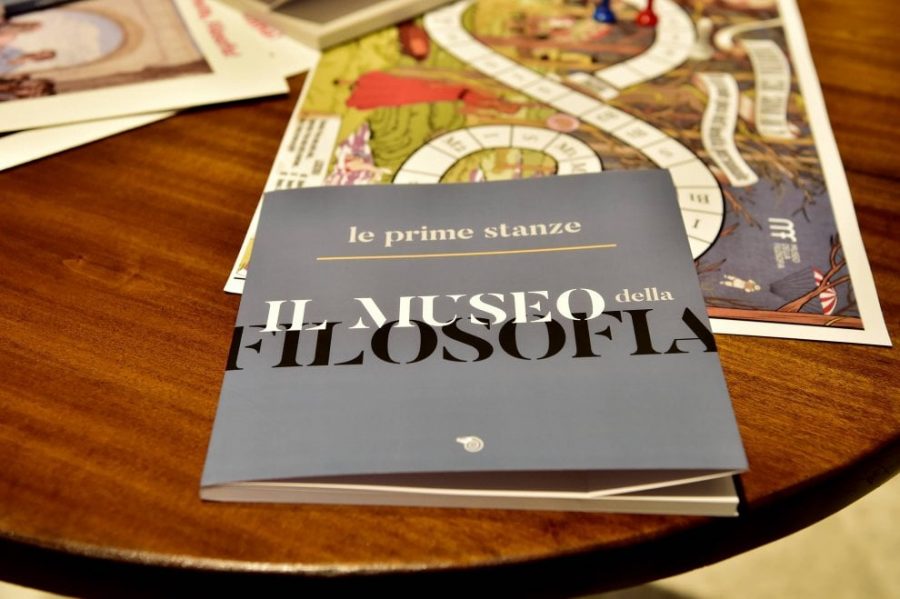
You’ve almost certainly been to more art museums than you can remember, and more than likely to a few museums of natural history, science, and technology as well. But think hard: have you ever set foot inside a museum of philosophy? Not just an exhibition dealing with philosophers or philosophical concepts, but a single institution dedicated wholly to putting the practice of philosophy itself on display. Your answer can approach a yes only if you spent time in Milan last November, and more specifically at the University of Milan, in whose halls the Museo della Filosofia set up shop and proved its surprisingly untested — and surprisingly successful — concept.
“What we had in mind was not an historically-minded museum collecting relics about the lives and works of important philosophers, but something more dynamic and interactive,” writes University of Milan postdoctoral research fellow Anna Ichino at Daily Nous, “where philosophical problems and theories become intuitively accessible through a variety of games, activities, experiments, aesthetic experiences, and other such things.”
In the first hall, “we used images like Mary Midgely’s ‘conceptual plumbing’ or Wittgenstein’s ‘fly bottle’ to convey the idea according to which philosophical problems are in important respects conceptual problems, which amount to analyzing concepts that we commonly use in unreflective ways.”
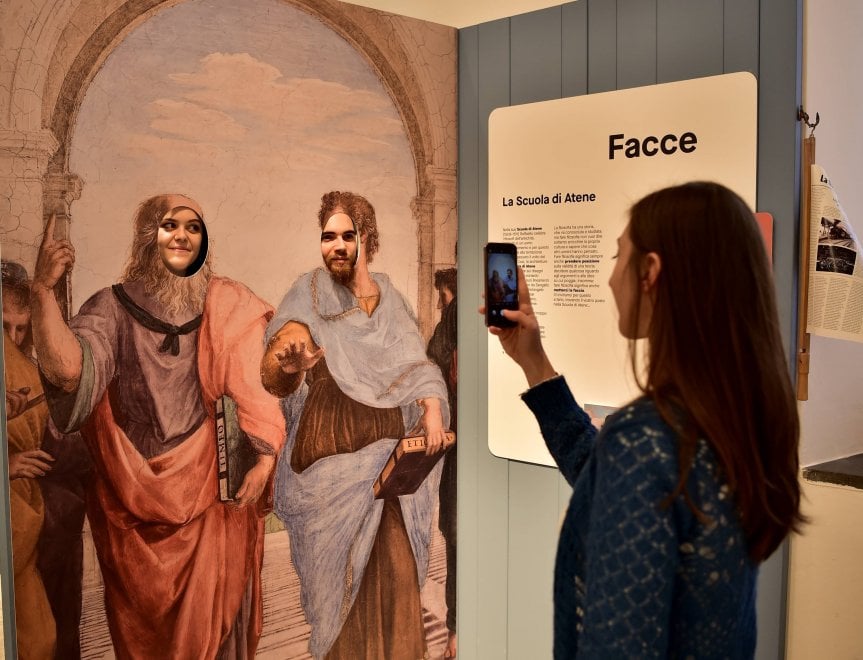
In the second hall, visitors to the Museo della Filosofia “could literally play with paradoxes and thought experiments in order to appreciate their heuristic role in philosophical inquiry.” The experiences available there ranged from using an oversized deck of cards to “solve” paradoxes, the perhaps inevitable demonstration of the well-known “trolley problem” using a model railroad set, and — most harrowing of all — the chance to “eat chocolates shaped as cat excrement” straight from the litter box. Then came the “School of Athens” game, “in which visitors had to decide whether to back Plato or Aristotle; then they could also take a souvenir picture portraying themselves in the shoes (and face!) of one or the other.”
In the third, “programmatic” hall, the museum’s organizers “presented the plan for what still needs to be done,” a to-do list that includes finding a permanent home. Before it does so, you can have a look at the project’s web site as well as its pages on Facebook and Instagram. At the top of the post appears a short video introducing the Museo della Filosofia which, like the rest of the materials, is for the moment in Italian only, but it nevertheless gets across even to non-Italian-speakers a certain idea of the experience a philosophical museum can deliver. Philosophical thinking, after all, occurs prior to language. Or maybe it’s inextricably tied up with language; different philosophers have approached the problem differently. And when the Museo della Filosofia opens for good, you’ll be able to visit and approach a few philosophical problems yourself. Read more about the museum at Daily Nous.
Based in Seoul, Colin Marshall writes and broadcasts on cities, language, and culture. His projects include the book The Stateless City: a Walk through 21st-Century Los Angeles and the video series The City in Cinema. Follow him on Twitter at @colinmarshall or on Facebook.
First trips to Paris all run the same risk: that of the museums consuming all of one’s time in the city. What those new to Paris need is a museum-going strategy, not that one size will fit all. Tailoring such a strategy to one’s own interests and pursuits requires a sense of each museum’s collection, something difficult to attain remotely before Paris Musées opened up its online collections portal.
There, a counter tracks the number of artworks from the museums of Paris digitized and uploaded for all the world to see, which as of this writing comes in at 321,055. 150,222 images, notes a counter below, are in the public domain, and below that, another counter reveals that the archive now contains 621,075 pieces of digital media in total.
Among these, writes Hyperallergic’s Valentina Di Liscia, “masterpieces by renowned artists such as Rembrandt, Gustave Courbet, Eugène Delacroix, and Anthony van Dyck, among many other familiar and lesser-known names, can now be accessed and enjoyed digitally.”
She highlights “Paul Cézanne’s enchanting 1899 portrait of the French art dealer Ambroise Vollard,” pictures taken by “Eugène Atget, the French photographer known for documenting and immortalizing old Paris,” and Gustave Courbet’s Les demoiselles des bords de la Seine, which became “the subject of controversy at the Paris Salon of 1857 for what some deemed an indecorous and even sensual portrayal of working class women.”
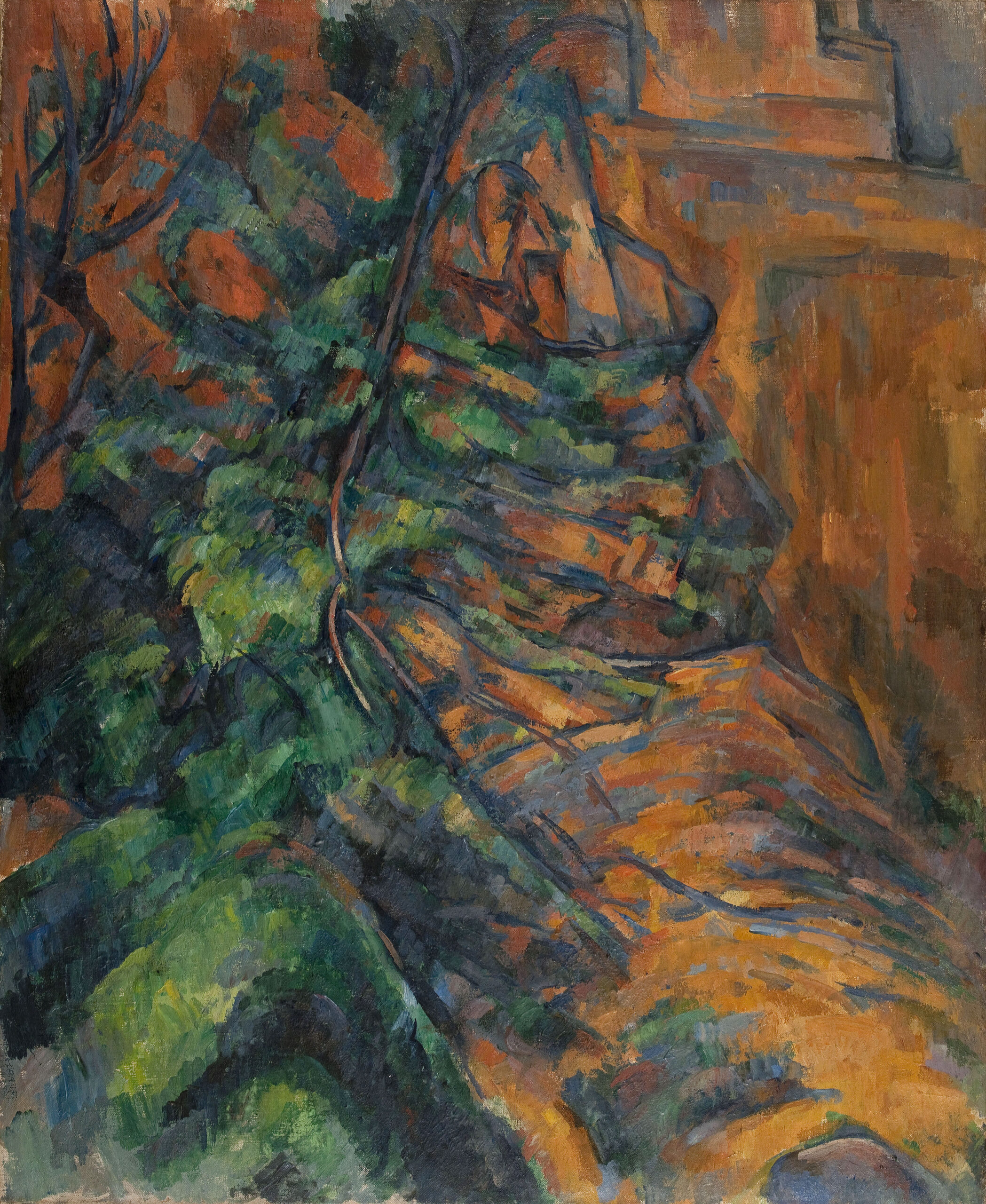
Paul Cezanne (1839–1906). “Rochers et branches à Bibémus”. Huile sur toile. Musée des Beaux-Arts de la Ville de Paris, Petit Palais.
Paris Musées oversees the fourteen City of Paris Museums, including the Musée d’Art Moderne de la Ville de Paris and the Petit Palais as well as the Maison de Balzac and Maison de Victor Hugo. That last now has a virtual exhibition up called “Light and Shade,” which, through the illustrations of Hugo’s literary works, reveals the “frenzy of images that adorned 19th century literature,” from “the blossoming of the romantic vignette, to the flood of popular editions, and the swansong of those collectors’ editions celebrating the glories of the Third Republic.” The “thematic discovering” section of Paris Musées portal also features sections on caricatures of Victor Hugo, on the 18th century, on portraits, and on Paris in the year 1900, when Art Nouveau made it “the capital of Europe.”
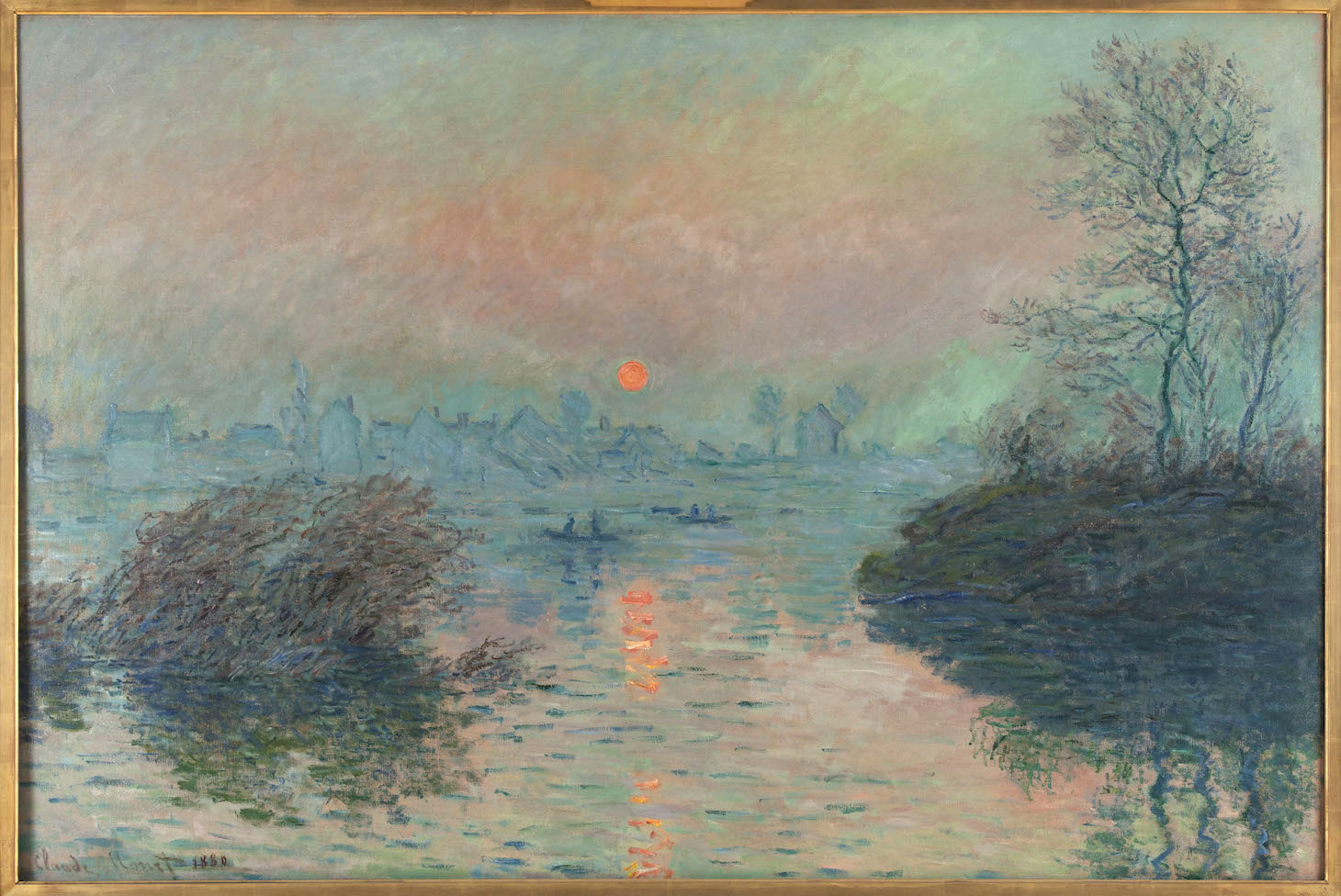
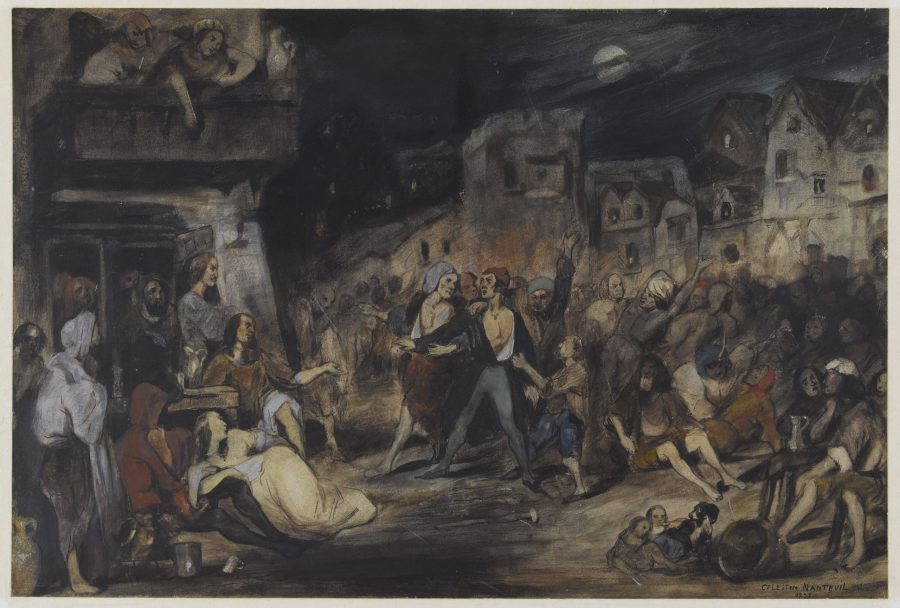
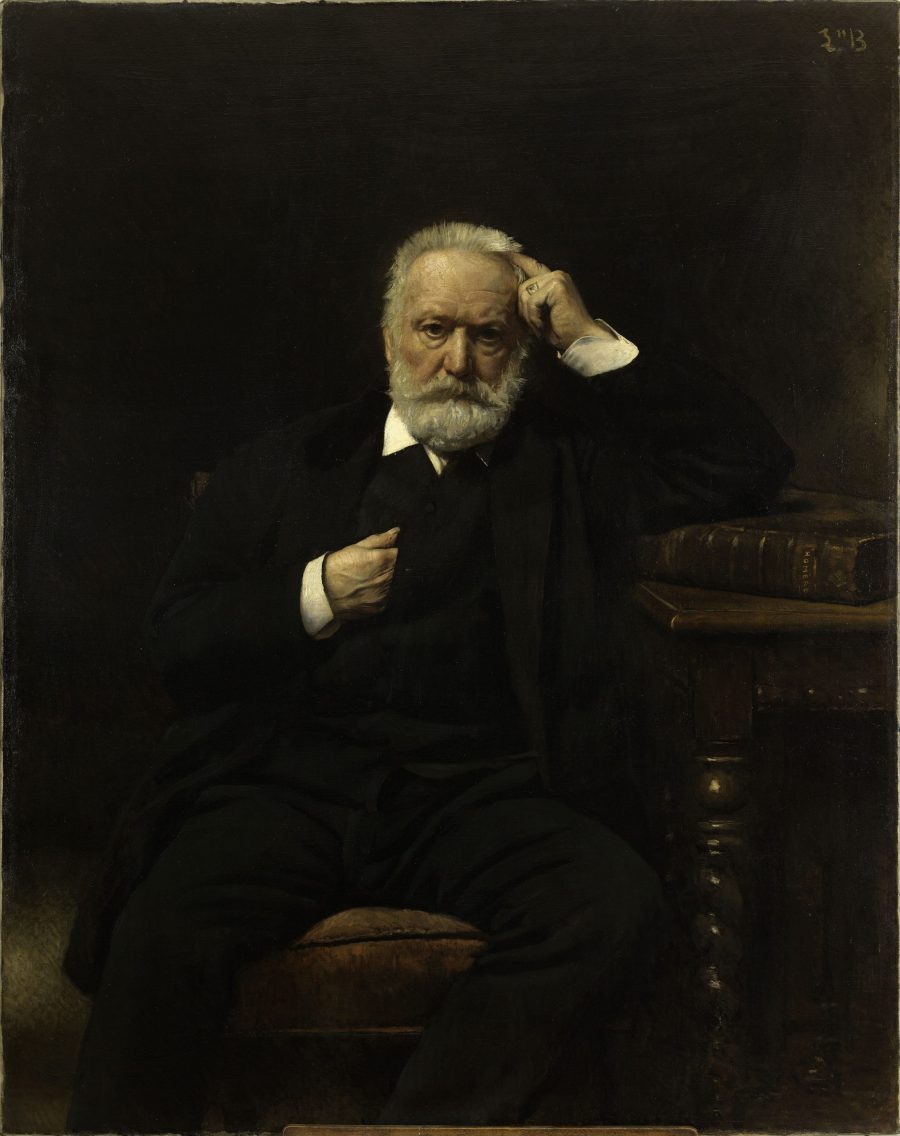
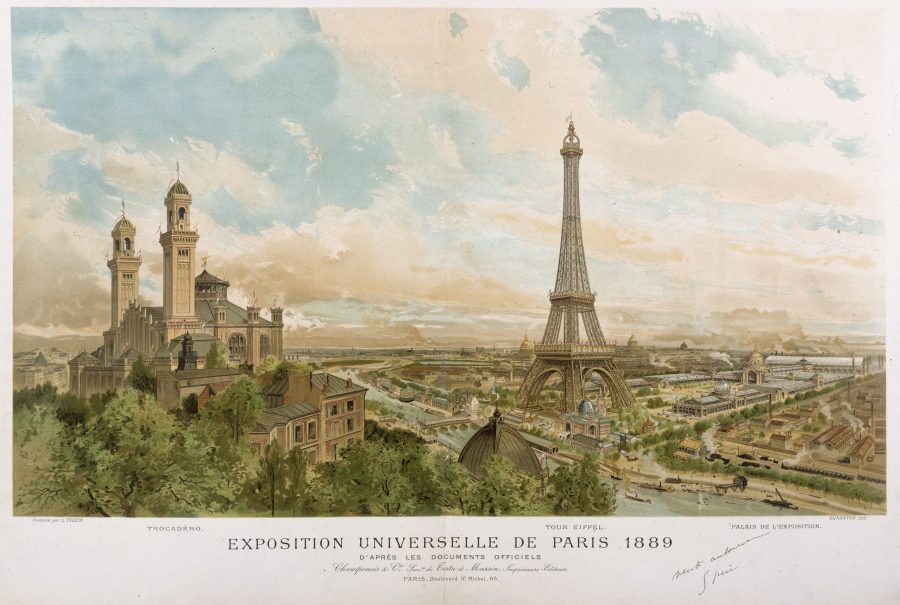
“Users can download a file that contains a high definition (300 DPI) image, a document with details about the selected work, and a guide of best practices for using and citing the sources of the image,” writes Di Liscia. Shown here are Claude Monet Soleil couchant sur la Seine à Lavacourt, effet d’hiver, Célestin Nanteuil’s La Cour des Miracles, Léon Bonnat’s Portrait de M. Victor Hugo, Cézanne’s Rochers et branches à Bibémus, and a postcard for the Exposition universelle de Paris 1889. These images are released under a CC0 (Creative Commons Zero) license, and “works still in copyright will be available as low definition files, so users can still get a feel for the museums’ collections online.” Do bear in mind that Paris Musées does not have under its umbrella that most famous museum of all, the Louvre. If you’re looking to get a feel for that world-renowned destination’s formidable collection, you may just have to visit it — a cultural task that necessitates a battle plan of its own.
Based in Seoul, Colin Marshall writes and broadcasts on cities, language, and culture. His projects include the book The Stateless City: a Walk through 21st-Century Los Angeles and the video series The City in Cinema. Follow him on Twitter at @colinmarshall or on Facebook.
The successes of the Freedman’s Bureau, initiated by Abraham Lincoln in 1865 and first administered under Oliver Howard’s War Department, are all the more remarkable considering the intense popular and political opposition to the agency. Under Lincoln’s successor, impeached Southern Democrat Andrew Johnson, the Bureau at times became a hostile entity to the very people it was meant to aid and protect—the formerly enslaved, especially, but also poor whites devastated by the war. After years of defunding, understaffing, and violent insurgency the Freedman’s Bureau was officially dissolved in 1872.
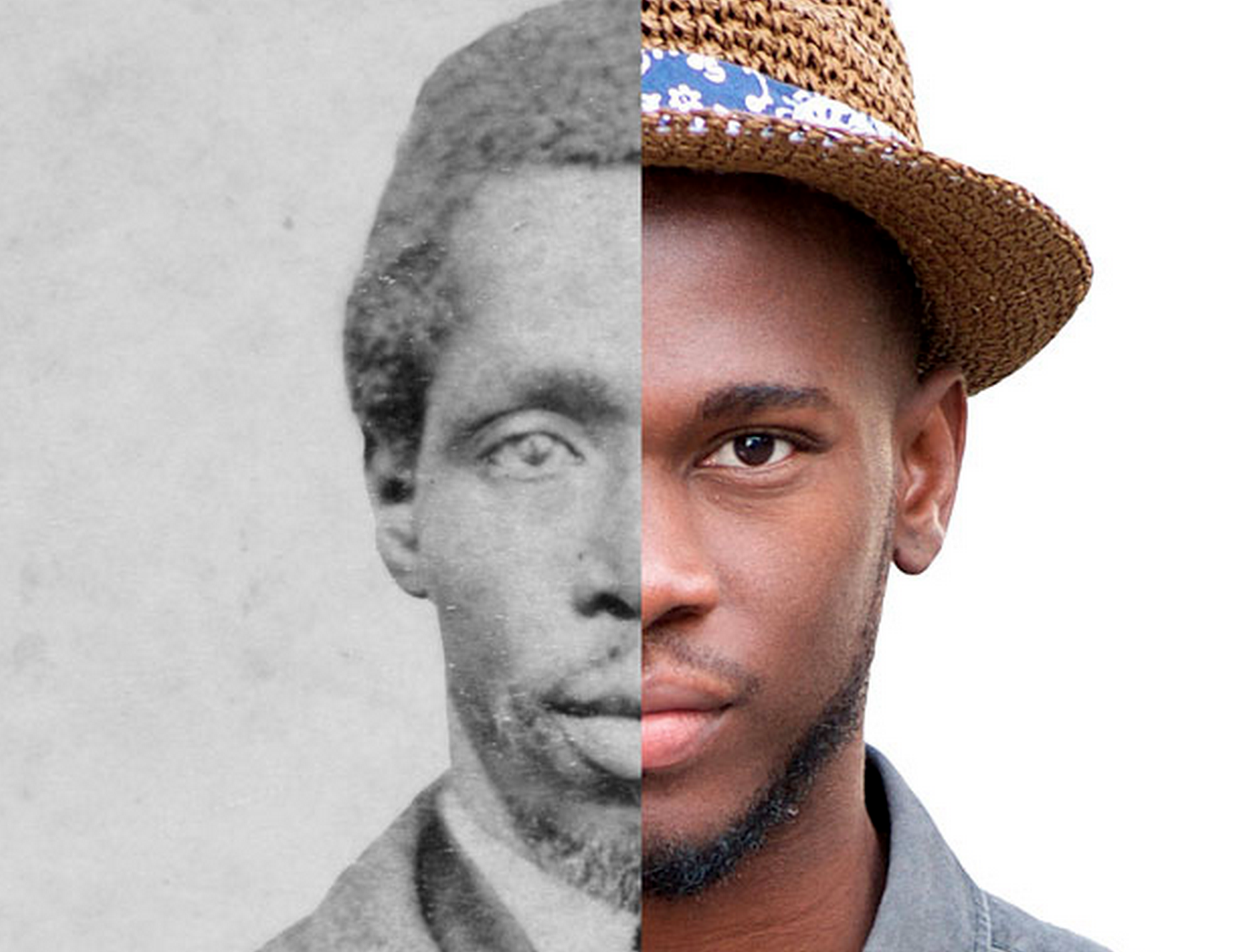
In those first few years after emancipation, however, the Bureau built several hospitals and over a thousand rural schools in the South, established the Historically Black College and University system, and “created millions of records,” notes the National Museum of African American History and Culture (NMAAHC), “that contain the names of hundreds of thousands of formerly enslaved individuals and Southern white refugees.” Those records have enabled historians to reconstruct the lives of people who might otherwise have disappeared from the record and helped genealogists trace family connections that might have been irrevocably broken.
As we noted back in 2015, those records have become part of a digitization project named for the Bureau and spearheaded by the Smithsonian, the National Archives, the Afro-American Historical and Genealogical Society, and the Church of Jesus Christ of Latter Day Saints, whose FamilySearch is the largest genealogy organization in the world. “Using modern, digital and web-based technology and the power of [over 25,000!] volunteers,” says Hollis Gentry, a genealogical specialist at the NMAAHC, the Freedman’s Bureau Project “is unlocking information from a transformative era in the history of African American families and the American nation.”
That information is now available to the general public, “globally via the web” here, as of June 20th, 2016, allowing “all of us to enlarge our understanding of the past.” More specifically, the Freedman’s Bureau Project and FamilySearch allows African Americans to recover their family history in a database that now includes “the names of nearly 1.8 million men, women and children” recorded by Freedman’s Bureau workers and entered by Freedman’s Bureau Project volunteers 150 years later. This incredible database will give millions of people descended from both former slaves and white Civil War refugees the ability to find their ancestors.
There’s still more work to be done. In collaboration with the NMAAHC, the Smithsonian Transcription Center is currently relying on volunteers to transcribe all of the digital scans provided by FamilySearch. “When completed, the papers will be keyword searchable. This joint effort will help increase access to the Freedmen’s Bureau collection and help the public learn more about the United States in the Reconstruction Era,” a critical time in U.S. history that is woefully underrepresented or deliberately whitewashed in textbooks and curricula.
“The records left by the Freedmen’s Bureau through its work between 1865 and 1872 constitute the richest and most extensive documentary source available for investigating the African American experience in the post-Civil War and Reconstruction eras,” writes the National Archives. Soon, all of those documents will be publicly available for everyone to read. For now, those with roots in the U.S. South can search the Freedman’s Bureau Project database to discover more about their family heritage and history.
And while the Smithsonian’s transcription project is underway, those who want to learn more can visit the Freedman’s Bureau Online, which has transcribed hundreds of documents, including labor records, narratives of “outrages committed on freedmen,” and marriage registers.
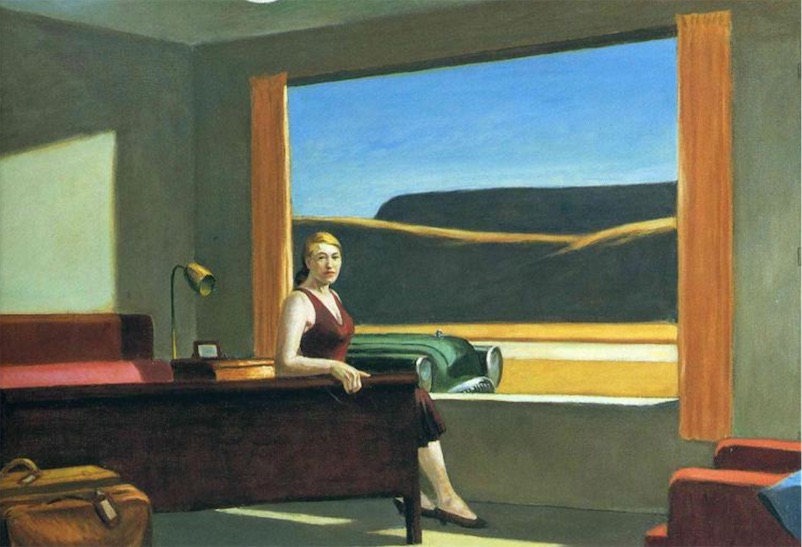
Alas, if unsurprisingly, the Hopper Hotel Experience, with mini golf and a curated tour, sold out quickly, with prices ranging from $150 to $500 for an off-hours stay.
Ticket-holding visitors can still peer in at the room any time the exhibit is open to the public, but it’s after hours when the Instagramming kicks into high gear.
What guest could resist the temptation to strike a pose amid the vintage luggage and (bluetooth-enabled) wood paneled radio, filling in for the 1957 painting’s lone figure, an iconic Hopper woman in a burgundy dress?
The Art Institute of Chicago notes that she is singular among Hopper’s subjects, in that she appears to be gazing directly at the viewer.
But as per the Yale University Art Gallery, from which Western Motel is on loan:
The woman staring across the room does not seem to see us; the pensiveness of her stare and her tense posture accentuate the sense of some impending event. She appears to be waiting: the luggage is packed, the room is devoid of personal objects, the bed is made, and a car is parked outside the window.
Hopefully, those lucky enough to have secured a booking will have perfected the pose in the mirror at home prior to arrival. This “motel” is a bit of a stage set, in that guests must leave the painting to access the public bathroom that constitutes the facilities.
(No word on whether the theme extends to a paper “sanitized for your protection” band across the toilet, but there’s no shower and a security officer is stationed outside the room for the duration of each stay.)
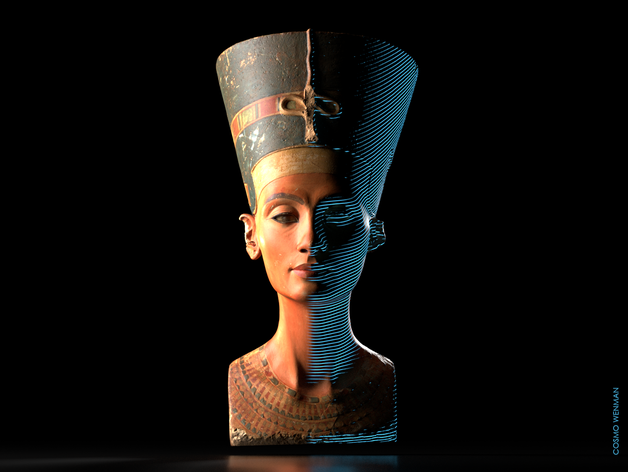
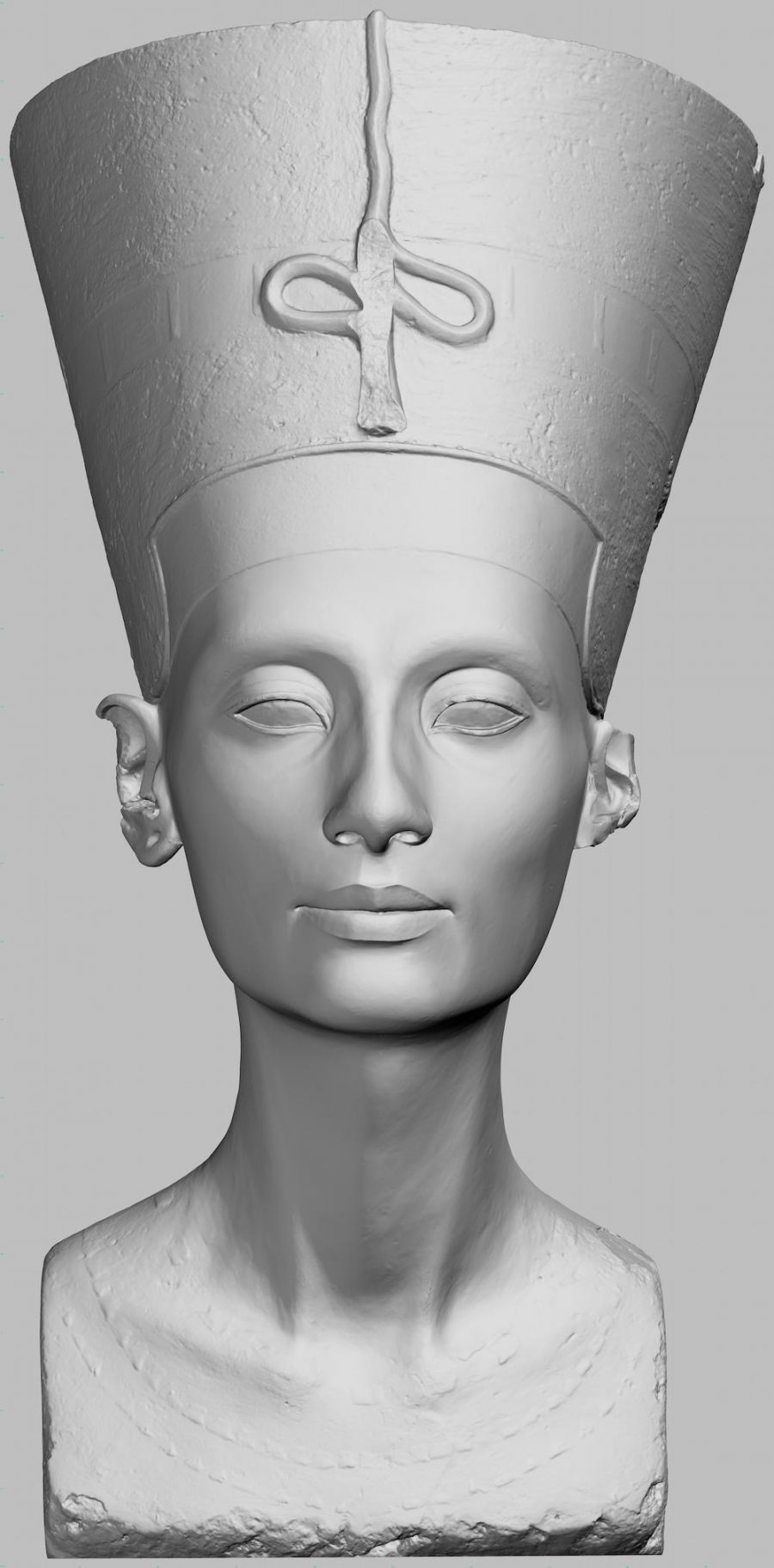
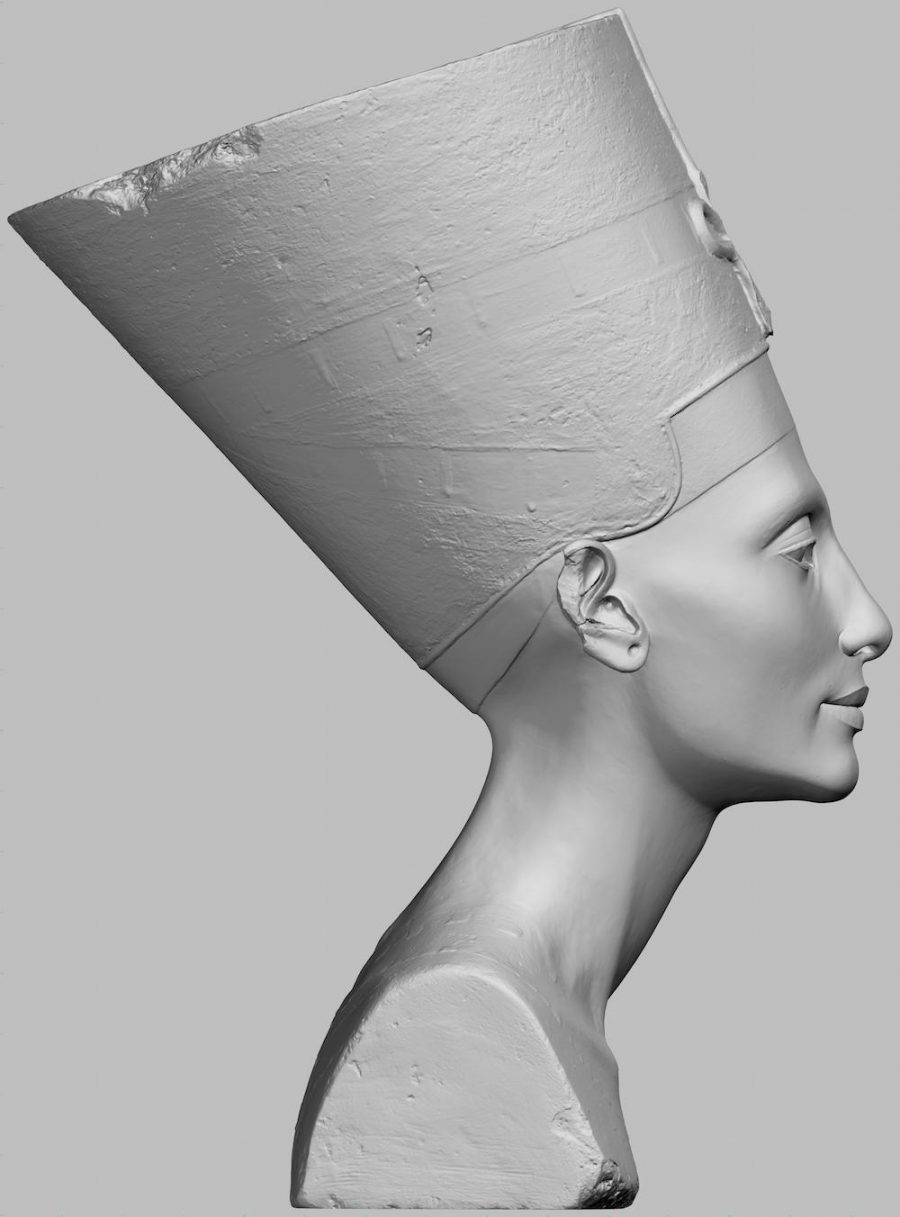
Two years ago, a scandalous “art heist” at the Neues Museum in Berlin—involving illegally made 3D scans of the bust of Nefertiti—turned out to be a different kind of crime. The two Egyptian artists who released the scans claimed they had made the images with a hidden “hacked Kinect Sensor,” reports Annalee Newitz at Ars Technica. But digital artist and designer Cosmo Wenman discovered these were scans made by the Neues Museum itself, which had been stolen by the artists or perhaps a museum employee.
The initial controversy stemmed from the fact that the museum strictly controls images of the artwork, and had refused to release any of their Nefertiti scans to the public. The practice, Wenman pointed out, is consistent across dozens of institutions around the world. “There are many influential museums, universities, and private collections that have extremely high-quality 3D data of important works, but they are not sharing that data with the public.” He lists many prominent examples in a recent Reason article; the long list includes the Venus de Milo, Rodin’s Thinker, and works by Donatello, Bernini, and Michelangelo.
Whatever their reasons, the aggressively proprietary attitude adopted by the Neues seems strange considering the controversial provenance of the Nefertiti bust. Germany has long claimed that it acquired the bust legally in 1912. But at the time, the British controlled Egypt, and Egyptians themselves had little say over the fate of their national treasures. Furthermore, the chain of custody seems to include at least a few documented instances of fraud. Egypt has been demanding that the artifact be repatriated “ever since it first went on display.”
This critical historical context notwithstanding, the bust is already “one of the most copied works of ancient Egyptian art,” and one of the most famous. “Museums should not be repositories of secret knowledge,” Wenman argued in his blog post. Prestigious cultural institutions “are in the best position to produce and publish 3D data of their works and provide authoritative context and commentary.”
Wenman waged a “3‑year-long freedom of information effort” to liberate the scans. His request was initially met with “the gift shop defense”—the museum claimed releasing the images would threaten sales of Nefertiti merchandise. When the appeal to commerce failed to dissuade Wenman, the museum let him examine the scans “in a controlled setting”; they were essentially treating the images, he writes, “like a state secret.” Finally, they relented, allowing Wenman to publish the scans, without any institutional support.
He has done so, and urged others to share his Reason article on social media to get word out about the files, now available to download and use under a CC BY-NC-SA license. He has also taken his own liberties with the scans, colorizing and adding the blue 3D mapping lines himself to the image at the top, for example, drawn from his own interactive 3D model, which you can view and download here. These are examples of his vision for high-quality 3D scans of artworks, which can and should “be adapted, multiplied, and remixed.”
“The best place to celebrate great art,” says Wenman, “is in a vibrant, lively, and anarchic popular culture. The world’s back catalog of art should be set free to run wild in our visual and tactile landscape.” Organizations like Scan the World have been releasing unofficial 3D scans to the public for the past couple years, but these cannot guarantee the accuracy of models rendered by the institutions themselves.
Whether the actual bust of Nefertiti should be returned to Egypt is a somewhat more complicated question, since the 3,000-year old artifact may be too fragile to move and too culturally important to risk damaging in transit. But whether or not its virtual representations should be given to everyone who wants them seems more straightforward.
We're hoping to rely on loyal readers, rather than erratic ads. Please click the Donate button and support Open Culture. You can use Paypal, Venmo, Patreon, even Crypto! We thank you!
Open Culture scours the web for the best educational media. We find the free courses and audio books you need, the language lessons & educational videos you want, and plenty of enlightenment in between.