Ingenious Improvised Recreations of Vermeer’s Girl with a Pearl Earring, Using Materials Found Around the House

One can only tol­er­ate so many edu­ca­tion­al videos in self-iso­la­tion before the brain begins to rebel.

Hands-on learn­ing. That’s what we’re crav­ing.

And ulti­mate­ly, that’s what the Get­ty pro­vides with an addic­tive chal­lenge to cap­tive audi­ences on Twit­terFace­book, and Insta­gram to re-cre­ate icon­ic art­works using three house­hold objects.

Par­tic­i­pants are encour­aged to look at the Get­ty’s down­load­able, dig­i­tized col­lec­tion and beyond for a piece that speaks to them, pos­si­bly because of their abil­i­ty to match it by dint of hair col­or, physique or  per­fect prop.)

Cer­tain works quick­ly emerged as favorites, with Johannes Ver­meer’s Girl with a Pearl Ear­ring (c. 1665) the clear front run­ner.

The Mau­rit­shuis, where Girl with a Pearl Ear­ring is quar­an­tined, along with oth­er Hague-dwellers such as Rem­brandt’s The Anato­my Les­son of Dr Nico­laes Tulp and Fab­ri­tius’ The Goldfinch, describes it thus­ly:

Girl with a Pearl Ear­ring is Vermeer’s most famous paint­ing. It is not a por­trait, but a ‘tron­ie’ – a paint­ing of an imag­i­nary fig­ure. Tron­ies depict a cer­tain type or char­ac­ter; in this case a girl in exot­ic dress, wear­ing an ori­en­tal tur­ban and an improb­a­bly large pearl in her ear.

Johannes Ver­meer was the mas­ter of light. This is shown here in the soft­ness of the girl’s face and the glim­mers of light on her moist lips. And of course, the shin­ing pearl.

Let’s have a look, shall we?


View this post on Insta­gram


A post shared by Mills Col­lege (@millscollege) on


View this post on Insta­gram


A post shared by 🍷 (@darlingrvlz) on


View this post on Insta­gram


A post shared by Anna Ryan (@desertsirenart) on

Ver­meer’s extra­or­di­nary appli­ca­tion of light and shad­ow is a tall order for most ama­teurs, but it’s won­der­ful to see how much care­ful con­sid­er­a­tion has been giv­en to the orig­i­nal sub­jec­t’s expres­sion, the cant of her head, the arrange­ment of her gar­ments.

It seems the best way to study a work of art is to become that work of art… espe­cial­ly when one is trapped at home, seek­ing dis­trac­tion, and forced to impro­vise with avail­able objects.

Let us pray we’ll be set loose long before Hal­loween, but also that the chal­lenge tak­ers won’t for­get how inge­nious, eas­i­ly sourced, and cost-effec­tive their cos­tumes were: a pil­low­case, a but­ton, an invert­ed par­ty dress, the hem of a sib­ling’s blue t‑shirt, res­cued from the rag bag still smelling faint­ly of vine­gar from pre-coro­n­avirus house­hold clean­ing.

That off-the-rack “sexy cat” won’t stand a chance.


View this post on Insta­gram


A post shared by india kotis (@indiakotis) on


View this post on Insta­gram


A post shared by A.C. Jones (@acjonesmusic) on


View this post on Insta­gram


A post shared by @anelsona on


View this post on Insta­gram


A post shared by MICHAELLA (@micyourday) on


No one’s dis­qual­i­fied if the num­ber of items used in ser­vice of these recre­ations exceeds the orig­i­nal­ly stiu­plat­ed 3. As long as the par­tic­i­pants are hav­ing (edu­ca­tion­al!) fun, this is one of those chal­lenges where every­body wins… espe­cial­ly the baby, the dog, the guy with the mus­tache and the lady with the turkey on her head, even though the baby and the guy with the mus­tache for­got their ear­rings.


View this post on Insta­gram


A post shared by ADO (@albrechtduerergymnasiumberlin) on


View this post on Insta­gram


A post shared by Michelle Grig­ore (@michellegrigore) on


View this post on Insta­gram


A post shared by David Jaloza (@sublatum19) on


View this post on Insta­gram


A post shared by Lon­don 👀 🍬 (@londoneyecandy) on


Some tips for par­tic­i­pants accom­pa­ny a hand­ful of mem­o­rable entries on the Get­ty’s behind-the-scenes blog, The Iris. We’ve got links to a num­ber of world class muse­ums’ and libraries’ dig­i­tal col­lec­tions here  and can’t wait to see what you come up with.

Mean­while, enjoy even more recre­ations by search­ing for #get­ty­chal­lenge or hav­ing a look at the Insta­gram of Tussen Kun­st & Quar­an­taine, whose attempt to con­jure Girl With A Pearl Ear­ring using a place­mat, a tow­el and a gar­lic bulb, launched the project that prompt­ed the Get­ty and the Rijksmu­se­um to fol­low suit.

Extra points if you accept the #neck­ruf­fchal­lenge inspired by our his­to­ry-lov­ing artist friend, Tyler Gun­ther’s take on the #get­ty­chal­lenge, below.


View this post on Insta­gram


A post shared by Tyler Gun­ther (@tylerguntherart) on

Relat­ed Con­tent:

Down­load All 36 of Jan Vermeer’s Beau­ti­ful­ly Rare Paint­ings (Most in Bril­liant High Res­o­lu­tion)

See the Com­plete Works of Ver­meer in Aug­ment­ed Real­i­ty: Google Makes Them Avail­able on Your Smart­phone

Flash­mob Recre­ates Rembrandt’s “The Night Watch” in a Dutch Shop­ping Mall

Ayun Hal­l­i­day is an author, illus­tra­tor, the­ater mak­er and Chief Pri­ma­tol­o­gist of the East Vil­lage Inky zine.  She has been crowd­sourc­ing art in iso­la­tion, most recent­ly a hasti­ly assem­bled trib­ute to the clas­sic 60s social line dance, The Madi­son. Fol­low her @AyunHalliday.
A 5‑Hour, One-Take Cinematic Tour of Russia’s Hermitage Museum, Shot Entirely on an iPhone

In 2002, Russ­ian film­mak­er Alexan­der Sokurov made cin­e­ma his­to­ry with Russ­ian Ark, which dra­ma­tizes a wide swath of his home­land’s his­to­ry in a sin­gle, unbro­ken 96-minute shot. What’s more, he and his col­lab­o­ra­tors shot it all in a sin­gle loca­tion, one both rich with his­tor­i­cal res­o­nance and not exact­ly wide-open to movie shoots: St Peters­burg’s State Her­mitage Muse­um, whose com­plex includes the for­mer Win­ter Palace, offi­cial res­i­dence of Rus­si­a’s emper­ors from 1732 to until the 1917 rev­o­lu­tion. What view­er could for­get Russ­ian Ark’s breath­tak­ing final scene, which opens as the cam­era floats into the midst of a grand ball set in 1913 — tak­ing place in the very hall it would have in 1913?

Now, at least in terms of dura­tion, Apple has gone to the Her­mitage and done Sokurov one bet­ter: its new adver­tise­ment for the iPhone 11 Pro is a five-hour jour­ney through the entire muse­um, shot by film­mak­er Axinya Gog in one con­tin­u­ous take — all, of course, on the phone itself. Like Russ­ian Ark, it con­sti­tutes a cin­e­mat­ic achieve­ment not pos­si­ble before recent tech­no­log­i­cal advances. Sokurov demon­strat­ed the new pos­si­bil­i­ties of dig­i­tal video cam­era that could cap­ture film-like images; Gog demon­strates the new pos­si­bil­i­ties of a cam­era-phone with not only the bat­tery life to shoot five straight hours of video, but at a res­o­lu­tion that looks at least as good as the cut­ting-edge dig­i­tal video of 2002.

Just above appears the trail­er for the ad, which hints that what the full pro­duc­tion might lack in sto­ry­telling ambi­tions com­pared to a film like Russ­ian Ark, it makes up for in not just dura­tion but oth­er human ele­ments. Gog’s cam­era — or rather, iPhone — cap­tures a Her­mitage Muse­um with­out the usu­al crowds, strik­ing enough in itself, but also with the addi­tion of skilled dancers and musi­cians (even beyond those who record­ed the video’s score). This in addi­tion to no few­er than 588 works of art spread across 43 gal­leries, includ­ing paint­ings by Rem­brandt, Raphael, Car­avag­gio, and Rubens. The deep­er you go, the more you’ll real­ize that, even if you’ve spent seri­ous time in the Her­mitage your­self, you’ve nev­er had this kind of aes­thet­ic expe­ri­ence there before. It may sound exces­sive to say “watch to the end,” but if any five-hour video has ever mer­it­ed that insis­tence, here it is.

via Colos­sal

Relat­ed Con­tent:

The Romanovs’ Last Spec­tac­u­lar Ball Brought to Life in Col­or Pho­tographs (1903)

Russ­ian His­to­ry & Lit­er­a­ture Come to Life in Won­der­ful­ly Col­orized Por­traits: See Pho­tos of Tol­stoy, Chekhov, the Romanovs & More

The British Muse­um Is Now Open To Every­one: Take a Vir­tu­al Tour and See 4,737 Arti­facts, Includ­ing the Roset­ta Stone

Take a Vir­tu­al Tour of Brazil’s Nation­al Muse­um & Its Arti­facts: Google Dig­i­tized the Museum’s Col­lec­tion Before the Fate­ful Fire

Take a Vir­tu­al Tour of The Uffizi Gallery in Flo­rence, the World-Famous Col­lec­tion of Renais­sance Art

Based in Seoul, Col­in Mar­shall writes and broad­casts on cities, lan­guage, and cul­ture. His projects include the book The State­less City: a Walk through 21st-Cen­tu­ry Los Ange­les and the video series The City in Cin­e­ma. Fol­low him on Twit­ter at @colinmarshall or on Face­book.

Chinese Museums, Closed by the Coronavirus, Put Their Exhibitions Online

Pho­to by Tom Winck­els, via Wiki­me­dia Com­mons

If you hap­pened to have a trip to Chi­na sched­uled for this time of year, chances are you don’t any­more. Trav­el to and from that coun­try has been severe­ly cur­tailed since the Chi­nese city of Wuhan saw a large-scale out­break of the nov­el coro­n­avirus, about which you can get up to speed through the selec­tion of free online cours­es we fea­tured last week. On an inter­ac­tive web site from Johns Hop­kins you can also keep an eye on the virus’ spread, the range and speed of which reminds us of where the expres­sion “going viral” comes from. But a real, bio­log­i­cal virus at least can’t be trans­mit­ted in the dig­i­tal realm, and so into the dig­i­tal realm some of Chi­na’s attrac­tions have begun to migrate.

“Muse­ums around the coun­try have been forced to tem­porar­i­ly close their doors due to the Wuhan coro­n­avirus out­break,” writes CNN.com’s Mag­gie Hiu­fu Wong. “In response, Chi­na’s Nation­al Cul­tur­al Her­itage Admin­is­tra­tion (NCHA) has asked them to stay active on social media and offer their ser­vices dig­i­tal­ly.”

And so “many muse­ums have opened the doors of their gal­leries vir­tu­al­ly, includ­ing Bei­jing’s world-famous Palace Muse­um, which sits inside the For­bid­den City.” Though the devel­op­ing online muse­um por­tal at the Nation­al Cul­tur­al Her­itage Admin­is­tra­tion’s web site isn’t avail­able out­side main­land Chi­na, “100 online exhi­bi­tions and gal­leries are linked to from the NCHA web­site — here and here (both in Chi­nese),” acces­si­ble every­where and some­times includ­ing infor­ma­tion in Eng­lish.

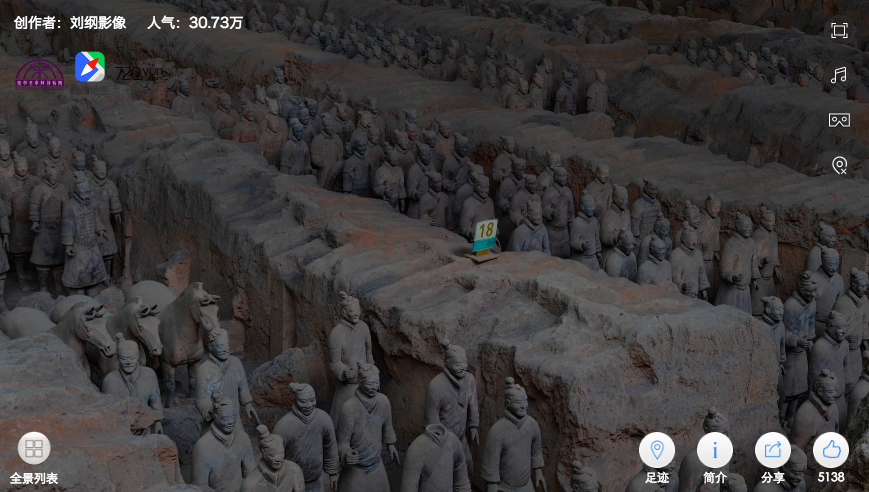
The vari­ety of online exhi­bi­tions high­light­ed by Wong includes one at the Palace Muse­um on “how Spring Fes­ti­val was cel­e­brat­ed in the For­bid­den City in ancient Chi­na”; Bei­jing’s Nation­al Muse­um’s “The Jour­ney Back Home: An Exhi­bi­tion of Chi­nese Arti­facts Repa­tri­at­ed from Italy” (a coun­try with coro­n­avirus chal­lenges of its own); Nan­jing Mas­sacre Memo­r­i­al Hall, which “lets online vis­i­tors access the muse­um from the entrance as if they were real­ly there”; and the ter­ra­cot­ta war­riors at the Mau­soleum of Emper­or Qin­shi­huang’s Mau­soleum, pre­vi­ous­ly fea­tured here on Open Cul­ture. These “new online resources also offer cul­ture seek­ers an oppor­tu­ni­ty to expe­ri­ence muse­ums in less-vis­it­ed cities, includ­ing his­tor­i­cal­ly rich Wuhan”: Wong names the for­mer Site of the Cen­tral Com­mit­tee of the Com­mu­nist Par­ty and the Muse­um of Wuchang Upris­ing of 1911 Rev­o­lu­tion.

The NCHA’s urg­ing of cul­tur­al insti­tu­tions to shore up their pres­ences on the inter­net isn’t the only such mea­sure being tak­en in Chi­na. As the MIT Tech­nol­o­gy Review report­ed last month, “Chi­na has launched a nation­al cloud learn­ing plat­form and start­ed broad­cast­ing pri­ma­ry school class­es to ensure the country’s 180 mil­lion stu­dents can still keep learn­ing even though schools are closed.” The tem­po­rary shut­down of schools, muse­ums, libraries, and oth­er such core facil­i­ties of civ­i­liza­tion in not just Chi­na but an increas­ing num­ber of places around the world offers an occa­sion to reflect on the nature of our world in the 21st cen­tu­ry. Unprece­dent­ed inter­con­nect­ed­ness across the globe has made pos­si­ble unprece­dent­ed cul­tur­al, intel­lec­tu­al, and tech­no­log­i­cal exchange across the globe — but of course, there are always some things we’d rather did­n’t spread world­wide.

Relat­ed Con­tent:

Inter­ac­tive Web Site Tracks the Glob­al Spread of the Coro­n­avirus: Cre­at­ed and Sup­port­ed by Johns Hop­kins

Free Cours­es on the Coro­n­avirus: What You Need to Know About the Emerg­ing Pan­dem­ic

China’s 8,000 Ter­ra­cot­ta War­riors: An Ani­mat­ed & Inter­ac­tive Intro­duc­tion to a Great Archae­o­log­i­cal Dis­cov­ery

Free: Down­load 70,000+ High-Res­o­lu­tion Images of Chi­nese Art from Taipei’s Nation­al Palace Muse­um

Take a Vir­tu­al Tour of Brazil’s Nation­al Muse­um & Its Arti­facts: Google Dig­i­tized the Museum’s Col­lec­tion Before the Fate­ful Fire

Based in Seoul, Col­in Mar­shall writes and broad­casts on cities, lan­guage, and cul­ture. His projects include the book The State­less City: a Walk through 21st-Cen­tu­ry Los Ange­les and the video series The City in Cin­e­ma. Fol­low him on Twit­ter at @colinmarshall or on Face­book.

The Smithsonian Puts 2.8 Million High-Res Images Online and Into the Public Domain

No mat­ter how many pub­lic insti­tu­tions you vis­it in a day—schools, libraries, muse­ums, or the dread­ed DMV—you may still feel like pri­va­tized ser­vices are clos­ing in. And if you’re a fan of nation­al parks and pub­lic lands, you’re keen­ly aware they’re at risk of being eat­en up by devel­op­ers and ener­gy com­pa­nies. The com­mons are shrink­ing, a trag­ic fact that is hard­ly inevitable but, as Mat­to Milden­berg­er argues at Sci­en­tif­ic Amer­i­can, the result of some very nar­row ideas.

But we can take heart that one store of com­mon wealth has major­ly expand­ed recent­ly, and will con­tin­ue to grow each year since Jan­u­ary 1, 2019—Pub­lic Domain Day—when hun­dreds of thou­sands of works from 1923 became freely avail­able, the first time that hap­pened in 21 years. This year saw the release of thou­sands more works into the pub­lic domain from 1924, and so it will con­tin­ue ad infini­tum.

And now—as if that weren’t enough to keep us busy learn­ing about, shar­ing, adapt­ing, and repur­pos­ing the past into the future—the Smith­son­ian has released 2.8 mil­lion images into the pub­lic domain, mak­ing them search­able, share­able, and down­load­able through the museum’s Open Access plat­form.

This huge release of “high res­o­lu­tion two- and three-dimen­sion­al images from across its col­lec­tions,” notes Smith­son­ian Mag­a­zine, “is just the begin­ning. Through­out the rest of 2020, the Smith­son­ian will be rolling out anoth­er 200,000 or so images, with more to come as the Insti­tu­tion con­tin­ues to dig­i­tize its col­lec­tion of 155 mil­lion items and count­ing.”

There are those who would say that these images always belonged to the pub­lic as the hold­ings of a pub­licly-fund­ed insti­tu­tion some­times called “the nation’s attic.” It’s a fair point, but shouldn’t take away from the excite­ment of the news. “Smith­son­ian” as a con­ve­nient­ly sin­gu­lar moniker actu­al­ly names “19 muse­ums, nine research cen­ters, libraries, archives, and the Nation­al Zoo,” an enor­mous col­lec­tion of art and his­toric arti­facts.

That’s quite a lot to sift through, but if you don’t know what you’re look­ing for, the site’s high­lights will direct you to one fas­ci­nat­ing image after anoth­er, from Moham­mad Ali’s 1973 head­gear to the his­toric Eliz­a­bethan por­trait of Poc­a­hon­tas, to the col­lec­tion box of the Rhode Island Anti-Slav­ery Soci­ety owned by William Lloyd Garrison’s fam­i­ly, to Walt Whit­man in 1891, as pho­tographed by the painter Thomas Eakins, to just about any­thing else you might imag­ine.

Enter the Smithsonian’s Open Access archive here and browse and search its mil­lions of new­ly-pub­lic domain images, a mas­sive col­lec­tion that may help expand the def­i­n­i­tion of com­mon knowl­edge.

Relat­ed Con­tent:

Pub­lic Domain Day Is Final­ly Here!: Copy­right­ed Works Have Entered the Pub­lic Domain Today for the First Time in 21 Years

The Library of Con­gress Launch­es the Nation­al Screen­ing Room, Putting Online Hun­dreds of His­toric Films

The Smith­son­ian Design Muse­um Dig­i­tizes 200,000 Objects, Giv­ing You Access to 3,000 Years of Design Inno­va­tion & His­to­ry

Josh Jones is a writer and musi­cian based in Durham, NC. Fol­low him at @jdmagness

Free Coloring Books from World-Class Libraries & Museums: Download & Color Hundreds of Free Images

There are many roads to well­ness. Med­i­ta­tion, yoga, exer­cise, and healthy diet are all effec­tive ther­a­pies for bring­ing down stress lev­els. But we shouldn’t dis­count an activ­i­ty we once used to while hours away as chil­dren, and that adults by the mil­lions have tak­en to in recent years. Col­or­ing takes us out of our­selves, say experts like Doc­tor of Psy­chi­a­try Scott M. Bea, “it’s very much like a med­i­ta­tive exer­cise.” It relax­es our brain by focus­ing our atten­tion and push­ing dis­tract­ing and dis­turb­ing thoughts to the mar­gins. The low stakes make the activ­i­ty easy and plea­sur­able, qual­i­ties grown-ups don’t get to ascribe to most of what they spend their time doing.

Reduc­ing anx­i­ety is all well and good, but some art and his­to­ry lovers can’t accept just any old mass-mar­ket col­or­ing book. Luck­i­ly, a con­sor­tium of over a hun­dred muse­ums and libraries has giv­en these spe­cial cus­tomers a rea­son to stick with it. Since 2016, the annu­al #Col­or­Our­Col­lec­tions cam­paign, led by the New York Acad­e­my of Med­i­cine (NYAM), has made avail­able, for free, adult col­or­ing books. The range of images offers some­thing for every­one, from ear­ly mod­ern illus­tra­tions like the cat at the top, from Edward Topsell’s His­to­rie of Foure-Foot­ed Beast­es (1607)—courtesy of Trin­i­ty Hall Cam­bridge; to the poignant cov­er of The Suf­frag­ist, below, from July 1919, a month after U.S. women won the right to the vote (from the Hunt­ing­ton Library, Art Muse­um, and Botan­i­cal Gar­dens).

There are, unsur­pris­ing­ly, copi­ous illus­tra­tions of med­ical pro­ce­dures and anato­my, like that below from the Library at the Uni­ver­si­ty of Barcelona. There are vin­tage adver­tise­ments, “canoe-heavy con­tent” from a Cana­di­an muse­um, as Kather­ine Wu reports at Smith­son­ian, and war posters like that fur­ther down of Admi­ral Chester Nimitz ask­ing for “the stuff” to hit “the spot,” i.e. Tokyo –from the Pritzk­er Mil­i­tary Muse­um. “The only com­mon­al­i­ty shared by the thou­sands of prints and draw­ings avail­able on the NYAM web­site is their black-and-white appear­ance: The pages oth­er­wise span just about every taste and illus­tra­tive predilec­tion a col­or­ing con­nois­seur could con­jure.”

One Twit­ter fan point­ed out that the ini­tia­tive pro­vides “a great way to get to know some of the col­lec­tions held in libraries around the world.” Their enthu­si­asm is catch­ing. But note that few of the insti­tu­tions (see full col­lec­tion here) have uploaded a large quan­ti­ty of col­orable images. Most of the “col­or­ing books” con­sist of only a hand­ful of pages, some only one or two. Tak­en alto­geth­er, how­ev­er, the com­bined strength of one hun­dred insti­tu­tions, over four years (see pre­vi­ous years at the links below), adds up to many hun­dreds of pages of col­or­ing fun and relax­ation. If that’s your thing, start here. If you don’t know if it’s your thing, #Col­or­Our­Col­lec­tions is a free (minus the cost of print­er ink and paper), edu­ca­tion­al way to find out. Grab those crayons, oil pas­tels, col­ored pen­cils, etc. and calm down again the way you did when you were six years old.

Relat­ed Con­tent:  

Free Col­or­ing Books from World-Class Libraries & Muse­ums: The New York Pub­lic Library, Bodleian, Smith­son­ian & More

Free Col­or­ing Books from World-Class Libraries & Muse­ums: The Met, New York Pub­lic Library, Smith­son­ian & More

Down­load 150 Free Col­or­ing Books from Great Libraries, Muse­ums & Cul­tur­al Insti­tu­tions: The British Library, Smith­son­ian, Carnegie Hall & More

Down­load Free Col­or­ing Books from 113 Muse­ums

Josh Jones is a writer and musi­cian based in Durham, NC. Fol­low him at @jdmagness

Radical Women: Stream the Getty’s Podcast That Features Six Major 20th-Century Artists, All Female


Only recent­ly has “actor” become an accept­able gen­der-neu­tral term for per­form­ers of stage and screen.

Pri­or to that, we had “actor” and “actress,” and while there may have been some prob­lem­at­ic assump­tions con­cern­ing the type of woman who might be drawn to the pro­fes­sion, there was arguably lin­guis­tic par­i­ty between the two words.

Not so for artists.

In the not-so-dis­tant past, female artists invari­ably found them­selves referred to as “female artists.”

Not great, when male artists were referred to as (say it with me) “artists.”

The new sea­son of the Getty’s pod­cast Record­ing Artists pays trib­ute to six sig­nif­i­cant post-war artists—two Abstract Expres­sion­ists, a por­traitist, a per­for­mance artist and exper­i­men­tal musi­cian, and a print­mak­er who pro­gressed to assem­blage and col­lage works with an overt­ly social mes­sage.

Hope­ful­ly you won’t need to reach for your smelling salts upon dis­cov­er­ing that all six artists are female:

Alice Neel

Lee Kras­ner

Betye Saar

Helen Franken­thaler

Yoko Ono

and Eva Hesse

Host Helen Molesworth is also female, and up until recent­ly, served as the much admired Chief Cura­tor of LA’s Muse­um of Con­tem­po­rary Art. (Accord­ing to artist Lor­na Simp­son’s take on Molesworth’s abrupt dis­missal: “Women who have a point of view and stand by it are often pun­ished. Just because you get rid of Helen Molesworth doesn’t mean you have solved ‘the prob­lem.’)

Molesworth, who is joined by two art world guests per episode—some of them (gasp!) non-female—is the per­fect choice to con­sid­er the impact of the Rad­i­cal Women who give this sea­son its sub­ti­tle.

We also hear from the artists them­selves, in excepts from taped ’60s and ’70s-era inter­views with his­to­ri­ans Cindy Nemser and Bar­bara Rose.

Their can­did remarks give Molesworth and her guests a lot to con­sid­er, from the dif­fi­cul­ties of main­tain­ing a con­sis­tent artis­tic prac­tice after one becomes a moth­er to racial dis­crim­i­na­tion. A lot of atten­tion is paid to his­tor­i­cal con­text, even when it’s warts and all.

The late Alice Neel, a white artist best remem­bered for her por­traits of her black and brown East Harlem neigh­bors and friends, cracks wise about butch les­bians in Green­wich Vil­lage, prompt­ing Molesworth to remark that she thinks she—or any artist of her acquaintance—could have “eas­i­ly” swayed Neel to can the homo­pho­bic remarks.

It’s also pos­si­ble that Neel, who died in 1984, would have kept step with the times and made the nec­es­sary cor­rec­tion unprompt­ed, were she still with us today.


A cou­ple of the sub­jects, Yoko Ono and Betye Saar, are alive …and active­ly cre­at­ing art, though it’s their past work that seems to be the source of great­est fas­ci­na­tion.

When New York City’s Muse­um of Mod­ern Art reopened its doors fol­low­ing a major phys­i­cal and philo­soph­i­cal reboot, vis­i­tors were treat­ed to The Leg­ends of Black Girl’s Win­dow, an exhi­bi­tion of the 94-year-old Saar’s work from the ‘60s and ‘70s. New York­er crit­ic Doreen St. Félix bemoaned the “absence of explic­it­ly black-fem­i­nist works,” par­tic­u­lar­ly The Lib­er­a­tion of Aunt Jemi­ma, a mixed media assem­blage, Molesworth dis­cuss­es at length in the pod­cast episode ded­i­cat­ed to Saar.

MoMA also played host to a mas­sive exhi­bi­tion of Ono’s ear­ly work in 2015, prompt­ing the New York Times crit­ic Hol­land Cot­ter to pro­nounce her “imag­i­na­tive, tough-mind­ed and still under­es­ti­mat­ed.”

This is a far cry bet­ter than New York Times crit­ic Hilton Kramer’s dis­missal of Neel’s 1974 ret­ro­spec­tive at the Whit­ney, when the artist was 74 years old:

… the Whit­ney, which can usu­al­ly be count­ed on to do the wrong thing, devot­ed a solo exhi­bi­tion to Alice Neel, whose paint­ings (we can be rea­son­ably cer­tain) would nev­er have been accord­ed that hon­or had they been pro­duced by a man. The pol­i­tics of the sit­u­a­tion required that a woman be giv­en an exhi­bi­tion, and Alice Neel’s paint­ing was no doubt judged to be suf­fi­cient­ly bizarre, not to say inept, to qual­i­fy as some­thing ‘far out.’”

Twen­ty six years lat­er, his opin­ion of Neel’s tal­ent had not mel­lowed, though he had the polit­i­cal sense to dial down the misog­y­ny in his scathing Observ­er review of Neel’s third show at the Whit­ney…or did he? In cit­ing cura­tor Ann Temkin’s obser­va­tion that Neel paint­ed “with the eye of a car­i­ca­tur­ist” he makes sure to note that Neel’s sub­ject Annie Sprin­kle, “the porn star who became a per­for­mance artist, is her­self a car­i­ca­ture, no mock­ery was need­ed.”

One has to won­der if he would have described the artist’s nude self-por­trait at the age of 80 as that of “a geri­atric ruin” had the artist been a man.

Lis­ten to all six episodes of Record­ing Artists: Rad­i­cal Women and see exam­ples of each subject’s work here.

And while nei­ther Saar nor Ono added any cur­rent com­men­tary to the pod­cast, we encour­age you to check out the inter­views below in which they dis­cuss their recent work in addi­tion to reflect­ing on their long artis­tic careers:

“‘It’s About Time!’ Betye Saar’s Long Climb to the Sum­mit” (The New York Times, 2019)

“The Big Read – Yoko Ono: Imag­ine The Future” (NME, 2018)

via Hyper­al­ler­gic

Relat­ed Con­tent:

A Space of Their Own, a New Online Data­base, Will Fea­ture Works by 600+ Over­looked Female Artists from the 15th-19th Cen­turies

Women Who Draw: Explore an Open Direc­to­ry That Show­cas­es the Work of 5,000+ Female Illus­tra­tors

A New Archive Tran­scribes and Puts Online the Diaries & Note­books of Women Artists, Art His­to­ri­ans, Crit­ics and Deal­ers

Ayun Hal­l­i­day is an author, illus­tra­tor, the­ater mak­er and Chief Pri­ma­tol­o­gist of the East Vil­lage Inky zine.  Join her in NYC on Mon­day, Feb­ru­ary 3 when her month­ly book-based vari­ety show, Necro­mancers of the Pub­lic Domain cel­e­brates New York: The Nation’s Metrop­o­lis (1921). Fol­low her @AyunHalliday.
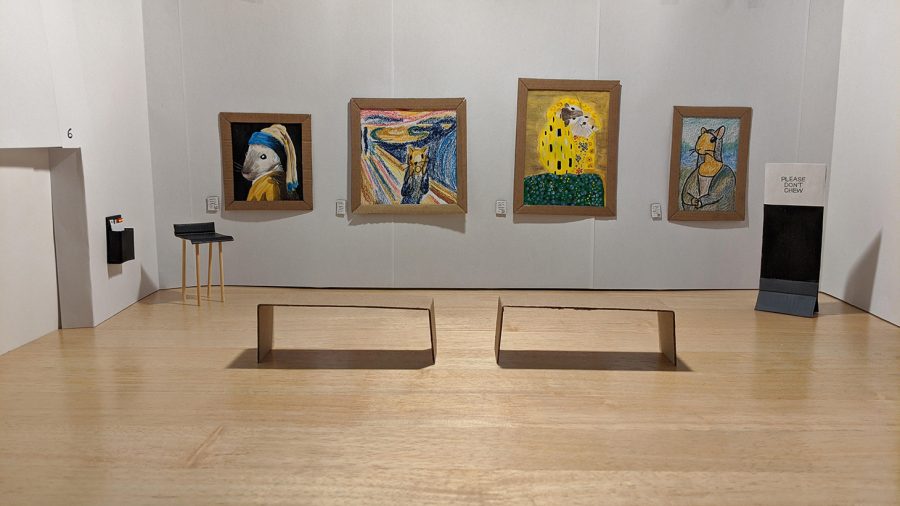
The First Real Museum of Philosophy Prepares to Launch: See the Museo della Filosofia in Milan

You’ve almost cer­tain­ly been to more art muse­ums than you can remem­ber, and more than like­ly to a few muse­ums of nat­ur­al his­to­ry, sci­ence, and tech­nol­o­gy as well. But think hard: have you ever set foot inside a muse­um of phi­los­o­phy? Not just an exhi­bi­tion deal­ing with philoso­phers or philo­soph­i­cal con­cepts, but a sin­gle insti­tu­tion ded­i­cat­ed whol­ly to putting the prac­tice of phi­los­o­phy itself on dis­play. Your answer can approach a yes only if you spent time in Milan last Novem­ber, and more specif­i­cal­ly at the Uni­ver­si­ty of Milan, in whose halls the Museo del­la Filosofia set up shop and proved its sur­pris­ing­ly untest­ed — and sur­pris­ing­ly suc­cess­ful — con­cept.

“What we had in mind was not an his­tor­i­cal­ly-mind­ed muse­um col­lect­ing relics about the lives and works of impor­tant philoso­phers, but some­thing more dynam­ic and inter­ac­tive,” writes Uni­ver­si­ty of Milan post­doc­tor­al research fel­low Anna Ichi­no at Dai­ly Nous, “where philo­soph­i­cal prob­lems and the­o­ries become intu­itive­ly acces­si­ble through a vari­ety of games, activ­i­ties, exper­i­ments, aes­thet­ic expe­ri­ences, and oth­er such things.”

In the first hall, “we used images like Mary Midgely’s ‘con­cep­tu­al plumb­ing’ or Wittgenstein’s ‘fly bot­tle’ to con­vey the idea accord­ing to which philo­soph­i­cal prob­lems are in impor­tant respects con­cep­tu­al prob­lems, which amount to ana­lyz­ing con­cepts that we com­mon­ly use in unre­flec­tive ways.”

In the sec­ond hall, vis­i­tors to the Museo del­la Filosofia “could lit­er­al­ly play with para­dox­es and thought exper­i­ments in order to appre­ci­ate their heuris­tic role in philo­soph­i­cal inquiry.” The expe­ri­ences avail­able there ranged from using an over­sized deck of cards to “solve” para­dox­es, the per­haps inevitable demon­stra­tion of the well-known “trol­ley prob­lem” using a mod­el rail­road set, and — most har­row­ing of all — the chance to “eat choco­lates shaped as cat excre­ment” straight from the lit­ter box. Then came the “School of Athens” game, “in which vis­i­tors had to decide whether to back Pla­to or Aris­to­tle; then they could also take a sou­venir pic­ture por­tray­ing them­selves in the shoes (and face!) of one or the oth­er.”

In the third, “pro­gram­mat­ic” hall, the muse­um’s orga­niz­ers “pre­sent­ed the plan for what still needs to be done,” a to-do list that includes find­ing a per­ma­nent home. Before it does so, you can have a look at the pro­jec­t’s web site as well as its pages on Face­book and Insta­gram. At the top of the post appears a short video intro­duc­ing the Museo del­la Filosofia which, like the rest of the mate­ri­als, is for the moment in Ital­ian only, but it nev­er­the­less gets across even to non-Ital­ian-speak­ers a cer­tain idea of the expe­ri­ence a philo­soph­i­cal muse­um can deliv­er. Philo­soph­i­cal think­ing, after all, occurs pri­or to lan­guage. Or maybe it’s inex­tri­ca­bly tied up with lan­guage; dif­fer­ent philoso­phers have approached the prob­lem dif­fer­ent­ly. And when the Museo del­la Filosofia opens for good, you’ll be able to vis­it and approach a few philo­soph­i­cal prob­lems your­self. Read more about the muse­um at Dai­ly Nous.

Relat­ed Con­tent:

Free Online Phi­los­o­phy Cours­es

Philo­graph­ics Presents a Visu­al Dic­tio­nary of Phi­los­o­phy: 95 Philo­soph­i­cal Con­cepts as Graph­ic Designs

The His­to­ry of Phi­los­o­phy Visu­al­ized

A Data Visu­al­iza­tion of Mod­ern Phi­los­o­phy, 1950–2018

Phi­los­o­phy Explained With Donuts

Watch a 2‑Year-Old Solve Philosophy’s Famous Eth­i­cal “Trol­ley Prob­lem” (It Doesn’t End Well)

Based in Seoul, Col­in Mar­shall writes and broad­casts on cities, lan­guage, and cul­ture. His projects include the book The State­less City: a Walk through 21st-Cen­tu­ry Los Ange­les and the video series The City in Cin­e­ma. Fol­low him on Twit­ter at @colinmarshall or on Face­book.


14 Paris Museums Put 390,000 Works of Art Online: Download Classics by Monet, Cézanne & More

First trips to Paris all run the same risk: that of the muse­ums con­sum­ing all of one’s time in the city. What those new to Paris need is a muse­um-going strat­e­gy, not that one size will fit all. Tai­lor­ing such a strat­e­gy to one’s own inter­ests and pur­suits requires a sense of each muse­um’s col­lec­tion, some­thing dif­fi­cult to attain remote­ly before Paris Musées opened up its online col­lec­tions por­tal.

There, a counter tracks the num­ber of art­works from the muse­ums of Paris dig­i­tized and uploaded for all the world to see, which as of this writ­ing comes in at 321,055. 150,222 images, notes a counter below, are in the pub­lic domain, and below that, anoth­er counter reveals that the archive now con­tains 621,075 pieces of dig­i­tal media in total.

Among these, writes Hyper­al­ler­gic’s Valenti­na Di Lis­cia, “mas­ter­pieces by renowned artists such as Rem­brandt, Gus­tave Courbet, Eugène Delacroix, and Antho­ny van Dyck, among many oth­er famil­iar and less­er-known names, can now be accessed and enjoyed dig­i­tal­ly.”

She high­lights “Paul Cézanne’s enchant­i­ng 1899 por­trait of the French art deal­er Ambroise Vol­lard,” pic­tures tak­en by “Eugène Atget, the French pho­tog­ra­ph­er known for doc­u­ment­ing and immor­tal­iz­ing old Paris,” and Gus­tave Courbet’s Les demoi­selles des bor­ds de la Seine, which became “the sub­ject of con­tro­ver­sy at the Paris Salon of 1857 for what some deemed an indeco­rous and even sen­su­al por­tray­al of work­ing class women.”

Paul Cezanne (1839–1906). “Rochers et branch­es à Bibé­mus”. Huile sur toile. Musée des Beaux-Arts de la Ville de Paris, Petit Palais.

Paris Musées over­sees the four­teen City of Paris Muse­ums, includ­ing the Musée d’Art Mod­erne de la Ville de Paris and the Petit Palais as well as the Mai­son de Balzac and Mai­son de Vic­tor Hugo. That last now has a vir­tu­al exhi­bi­tion up called “Light and Shade,” which, through the illus­tra­tions of Hugo’s lit­er­ary works, reveals the “fren­zy of images that adorned 19th cen­tu­ry lit­er­a­ture,” from “the blos­som­ing of the roman­tic vignette, to the flood of pop­u­lar edi­tions, and the swan­song of those col­lec­tors’ edi­tions cel­e­brat­ing the glo­ries of the Third Repub­lic.” The “the­mat­ic dis­cov­er­ing” sec­tion of Paris Musées por­tal also fea­tures sec­tions on car­i­ca­tures of Vic­tor Hugo, on the 18th cen­tu­ry, on por­traits, and on Paris in the year 1900, when Art Nou­veau made it “the cap­i­tal of Europe.”

“Users can down­load a file that con­tains a high def­i­n­i­tion (300 DPI) image, a doc­u­ment with details about the select­ed work, and a guide of best prac­tices for using and cit­ing the sources of the image,” writes Di Lis­cia. Shown here are Claude Mon­et Soleil couchant sur la Seine à Lava­court, effet d’hiver, Célestin Nan­teuil’s La Cour des Mir­a­cles, Léon Bon­nat’s Por­trait de M. Vic­tor Hugo, Cézanne’s Rochers et branch­es à Bibé­mus, and a post­card for the Expo­si­tion uni­verselle de Paris 1889. These images are released under a CC0 (Cre­ative Com­mons Zero) license, and “works still in copy­right will be avail­able as low def­i­n­i­tion files, so users can still get a feel for the muse­ums’ col­lec­tions online.” Do bear in mind that Paris Musées does not have under its umbrel­la that most famous muse­um of all, the Lou­vre. If you’re look­ing to get a feel for that world-renowned des­ti­na­tion’s for­mi­da­ble col­lec­tion, you may just have to vis­it it — a cul­tur­al task that neces­si­tates a bat­tle plan of its own.

via Hyper­al­ler­gic

Relat­ed Con­tent:

1.8 Mil­lion Free Works of Art from World-Class Muse­ums: A Meta List of Great Art Avail­able Online

The Met­ro­pol­i­tan Muse­um of Art Makes 375,000 Images of Fine Art Avail­able Under a Cre­ative Com­mons License: Down­load, Use & Remix

Down­load 100,000 Free Art Images in High-Res­o­lu­tion from The Get­ty

The Art Insti­tute of Chica­go Puts 44,000+ Works of Art Online: View Them in High Res­o­lu­tion

Rijksmu­se­um Dig­i­tizes & Makes Free Online 361,000 Works of Art, Mas­ter­pieces by Rem­brandt Includ­ed!

A 3D Ani­mat­ed His­to­ry of Paris: Take a Visu­al Jour­ney from Ancient Times to 1900

Based in Seoul, Col­in Mar­shall writes and broad­casts on cities, lan­guage, and cul­ture. His projects include the book The State­less City: a Walk through 21st-Cen­tu­ry Los Ange­les and the video series The City in Cin­e­ma. Fol­low him on Twit­ter at @colinmarshall or on Face­book.

« Go BackMore in this category... »
Quantcast