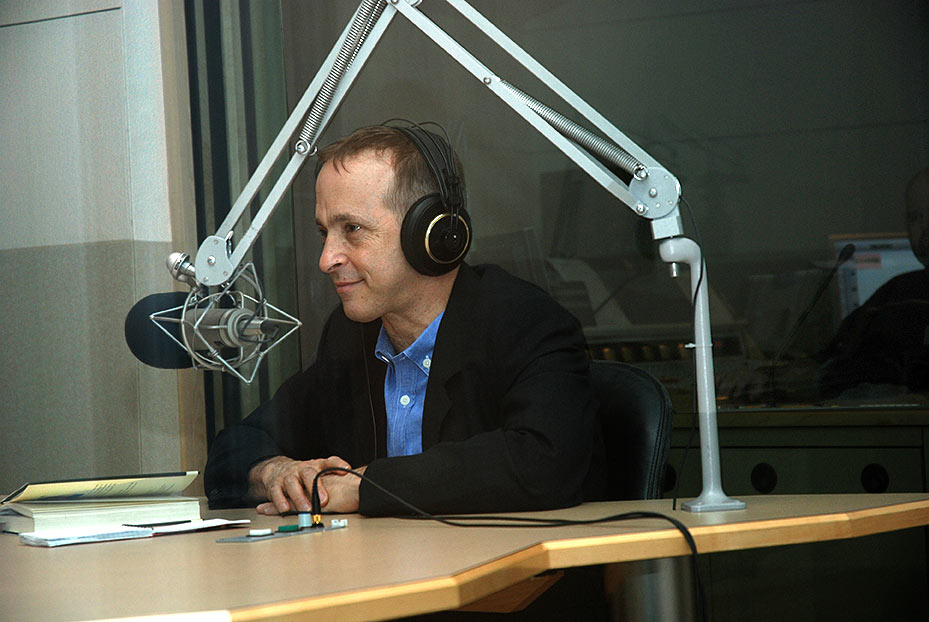
Ian McKellen Recites Shakespeare’s Sonnet 20, Backed by Garage Rock Band, the Fleshtones, on Andy Warhol’s MTV Variety Show (1987)

80s revival­ism can be done bad­ly and it can be done well. Those old enough to remem­ber the decade seem best placed to recre­ate it, but the suc­cess of Stranger Things offers an excel­lent coun­terex­am­ple. The mil­len­ni­al Duf­fer broth­ers did a mar­velous job of con­jur­ing the look and feel of mid-80s mise-en-scène by stitch­ing togeth­er close view­ings of a dozen or so films—from the mas­sive­ly pop­u­lar E.T. to more obscure flicks like made-for-TV Mazes and Mon­sters (not to men­tion such pre­cious archival footage as this.)

When it comes to music how­ev­er, 80s retro tends to con­fine them­selves to ear­ly hip and hop and elec­tro, the syn­th­pop of Gary Numan and Duran Duran or the cheesy hair met­al of Möt­ley Crüe. But this lens miss­es the sig­nif­i­cant 60s revival­ism that emerged at the time. Garage, surf, and psych rock and the jan­g­ly sounds of The Byrds inspired R.E.M., the B52s, the Replace­ments, the House of Love, and the Flesh­tones, a much less­er-known NYC band who may nev­er have got­ten their com­mer­cial due, but who cer­tain­ly appealed to 60s art star Andy Warhol.

When Warhol remade him­self as a TV per­son­al­i­ty in the 80s with his MTV vari­ety show Andy Warhol’s 15 Min­utes he cast the Flesh­tones as the back­ing band for ris­ing the­ater and film star Ian McK­ellen, a match-up that rep­re­sents anoth­er hall­mark of 80s pop culture—the post­mod­ern jux­ta­po­si­tion of gen­res, styles, and reg­is­ters which Warhol helped pio­neer 20 years ear­li­er when he brought kitschy silk-screened soup cans, sexy street hus­tlers, and the Vel­vet Under­ground into the art scene.

Warhol’s tele­vi­sion work turned this impulse into a mul­ti­me­dia cir­cus fea­tur­ing “The high and the low. The rich and the famous. The strug­gling artists and the ris­ing stars,” as Warhol Muse­um cura­tor Ger­a­lyn Hux­ley puts it. In this par­tic­u­lar­ly fit­ting exam­ple, McK­ellen and the Flesh­tones bring Shake­speare’s racy Son­net 20 to young, hip MTV audi­ences in 1987. L.A. Week­ly lists a few of the “cool points” from the clip:

  • A young, hot, already insane­ly tal­ent­ed Ian McK­ellen
  • Wear­ing awe­some New Wave fash­ions
  • At Andy Warhol’s Fac­to­ry in 1987
  • Backed by cult group the Flesh­tones
  • Recit­ing a Shake­speare Son­net

What’s not to love? Start your 2018 with some Shake­speare-meets-garage-rock cool­ness from 31 years ago—and revis­it more of Warhol’s MTV vari­ety show at our pre­vi­ous post. For seri­ous stu­dents of the decade, this is essen­tial view­ing.

Relat­ed Con­tent:

Andy Warhol’s 15 Min­utes: Dis­cov­er the Post­mod­ern MTV Vari­ety Show That Made Warhol a Star in the Tele­vi­sion Age (1985–87)

Ian McK­ellen Reads a Pas­sion­ate Speech by William Shake­speare, Writ­ten in Defense of Immi­grants

Pink Floyd’s David Gilmour Sings Shakespeare’s Son­net 18

Josh Jones is a writer and musi­cian based in Durham, NC. Fol­low him at @jdmagness

Hear Lou Reed’s The Raven, a Tribute to Edgar Allan Poe Featuring David Bowie, Ornette Coleman, Willem Dafoe & More

?si=rqKGlh_6B4Li4YxX

It’s not imme­di­ate­ly appar­ent that Lou Reed and Edgar Allan Poe would have that much in com­mon. It’s true Reed inher­it­ed a goth­ic sen­si­bil­i­ty (though one could argue that this ele­ment in the Vel­vet Under­ground came main­ly from Nico and John Cale), and he worked in a self-con­scious­ly lit­er­ary vein. But in almost every oth­er respect, he spoke a total­ly dif­fer­ent idiom. Drawn to the seedy bars and street cor­ners rather than the great hous­es, lab­o­ra­to­ries, and scholar’s nooks of Poe, Reed inclined his ear toward the com­mon tongue, in con­trast to Poe’s care­ful­ly com­posed Roman­tic dic­tion.

But while it’s hard to imag­ine Poe think­ing much of Reed’s rock and roll, the themes of sex­u­al obses­sion, mad­ness, ter­ror, and mor­bid reflec­tion that Poe brought into promi­nence seem to find their fruition over 100 years lat­er in the work of the Vel­vets (and the thou­sands of post-punk bands they inspired), and in much of Reed’s sub­se­quent solo work—up to his final album, the crit­i­cal­ly-reviled Lulu with Metal­li­ca, which his long­time part­ner Lau­rie Ander­son declared full of “fear and rage and ven­om and ter­ror and revenge and love,” and which David Bowie pro­nounced a “mas­ter­piece.”

While we know where much of Reed’s per­son­al angst came from, we can also hear—in the vivid shock of his imagery and the extrem­i­ty of his emotions—the echo of Poe’s crazed pro­tag­o­nists. Leave it to Reed, then, to take on the task of inter­pret­ing Poe in the 21st cen­tu­ry, in his 2003 album, The Raven, a col­lec­tion of Poe-themed musi­cal pieces (“This is the sto­ry of Edgar Allan Poe / Not exact­ly the boy next door”), with such col­lab­o­ra­tors as Ander­son, Bowie, Ornette Cole­man, the Blind Boys of Alaba­ma, Antony, Eliz­a­beth Ash­ley, and Willem Dafoe, who reads a Reed-adapt­ed ver­sion of the poem at the top (track 9 in the album below), over a video trib­ute to B hor­ror actress Deb­bie Rochon (for some rea­son).

What did Reed seek to accom­plish with this con­cep­tu­al project? As he him­self writes in the lin­er notes, “I have reread and rewrit­ten Poe to ask the same ques­tions again. Who am I? Why am I drawn to do what I should not?… Why do we love what we can­not have? Why do we have a pas­sion for exact­ly the wrong thing?” These are time­less philo­soph­i­cal ques­tions, indeed, which tran­scend mat­ters of style and genre. Again and again, both Poe and Reed pur­sued them into the dark­est recess­es of the human psyche—the places most of us fear to go. And per­haps for that rea­son espe­cial­ly, we are pere­nial­ly drawn back to their work.

Relat­ed Con­tent:

The Raven: a Pop-up Book Brings Edgar Allan Poe’s Clas­sic Super­nat­ur­al Poem to 3D Paper Life

Famous Edgar Allan Poe Sto­ries Read by Iggy Pop, Jeff Buck­ley, Christo­pher Walken, Mar­i­anne Faith­ful & More

Meet the Char­ac­ters Immor­tal­ized in Lou Reed’s “Walk on the Wild Side”: The Stars and Gay Rights Icons from Andy Warhol’s Fac­to­ry Scene

Edgar Allan Poe’s the Raven: Watch an Award-Win­ning Short Film That Mod­ern­izes Poe’s Clas­sic Tale

Josh Jones is a writer and musi­cian based in Durham, NC. Fol­low him at @jdmagness

How Fleetwood Mac Makes A Song: A Video Essay Exploring the “Sonic Paintings” on the Classic Album, Rumours

Pret­ty much every­one with a pass­ing famil­iar­i­ty with Fleet­wood Mac knows at least a lit­tle some­thing about the per­son­al tumult behind their land­mark 1977 album Rumours: it’s one of rock’s most famous soap operas,” writes Jor­dan Run­tagh at Rolling Stone. Chris­tine McVie put it even more suc­cinct­ly— “Dra­ma. Dra-ma.”

But isn’t this how great songs get writ­ten, as we find out when we read the auto­bi­ogra­phies and inter­views of great song­writ­ers, who sub­li­mate their per­son­al ups and downs in lyrics that touch the emo­tion­al lives of mil­lions? The saga of Fleet­wood Mac just hap­pens to be a par­tic­u­lar­ly juicy exam­ple, giv­en that the band mem­bers’ roman­tic anguish most­ly came from failed rela­tion­ships with each oth­er.

The tale will for­ev­er be a cau­tion­ary one for musi­cians, though it’s hard­ly much of a deter­rent. Just lis­ten to those songs! But as Evan Puschak—otherwise known as video essay­ist the Nerdwriter—shows above, it takes a lot more than a bad breakup with the gui­tar play­er to make time­less pop art. Rumours “feels alive, months and years and decades after its cre­ation.” It’s so much more than the sum of its parts, even if those parts are rare and indis­pens­able: the con­sid­er­able musi­cian­ship on dis­play, the song­writ­ing expe­ri­ence, and espe­cial­ly the “vir­tu­al­ly unlim­it­ed bud­get and time” Warn­er Broth­ers allot­ted the band.

Such extrav­a­gance is vir­tu­al­ly impos­si­ble for any­one else to come by. Still, noodling indef­i­nite­ly with fan­cy instru­ments and equip­ment does not a great album make. Puschak takes Ste­vie Nicks’ “Dreams” as an exam­ple of how the band excelled in the stu­dio. Writ­ten “in about 10 min­utes,” as Nicks tells it, while she sat in a “big black-vel­vet bed with Vic­to­ri­an drapes” in a stu­dio belong­ing to Sly Stone, the song’s stu­dio ver­sion shows off the lush, lay­ered pro­duc­tion the band spent the bet­ter part of a year bring­ing to her two-chord demo.

“Dreams”—one of the most mes­mer­iz­ing songs in the band’s canon—acquired its hyp­not­ic qual­i­ties through the use of a looped drum pat­tern, puls­ing, repet­i­tive bassline, and the sub­tle col­oration of gui­tar tex­tures that give the decep­tive­ly sim­ple song its ebb and flow.

The sto­ry of Rumours is as much about fan­tas­tic songcraft, musi­cian­ship, arrang­ing, and pro­duc­tion as it is about tri­umph over the human resources night­mare behind the scenes. The per­son­al inspi­ra­tion for these songs makes for good gos­sip, but these are not life events any­one needs to emu­late to make art. Fleet­wood Mac’s col­lec­tive inven­tive­ness, emo­tion­al hon­esty, and skill are what ulti­mate­ly make them such an inspi­ra­tion to musi­cians, and cre­ative types in gen­er­al. For anoth­er exam­ple of how they built the archi­tec­tur­al mar­vels on Rumours, see the short take above from Poly­phon­ic about the album’s mood­i­est song, “The Chain.”

Relat­ed Con­tent:

Ste­vie Nicks “Shows Us How to Kick Ass in High-Heeled Boots” in a 1983 Women’s Self Defense Man­u­al

Watch Doc­u­men­taries on the Mak­ing of Pink Floyd’s Dark Side of the Moon and Wish You Were Here

Inside the Mak­ing of The Bea­t­les’ Sgt. Pepper’s Lone­ly Heart’s Club Band, Rock’s Great Con­cept Album

Josh Jones is a writer and musi­cian based in Durham, NC. Fol­low him at @jdmagness

Stream a Playlist of 79 Punk Rock Christmas Songs: The Ramones, The Damned, Bad Religion & More

There’s a war on Christ­mas, don’t you know. The attacks are relentless—at every shop­ping mall, drug­store, gro­cery, fam­i­ly din­ner, bad­ly-lit office par­ty. It is the scourge of bland Christ­mas music, and it can absolute­ly ruin your hol­i­day. There you are, mer­ri­ly shop­ping for the per­fect gift or the per­fect ham, and, wham! The most dispir­it­ing ver­sion of “Lit­tle Drum­mer Boy” you’ve ever heard in your life. You feel sick, depressed, deranged. Is this some kind of son­ic weapon? Or do you respect the sea­son too much to let it be demeaned by medi­oc­rity?

Fight back, my friend, with the playlist below. Keep your Christ­mas cheer—if that’s your bag. The dis­crim­i­nat­ing Yule­tide cel­e­brant must guard their ears zeal­ous­ly, lest some undead zom­bie trav­es­ty of a “White Christ­mas” (or worse yet, “Blue Christ­mas”) does them in. Opt instead for the sim­ple cel­e­bra­tion of the Ramones’ “Mer­ry Christ­mas (I Don’t Want to Fight Tonight).” Lis­ten to the Damned. You don’t have to believe in San­ta Claus, but you know “There Ain’t No San­i­ty Clause.”

The Van­dals keep it mov­ing with “My First X‑Mas (As A Woman),” a straight-ahead burst of pos­i­tiv­i­ty, empow­er­ment, and com­ing out as trans to the fam­i­ly. They return lat­er with “Grandpa’s Last X‑Mas,” an hon­est reck­on­ing with mor­tal­i­ty dur­ing the sea­son. Check out the earnest ren­di­tion of “O Come All Ye Faith­ful” from Bad Reli­gion, who clear­ly adore the song enough to real­ly do it jus­tice, even if many of their usu­al lyrics can be summed up by swap­ping the words in their name. (They put out a whole album of respect­ful Christ­mas tunes. “Any­one expect­ing some sort of sub­ver­sion of the hol­i­day clas­sics,” notes Apple Music, “will be dis­ap­point­ed.”)

As this playlist shows, punk rock has always had a spe­cial rela­tion­ship with Christ­mas. But if you think about it, so have many indie, fringe, and avant-garde move­ments. John Waters believes the “whole pur­pose of life is Christ­mas.” Andy Warhol “real­ly, real­ly loved Christ­mas,” and made sev­er­al Christ­mas-themed art­works. And in 1977, the Sex Pis­tols played their last UK gig, a Christ­mas ben­e­fit for an audi­ence of sev­en and eight year olds. John­ny Rot­ten remem­bered it lat­er as “one of the high­lights of mine and Sid’s career.”

Fan­tas­tic. The ulti­mate reward. One of my all-time favourite gigs. Young kids, and we’re doing Bod­ies and they’re burst­ing out with laugh­ter on the ‘f*ck this f*ck that’ verse. The cor­rect response: not the shock hor­ror ‘How dare you?’

The kids get it, why can’t we? Christ­mas is a fine time for irrev­er­ence, camp, crude humor, booze, and can­dor. It is also a time for the heart­felt appre­ci­a­tion most punks seem to feel for the hol­i­day of light shows and inflat­able rein­deer, of a crack­ling fire on TV and a place that does deliv­ery. San­ta Claus, the Holy Baby, and Grem­lins. Stuck with rel­a­tives who can’t get the spir­it of giv­ing? Put on “Bloody Unholy Christ­mas,” “I’ve Got a Bon­er for Christ­mas,” and “Cred­it Crunch Christ­mas,” and turn them all the way up. And have a very Mer­ry Christ­mas and Hap­py Hol­i­days.

Relat­ed Con­tent:

Stream 22 Hours of Funky, Rock­ing & Swing­ing Christ­mas Albums: From James Brown and John­ny Cash to Christo­pher Lee & The Ven­tures

David Bowie & Bing Cros­by Sing “The Lit­tle Drum­mer Boy”: A Won­der­ful Christ­mas Chest­nut from 1977

John Waters Makes Hand­made Christ­mas Cards, Says the “Whole Pur­pose of Life is Christ­mas”

Josh Jones is a writer and musi­cian based in Durham, NC. Fol­low him at @jdmagness

David Bowie & Bing Crosby Sing “The Little Drummer Boy/Peace on Earth” (1977)

We like to bring this chest­nut back from time to time. Watch it, and you’ll know why.

In 1977, just a short month before Bing Cros­by died of a heart attack, the 40s croon­er host­ed David Bowie, the glam rock­er, on his Christ­mas show. The awk­ward­ness of the meet­ing is pal­pa­ble. An old­er, crusty Cros­by had no real famil­iar­i­ty with the younger, androg­y­nous Bowie, and Bowie was­n’t crazy about singing The Lit­tle Drum­mer Boy. So, short­ly before the show’s tap­ing, a team of writ­ers had to fran­ti­cal­ly retool the song, blend­ing the tra­di­tion­al Christ­mas song with a new­ly-writ­ten tune called Peace on Earth. (You can watch the writ­ers tell the sto­ry, years lat­er, below.)

After one hour of rehearsal, the two singers record­ed The Lit­tle Drum­mer Boy/Peace on Earth and made a lit­tle clas­sic. The Wash­ing­ton Post has the back­sto­ry on the strange Bing-Bowie meet­ing. Also find a Will Fer­rell par­o­dy of the meet­ing here. We hope you enjoy revis­it­ing this clip with us. Hap­py hol­i­days to you all.

If you would like to sign up for Open Culture’s free email newslet­ter, please find it here. It’s a great way to see our new posts, all bun­dled in one email, each day.

If you would like to sup­port the mis­sion of Open Cul­ture, con­sid­er mak­ing a dona­tion to our site. It’s hard to rely 100% on ads, and your con­tri­bu­tions will help us con­tin­ue pro­vid­ing the best free cul­tur­al and edu­ca­tion­al mate­ri­als to learn­ers every­where. You can con­tribute through Pay­Pal, Patre­on, and Ven­mo (@openculture). Thanks!

Relat­ed Con­tent:

David Bowie’s Top 100 Books

David Bowie’s Fash­ion­able Mug Shot From His 1976 Mar­i­jua­na Bust

How Leonard Cohen & David Bowie Faced Death Through Their Art: A Look at Their Final Albums

by | Permalink | Make a Comment ( 1 ) |

Hear Kurt Cobain’s 50 Favorite Albums: A 38 Hour Playlist Featuring Lead Belly, David Bowie, Public Enemy, The Breeders & More

Sev­er­al years ago, we fea­tured a list Kurt Cobain made of his top 50 albums, which appeared in his jour­nals, pub­lished in 2002. It’s most­ly a typ­i­cal list of stan­dards one would find in any young punk’s record col­lec­tion in the late 80s/90s. As we wrote then, his “‘Top 50 by Nir­vana’… seems like the ide­al code for pro­duc­ing a 90s alter­na­tive star.” But these sources were not wide­ly acces­si­ble at the time. Cobain’s influ­ence was such that he turned mil­lions of peo­ple on to music they’d nev­er heard before. That influ­ence con­tin­ues, of course, and you can par­take of it your­self in the playlist below.

Amid the clas­sic rock and clas­sic punk—the Bea­t­les, the Clash, the Sex Pistols—are a few slabs of clas­sic DC hard­core, then and now pret­ty obscure. Dave Grohl—stalwart of the DC scene before Cobain recruit­ed him to move across the coun­try and join Nirvana—may have added these albums to the list, or Cobain might have done so him­self. In any case, his men­tions of them, and their posthu­mous appear­ance in his let­ters and notes, brought bands like long-defunct Faith and Void new recog­ni­tion, as well as post-hard­core pio­neers Rites of Spring, who helped inspire the emo and screamo to come, for bet­ter or worse.

Along­side Iggy Pop, Black Flag, and Bad Brains are less­er-known punk bands like the Rain­coats, the Vase­lines, and the Saints, play­ful lo-fi weirdos like Daniel John­son, the Shag­gs, and Half Japan­ese; the coun­try blues of Lead Bel­ly, caus­tic noise of But­t­hole Surfers, thun­der­ous, pun­ish­ing nihilism of Swans…. Cobain may have helped them all sell a few records, and he def­i­nite­ly inspired new bands that sound like them by turn­ing peo­ple on to their music for the first time. (When Cobain cov­ered David Bowie, how­ev­er, fans start­ed to mis­take “The Man Who Sold the World” for a Nir­vana song, to Bowie’s under­stand­able con­ster­na­tion.)

Cobain’s list is lim­it­ed to a fair­ly nar­row range of styles, with some rare excep­tions: Lead Bel­ly, Pub­lic Ene­my, Aero­smith (!)—it’s an almost purist punk and punk-derived palate, the DNA of Nir­vana. In the age of the inter­net, one can cob­ble togeth­er a list like this—with no real pri­or knowledge—in an hour or so, sim­ply by googling around and doing a bit of research. Dur­ing Cobain’s for­ma­tive years on the out­skirts of Seat­tle, when a lot of this music cir­cu­lat­ed only on lim­it­ed cas­sette runs and poor­ly record­ed mix­tapes and copies, on record labels financed by veg­an bake sales and loans from the ‘rents—it could be very hard to come by.

While Cobain’s list may look, in hind­sight, like stan­dard fare to many long­time fans, what it rep­re­sents for those who came of age musi­cal­ly in the years just before the Web is a phys­i­cal jour­ney through all of the rela­tion­ships, con­certs, and record shops one had to move through to dis­cov­er the bands that spoke direct­ly to you and your friends.

Relat­ed Con­tent:

Kurt Cobain’s Home Demos: Ear­ly Ver­sions of Nir­vana Hits, and Nev­er-Released Songs

Watch Nir­vana Per­form “Smells Like Teen Spir­it,” Just Two Days After the Release of Nev­er­mind (Sep­tem­ber 26, 1991)

Watch The Last 48 Hours of Kurt Cobain on the 20th Anniver­sary of the Musician’s Sui­cide

Josh Jones is a writer and musi­cian based in Durham, NC. Fol­low him at @jdmagness

Hear the Christmas Carols Made by Alan Turing’s Computer: Cutting-Edge Versions of “Jingle Bells” and “Good King Wenceslas” (1951)

Alan Tur­ing (right) stands next to the Fer­ran­ti Mark I. Pho­to cour­tesy of the Uni­ver­si­ty of Man­ches­ter

This Christ­mas, as our com­put­ers fast learn to com­pose music by them­selves, we might gain some per­spec­tive by cast­ing our minds back to 66 Christ­mases ago, a time when a com­put­er’s ren­di­tion of any­thing resem­bling music at all had thou­sands and thou­sands lis­ten­ing in won­der. In Decem­ber of 1951, the BBC’s hol­i­day broad­cast, in most respects a nat­u­ral­ly tra­di­tion­al affair, includ­ed the sound of the future: a cou­ple of much-loved Christ­mas car­ols per­formed not by a choir, nor by human beings of any kind, but by an elec­tron­ic machine the likes of which almost nobody had even laid eyes upon.

“Among its Christ­mas fare the BBC broad­cast two melodies that, although instant­ly rec­og­niz­able, sound­ed like noth­ing else on earth,” write Jack Copeland and Jason Long at the British Library’s Sound and Vision Blog. “They were Jin­gle Bells and Good King Wences­las, played by the mam­moth Fer­ran­ti Mark I com­put­er that stood in Alan Tur­ing’s Com­put­ing Machine Lab­o­ra­to­ry” at the Vic­to­ria Uni­ver­si­ty of Man­ches­ter. Tur­ing, whom we now rec­og­nize for a vari­ety of achieve­ments in com­put­ing, cryp­tog­ra­phy, and relat­ed fields (includ­ing crack­ing the Ger­man “Enig­ma code” dur­ing the Sec­ond World War), had joined the uni­ver­si­ty in 1948.

That same year, with his for­mer under­grad­u­ate col­league D. G. Cham­per­nowne, Tur­ing began writ­ing a pure­ly the­o­ret­i­cal com­put­er chess pro­gram. No com­put­er exist­ed on which he could pos­si­bly try run­ning it for the next few years until the Fer­ran­ti Mark 1 came along, and even that mam­moth proved too slow. But it could, using a func­tion designed to give audi­to­ry feed­back to its oper­a­tors, play music — of a kind, any­way. The com­put­er com­pa­ny’s “mar­ket­ing supre­mo,” accord­ing to Copeland and Long, called its brief Christ­mas con­cert “the most expen­sive and most elab­o­rate method of play­ing a tune that has ever been devised.”

Since no record­ing of the broad­cast sur­vives, what you hear here is a painstak­ing recon­struc­tion made from tapes of the com­put­er’s even ear­li­er ren­di­tions of “God Save the King,” “Baa Baa Black Sheep,” and “In the Mood.” By man­u­al­ly chop­ping up the audio, write Copeland and Long, “we cre­at­ed a palette of notes of var­i­ous pitch­es and dura­tions. These could then be rearranged to form new melodies. It was musi­cal Lego.” But do “beware of occa­sion­al dud notes. Because the com­put­er chugged along at a sedate 4 kilo­hertz or so, hit­ting the right fre­quen­cy was not always pos­si­ble.” Even so, some­where in there I hear the his­tor­i­cal and tech­no­log­i­cal seeds of the much more elab­o­rate elec­tron­ic Christ­mas to come, from Mannheim Steam­roller to the Jin­gle Cats and well beyond.

via The British Library

Relat­ed Con­tent:

Hear the First Record­ing of Com­put­er Music: Researchers Restore Three Melodies Pro­grammed on Alan Turing’s Com­put­er (1951)

The His­to­ry of Elec­tron­ic Music, 1800–2015: Free Web Project Cat­a­logues the Theremin, Fairlight & Oth­er Instru­ments That Rev­o­lu­tion­ized Music

Hear Paul McCartney’s Exper­i­men­tal Christ­mas Mix­tape: A Rare & For­got­ten Record­ing from 1965

Stream 22 Hours of Funky, Rock­ing & Swing­ing Christ­mas Albums: From James Brown and John­ny Cash to Christo­pher Lee & The Ven­tures

The Enig­ma Machine: How Alan Tur­ing Helped Break the Unbreak­able Nazi Code

Based in Seoul, Col­in Mar­shall writes and broad­casts on cities and cul­ture. His projects include the book The State­less City: a Walk through 21st-Cen­tu­ry Los Ange­les and the video series The City in Cin­e­ma. Fol­low him on Twit­ter at @colinmarshall or on Face­book.

Dr. Demento’s New Punk Album Features William Shatner Singing The Cramps, Weird Al Yankovic Singing The Ramones & Much More

Call­ing all fans of the Dr. Demen­to Show. The new album, Dr. Demen­to Cov­ered in Punk, fea­tures “dement­ed” cov­ers of clas­sic punk tunes and “30 cov­ers of songs orig­i­nal­ly aired on the Dr. Demen­to radio show.” Think “Fish Heads.”

On the nos­tal­gia-induc­ing album, you can notably enjoy two fix­tures of Amer­i­can odd­ball cul­ture, William Shat­ner and Weird Al Yankovic, singing “The Garbage­man” by The Cramps (above) and The Ramones’ “Beat on the Brat” (below). The Mis­fits, Joan Jett, Fred Schnei­der of the B52s, the Van­dals, The Dead Milk­men, The Meatmen–they all make an appear­ance on the album too. It’s due out today.

If you would like to sign up for Open Culture’s free email newslet­ter, please find it here. It’s a great way to see our new posts, all bun­dled in one email, each day.

If you would like to sup­port the mis­sion of Open Cul­ture, con­sid­er mak­ing a dona­tion to our site. It’s hard to rely 100% on ads, and your con­tri­bu­tions will help us con­tin­ue pro­vid­ing the best free cul­tur­al and edu­ca­tion­al mate­ri­als to learn­ers every­where. You can con­tribute through Pay­Pal, Patre­on, and Ven­mo (@openculture). Thanks!

Relat­ed Con­tent:

The His­to­ry of Punk Rock in 200 Tracks: An 11-Hour Playlist Takes You From 1965 to 2016

The Cramps Play a Men­tal Hos­pi­tal in Napa, Cal­i­for­nia in 1978: The Punk­est of Punk Con­certs

Two Leg­ends: Weird Al Yankovic “Inter­views” James Brown (1986)

DC’s Leg­endary Punk Label Dischord Records Makes Its Entire Music Cat­a­log Free to Stream Online

« Go BackMore in this category... »
Quantcast