Watch 12-Year-Old Joe Bonamassa Shred the Blues as He Opens for B.B. King in 1989

There are gui­tar play­ers, who can play a hand­ful of songs and pick out some pleas­ing riffs, and there are gui­tarists: play­ers who’ve mas­tered sev­er­al styles, have a back pock­et full of stan­dards, and tour and record for a liv­ing. And then there are gui­tar gods, god­dess­es, heroes, or what­ev­er… men and women like St. Vin­cent, Joe Satri­ani, Jeff Beck, Nan­cy Wil­son, Steve Vai, Ste­vie Ray Vaughn, Mer­le Travis, Jimi Hen­drix, and Joe Bona­mas­sa, elec­tric blues wun­derkind who, in a way, is a suc­ces­sor to some the past mas­ters. Many gui­tar heroes are child prodi­gies, and many of them had the oppor­tu­ni­ty to learn from genius musi­cians in their youth. Bona­mas­sa is no excep­tion in either case, as you can see in the video up top, in which a 12-year-old “Smokin’ Joe Bona­mas­sa” opens for B.B. King.

Bona­mas­sa start­ed play­ing at 4 and stud­ied under the late, great Wash­ing­ton, DC gui­tarist Dan­ny Gat­ton at 11, per­haps the most unsung, most nat­u­ral­ly gift­ed gui­tarist of all time. In 1989, he had the oppor­tu­ni­ty to tour with King, play­ing over 20 shows, after he had already made a name for him­self in “places like Buf­fa­lo and Scran­ton, PA,” writes For­got­ten Gui­tar.

In the video above, you can see Bona­mas­sa, 12 years old, destroy on Gatton’s sig­na­ture but­ter­scotch Tele­cast­er. It takes him and the band a cou­ple min­utes to get going, and the skep­ti­cal audi­ence begins to shuf­fle their feet impa­tient­ly. Then he pro­ceeds to blow their minds, just as he blew the minds of tele­vi­sion audi­ences who saw the news seg­ment below on Bona­mas­sa that same year.

At thir­teen, Bona­mas­sa attract­ed the nation­al atten­tion of a pro­gram called Real Life, host­ed by Jane Pauley. In the clip below, we have the plea­sure of see­ing the awk­ward mid­dle school­er in his oth­er ele­ment, the lock­er-lined hall­ways and the libraries at his day job. But the live footage of Bona­mas­sa removes any doubt about how extra­or­di­nary his abil­i­ties are.

An ear­ly child­hood affin­i­ty for the instru­ment and parental urg­ing has had a lot to do with Bonamassa’s phe­nom­e­nal skill, but as he often acknowl­edges, so has his tute­lage under some of the great­est gui­tar heroes to ever live. (See him pay trib­ute to B.B. King below.) And as every­one who plays gui­tar will acknowl­edge, what often dis­tin­guish­es gui­tar play­ers from gui­tarists and gui­tar heroes is an awful lot of prac­tice. Read Bonamassa’s top 5 prac­tice tips for gui­tarists here.

via For­got­ten Gui­tar

Relat­ed Con­tent:

B.B. King Plays Live at Sing Sing Prison in One of His Great­est Per­for­mances (1972)

Ste­vie Ray Vaugh­an Plays the Acoustic Gui­tar in Rare Footage, Let­ting Us See His Gui­tar Vir­tu­os­i­ty in Its Purest Form

Hear Iso­lat­ed Gui­tar Tracks From Some of Rock’s Great­est: Slash, Eddie Van Halen, Eric Clap­ton & More

Josh Jones is a writer and musi­cian based in Durham, NC. Fol­low him at @jdmagness

Meet Clara Rockmore, the Pioneering Electronic Musician Who First Rocked the Theremin in the Early 1920s

Fas­ci­na­tion with the theremin, the oth­er­world­ly elec­tron­ic musi­cal instru­ment devel­oped in the late 1910s and ear­ly 1920s out of Sovi­et research into prox­im­i­ty sen­sors, may nev­er cease. Some of that has to do with the unusu­al nature of its touch­less inter­face, con­sist­ing of twin anten­nas that the play­er moves their hands around in order to con­trol the tone. More of it has to do with what the few who have dared to mas­ter the theremin have achieved with it, and no dis­cus­sion of the mas­ters of the theremin can be com­plete with­out the name Clara Rock­more.

“Born in Rus­sia, March 9, 1911, Clara inher­it­ed the fam­i­ly trait of per­fect pitch and could pick out melodies on the piano at age two,” says the Nadia Reis­berg and Clara Rock­more Foun­da­tion’s biog­ra­phy. Accept­ed into the pres­ti­gious St. Peters­burg Impe­r­i­al Con­ser­va­to­ry as a vio­lin stu­dent at the unprece­dent­ed­ly young age of four, it seemed like she’d already found her path to musi­cal star­dom — until the Russ­ian Rev­o­lu­tion got in the way.

The fam­i­ly fled to Amer­i­ca, with Clara and her pianist sis­ter Nadia giv­ing con­certs to make mon­ey through­out the ardu­ous jour­ney. They arrived in New York in Decem­ber 1921, but before Clara could con­tin­ue her stud­ies there, “she devel­oped an arthrit­ic prob­lem with her bow arm, and had to give up the vio­lin.”

But all was not lost: she met Leon Theremin, inven­tor and name­sake of the theremin (pre­vi­ous­ly fea­tured here), and found her­self “fas­ci­nat­ed by the aes­thet­ic part of it, the visu­al beau­ty, the idea of play­ing in the air.” Soon devel­op­ing “her own fin­ger tech­nique, allow­ing her infi­nite­ly greater con­trol of pitch and phras­ing” and lat­er sug­gest­ing mod­i­fi­ca­tions to the instru­ment to improve its range and sen­si­tiv­i­ty, she could with­in years play clas­si­cal pieces on the theremin, mak­ing sounds no clas­si­cal com­pos­er could have imag­ined. Her per­for­mances, some­times accom­pa­nied by Nadia and some­times as a part of an orches­tra, led to the release of her first album (record­ed by Robert Moog, whose name also echoes down the halls of elec­tron­ic music), The Art of the Theremin in 1977. (Stream it on Spo­ti­fy below.)

Rock­more passed away in 1998, hav­ing been brought back into the pub­lic eye a few years ear­li­er, at least to an extent, by Steve M. Mar­t­in’s doc­u­men­tary Theremin: an Elec­tron­ic Odyssey. Just last year, count­less many more of us learned not just the word theremin but the name Clara Rock­more when Google’s front-page “doo­dle” cel­e­brat­ed her 105 birth­day. Those who clicked on it could receive a brief, game-like theremin les­son from an ani­mat­ed ver­sion of Rock­more her­self, all while hear­ing sounds pre­cise­ly engi­neered to repli­cate her dis­tinc­tive play­ing style. You can see the real Rock­more play­ing Saint-Saëns’ “The Swan” at the top of the post. Any­one who’s heard the theremin knows that no oth­er instru­ment sounds quite like it — and any­one who’s heard Rock­more play­ing the theremin knows no oth­er theremin has ever sound­ed quite like hers.

Relat­ed Con­tent:

Watch Jim­my Page Rock the Theremin, the Ear­ly Sovi­et Elec­tron­ic Instru­ment, in Some Hyp­not­ic Live Per­for­mances

Sovi­et Inven­tor Léon Theremin Shows Off the Theremin, the Ear­ly Elec­tron­ic Instru­ment That Could Be Played With­out Being Touched (1954)

See Japan­ese Musi­cians Play “Amaz­ing Grace” with 273 Theremins Placed Inside Matryosh­ka Dolls–Then Learn How They Per­form Their Mag­ic

Hear Sev­en Hours of Women Mak­ing Elec­tron­ic Music (1938–2014)

Based in Seoul, Col­in Mar­shall writes and broad­casts on cities and cul­ture. He’s at work on the book The State­less City: a Walk through 21st-Cen­tu­ry Los Ange­les, the video series The City in Cin­e­ma, the crowd­fund­ed jour­nal­ism project Where Is the City of the Future?, and the Los Ange­les Review of Books’ Korea Blog. Fol­low him on Twit­ter at @colinmarshall or on Face­book.

65,000 Fans Break Into a Singalong of Queen’s “Bohemian Rhapsody” at a Green Day Concert in London’s Hyde Park

Last week, Green Day played a mas­sive con­cert in Lon­don’s Hyde Park. But arguably the cli­max hap­pened before the band even took the stage. Pri­or to the show, the sta­di­um piped Queen’s “Bohemi­an Rhap­sody” through the speak­ers, at which point a mas­sive sin­ga­long got under­way. As one YouTu­ber put it, “Only Queen can rock a sta­di­um with­out even being there,” a tes­ta­ment to their endur­ing influ­ence. Enjoy the show.

If you would like to sup­port the mis­sion of Open Cul­ture, con­sid­er mak­ing a dona­tion to our site. It’s hard to rely 100% on ads, and your con­tri­bu­tions will help us con­tin­ue pro­vid­ing the best free cul­tur­al and edu­ca­tion­al mate­ri­als to learn­ers every­where. You can con­tribute through Pay­Pal, Patre­on, and Ven­mo (@openculture). Thanks!

Relat­ed Con­tent:

1910 Fair­ground Organ Plays Queen’s “Bohemi­an Rhap­sody,” and It Works Like a Charm

Inside the Rhap­sody: A Short Doc­u­men­tary on the Mak­ing of Queen’s Clas­sic Song, ‘Bohemi­an Rhap­sody’ (2002)

Bohemi­an Grav­i­ty: String The­o­ry Explored With an A Cap­pel­la Ver­sion of Bohemi­an Rhap­sody

by | Permalink | Make a Comment ( 5 ) |

Women of Jazz: Stream a Playlist of 91 Recordings by Great Female Jazz Musicians

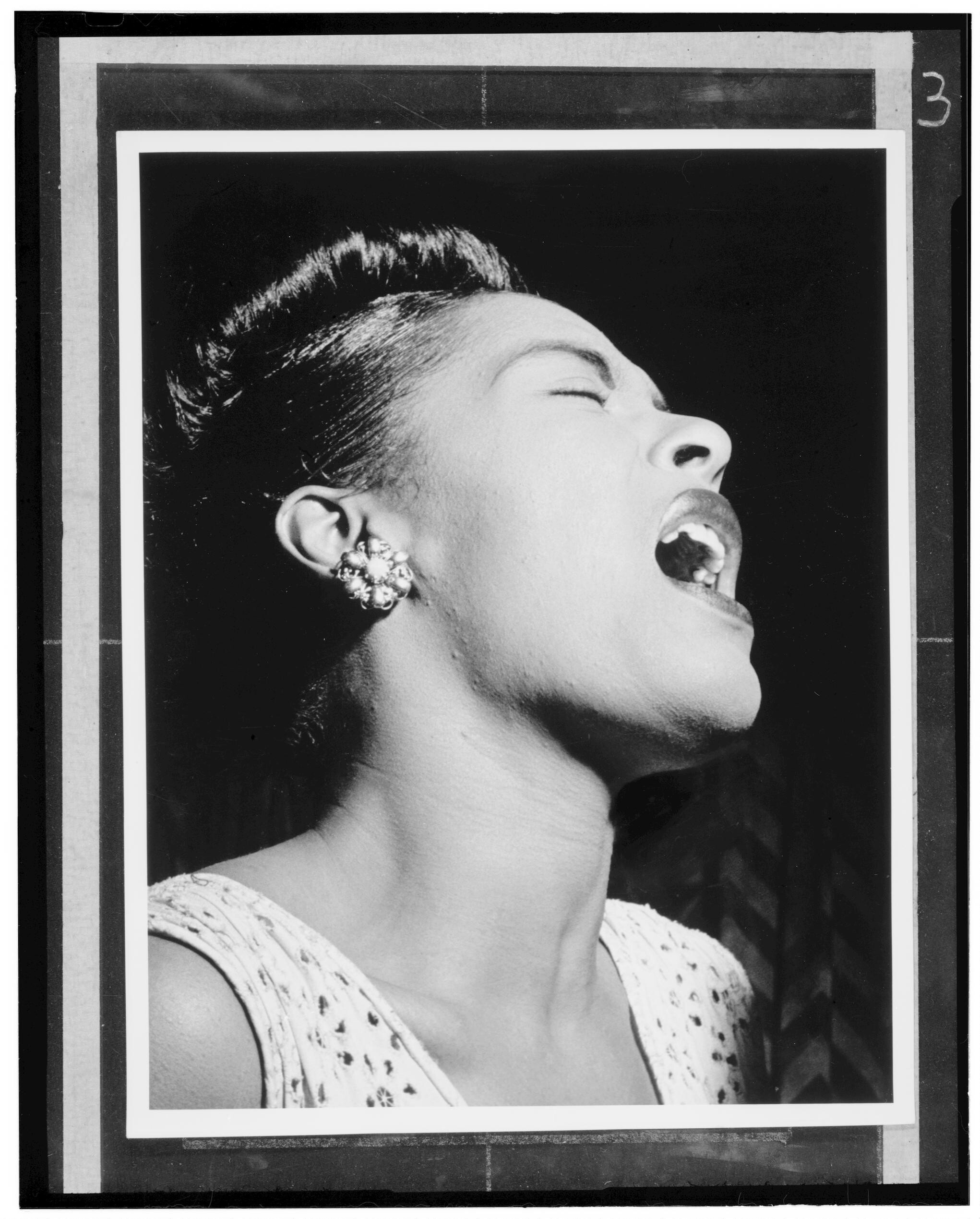
Browse through an archive of jazz writ­ing from the last, oh, hun­dred years, and you’ll get the dis­tinct impres­sion that jazz, like the NFL, has been a man’s‑man’s‑man’s‑man’s world. “Of course,” writes Mar­garet Howze at NPR, “we have Bil­lie, Ella, and Sarah,” and many oth­er pow­er­house female vocal­ists every­one knows and loves. These unfor­get­table voic­es seem to stand out as excep­tions, and what’s more, “when we think of women in jazz, we auto­mat­i­cal­ly think of singers,” not instru­men­tal­ists.

Part of the mar­gin­al­iza­tion of women in jazz has to do with the same kinds of cul­tur­al blind spots we find in dis­cus­sions on every sub­ject. We’ve been as guilty here as any­one of neglect­ing many great women in jazz, sad­ly. But women in jazz have also his­tor­i­cal­ly faced sim­i­lar social bar­ri­ers and stig­mas as oth­er women in all the arts. There are more than enough female vocal­ists, pianists, gui­tarists, trum­peters, drum­mers, sax­o­phon­ists, band­lead­ers, teach­ers, pro­duc­ers to form a “wor­thy pan­theon,” yet until fair­ly recent­ly, a great many women jazz musi­cians have worked in the shad­ows of more famous men.

Howze’s two-part sketch of women in jazz offers a suc­cinct chrono­log­i­cal intro­duc­tion, not­ing that “the piano, one of the ear­li­est instru­ments that women played in jazz, allowed female artists” in the 20s and 30s “a degree of social accep­tance.” In those years, “female instru­men­tal­ists usu­al­ly formed all-women jazz bands or played in fam­i­ly-based groups.” One ear­ly stand­out musi­cian, Dol­ly Hutchin­son, née Jones, played the trum­pet and cor­net in bands all over the coun­try. Hutchin­son doesn’t appear in the Women of Jazz playlist below, but you can see her at the top in a clip from Oscar Michaux’s 1938 film Swing!

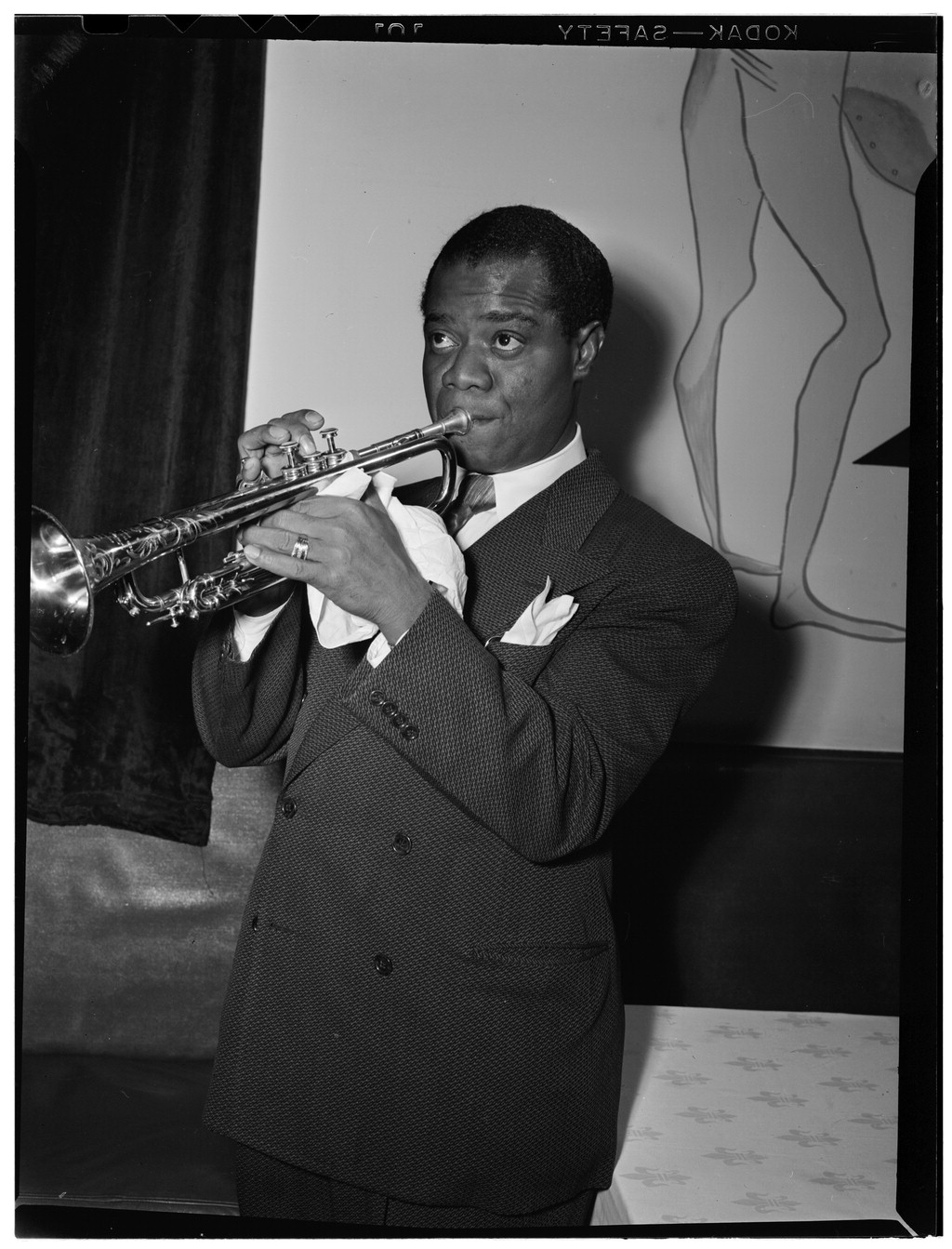
The Spo­ti­fy playlist Women of Jazz does, how­ev­er, offer sam­ples from many oth­er female jazz greats in its 91 tracks, from the very well-known—Nina Simone, Norah Jones, Diana Krall, “Bil­lie, Ella, and Sarah”—to the very much over­looked. In that lat­ter cat­e­go­ry falls a woman whose last name is famil­iar to us all. Lil Hardin Arm­strong nev­er achieved close to the degree of fame as her hus­band Louis, but the pianist, writes Howze, “helped shape Satchmo’s ear­ly career,” play­ing in “King Oliver’s Cre­ole Jazz Band, a group Arm­strong joined in 1922. He and Hardin began a romance and even­tu­al­ly mar­ried and it was Hardin who encour­aged Arm­strong to embark on a solo career.”

Hardin’s “Clip Joint,” fea­tured in the playlist, show­cas­es her sweet, clear con­tral­to, dis­tin­guished by a ten­den­cy to wrap sur­pris­ing hooks around the end of each line, pulling us for­ward to the next or keep­ing us hang­ing on for more. (Equal­ly charm­ing and effort­less­ly swing­ing, see her on the piano, above, accom­pa­nied by drum­mer Mae Barnes.) Anoth­er huge­ly influ­en­tial woman in jazz, whose lega­cy “has also been some­what occlud­ed,” writes Alexa Peters at Paste, “by the lega­cy of her hus­band,” harpist and pianist Alice Coltrane deserves far more acclaim than she receives (at least in this writer’s hum­ble opin­ion).

“An incred­i­bly gift­ed avant-garde musi­cian, com­pos­er, and arranger,” Coltrane’s solo com­po­si­tions and her col­lab­o­ra­tions with sax­o­phon­ist Pharoah Sanders, “are as sub­lime as they are indeli­bly impor­tant” to the devel­op­ment of spir­i­tu­al jazz. Her incor­po­ra­tion of Hin­dus­tani instru­men­ta­tion “like drones, ragas, Tabla drum, and sitar,” togeth­er with long hyp­not­ic free jazz pas­sages and the unusu­al choice of harp, con­tributed a new son­ic vocab­u­lary to the form.

Though hard­ly com­pre­hen­sive, the Women of Jazz playlist does an excel­lent job of out­lin­ing a list of great female singers and instru­men­tal­ists through­out the his­to­ry of jazz. As some­one might point out, the com­pi­la­tion has its own blind spots. Though firm­ly root­ed in the tra­di­tions of the Amer­i­can South, jazz has, since its gold­en age, been an inter­na­tion­al phe­nom­e­non. Yet the major­i­ty of the artists here are from the U.S. For a con­tem­po­rary cor­rec­tive, check out The Guardian’s list, “Five of the Best Young Female Jazz Musi­cians” from the U.K. and Scan­di­navia, or Afripop’s “Five South African Female Jazz Instru­men­tal­ists You Should Know,” or NPR’s list of four great “Lati­na Jazz Vocal­ists”.…

And we should not neglect to men­tion great French women in jazz. In the short film above on French jazz and trum­pet duo Nel­son Veras and Airelle Besson, the two musi­cians dis­cuss their col­lab­o­ra­tive process. Any men­tion of gen­der would prob­a­bly seem awk­ward­ly irrel­e­vant to the con­ver­sa­tion. Per­haps all jazz talk should be like that. But it seems that first most jazz fans and writ­ers need to spend some time get­ting caught up. We’ve got a wealth of resources above to get them start­ed.

Relat­ed Con­tent:

The His­to­ry of Spir­i­tu­al Jazz: Hear a Tran­scen­dent 12-Hour Mix Fea­tur­ing John Coltrane, Sun Ra, Her­bie Han­cock & More

Hear 2,000 Record­ings of the Most Essen­tial Jazz Songs: A Huge Playlist for Your Jazz Edu­ca­tion

1,000 Hours of Ear­ly Jazz Record­ings Now Online: Archive Fea­tures Louis Arm­strong, Duke Elling­ton & Much More

Her­bie Han­cock to Teach His First Online Course on Jazz

Josh Jones is a writer and musi­cian based in Durham, NC. Fol­low him at @jdmagness

Hear Chris Cornell’s Masterful Vocals in the Isolated Track for Soundgarden’s “Black Hole Sun”

Since Soundgar­den and Audioslave front­man Chris Cornell’s recent, trag­ic sui­cide, trib­ute after trib­ute has affirmed his sta­tus as a tow­er­ing icon of 90s grunge and a pow­er­ful pres­ence in con­tem­po­rary music ever since his first band emerged from Seat­tle with their sludgy met­al riffs and oper­at­ic cho­rus­es. Sure, all of the mem­bers of Soundgar­den deserve cred­it for that band’s thun­der­ing awe­some­ness. But as for Cornell’s con­tin­ued suc­cess and renown long after most 90s stal­warts had burned out or fad­ed away—well, you already know the answer: it’s that voice, an instru­ment over which, as Luke O’Neil writes at Esquire, the singer had “com­plete mas­tery.” Though it defined a spe­cif­ic time and place, Cornell’s voice also “tran­scend­ed gen­er­a­tions.”

The singer’s near four-octave range “made his live per­for­mances an incred­i­ble sight to watch” and his record­ings a stir­ring expe­ri­ence to lis­ten to, whether they show­cased his own mate­r­i­al or his unique tal­ent for cov­er­ing songs across a spec­trum of styles and gen­res. “The impos­ing archi­tec­ture” of Cornell’s voice, writes Pitch­fork in a ret­ro­spec­tive of some of his finest record­ed moments, “was part and par­cel to his lega­cy, but it would be noth­ing if he didn’t also know how to bril­liant­ly arrange it.”

Hit­ting every note on the beat, “build­ing ten­sion until the exact moment it unlocks.” Hear that dynam­ic con­trol above, stripped bare of instru­men­ta­tion, in the reverb-drenched, iso­lat­ed vocal tracks for Supe­run­k­nown’s “Black Hole Sun,” a song—with its dis­turb­ing video—that widened Soundgarden’s already con­sid­er­able fan­base when it debuted in 1994.

For con­trast, and to get a sense of just how rhyth­mi­cal­ly attuned Cor­nell was, lis­ten to the stu­dio release before and/or after the stripped ver­sion at the top to hear how the vocal gives the song its spine, bear­ing the meter, melody, and mood. L.A. Times crit­ic Mikael Wood describes Cornell’s voice as a “brawny yet soul­ful wail, ground­ed in sor­row but always reach­ing upward for a way out of the muck.” I can hard­ly think of a bet­ter way to char­ac­ter­ize such a unique­ly mov­ing singer, one who, for many of us, remained a bench­mark for rock vocals—in var­i­ous bands and solo projects—for a sol­id thir­ty years.

Relat­ed Con­tent:

Soundgarden’s Chris Cor­nell Sings Haunt­ing Acoustic Cov­ers of Prince’s “Noth­ing Com­pares 2 U,” Michael Jackson’s “Bil­lie Jean” & Bob Marley’s “Redemp­tion Song”

7‑Foot Tall Clown with a Gold­en Voice Sings Chris Cornell’s “When I’m Down:” A Trib­ute Filled with Raw Emo­tion

Josh Jones is a writer and musi­cian based in Durham, NC. Fol­low him at @jdmagness

The Music from Jack Kerouac’s Classic Beat Novel On the Road: Stream Tracks by Miles Davis, Dexter Gordon & Other Jazz Legends

When read­ers talk about the “music” of On the Road, they usu­al­ly mean the dis­tinc­tive qual­i­ties of its prose, all typed out by Jack Ker­ouac, so lit­er­ary leg­end has it, on a three-week writ­ing ben­der in April of 1951. “Time being of the essence in the puri­ty of speech, sketch­ing lan­guage is undis­turbed flow from the mind of per­son­al secret idea-words, blow­ing (as per jazz musi­cian) on sub­ject of image,” he wrote, spon­ta­neous­ly, in his “Essen­tials of Spon­ta­neous Prose.” He also insist­ed on “no peri­ods sep­a­rat­ing sen­tence-struc­tures already arbi­trar­i­ly rid­dled by false colons and timid usu­al­ly need­less com­mas-but the vig­or­ous space dash sep­a­rat­ing rhetor­i­cal breath­ing (as jazz musi­cian draw­ing breath between out­blown phras­es).”

But actu­al music, and espe­cial­ly jazz music, also forms an inte­gral part of the back­ground — or rather, an inte­gral part of the ever-shift­ing back­grounds — of the sto­ry of Sal Par­adise and Dean Mori­ar­ty’s auto­mo­tive criscross­ing of Amer­i­ca. “Ker­ouac often made it clear that the sound of jazz in the 1940s had a lot to do with the kind of tone, inten­si­ty and unpremed­i­tat­ed dri­ve he was try­ing to cap­ture in the rhythms of his book,” writes the Guardian’s John Ford­ham. “In Los Ange­les, Ker­ouac describes ‘the wild hum­ming night of Cen­tral Avenue — the night of Ham­p’s (that’s swing-band leader Lionel Hamp­ton’s) ‘Cen­tral Avenue Break­down’ — howled and boomed … they were singing in the halls, singing from their win­dows, just hell and be damned and look out.’ ”

An evoca­tive pas­sage, to be sure, and one drawn from just one of many jazz-infused sec­tions of the nov­el. After enough of them, though, read­ers will want to hear some of this music, with its pow­er to bring the cops “swarm­ing from the near­est precinct,” for them­selves. The 25-track Youtube playlist at the top of the post comes packed with selec­tions drawn straight from the text, such as Miles Davis and the Char­lie Park­er Septet’s “Ornithol­o­gy,” which Ker­ouac uses to estab­lish the peri­od of bop in which the nov­el opens, and Dex­ter Gor­don and Wardell Gray’s The Hunt, so invig­o­rat­ing a live record­ing that Neal and Sal put it on the turntable in two sep­a­rate chap­ters. The playlist even includes Red Nor­vo’s Con­go Blues, the record that a girl at one point breaks over Dean’s head — and at Sal’s sug­ges­tion, no less — a mem­o­rable moment that shows that, how­ev­er much Ker­ouac loved and drew inspi­ra­tion from jazz, he cer­tain­ly did­n’t feel the need to keep rev­er­ent about it.

Relat­ed Con­tent:

Jack Ker­ouac Reads from On the Road (1959)

Jack Kerouac’s Hand-Drawn Map of the Hitch­hik­ing Trip Nar­rat­ed in On the Road

Jack Ker­ouac Lists 9 Essen­tials for Writ­ing Spon­ta­neous Prose

Hear All Three of Jack Kerouac’s Spo­ken-World Albums: A Sub­lime Union of Beat Lit­er­a­ture and 1950s Jazz

Based in Seoul, Col­in Mar­shall writes and broad­casts on cities and cul­ture. He’s at work on the book The State­less City: a Walk through 21st-Cen­tu­ry Los Ange­les, the video series The City in Cin­e­ma, the crowd­fund­ed jour­nal­ism project Where Is the City of the Future?, and the Los Ange­les Review of Books’ Korea Blog. Fol­low him on Twit­ter at @colinmarshall or on Face­book.

209 Beatles Songs in 209 Days: Memphis Musician Covers The Beatles’ Songbook

There’s a dan­ger for musi­cians in cov­er­ing well-known songs from famous artists. The obvi­ous prob­lem: one can fail to meet the chal­lenge and deliv­er a sub­stan­dard per­for­mance of a beloved clas­sic, almost a crim­i­nal act in the esti­ma­tion of die-hard fans. But it’s too tempt­ing not to try. Musi­cians, like writ­ers and oth­er artists, learn best by mim­ic­k­ing the greats, then take what they’ve learned and devel­op their own style. Some of the best cov­ers of pop­u­lar songs are those that trans­pose them into a dif­fer­ent key, style, tem­po, or anoth­er genre entire­ly. “Make it your own!” as they say. Still a risky move… espe­cial­ly when it comes to the Bea­t­les.

There are indeed many phe­nom­e­nal Bea­t­les cov­ers—such as Bad Brains’ live take on “Day Trip­per” (for me anyway)—that rival the orig­i­nals. Some oth­ers… not so much. But when a Bea­t­les cov­er is real­ly good, and I mean real­ly, real­ly good… it’s usu­al­ly a pro who pulls it off. So hats off to David Brook­ings, an able non-famous musi­cian and Bea­t­les super­fan who set him­self the gar­gan­tu­an task of cov­er­ing 209 Bea­t­les songs in 209 days. Are all his cov­er ver­sions gems?

No, but the bar is set so high that it’s an impos­si­ble expec­ta­tion, espe­cial­ly giv­en the con­straints. Brook­ings isn’t re-invent­ing the pop genius wheel. He’s hav­ing fun with Bea­t­les’ songs, accom­pa­nied by an acoustic gui­tar, a key­board, a friend—singing Yoko’s parts in the sil­ly “The Con­tin­u­ing Sto­ry of Bun­ga­low Bill,” above—or his wife Shel­by, as in “Please Please Me,” below.…

With their home video pro­duc­tion val­ues, Brook­ings’ cov­ers don’t rise far above the wealth of oth­er such efforts that flood YouTube, many of which are high­ly admirable in their own way. But what sets his project apart—beyond its ambi­tious scope—is his occa­sion­al­ly tren­chant com­men­tary and an inter­est­ing per­son­al back­sto­ry. Brook­ings under­took his Bea­t­les cov­ers project in 2010 as a trib­ute not only to the Bea­t­les, but also, per­haps, to Steve Jobs, founder of that com­pa­ny named after the band’s own label (and like­ly tax shel­ter). Brook­ings says the whole thing may have been just a stunt just to show that “some idiot record­ed all 209 songs in 209 days.” But it’s sure­ly more than a coin­ci­dence that the year ear­li­er, while work­ing as a tour guide at Mem­phis’ leg­endary Sun Stu­dios, he made such an impres­sion on Jobs that the Apple founder invit­ed him to Cuper­ti­no to help build Apple’s iTunes library of blues and ear­ly rock and roll.

A dream gig for any musi­cian and stu­dent of musi­cal his­to­ry, and enough of an inspi­ra­tion to take on the entire cat­a­log of the most famous band in the world. What’s more, Brook­ings hap­pened to be recov­er­ing from liv­er-trans­plant surgery when he met Jobs at Sun and scored the job. See Brook­ings and his adorable daugh­ter McKin­ley sing “Nor­we­gian Wood,” above and “She Said She Said” below, and check out all of his cov­ers, as well as orig­i­nal songs and per­for­mances with his band, on his YouTube chan­nel. Find Bea­t­les cov­ers 1–110 here. And songs 111–209 here.

h/t Mark at Par­tial­lyEx­am­inedLife

Relat­ed Con­tent:

Hear 100 Amaz­ing Cov­er Ver­sions of Bea­t­les Songs

The 15 Worst Cov­ers of Bea­t­les Songs: William Shat­ner, Bill Cos­by, Tiny Tim, Sean Con­nery & Your Excel­lent Picks

Jimi Hen­drix Plays “Sgt. Pepper’s Lone­ly Hearts Club Band” for The Bea­t­les, Just Three Days After the Album’s Release (1967)

Josh Jones is a writer and musi­cian based in Durham, NC. Fol­low him at @jdmagness

Arnold Schoenberg Creates a Hand-Drawn, Paper-Cut “Wheel Chart” to Visualize His 12-Tone Technique

“These go up to eleven,” Spinal Tap famous­ly said of the ampli­fiers that, so they claimed, took them to a high­er lev­el in rock music. But the work of Aus­tri­an com­pos­er Arnold Schoen­berg, one of the best-known fig­ures in the his­to­ry of avant-garde music, went up to twelve — twelve tones, that is. His “twelve-tone tech­nique,” invent­ed in the ear­ly 1920s and for the next few decades used most­ly by he and his col­leagues in the Sec­ond Vien­nese School such as Alban Berg, Anton Webern, and Hanns Eisler, allowed com­posers to break free of the tra­di­tion­al West­ern sys­tem of keys that lim­it­ed the notes avail­able for use in a piece, instead grant­i­ng each note the same weight and mak­ing none of them cen­tral.

This does­n’t mean that com­posers using Schoen­berg’s twelve-tone tech­nique could just use notes at ran­dom in com­plete atonal­i­ty, but that a new set of con­sid­er­a­tions would orga­nize them. “He believed that a sin­gle tonal­i­ty could include all twelve notes of the chro­mat­ic scale,” writes Brad­ford Bai­ley at The Hum, “as long as they were prop­er­ly orga­nized to be sub­or­di­nate to ton­ic (the ton­ic is the pitch upon which all oth­ers are ref­er­enced, in oth­er words the root or axis around which a piece is built).” The math­e­mat­i­cal rig­or under­ly­ing it all required some expla­na­tion, and often math­e­mat­i­cal and musi­cal con­cepts — math­e­mat­ics and music being in any case inti­mate­ly con­nect­ed — become much clear­er when ren­dered visu­al­ly.

Hence Schoen­berg’s twelve-tone wheel chart pic­tured at the top of the post, one of what Arnold Schoen­berg’s Jour­ney author Allen Shawn describes as “no few­er than twen­ty-two dif­fer­ent kinds of con­trap­tions” — includ­ing “charts, cylin­ders, book­lets, slide rules” — “for trans­pos­ing and deriv­ing twelve-tone rows” need­ed to com­pose twelve-tone music. (See the slide ruler above too.) “The dis­tinc­tion between ‘play’ and ‘work’ is already hard to draw in the case of artists,” writes Shawn, “but in Schoen­berg’s case it is espe­cial­ly hard to make since he brought dis­ci­pline, orig­i­nal­i­ty, and play­ful­ness to many of his activ­i­ties.” These also includ­ed mak­ing spe­cial play­ing cards (two of whose sets you can see here and here) and even his own ver­sion of chess.

As Shawn describes it, Koali­tion­ss­cach, or “Coali­tion Chess,” involves “the armies of four coun­tries arrayed on the four sides of the board, for which he designed and con­struct­ed the pieces him­self.” Instead of an eight-by-eight board, Coali­tion Chess uses a ten-by-ten, and the pieces on it “rep­re­sent machine guns, artillery, air­planes, sub­marines, tanks, and oth­er instru­ments of war.” The rules, which “require that the four play­ers form alliances at the out­set,” add at least a dimen­sion to the age-old stan­dard game of chess — a form that, like tra­di­tion­al West­ern music, human­i­ty will still be strug­gling to mas­ter decades and even cen­turies hence. But appar­ent­ly, for a mind like Schoen­berg’s, chess and music as he knew them weren’t near­ly chal­leng­ing enough.

Relat­ed Con­tent:

Vi Hart Uses Her Video Mag­ic to Demys­ti­fy Stravin­sky and Schoenberg’s 12-Tone Com­po­si­tions

The Avant-Garde Project: An Archive of Music by 200 Cut­ting-Edge Com­posers, Includ­ing Stravin­sky, Schoen­berg, Cage & More

Inter­views with Schoen­berg and Bartók

John Coltrane Draws a Pic­ture Illus­trat­ing the Math­e­mat­ics of Music

Based in Seoul, Col­in Mar­shall writes and broad­casts on cities and cul­ture. He’s at work on the book The State­less City: a Walk through 21st-Cen­tu­ry Los Ange­les, the video series The City in Cin­e­ma, the crowd­fund­ed jour­nal­ism project Where Is the City of the Future?, and the Los Ange­les Review of Books’ Korea Blog. Fol­low him on Twit­ter at @colinmarshall or on Face­book.

« Go BackMore in this category... »
Quantcast