Hear 17,000+ Traditional Folk & Blues Songs Curated by the Great Musicologist Alan Lomax

For all its suc­cess with steam­rolling over entire pop­u­la­tions to build high­ways, fac­to­ry towns, and office cam­pus­es, the U.S. has also, since its ear­li­est days, pro­duced scores of com­mit­ted eth­nol­o­gists, musi­col­o­gists, and oth­er doc­u­men­tar­i­ans of human cul­tur­al pro­duc­tion in all its vari­ety. This cru­el para­dox has, most gen­er­al­ly speak­ing, left a dual lega­cy in both the country’s sto­ried vio­lence and its capac­i­ty for renew­al through the appro­pri­a­tion, trans­for­ma­tion, and amal­ga­ma­tion of oth­er cul­tures.

And we would have no nation­al trea­sure chest of folk music, art, sto­ry, and his­to­ry to draw from with­out jour­ney­men col­lec­tors like Alan Lomax. Where cul­tur­al his­to­ri­ans like W.E.B. Dubois, Zora Neale Hurston, Franz Boas, and Mar­garet Mead lent their find­ings to revivals in Amer­i­can lit­er­a­ture and phi­los­o­phy, Lomax, along with his con­tem­po­rary, folk­lorist Har­ry Smith, “unlocked the secrets of this kind of music,” as Dylan remarked, for hun­dreds of bud­ding folk and blues musi­cians in the for­ties, fifties, and six­ties.

With typ­i­cal­ly Dylan-like under­state­ment, the phrase “this kind of music” under­sells the diver­si­ty of Amer­i­cana in Lomax’s col­lec­tion, from Celtic Appalachi­ana to African Caribbeana. Lomax start­ed out record­ing folk music under the tute­lage of his folk­lorist father, John Lomax. Begin­ning in 1934, the two trav­elled the coun­try, “gath­er­ing thou­sands of field record­ings of folk musi­cians through­out the Amer­i­can South, South­west, Mid­west, and North­east, as well as in Haiti and the Bahamas,” writes the Asso­ci­a­tion for Cul­tur­al Equi­ty, which hosts a huge archive of Lomax’s folk record­ings. These were released in sev­er­al pop­u­lar antholo­gies of the time and housed at the Library of Congress’s Archive of Amer­i­can Folk Song, for whom the younger Lomax began work­ing in 1937.

Through­out the 30s and 40s, Lomax furi­ous­ly record­ed songs, jokes, sto­ries, inter­views, etc. and pro­duced films and radio pro­grams “which brought 1940s New York­ers blues, fla­men­co, calyp­so, and South­ern bal­lad singing, all still rel­a­tive­ly unknown gen­res.” A musi­cian him­self (hear him do “Ram­bling Gam­bler,” above), Lomax also dis­cov­ered and pro­mot­ed a num­ber of folk artists who would be stars. He “exposed nation­al audi­ences to region­al Amer­i­can music and such home­grown tal­ents as Woody Guthrie, Lead Bel­ly, Aunt Mol­ly Jack­son, Josh White, the Gold­en Gate Quar­tet, Burl Ives, and Pete Seeger.” He made the first record­ings of Mud­dy Waters (then McKin­ley Mor­gan­field) and record­ed sem­i­nal ses­sions and con­ver­sa­tions with blues­men like Mem­phis Slim, Big Bill Broonzy, and Son­ny Boy Williamson.

It’s safe to say that with­out Lomax’s tire­less curat­ing, we would have had no folk and blues revival of the fifties and six­ties, and thus, like­ly, no rock and roll. It’s easy in our cyn­i­cal and anx­i­ety-rid­den cur­rent cul­tur­al moment to dis­miss folk­lorists like the Lomax­es as pirates who prof­it­ed from the work of oth­ers. But it’s also easy to for­get how lit­tle oppor­tu­ni­ty the artists they worked with had to reach the world out­side their local cir­cuits, and how lit­tle oppor­tu­ni­ty the wider Amer­i­can pub­lic had to hear folk and local artists. In part because of Alan Lomax’s work in the begin­nings of the 21st cen­tu­ry, we nev­er need to lose touch with the coun­try’s tremen­dous cul­tur­al diver­si­ty, an essen­tial fea­ture of the U.S. through­out its his­to­ry.

A fair amount of con­tro­ver­sy roils over the busi­ness arrange­ments that folk­lorists came to with artists and col­lab­o­ra­tors like Lead Bel­ly, and there are good his­tor­i­cal and polit­i­cal rea­sons to fol­low these debates. Ideals of cul­tur­al equi­ty did not erase racial and eco­nom­ic real­i­ties. But the best of what sur­vives the meet­ings of Lomax father and son and the hun­dreds of men and women they encoun­tered in their trav­els is cap­tured on record, tape, and dig­i­tal for­mats, and pre­served for future gen­er­a­tions to redis­cov­er what the coun­try sounds like out­side the feed­back loops of cor­po­rate media. There are innu­mer­able ways to dis­cov­er Lomax’s record­ings. His own Asso­ci­a­tion for Cul­tur­al Equi­ty hosts hun­dreds of hours of audio and video record­ings, avail­able to stream for free at the site or on Youtube. The archive con­tains over 17,000 folk record­ings by Lomax.

And in the Spo­ti­fy playlist above, we’ve com­piled a playlist of Lomax’s com­mer­cial releas­es. In the first two, we hear Lomax him­self inter­pret­ing var­i­ous cow­boy and west­ern songs. Then a mas­sive album of record­ings he made in Haiti after doing grad­u­ate work in anthro­pol­o­gy (these include record­ings of his fel­low anthro­pol­o­gist Zora Neale Hurston). We have a com­pi­la­tion of ear­ly Delta blues record­ings or “Negro Prison Blues,” and an album of pop­u­lar Ital­ian folk songs like “Funi­culi, Funic­u­la” and “Come Back to Sor­ren­to.” Over­all it’s a playlist that rep­re­sents the sur­pris­ing breadth of Lomax’s inter­est in “this kind of music”—the kind, as he put it in his “Appeal for Cul­tur­al Equi­ty,” made by “each and every branch of the human fam­i­ly.”

Relat­ed Con­tent:

Alan Lomax’s Music Archive Hous­es Over 17,400 Folk Record­ings From 1946 to the 1990s

Leg­endary Folk­lorist Alan Lomax: ‘The Land Where the Blues Began’

Woody Guthrie at 100: Cel­e­brate His Amaz­ing Life with a BBC Film

Hear Zora Neale Hurston Sing the Bawdy Prison Blues Song “Uncle Bud” (1940)

Josh Jones is a writer and musi­cian based in Durham, NC. Fol­low him at @jdmagness

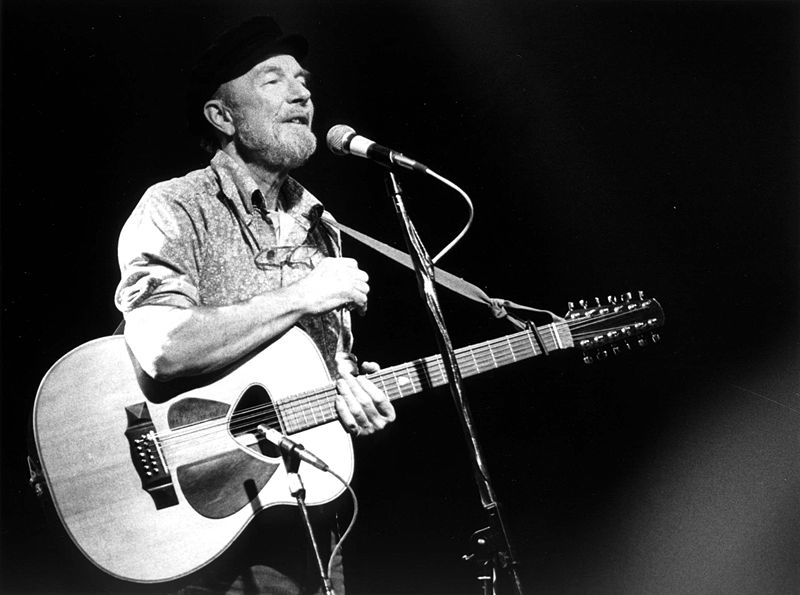
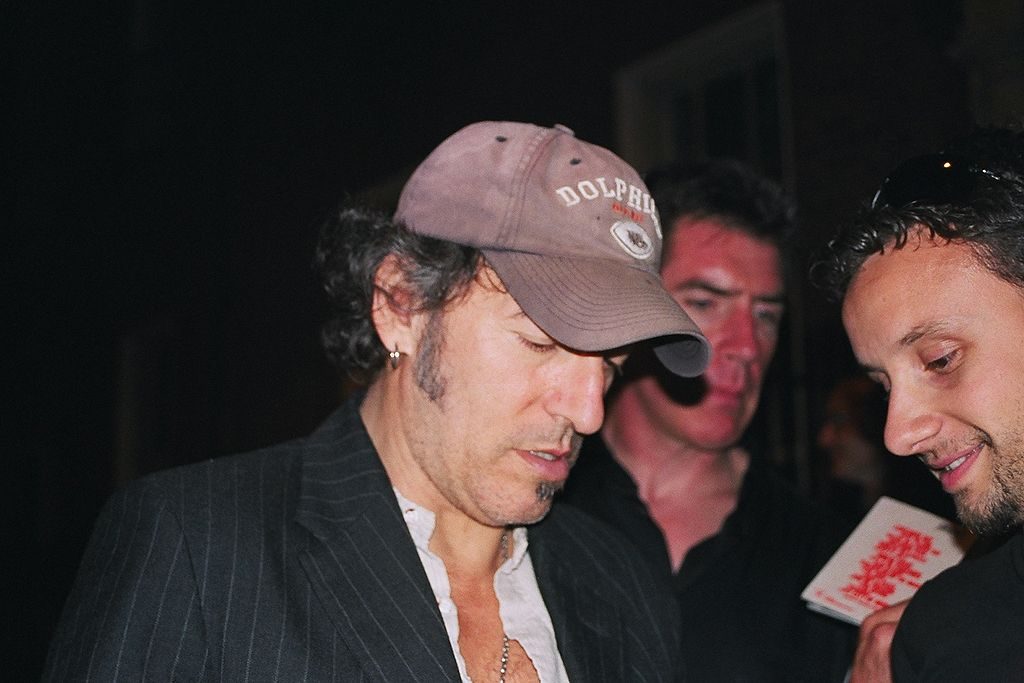
Stream Iggy Pop’s Two-Hour Radio Tribute to David Bowie

pop bowie show

Images of Mr. Bowie & Mr. Pop, via Wiki­me­dia Com­mons

Briefly not­ed: Every Fri­day night, Iggy Pop hosts a radio show, “Iggy Con­fi­den­tial,” on BBC 6 Music. And the lat­est episode fea­tured Pop pay­ing a two-hour trib­ute to his friend, David Bowie. Click here, and hear Pop spin his favourite Bowie records and rem­i­nisce about their times togeth­er. The record­ing will be avail­able online for the next 26 days.

If you would like to sign up for Open Culture’s free email newslet­ter, please find it here. It’s a great way to see our new posts, all bun­dled in one email, each day.

If you would like to sup­port the mis­sion of Open Cul­ture, con­sid­er mak­ing a dona­tion to our site. It’s hard to rely 100% on ads, and your con­tri­bu­tions will help us con­tin­ue pro­vid­ing the best free cul­tur­al and edu­ca­tion­al mate­ri­als to learn­ers every­where. You can con­tribute through Pay­Pal, Patre­on, and Ven­mo (@openculture). Thanks!

Relat­ed Con­tent:

Prof. Iggy Pop Deliv­ers the BBC’s 2014 John Peel Lec­ture on “Free Music in a Cap­i­tal­ist Soci­ety”

David Bowie Sings Impres­sions of Bruce Spring­steen, Lou Reed, Iggy Pop, Tom Waits & More In Stu­dio Out­takes (1985)

Hear a Great Radio Doc­u­men­tary on William S. Bur­roughs Nar­rat­ed by Iggy Pop

Hear Wittgenstein’s Tractatus Logico-Philosophicus Sung as a One-Woman Opera

wittgenstein opera2

Image by Aus­tri­an Nation­al Library, via Wiki­me­dia Com­mons

What is it about Aus­tri­an philo­soph­i­cal prodi­gy Lud­wig Wittgen­stein’s Trac­ta­tus Logi­co-Philo­soph­i­cus that so inspires artists? Jasper Johns, the Coen Broth­ers, Derek Jar­man…. Per­haps it’s easy to see his appeal to writ­ers. His suc­cinct phi­los­o­phy of lan­guage con­tains a ground­break­ing claim, for its time, wrote Bertrand Rus­sell in his 1922 intro­duc­tion: “In order that a cer­tain sen­tence should assert a cer­tain fact there must… be some­thing in com­mon between the struc­ture of the sen­tence and the struc­ture of the fact.”

There may be no high­er praise for care­ful, pre­cise lan­guage. Recall­ing the stock advice to “show, don’t tell,” Wittgen­stein assert­ed that what­ev­er bonds togeth­er the struc­ture of sen­tences and the struc­ture of the world, it is only some­thing we can show, not some­thing we can say. In this regard, Wittgen­stein also ele­vat­ed images, and he him­self had a keen eye for pho­tog­ra­phy and archi­tec­ture. Of course, the imag­i­na­tive, mys­ti­cal aspect of Wittgenstein’s lit­tle book of apho­risms and sym­bols appeals to musi­cians and com­posers as well.

John Cage drew heav­i­ly on Wittgenstein’s work and the Trac­ta­tus has been adapt­ed by oth­ers in musi­cal pieces rang­ing from the under­stat­ed and med­i­ta­tive to the com­i­cal­ly ridicu­lous. The adap­ta­tion above takes a stark oper­at­ic approach. Com­posed by Bal­duin Sulz­er, the “one woman opera,” as the singer Anna Maria Pammer’s site describes it (in Google trans­la­tion from Ger­man), “dri­ves the metic­u­lous­ness and insis­tence of the text on the top.” Draw­ing on the work of the Sec­ond Vien­nese School, “the basic musi­cal idea comes from the music of the time of ori­gin of the Trac­ta­tus, i.e. the time of World War I.”

Wittgen­stein has long been asso­ci­at­ed with Arnold Schoen­berg and the Trac­ta­tus has been called a “tone poem.” The chill­i­ness, alter­nat­ing with rapid crescen­dos, with which Pam­mer deliv­ers the philo­soph­i­cal libret­to recalls the book’s tenor, as well as Wittgenstein’s tem­pera­ment more gen­er­al­ly. Giv­en to vio­lent out­bursts and fits of deri­sion, Wittgen­stein spent the first part of his life attempt­ing to cre­ate per­fect sys­tems— “a log­i­cal­ly per­fect lan­guage,” wrote Rus­sell. In between this aus­tere pur­suit, he lived just as aus­tere­ly and some­times vio­lent­ly. John Cage’s enact­ment of Wittgenstein’s the­o­ries comes clos­er to the intent of “show don’t tell,” but Sulzer’s adap­ta­tion per­haps best dra­ma­tizes the mys­ti­cal ellipses of Wittgenstein’s first major work. If you need Spo­ti­fy’s free soft­ware, down­load it here.

Relat­ed Con­tent:

Wittgenstein’s Mas­ter­piece, the Trac­ta­tus Logi­co-Philo­soph­i­cus, Gets Turned into Beau­ti­ful, Med­i­ta­tive Music

Lud­wig Wittgenstein’s Trac­ta­tus Gets Adapt­ed Into an Avant-Garde Com­ic Opera

In Search of Lud­wig Wittgenstein’s Seclud­ed Hut in Nor­way: A Short Trav­el Film

The Pho­tog­ra­phy of Lud­wig Wittgen­stein

Free Online Phi­los­o­phy Cours­es

Down­load 135 Free Phi­los­o­phy eBooks: From Aris­to­tle to Niet­zsche & Wittgen­stein

Josh Jones is a writer and musi­cian based in Durham, NC. Fol­low him at @jdmagness

Watch Carl Sagan’s “A Glorious Dawn” Become the First Vinyl Record Played in Space, Courtesy of Jack White

Third Man Records, the record label cre­at­ed by The White Stripes’ Jack White, announced Sat­ur­day that they’ve made his­to­ry by launch­ing a “space-proof” turntable into space (near space, to be pre­cise), using a high-alti­tude bal­loon to reach a peak alti­tude of 94,413 feet. Their goal was to “send a vinyl record up as high as pos­si­ble and doc­u­ment it being played there.” And that they did.

Accord­ing to their press release, for “the entire hour and twen­ty min­utes of ascen­sion, the Icarus turntable faith­ful­ly played Carl Sagan’s “A Glo­ri­ous Dawn” (from “Cos­mos” by Sym­pho­ny of Sci­ence com­pos­er John Boswell) on repeat, using an impres­sive­ly stur­dy phono car­tridge and sty­lus as well as an onboard flight com­put­er pro­grammed with a few dif­fer­ent actions to keep the record play­ing while it was safe to do so.” Even­tu­al­ly, when the bal­loon popped (around the 83rd minute), the turntable went into “tur­bu­lence mode” and safe­ly sur­vived the descent back down to earth. You can watch the entire his­toric voyage–all two hours of it–in the video above.

If you would like to sign up for Open Culture’s free email newslet­ter, please find it here. It’s a great way to see our new posts, all bun­dled in one email, each day.

If you would like to sup­port the mis­sion of Open Cul­ture, con­sid­er mak­ing a dona­tion to our site. It’s hard to rely 100% on ads, and your con­tri­bu­tions will help us con­tin­ue pro­vid­ing the best free cul­tur­al and edu­ca­tion­al mate­ri­als to learn­ers every­where. You can con­tribute through Pay­Pal, Patre­on, and Ven­mo (@openculture). Thanks!

Relat­ed Con­tent:

Watch His­toric Footage of Joseph Kittinger’s 102,800 Jump from Space (1960)

How Vinyl Records Are Made: A Primer from 1956

How to Clean Your Vinyl Records with Wood Glue

John Cage’s Silent, Avant-Garde Piece 4′33″ Gets Covered by a Death Metal Band

When we think of silence, we think of med­i­ta­tive stretch­es of calm: hikes through desert­ed for­est paths, an ear­ly morn­ing sun­set before the world awakes, a stay­ca­tion at home with a good book. But we know oth­er silences: awk­ward silences, omi­nous silences, and—in the case of John Cage’s infa­mous con­cep­tu­al piece 4’33”—a mys­ti­fy­ing silence that asks us to lis­ten, not to noth­ing, but to every­thing. Instead of focus­ing our aur­al atten­tion, Cage’s for­mal­ized exer­cise in lis­ten­ing dis­pers­es it, to the ner­vous coughs and squeak­ing shoes of a rest­less audi­ence, the cease­less ebb and flow of traf­fic and breath­ing, the ambi­ent white noise of heat­ing and AC…

and the sus­pend­ed black noise of death met­al….

We’re used to see­ing 4’33” “per­formed” as a clas­si­cal exer­cise, with a dig­ni­fied pianist seat­ed at the bench, osten­ta­tious­ly turn­ing the pages of Cage’s “score.” But there’s no rea­son at all the exercise—or hoax, some insist—can’t work in any genre, includ­ing met­al. NPR’s All Songs TV brings us the video above, in which “64 years after its debut per­for­mance by pianist David Tudor,” death met­al band Dead Ter­ri­to­ry lines behind their instru­ments, tunes up, and takes on Cage: “There’s a set­up, earplugs go in, a brief gui­tar chug, a drum-stick count-off and… silence.”

As in every per­for­mance of 4’33”, we’re drawn not only to what we hear, in this case the sounds in what­ev­er room we watch the video, but also to what we see. And watch­ing these five met­al­heads, who are so used to deliv­er­ing a con­tin­u­ous assault, nod their heads solemn­ly in silence for over four min­utes adds yet anoth­er inter­pre­tive lay­er to Cage’s exper­i­ment, ask­ing us to con­sid­er the per­for­ma­tive avant-garde as a domain fit not only for rar­i­fied clas­si­cal and art house audi­ences but for every­one and any­one.

Also, despite their seri­ous­ness, NPR reminds us that Dead Territory’s take is “anoth­er in a long line of 4′33″ per­for­mances that under­stand Cage had a sense of humor while expand­ing our musi­cal uni­verse.” Cage hap­pi­ly gave his exper­i­ments to the world to adapt and impro­vise as it sees fit, and—as we see in his own per­for­mance of 4’33” in Har­vard Square—he was hap­py to make his own changes to silence as well.

Relat­ed Con­tent:

John Cage Per­forms His Avant-Garde Piano Piece 4’33” … in 1’22” (Har­vard Square, 1973)

See the Curi­ous Score for John Cage’s “Silent” Zen Com­po­si­tion 4’33”

Stream a Free 65-Hour Playlist of John Cage Music and Dis­cov­er the Full Scope of His Avant-Garde Com­po­si­tions

Josh Jones is a writer and musi­cian based in Durham, NC. Fol­low him at @jdmagness

The Bizarre Time When Frank Zappa’s Entirely Instrumental Album Received an “Explicit Lyrics” Sticker

zappa lyrics

In 1958, Link Wray released his bluesy instru­men­tal “Rum­ble,” known for its pio­neer­ing use of reverb and dis­tor­tion. The grit­ty, seduc­tive tune became a huge hit with the kids, but grown-ups found the sound threat­en­ing, rem­i­nis­cent of scary gang scenes in West Side Sto­ry and grow­ing fears over “Juve­nile Delinquency”—a nation­al anx­i­ety marked by the 1955 release of Black­board Jun­gle and its intro­duc­tion of Bill Haley’s “Rock Around the Clock.”

Just three years lat­er, “Rum­ble” made mid­dle class cit­i­zens so ner­vous that the song has the dis­tinc­tion of being the only instru­men­tal ever banned from radio play in the U.S. And yet, that hon­or is some­what mis­lead­ing. It’s true many radio sta­tions refused to play the song, or any rock and roll records at all, but it did receive enough exposure—from peo­ple like Amer­i­can Band­stand’s Dick Clark, no less—to remain in the top 40 for ten weeks in 1958.

Fast-for­ward thir­ty years from Black­board Jun­gle pan­ic, and we find the coun­try in the midst of anoth­er nation­al freak­out about the kids and their music, this one spear­head­ed by the Par­ents Music Resource Cen­ter (PMRC), formed by Tip­per Gore and three oth­er so-called “Wash­ing­ton Wives” who sought to place warn­ing labels on “explic­it” pop­u­lar albums and oth­er­wise impose moral­is­tic guide­lines on music and movies. Con­gres­sion­al hear­ings in 1985 saw the odd trio of Twist­ed Sister’s Dee Snider, mild-man­nered folk star John Den­ver, and vir­tu­oso prog-weirdo Frank Zap­pa tes­ti­fy­ing before the Sen­ate against cen­sor­ship. The fierce­ly lib­er­tar­i­an Zappa’s oppo­si­tion to the PMRC became some­thing of a cru­sade, and the fol­low­ing year he appeared on Cross­fire to argue his case.

PMRC back­lash from musi­cians every­where began to clut­ter the pop cul­tur­al land­scape. Glenn Danzig released his anti-PMRC anthem, “Moth­er”; Ice‑T’s The Iceberg/Freedom of Speech vicious­ly attacked Gore and her orga­ni­za­tion; NOFX released their E.P. The P.M.R.C. Can Suck on This… just a small sam­pling of dozens of anti-PMRC songs/albums/messages after those infa­mous hear­ings. But we can cred­it Zap­pa with found­ing the musi­cal sub­gen­era in his 1985 Frank Zap­pa Meets the Moth­ers of Pre­ven­tion, which includ­ed “Porn Wars,” above, a mashup of dis­tort­ed sam­ples from the hear­ings.

All of these records received the req­ui­site “Good House­keep­ing Seal of Dis­ap­proval,” the now-famil­iar stark black-and-white parental warn­ing label (top). Zappa’s album cov­er pre-empt­ed the inevitable stick­er­ing with a bright yel­low and red box read­ing “Warn­ing Guar­an­tee,” full of tongue-in-cheek small print like  “GUARANTEED NOT TO CAUSE ETERNAL TORMENT IN THE PLACE WHERE THE GUY WITH THE HORNS AND POINTED STICK CONDUCTS HIS BUSINESS.” All this inces­sant needling of the PMRC must have real­ly got to them, fans fig­ured, when Zappa’s 1986 record Jazz from Hell began appear­ing, it’s said, in record stores with a parental advi­so­ry label—on an album with­out lyrics of any kind.

But did Zappa’s Gram­my-award-win­ning instru­men­tal record (above) real­ly get the explic­it con­tent label? And was such label­ing retal­i­a­tion from the PMRC, as some believed? These claims have cir­cu­lat­ed for years on mes­sage boards, in books like Peter Blecha’s Taboo Tunes: A His­to­ry of Banned Bands & Cen­sored Songs, and on Wikipedia. And the answer is both yes, and no. Jazz from Hell did not get the famil­iar “Parental Advi­so­ry: Explic­it Lyrics” label, nor was it specif­i­cal­ly tar­get­ed by Gore’s orga­ni­za­tion.

The album was, how­ev­er, stick­ered in 1990—notes Dave Thompson’s The Music Lover’s Guide to Record Col­lect­ing—by “the Pacif­ic North­west chain of Fred Mey­er depart­ment stores,” who gave it “the retailer’s own ‘Explic­it Lyrics’ warn­ing, despite the fact that the album was whol­ly instru­men­tal.” This is like­ly due to the word “hell” and the title of the song “G‑Spot Tor­na­do.” So it may be fair to say that Zap­pa’s Jazz from Hell is the only ful­ly instru­men­tal album to receive an “Explic­it Lyrics” warn­ing, inspired by, if not direct­ly ordered by, the PMRC. Like the radio cen­sor­ship of Link Wray’s “Rum­ble,” this region­al seal of dis­ap­proval did not in the least pre­vent the record from receiv­ing due recog­ni­tion. But it makes for a curi­ous his­tor­i­cal exam­ple of the absurd lengths peo­ple have gone to in their fear of mod­ern pop music.

Relat­ed Con­tent:

Frank Zap­pa Debates Cen­sor­ship on CNN’s Cross­fire (1986)

Frank Zappa’s Exper­i­men­tal Adver­tise­ments For Luden’s Cough Drops, Rem­ing­ton Razors & Port­land Gen­er­al Elec­tric

Hear the Musi­cal Evo­lu­tion of Frank Zap­pa in 401 Songs

Josh Jones is a writer and musi­cian based in Durham, NC. Fol­low him at @jdmagness

The Last Known Photos of Jim Morrison, Taken Days Before His Death in Paris (June 1971)

It’s got to be one of my favorite ledes of all time: “The Doors leg­end Jim Mor­ri­son ‘faked his own death’ and is liv­ing as an aging home­less hip­py in New York, accord­ing to a con­spir­a­cy the­o­rist.”

This dead­pan gem from wacky UK tabloid Express might con­vince the cred­u­lous, with its pho­to spread com­par­ing white-beard­ed “Richard”—the aged, sup­pos­ed­ly re-sur­faced Morrison—with those of Mor­ri­son in his last years: beard­ed, bloat­ed, and look­ing ten years old­er.

These are often the images we remem­ber, but the pho­tos in the video mon­tage above (set to some inex­plic­a­bly un-Door-sy music that you might want to mute) show us a more youth­ful, clean-shaven, baby-faced, and much health­i­er lizard king, trav­el­ing through Paris with his girl­friend Pamela Cour­son and their friend Alain Ron­ay, who took the pho­tos on June 28th, 1971. (See a pho­to spread here at Vin­tage Every­day.)

Mor­ri­son was “clear­ly not in a good way,” writes Ulti­mate Clas­sic Rock, “when he head­ed off for Paris,” but in these images, he appears ful­ly ready to embark on a new career as a pub­lished poet instead of join­ing the “27 Club,” as he would just days lat­er, when Cour­son awoke to find him dead in the bath­tub of their Paris apart­ment on July 3rd.

Part of the rea­son fans have dogged­ly held on to the the­o­ry Mor­ri­son faked his death has to do with the mys­te­ri­ous cir­cum­stances sur­round­ing that discovery–the “nag­ging­ly non-spe­cif­ic ‘heart fail­ure’” ascribed as the cause by French author­i­ties, the lack of an autop­sy, and the “dozens of rumors—many of them unfound­ed” that pro­lif­er­at­ed around the mys­tery.

It turns out that cir­cum­stances of Jim Morrison’s death were sor­did­ly pre­dictable, if we believe one­time Doors pub­li­cist Dan­ny Sug­er­man, who wrote in his 1989 mem­oir Won­der­land Avenue about con­ver­sa­tions with Cour­son, who “stat­ed that Mor­ri­son had died of an acci­den­tal hero­in over­dose, hav­ing snort­ed what he believed to be cocaine,” writes The Vin­tage News.

Her account is sup­port­ed by the con­fes­sion of Alain Ronay—in a 1991 issue of Paris Match, where many of these pho­tos appeared—who wrote that Cour­son nod­ded off instead of get­ting help for Mor­ri­son. Ron­ay also describes in his account (read it in full, trans­lat­ed, here), how he and film­mak­er Agnes Var­da helped mis­lead author­i­ties as to Morrison’s iden­ti­ty, cov­ered up his pri­or drug use, threw the press off track, and guid­ed the inves­ti­ga­tion away from the drugs and Courson’s involve­ment.

Ron­ay seems cred­i­ble enough, but what­ev­er the cir­cum­stances sur­round­ing Morrison’s death, it’s clear he had a lot of writ­ing left in him. In his last inter­view with Rolling Stone, he talked about his poet­ry and his admi­ra­tion for Nor­man Mail­er and revealed he’d been work­ing on a screen­play. While in Paris, he made sev­er­al record­ings of his poet­ry with some unnamed musi­cians. Last year, a hand­writ­ten poem found in his Paris apart­ment went up for auc­tion. Its final, omi­nous line read, “Last words, Last words out.”

via The Vin­tage News/Dan­ger­ous Minds

Relat­ed Con­tent:

“The Lost Paris Tapes” Pre­serves Jim Morrison’s Final Poet­ry Record­ings from 1971

The Doors Play Live in Den­mark & LA in 1968: See Jim Mor­ri­son Near His Charis­mat­ic Peak

A Young, Clean Cut Jim Mor­ri­son Appears in a 1962 Flori­da State Uni­ver­si­ty Pro­mo Film

Josh Jones is a writer and musi­cian based in Durham, NC. Fol­low him at @jdmagness


Allen Ginsberg Teaches You How to Meditate with a Rock Song Featuring Bob Dylan on Bass

dylan ginsberg meditation

Image via Elisa Dor­man, Wiki­me­dia Com­mons

What­ev­er oth­er cri­te­ria we use to lump them together—shared aims of psy­che­del­ic con­scious­ness-expand­ing through drugs and East­ern reli­gion, frank explo­rations of alter­na­tive sex­u­al­i­ties, anti-estab­lish­ment cred—the Beats were each in their own way true to the name in one very sim­ple way: they all col­lab­o­rat­ed with musi­cians, wrote song or poems as songs, and saw lit­er­a­ture as a pub­lic, per­for­ma­tive art form like music.

And though I sup­pose one could call some of their for­ays into record­ed music gim­micky at times, I can’t imag­ine Jack Kerouac’s career mak­ing a whole lot of sense with­out Bebop, or Bur­roughs’ with­out psy­che­del­ic rock and tape and noise exper­i­men­ta­tion, or Gins­berg’ with­out… well, Gins­berg got into a lit­tle bit of every­thing, didn’t he? Whether writ­ing calyp­sos about the CIA, per­form­ing and record­ing with The Clash, show­ing up on MTV with Philip Glass and Paul McCart­ney…. He nev­er worked with Kanye, but I imag­ine he prob­a­bly would have.

For each of these artists, the medi­um deliv­ered a mes­sage. Kerouac’s odes to jazz, lone­li­ness, and wan­der­lust; Bur­roughs’ dark, para­noid prophe­cies about gov­ern­ment con­trol; and Ginsberg’s anti-war jere­mi­ads and insis­tent pleas for peace, free­dom, tol­er­ance, and enlight­en­ment. Ever the trick­ster and teacher, Gins­berg often used humor to dis­arm his audi­ence, then went in for the kill, so to speak. We may find no more point­ed an exam­ple of this comedic ped­a­gogy than his 1981 song, “Do the Med­i­ta­tion Rock,” record­ed in 1982 as a sham­bling folk-rock jam below with gui­tarist Steven Tay­lor, and mem­bers of Bob Dylan’s tour­ing band—including Dylan him­self mak­ing a rare appear­ance on bass.

As the sto­ry goes, accord­ing to Hank Shteam­er at Rolling Stone, Gins­berg was in Los Ange­les and “eager to book some stu­dio time. Dylan oblig­ed, and agreed to foot the bill for the stu­dio costs on the con­di­tion that Gins­berg would pay the musi­cians. The two met at Dylan’s San­ta Mon­i­ca stu­dio and, as Tay­lor remem­bers it, jammed for 10 hours.” Many more record­ings from that ses­sion made it onto the recent­ly released The Last World on First Blues, which also includes con­tri­bu­tions from Jack Kerouac’s musi­cal part­ner David Amram, folk leg­end Hap­py Traum, and exper­i­men­tal cel­list, singer, and dis­co pro­duc­er Arthur Rus­sell.

See Gins­berg, Tay­lor, Rus­sell, and Ginsberg’s part­ner Peter Orlovsky (med­i­tat­ing), per­form the song above on a PBS spe­cial called “Good Morn­ing, Mr. Orwell,” cre­at­ed in 1984 by Kore­an video artist Naim June Paik. As Gins­berg explains it in the lin­er notes to his col­lec­tion Holy Soul, Jel­ly Roll, the song came togeth­er after his own med­i­ta­tion train­ing in the late sev­en­ties, when the poet got the okay from his Bud­dhist teacher Chogyam Trung­pa Rin­poche (founder of Naropa Uni­ver­si­ty) to “show basic med­i­ta­tion in his tra­di­tion­al class­rooms or groups at poet­ry readings”—his goal, he says, to “knock all the poets out with sug­ar-coat­ed dhar­ma.”

Christ­mas Eve, I stopped in the mid­dle of the block at a stoop and wrote the words down, note­book on my knee. I fig­ured that if any­one lis­tened to the words, they’d find com­plete instruc­tions for clas­si­cal sit­ting prac­tice, Samatha-Vipas­sana (“Qui­et­ing the mind and clear see­ing”). Some humor in the form, it does­n’t have to be tak­en over-seri­ous­ly, yet it’s pre­cise.

You may have noticed the famil­iar cadence of the cho­rus; it’s a take-off, he says, on “I Fought the Law,” record­ed in 1977 by his soon-to-be musi­cal part­ners, The Clash. In the live ver­sion below at New York’s Ukran­ian Nation­al Home, the song gets a more stripped-down, punk rock treat­ment with Tom Rogers on gui­tar. Like many a wan­der­ing bard, Gins­berg changes and adapts the lyrics slight­ly to the venue and occa­sion. See the Allen Gins­berg Project for sev­er­al pub­lished ver­sions of the lyrics and his changes in this ren­di­tion.

Apart from the basic med­i­ta­tion instruc­tions, which are easy to fol­low in writ­ing and song, Ginsberg’s “Do the Med­i­ta­tion Rock” had anoth­er mes­sage, spe­cif­ic to his under­stand­ing of the pow­er of med­i­ta­tion; it can change the world, in spite of “a holo­caust” or “Apoc­a­lypse in a long red car.” As Gins­berg speak/sings, “If you sit for an hour or a minute every day / you can tell the Super­pow­er, sit the same way / you can tell the Super­pow­er, watch and wait.” No mat­ter how bad things seem, he says, “it’s nev­er too late to stop and med­i­tate.” Hear anoth­er record­ed ver­sion of the song below from Holy Soul, Jel­ly Roll, record­ed live in Kansas City by William S. Bur­roughs in 1989.

Relat­ed Con­tent:

Allen Gins­berg Record­ings Brought to the Dig­i­tal Age. Lis­ten to Eight Full Tracks for Free

Allen Gins­berg & The Clash Per­form the Punk Poem “Cap­i­tal Air,” Live Onstage in Times Square (1981)

‘The Bal­lad of the Skele­tons’: Allen Ginsberg’s 1996 Col­lab­o­ra­tion with Philip Glass and Paul McCart­ney

Hear All Three of Jack Kerouac’s Spo­ken-World Albums: A Sub­lime Union of Beat Lit­er­a­ture and 1950s Jazz

Josh Jones is a writer and musi­cian based in Durham, NC. Fol­low him at @jdmagness

« Go BackMore in this category... »
Quantcast