The Science of Well-Being: Take a Free Online Version of Yale University’s Most Popular Course

Don’t lis­ten to peo­ple who tell you they’ve found the one true path to hap­pi­ness — but do lis­ten to peo­ple who seem seri­ous­ly in search of it. One such per­son, Yale psy­chol­o­gy and cog­ni­tive sci­ence pro­fes­sor Lau­rie San­tos, teach­es a whole course on the sub­ject: Psych 157, also known as “Psy­chol­o­gy and the Good Life.” And even though col­lege stu­dents are liv­ing the best time of their lives — or so the cul­ture keeps insist­ing to them — enough of them desire its insights to make it the most pop­u­lar class at the uni­ver­si­ty, with more than 1,180 stu­dents cur­rent­ly enrolled.

“The course focus­es both on pos­i­tive psy­chol­o­gy — the char­ac­ter­is­tics that allow humans to flour­ish, accord­ing to Dr. San­tos — and behav­ioral change, or how to live by those lessons in real life,” writes The New York Times’ David Shimer. “Stu­dents must take quizzes, com­plete a midterm exam and, as their final assess­ment, con­duct what Dr. San­tos calls a ‘Hack Yo’Self Project,’ a per­son­al self-improve­ment project.” The body of knowl­edge under­ly­ing it all is hard­ly obvi­ous: “Sci­en­tists didn’t real­ize this in the same way 10 or so years ago, that our intu­itions about what will make us hap­py, like win­ning the lot­tery and get­ting a good grade — are total­ly wrong,” the arti­cle quotes San­tos as say­ing.

So what, accord­ing to the up-to-date research of San­tos and oth­ers, does make us hap­py? Now, you don’t need to go Yale to find out: you can sim­ply take “The Sci­ence of Well-Being,” the new online ver­sion of San­tos’ course, on Cours­era. “The first half of the course reveals mis­con­cep­tions we have about hap­pi­ness and the annoy­ing fea­tures of the mind that lead us to think the way we do,” says its descrip­tion. “The sec­ond half of the course focus­es on activ­i­ties that have been proven to increase hap­pi­ness along with strate­gies to build bet­ter habits.”

Now open for enroll­ment, “The Sci­ence of Well-Being” can be tak­en any time, and its num­ber of stu­dents cer­tain­ly won’t be lim­it­ed by the capac­i­ty of Woolsey Hall. If you’d like to get a sense of the learn­ing expe­ri­ence on offer, have a look at the course’s trail­er above, in which San­tos explains the ori­gin and devel­op­ment of the course, which began in her own home and now, with a poten­tial­ly world­wide audi­ence, uses not just the lat­est sci­ence but a spe­cial­ly devel­oped app to help its stu­dents devel­op the ele­ments of their own good life. Will you fin­ish the course per­fect­ly hap­py? She does­n’t promise that, but nobody ever lost their way to hap­pi­ness by know­ing a bit about it.

Enroll in “The Sci­ence of Well-Being” here. And if there’s any con­fu­sion, select the “Audit” option to take the course for free.

Relat­ed Con­tent:

Free Online Psy­chol­o­gy & Neu­ro­science Cours­es, a sub­set of our col­lec­tion, 1,700 Free Online Cours­es from Top Uni­ver­si­ties

Albert Camus Explains Why Hap­pi­ness Is Like Com­mit­ting a Crime—”You Should Nev­er Admit to it” (1959)

What Are the Keys to Hap­pi­ness? Lessons from a 75-Year-Long Har­vard Study

A Guide to Hap­pi­ness: Alain de Bot­ton Shows How Six Great Philoso­phers Can Change Your Life

The Keys to Hap­pi­ness: The Emerg­ing Sci­ence and the Upcom­ing MOOC by Raj Raghu­nathan

Har­vard Course on Pos­i­tive Psy­chol­o­gy: Watch 30 Lec­tures from the University’s Extreme­ly Pop­u­lar Course

Albert Einstein’s Ele­gant The­o­ry of Hap­pi­ness: It Just Sold for $1.6 Mil­lion at Auc­tion, But You Can Use It for Free

Based in Seoul, Col­in Mar­shall writes and broad­casts on cities and cul­ture. His projects include the book The State­less City: a Walk through 21st-Cen­tu­ry Los Ange­les and the video series The City in Cin­e­ma. Fol­low him on Twit­ter at @colinmarshall or on Face­book.

Take Harvard’s Introductory Course on Buddhism, One of Five World Religions Classes Offered Free Online

A friend of mine describes her child­hood as, in part, resem­bling a real-world com­par­a­tive reli­gions course. Her broad-mind­ed moth­er encour­aged her to choose her own reli­gious iden­ti­ty, or none at all. This required her to do inde­pen­dent research, not only in libraries, but in the church­es, mosques, syn­a­gogues, and tem­ples of an unusu­al­ly reli­gious­ly diverse group of friends and acquain­tances. It’s an expe­ri­ence that dif­fers from that of most peo­ple, and one not with­out its own pressures—how does one know what to believe with­out an author­i­ty fig­ure to dic­tate, many may won­der?

She did just fine, acquir­ing con­sid­er­able under­stand­ing of world reli­gions while her­self set­tling on a Bud­dhist path, the only one of the big five, it seems, that encour­ages peo­ple to try out spir­i­tu­al meth­ods for them­selves and deter­mine what seems true or not. At least the Bud­dha sup­pos­ed­ly rec­om­mend­ed this in one “Sut­ta” (or “sutra”)—an ancient form of writ­ing prac­ticed by ear­ly Indi­an philo­soph­i­cal schools and a word whose mean­ing takes on a very mod­ern res­o­nance for 21st cen­tu­ry dig­i­tal read­ers: “thread.”

In the “Kala­ma Sut­ta,” which one trans­la­tor describes as “The Buddha’s Char­ter of Free Inquiry,” the reli­gious founder and for­mer prince attempts to set­tle reli­gious dis­putes by explain­ing to some per­plexed vil­lagers that one must use one’s own moral and intel­lec­tu­al rea­son­ing to find the truth. It’s a dis­course that cap­tures the Socrat­ic style of many Bud­dhist texts, and a famous one for West­ern­ers for obvi­ous rea­sons, but to say that it is rep­re­sen­ta­tive of all kinds of Bud­dhism would be myopic.

Bud­dhist scrip­tures “num­ber in the thou­sands,” says Pro­fes­sor Charles Hal­lisey of Har­vard Divin­i­ty School, mak­ing their study a hum­bling life­long activ­i­ty that can nev­er be exhaust­ed. “What you have is a dif­fer­ent phe­nom­e­non in which no one can ever say, ‘I know it all.’” Pro­fes­sor Hal­lisey leads a new online course from Harvard’s edX, which you can audit for free, called “Bud­dhism through its Scrip­tures.” The course looks at dis­tinc­tive prop­er­ties of this world reli­gion through sev­er­al impor­tant texts, his­tor­i­cal con­text, and com­men­tary from notable schol­ars like Thanis­saro Bhikkhu.

You can reg­is­ter now for Pro­fes­sor Hallisey’s fas­ci­nat­ing sur­vey course on Bud­dhist scrip­tures here. “Bud­dhism through its Scrip­tures” is one of five such rig­or­ous, yet high­ly acces­si­ble cours­es offered by edX, under the umbrel­la pro­gram “Reli­gious Lit­er­a­cy: Tra­di­tions and Scrip­tures” (see an intro­duc­to­ry video above), which offers stu­dents and spir­i­tu­al seek­ers a sym­pa­thet­ic yet schol­ar­ly overview of each of the largest world reli­gions: Chris­tian­i­tyIslamJudaismHin­duism  and Bud­dhism. These cours­es are designed and taught by accom­plished Har­vard pro­fes­sors, and they intro­duce stu­dents to his­tor­i­cal, the­o­log­i­cal, soci­o­log­i­cal, cul­tur­al, and tex­tu­al issues with­in each tra­di­tion.

The approach of these cours­es is summed up by Reli­gious Lit­er­a­cy Project Direc­tor Diane L. Moore in a doc­u­ment called “Our Method.” Reli­gious schol­ars, she writes, rec­og­nize “the valid­i­ty of nor­ma­tive the­o­log­i­cal asser­tions with­out equat­ing them with uni­ver­sal truths about the tra­di­tion itself.” One can study reli­gions with a crit­i­cal, yet char­i­ta­ble, eye, allow­ing them to speak for them­selves while remain­ing skep­ti­cal of their claims, and while acknowl­edg­ing their “full range of agency from the heinous to the hero­ic.” In his intro­duc­to­ry video lec­tures, Pro­fes­sor Hal­lisey admits this isn’t always easy.

It almost goes with­out say­ing, as he does say, that “con­ver­sa­tions about reli­gious mat­ters can be con­tentious, even painful—sometimes intense­ly so.” But like the best reli­gious teach­ers, Hal­lisey urges his stu­dents to think for them­selves, and to place the study of reli­gion “firm­ly in the Human­i­ties,” a dis­ci­pline in which “we not only… learn about oth­er men and women, but also… learn about our­selves…. When we look back at what has hap­pened to us, we can say that we ‘have grown.’” We can study some or all of the world reli­gions and have this expe­ri­ence, even if we end up adopt­ing none of them.

Sign up to take “Bud­dhism and its Scrip­tures” here, either as a free audit­ed course or for a Ver­i­fied Cer­tifi­cate for $50.

This course will be added to our col­lec­tion of Free Reli­gion Cours­es, a sub­set of our larg­er col­lec­tion 1,700 Free Online Cours­es from Top Uni­ver­si­ties.

Relat­ed Con­tent:

The Dalai Lama’s Intro­duc­tion to Bud­dhism

Bud­dhism 101: A Short Intro­duc­to­ry Lec­ture by Jorge Luis Borges

Free Online Reli­gion Cours­es 

Josh Jones is a writer and musi­cian based in Durham, NC. Fol­low him at @jdmagness

Literary Theorist Stanley Fish Offers a Free Course on Rhetoric, or the Power of Arguments

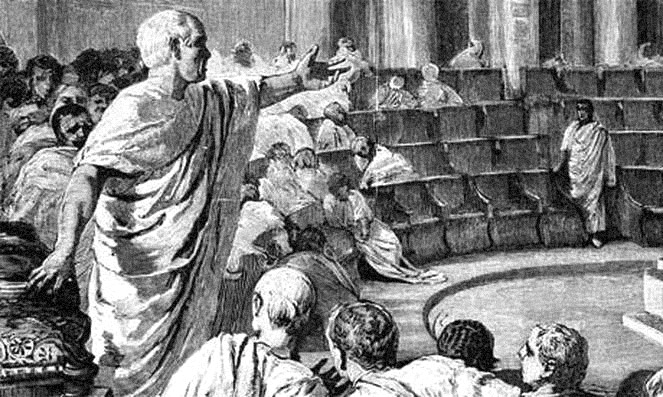
Stan­ley Fish, the well-known lit­er­ary the­o­rist and legal schol­ar, now has a short online course called “Rhetoric and Real­i­ty” that’s being offered through AIA Acad­e­my. The course (which requires a user­name and pass­word) cov­ers the fol­low­ing ground:

Argu­ments are woven through­out our pub­lic and pri­vate lives. What deter­mines which win the day? Renowned lit­er­ary and legal the­o­rist Stan­ley Fish leads us through lit­er­a­ture, pol­i­tics and the domes­tic to reveal the pow­er — and inevitabil­i­ty — of rhetoric.

From the court­room to the bed­room, argu­ments are woven through­out our pri­vate and pub­lic lives: they are how we decide what’s right, what’s true and what we should do. With exam­ples rang­ing from Milton’s Par­adise Lost to the legal­iza­tion of same sex mar­riage and Don­ald Trump, Fish shows us how the rules of engage­ment shift between con­texts — and how rhetoric is the key to suc­cess in all of them.

Draw­ing from his best­selling book Win­ning Argu­ments, Fish makes the con­tro­ver­sial claim that facts are mere­ly opin­ions that have been made to stick — and what makes them stick is noth­ing more than suc­cess­ful­ly deployed argu­ments.

Take the course to learn:

–What Milton’s Par­adise Lost teach­es us about the pow­er of rhetoric and the first ever domes­tic quar­rel
–The tech­niques Shakespeare’s Mark Antho­ny uses to pro­voke his audi­ence to vio­lence
–What char­ac­ter­izes Don­ald Trump’s rhetor­i­cal style – and how it breaks all the rules
–How the case for same sex mar­riage was real­ly won through a cul­tur­al shift rather than care­ful legal argu­ment
–The tricks cli­mate change deniers use to sow doubt
–The Five Key Truths about domes­tic quar­rels – and why self-help guides to mar­i­tal har­mo­ny almost nev­er work

“Rhetoric and Real­i­ty” will be added to our big list, 1,700 Free Online Cours­es from Top Uni­ver­si­ties.

Relat­ed Con­tent:

IAI Acad­e­my Now Offers Free Cours­es: From “The Mean­ing of Life” to “A Brief Guide to Every­thing”

Take Free Phi­los­o­phy Cours­es from The Insti­tute of Art and Ideas: From “The Mean­ing of Life” to “Hei­deg­ger Meets Van Gogh”

George Orwell’s Six Rules for Writ­ing Clear and Tight Prose

by | Permalink | Make a Comment ( 1 ) |

Coursera and Google Launch an Online Certificate Program to Help Students Become IT Professionals & Get Attractive Jobs

If you’ve so much as set foot in the realm of mas­sive online open cours­es (MOOCs) — a list of which we offer right here on Open Cul­ture — you’ve no doubt heard of Cours­era, which, since it start­ed up in 2012, has become one of the biggest MOOC providers around. Like most grow­ing Sil­i­con Val­ley com­pa­nies, Cours­era has branched out in sev­er­al dif­fer­ent direc­tions, bring­ing in cours­es from uni­ver­si­ties from all over the world as well as offer­ing cer­tifi­cate and Mas­ter’s pro­grams. Now, in part­ner­ship with Google, it has launched a pro­gram to train infor­ma­tion-tech­nol­o­gy pro­fes­sion­als for jobs in the indus­try.

Techcrunch’s Ingrid Lun­den describes Cours­er­a’s Google IT Sup­port Pro­fes­sion­al Cer­tifi­cate pro­gram as “a course writ­ten by Googlers for the Cours­era plat­form to teach and then test across six fun­da­men­tal areas of cus­tomer sup­port: trou­bleshoot­ing and cus­tomer ser­vice, net­work­ing, oper­at­ing sys­tems, sys­tem admin­is­tra­tion, automa­tion, and secu­ri­ty. No pri­or IT expe­ri­ence is nec­es­sary.” The glob­al, Eng­lish-lan­guage pro­gram “has 64 hours of course­work in all, and stu­dents are expect­ed to com­plete it in eight to 12 months, at a cost of $49/month.” This means “the typ­i­cal cost of the course for full-pay­ing stu­dents will be between $392 and $588 depend­ing on how long it takes,” which Lun­den calls “a pret­ty good deal” com­pared to oth­er IT train­ing pro­grams.

Amid talk of van­ish­ing jobs across so many sec­tors of the econ­o­my, Cours­era and Google are mar­ket­ing the IT Sup­port Pro­fes­sion­al Cer­tifi­cate as a promis­ing path to gain­ful employ­ment: “There’s no bet­ter exam­ple of a dynam­ic, fast-grow­ing field than IT sup­port,” writes Google Prod­uct Lead Natal­ie Van Kleef Con­ley, cit­ing sta­tis­tics show­ing 150,000 IT sup­port jobs cur­rent­ly open in the Unit­ed states and an aver­age start­ing salary of $52,000. Cours­era notes that “upon com­ple­tion of the cer­tifi­cate, you can share your infor­ma­tion with top employ­ers, like Bank of Amer­i­ca, Wal­mart, Sprint, GE Dig­i­tal, PNC Bank, Infos­ys, TEKSys­tems, UPMC, and, of course, Google.”

If you sus­pect that you might share pro­fes­sion­al aspi­ra­tions with young Edgar Bar­ra­gan of Queens, whose tes­ti­mo­ni­al video shows how he became a Google IT sup­port spe­cial­ist after par­tic­i­pat­ing in the pro­gram that evolved into the IT Sup­port Pro­fes­sion­al Cer­tifi­cate, vis­it the offi­cial page on Cours­era. There you can read up on the details of the six cours­es that make up the pro­gram and read answers to the ques­tions fre­quent­ly asked about it. Do you think you’d excel in a career amid the nuts and bolts of com­put­ers? With Google and Cours­er­a’s pro­gram offi­cial­ly open­ing next Wednes­day, Jan­u­ary 24th, now’s a good time indeed to fig­ure out whether it could get you where you want to be. Get more infor­ma­tion and/or enroll here.

Note: Open Cul­ture has a part­ner­ship with Cours­era. If read­ers enroll in cer­tain Cours­era cours­es, it helps sup­port Open Cul­ture.

Relat­ed Con­tent:

New Deep Learn­ing Cours­es Released on Cours­era, with Hope of Teach­ing Mil­lions the Basics of Arti­fi­cial Intel­li­gence

Cours­era Part­ners with Lead­ing Uni­ver­si­ties to Offer Master’s Degrees at a More Afford­able Price

Based in Seoul, Col­in Mar­shall writes and broad­casts on cities and cul­ture. His projects include the book The State­less City: a Walk through 21st-Cen­tu­ry Los Ange­les and the video series The City in Cin­e­ma. Fol­low him on Twit­ter at @colinmarshall or on Face­book.

Bitcoin and Cryptocurrency Technologies: A Free Course from Princeton

Quick fyi: Ear­li­er this month, we tried to make sense of the Bit­coin fren­zy in the only we know how–by point­ing you toward a free course. Specif­i­cal­ly, we high­light­ed a Prince­ton course called Bit­coin and Cur­ren­cy Tech­nolo­gies that’s being offered on the online plat­form Cours­era. The course is based on a suc­cess­ful course taught on Prince­ton’s cam­pus.

Transform Business with Blockchain. 100% online courses. No Coding Required.

And it’s worth men­tion­ing that you can find the actu­al video lec­tures from that orig­i­nal cam­pus course on Youtube. (See them embed­ded above, or access them direct­ly here.) Pair the 12 lec­tures with the free Prince­ton Bit­coin text­book and you should be ready to make sense of Bit­coin … and maybe even some of the Bit­coin hype.

For more free cours­es vis­it our col­lec­tion, 1,700 Free Online Cours­es from Top Uni­ver­si­ties.

If you would like to sign up for Open Culture’s free email newslet­ter, please find it here. It’s a great way to see our new posts, all bun­dled in one email, each day.

If you would like to sup­port the mis­sion of Open Cul­ture, con­sid­er mak­ing a dona­tion to our site. It’s hard to rely 100% on ads, and your con­tri­bu­tions will help us con­tin­ue pro­vid­ing the best free cul­tur­al and edu­ca­tion­al mate­ri­als to learn­ers every­where. You can con­tribute through Pay­Pal, Patre­on, and Ven­mo (@openculture). Thanks!

Relat­ed Con­tent:

What Actu­al­ly Is Bit­coin? Princeton’s Free Course “Bit­coin and Cur­ren­cy Tech­nolo­gies” Pro­vides Much-Need­ed Answers

Bit­coin, the New Decen­tral­ized Dig­i­tal Cur­ren­cy, Demys­ti­fied in a Three Minute Video

The Prince­ton Bit­coin Text­book Is Now Free Online

Why Eco­nom­ics is for Every­one!, Explained in a New RSA Ani­mat­ed Video

Free Online Eco­nom­ics Cours­es

by | Permalink | Make a Comment ( 2 ) |

170+ Courses Starting at Stanford Continuing Studies This Week: Explore the Catalogue of Campus and Online Courses

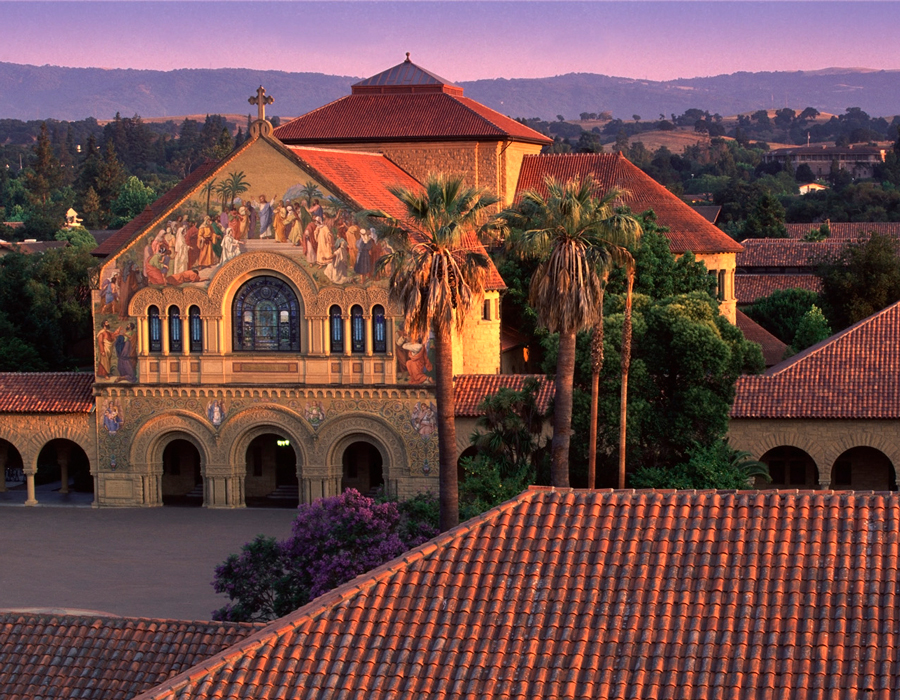
Quick fyi: I spend my days at Stan­ford Con­tin­u­ing Stud­ies, where we’ve devel­oped a rich line­up of online cours­es, many of which will get start­ed this week. The cours­es aren’t free. But they’re first rate, giv­ing adult students–no mat­ter where they live–the chance to work with ded­i­cat­ed teach­ers and stu­dents.

The cat­a­logue includes a large num­ber of online Cre­ative Writ­ing cours­es, cov­er­ing the Nov­el, the Mem­oir, Cre­ative Non­fic­tion, Food Writ­ing, Poet­ry and more. For the pro­fes­sion­al, the pro­gram offers online busi­ness cours­es in sub­jects like Project Man­age­ment, Busi­ness Com­mu­ni­ca­tion, Design Think­ing, Cre­at­ing Star­tups and Val­ue Invest­ing. And there’s a grow­ing num­ber of online Lib­er­al Arts Cours­es too. Take for exam­ple Draw­ing Inspi­ra­tion: Devel­op­ing a Cre­ative Prac­tice; The Geol­o­gy and Wines of Cal­i­for­nia and France; and Cyber Tech­nolo­gies and Their World-Chang­ing Dis­rup­tions: Elec­tion Hack­ing, Fake News, and Beyond.

If you live in the San Fran­cis­co Bay Area, check out the larg­er cat­a­logue. Stan­ford Con­tin­u­ing Stud­ies has 170+ cours­es get­ting start­ed this Win­ter quar­ter, many tak­ing place in Stan­ford’s class­rooms. Here are a few on-cam­pus cours­es I might rec­om­mend: Lead­ers Who Made the 20th Cen­tu­ryJames Joyce’s Ulysses, and Stan­ford Sat­ur­day Uni­ver­si­ty: 2018.

Relat­ed Con­tent:

Free: A Crash Course in Design Think­ing from Stanford’s Design School

Stan­ford Uni­ver­si­ty Launch­es Free Course on Devel­op­ing Apps with iOS 10

How Walk­ing Fos­ters Cre­ativ­i­ty: Stan­ford Researchers Con­firm What Philoso­phers and Writ­ers Have Always Known

Take a Free Course on Dig­i­tal Pho­tog­ra­phy from Stan­ford Prof Marc Lev­oy

How to Start a Start-Up: A Free Course from Y Com­bi­na­tor Taught at Stan­ford

What Actually Is Bitcoin?: Princeton’s Free Online Course “Bitcoin and Currency Technologies” Provides Much-Needed Answers

“Don’t Under­stand Bit­coin?” asked the head­line of a recent video from Click­hole, the Onion’s viral-media par­o­dy site. “This Man Will Mum­ble an Expla­na­tion at You.” The inex­plic­a­ble hilar­i­ty of the mum­bling man and his 72-sec­ond expla­na­tion of Bit­coin con­tains, like all good humor, a sol­id truth: most of us don’t under­stand Bit­coin, and the sim­plis­tic infor­ma­tion we seek out, for all we grasp of it, might as well be deliv­ered unin­tel­li­gi­bly. A few years ago we fea­tured a much clear­er three-minute expla­na­tion of that best-known form of cryp­tocur­ren­cy here on Open Cul­ture, but how to gain a deep­er under­stand­ing of this tech­nol­o­gy that, in one form or anoth­er, so many of us will even­tu­al­ly use?

Con­sid­er join­ing “Bit­coin and Cur­ren­cy Tech­nolo­gies,” a free course from Cours­era taught by sev­er­al pro­fes­sors from Prince­ton Uni­ver­si­ty, includ­ing com­put­er sci­en­tist Arvind Narayanan, whose Prince­ton Bit­coin Text­book we fea­tured last year.

The eleven-week online course (class­room ver­sions of whose lec­tures you can check out here) just began, but you can still eas­i­ly join and learn the answers to ques­tions like the fol­low­ing: “How does Bit­coin work? What makes Bit­coin dif­fer­ent? How secure are your Bit­coins? How anony­mous are Bit­coin users? What deter­mines the price of Bit­coins? Can cryp­tocur­ren­cies be reg­u­lat­ed? What might the future hold?” All of those, you’ll notice, have been raised more and more often in the media late­ly, but sel­dom sat­is­fac­to­ri­ly addressed.

“Real under­stand­ing of the eco­nom­ic issues under­ly­ing the cryp­tocur­ren­cy is almost nonex­is­tent,” writes Nobel-win­ning econ­o­mist Robert J. Shiller in a recent New York Times piece on Bit­coin. “It is not just that very few peo­ple real­ly com­pre­hend the tech­nol­o­gy behind Bit­coin. It is that no one can attach objec­tive prob­a­bil­i­ties to the var­i­ous pos­si­ble out­comes of the cur­rent Bit­coin enthu­si­asm.” Take Prince­ton’s course, then, and you’ll pull way ahead of many oth­ers inter­est­ed in Bit­coin, even allow­ing for all the still-unknow­able unknowns that have caused such thrilling and shock­ing fluc­tu­a­tions in the dig­i­tal cur­ren­cy’s eight years of exis­tence so far. All of it has cul­mi­nat­ed in the cur­rent craze Shiller calls “a mar­velous case study in ambi­gu­i­ty and ani­mal spir­its,” and where ambi­gu­i­ty and ani­mal spir­its rule, a lit­tle intel­lec­tu­al under­stand­ing cer­tain­ly nev­er hurts.

Enroll free in “Bit­coin and Cur­ren­cy Tech­nolo­gies” here. Find oth­er relat­ed cours­es on cyrp­tocur­ren­cy and blockchain here.

Relat­ed Con­tent:

Bit­coin, the New Decen­tral­ized Dig­i­tal Cur­ren­cy, Demys­ti­fied in a Three Minute Video

The Prince­ton Bit­coin Text­book Is Now Free Online

Cryp­tocur­ren­cy and Blockchain: An Intro­duc­tion to Dig­i­tal Currencies–A Free Online Cours­es from the Uni­ver­si­ty of Penn­syl­va­nia

Free Online Economics/Finance Cours­es

1,700 Free Online Cours­es from Top Uni­ver­si­ties

Based in Seoul, Col­in Mar­shall writes and broad­casts on cities and cul­ture. His projects include the book The State­less City: a Walk through 21st-Cen­tu­ry Los Ange­les and the video series The City in Cin­e­ma. Fol­low him on Twit­ter at @colinmarshall or on Face­book.

The 10 Most Popular Courses on Coursera in 2017 (and 2,000 Courses You Can Take for Free in January, 2018)

Back in 2012, Cours­era start­ed offer­ing MOOCS (Mas­sive Open Online Cours­es) to the world at large. And they’ve since amassed some 28 mil­lion reg­is­tered users, a cat­a­logue of 2,000 cours­es, and reams of data about what peo­ple want to learn. In the wan­ing days of Decem­ber, Cours­era pub­lished a list of their 1o most pop­u­lar cours­es of 2017. (Find below, and enroll in any of these cours­es for free.) From this list, it drew some larg­er con­clu­sions about trends in edu­ca­tion and tech­nol­o­gy.

The list shows, writes Nikhil Sin­ha, Cours­er­a’s Chief Con­tent Offi­cer, that “cut­ting-edge tech skills con­tin­ue to be the most sought after in online edu­ca­tion.” Arti­fi­cial intelligence–encompassing Machine Learn­ingNeur­al Net­works and Deep Learn­ing–topped the list of cours­es. Mean­while “Blockchain has also burst onto the scene, putting Princeton’s Bit­coin and Cryp­tocur­ren­cy course at num­ber five on the list.” But, Sin­ha adds, it’s “not just tech­nol­o­gy skills that are trend­ing.” The “basic learn­ing and infor­ma­tion-reten­tion skills taught in our pop­u­lar Learn­ing How to Learn course are extreme­ly sought-after by peo­ple of all ages.” The same applies to the prob­lem-solv­ing skills taught by Stan­ford’s Intro­duc­tion to Math­e­mat­i­cal Think­ing.

You can review the Top 10 list below, and enroll in any of those reg­u­lar­ly-offered cours­es.

  1. Machine Learn­ing: A primer from Stan­ford Uni­ver­si­ty on get­ting com­put­ers to act with­out being explic­it­ly pro­grammed.
  2. Neur­al Net­works and Deep Learn­ing: Build­ing on the course above, this course will teach you to feed a com­put­er sys­tem a lot of data, which it can then use to make deci­sions about oth­er data.
  3. Learn­ing How to Learn: Pow­er­ful Men­tal Tools to Help You Mas­ter Tough Sub­jects: The most pop­u­lar MOOC ever, this course devel­oped by Dr. Bar­bara Oak­ley gives you access to the invalu­able learn­ing tech­niques used by experts in art, music, lit­er­a­ture, math, sci­ence, sports, and many oth­er dis­ci­plines.
  4. Intro­duc­tion to Math­e­mat­i­cal Think­ing: Stan­ford Uni­ver­si­ty will teach you a style of think­ing that will help you think out­side the box and solve real prob­lems in the every­day world.
  5. Bit­coin and Cryp­tocur­ren­cy Tech­nolo­gies: From Prince­ton Uni­ver­si­ty comes a course that explains what is spe­cial about Bit­coin, and how it works at a tech­ni­cal lev­el.
  6. Pro­gram­ming for Every­body (Get­ting Start­ed with Python): The Uni­ver­si­ty of Michi­gan offers a course every­one should take–a primer on the basics of pro­gram­ming com­put­ers, using Python.
  7. Algo­rithms, Part I: Prince­ton’s course cov­ers “essen­tial infor­ma­tion that every seri­ous pro­gram­mer needs to know about algo­rithms and data struc­tures, with empha­sis on appli­ca­tions and sci­en­tif­ic per­for­mance analy­sis of Java imple­men­ta­tions.”
  8. Eng­lish for Career Devel­op­ment: Cre­at­ed by the Uni­ver­si­ty of Penn­syl­va­nia, this course is for non-native Eng­lish speak­ers “inter­est­ed in advanc­ing their careers in the glob­al mar­ket­place.” Along the way, you’ll learn about the job search, appli­ca­tion, and inter­view process in the U.S., and also explore your own glob­al career path.
  9. Neur­al Net­works for Machine Learn­ing:  The Uni­ver­si­ty of Toron­to gives you the chance to “learn about arti­fi­cial neur­al net­works and how they’re being used for machine learn­ing, as applied to speech and object recog­ni­tion, image seg­men­ta­tion, mod­el­ing lan­guage and human motion, etc.”
  10. Finan­cial Mar­kets: Cre­at­ed by Yale’s Robert Shiller (win­ner of the Nobel Prize in Eco­nom­ics), this course offers an overview of the finan­cial mar­kets, which allow human soci­ety to man­age risks and fos­ter enter­prise. It includes an intro­duc­tion to risk man­age­ment and behav­ioral finance prin­ci­ples under­ly­ing the secu­ri­ties, insur­ance, and bank­ing indus­tries.

Note: Open Cul­ture has a part­ner­ship with Cours­era. If read­ers enroll in cer­tain Cours­era cours­es, it helps sup­port Open Cul­ture.

Relat­ed Con­tent:

Learn­ing How to Learn: The Most Pop­u­lar MOOC of All Time

New Deep Learn­ing Cours­es Released on Cours­era, with Hope of Teach­ing Mil­lions the Basics of Arti­fi­cial Intel­li­gence

Cours­era Part­ners with Lead­ing Uni­ver­si­ties to Offer Master’s Degrees at a More Afford­able Price

« Go BackMore in this category... »
Quantcast