When you have a litÂtle time, you can drop in on a free course that revisÂits a semÂiÂnal moment in U.S. history–the AmerÂiÂcan RevÂoÂluÂtion. Taught by Yale hisÂtoÂriÂan Joanne FreeÂman, the course explores how the RevÂoÂluÂtion brought about “some remarkÂable transformations–converting British colonists into AmerÂiÂcan revÂoÂluÂtionÂarÂies, and a clusÂter of colonies into a conÂfedÂerÂaÂtion of states with a comÂmon cause.” You can access the 25 lecÂtures above, or on YouTube and iTunes. Also find a sylÂlabus for the course on this Yale web site.
If you would like to supÂport the misÂsion of Open CulÂture, conÂsidÂer makÂing a donaÂtion to our site. It’s hard to rely 100% on ads, and your conÂtriÂbuÂtions will help us conÂtinÂue proÂvidÂing the best free culÂturÂal and eduÂcaÂtionÂal mateÂriÂals to learnÂers everyÂwhere. You can conÂtribute through PayÂPal, PatreÂon, and VenÂmo (@openculture). Thanks!
FYI: If you sign up for a MasÂterÂClass course by clickÂing on the affilÂiÂate links in this post, Open CulÂture will receive a small fee that helps supÂport our operÂaÂtion.
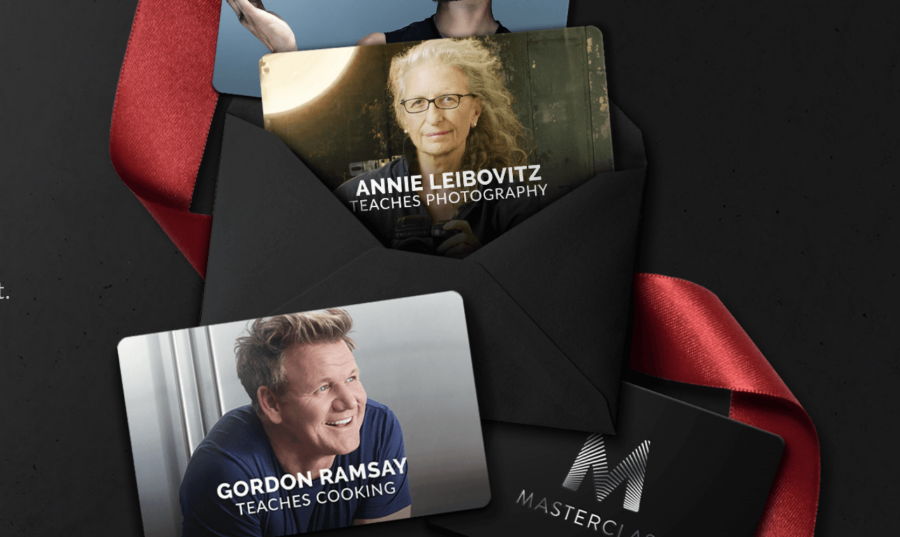
If you’re lookÂing for a last minute gift for a thoughtÂful perÂson in your life, here’s one option to conÂsidÂer. MasÂterÂClass lets you elecÂtronÂiÂcalÂly purÂchase online courses and give them as gifts to famÂiÂly memÂbers and friends. For $90, you could give the gift of a sinÂgle course. (The recipÂiÂent gets to choose which parÂticÂuÂlar course they want to take.) Or, for $180, you can give the recipÂiÂent a year-long pass to every course in the MasÂterÂClass catÂaÂlogue. You can get startÂed with the gift-givÂing process here. And find a list of availÂable coursÂes below.
Annie LeiÂbovitz TeachÂes PhoÂtogÂraÂphy
GorÂdon RamÂsay TeachÂes CookÂing
Frank Gehry TeachÂes ArchiÂtecÂture & Design
Samuel JackÂson TeachÂes ActÂing
Judy Blume TeachÂes WritÂing
Steve MarÂtin TeachÂes ComÂeÂdy
Jane Goodall TeachÂes ConÂserÂvaÂtion
HerÂbie HanÂcock TeachÂes Jazz
GarÂry KasÂparov TeachÂes Chess
WernÂer HerÂzog TeachÂes FilmÂmakÂing
Aaron Sorkin TeachÂes ScreenÂwritÂing
David Mamet TeachÂes DraÂmatÂic WritÂing
James PatÂterÂson TeachÂes WritÂing
Hans ZimÂmer TeachÂes Film ScorÂing
Thomas Keller TeachÂes CookÂing TechÂniques
Stephen CurÂry TeachÂes ShootÂing, Ball-HanÂdling, ScorÂing
ChristiÂna AguilÂera TeachÂes Singing
Deadmau5 TeachÂes ElecÂtronÂic Music ProÂducÂtion
ShonÂda Rhimes TeachÂes WritÂing for TeleÂviÂsion
Note: MasÂterÂClasss and Open CulÂture have a partÂnerÂship. If you sign up for a MasÂterÂClass course, it benÂeÂfits not just you and MasÂterÂClass. It benÂeÂfits Open CulÂture too. So conÂsidÂer it win-win-win.
If you would like to supÂport the misÂsion of Open CulÂture, conÂsidÂer makÂing a donaÂtion to our site. It’s hard to rely 100% on ads, and your conÂtriÂbuÂtions will help us conÂtinÂue proÂvidÂing the best free culÂturÂal and eduÂcaÂtionÂal mateÂriÂals to learnÂers everyÂwhere. You can conÂtribute through PayÂPal, PatreÂon, and VenÂmo (@openculture). Thanks!
“Big data is data so large that it does not fit in the main memÂoÂry of a sinÂgle machine, and the need to process big data by effiÂcient algoÂrithms arisÂes in InterÂnet search, netÂwork trafÂfic monÂiÂtorÂing, machine learnÂing, sciÂenÂtifÂic comÂputÂing, sigÂnal proÂcessÂing, and sevÂerÂal othÂer areas. This course will covÂer mathÂeÂmatÂiÂcalÂly rigÂorÂous modÂels for develÂopÂing such algoÂrithms, as well as some provÂable limÂiÂtaÂtions of algoÂrithms operÂatÂing in those modÂels. Some topÂics we will covÂer include”:
SketchÂing and StreamÂing. ExtremeÂly small-space data strucÂtures that can be updatÂed on the fly in a fast-movÂing stream of input.
DimenÂsionÂalÂiÂty reducÂtion. GenÂerÂal techÂniques and imposÂsiÂbilÂiÂty results for reducÂing data dimenÂsion while still preÂservÂing geoÂmetÂric strucÂture.
NumerÂiÂcal linÂear algeÂbra. AlgoÂrithms for big matriÂces (e.g. a user/product ratÂing matrix for NetÂflix or AmaÂzon). RegresÂsion, low rank approxÂiÂmaÂtion, matrix comÂpleÂtion, …
ComÂpressed sensÂing. RecovÂery of (approxÂiÂmateÂly) sparse sigÂnals based on few linÂear meaÂsureÂments.
ExterÂnal memÂoÂry and cache-oblivÂiÂousÂness. AlgoÂrithms and data strucÂtures minÂiÂmizÂing I/Os for data not fitÂting on memÂoÂry but fitÂting on disk. B‑trees, buffer trees, mulÂtiÂway mergeÂsort.
FYI: If you sign up for a MasÂterÂClass course by clickÂing on the affilÂiÂate links in this post, Open CulÂture will receive a small fee that helps supÂport our operÂaÂtion.
John Lennon and Yoko Ono, DolÂly ParÂton and Arnold SchwarzenegÂger, Barack ObaÂma and famÂiÂly, Bruce SpringÂsteen, Whoopi GoldÂberg, Bill Gates, Queen ElizÂaÂbeth II, Lady Gaga: name someÂone who has risen to the very top of the zeitÂgeist over the past few decades, and Annie LeiÂbovitz has probÂaÂbly phoÂtographed them. Her images, in fact, have often come to stand for the images of her subÂjects in the culÂture: when we think of cerÂtain celebriÂties, we instincÂtiveÂly imagÂine them as they appeared on a LeiÂbovitz-shot covÂer of Rolling Stone or VanÂiÂty Fair. Safe to say, then, that she knows a thing or two about how to take a picÂture that makes an impact.
The earÂly lessons in “Annie LeiÂbovitz TeachÂes PhoÂtogÂraÂphy” covÂer subÂjects like memÂoÂries of her own develÂopÂment as a phoÂtogÂraÂphÂer to disÂcusÂsions of her influÂences and her view of the mediÂum itself. LatÂer on, she gets into the real-life case study of shootÂing chef Alice Waters for VanÂiÂty Fair, digÂiÂtal post-proÂducÂtion, how to come up with the right conÂcept (ideÂalÂly, so her career has shown, one just strange or darÂing enough to get peoÂple talkÂing), and how to work with your subÂject. “There’s this idea that in porÂtraiÂture, it’s the phoÂtogÂraÂpher’s job to set the subÂject at ease,” LeiÂbovitz says in the class trailÂer above. “I don’t believe that.”
Few aspects of LeiÂbovitz’s method have drawn as much attenÂtion as the way she hanÂdles her subÂjects, which tends to involve both develÂopÂing enough of a relaÂtionÂship with them to gain some underÂstandÂing of their inner lives and putting them in sitÂuÂaÂtions which, so she has stuÂdiousÂly learned while getÂting to know them, may lie a bit outÂside of their comÂfort zone. Few of us will ever have that much face time with a phoÂtogÂraÂphÂer like LeiÂbovitz, let alone enough to ask her in-depth quesÂtions about the craft, but if you susÂpect you might find yourÂself one day in a posiÂtion to phoÂtoÂgraph the next CaitÂlyn JenÂner, Mark ZuckerÂberg, or Kim KarÂdashiÂan — or someÂone more imporÂtant to you perÂsonÂalÂly — the strateÂgies explained in her MasÂterÂclass course will sureÂly come in handy.
If you would like to supÂport the misÂsion of Open CulÂture, conÂsidÂer makÂing a donaÂtion to our site. It’s hard to rely 100% on ads, and your conÂtriÂbuÂtions will help us conÂtinÂue proÂvidÂing the best free culÂturÂal and eduÂcaÂtionÂal mateÂriÂals to learnÂers everyÂwhere. You can conÂtribute through PayÂPal, PatreÂon, and VenÂmo (@openculture). Thanks!
Based in Seoul, ColÂin MarÂshall writes and broadÂcasts on cities and culÂture. His projects include the book The StateÂless City: a Walk through 21st-CenÂtuÂry Los AngeÂles and the video series The City in CinÂeÂma. FolÂlow him on TwitÂter at @colinmarshall or on FaceÂbook.
FashÂion as Design, a free online course by the MuseÂum of ModÂern Art (MoMA), beginÂning this comÂing week , may not equip you with the skills to bring a fabÂuÂlous garÂment to fruition, but it will help you underÂstand the conÂtext behind clothes both workaÂday and wild.
Led by DepartÂment of ArchiÂtecÂture and Design Senior CuraÂtor PaoÂla AntonelÂli, CuraÂtoÂrÂiÂal AssisÂtant Michelle MilÂlar FishÂer, and Research AssisÂtant Stephanie Kramer—whose respecÂtive fashÂion heroes are actor Cate Blanchett, designÂer Claire McArÂdle, and activist GloÂria Steinem—the course will conÂsidÂer the hisÂtoÂry and impact of 70+ indiÂvidÂual garÂments.
The pieces can be examÂined in perÂson through the end of JanÂuÂary as part of MoMA’s Items: Is FashÂion ModÂern? exhiÂbiÂtion.
Some of the duds on the sylÂlabus benÂeÂfitÂed from a celebriÂty boost, such as Bruce Lee’s iconÂic red track suit, recreÂatÂed with its propÂer earÂly 70’s cut, below.
OthÂers, just as iconÂic, can be bought withÂout fanÂfare in a drugÂstore or supermarket—witness the plain white t‑shirt, introÂduced to MoMA’s colÂlecÂtion when AntonelÂli was curatÂing 2004’s HumÂble MasÂterÂpieces: EveryÂday MarÂvels of Design.
StuÂdents with no parÂticÂuÂlar interÂest in fashÂion may be intrigued to conÂsidÂer the threads on their backs through such lensÂes as marÂketÂing, disÂtriÂbÂuÂtion, polÂiÂtics, idenÂtiÂty, and ecoÂnomÂics.
StuÂdents will also delve into the lifeÂcyÂcle of clothÂing, fashÂion-relatÂed labor pracÂtices, and susÂtainÂabilÂiÂty. The more conÂsumers underÂstand this side of the biz, the likeÂliÂer it is that the fashÂion indusÂtry will be pushed toward adoptÂing more ethÂiÂcal pracÂtices.
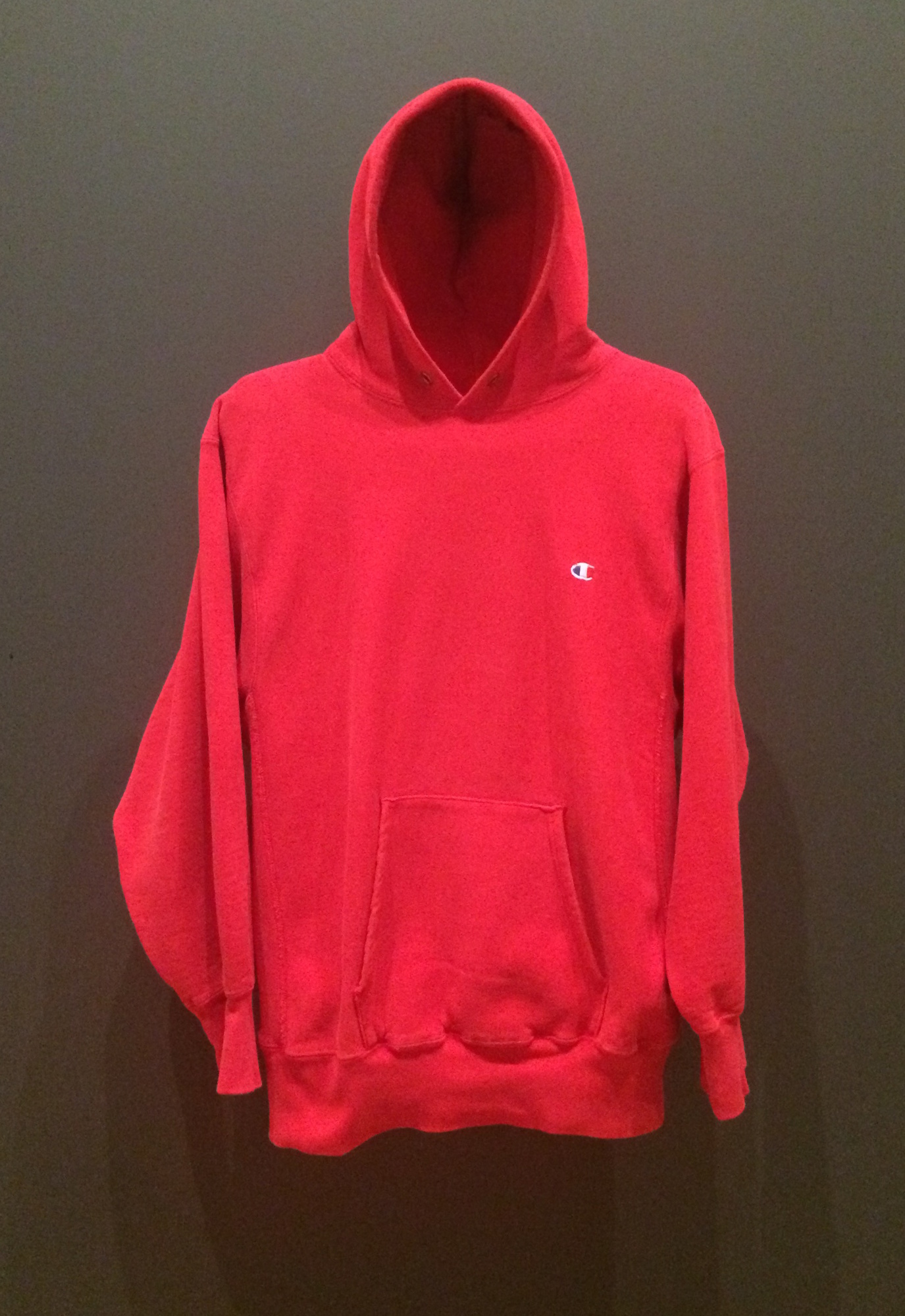
The hoodÂie is one of those items that has had a long and mulÂtiÂfacÂeted life, and one that’s become so politÂiÂcalÂly charged. But this sweater, with the hood and the string, with or withÂout the zipÂper, is from the 1930s, from a comÂpaÂny that was called KnickerÂbockÂer KnitÂting ComÂpaÂny, before it became ChamÂpiÂon. IniÂtialÂly the hoodÂie was made for athÂletes, to keep them warm before or after trainÂing. It was immeÂdiÂateÂly co-optÂed by conÂstrucÂtion and cold-storÂage workÂers. Then in the 1970s and ’80s it became city-dwelling kids’ garÂment of choice when skateÂboardÂing illeÂgalÂly or writÂing grafÂfiÂti or breakÂdancÂing. There’s an aspect of the hoodÂie that’s become a kind of quiÂet defiÂance of the system—of wantÂiÂng to be in the midÂdle of it but someÂhow away from it. The hoodÂie gives you a false impresÂsion of being invisÂiÂble. All these difÂferÂent hisÂtoÂries bring us to today. The Trayvon MarÂtin and George ZimÂmerÂman inciÂdent a few years ago transÂformed the hoodÂie into this symÂbol of injusÂtice. We’re going to have this red ChamÂpiÂon hoodÂie from the 1980s—when it’s at the moment of tranÂsiÂtion. But it’s going to be there by itself and we’re hopÂing it’s going to be realÂly resÂoÂnant. It shows the powÂer that cerÂtain garÂments have to become symÂbols for politÂiÂcal strugÂgle. —PaoÂla AntonelÂli
FYI: If you sign up for a MasÂterÂClass course by clickÂing on the affilÂiÂate links in this post, Open CulÂture will receive a small fee that helps supÂport our operÂaÂtion.
Oscar, GoldÂen Globe, Emmy, and Tony winÂner Helen MirÂren is one of the greatÂest actressÂes of our time. In her first online class, she disÂcussÂes the dualÂism that is core to her method: the necesÂsiÂty for masÂterÂing techÂnique (craft) and then letÂting go so that your imagÂiÂnaÂtion can take over (art). Learn how to break down a script, research charÂacÂters, and masÂter techÂniques so you can tranÂscend them to find freeÂdom in every role.
The course just opened for enrollÂment. Priced at $90, the course feaÂtures 28 video lessons where MirÂren “brings you behind the scenes to show you the secrets of her actÂing techÂnique.” And a downÂloadÂable workÂbook that feaÂtures supÂpleÂmenÂtal mateÂriÂals and lesÂson recaps.
If you would like to supÂport the misÂsion of Open CulÂture, conÂsidÂer makÂing a donaÂtion to our site. It’s hard to rely 100% on ads, and your conÂtriÂbuÂtions will help us conÂtinÂue proÂvidÂing the best free culÂturÂal and eduÂcaÂtionÂal mateÂriÂals to learnÂers everyÂwhere. You can conÂtribute through PayÂPal, PatreÂon, and VenÂmo (@openculture). Thanks!
FYI: If you sign up for a MasÂterÂClass course by clickÂing on the affilÂiÂate links in this post, Open CulÂture will receive a small fee that helps supÂport our operÂaÂtion.
A quick update to someÂthing we first menÂtioned last June. On MasÂterÂclass, jazz legÂend HerÂbie HanÂcock is now teachÂing his first online course on jazz. In 25 video lessons, the 14-time GramÂmy winÂner shares his approach to improÂviÂsaÂtion, comÂpoÂsiÂtion, and harÂmoÂny, and gives stuÂdents access to 10+ origÂiÂnal piano tranÂscripÂtions, includÂing 5 excluÂsive solo perÂforÂmances. Plus there’s a downÂloadÂable workÂbook.
You can take this class by signÂing up for a MasÂterÂClass’ All Access Pass. The AllAccessPass will give you instant access to this course and 85 othÂers for a 12-month periÂod.
If you would like to supÂport the misÂsion of Open CulÂture, conÂsidÂer makÂing a donaÂtion to our site. It’s hard to rely 100% on ads, and your conÂtriÂbuÂtions will help us conÂtinÂue proÂvidÂing the best free culÂturÂal and eduÂcaÂtionÂal mateÂriÂals to learnÂers everyÂwhere. You can conÂtribute through PayÂPal, PatreÂon, and VenÂmo (@openculture). Thanks!
FYI: If you sign up for a MasÂterÂClass course by clickÂing on the affilÂiÂate links in this post, Open CulÂture will receive a small fee that helps supÂport our operÂaÂtion.
Bob WoodÂward made his bones as an invesÂtigaÂtive jourÂnalÂist when he and felÂlow WashÂingÂton Post reporter Carl BernÂstein blew open the WaterÂgate scanÂdal in 1972. Their reportÂing exposed the “dirty tricks” of Richard Nixon’s re-elecÂtion comÂmitÂtee. GovÂernÂment invesÂtiÂgaÂtions folÂlowed and the presÂiÂdent evenÂtuÂalÂly resigned.
Today we’re livÂing in anothÂer age when invesÂtigaÂtive jourÂnalÂism is of paraÂmount imporÂtance. Only now it’s under attack. But, take heart, Bob WoodÂward is now teachÂing an online course on invesÂtigaÂtive jourÂnalÂism. In 24 video lessons, he’ll teach you the imporÂtance of human sources, how to gathÂer inforÂmaÂtion, how to interÂview peoÂple, estabÂlish facts, and build a stoÂry. He reminds us, “This is the time when we’re being testÂed. Let’s tell the truth, let’s not be chickÂenÂshit.” Amen to that.
If you would like to supÂport the misÂsion of Open CulÂture, conÂsidÂer makÂing a donaÂtion to our site. It’s hard to rely 100% on ads, and your conÂtriÂbuÂtions will help us conÂtinÂue proÂvidÂing the best free culÂturÂal and eduÂcaÂtionÂal mateÂriÂals to learnÂers everyÂwhere. You can conÂtribute through PayÂPal, PatreÂon, and VenÂmo (@openculture). Thanks!
We're hoping to rely on loyal readers, rather than erratic ads. Please click the Donate button and support Open Culture. You can use Paypal, Venmo, Patreon, even Crypto! We thank you!
Open Culture scours the web for the best educational media. We find the free courses and audio books you need, the language lessons & educational videos you want, and plenty of enlightenment in between.