20 New Lines from The Epic of Gilgamesh Discovered in Iraq, Adding New Details to the Story

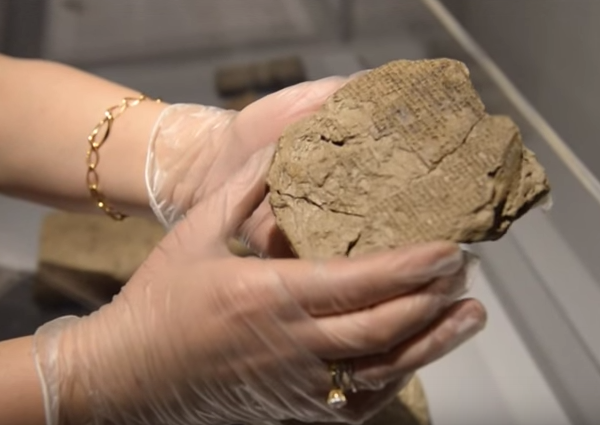
The Epic of Gil­gamesh, one of the old­est nar­ra­tives in the world, got a sur­prise update last month when the Sulay­maniyah Muse­um in the Kur­dis­tan region of Iraq announced that it had dis­cov­ered 20 new lines of the Baby­lon­ian-Era poem of gods, mor­tals, and mon­sters. Since the poem has exist­ed in frag­ments since the 18th cen­tu­ry BC, there has always been the pos­si­bil­i­ty that more would turn up. And yet the ver­sion we’re famil­iar with — the one dis­cov­ered in 1853 in Nin­eveh — has­n’t changed very much over recent decades. The text remained fair­ly fixed — that is, until the fall of Bagh­dad in 2003 and the intense loot­ing that fol­lowed yield­ed some­thing new.

Since that time, the His­to­ry Blog notes:

the [Sulay­maniyah] muse­um has a mat­ter of pol­i­cy paid smug­glers to keep arti­facts from leav­ing the coun­try, no ques­tions asked. The tablet was acquired by the muse­um in late 2011 as part of a col­lec­tion of 80–90 tablets sold by an unnamed shady char­ac­ter. Pro­fes­sor Farouk Al-Rawi exam­ined the col­lec­tion while the sell­er hag­gled with muse­um offi­cial Abdul­lah Hashim. When Al-Rawi saw this tablet, he told Hashim to pay what­ev­er the sell­er want­ed: $800.

That’s a pret­ty good deal for these extra lines that not only add to the poem’s length, but have now cleared up some of the mys­ter­ies in the oth­er chap­ters. These lines come from Chap­ter Five of the epic and cast the main char­ac­ters in a new light. Gil­gamesh and his com­pan­ion Enkidu are shown to feel guilt over killing Hum­ba­ba, the guardian of the cedar for­est, who is now seen as less a mon­ster and more a king. Just like a good director’s cut, these extra scenes clear up some mud­dy char­ac­ter moti­va­tion, and add an envi­ron­men­tal moral to the tale.

new lines of gilgamesh

The His­to­ry Blog arti­cle has an in depth descrip­tion of the trans­la­tion, with links to a schol­ar­ly paper on this very impor­tant find, and prompts the ques­tion, how much more is there to be dis­cov­ered?

In the video above, Hazha Jalal, man­ag­er of the tablet’s sec­tion of the Sulay­maniyah Muse­um talks (in Kur­dish) about the new dis­cov­ery, say­ing (in trans­la­tion): “The tablet dates back to the Neo-Bably­on­ian peri­od, 2000–1500 BCE. It is a part of tablet V of the epic. It was acquired by the Muse­um in the year 2011 and [then] Dr. Farouk Al-Raw translit­er­at­ed it. It was writ­ten as a poem and many new things this ver­sion has added, for exam­ple Gil­gamesh and his friend met a mon­key. We are hon­ored to house this tablet and any­one can vis­it the Muse­um dur­ing its open­ing hours from 8:30 morn­ing to noon. The entry is free for you and your guests. Thank you.”

In the mean­time, if you’ve got a few min­utes to spare, you can click here to Hear The Epic of Gil­gamesh Read in the Orig­i­nal Akka­di­an and Enjoy the Sounds of Mesopotamia.

You can also find the epic in our twin col­lec­tions, 1,000 Free Audio Books: Down­load Great Books for Free and 800 Free eBooks for iPad, Kin­dle & Oth­er Devices.

via The His­to­ry Blog

Relat­ed con­tent:

Hear the World’s Old­est Instru­ment, the “Nean­derthal Flute,” Dat­ing Back Over 43,000 Years

Hear the “Seik­i­los Epi­taph,” the Old­est Com­plete Song in the World: An Inspir­ing Tune from 100 BC

Hear Homer’s Ili­ad Read in the Orig­i­nal Ancient Greek

Down­load 55 Free Online Lit­er­a­ture Cours­es: From Dante and Mil­ton to Ker­ouac and Tolkien

Ted Mills is a free­lance writer on the arts who cur­rent­ly hosts the FunkZone Pod­cast. You can also fol­low him on Twit­ter at @tedmills, read his oth­er arts writ­ing at tedmills.com and/or watch his films here.
It’s Banned Books Week: Listen to Allen Ginsberg Read His Famously Banned Poem, “Howl,” in San Francisco, 1956

Howl Cover

Accord­ing to Ruth Gra­ham in Slate, Banned Books Week is a “crock,” an unnec­es­sary pub­lic   indul­gence since “there is basi­cal­ly no such thing as a ‘banned book’ in the Unit­ed States in 2015.” And though the aware­ness-rais­ing week’s spon­sor, the Amer­i­can Library Asso­ci­a­tion, has shift­ed its focus to book cen­sor­ship in class­rooms, most of the chal­lenges posed to books in schools are sil­ly and eas­i­ly dis­missed. Yet, some oth­er cas­es, like that of Perse­po­lisMar­jane Satrapi’s graph­ic nov­el mem­oir of her Iran­ian child­hood dur­ing the revolution—are not. The book was pulled from Chica­go Pub­lic School class­rooms (but not from libraries) in 2013.

Even now, teach­ers who wish to use the book in class­es must com­plete “sup­ple­men­tal train­ing.” The osten­si­bly objec­tion­able con­tent in the book is no more graph­ic than that in most his­to­ry text­books, and it’s easy to make the case that Perse­po­lis and oth­er chal­lenged mem­oirs and nov­els that offer per­spec­tives from oth­er coun­tries, cul­tures, or polit­i­cal points of view have inher­ent edu­ca­tion­al val­ue. One might be tempt­ed to think that school offi­cials pulled the book for oth­er rea­sons. Per­haps we need Banned Books Week after all.

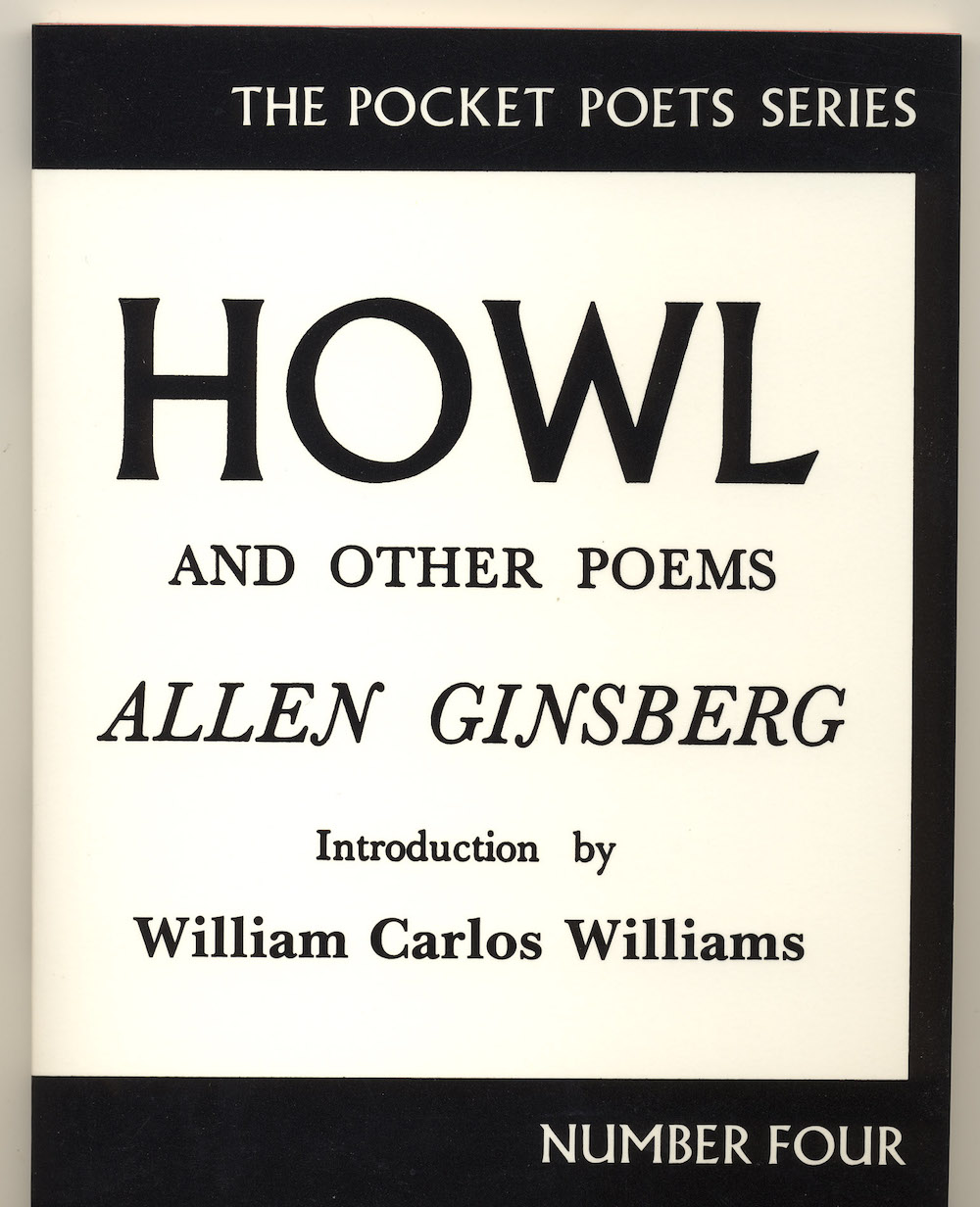
Anoth­er, per­haps fuzzi­er, case of a “banned” book—or poem—from this year involves a high school teacher’s fir­ing over his class­room read­ing of Allen Gins­berg’s porno­graph­ic poem “Please Mas­ter.” The case of “Please Mas­ter” should put us in mind of a once banned book writ­ten by Gins­berg: epic Beat jere­mi­ad “Howl.” When the poem’s pub­lish­er, Lawrence Fer­linghet­ti, attempt­ed to import British copies of the poem in 1957, the books were seized by cus­toms, then he and his busi­ness part­ner were arrest­ed and put on tri­al for obscen­i­ty. After writ­ers and aca­d­e­mics tes­ti­fied to the poem’s cul­tur­al val­ue, the judge vin­di­cat­ed Fer­linghet­ti, and “Howl.”

But the tri­al demon­strat­ed at the time that the gov­ern­ment reserved the right to seize books, stop their pub­li­ca­tion and sale, and keep mate­r­i­al from the read­ing pub­lic if it so chose. As with this year’s dust-up over “Please Mas­ter,” the agents who con­fis­cat­ed “Howl” sup­pos­ed­ly object­ed to the sex­u­al con­tent of Gins­berg’s poem (and like­ly the homo­sex­u­al con­tent espe­cial­ly). But that rea­son­ing could also have been cov­er for oth­er objec­tions to the poem’s polit­i­cal con­tent. “Howl,” after all, was very sub­ver­sive in its day, and in a way served as a kind of man­i­festo against the sta­tus quo. It had a “cat­a­clysmic impact,” writes Fred Kaplan, “not just on the lit­er­ary world but on the broad­er soci­ety and cul­ture.”

We’ve fea­tured var­i­ous read­ings of “Howl” in the past, and if you’ve some­how missed hear­ing those, nev­er heard the poem read at all, or nev­er read the poem your­self, then con­sid­er dur­ing this Banned Books Week tak­ing the time to read it and hear it read—by the poet him­self. You can hear the first record­ed read­ing by Gins­berg, in 1956 at Port­land’s Reed Col­lege. You can hear anoth­er impas­sioned Gins­berg read­ing from 1959. And above, hear Gins­berg read the poem in 1956, in San Fran­cis­co, where it was first pub­lished and where it stood tri­al.

You can also hear Gins­berg fan James Franco—who played the poet in a film called Howlread the poem over a visu­al­ly strik­ing ani­ma­tion of its vivid imagery. And if Gins­berg isn’t your thing, con­sid­er check­ing out the ALA’s list of chal­lenged or banned books for 2014–2015. (I could cer­tain­ly rec­om­mend Perse­po­lis.) While pro­hibit­ing books from the class­room may seem a far cry from gov­ern­ment cen­sor­ship, Banned Books Week reminds us that many peo­ple still find cer­tain kinds of books deeply threat­en­ing, and should push us to ask why that is.

Relat­ed Con­tent:

High School Teacher Reads Allen Ginsberg’s Explic­it Poem “Please Mas­ter” and Los­es His Job

The First Record­ing of Allen Gins­berg Read­ing “Howl” (1956)

Allen Gins­berg Reads His Famous­ly Cen­sored Beat Poem, Howl (1959)

James Fran­co Reads a Dream­i­ly Ani­mat­ed Ver­sion of Allen Ginsberg’s Epic Poem ‘Howl’

Find great poems in our col­lec­tion, 800 Free eBooks for iPad, Kin­dle & Oth­er Devices

Josh Jones is a writer and musi­cian based in Durham, NC. Fol­low him at @jdmagness

Sylvia Plath, Girl Detective Offers a Hilariously Cheery Take on the Poet’s College Years

Con­ven­tion­al wis­dom has it that one’s col­lege years are the best of one’s life, a max­im Sylvia Plath: Girl Detec­tive, above, seems to embrace.

The real Plath expe­ri­enced deep depres­sion and attempt­ed sui­cide while a stu­dent at Smith Col­lege. Her fic­tion­al counterpart—-played by writer-direc­tor Mike Sim­ses’ sis­ter and co-pro­duc­er, Kate—exudes a pert Nan­cy Drew spir­it.

She jug­gles mul­ti­ple admir­ers, glows with self-sat­is­fac­tion when her poem, “I Thought That I Could Not Be Hurt,” receives an A+, and cooly holds her ground against stat­uesque and seem­ing­ly bet­ter-heeled class­mate, Jane.

It does­n’t mat­ter that it’s nev­er par­tic­u­lar­ly clear what mys­tery this girl detec­tive is solv­ing… the Case of the Miss­ing Tuition Check per­haps.

(Eager to stay on the good side of her bene­fac­tress, Now, Voy­ager author Olive Hig­gins Prouty, she bright­ly acqui­esces to a shot of insulin from a giant met­al syringe.)

I love how she quotes from her own poet­ry with an inten­si­ty that should feel famil­iar to any­one who’s ever been called upon to read aloud from “Dad­dy” or “Lady Lazarus” in an under­grad­u­ate Women’s Stud­ies class.

(Speak­ing of Dad­dy, Plath’s gets a notable cameo. Shades of Hamlet’s father, but fun­ny!)

This Writ­ers Guild Asso­ci­a­tion New Media award win­ner is sup­port­ed by high pro­duc­tion val­ues that range from tony loca­tions and antique cars to Sim­ses’ shei­t­el.

Find Sylvia Plath, Girl Detec­tive added to our col­lec­tion, 4,000+ Free Movies Online: Great Clas­sics, Indies, Noir, West­erns, Doc­u­men­taries & More.

Relat­ed Con­tent:

Hear Sylvia Plath Read Fif­teen Poems From Her Final Col­lec­tion, Ariel, in 1962 Record­ing

Sylvia Plath’s 10 Back to School Com­mand­ments (1953)

The Mir­rors of Ing­mar Bergman, Nar­rat­ed with the Poet­ry of Sylvia Plath

Ayun Hal­l­i­day is an author, illus­tra­tor, and Chief Pri­ma­tol­o­gist of the East Vil­lage Inky zine. Her play, Fawn­book, opens in New York City lat­er this fall. Fol­low her @AyunHalliday

Hear Pablo Neruda Read His Poetry In English For the First Time, Days Before His Nobel Prize Acceptance (1971)

Pablo_Neruda_(1966)

Image by Library of Con­gress, via Wiki­me­dia Com­mons

“It is good,” wrote Chilean poet Pablo Neru­da, “at cer­tain hours of the day and night, to look close­ly at the world of objects at rest.” I find myself aston­ished Neru­da him­self ever found time to rest, and to com­pose the hun­dreds of sur­re­al­ist poems that made him a nation­al celebri­ty at 20 years of age and an inter­na­tion­al­ly renowned Nobel Prize win­ner at age 67. In 1927, Neru­da began his long career as a diplomat—“in the Latin Amer­i­can tra­di­tion,” writes the Amer­i­can Acad­e­my of Poets, “of hon­or­ing poets with diplo­mat­ic assign­ments.” Through­out his life, his polit­i­cal com­mit­ments were intense and unswerv­ing. His many diplo­mat­ic appoint­ments (in civ­il war-torn Spain and else­where), his term in the Chilean sen­ate, his exile, and then his return to diplo­mat­ic ser­vice in his native land might have con­sti­tut­ed a life’s work in its own right.

But Neruda’s loy­al­ty to poetry—“a poet­ry as impure as the cloth­ing we wear, or our bodies”—defines his life and lega­cy above all else. “Of all the over­lap­ping and com­pet­ing facets of his life,” writes Erin Beck­er, “amidst all the con­tra­dic­tions and the hypocrisies, Neru­da was always a poet first… his belief in the beau­ty of life and words always comes through, even in his most polit­i­cal work.” Neru­da him­self declared, “I have nev­er thought of my life as divid­ed between poet­ry and pol­i­tics.” Instead, he believed that his work spoke not for itself, but for the peo­ple. As the Nobel Com­mit­tee put it, Neruda’s poet­ry com­mu­ni­cat­ed “with the action of an ele­men­tal force” that “brings alive a continent’s des­tiny and dreams.”

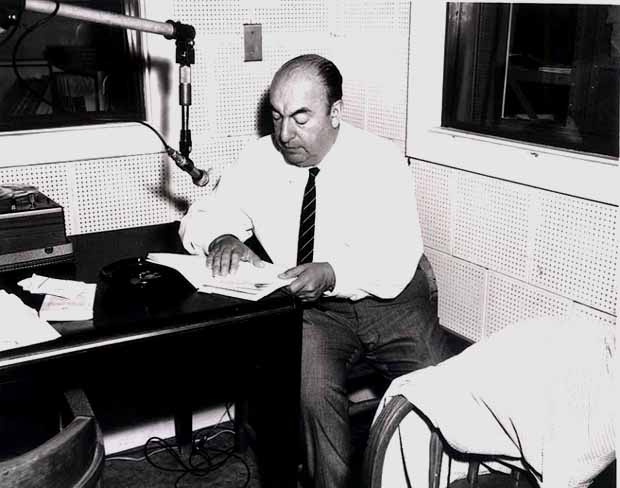
On Sep­tem­ber 5, 1971, just a few days before he accept­ed the Nobel, Neru­da gave his first pub­lic read­ing in Eng­lish, on the radio pro­gram Com­ment. You can hear him above intro­duce and read his very Whit­manesque poem, “Birth.” Neru­da had pre­vi­ous­ly addressed Eng­lish-speak­ing read­ers when, after a long­time ban, he vis­it­ed the states in 1966 and spoke to an audi­ence at New York’s 92nd St. Y. Then, he intro­duced him­self in Eng­lish but would only read his poet­ry in Span­ish. Here—“having entire­ly no con­fi­dence in my reading”—he nonethe­less reads trans­la­tions of his work by “some of my very best friends,” main­ly his pri­ma­ry trans­la­tor in Eng­lish, Ben Belitt. While Belitt has been “accused of tak­ing lib­er­ties” with Neruda’s verse, the poet him­self obvi­ous­ly endorsed his trans­la­tions.

Belitt’s ren­der­ings of Neru­da’s learned, yet earthy Span­ish have become the stan­dard way most of us encounter the poet in Eng­lish. The pub­li­ca­tion of the 1974 dual-lan­guage anthol­o­gy Five Decades: Poems 1925–1970, was to have been “fes­tive,” wrote Belitt in his pref­ace, in hon­or of the poet’s 70th birth­day. Sad­ly, instead, it was a posthu­mous cel­e­bra­tion of Neruda’s work. The poet died in Sep­tem­ber of 1973, two years after the read­ing above and just twelve days after the CIA helped over­throw Sal­vador Allende and install the bru­tal dic­ta­tor Augus­to Pinochet. As Oscar Guardi­o­la-Rivera writes col­or­ful­ly in The Guardian, the details of Neru­da’s polit­i­cal life are fod­der for activists, “Google-bombs wait­ing to be set off by a new gen­er­a­tion of net­worked free­dom fight­ers.” His poet­ic voice, how­ev­er, speaks to and for the mul­ti­tudes, with—as Neru­da wrote in “Toward an Impure Poet­ry”—“the man­dates of touch, smell, taste, sight, hear­ing, the pas­sion for jus­tice, sex­u­al desire… [and] the sump­tu­ous appeal of the tac­tile.”

Neru­da’s read­ing will be added to the Poet­ry sec­tion of our col­lec­tion, 1,000 Free Audio Books: Down­load Great Books for Free.

via Past Dai­ly

Relat­ed Con­tent:

Pablo Neruda’s His­toric First Read­ing in the US (1966)

“The Me Bird” by Pablo Neru­da: An Ani­mat­ed Inter­pre­ta­tion

Josh Jones is a writer and musi­cian based in Durham, NC. Fol­low him at @jdmagness

Alice’s Adventures in Wonderland Read by Sir John Gielgud

gielgud reads alice

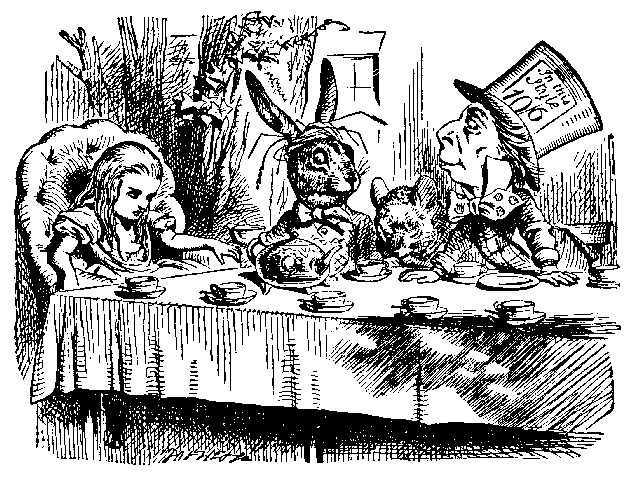
I nev­er thought I could love an audio record­ing of Lewis Carroll’s Alice in Won­der­land (tech­ni­cal­ly Alice’s Adven­tures in Won­der­land and its sequel, Through the Look­ing-Glass) more than I love the unabridged ver­sion nar­rat­ed by Christo­pher Plum­mer. His won­der­ful­ly ham­my char­ac­ter­i­za­tions and its six hour run­ning time made it the per­fect sound­track for pick­ing nits from the foot long tress­es of a first-grad­er who’d been sent home with lice.

By the time she got the all clear, both of us had large por­tions of it com­mit­ted to mem­o­ry.

Christo­pher, I trea­sure the mem­o­ries of those long hours spent togeth­er on cas­sette, but I’m afraid I’ll be spend­ing the 150th anniver­sary of Alice with Sir John Giel­gud, below.

All in the gold­en after­noon

Full leisure­ly we glide;

For both our oars, with lit­tle skill,

By lit­tle arms are plied,

While lit­tle hands make vain pre­tense

Our wan­der­ings to guide.

He makes Lewis Car­roll sound like Shake­speare!

The cel­e­brat­ed dry wit that served him so well through­out his illus­tri­ous career keeps this 1989 Alice very easy on the ears. He takes the oppo­site approach from Plum­mer, under­play­ing the char­ac­ter voic­es. It’s rare to find a gen­tle­man of 85 who can play a 7‑year-old girl so con­vinc­ing­ly, and with so lit­tle fuss.

In an extreme­ly civ­i­lized bit of audio engi­neer­ing, Giel­gud record­ed the tracks in the ball­room of Wya­s­tone Leys, the Vic­to­ri­an coun­try estate that is home to the audiobook’s label. Also? The Eng­lish String Orches­tra ush­ers lis­ten­ers from scene to scene with excerpts from Mendelssohn’s String Sym­phonies. Ah…

Giel­gud’s read­ing of Alice has been made avail­able on Spo­ti­fy. Find it here. Or embed­ded here. You can also find it on Youtube as well. Com­pletists might also enjoy Gielgud’s turn as the Mock Tur­tle in Jonathan Miller’s superbly dark, black & white adap­ta­tion from 1966, here. (Giel­gud makes his entrance at the 13:55 mark.)

To lis­ten to Giel­gud on Spo­ti­fy, you will of course need Spotify’s soft­ware and account, both easy to come by: you just down­load and reg­is­ter.

Oth­er read­ings of Alice can be found in our col­lec­tion, 1,000 Free Audio Books: Down­load Great Books for Free.

Relat­ed Con­tent

The Orig­i­nal Alice’s Adven­tures In Won­der­land Man­u­script, Hand­writ­ten & Illus­trat­ed By Lewis Car­roll (1864)

Free Audio: Alice In Won­der­land Read by Cory Doc­torow

Lewis Carroll’s Pho­tographs of Alice Lid­dell, the Inspi­ra­tion for Alice in Won­der­land

Lewis Carroll’s Clas­sic Sto­ry, Alice’s Adven­tures in Won­der­land, Told in Sand Ani­ma­tion

A 68 Hour Playlist of Shakespeare’s Plays Being Per­formed by Great Actors: Giel­gud, McK­ellen & More

Ayun Hal­l­i­day will be appear­ing at the Brook­lyn Book Fes­ti­val in New York City next week­end.. Fol­low her @AyunHalliday

Jack Kerouac’s Poetry & Prose Read/Performed by 20 Icons: Hunter S. Thompson, Patti Smith, William S. Burroughs, Johnny Depp & More

Image by Tom Palum­bo, via Wiki­me­dia Com­mons

Last year, we fea­tured a few read­ings and per­for­mances of the work of Jack Ker­ouac by musi­cians like Pat­ti Smith, John Cale, Thurston Moore, and Joe Strum­mer. Those tracks got laid down for 1997’s Ker­ouac: Kicks Joy Dark­ness, a trib­ute to the author of On the Road and The Dhar­ma Bums and an Amer­i­can cul­tur­al pres­ence as res­o­nant as they come. Now, you can lis­ten to the whole thing on Spo­ti­fy (whose free soft­ware you can down­load here) and rev­el in ren­di­tions of Ker­ouac’s poet­ry and prose by an even wider selec­tion of beloved alter­na­tive musi­cians: War­ren Zevon, Pearl Jam’s Eddie Ved­der, REM’s Michael Stipe, Son­ic Youth’s Lee Ranal­do show up on the ros­ter, to name but a few.

It also fea­tures con­tri­bu­tions from a great many sub­cul­ture-defin­ing non-musi­cians, includ­ing writ­ers like Hunter S. Thomp­son and William S. Bur­roughs, come­di­an Richard Lewis, actor Matt Dil­lon, poet Mag­gie Estep, and a gen­uine Beat emi­nence like Lawrence Fer­linghet­ti. It even brings in cul­tur­al fig­ures who, though known for oth­er pur­suits, also estab­lished enough of a side career in music to hold their own in the record­ing stu­dio, like John­ny Depp and The Bas­ket­ball Diaries author Jim Car­roll. We even hear Ker­ouac as inter­pret­ed with the help of no less a life­long musi­cian — and no less unex­pect­ed a musi­cian on an album like this — than Aero­smith’s Steven Tyler.

“Four­teen of the 25 tracks on this 79½-minute disc are drawn from Ker­ouac’s poet­ry book Pomes All Sizes,writes All Music Guide’s William Ruhlmann. “The rest come from his nov­els (noth­ing from On the Road, though) and let­ters, with some unpub­lished work also includ­ed.” Ruhlmann points out Ker­ouac’s own lack of enthu­si­asm for rock and pref­er­ence for jazz, high­light­ing Ranal­do, Zevon, Dil­lon, and Lewis’ con­tri­bu­tions as clos­est to the man’s own sen­si­bil­i­ty. But alto­geth­er, he writes, they “present a good sam­pling of Ker­ouac’s lit­er­ary con­cerns, and, whether appro­pri­ate or not, the record­ings demon­strate his exten­sive influ­ence” — a per­fect demon­stra­tion of how the cool of one era can inspire the cool of anoth­er.

Ker­ouac: Kicks Joy Dark­ness will be added to our list of col­lec­tion, 1,000 Free Audio Books: Down­load Great Books for Free.

Relat­ed Con­tent:

Jack Kerouac’s Poems Read by Pat­ti Smith, John Cale & Oth­er Cul­tur­al Icons (with Music by Joe Strum­mer)

Jack Ker­ouac Lists 9 Essen­tials for Writ­ing Spon­ta­neous Prose

Pull My Daisy: 1959 Beat­nik Film Stars Jack Ker­ouac and Allen Gins­berg

Jack Ker­ouac Reads from On the Road (1959)

Jack Kerouac’s Naval Reserve Enlist­ment Mugshot, 1943

Col­in Mar­shall writes on cities, lan­guage, Asia, and men’s style. He’s at work on a book about Los Ange­les, A Los Ange­les Primer, and the video series The City in Cin­e­ma. Fol­low him on Twit­ter at @colinmarshall or on Face­book.

Kickstart a Documentary on Emily Dickinson, Narrated by Cynthia Nixon

Lat­er this year, Hur­ri­cane Films will release A Qui­et Pas­sion, a film about Emi­ly Dick­in­son, which will be direct­ed by Ter­ence Davies and star Cyn­thia Nixon as the great Amer­i­can poet.

But that’s not where their ambi­tions end. If they can get your sup­port on Kick­starter, Hur­ri­cane Films also hopes to make a doc­u­men­tary (nar­rat­ed by Nixon) that will take every­one deep­er into Dick­in­son’s life & times. You can learn more about the promis­ing film–tentatively to be called Phos­pho­res­cence: A Film about the Life of Emi­ly Dick­in­son–in the video above, or the text down below. Please note: If you’re inclined to sup­port this kind of enrich­ing project, please do so now. There are only a few short days left in the Kick­starter cam­paign:

The doc­u­men­tary will be an essen­tial com­pan­ion piece to the nar­ra­tive. Nar­rat­ed by Cyn­thia Nixon (who plays Emi­ly in the fea­ture film) PHOSPHORESCENCE will take us on a jour­ney through the sea­sons of Emi­ly’s life in mid 1800’s New Eng­land as we engage with her pas­sion­ate rela­tion­ships via her let­ters and poems. Emily’s deep love of hor­ti­cul­ture and music as well as her close­ness to her fam­i­ly and friends will form a rich tapes­try — com­bin­ing ele­ments of a nat­ur­al his­to­ry film and a Koy­aanisqat­si-esque trav­el­ogue. Togeth­er with an ensem­ble cast of high­ly rec­og­nized actors lend­ing their voic­es to her many cor­re­spon­dences not dis­sim­i­lar in tone and feel to Ken Burns’ Amer­i­can Civ­il War. And with the dif­fer­ing views and inter­pre­ta­tions of her poet­ry by con­tem­po­rary experts we aim to weave a sto­ry that will both sur­prise, delight and throw light on some con­tro­ver­sial opin­ion from unex­pect­ed quar­ters.

The doc­u­men­tary will endeav­or to reflect qual­i­ties inspired by its sub­ject, Emi­ly Dick­in­son – deft words, pas­sion­ate beliefs, sear­ing indi­vid­u­al­i­ty and a great sto­ry well told. The film has the sup­port of the Emi­ly Dick­in­son Muse­um and will be com­plet­ed in mid 2016.

Get more infor­ma­tion and make a con­tri­bu­tion over on Kick­starter.

If you would like to sign up for Open Culture’s free email newslet­ter, please find it here. It’s a great way to see our new posts, all bun­dled in one email, each day.

If you would like to sup­port the mis­sion of Open Cul­ture, con­sid­er mak­ing a dona­tion to our site. It’s hard to rely 100% on ads, and your con­tri­bu­tions will help us con­tin­ue pro­vid­ing the best free cul­tur­al and edu­ca­tion­al mate­ri­als to learn­ers every­where. You can con­tribute through Pay­Pal, Patre­on, and Ven­mo (@openculture). Thanks!

Relat­ed Con­tent:

The Online Emi­ly Dick­in­son Archive Makes Thou­sands of the Poet’s Man­u­scripts Freely Avail­able

Emi­ly Dickinson’s Hand­writ­ten Coconut Cake Recipe Hints at How Bak­ing Fig­ured Into Her Cre­ative Process

The Sec­ond Known Pho­to of Emi­ly Dick­in­son Emerges

Watch an Ani­mat­ed Film of Emi­ly Dickinson’s Poem ‘I Start­ed Early–Took My Dog’

Free Online Lit­er­a­ture Cours­es

Walt Whitman’s Poem “A Noiseless Patient Spider” Brought to Life in Three Animations

How can a mod­ern edu­ca­tor go about get­ting a stu­dent to con­nect to poet­ry?

For­get the emo kid pour­ing his heart out into a spi­ral jour­nal.

Dit­to the youth­ful slam poet­ess, wield­ing pro­nun­ci­a­tion like a cud­gel.

Think of some­one tru­ly hard to reach, a reluc­tant read­er per­haps, or maybe just some­one (doesn’t have to be a kid) who’s con­vinced all poet­ry sucks.

You could stage a rap bat­tle.

Take the drudgery out of mem­o­riza­tion by find­ing a pop melody well suit­ed to singing Emi­ly Dick­in­son stan­zas.

Or appeal to the YouTube gen­er­a­tion via short ani­ma­tions, as edu­ca­tor Justin Moore does in the TED-Ed les­son, above.

Ani­ma­tion, like poet­ry, is often a mat­ter of taste, and Moore’s les­son hedges its bets by enlist­ing not one, but three ani­ma­tor-nar­ra­tor teams to inter­pret Walt Whit­man’s “A Noise­less Patient Spi­der.”

Orig­i­nal­ly pub­lished as part of the poem “Whis­pers of Heav­en­ly Death,” and includ­ed in the 1891 “deathbed edi­tion” of Leaves of Grass, the poem equates the soul’s des­per­ate strug­gle to con­nect with some­thing or some­one with that of a spi­der, seek­ing to build a web in a less than ide­al loca­tion.

Two of the ani­ma­tors, Jere­mi­ah Dick­ey and Lisa LaBra­cio launch them­selves straight toward the “fil­a­ment, fil­a­ment, fil­a­ment.” Seems like a sol­id plan. An indus­tri­ous spi­der indus­tri­ous­ly squirt­ing threads out of its nether region cre­ates a cool visu­al that echoes both Charlotte’s Web and the rep­e­ti­tion with­in the poem.

Mahogany Browne’s nar­ra­tion of Dickey’s paint­ing on glass mines the stri­den­cy of slam. Nar­ra­tor Rives gives a more low key per­for­mance with LaBracio’s scratch­board inter­pre­ta­tion.

In-between is Joan­na Hoffman’s spi­der­less exper­i­men­tal video, voiced with a wee bit of vocal fry by Joan­na Hoff­man. Were I to pick the one least like­ly to cap­ture a student’s imag­i­na­tion…

Once the stu­dent has watched all three ani­ma­tions, it’s worth ask­ing what the poem means. If no answer is forth­com­ing, Moore sup­plies some ques­tions that might help stuck wheels start turn­ing. Ques­tion num­ber five strikes me as par­tic­u­lar­ly ger­mane, know­ing the ruinous effect the teenage ten­den­cy to gloss over unfa­mil­iar vocab­u­lary has on com­pre­hen­sion.

Ulti­mate­ly, I pre­fer the below inter­pre­ta­tion of Kristin Sirek, who uses her YouTube chan­nel to read poet­ry, includ­ing her own, out loud, with­out any bells or whis­tles what­so­ev­er.

A noise­less patient spi­der,
I mark’d where on a lit­tle promon­to­ry it stood iso­lat­ed,
Mark’d how to explore the vacant vast sur­round­ing,
It launch’d forth fil­a­ment, fil­a­ment, fil­a­ment, out of itself,
Ever unreel­ing them, ever tire­less­ly speed­ing them.
And you O my soul where you stand,
Sur­round­ed, detached, in mea­sure­less oceans of space,
Cease­less­ly mus­ing, ven­tur­ing, throw­ing, seek­ing the spheres to con­nect them,
Till the bridge you will need be form’d, till the duc­tile anchor hold,
Till the gos­samer thread you fling catch some­where, O my soul.

 Relat­ed Con­tent:

Hys­ter­i­cal Lit­er­a­ture: Art & Sex­u­al­i­ty Col­lide in Read­ings of Whit­man, Emer­son & Oth­er Greats (NSFW)

Orson Welles Reads From America’s Great­est Poem, Walt Whitman’s “Song of Myself” (1953)

Mar­i­lyn Mon­roe Reads Walt Whitman’s Leaves of Grass (1952)

Ayun Hal­l­i­day is an author, illus­tra­tor, and Chief Pri­ma­tol­o­gist of the East Vil­lage Inky zine. Fol­low her @AyunHalliday

« Go BackMore in this category... »
Quantcast