George Orwell’s Essay “British Cookery” is Officially Published 70 Years After It Was Rejected by the British Council (1946)

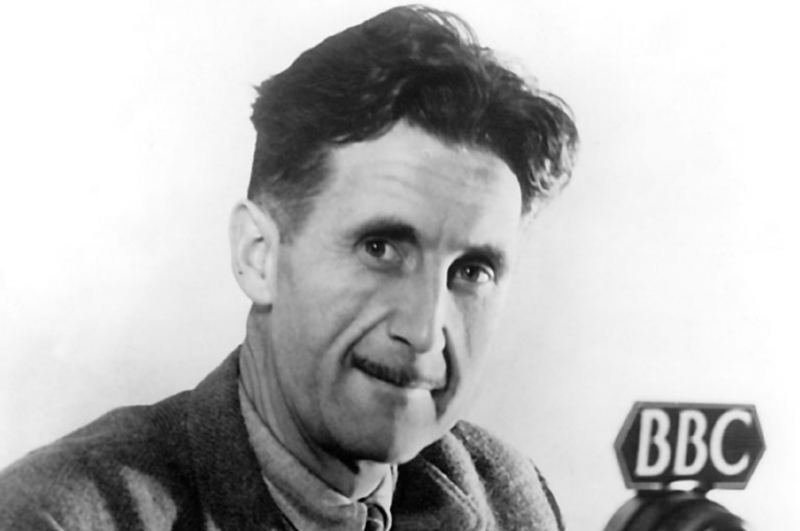
Image by BBC, via Wiki­me­dia Com­mons

Voltaire once joked that Britain had “a hun­dred reli­gions and only one sauce.” In my expe­ri­ence, that sauce is a cur­ry, which was already a British sta­ple in Voltaire’s time. No doubt he had some­thing much bland­er in mind. Of course, it’s all hyper­bol­ic fun until some­one takes offense, as did George Orwell in 1946, when he wrote, against Voltaire­an stereo­types, about the mis­un­der­stood plea­sures of British food. His essay, “British Cook­ery,” was com­mis­sioned by the British Coun­cil, but they sub­se­quent­ly deemed that it would be “’unwise to pub­lish,’” reports the Dai­ly Mail, “so soon after the hun­gry win­ter of 1946 and wartime rationing.”

Not that it mat­ters much now, but the Coun­cil has for­mal­ly apol­o­gized to the deceased Orwell, over 70 years lat­er. Senior pol­i­cy ana­lyst Alas­dair Don­ald­son explains they are “delight­ed to make amends” by pub­lish­ing the essay in full, along­side “the unfor­tu­nate rejec­tion let­ter.” You can read it here at the British Coun­cil site. Orwell grants that the British diet is “sim­ple, rather heavy, per­haps slight­ly bar­barous… with its main empha­sis on sug­ar and ani­mal fats…. Cheap restau­rants in Britain are almost invari­ably bad, while in expen­sive restau­rants the cook­ery is almost always French, or imi­ta­tion French.”

Else­where, he con­cedes, “the British are not great eaters of sal­ads.” Indeed, he says, “the two great short­com­ings of British cook­ery are a fail­ure to treat veg­eta­bles with due seri­ous­ness, and an exces­sive use of sug­ar.” He does go on at length, in fact, about what sounds like a nation­al epi­dem­ic of sug­ar addic­tion. Such laps­es of taste are also what we would now label a nutri­tion­al emer­gency. He may seem to grant too much to crit­ics of British cook­ing. But this is main­ly by con­trast with spici­er, more veg­etable-friend­ly cuisines of the con­ti­nent and colonies. The kind of cook­ing he describes makes cre­ative­ly var­ied uses of stur­dy but lim­it­ed local resources (except for the sug­ar).

Orwell’s bru­tal hon­esty about British food’s defi­cien­cies makes him sound like a trust­wor­thy guide to its true delights. One of the truths he tells is that “British cook­ery dis­plays more vari­ety and more orig­i­nal­i­ty than for­eign vis­i­tors are usu­al­ly ready to allow.” The aver­age vis­i­tor encoun­ters British food prin­ci­pal­ly in restau­rants, pubs, and hotels, which, “whether cheap or expen­sive” are not rep­re­sen­ta­tive of “the diet of the great mass of the peo­ple.” This may be said of many region­al cuisines. But Orwell is devot­ed to a native British cook­ing which had, at the time, almost dis­ap­peared after six years of war rationing.

This cook­ing is rich in roast and cold meats, cheeses, breads, York­shire and suet pud­dings, pota­toes and turnips. The British diet is, or was, Orwell writes, eat­en by the low­er and upper class­es alike, under dif­fer­ent names and prices. Sea­son­ings are few. “Gar­lic, for instance, is unknown in British cook­ery prop­er.” What stands out is mint, vine­gar, but­ter, dried fruits, jam, and mar­malade.

Orwell him­self includ­ed a mar­malade recipe. (A hand­writ­ten note reads “Bad recipe! Too much sug­ar and water.”), which you can see below. Decide for your­self how much sug­ar to add.

ORANGE MARMALADE 

Ingre­di­ents:

2 seville oranges

2 sweet oranges (no)

2 lemons (no)

8lbs of pre­serv­ing sug­ar

8 pints of water

Method. Wash and dry the fruit. Halve them and squeeze out the juice. Remove some of the pith, then shred the fruit fine­ly. Tie the pips in a muslin bag. Put the strained juice, rind and pips into the water and soak for 48 hours. Place in a large pan and sim­mer for 1/2 hours until the rind is ten­der. Leave to stand overnight, then add the sug­ar and let it dis­solve before bring­ing to the boil. Boil rapid­ly until a lit­tle of the mix­ture will set into a jel­ly when placed on a cold plate. Pour into jars which have been heat­ed before­hand, and cov­er with paper cov­ers.

An increas­ing num­ber of peo­ple are cut­ting back or quit­ting near­ly every main ingre­di­ent in what Orwell describes as authen­tic British cook­ing: from meat to dairy to gluten to sug­ar to suet…. But if we are going to give it a fair shake, he argues, we must try the real thing. Or his ver­sion of it any­way. He includes sev­er­al more recipes: Welsh rarebit, York­shire pud­ding, trea­cle tart, plum cake, and Christ­mas pud­ding.

Orwell’s “British Cook­ery” wars with itself and comes to terms. He fills each para­graph with frank acknowl­edge­ments of British cuisine’s short­com­ings, yet he rel­ish­es its sim­ple, sol­id virtues. He writes that “British cook­ery” is “best stud­ied in pri­vate hous­es, and more par­tic­u­lar­ly in the homes of the mid­dle-class and work­ing-class mass­es who have not become Euro­peanized in their tastes.” It’s a kind of cul­tur­al nation­al­ism, but per­haps one sug­gest­ing those who want oth­ers to under­stand and appre­ci­ate a spe­cif­ic kind British cul­ture should invite out­siders in to share a meal.

Relat­ed Con­tent:

George Orwell Explains How to Make a Prop­er Cup of Tea

Try George Orwell’s Recipe for Christ­mas Pud­ding, from His Essay “British Cook­ery” (1945)

George Orwell’s Five Great­est Essays (as Select­ed by Pulitzer-Prize Win­ning Colum­nist Michael Hiltzik)

Food­ie Alert: New York Pub­lic Library Presents an Archive of 17,000 Restau­rant Menus (1851–2008)

Josh Jones is a writer and musi­cian based in Durham, NC. Fol­low him at @jdmagness

America at War: Infographic Reveals How the U.S. Military Is Operating in 40% of the World’s Nations

Ear­li­er this month, NBC reporter and ana­lyst William Arkin end­ed a 30-year career as a jour­nal­ist, announc­ing in a “scathing let­ter,” Democ­ra­cy Now! reports, that “he would be leav­ing the net­work. Arkin accus­es “the media of war­mon­ger­ing while ignor­ing the, quote, ‘creep­ing fas­cism of home­land secu­ri­ty.’” He does not equiv­o­cate in a fol­low-up inter­view with Amy Good­man. “The gen­er­als and the nation­al secu­ri­ty lead­er­ship” are also now, he says, “the com­men­ta­tors and the ana­lysts who pop­u­late the news media” (Arkin him­self is a for­mer Army intel­li­gence offi­cer).

The prob­lem isn’t only NBC, in his esti­ma­tion, and it isn’t only sup­posed jour­nal­ists cheer­lead­ing for war. Most of the con­flicts the coun­try is cur­rent­ly engaged in are un- or under-report­ed in major sources. His let­ter “applies to all of the main­stream net­works, applies to CNN and Fox, as well…. We’ve just become so shal­low that we’re not real­ly able even to see the truth, which is that we’re at war right now in nine coun­tries around the world where we’re bomb­ing, and we hard­ly report any of it on a day-to-day basis.”

This isn’t the case with inde­pen­dent media orga­ni­za­tions like Democ­ra­cy Now!, The Inter­cept, or Air­wars. Sec­u­lar and reli­gious refugee relief orga­ni­za­tions like the Inter­na­tion­al Res­cue Com­mit­tee, World Relief, or Mus­lim Glob­al Relief are pay­ing atten­tion. Many of these orga­ni­za­tions are non‑U.S.-based or con­nect­ed to the “civil­ian experts” Arkin says once appeared reg­u­lar­ly in the nation­al media and rep­re­sent­ed oppos­ing views, “peo­ple who might be uni­ver­si­ty pro­fes­sors or activists… or experts who were asso­ci­at­ed with think tanks.”

Air­wars, affil­i­at­ed with the Depart­ment of Media and Com­mu­ni­ca­tions at Gold­smiths, Uni­ver­si­ty of Lon­don, has mon­i­tored con­flicts around the world since 2014, with exten­sive cov­er­age and records of alleged civil­ian deaths, mil­i­tary reports, and the names of vic­tims. For a com­pa­ra­ble U.S.-focused deep dive, see the Costs of War Project at Brown University’s Wat­son Insti­tute of Inter­na­tion­al & Pub­lic Affairs. The project’s web­site not only tracks the enor­mous eco­nom­ic costs of wars in the Mid­dle East and Africa since 9/11; it also tracks “the human toll,” as you can see in the video below.

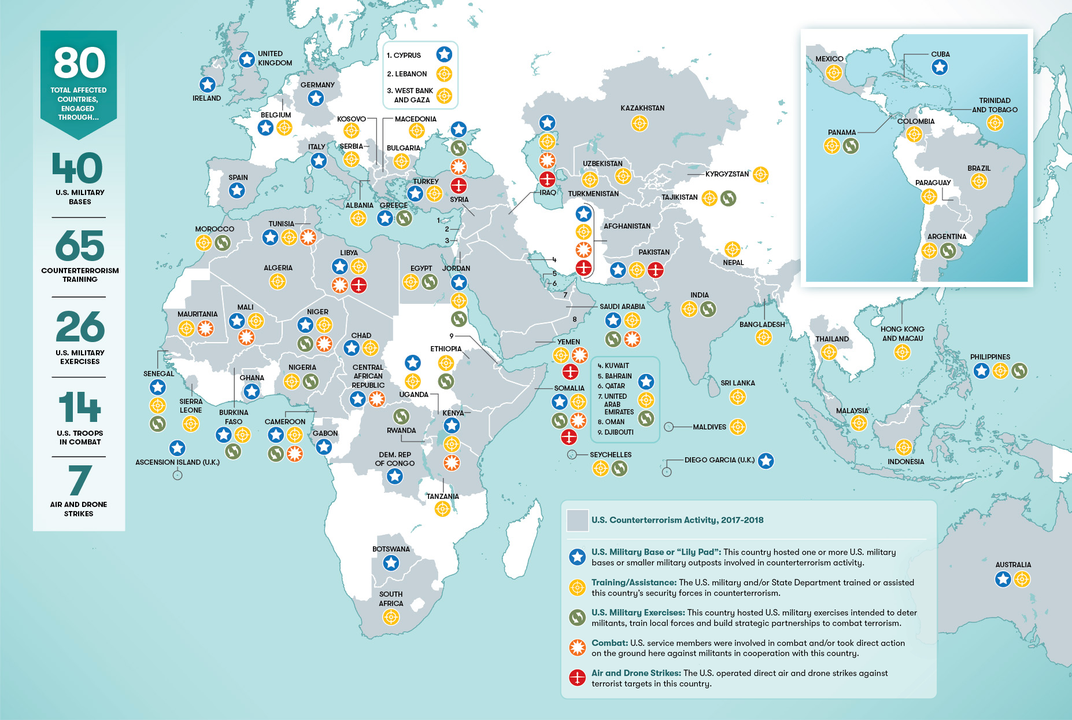
At the top of the post, see a map (view in a larg­er for­mat here) from the Cost of War Project’s Stephanie Savell, 5W Info­graph­ics, and the Smith­son­ian of all the regions where the U.S. is “com­bat­ting ter­ror­ism.” While most of the media orgs and non-prof­its men­tioned above would prob­a­bly dis­pute the use of that term in some or all of the con­flict zones, Savell sticks with the offi­cial lan­guage to describe the situation—one in which the nation “is now oper­at­ing in 40 per­cent of the world’s nations,” as she writes at Smithsonian.com.

Maybe no one needs an edi­to­r­i­al to imag­ine the enor­mous toll this lev­el of mil­i­tary engage­ment has tak­en over the course of 17 years since the incep­tion of the “Glob­al War on Ter­ror.” The map cov­ers the past two, illus­trat­ing “80 coun­tries, engaged through 40 U.S. mil­i­tary bases,” and con­duct­ing train­ing, exer­cis­es, active com­bat, and air and drone strikes on six con­ti­nents. The selec­tions, writes Savell, are “con­ser­v­a­tive,” and sourced from both inde­pen­dent and main­stream media out­lets and inter­na­tion­al gov­ern­ment and mil­i­tary sources.

“The most com­pre­hen­sive depic­tion in civil­ian cir­cles of U.S. mil­i­tary and gov­ern­ment antiter­ror­ist actions over­seas,” the Amer­i­ca at War map pro­vides infor­ma­tion we don’t often get in our daily—or hourly, or by-the-minute—diet of news. “Con­trary to what most Amer­i­cans believe, the war on ter­ror is not wind­ing down.” It is expand­ing. Giv­en the country’s his­to­ry of sus­tained mass move­ments against legal­ly sus­pect, gross­ly expen­sive wars with high civil­ian casu­al­ties, dis­ease epi­demics, star­va­tion, and refugee crises, one would think that a siz­able seg­ment of the pop­u­la­tion would want to know what their coun­try’s mil­i­tary and civil­ian defense con­trac­tors are doing around the world.

via Smithsonian.com

Relat­ed Con­tent:

The His­to­ry of the U.S. Civ­il War Visu­al­ized Month by Month and State by State, in an Info­graph­ic from 1897

An Archive of 800+ Imag­i­na­tive Pro­pa­gan­da Maps Designed to Shape Opin­ions & Beliefs: Enter Cornell’s Per­sua­sive Maps Col­lec­tion

It’s the End of the World as We Know It: The Apoc­a­lypse Gets Visu­al­ized in an Inven­tive Map from 1486

Josh Jones is a writer and musi­cian based in Durham, NC. Fol­low him at @jdmagness

Stephen Fry Narrates Two Animated Videos Explaining How Fear, Loathing & Misinformation Drove the Brexit Campaign

For mil­lions watch­ing in the UK and around the world, antic­i­pat­ing the loom­ing Brex­it dead­line over the past two years has been like watch­ing the slow­est train wreck in his­to­ry. But for those not fol­low­ing the cov­er­age dai­ly, the impend­ing UK seces­sion from the Euro­pean Union is mys­ti­fy­ing. Just how many trains are there, and where are they com­ing from, and how fast, exact­ly, are they going?

From the future of food and drug imports, to the sta­tus of the “cur­rent­ly invis­i­ble” bor­der between North­ern Ire­land and the Repub­lic of Ire­land, to all of the legal minu­ti­ae no one men­tioned dur­ing the cam­paign, the con­se­quences of the recent fail­ure of a Brex­it deal could be dis­as­trous. Were “leave” cam­paign­ers hon­est in their sale of Brex­it to the vot­ers? Did they have any idea how such a thing would work? Ample evi­dence shows the answer to both ques­tions is an unqual­i­fied No.

The Vote Leave cam­paign direc­tor now describes the ref­er­en­dum as a “dumb idea.” Wealthy UK res­i­dents, includ­ing many a Brex­it politi­cian, are fast mov­ing their assets out of the coun­try. So how did Brex­it get sold to vot­ers if it’s such a poten­tial cat­a­stro­phe? The usu­al meth­ods worked quite well, Stephen Fry explains in the video above.

By stok­ing xeno­pho­bic fears over migrants and refugees, Brex­i­teers, he says, cre­at­ed “false assump­tions about the EU, some very dark, and some com­i­cal.” They were assist­ed in con­jur­ing a “myth­i­cal EU drag­on” by tabloid jour­nal­ists who called migrants “cock­roach­es” and “fer­al humans.” Rhetoric indis­tin­guish­able from Nazi pro­pa­gan­da drove a spike in hate crimes on both sides of the Atlantic.

Despite the insis­tence of many vot­ers that their choice was not dri­ven by racial ani­mus, the Brex­it cam­paign, like the Trump cam­paign, Fry says above, unde­ni­ably was. The con­se­quences of these votes for migrant work­ers and refugees speak for them­selves. In the UK, There­sa May’s “hos­tile envi­ron­ment” poli­cies have deprived British cit­i­zens from migrant fam­i­lies of liveli­hoods and safe­ty. Some have faced threats of depor­ta­tion, a sit­u­a­tion sim­i­lar to that fac­ing the chil­dren of Viet­nam War refugees in the US.

Fry calls for iden­ti­fy­ing a “new ene­my” of the peo­ple: mis­lead­ing infor­ma­tion like the false claim that the NHS would save 350 mil­lion pounds a week after Brex­it and the repeat­ed lies in the U.S. about undoc­u­ment­ed immi­grants, crime, and ter­ror­ism. “Per­cep­tion of crime lev­els,” he says, “has become com­plete­ly detached from real­i­ty,” espe­cial­ly since the biggest secu­ri­ty threats come from hate crimes and right-wing vio­lence, a sit­u­a­tion report­ed on, warned about, and ignored, for sev­er­al years.

As in the US, so in the UK: relent­less­ly repeat­ed claims about “inva­sions” has cre­at­ed a very hos­tile envi­ron­ment for mil­lions of peo­ple. Are the facts like­ly to sway those vot­ers who were car­ried away by excess­es of hate and fear? Prob­a­bly not. But those who care about the truth should pay atten­tion to Fry’s debunk­ing. The facts about immi­gra­tion and oth­er issues used to sell far right poli­cies and politi­cians, as he out­lines in these videos, are entire­ly dif­fer­ent than what Brex­it lead­ers and their coun­ter­parts in the US want the pub­lic to believe.

Relat­ed Con­tent:

Brex­it 101: The UK’s Stun­ning Vote Explained in 4 Min­utes

Yale Pro­fes­sor Jason Stan­ley Iden­ti­fies 3 Essen­tial Fea­tures of Fas­cism: Invok­ing a Myth­ic Past, Sow­ing Divi­sion & Attack­ing Truth

George Orwell Iden­ti­fies the Main Ene­my of the Free Press: It’s the “Intel­lec­tu­al Cow­ardice” of the Press Itself

Josh Jones is a writer and musi­cian based in Durham, NC. Fol­low him at @jdmagness

How the CIA Helped Shape the Creative Writing Scene in America

Image by Arielle Fra­gas­si, via Flickr Com­mons

In May of 1967,” writes Patrick Iber at The Awl, “a for­mer CIA offi­cer named Tom Braden pub­lished a con­fes­sion in the Sat­ur­day Evening Post under the head­line, ‘I’m glad the CIA is ‘immoral.’” With the hard-boiled tone one might expect from a spy, but the can­dor one may not, Braden revealed the Agency’s fund­ing and sup­port of all kinds of indi­vid­u­als and activ­i­ties, includ­ing, per­haps most con­tro­ver­sial­ly, in the arts. Against objec­tions that so many artists and writ­ers were social­ists, Braden writes, “in much of Europe in the 1950’s [social­ists] were about the only peo­ple who gave a damn about fight­ing Com­mu­nism.”

What­ev­er truth there is to the state­ment, its seem­ing wis­dom has popped up again in a recent Wash­ing­ton Post op-ed by Son­ny Bunch, edi­tor and film crit­ic of the con­ser­v­a­tive Wash­ing­ton Free Bea­con. The CIA should once again fund “a cul­ture war against com­mu­nism,” Bunch argues. The export (to Chi­na) he offers as an exam­ple? Boots Riley’s hip, anti-neolib­er­al, satir­i­cal film Sor­ry to Both­er You, a movie made by a self-described Com­mu­nist.

Proud dec­la­ra­tions in sup­port of CIA fund­ing for “social­ists” may seem to take the sting out of moral out­rage over covert cul­tur­al tac­tics. But they fail to answer the ques­tion: what is their effect on artists them­selves, and on intel­lec­tu­al cul­ture more gen­er­al­ly? The answer has been ven­tured by writ­ers like Joel Whit­ney, whose book Finks looks deeply into the rela­tion­ship between dozens of famed mid-cen­tu­ry writ­ers and lit­er­ary magazines—especially The Paris Review—and the agency best known for top­pling elect­ed gov­ern­ments abroad.

In an inter­view with The Nation, Whit­ney calls the CIA’s con­tain­ment strate­gies “the inver­sion of influ­ence. It’s the instru­men­tal­iza­tion of writ­ing.… It’s the feel­ing of fear dic­tat­ing the rules of cul­ture, and, of course, there­fore, of jour­nal­ism.” Accord­ing to Eric Ben­nett, writ­ing at The Chron­i­cle of High­er Edu­ca­tion and in his book Work­shops of Empire, the Agency instru­men­tal­ized not only the lit­er­ary pub­lish­ing world, but also the insti­tu­tion that became its pri­ma­ry train­ing ground, the writ­ing pro­gram at the Uni­ver­si­ty of Iowa.

The Iowa Writer’s Work­shop “emerged in the 1930s and pow­er­ful­ly influ­enced the cre­ative-writ­ing pro­grams that fol­lowed,” Ben­nett explains. “More than half of the sec­ond-wave pro­grams, about 50 of which appeared by 1970, were found­ed by Iowa grad­u­ates.” The pro­gram “attained nation­al emi­nence by cap­i­tal­iz­ing on the fears and hopes of the Cold War”—at first through its direc­tor, self-appoint­ed cold war­rior Paul Engle, with fund­ing from CIA front groups, the Rock­e­feller Foun­da­tion, and major cor­po­ra­tions. (Kurt Von­negut, an Iowa alum, described Engle as “a hay­seed clown, a foxy grand­pa, a ter­rif­ic pro­mot­er, who, if you lis­tened close­ly, talks like a man with a paper ass­hole.”)

Under Engle writ­ers like Ray­mond Carv­er, Flan­nery O’Con­nor, Robert Low­ell, and John Berry­man went through the pro­gram. In the lit­er­ary world, its dom­i­nance is at times lament­ed for the impo­si­tion of a nar­row range of styles on Amer­i­can writ­ing. And many a writer has felt shut out of the pub­lish­ing world and its coter­ies of MFA pro­gram alums. When it comes to cer­tain kinds of writ­ing at least, some of them may be right—the sys­tem has been infor­mal­ly rigged in ways that date back to a time when the CIA and con­ser­v­a­tive fun­ders approved and spon­sored the high mod­ernist fic­tion beloved by the New Crit­ics, wit­ty real­ism akin to F. Scott Fitzgerald’s (and lat­er John Cheev­er), and mag­i­cal real­ism (part of the agen­cy’s attempt to con­trol Latin Amer­i­can lit­er­ary cul­ture.)

These cat­e­gories, it so hap­pens, rough­ly cor­re­spond to those Ben­nett iden­ti­fies as accept­able in his expe­ri­ence at the Iowa Writ­ers’ Work­shop, and to the writ­ing one finds fill­ing the pages of The Best Amer­i­can Short Sto­ries annu­al antholo­gies and the fic­tion sec­tion of The New York­er and The Paris Review. (Excep­tions often fol­low the path of James Bald­win, who refused to work with the agency, and whom Paris Review co-founder and CIA agent Peter Matthiessen sub­se­quent­ly derid­ed as “polem­i­cal.”)

Bennett’s per­son­al expe­ri­ences are mere­ly anec­do­tal, but his his­to­ry of the rela­tion­ships between the Iowa Writ­ers’ Work­shop, the explo­sion of MFA pro­grams in the last 40 years under its influ­ence, and the CIA and oth­er groups’ active spon­sor­ship are well-researched and sub­stan­ti­at­ed. What he finds, as Tim­o­thy Aubry sum­ma­rizes at The New York Times, is that “writ­ing pro­grams dur­ing the post­war peri­od” imposed a dis­ci­pline insti­tut­ed by Engle, “teach­ing aspir­ing authors cer­tain rules of pro­pri­ety.”

“Good lit­er­a­ture, stu­dents learned, con­tains ‘sen­sa­tions, not doc­trines; expe­ri­ences, not dog­mas; mem­o­ries, not philoso­phies.’” These rules have become so embed­ded in the aes­thet­ic canons that gov­ern lit­er­ary fic­tion that they almost go with­out ques­tion, even if we encounter thou­sands of exam­ples in his­to­ry that break them and still man­age to meet the bar of “good lit­er­a­ture.” What is meant by the phrase is a kind of currency—literature that will be sup­port­ed, pub­lished, mar­ket­ed, and cel­e­brat­ed. Much of it is very good, and much hap­pens to have suf­fi­cient­ly sat­is­fied the gate­keep­ers’ require­ments.

In a reduc­tive, but inter­est­ing anal­o­gy, Motherboard’s Bri­an Mer­chant describes “the Amer­i­can MFA sys­tem, spear­head­ed by the infa­mous Iowa Writ­ers’ Work­shop” as a “con­tent farm” first designed to opti­mize for “the spread of anti-Com­mu­nist pro­pa­gan­da through high­brow lit­er­a­ture.” Its algo­rithm: “More Hem­ing­way, less Dos Pas­sos.” As Aubry notes, quot­ing from Ben­net­t’s book:

Frank Con­roy, Engle’s longest-serv­ing suc­ces­sor, who taught Ben­nett, “want­ed lit­er­ary craft to be a pyra­mid.” At the base was syn­tax and gram­mar, or “Mean­ing, Sense, Clar­i­ty,” and the high­er lev­els tapered off into abstrac­tion. “Then came char­ac­ter, then metaphor … every­thing above metaphor Con­roy referred to as ‘the fan­cy stuff.’ At the top was sym­bol­ism, the fan­ci­est of all. You worked from the broad and basic to the rar­efied and abstract.”

The direct influ­ence of the CIA on the country’s pre­em­i­nent lit­er­ary insti­tu­tions may have waned, or fad­ed entire­ly, who can say—and in any case, the insti­tu­tions Whit­ney and Ben­nett write about have less cul­tur­al valence than they once did. But even so, we can see the effect on Amer­i­can cre­ative writ­ing, which con­tin­ues to occu­py a fair­ly nar­row range and show some hos­til­i­ty to work deemed too abstract, argu­men­ta­tive, exper­i­men­tal, or “post­mod­ern.” One result may be that writ­ers who want to get fund­ed and pub­lished have to con­form to rules designed to co-opt and cor­ral lit­er­ary writ­ing.

Relat­ed Con­tent:

How the CIA Fund­ed & Sup­port­ed Lit­er­ary Mag­a­zines World­wide While Wag­ing Cul­tur­al War Against Com­mu­nism

Read the CIA’s Sim­ple Sab­o­tage Field Man­u­al: A Time­less, Kafkaesque Guide to Sub­vert­ing Any Orga­ni­za­tion with “Pur­pose­ful Stu­pid­i­ty” (1944)

How the CIA Secret­ly Fund­ed Abstract Expres­sion­ism Dur­ing the Cold War

Josh Jones is a writer and musi­cian based in Durham, NC. Fol­low him at @jdmagness

The Thoughtful Note That George H.W. Bush Left on Bill Clinton’s Desk Before Leaving the White House (1993)

With the pass­ing of George H.W. Bush, Bill Clin­ton reflect­ed on the life and lega­cy of his polit­i­cal pre­de­ces­sor, and par­tic­u­lar­ly the thought­ful note that Bush 41 left on his desk, right before leav­ing the White House. Dat­ed Jan­u­ary 20, 1993, it read:

Dear Bill,

When I walked into this office just now I felt the same sense of won­der and respect that I felt four years ago. I know you will feel that, too.

I wish you great hap­pi­ness here. I nev­er felt the lone­li­ness some Pres­i­dents have described.

There will be very tough times, made even more dif­fi­cult by crit­i­cism you may not think is fair. I’m not a very good one to give advice; but just don’t let the crit­ics dis­cour­age you or push you off course.

You will be our Pres­i­dent when you read this note. I wish you well. I wish your fam­i­ly well.

Your suc­cess now is our country’s suc­cess. I am root­ing hard for you.

Good luck—

George

It’s hard not to see this let­ter as a rel­ic of an irre­triev­able age in Amer­i­can pol­i­tics. But Clin­ton won’t quite buy that. He writes today in the Wash­ing­ton Post: “Giv­en what pol­i­tics looks like in Amer­i­ca and around the world today, it’s easy to sigh and say George H.W. Bush belonged to an era that is gone and nev­er com­ing back — where our oppo­nents are not our ene­mies, where we are open to dif­fer­ent ideas and chang­ing our minds, where facts mat­ter and where our devo­tion to our children’s future leads to hon­est com­pro­mise and shared progress. I know what he would say: ‘Non­sense. It’s your duty to get that Amer­i­ca back.’ ” Soon enough, after enough sturm and drang, the major­i­ty of Amer­i­cans (Elec­toral Col­lege includ­ed) may be ready to sign up for that.

If you would like to sign up for Open Culture’s free email newslet­ter, please find it here. It’s a great way to see our new posts, all bun­dled in one email, each day.

If you would like to sup­port the mis­sion of Open Cul­ture, con­sid­er mak­ing a dona­tion to our site. It’s hard to rely 100% on ads, and your con­tri­bu­tions will help us con­tin­ue pro­vid­ing the best free cul­tur­al and edu­ca­tion­al mate­ri­als to learn­ers every­where. You can con­tribute through Pay­Pal, Patre­on, and Ven­mo (@openculture). Thanks!

Relat­ed Con­tent:

The 2,000+ Films Watched by Pres­i­dents Nixon, Carter & Rea­gan in the White House

Gonzo Illus­tra­tor Ralph Stead­man Draws the Amer­i­can Pres­i­dents, from Nixon to Trump

Barack Oba­ma Shares a List of Enlight­en­ing Books Worth Read­ing

by | Permalink | Make a Comment ( 6 ) |

When South Africa Banned Pink Floyd’s The Wall After Students Chanted “We Don’t Need No Education” to Protest the Apartheid School System (1980)

When Apartheid states get the bless­ing of pow­er­ful nations, lob­bies, and cor­po­ra­tions, they seem to feel empow­ered to do what­ev­er they want. Such was the case, for a time, in South Africa, the coun­try that coined the term when it put its ver­sion of racial seg­re­ga­tion in place in 1948. The Apartheid sys­tem final­ly col­lapsed in 1991, decades after its coun­ter­part in the U.S.—its undo­ing the accu­mu­lat­ed weight of glob­al con­dem­na­tion, UN sanc­tion, boy­cotts, and grow­ing pres­sure from cit­i­zens in wealthy coun­tries.

Of course, cen­tral to Apartheid’s demise were the out­cries and actions of celebri­ty musi­cians. One such celebri­ty, Roger Waters, hasn’t stopped using his fame to lob­by for change, a char­ac­ter­is­tic that can some­times make him seem sanc­ti­mo­nious, but which also gave his most com­pelling Pink Floyd songs an urgency and bite that holds many decades lat­er, even though the cir­cum­stances are much changed (or not). Lines like “we don’t need no thought con­trol” have as much cur­ren­cy now as they did forty years ago.

No doubt, some of the most stri­dent, per­son­al, and pow­er­ful music Waters wrote for the band comes from The Wall. The rock opera to beat all rock operas, it turned out, pro­vid­ed a ral­ly­ing cry for South African stu­dents, who chant­ed the noto­ri­ous lyrics sung by a chil­dren’s cho­rus in “Anoth­er Brick in the Wall (Part II)” to protest racial inequal­i­ties in the school sys­tem. “We don’t need no edu­ca­tion,” they sang in uni­son, and the song “held the top spot on the local charts for almost three months,” writes Nick Deriso at Ulti­mate Clas­sic Rock, “a total of sev­en weeks longer than it did in Amer­i­ca.”

Threat­ened by the phe­nom­e­non, the South African gov­ern­ment banned the song, then the whole album, in 1980, impos­ing what Waters called “a cul­tur­al block­ade… on cer­tain songs.” Deriso explains that “South Africa’s Direc­torate of Pub­li­ca­tions held sweep­ing pow­er in that era to ban books, movies, plays, posters, arti­cles of cloth­ing and, yes, music that it deemed ‘polit­i­cal or moral­ly unde­sir­able.’” The cen­sors were not the only peo­ple to inter­pret the song as a threat. “Peo­ple were real­ly dri­ven to fren­zies of rage by it,” Waters remem­bers.

He has since played the song all over the world, includ­ing Berlin in 1990, and he spray paint­ed its lyrics on the wall in the West Bank in 2006. “Twen­ty-five years lat­er,” he writes at The GuardianThe Wall still res­onat­ed, this time with Pales­tin­ian chil­dren, who “used the song to protest Israel’s wall around the West Bank. They sang: ‘We don’t need no occu­pa­tion! We don’t need no racist wall!” Waters com­pares the cur­rent boy­cott cam­paign to the refusal of major stars in the 80s to play South Africa’s Sun City resort “until apartheid fell and white peo­ple and black peo­ple enjoyed equal rights.”

As for the dura­bil­i­ty of “Anoth­er Brick in the Wall (Part II)” as a ral­ly­ing cry for young activists, the best com­ment may come from an unlike­ly source—the Arch­bish­op of Can­ter­bury, who “went on record,” Waters writes, “say­ing that if it’s very pop­u­lar with school kids, then it must in some way be express­ing some feel­ings that they have them­selves. If one doesn’t like it, or how­ev­er one feels about it, one should take the oppor­tu­ni­ty of using it as a start­ing point for discussion—which was exact­ly how I felt about it.”

Relat­ed Con­tent:

How Pink Floyd’s “Com­fort­ably Numb” Was Born From an Argu­ment Between Roger Waters & David Gilmour

Under­stand­ing Pink Floyd’s Wish You Were Here, Their Trib­ute to Depart­ed Band­mate Syd Bar­rett

Hear a 4 Hour Playlist of Great Protest Songs: Bob Dylan, Nina Simone, Bob Mar­ley, Pub­lic Ene­my, Bil­ly Bragg & More

Josh Jones is a writer and musi­cian based in Durham, NC. Fol­low him at @jdmagness

An Archive of 800+ Imaginative Propaganda Maps Designed to Shape Opinions & Beliefs: Enter Cornell’s Persuasive Maps Collection

We tend to take a very spe­cial inter­est in archives and maps on this site—and espe­cial­ly in archives of maps. Yet it is rare, if not unheard of, to dis­cov­er a map archive in which every sin­gle entry repays atten­tion. The PJ Mode Per­sua­sive Car­tog­ra­phy Col­lec­tion at Cor­nell Uni­ver­si­ty Library is such an archive. Each map in the col­lec­tion, from the most sim­pli­fied to the most elab­o­rate, tells not only one sto­ry, but sev­er­al, over­lap­ping ones about its cre­ators, their intend­ed audi­ence, their antag­o­nists, the con­scious and uncon­scious process­es at work in their polit­i­cal psy­ches, the geo-polit­i­cal view from where they stood.

Maps drawn as pro­pa­gan­da must be broad and bold, cast­ing aside pre­ci­sion for the press­ing mat­ter at hand. Even when fine­ly detailed or laden with sta­tis­tics, such maps press their mean­ing upon us with unsub­tle force.

One espe­cial­ly res­o­nant exam­ple of per­sua­sive car­tog­ra­phy, for exam­ple, at the top shows us an ear­ly ver­sion of a wide­ly-used motif—the “Car­to­graph­ic Land Octo­pus,” or CLO, as Frank Jacobs dubs it at Big Think. The CLO has nev­er gone out of style since its like­ly ori­gin in J.J. van Brederode’s “Humor­ous War Map” of 1870, which depicts Rus­sia as a mon­strous mol­lusk. Lat­er, Car­i­ca­tur­ist Fred W. Rose print­ed a reprise, the “Serio-Com­ic War Map for the Year 1877.”

A full twen­ty-sev­en years lat­er, a Japan­ese stu­dent used the very same design for his satir­i­cal map of Rus­sia-as-Octo­pus, the occa­sion this time the Rus­so-Japan­ese War. Titled “A Humor­ous Diplo­mat­ic Atlas of Europe and Asia,” the Japan­ese map cites Rose, or “a cer­tain promi­nent Eng­lish­man,” as its inspi­ra­tion. Its text reads, in part:

The black octo­pus is so avari­cious, that he stretch­es out his eight arms in all direc­tions, and seizes up every thing that comes with­in his reach. But as it some­times hap­pens he gets wound­ed seri­ous­ly even by a small fish, owing to his too much cov­etous­ness.

No doubt Russ­ian per­sua­sive car­tog­ra­phers had a dif­fer­ent view of who was or wasn’t an octo­pus. Many years after his octo­pus map, Fred Rose dropped sea crea­tures for fish­ing in anoth­er of his serio-com­ic maps, “Angling in Trou­bled Waters,” above, this one from 1899, and show­ing Rus­sia as a mas­sive incar­na­tion of the tsar, his boots posed to walk all over Europe. After the rev­o­lu­tion, the Russ­ian octo­pus returned, bear­ing dif­fer­ent names but no less men­ac­ing a beast.

Many maps in the col­lec­tion show con­tra­dic­to­ry views of Rus­sia, or Great Britain, or what­ev­er world pow­er at the time threat­ened to over­run every­one else. It’s inter­est­ing to see the con­ti­nu­ity of such depic­tions over decades, and cen­turies (Jacobs shows exam­ples of Russ­ian octopi from 1938 and 2008). The map above from 1938 reflects “Nazi expan­sion­ist goals,” notes Cornell’s dig­i­tal col­lec­tions, by show­ing the sup­posed “Ger­man” pop­u­la­tions scat­tered all over Europe and the need, as Hitler argued in the quot­ed speech, to pro­tect and lib­er­ate “nation­al com­rades” by means of annex­a­tion, bomb­ing, and inva­sion.

Where the blood red of the Ger­man map rep­re­sents the “blood” of the volk, in the map above, from 1917, it stands in for the blood of every­one else if the “lead­ers of Ger­man thought” get what they want. Where the Reich map took aim at Europe, the quot­ed “for­mer gen­er­als,” notes Cor­nell, “and well-known Panger­man­ists” in the WWI-era map above want­ed to col­o­nize most of the world, a par­tic­u­lar affront to the British, who were well on their way to doing so, and to a less­er degree, the French, who want­ed to. These two world pow­ers had been at it far longer, how­ev­er, and not with­out fierce oppo­si­tion at home as well as in the colonies.

The famous eigh­teenth cen­tu­ry British car­i­ca­tur­ist James Gillray’s most famous print, from 1805, shows William Pitt and Napoleon seat­ed at table, carv­ing up the world between them to con­sume it.

A steam­ing ‘plum-pud­ding’ globe, both intent on carv­ing them­selves a sub­stan­tial por­tion…. Pitt appears calm, metic­u­lous and con­fi­dent, spear­ing the pud­ding with a tri­dent indica­tive of British naval suprema­cy. He lays claim to the oceans and the West Indies. In con­trast Napoleon Bona­parte reach­es from this chair with cov­etous, twitch­ing eyes fixed on the prize of Europe and cuts away France, Hol­land, Spain, Switzer­land, Italy and the Mediter­ranean.

Gillray’s car­toon hard­ly counts as a “map” but it deserves inclu­sion in this fine col­lec­tion. Oth­er notable maps fea­tured include the 1904 “Dis­tri­b­u­tion of Crime & Drunk­en­ness in Eng­land and Wales,”a study in the per­sua­sive use of cor­re­la­tion; the 1856 “Reynold’s Polit­i­cal Map of the Unit­ed States,” illus­trat­ing the “stakes involved in the poten­tial spread of slav­ery to the West­ern States” in sup­port of the Repub­li­can Pres­i­den­tial can­di­date John Fre­mont; and the French Com­mu­nist Party’s 1951 “Who is the Aggres­sor?” which shows Amer­i­can mil­i­tary bases around the world, their guns—or big black arrows—pointed at Chi­na and the U.S.S.R.

There are hun­dreds more per­sua­sive maps, illus­trat­ing views the­o­log­i­cal, polit­i­cal, social, mechan­i­cal, and oth­er­wise, dat­ing from the 15th cen­tu­ry to the 2000s. You can browse the whole col­lec­tion or by date, cre­ator, sub­ject, repos­i­to­ry, and for­mat. All of the maps are anno­tat­ed with cat­a­log infor­ma­tion and collector’s notes explain­ing their con­text. And all of them, from the friv­o­lous to the world-his­tor­i­cal, tell us far more than they intend­ed with their pecu­liar ways of spa­tial­iz­ing prej­u­dices, fears, desires, beliefs, obses­sions, and overt bias­es.

“Every map has a Who, What, Where and When about it,” as col­lec­tor PJ Mode writes on the Cor­nell site. “But these maps had anoth­er ele­ment: Why? Since they were pri­mar­i­ly ‘about’ some­thing oth­er than geog­ra­phy, under­stand­ing the map required find­ing the rea­son­ing behind it.” The most recent entry in the archive, Christo­pher Neiman’s 2011 “World Map of Use­less Stereo­types” from The New York Times Mag­a­zine turns the per­sua­sive map in on itself, using its satir­i­cal devices to poke fun at propaganda’s reduc­tive effects.

Relat­ed Con­tent:

The His­to­ry of Car­tog­ra­phy, “the Most Ambi­tious Overview of Map Mak­ing Ever Under­tak­en,” Is Free Online

Down­load 67,000 His­toric Maps (in High Res­o­lu­tion) from the Won­der­ful David Rum­sey Map Col­lec­tion

An Atlas of Lit­er­ary Maps Cre­at­ed by Great Authors: J.R.R Tolkien’s Mid­dle Earth, Robert Louis Stevenson’s Trea­sure Island & More

Josh Jones is a writer and musi­cian based in Durham, NC. Fol­low him at @jdmagness

The Journal of Controversial Ideas, Co-Founded by Philosopher Peter Singer, Will Publish & Defend Pseudonymous Articles, Regardless of the Backlash

Pho­to of Peter Singer by Mat Vick­ers, via Wiki­me­dia Com­mons

Aus­tralian bioethi­cist Peter Singer has made head­lines as few philoso­phers do with claims about the moral sta­tus of ani­mals and the “Singer solu­tion to world pover­ty,” and with far more con­tro­ver­sial posi­tions on abor­tion and dis­abil­i­ty. Many of his claims have placed him out­side the pale for stu­dents at Prince­ton, his cur­rent employ­er, where he has faced protests and calls for his ter­mi­na­tion. “I favor the abil­i­ty to put new ideas out there for dis­cus­sion,” he has said in response to what he views as a hos­tile aca­d­e­m­ic cli­mate, “and I see an atmos­phere in which some peo­ple may be inti­mat­ed from doing that.”

For those who, like him, make con­tro­ver­sial argu­ments such as those for euth­a­niz­ing “defec­tive infants,” for exam­ple, as he wrote about in his 1979 Prac­ti­cal Ethics, Singer has decid­ed to launch a new venue, The Jour­nal of Con­tro­ver­sial Ideas. As The Chron­i­cle of High­er Edu­ca­tion reports, the jour­nal aims to be “an annu­al, peer-reviewed, open-access pub­li­ca­tion that will print wor­thy papers, and stand behind them, regard­less of the back­lash.” The idea, says Singer, “is to estab­lish a jour­nal where it’s clear from the name and object that con­tro­ver­sial ideas are wel­come.”

Is it true that “con­tro­ver­sial ideas” have been denied a hear­ing else­where in acad­e­mia? The wide­ly-cov­ered tac­tics of “no-plat­form­ing” prac­ticed by some cam­pus activists have cre­at­ed the impres­sion that cen­sor­ship or illib­er­al­ism in col­leges and uni­ver­si­ties has become an epi­dem­ic prob­lem. No so, argues Princeton’s Eddie Glaude, Jr., who points out that fig­ures who have been dis­in­vit­ed to speak at cer­tain insti­tu­tions have been wel­comed on dozens of oth­er cam­pus­es “with­out it becom­ing a nation­al spec­ta­cle.” Sen­sa­tion­al­ized cam­pus protests are “not the norm,” as many would have us believe, he writes.

But the ques­tion Singer and his co-founders pose isn’t whether con­tro­ver­sial ideas get aired in debates or lec­ture forums, but whether schol­ars have been cen­sored, or have cen­sored them­selves, in the spe­cial­ized forums of their fields, the aca­d­e­m­ic jour­nals. Singer’s co-founder/ed­i­tor Jeff McMa­han, pro­fes­sor of moral phi­los­o­phy at Oxford, believes so, as he told the BBC in a Radio 4 doc­u­men­tary called “Uni­ver­si­ty Unchal­lenged.” The new jour­nal, said McMa­han, “would enable peo­ple whose ideas might get them in trou­ble either with the left or with the right or with their own uni­ver­si­ty admin­is­tra­tion, to pub­lish under a pseu­do­nym.”

Those who feel cer­tain posi­tions might put their career in jeop­ardy will have cov­er, but McMa­han declares that “the screen­ing pro­ce­dure” for pub­li­ca­tion “will be as rig­or­ous as those for oth­er aca­d­e­m­ic jour­nals. The lev­el of qual­i­ty will be main­tained.” Some skep­ti­cism may be war­rant­ed giv­en the journal’s intent to pub­lish work from every dis­ci­pline. The edi­tors of spe­cial­ist jour­nals bring net­works of review­ers and spe­cial­ized knowl­edge them­selves to the usu­al vet­ting process. In this case, the core found­ing team are all philoso­phers: Singer, McMa­han, and Francesca Min­er­va, post­doc­tor­al fel­low at the Uni­ver­si­ty of Ghent.

One might rea­son­ably ask how that process can be “as rig­or­ous” on this whole­sale scale. Though the BBC reports that there will be an “intel­lec­tu­al­ly diverse inter­na­tion­al edi­to­r­i­al board,” board mem­bers are rarely very involved in the edi­to­r­i­al oper­a­tions of an aca­d­e­m­ic jour­nal. Justin Wein­berg at Dai­ly Nous has some oth­er ques­tions, includ­ing whether the degree, or exis­tence, of aca­d­e­m­ic cen­sor­ship even war­rants the journal’s cre­ation. “No evi­dence was cit­ed,” he writes “to sup­port the claim that ‘a cul­ture of fear and self-cen­sor­ship’ is pre­vent­ing arti­cles that would pass a review process” from see­ing pub­li­ca­tion.

Fur­ther­more, Wein­berg says, the journal’s puta­tive founders have giv­en no argu­ment “to allay what seems to be a rea­son­able con­cern that the cre­ation of such a jour­nal will fos­ter more of a ‘cul­ture of fear and self-cen­sor­ship’ com­pared to oth­er options, or that it plays into and rein­forces exper­tise-under­min­ing mis­con­cep­tions about acad­e­mia bandied about in pop­u­lar media that may have neg­a­tive effects…. Giv­en that the found­ing team is com­prised of peo­ple not­ed for views that empha­size empir­i­cal facts and con­se­quences, one might rea­son­ably hope for a pub­lic dis­cus­sion of such evi­dence and argu­ments.”

Should schol­ars pub­lish pseu­do­ny­mous­ly in peer-reviewed jour­nals? Shouldn’t they be will­ing to defend their ideas on the mer­its with­out hid­ing their iden­ti­ty? Is such sub­terfuge real­ly nec­es­sary? “Right now,” McMa­han asserts, “in cur­rent con­di­tions some­thing like this is need­ed…. I think all of us will be very hap­py if, and when, the need for such a jour­nal dis­ap­pears, and the soon­er the bet­ter.” Giv­en that the journal’s co-founders paint such a broad­ly dire pic­ture of the state of acad­e­mia, it’s rea­son­able to ask for more than anec­do­tal evi­dence of their claims. A few high-pro­file inci­dents do not prove a wide­spread cul­ture of repres­sion.

It is also “fair to won­der,” writes Annabelle Tim­sit at Quartz, “whether the board of a jour­nal ded­i­cat­ed to free speech might have a bias toward pub­lish­ing par­tic­u­lar­ly con­tro­ver­sial ideas in the inter­est of free­dom of thought” over the inter­ests of good schol­ar­ship and sound eth­i­cal prac­tice.

via Dai­ly Nous

Relat­ed Con­tent:

A New Aca­d­e­m­ic Hoax–Complete with Fake Arti­cles Pub­lished in Aca­d­e­m­ic Journals–Ventures to Show the “Cor­rup­tion” of Cul­tur­al Stud­ies

What Are the Most Influ­en­tial Books Writ­ten by Schol­ars in the Last 20 Years?: Lead­ing Aca­d­e­mics Pick “The New Canon”

The 20 Most Influ­en­tial Aca­d­e­m­ic Books of All Time: No Spoil­ers

Josh Jones is a writer and musi­cian based in Durham, NC. Fol­low him at @jdmagness

« Go BackMore in this category... »
Quantcast