An Animated Intro to the Ideas of Jacques Lacan, “the Greatest French Psychoanalyst of the 20th Century”

You may still suf­fer from painful mem­o­ries of hav­ing had to read Jacques Lacan in school, but look past all that ver­biage about, say, desire’s “fren­zied mock­ing of the abyss of the infi­nite, the secret col­lu­sion with which it envelops the plea­sure of know­ing and of dom­i­nat­ing with jouis­sance,” and you can find real insights into human­i­ty. The ani­mat­ed primer from Alain de Bot­ton’s School of Life just above will give you a clear sense — a much clear­er sense than any you might get from Lacan’s own prose — of what “the great­est French psy­cho­an­a­lyst of the 20th cen­tu­ry” under­stood about us all.


This video, as well as Lacan’s entry in The Book of Life, breaks the man’s thought down into three parts. First, iden­ti­ty: fol­low­ing his fas­ci­na­tion with the dis­tinc­tive­ly human expe­ri­ence of rec­og­niz­ing one’s own image, Lacan ulti­mate­ly sug­gests that “we accept that oth­er peo­ple sim­ply won’t ever expe­ri­ence us the way we expe­ri­ence our­selves; that we will be almost entire­ly mis­un­der­stood – and will in turn deeply mis­un­der­stand.” Sec­ond, love: though giv­en to grand state­ments such as “Men and women don’t exist,” Lacan com­pre­hend­ed “the extent to which we don’t tru­ly com­pre­hend our lovers and sim­ply peg a range of fan­tasies drawn from child­hood expe­ri­ences to their phys­i­cal forms,” which sup­ports the emi­nent­ly prac­ti­cal advice “not to be upset when we don’t feel a per­fect rap­port with some­one who ini­tial­ly seemed a soul­mate.”

The third part deals with the are­na in which Lacan’s writ­ings remain most often con­sid­ered: pol­i­tics. He came into his own as an inter­na­tion­al “intel­lec­tu­al celebri­ty” in the 1960s, the time of “the sex­u­al rev­o­lu­tion, great inter­est in com­mu­nism, and lots of protests.” But he actu­al­ly took a dim­mer view of all that agi­ta­tion than many, telling those stu­dent pro­test­ers chomp­ing at the bit to remake soci­ety that “What you aspire to as rev­o­lu­tion­ar­ies is a new mas­ter. You will get one.” He saw ear­ly on what we still see in every elec­tion cycle: that “we desire to have some­one else in charge who can make every­thing OK, some­one who is, in a sense, an ide­al par­ent – and we bring this pecu­liar-sound­ing bit of our psy­cho­log­i­cal fan­tasies into the way we nav­i­gate pol­i­tics.”

You can watch Lacan engag­ing with one par­tic­u­lar­ly rebel­lious stu­dent in a 1972 video we fea­tured a few years ago, and you can see an hour­long lec­ture he deliv­ered at the Catholic Uni­ver­si­ty of Lou­vain that same year in this video we post­ed before that. Empow­ered by the kind of overview of Lacan’s ideas that the School of Life has put togeth­er, you can bet­ter con­front his famous­ly (or infa­mous­ly) elab­o­rate rhetoric and judge for your­self whether to con­sid­er him a thinker who “made some extreme­ly use­ful addi­tions to our under­stand­ing of our­selves” — or, in the judg­ment of Noam Chom­sky, a mere prac­ti­tion­er of emp­ty “pos­tur­ing.” But then, hav­ing lived a life that, as de Bot­ton puts it, mixed “intel­lec­tu­al truth with world­ly suc­cess,” can’t he be both?

Relat­ed Con­tent:

Charis­mat­ic Psy­cho­an­a­lyst Jacques Lacan Gives Pub­lic Lec­ture (1972)

Jacques Lacan’s Con­fronta­tion with a Young Rebel: Clas­sic Moment, 1972

Jacques Lacan Talks About Psy­cho­analy­sis with Panache (1973)

Noam Chom­sky Slams Žižek and Lacan: Emp­ty ‘Pos­tur­ing’

Based in Seoul, Col­in Mar­shall writes and broad­casts on cities, lan­guage, and style. He’s at work on a book about Los Ange­les, A Los Ange­les Primer, the video series The City in Cin­e­ma, the crowd­fund­ed jour­nal­ism project Where Is the City of the Future?, and the Los Ange­les Review of Books’ Korea Blog. Fol­low him on Twit­ter at @colinmarshall or on Face­book.

The Art Market Demystified in Four Short Documentaries

Spend an hour or two at MoMA, Tate Mod­ern, or some oth­er world class muse­um and inevitably you’’ll over­hear some vari­a­tion of “my sev­en-year-old could paint that.”

May­haps, Madam, but how much would it fetch at auc­tion?

As a new doc­u­men­tary series, the Art Mar­ket (in Four Parts), makes clear, the mon­e­tary val­ue of art is tricky to assign.

There are excep­tions, of course, such as in the irre­sistible Picas­so anec­dote cit­ed in the trail­er, above.

Usu­al­ly how­ev­er, even the experts must resort to an edu­cat­ed guess, based on a num­ber of fac­tors, none of which can tell the whole sto­ry.

As jour­nal­ist and for­mer direc­tor of New York’s White Columns gallery, Josh Baer, points out in the series’ first episode below, even art mar­ket indices are an unre­li­able tool for assess­ing worth. A por­trait of actress Eliz­a­beth Tay­lor by Andy Warhol failed to attract a sin­gle bid at auc­tion, though art­net Price Data­base report­ed sales of between $27 mil­lion and $31.5 mil­lion for oth­er “Liz” paint­ings by the same artist.

I’d have thought a sig­na­ture as famous as Warhol’s would con­fer the same sort of ins­ta-worth Picas­so claimed his John Han­cock did.

The unpre­dictabil­i­ty of final sales fig­ures has led auc­tion hous­es to issue guar­an­tees in return for a split of the prof­its, a prac­tice Sotheby’s North and South Amer­i­ca chair­man, Lisa Den­ni­son, likens to an insur­ance pol­i­cy for the sell­er.

With the excep­tion of the ill-fat­ed Warhol’s great big goose egg, the num­bers bat­ted around by the series’ influ­en­tial talk­ing heads are pret­ty stag­ger­ing. Snap­py edit­ing also lends a sense of art world glam­our, though gal­lerist Michele Mac­carone betrays a cer­tain weari­ness that may come clos­er to the true ener­gy at the epi­cen­ter of the scene.

As for me, I couldn’t help think­ing back to my days as a recep­tion­ist in a com­mer­cial gallery on Chicago’s tourist friend­ly Mag­nif­i­cent Mile. I was con­temp­tu­ous of most of the stuff on our walls, which ran heav­i­ly to pas­tel gar­den par­ties and har­le­quins posed in front of rec­og­niz­able land­marks. One day, a cou­ple who’d wan­dered in on impulse dropped a ridicu­lous sum on a florid beach scene, com­plete with shim­mer­ing rain­bows. Rich they may have been, but their utter lack of taste was appalling, at least until the wife excit­ed­ly con­fid­ed that the paint­ing’s set­ting remind­ed them of their long ago Hawai­ian hon­ey­moon. That clar­i­fied a lot for me as to art’s true val­ue. I hope that the cou­ple is still alive and enjoy­ing the most for their money’s worth, every sin­gle day.

The Art Market’s oth­er three parts, “Gal­leries,” “Patrons,” and “Art Fairs,” will be released week­ly through mid-June. And we’ll try to add them to this post, as they roll out.

Relat­ed Con­tent:

Warhol: The Bell­wether of the Art Mar­ket

Braque in Bulk: Cost­co Gets Back into the Fine Art Mar­ket

1933 Arti­cle on Fri­da Kahlo: “Wife of the Mas­ter Mur­al Painter Glee­ful­ly Dab­bles in Works of Art”

Ayun Hal­l­i­day is an author, illus­tra­tor, and Chief Pri­ma­tol­o­gist of the East Vil­lage Inky zine. She wrote about her brief stint as a gallery recep­tion­ist in her third book, Job Hop­per: The Check­ered Career of a Down-Mar­ket Dilet­tante. Fol­low her @AyunHalliday

Daily Meditation Boosts & Revitalizes the Brain and Reduces Stress, Harvard Study Finds

I don’t mean to sound dra­mat­ic, but med­i­ta­tion may have saved my life. Dur­ing a par­tic­u­lar­ly chal­leng­ing time of over­work, under­pay, and seri­ous fam­i­ly dis­tress, I found myself at dan­ger­ous, near-stroke lev­els of high cho­les­terol and blood pres­sure, and the begin­nings of near-crip­pling ear­ly-onset arthri­tis. My doc­tors were alarmed. Some­thing had to change. Unable to make stress­ful out­er cir­cum­stances dis­ap­pear, I had to find con­struc­tive ways to man­age my respons­es to them instead. Yoga and med­i­ta­tion made the dif­fer­ence.

I’m hard­ly alone in this jour­ney. The lead­ing cause of death in the U.S. is heart dis­ease, fol­lowed close­ly by stroke, dia­betes, and depres­sion lead­ing to suicide—all con­di­tions exac­er­bat­ed by high lev­els of stress and anx­i­ety. In my own case, a changed diet and dai­ly exer­cise played a cru­cial role in my phys­i­cal recov­ery, but those dis­ci­plines would not even have been pos­si­ble to adopt were it not for the calm­ing, cen­ter­ing effects of a dai­ly med­i­ta­tion prac­tice.

Anec­dotes, how­ev­er, are not evi­dence. We are bom­bard­ed with claims about the mir­a­cle mag­ic of “mind­ful­ness,” a word that comes from Bud­dhism and describes a kind of med­i­ta­tion that focus­es on the breath and body sen­sa­tions as anchors for present-moment aware­ness. Some form of “mind­ful­ness based stress reduc­tion” has entered near­ly every kind of ther­a­py, reha­bil­i­ta­tion, cor­po­rate train­ing, and pain man­age­ment, and the word has been a mar­ket­ing totem for at least a sol­id decade now. No one ever needs to men­tion the B‑word in all this med­i­ta­tion talk. As one med­i­ta­tion teacher tells his begin­ner stu­dents, “Bud­dhism can­not exist with­out mind­ful­ness, but mind­ful­ness can exist per­fect­ly well with­out Bud­dhism.”

So, no need to believe in rein­car­na­tion, renun­ci­a­tion, or high­er states of con­scious­ness, fine. But does med­i­ta­tion real­ly change your brain? Yes. Aca­d­e­m­ic researchers have con­duct­ed dozens of stud­ies on how the prac­tice works, and have near­ly all con­clud­ed that it does. “There’s more than an arti­cle a day on the sub­ject in peer-reviewed jour­nals,” says Uni­ver­si­ty of Toron­to psy­chi­a­trist Steven Selchen, “The research is vast now.” One research team at Har­vard, led by Har­vard Med­ical School psy­chol­o­gy instruc­tor Sara Lazar, pub­lished a study in 2011 that shows how mind­ful­ness med­i­ta­tion results in phys­i­cal changes to the brain.

The paper details the results of MRI scans from 16 sub­jects “before and after they took part in the eight-week Mind­ful­ness-Based Stress Reduc­tion (MBSR) Pro­gram at the Uni­ver­si­ty of Mass­a­chu­setts Cen­ter for Mind­ful­ness,” reports the Har­vard Gazette. Each of the par­tic­i­pants spent “an aver­age of 27 min­utes each day prac­tic­ing mind­ful­ness exer­cis­es.” After the pro­gram, they report­ed sig­nif­i­cant stress reduc­tion on a ques­tion­naire, and analy­sis of their MRIs “found increased gray-mat­ter den­si­ty in the hip­pocam­pus, known to be impor­tant for learn­ing and mem­o­ry, and in struc­tures asso­ci­at­ed with self-aware­ness, com­pas­sion, and intro­spec­tion.”

The Har­vard Busi­ness Review points to a anoth­er sur­vey study in which sci­en­tists from the Uni­ver­si­ty of British Colum­bia and the Chem­nitz Uni­ver­si­ty of Tech­nol­o­gy “were able to pool data from more than 20 stud­ies to deter­mine which areas of the brain are con­sis­tent­ly affect­ed. They iden­ti­fied at least eight dif­fer­ent regions.” High­light­ing two areas “of par­tic­u­lar con­cern to busi­ness pro­fes­sion­als,” the HBR describes changes to the ante­ri­or cin­gu­late cor­tex (ACC), an area of the frontal lobe asso­ci­at­ed with self-reg­u­la­tion, learn­ing, and deci­sion-mak­ing. The ACC “may be par­tic­u­lar­ly impor­tant in the face of uncer­tain and fast-chang­ing con­di­tions.” Like Lazar’s Har­vard study, the researchers also iden­ti­fied “increased amounts of gray mat­ter” in the hip­pocam­pus, an area high­ly sub­ject to dam­age from chron­ic stress.

These stud­ies and many oth­ers bring mind­ful­ness togeth­er with anoth­er cur­rent psy­cho­log­i­cal buzz­word that has proven to be true: neu­ro­plas­tic­i­ty, the idea that we can change our brains for the better—that we are not “hard­wired” to repeat pat­terns of behav­ior despite our best efforts. In the TEDx Cam­bridge talk at the top of the post, Lazar explains her results, and con­nects them with her own expe­ri­ences with med­i­ta­tion. She is, you’ll see right away, a skep­tic, not inclined to accept med­ical claims prof­fered by yoga and med­i­ta­tion teach­ers. But she found that those prac­tices worked in her own life, and also had “sci­en­tif­i­cal­ly val­i­dat­ed ben­e­fits” in reduc­ing stress, depres­sion, anx­i­ety, and phys­i­cal pain. In oth­er words, they work.

None of the research inval­i­dates the Bud­dhist and Hin­du tra­di­tions from which yoga and med­i­ta­tion come, but it does show that one needn’t adopt any par­tic­u­lar belief sys­tem in order to reap the health ben­e­fits of the prac­tices. For some sec­u­lar intro­duc­tions to med­i­ta­tion, you may wish to try UCLA’s free guid­ed med­i­ta­tion ses­sions or check out the Med­i­ta­tion 101 ani­mat­ed beginner’s guide above. If you’re not too put off by the occa­sion­al Bud­dhist ref­er­ence, I would also high­ly rec­om­mend the Insight Med­i­ta­tion Center’s free six-part intro­duc­tion to mind­ful­ness med­i­ta­tion. Chron­ic stress is lit­er­al­ly killing us. We have it in our pow­er to change the way we respond to cir­cum­stances, change the phys­i­cal struc­ture of our brains, and become hap­pi­er and health­i­er as a result.

Relat­ed Con­tent:

Free Guid­ed Med­i­ta­tions From UCLA: Boost Your Aware­ness & Ease Your Stress

Med­i­ta­tion 101: A Short, Ani­mat­ed Beginner’s Guide

David Lynch Explains How Med­i­ta­tion Enhances Our Cre­ativ­i­ty

Alan Watts Intro­duces Amer­i­ca to Med­i­ta­tion & East­ern Phi­los­o­phy: Watch the 1960 TV Show, East­ern Wis­dom and Mod­ern Life

Josh Jones is a writer and musi­cian based in Durham, NC. Fol­low him at @jdmagness

Download Sigmund Freud’s Great Works as Free eBooks & Free Audio Books: A Digital Celebration on His 160th Birthday

free freud ebooks and audiobooks

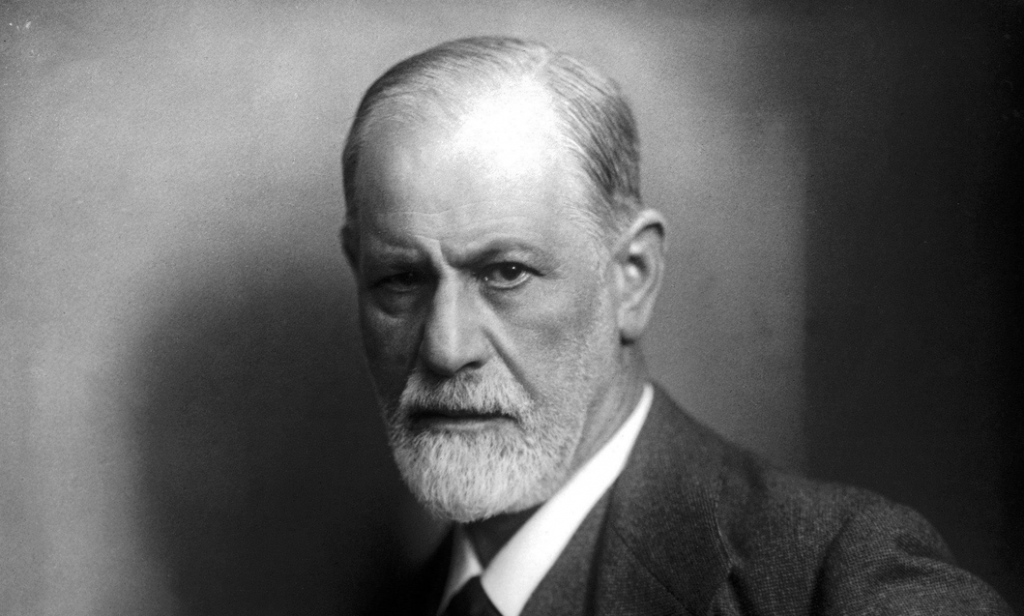
Image by Max Hal­ber­stadt via Wiki­me­dia Com­mons

Any­one with a pass­ing famil­iar­i­ty with the work of Sig­mund Freud—which is just about everyone—knows at least a hand­ful of things about his famous psy­cho­an­a­lyt­ic the­o­ry: Ego, Super-ego, and Id, sex and death dri­ves, Oedi­pal com­plex, “Freudi­an slip,” “some­times a cig­ar is just a cig­ar”… (a quote that didn’t come from Freud). Most of these terms, except that cig­ar thing, orig­i­nate from Freud’s lat­er period—from about 1920 to his death in 1939—perhaps his most pro­duc­tive from a lit­er­ary stand­point, start­ing with Beyond the Plea­sure Prin­ci­ple, in which he began to devel­op his well-known struc­tur­al mod­el of the mind.

Dur­ing these lat­er years Freud built on ideas from 1913’s Totem and Taboo and ful­ly expand­ed his psy­cho­log­i­cal analy­sis into a philo­soph­i­cal and cul­tur­al the­o­ry in books like The Future of an Illu­sion, Civ­i­liza­tion and its Dis­con­tents, and Moses and Monothe­ism. For those who have pri­mar­i­ly encoun­tered Freud in intro to psych class­es, these works can seem strange indeed, giv­en the sweep­ing spec­u­la­tive claims the Vien­nese doc­tor makes about reli­gion, war, ancient his­to­ry, and even pre­his­to­ry. Though pep­pered with ter­mi­nol­o­gy from psy­cho­analy­sis, Freud’s more philo­soph­i­cal works roam far afield of his med­ical spe­cial­iza­tions and direct obser­va­tions.

When and how did Freud’s psy­chi­a­try become phi­los­o­phy, and what pos­sessed him to apply his psy­cho­log­i­cal the­o­ries to analy­ses of broad social and his­tor­i­cal dynam­ics? We see hints of Freud the philoso­pher through­out his career, but it’s dur­ing his mid­dle period—when his tri­par­tite mod­el of the psy­che still con­sist­ed of the con­scious, pre­con­scious, and unconscious—that he began to move more ful­ly from case stud­ies of indi­vid­ual psy­cho­sex­u­al devel­op­ment and inter­pre­ta­tions of dreams to stud­ies of human devel­op­ment writ large. These books are almost Dar­win­ian expan­sions of what Freud called “metapsychology”—which includ­ed his the­o­ries of Oedi­pal neu­roses, nar­cis­sism, and sado­masochism.

From 1914 to 1915, after his break with Jung, Freud worked on a series of papers on “metapsy­chol­o­gy,” intend­ed, he wrote “to clar­i­fy and car­ry deep­er the the­o­ret­i­cal assump­tions on which a psy­cho-ana­lyt­ic sys­tem could be found­ed.” Sev­en of the man­u­scripts from this peri­od van­ished, seem­ing­ly lost for­ev­er. In 1983, psy­cho­an­a­lyst Ilse Gru­bich-Simi­tis dis­cov­ered one of these essays in an old trunk belong­ing to a friend and col­league of Freud. Pub­lished as A Phy­lo­ge­net­ic Fan­ta­sy, this fas­ci­nat­ing, unfin­ished work points the way for­ward for Freud, pro­vid­ing some con­nec­tive tis­sue between his “ontoge­ny,” the devel­op­ment of the indi­vid­ual, and “phy­loge­ny,” the devel­op­ment of the species.

It is here, his trans­la­tors write in their intro­duc­tion to this rare work, that Freud “con­cludes that each indi­vid­ual con­tains some­where with­in him­self or her­self the his­to­ry of all mankind; fur­ther, that men­tal ill­ness can use­ful­ly be under­stood as a ves­tige of respons­es once nec­es­sary and high­ly adap­tive to the exi­gen­cies of each era. Accord­ing­ly, men­tal ill­ness can be under­stood as a set of for­mer­ly adap­tive respons­es that have become mal­adap­tive as the cli­mat­ic and soci­o­log­i­cal threats to the sur­vival of mankind have changed.”

These basic, yet rad­i­cal, ideas may be said to form a back­drop against which we might read so much of Freud’s mature work as a means for decod­ing what seems puz­zling, irra­tional, and down­right mad­den­ing about human behav­ior. Freud’s sci­en­tif­ic work has long been super­seded, and many of the specifics of his psy­cho­an­a­lyt­ic the­o­ry deemed unwork­able, irrel­e­vant, or even dam­ag­ing. But there are very good rea­sons why his work has thrived in lit­er­ary the­o­ry and phi­los­o­phy. There is even a case to be made the Freud was the first evo­lu­tion­ary psy­chol­o­gist, rough­ly bring­ing Dar­win­ian con­cepts of adap­ta­tion to bear on the devel­op­ment of the human psy­che from pre­his­to­ry to moder­ni­ty.

For all the neg­a­tive crit­i­cism his work has endured, Freud dared to explain us to our­selves, draw­ing on every resource at his disposal—including our most foun­da­tion­al nar­ra­tives in mythol­o­gy and ancient poet­ry. For that rea­son, his rel­e­vance, writes Jane Cia­bat­tari, as a “the­o­ret­i­cal cat­a­lyst” in the 21st cen­tu­ry remains potent, and his work remains well worth read­ing and pon­der­ing, for any stu­dent of human behav­ior.

Today, on the 160th birth­day of the father of psy­cho­analy­sis, we bring you a col­lec­tion of Freud’s major works avail­able free to read online or down­load as ebooks in the links below. Fur­ther down, find a list of Freud audio­books to down­load as mp3s or stream.

Whether root­ed in clin­i­cal study and research, detec­tive-like case stud­ies, philo­soph­i­cal spec­u­la­tions, or poet­ic flights of fan­cy, Freud’s writ­ing draws us deep­er into strange, obses­sive, pro­found, and dis­turb­ing ways of think­ing about our uneasy rela­tion­ships with our­selves, our fam­i­lies, and our unsta­ble social order.

eBooks

Audio Books

Relat­ed Con­tents:

Sig­mund Freud’s Psy­cho­an­a­lyt­ic Draw­ings Show How He First Visu­al­ized the Ego, Super­ego, Id & More

The Famous Let­ter Where Freud Breaks His Rela­tion­ship with Jung (1913)

Sig­mund Freud Appears in Rare, Sur­viv­ing Video & Audio Record­ed Dur­ing the 1930s

How a Young Sig­mund Freud Researched & Got Addict­ed to Cocaine, the New “Mir­a­cle Drug,” in 1894

Josh Jones is a writer and musi­cian based in Durham, NC. Fol­low him at @jdmagness

What Are the Keys to Happiness? Lessons from a 75-Year-Long Harvard Study

Last year, we high­light­ed the Har­vard Grant Study and The Glueck Study, two 75-year stud­ies that have traced the lives and devel­op­ment of hun­dreds of men, try­ing to get answers to one big ques­tion: How can you live a long and hap­py life? For answers, watch Robert Waldinger above. He’s the direc­tor of what’s now called the Har­vard Study of Adult Devel­op­ment and also an asso­ciate pro­fes­sor of psy­chi­a­try at Har­vard Med­ical School.

Accord­ing to the decades-long study, you won’t get health and hap­pi­ness from wealth and fame (nor hard work), the mirages that many Amer­i­cans chase after. Instead they come from some­thing a lit­tle more obtain­able, if you work at it—good, strong rela­tion­ships with fam­i­ly, friends, col­leagues, and folks in your com­mu­ni­ty. These rela­tion­ships, the study finds, pro­tect us men­tal­ly and phys­i­cal­ly. They increase our hap­pi­ness and extend our lives, where­as, con­verse­ly, lone­li­ness and cor­ro­sive rela­tion­ships put us into decline soon­er than we’d like. The key take­away here: good rela­tion­ships are the foun­da­tion on which we build the good life. Start putting that into prac­tice today.

If you would like to sign up for Open Culture’s free email newslet­ter, please find it here. It’s a great way to see our new posts, all bun­dled in one email, each day.

If you would like to sup­port the mis­sion of Open Cul­ture, con­sid­er mak­ing a dona­tion to our site. It’s hard to rely 100% on ads, and your con­tri­bu­tions will help us con­tin­ue pro­vid­ing the best free cul­tur­al and edu­ca­tion­al mate­ri­als to learn­ers every­where. You can con­tribute through Pay­Pal, Patre­on, and Ven­mo (@openculture). Thanks!

Relat­ed Con­tent:

All You Need is Love: The Keys to Hap­pi­ness Revealed by a 75-Year Har­vard Study

A Guide to Hap­pi­ness: Alain de Bot­ton Shows How Six Great Philoso­phers Can Change Your Life

Take the ‘Hap­pi­ness Exper­i­ment’

Free Online Psy­chol­o­gy Cours­es

by | Permalink | Make a Comment ( 4 ) |

How to Sound Smart in a TED Talk: A Funny Primer by Saturday Night Live’s Will Stephen

Is there any sub­ject that can’t be cov­ered in a TED Talk?

Appar­ent­ly not. You can make a TED Talk about any­thing, even noth­ing, as vet­er­an impro­vis­er and rook­ie Sat­ur­day Night Live writer, Will Stephen, demon­strat­ed at a recent TEDx event in New York City.

What you shouldn’t do is devi­ate from TED’s estab­lished pre­sen­ta­tion tropes. Stephen may be punk­ing us with his How to Sound Smart in Your TEDx Talk, above, but aspi­rant TED speak­ers should take notes. One can’t prac­tice obser­va­tion­al humor with­out being a keen observ­er. Stephen’s insights are as good a play­book as any for that unmis­take­able TED-style deliv­ery:

Use your hands.

Engage the audi­ence by ask­ing them a ques­tion that will result in a show of hands…

By show of hands, how many of you have been asked a ques­tion before?

Hit ‘em with an endear­ing, per­son­al anec­dote.

Pro­jec­tions will enhance your cred­i­bil­i­ty.

Replay the clip with the sound down, as Stephen sug­gests, and it’s still obvi­ous what he’s doing — giv­ing a TED Talk.  (The famil­iar cam­era work and edit­ing don’t hurt either.)

Even if you’re not plan­ning on nom­i­nat­ing your­self to become a TED speak­er in the near future, Stephen’s les­son should prove handy next time you’re called upon to do some pub­lic speak­ing, whether run­ning for Pres­i­dent or deliv­er­ing the toast at your best friend’s wed­ding.

And noth­ing is cer­tain­ly not the only top­ic of sub­stance upon which Stephen can dis­course. Wit­ness his Tin­der Strat­e­gy Pow­er­point.

Hmm, maybe there are some TED-proof sub­jects  after all…

via Boing­Bo­ing

Relat­ed Con­tent:

Ben­jamin Brat­ton Explains “What’s Wrong with TED Talks?” and Why They’re a “Recipe for Civ­i­liza­tion­al Dis­as­ter”

1756 TED Talks List­ed in a Neat Spread­sheet

Your Favorite TED Talk Ever?

Ayun Hal­l­i­day is an author, illus­tra­tor, and Chief Pri­ma­tol­o­gist of the East Vil­lage Inky zine. Fol­low her @AyunHalliday

Existentialist Psychiatrist, Auschwitz Survivor Viktor Frankl Explains How to Find Meaning in Life, No Matter What Challenges You Face

Free will often seems like noth­ing more than a cru­el illu­sion. We don’t get to choose the times, places, and cir­cum­stances of our birth, nor do we have much con­trol over the state of our states, regions, or nations. Even the few who can design con­di­tions such that they are always secure and com­fort­able find them­selves unavoid­ably sub­ject to what Bud­dhists call the “divine mes­sen­gers” of sick­ness, aging, and death. Biol­o­gy may not be des­tiny, but it is a force more pow­er­ful than many of our best inten­tions. And though most of us in the West have the priv­i­lege of liv­ing far away from war zones, mil­lions across the world face extrem­i­ties we can only imag­ine, and to which we are not immune by any stretch.

Among all of the psy­chi­a­trists, philoso­phers, and reli­gious fig­ures who have wres­tled with these uni­ver­sal truths about the human con­di­tion, per­haps none has been put to the test quite like neu­rol­o­gist and psy­chother­a­pist Vik­tor Fran­kl, who sur­vived Auschwitz, but lost his moth­er, father, broth­er, and first wife to the camps.

While impris­oned, he faced what he described as “an unre­lent­ing strug­gle for dai­ly bread and for life itself.” After his camp was lib­er­at­ed in 1945, Fran­kl pub­lished an extra­or­di­nary book about his expe­ri­ences: Man’s Search for Mean­ing, “a strange­ly hope­ful book,” writes Matthew Scul­ly at First Things, “still a sta­ple on the self-help shelves” though it is “inescapably a book about death.” The book has seen dozens of edi­tions in dozens of lan­guages and ranks 9th on a list of most influ­en­tial books.

Fran­kl’s the­sis echoes those of many sages, from Bud­dhists to Sto­ics to his 20th cen­tu­ry Exis­ten­tial­ist con­tem­po­raries: “Every­thing can be tak­en from a man but one thing: the last of the human freedoms—to choose one’s atti­tude in any giv­en set of cir­cum­stances, to choose one’s own way.” Not only did he find hope and mean­ing in the midst of ter­ri­ble suf­fer­ing, but after his unimag­in­able loss, he “remar­ried, wrote anoth­er twen­ty-five books, found­ed a school of psy­chother­a­py, built an insti­tute bear­ing his name in Vien­na,” and gen­er­al­ly lived a long, hap­py life. How? The inter­view above will give you some idea. Fran­kl main­tains that we always have some free­dom of choice, “in spite of the worst con­di­tions,” and there­fore always have the abil­i­ty to seek for mean­ing. “Peo­ple are free,” says Fran­kl, no mat­ter their lev­el of oppres­sion, and are respon­si­ble “for mak­ing some­one or some­thing out of them­selves.”

Fran­kl’s pri­ma­ry achieve­ment as a psy­chother­a­pist was to found the school of “logother­a­py,” a suc­ces­sor to Freudi­an psy­cho­analy­sis and Adler­ian indi­vid­ual psy­chol­o­gy. Draw­ing on Exis­ten­tial­ist phi­los­o­phy (Fran­kl’s book was pub­lished in Ger­many with the alter­nate title From Con­cen­tra­tion Camp to Exis­ten­tial­ism)—but turn­ing away from an obses­sion with the Absurd—his approach, writes his insti­tute, “is based on three philo­soph­i­cal and psy­cho­log­i­cal con­cepts… Free­dom of Will, Will to Mean­ing, and Mean­ing in Life.”

You can hear how Fran­kl works these prin­ci­ples into his phi­los­o­phy in the fas­ci­nat­ing inter­view, as well as in the short clip above from an ear­li­er lec­ture, in which he rails against a crude and ulti­mate­ly unful­fill­ing form of mean­ing-mak­ing: the pur­suit of wealth. Even us mate­ri­al­is­tic Amer­i­cans, renowned for our greed, Fran­kl notes with good humor, respond to sur­veys in over­whelm­ing num­bers say­ing our great­est desire is to find mean­ing and pur­pose in life. Like no oth­er sec­u­lar voice, Fran­kl was con­fi­dent that we could do so, in spite of life’s seem­ing chaos, through—as he explains above—a kind of ide­al­ism that brings us clos­er to real­i­ty.

Note: You can down­load Fran­kl’s major book, “Man’s Search for Mean­ing,” as a free audio book if you join Audi­ble’s 30-Day Free Tri­al pro­gram. Find details on that here.

Relat­ed Con­tent:

Cre­ativ­i­ty, Not Mon­ey, is the Key to Hap­pi­ness: Dis­cov­er Psy­chol­o­gist Mihaly Csikszentmihaly’s The­o­ry of “Flow”

Albert Ein­stein Tells His Son The Key to Learn­ing & Hap­pi­ness is Los­ing Your­self in Cre­ativ­i­ty (or “Find­ing Flow”)

The Phi­los­o­phy of Kierkegaard, the First Exis­ten­tial­ist Philoso­pher, Revis­it­ed in 1984 Doc­u­men­tary

Josh Jones is a writer and musi­cian based in Durham, NC. Fol­low him at @jdmagness

An Animated Introduction to Leo Tolstoy, and How His Great Novels Can Increase Your Emotional Intelligence

Despite our fond­est intu­itions and most cher­ished of cul­tur­al notions—manifested for decades in aspi­ra­tional “Great Books” cours­es and read­ing lists—there is no “com­pelling evi­dence,” wrote Uni­ver­si­ty of York pro­fes­sor of phi­los­o­phy Gre­go­ry Cur­rie at the New York Times in 2013, “that sug­gests that peo­ple are moral­ly or social­ly bet­ter for read­ing Tol­stoy.” Or any­thing else for that mat­ter.

On the con­trary, respond­ed Annie Mur­phy Paul at Time, “there is such evi­dence,” and she cites ear­li­er psy­chol­o­gy stud­ies that show a link between read­ing fic­tion and empa­thy. Lat­er that same year, social psy­chol­o­gists David Com­er Kidd and Emanuele Cas­tano pub­lished a study in Sci­ence titled “Read­ing Lit­er­ary Fic­tion Improves The­o­ry of Mind”—or, in oth­er words, improves empa­thy. The study is enthu­si­as­ti­cal­ly picked up by Sci­en­tif­ic Amer­i­can, and picked apart by Slate. In short order, Neu­ro­science gets in the game, and there’s talk of chil­dren’s brains “light­ing up” like Christ­mas in response to Har­ry Pot­ter and oth­er books. The Guardian’s “Teacher Net­work” col­umn finds in this sci­ence con­fir­ma­tion for what edu­ca­tors already sus­pect­ed.

Like Cur­rie, Lee Siegel at The New York­er casts doubt on these sup­pos­ed­ly cel­e­bra­to­ry find­ings. Should we require that books prove their util­i­ty, that they make us “bet­ter” in the way that, say, dietary sup­ple­ments do? Is empa­thy real­ly a moral qual­i­ty, or sim­ply an abil­i­ty that allows the unscrupu­lous to bet­ter manip­u­late oth­ers?

This recent tem­pest of social sci­ence and skep­ti­cism notwith­stand­ing, nov­el­ists have long argued that their craft requires, and fos­ters, bet­ter under­stand­ing of oth­er people—or in the famous words of Kaf­ka, which Siegel quotes dis­mis­sive­ly, lit­er­a­ture is “an axe to break the frozen sea inside us.” Fore­most among such artists is Leo Tol­stoy, who—says Alain de Bot­ton in his School of Life video above—“was a believ­er in the nov­el not as a source of enter­tain­ment, but as a tool for psy­cho­log­i­cal edu­ca­tion and reform. It was in his eyes the supreme medi­um by which we can get to know others—especially those who, from the out­side, might seem unappealing—and there­by expand our human­i­ty and tol­er­ance.”

Were Tol­stoy a less­er writer, a the­o­ry like this might have pro­duced unread­ably didac­tic books unlike­ly to find much of an audi­ence. His great lit­er­ary skill makes his books engross­ing­ly enter­tain­ing despite these inten­tions. Nonethe­less, De Bot­ton shows us the ways in which nov­els like Anna Karen­i­na (find it in our col­lec­tion of Free eBooks and Free Audio Books) teach eth­i­cal con­cepts like “sym­pa­thy and for­give­ness.” And whether you read Tol­stoy express­ly to become a bet­ter per­son, or find per­son­al improve­ment a side-effect of read­ing Tol­stoy, I don’t think we need social sci­en­tif­ic argu­ments to read Tol­stoy. Indeed, though great nov­els may teach us many things we did not know about human com­plex­i­ty, their val­ue can reside as much in the ques­tions they ask—and that we ask of them—as in the sup­posed answers they pro­vide about human­i­ty.

Relat­ed Con­tent:

Leo Tol­stoy Cre­ates a List of the 50+ Books That Influ­enced Him Most (1891)

Leo Tolstoy’s Masochis­tic Diary: I Am Guilty of “Sloth,” “Cow­ardice” & “Sissi­ness” (1851)

6 Polit­i­cal The­o­rists Intro­duced in Ani­mat­ed “School of Life” Videos: Marx, Smith, Rawls & More

Down­load 55 Free Online Lit­er­a­ture Cours­es: From Dante and Mil­ton to Ker­ouac and Tolkien

Josh Jones is a writer and musi­cian based in Durham, NC. Fol­low him at @jdmagness

« Go BackMore in this category... »
Quantcast