Hear Charles Dickens’ A Christmas Carol Read by His Great-Granddaughter, Monica

In Eng­lish-speak­ing coun­tries where Christ­mas is cel­e­brat­ed, A Christ­mas Car­ol, Charles Dick­ens’ sec­u­lar Vic­to­ri­an tale of a Grinch restored to hol­i­day cheer, usu­al­ly plays some part.

How many chil­dren have been trau­ma­tized by Marley’s Ghost in the annu­al rebroad­cast of the half hour, 1971 ani­mat­ed ver­sion, fea­tur­ing the voic­es of Alis­tair Sim and Michael Red­grave as Scrooge and Bob Cratchit?

Per­son­al­ly, I lived in mor­tal fear of the cowled Ghost of Christ­mas Yet to Come from Scrooge, a movie musi­cal ver­sion star­ring Albert Finney.

Adap­ta­tions have been built around every­one from the Mup­pets to Bill Mur­ray.

And in some lucky fam­i­lies, an old­er rel­a­tive with a flair for the the­atri­cal reads the sto­ry aloud, prefer­ably on the actu­al day.

It’s a tra­di­tion that Charles Dick­ens him­self observed. It must’ve been a very pic­turesque scene, with his wife and all ten of their chil­dren gath­ered around. (Pre­sum­ably his mis­tress was not includ­ed in the fes­tiv­i­ties).

Even­tu­al­ly, the torch was passed to the next gen­er­a­tion, who mim­ic­ked and pre­served the cadences favored by the mas­ter.

Dick­ens great-grand­daugh­ter, nov­el­ist Mon­i­ca Dick­ens, who nar­rat­ed a con­densed ver­sion of the clas­sic tale in 1984, above, was schooled in the fam­i­ly inter­pre­ta­tion by her grand­fa­ther, Hen­ry Field­ing Dick­ens, who said of his famous father:

I remem­ber him as being at his best either at Christ­mas time or at oth­er times when Gad’s Hill was full of guests, for he loved social inter­course and was a per­fect host. At such times he rose to the very height of the occa­sion, and it is quite impos­si­ble to express in words his genial­i­ty and bril­lian­cy amid a bril­liant cir­cle.

Before the read­ing, Ms. Dick­ens shares some charm­ing anec­dotes about the orig­i­nal pub­li­ca­tion, but those with lim­it­ed time and/or a Scrooge-like aver­sion to jol­ly intros can skip ahead to 7:59, when Big Ben chimes to sig­nal the start of the sto­ry prop­er.

Her read­ing orig­i­nal­ly aired on Cape Cod’s radio sta­tion, 99.9 the Q. The read­ing will be added to our col­lec­tion, 1,000 Free Audio Books: Down­load Great Books for Free.

Relat­ed Con­tent:

Charles Dick­ens’ Hand-Edit­ed Copy of His Clas­sic Hol­i­day Tale, A Christ­mas Car­ol

A Christ­mas Car­ol, A Vin­tage Radio Broad­cast by Orson Welles and Lionel Bar­ry­more (1939)

Ayun Hal­l­i­day is an author, illus­tra­tor, and Chief Pri­ma­tol­o­gist of the East Vil­lage Inky zine. Fol­low her @AyunHalliday

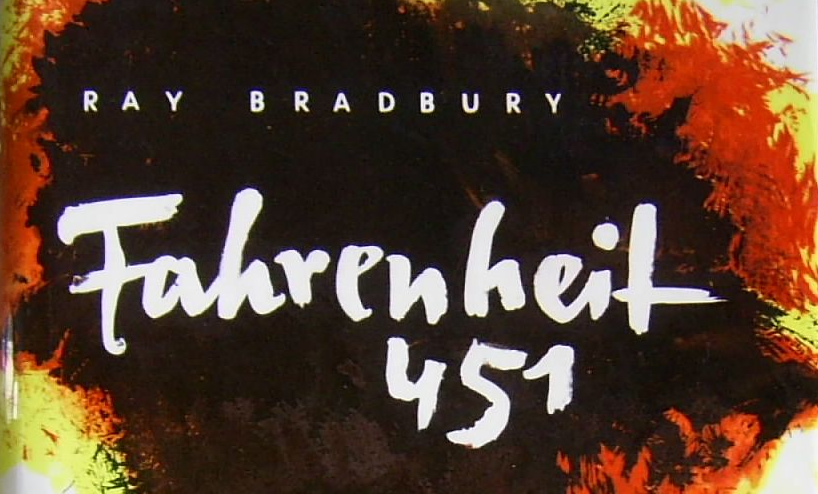
Hear Ray Bradbury’s Classic Sci-Fi Story Fahrenheit 451 as a Radio Drama

fahrenheit 451

Last week we fea­tured a list of 100 nov­els all kids should read before grad­u­at­ing from high school. Cho­sen by 500 Eng­lish teach­ers from all over Britain, the list hap­pens to have a lot of over­lap with many oth­ers like it. Invari­ably, these kinds of young adult read­ing lists include Ray Bradbury’s nov­el of dystopi­an cen­sor­ship and anti-intel­lec­tu­al­ism, Fahren­heit 451.  Why, I’ve always won­dered, should this nov­el be pitched almost exclu­sive­ly at teenagers, so much so that it seems like one of those books many of us read in high school, then nev­er read again, even if we are fans of Bradbury’s work?

A strange dis­con­nect emerges when we look at the his­to­ry of Bradbury’s nov­el as a teach­ing tool. Although most high school stu­dents are pre­sent­ed with free­think­ing as an ide­al, and giv­en cau­tion­ary tales of its sup­pres­sion, their own edu­ca­tions are just as often high­ly cir­cum­scribed by adults who fret about the effects of var­i­ous bad influ­ences.

Whether, as a stu­dent, you read the bowd­ler­ized or the “adult” ver­sion of Bradbury’s nov­el, per­haps it’s time to revis­it Fahren­heit 451, par­tic­u­lar­ly now that free­doms of thought, belief, and expres­sion have again come under intense scruti­ny. And in addi­tion to re-read­ing Bradbury’s nov­el, you can lis­ten to the 1971 radio play above. Pro­duced in Van­cou­ver by the CBC (and re-broad­cast in recent years by the Radio Enthu­si­asts of Puget Sound pod­cast), the abridged, one-hour adap­ta­tion by neces­si­ty changes the source mate­r­i­al, though for dra­mat­ic pur­pos­es, not to express­ly soft­en the mes­sage. Ray Brad­bury’s rep­u­ta­tion may have been tamed over the decades. He became late in life an avun­cu­lar sci-fi mas­ter, pri­mar­i­ly known as a writer of books for high school stu­dents. But at one time, his work—and sci­ence fic­tion in general—were so sub­ver­sive that the FBI kept close tabs on them.

If you like the Fahren­heit 451 adap­ta­tion, you can hear many more Brad­bury sto­ries adapt­ed into clas­sic radio plays at our pre­vi­ous post.

Also note: Tim Rob­bins has nar­rat­ed a new, unabridged audio ver­sion of Fahren­heit 451. It’s avail­able via Audible.com. You can get it for free with Audi­ble’s 30-day free tri­al. Get more details on that here.

via SFF

Relat­ed Con­tent:

Who Was Afraid of Ray Brad­bury & Sci­ence Fic­tion? The FBI, It Turns Out (1959)

Sci-Fi Leg­end Ray Brad­bury Cre­ates a Vision­ary Plan to Redesign Los Ange­les

Ray Brad­bury: “The Things That You Love Should Be Things That You Do.” “Books Teach Us That”

1,000 Free Audio Books: Down­load Great Books for Free

Josh Jones is a writer and musi­cian based in Durham, NC. Fol­low him at @jdmagness

Get to Know Socrates, Camus, Kierkegaard & Other Great Philosophers with the BBC’s Intelligent Radio Show, In Our Time

When writer, politi­cian, and BBC radio and tele­vi­sion per­son­al­i­ty Melvyn Bragg began his long-run­ning radio pro­gram In Our Time, which brings aca­d­e­mics togeth­er to dis­cuss phi­los­o­phy, his­to­ry, sci­ence, reli­gion, and cul­ture, he didn’t think the show would last very long: “Six months,” he told The Scots­man in 2009, “but I’ll have a go.” Now, sev­en­teen years after the show began in 1998, In Our Time is going strong, with mil­lions of lis­ten­ers from around the world who tune in on the radio, or down­load the In Our Time pod­cast. Though it’s easy to despair when faced with the onslaught of mass media devot­ed to triv­i­al­i­ty and sen­sa­tion­al­ism, Bragg has shown there’s still a siz­able audi­ence that cares about thought­ful engage­ment with mat­ters of import, and in par­tic­u­lar that cares about phi­los­o­phy.

Though the sub­ject takes a beat­ing these days, espe­cial­ly in unfa­vor­able com­par­isons to the hard sci­ences, the con­cerns artic­u­lat­ed by philoso­phers over the cen­turies still inform our views of ethics, lan­guage, pol­i­tics, and human exis­tence writ large. In Our Time’s phi­los­o­phy pro­grams fol­low the same for­mat as the show’s oth­er top­ics—in Bragg’s words, he gets “three absolute­ly top-class aca­d­e­mics to dis­cuss one sub­ject and explore as deeply as time allow[s].” In this case, the “sub­ject,” is often a prop­er name, like Simone Weil, David Hume, Albert Camus, Simone de Beau­voir or Socrates.

The show just as often tack­les philo­soph­i­cal move­ments like Skep­ti­cism, Neo­pla­ton­ism, or The Frank­furt School, that aren’t asso­ci­at­ed with only one thinker; like­wise, Bragg and his guests have devot­ed their dis­cus­sions to long­stand­ing philo­soph­i­cal prob­lems, like the exis­tence of Free Will, and his­tor­i­cal devel­op­ments, like the Con­ti­nen­tal-Ana­lyt­ic Split in West­ern phi­los­o­phy.

Though there is cer­tain­ly no short­age of high qual­i­ty resources for peo­ple who wish to learn more about philosophy—such as the many free cours­es, pod­casts, and lec­tures we’ve fea­tured on this site—few are as imme­di­ate­ly acces­si­ble as In Our Time’s phi­los­o­phy dis­cus­sions. Bragg describes his prepa­ra­tion for each show as “swotting”—or cram­ming. He’s not an expert, but he’s knowl­edge­able enough to ask per­ti­nent ques­tions of his guests, who then go on to edu­cate him, and the lis­ten­ers, for the almost hour-long con­ver­sa­tion. Hear how well the approach works in the In Our Time phi­los­o­phy pro­grams fea­tured here. At the top, Bragg dis­cuss­es the phi­los­o­phy and activism of Bertrand Rus­sell with aca­d­e­m­ic philoso­phers A.C. Grayling, Mike Beaney, and Hilary Greaves. Below that, he talks Kierkegaard with Jonathan Ree, Clare Carlisle, and John Lip­pitt. Just above, hear Bragg dis­cuss Jean-Paul Sartre with Jonathan RĂ©e, Bene­dict O’Dono­hoe, and Christi­na How­ells. Final­ly, below, hear his con­ver­sa­tion on Karl Marx with Antho­ny Grayling, Fran­cis Wheen, and Sted­man Jones.

These four exam­ples are but a small sam­pling of the many com­pelling In Our Time phi­los­o­phy dis­cus­sions. Explore, stream, and down­load dozens more at the BBC Radio 4 site or hear them on Youtube and iTunes here. And if any these con­ver­sa­tions whet your appetite for more, then head over to our expan­sive archive of Free Phi­los­o­phy Cours­es, and Free Phi­los­o­phy eBooks.

Relat­ed Con­tent:

Learn The His­to­ry of Phi­los­o­phy in 197 Pod­casts (With More to Come)

Down­load 100 Free Phi­los­o­phy Cours­es and Start Liv­ing the Exam­ined Life

Take First-Class Phi­los­o­phy Cours­es Any­where with Free Oxford Pod­casts

The His­to­ry of Phi­los­o­phy With­out Any Gaps Pod­cast, Now at 239 Episodes, Expands into East­ern Phi­los­o­phy

Phi­los­o­phize This!: The Pop­u­lar, Enter­tain­ing Phi­los­o­phy Pod­cast from an Uncon­ven­tion­al Teacher

Josh Jones is a writer and musi­cian based in Durham, NC. Fol­low him at @jdmagness

Listen to Ira Glass’ 10 Favorite Episodes of This American Life

American Life Titles

Even when one is a long­time, jad­ed denizen of a major city, celebri­ty sight­ings can still induce a thrill. Dur­ing my tenure in New York City, I ran across my share of famous names, though I’ve nev­er been one to both­er a stranger, world famous or no. This almost changed when I ran past Ira Glass one evening and found myself sore­ly tempt­ed to chat him up. I’m sure he’d be glad I resist­ed the urge, but hav­ing heard his voice on the radio every week for well over a decade… well, I felt like I knew him.

Since 1995, Glass has host­ed This Amer­i­can Life, per­haps the most pop­u­lar pub­lic radio show ever pro­duced and—before its huge­ly suc­cess­ful spin-off Ser­i­al—the most pop­u­lar pod­cast in the U.S. The show is quick­ly approach­ing its twen­ty-year anniver­sary (its first episode aired Novem­ber 17th; hear it here), and in hon­or of that mile­stone, we revis­it anoth­er: the show’s 500th episode, which aired in 2013. For that occa­sion, Buz­zfeed vis­it­ed with Glass for a reveal­ing inter­view.

Though he respond­ed to episode 500 with typ­i­cal understatement—saying it felt “more like an odome­ter rolling over than any­thing else”—many fans of the show, myself includ­ed, felt a great deal more enthu­si­asm, as did Los Ange­les’ KPCC, who brings us the list below of Glass’ top ten episodes (includ­ing one two-parter). Glass not­ed that his top picks also hap­pen to be fan favorites as well. You can hear all of his favorites at the links below:

  • Notes on Camp
  • Harp­er High School One and Two
  • The Giant Pool of Mon­ey
  • Some­where in the Ara­bi­an Sea â€” â€śI love how fun­ny and human-sized every­one is in this show. It’s a sur­pris­ing­ly fun­ny show about the war on ter­ror,” Glass writes.
  • Switched at Birth â€” Glass: “The struc­ture of this show — where the whole episode you won­der how a mom could know for decades she was rais­ing the wrong baby and final­ly, she answers it in the end — is per­fect.”
  • Break-Up â€” â€śThe stand­out sto­ry is Star­lee Kine’s essay on breakup songs, which includes an inter­view with Phil Collins that’s so men­schy and real, it changed how I saw him for­ev­er.”
  • Babysit­ting â€” â€śEspe­cial­ly the inter­view with Myron Jones, which is the best inter­view I’ve ever done, main­ly because he had so much grace and humor talk­ing about his past. Any ques­tion I could think of, he’d come back with an amaz­ing sto­ry, which is rare.”
  • My Big Break â€” â€śDavid Segal takes a turn in the mid­dle of this sto­ry that’s one of my favorite reveals in any radio sto­ry ever.”
  • Harold Wash­ing­ton â€” â€śHow can you go wrong when the cen­tral fig­ure in your sto­ry is fun­ny and can­tan­ker­ous and big­heart­ed and ide­al­is­tic and utter­ly prag­mat­ic and on top of all that, total­ly charis­mat­ic? If you don’t know who Harold is, be pre­pared for a treat.”
  • Heretics â€” â€śCarl­ton Pear­son, like Harold, is some­one they should make a movie about, for lots of the same rea­sons. An ide­al­is­tic preach­er whose ide­al­ism costs him pret­ty much every­thing: the church he runs, his rep­u­ta­tion, his for­tune, near­ly his fam­i­ly.”

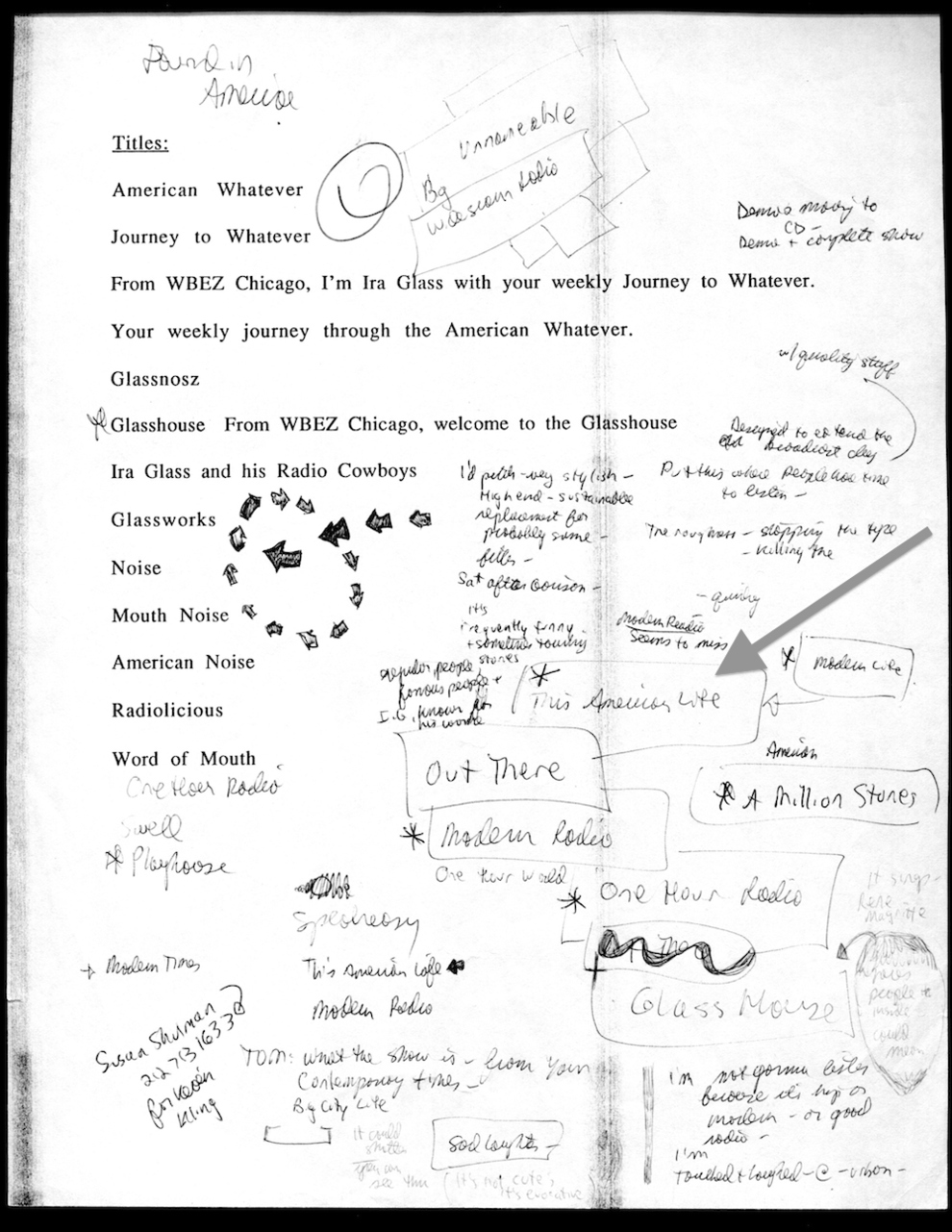
As a spe­cial treat, Glass also shared with Buz­zfeed the doc­u­ment at the top of the post, a page of ideas for alter­nate titles for the show orig­i­nal­ly called Your Radio Play­house. Before renam­ing the show in March of 1996, Glass and his crew con­sid­ered such titles as the unin­spir­ing “Amer­i­can What­ev­er,” weird “Mouth Noise,” and goofy “Ira Glass and his Radio Cow­boys.”

I kind of wish they’d gone with the lat­ter, but it’s hard to imag­ine the show we know as This Amer­i­can Life could ever have been called any­thing else. (See it pen­ciled in almost as an after­thought above.) The show’s title per­fect­ly sums up the breadth and scope of a pro­gram that tack­les every­thing from the triv­ial to the high­ly con­se­quen­tial, often back-to-back in the same themed hour. Though Glass would sure­ly balk at such high praise, I think his show has done more to help Amer­i­cans know and under­stand our­selves over the last twen­ty years than near­ly any­thing else on radio, TV, or the pod­cast­ing world.

via KPCC

Relat­ed Con­tent:

Ira Glass’ Advice on Achiev­ing Cre­ative Excel­lence Pre­sent­ed in Two Art­ful, Typo­graph­ic Videos

Ira Glass on the Art and Craft of Telling Great Radio Sto­ries

This Amer­i­can Life Demys­ti­fies the Amer­i­can Health­care Sys­tem

Josh Jones is a writer and musi­cian based in Durham, NC. Fol­low him at @jdmagness

Hear Ursula K. Le Guin’s Story, “The End” Dramatized: A Rare Audio Treat

le guin

Cre­ative Com­mons image by Gor­thi­an

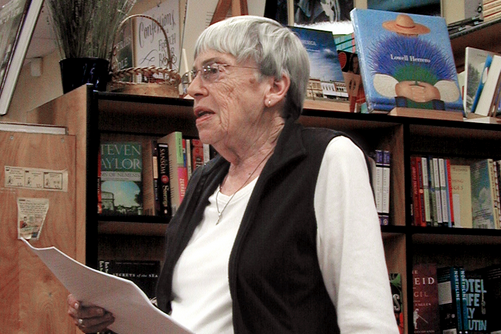
Mind Webs, a 1970’s radio series cre­at­ed by WHA Radio in Wis­con­sin, fea­tured dra­ma­tized read­ings of clas­sic sci fi sto­ries by the likes of Arthur C. Clarke, Ray Brad­bury and Philip K. Dick. You can learn more about the series, and access a com­plete set of record­ings here. Below, we’ve high­light­ed for you a drama­ti­za­tion of an Ursu­la K. Le Guin sto­ry, â€śThe End.” It’s rare to encounter an audio record­ing of a Le Guin sto­ry online, so we hope you enjoy. “The End” is now added to our col­lec­tion: 1,000 Free Audio Books: Down­load Great Books for Free. And if you’re look­ing to immerse your­self in Le Guin’s fic­tion, give her ground­break­ing nov­el The Left Hand of Dark­ness a try. It won the Hugo and Neb­u­la Awards (the top award for fan­ta­sy/s­ci-fi nov­els) in 1969.

Look­ing for free, pro­fes­sion­al­ly-read audio books from Audible.com? Here’s a great, no-strings-attached deal. If you start a 30 day free tri­al with Audible.com, you can down­load two free audio books of your choice. Get more details on the offer here.

And note this: Audiobooks.com also has a free tri­al offer where you can down­load a free audio­book. Details.

NBC University Theater Adapted Great Novels to Radio & Gives Listeners College Credit : Hear 110 Episodes from a 1940s eLearning Experiment

Philco

Cre­ative Com­mons image by Joe Haupt

Before the inter­net became our pri­ma­ry source of infor­ma­tion and entertainment—before it became for many com­pa­nies a pri­ma­ry rev­enue stream—it promised to rev­o­lu­tion­ize edu­ca­tion. We would see a demo­c­ra­t­ic spread of knowl­edge, old hier­ar­chies would crum­ble, ancient divi­sions would cease to mat­ter in the new pri­mor­dial cyber-soup where any­one with entry-lev­el con­sumer hard­ware and the patience to learn basic HTML could cre­ate a plat­form and a com­mu­ni­ty. And even as that imag­ined utopia became just anoth­er econ­o­my, with its own win­ners and losers, large—and free—educational projects still seemed per­fect­ly fea­si­ble.

These days, that poten­tial hasn’t exact­ly evap­o­rat­ed, but we’ve had an increas­ing num­ber of reasons—the threat­ened sta­tus of net neu­tral­i­ty promi­nent among them—to curb our enthu­si­asm. Yet as we remind you dai­ly here at Open Cul­ture, free edu­ca­tion­al resources still abound online, even if the online world isn’t as rad­i­cal as some rad­i­cals had hoped. Fre­quent­ly, those resources reside in online libraries like the Inter­net Archive, who store some of the best edu­ca­tion­al mate­r­i­al from pre-inter­net times—such as the NBC Uni­ver­si­ty The­ater, a pro­gram that comes from anoth­er tran­si­tion­al time for anoth­er form of mass media: radio.

Before pay­ola and tele­vi­sion took over in the fifties, radio also showed great poten­tial for democ­ra­tiz­ing edu­ca­tion. In 1942, at the height of the Gold­en Age of Radio, NBC “rein­au­gu­rat­ed” a pre­vi­ous con­cept for what it called the NBC Uni­ver­si­ty of the Air. “Through­out the mid-1940s,” writes the Dig­i­tal Deli, an online muse­um of gold­en age radio, “NBC pro­duced some twen­ty-five pro­duc­tions specif­i­cal­ly designed to both edu­cate and enter­tain. Indeed, many of those pro­grams were incor­po­rat­ed into the cur­ric­u­la of high schools, col­leges and uni­ver­si­ties through­out the U.S. and Cana­da.”

After 1948, the pro­gram was retooled as NBC Uni­ver­si­ty The­ater, then sim­ply NBC The­ater. “Irre­spec­tive of the title change,” how­ev­er, the pro­gram “con­tin­ued to main­tain the same high stan­dards and con­tin­ued to expand the num­ber of col­leges offer­ing col­lege cred­it for lis­ten­ing to and study­ing the pro­gram­s’s offer­ings.” Dig­i­tal Deli has the full details of this pro­to-MOOC’s cur­ricu­lum. It con­sists of lis­ten­ing to adap­ta­tions of “great Amer­i­can sto­ries,” great “world” stories–from Voltaire, Swift, and others–and adap­ta­tions of mod­ern Amer­i­can and British fic­tion and “Great Works of World Lit­er­a­ture.”

In short, the NBC Uni­ver­si­ty The­ater adap­ta­tions might sub­sti­tute for a col­lege-lev­el lit­er­ary edu­ca­tion for those unable to attend a col­lege or uni­ver­si­ty. In the playlist above, you can hear every episode from the show’s final run from 1948 to 1951. We begin with an adap­ta­tion of Sin­clair Lewis’s Main Street and end with Thomas Hardy’s “The With­ered Arm.” In-between hear clas­sic radio dra­ma adap­ta­tions of every­thing from Austen to Faulkn­er and Hem­ing­way to Ibsen. There are 110 episodes in total.

Each episode fea­tures com­men­tary from dis­tin­guished authors and crit­ics, includ­ing Robert Penn War­ren, E.M. Forster, and Kather­ine Anne Porter. “Apart from the obvi­ous aca­d­e­m­ic val­ue” of the series, writes Dig­i­tal Deli, “it’s clear that con­sid­er­able thought—and dar­ing—went into the selec­tions as well.” Despite the tremen­dous increase in col­lege atten­dance through the G.I. Bill, this was a peri­od of â€śris­ing hos­til­i­ty towards aca­d­e­mics, pure­ly intel­lec­tu­al pur­suits, and the free exchange of philoso­phies in gen­er­al.”

The ensu­ing decade of the fifties might be char­ac­ter­ized cul­tur­al­ly, writes Dig­i­tal Deli, as an “intel­lec­tu­al vacuum”—anti-intellectual atti­tudes swept the coun­try, fueled by Cold War polit­i­cal repres­sion. And radio became pri­mar­i­ly a means of enter­tain­ment and adver­tis­ing, com­pet­ing with tele­vi­sion for an audi­ence. Qual­i­ty radio dra­mas continued—most notably of excel­lent sci­ence fic­tion. But nev­er again would an edu­ca­tion­al pro­gram of NBC Uni­ver­si­ty The­ater’s scope, ambi­tion, and rad­i­cal poten­tial appear on U.S. radio waves.

Relat­ed Con­tent:

Hear the Very First Adap­ta­tion of George Orwell’s 1984 in a Radio Play Star­ring David Niv­en (1949)

Hear Aldous Huxley’s Brave New World and 84 Clas­sic Radio Dra­mas from CBS Radio Work­shop (1956–57)

Dimen­sion X: The 1950s Sci­Fi Radio Show That Dra­ma­tized Sto­ries by Asi­mov, Brad­bury, Von­negut & More

Free: Lis­ten to 298 Episodes of the Vin­tage Crime Radio Series, Drag­net

Josh Jones is a writer and musi­cian based in Durham, NC. Fol­low him at @jdmagness

Hear 150 Tracks Highlighting Brian Eno’s Career as a Musician, Composer & Producer & Stream His 2015 John Peel Lecture

How does “non-musi­cian” musi­cian, for­mer Roxy Music mem­ber, Talk­ing Heads, U2, and Cold­play pro­duc­er, and visu­al artist Bri­an Eno define art itself? “Every­thing that you don’t have to do.” He has expand­ed elo­quent­ly on that sim­ple but high­ly clar­i­fy­ing notion in speech and writ­ing many times over the past cou­ple of decades, and this past Sun­day he made it the intel­lec­tu­al cen­ter­piece of the fifth annu­al John Peel Lec­ture, a series named for the influ­en­tial BBC DJ and whose past speak­ers have includ­ed Pete Town­shend, Bil­ly Bragg, Char­lotte Church, and Iggy Pop.

You can hear Eno’s intro­duc­tion to his talk at the top of the post, stream the talk itself with­in the next 25 days at the BBC’s site, and read a tran­script here. All of the John Peel Lec­tur­ers so far have dis­cussed the rela­tion­ship between music and wider human cul­ture, and Eno has plen­ty of sto­ries to tell about his own career in both music and the wider cul­tur­al realm: the impor­tance of his time in art school, how he fell into per­form­ing with Roxy Music, how a relax­ation of the band’s “strict non-drug” pol­i­cy result­ed in one “hilar­i­ous­ly chaot­ic” per­for­mance, and how John Peel him­self pre­miered his first album with Robert Fripp on the radio — by acci­den­tal­ly play­ing it back­ward.

All this will inspire even the most Eno-famil­iar fan to revis­it the man’s cat­a­log of record­ed works, which you can eas­i­ly do with the Spo­ti­fy playlist “Touched by the Hand of Eno,” fea­tur­ing “150 tracks hand­picked from 150 albums/EPs/singles that cred­it Eno as com­pos­er, instru­men­tal­ist, vocal­ist, mix­ing engi­neer, or pro­duc­er, sort­ed in chrono­log­i­cal order.” (If you need to down­load Spo­ti­fy’s free soft­ware, you’ll find it here.) The playlist includes cuts from Eno’s own albums, of course, but also those of Roxy Music, Gen­e­sis, Ultra­vox, David Bowie, Talk­ing Heads, U2, Depeche Mode, Lau­rie Ander­son, Cold­play, and many more. And after you’ve vir­tu­al­ly flipped through these selec­tions from Eno’s body of work, you can watch Eno flip through phys­i­cal selec­tions from Peel’s library of records just above. Sure, you don’t have to do any of this — if any­one can explain to you why you should, Eno can.

Relat­ed Con­tent:

Jump Start Your Cre­ative Process with Bri­an Eno’s “Oblique Strate­gies”

Revis­it the Radio Ses­sions and Record Col­lec­tion of Ground­break­ing BBC DJ John Peel

Bri­an Eno Lists 20 Books for Rebuild­ing Civ­i­liza­tion & 59 Books For Build­ing Your Intel­lec­tu­al World

Lis­ten to “Bri­an Eno Day,” a 12-Hour Radio Show Spent With Eno & His Music (Record­ed in 1988)

When Bri­an Eno & Oth­er Artists Peed in Mar­cel Duchamp’s Famous Uri­nal

Prof. Iggy Pop Deliv­ers the BBC’s 2014 John Peel Lec­ture on “Free Music in a Cap­i­tal­ist Soci­ety”

Col­in Mar­shall writes else­where on cities, lan­guage, Asia, and men’s style. He’s at work on a book about Los Ange­les, A Los Ange­les Primer, the video series The City in Cin­e­maand the crowd­fund­ed jour­nal­ism project Where Is the City of the Future? Fol­low him on Twit­ter at @colinmarshall or on Face­book.

Hear Ray Bradbury’s Beloved Sci-Fi Stories as Classic Radio Dramas

Ray_Bradbury_(1975)_-cropped-

Image by Alan Light released under Cre­ative Com­mons license.

When he passed away in 2012, sci­ence fic­tion mas­ter Ray Brad­bury left us with a num­ber of instant­ly quotable lines. There are apho­risms like “You don’t have to burn books to destroy a cul­ture. Just get peo­ple to stop read­ing them.” There are more humor­ous, but no less mem­o­rable lines he deliv­ers in his advice to writ­ers, such as, “writ­ing is not a seri­ous busi­ness… I want you to envy me my joy.” A seem­ing­ly end­less source of wis­dom and enthu­si­asm, Bradbury’s cre­ative forces seemed in no dan­ger of wan­ing in his lat­er years as he gave impas­sioned talks and inter­views well into his 70s and 80 and his work received renewed appre­ci­a­tion. As one writer declared in 2001, “Ray Brad­bury is on fire!”

Of course Bradbury’s been hot since the fifties. That head­line alludes to his clas­sic 1953 nov­el of futur­is­tic book-burn­ing, Fahren­heit 451, which you’ve like­ly read if you’ve read any Brad­bury at all. Or per­haps you’re famil­iar with Bradbury’s non-sci-fi nov­el of child­hood lost, Dan­de­lion Wine? Both are excel­lent books well-deserv­ing of the awards and praise heaped upon them. But if they’re all you know of Ray Brad­bury, you’re seri­ous­ly miss­ing out.

Brad­bury began his career as a writer of short sci-fi and hor­ror sto­ries that excel in their rich­ness of lan­guage and care­ful plot­ting. So imag­i­na­tive is his work that it war­rant­ed adap­ta­tion into a star-stud­ded tele­vi­sion series, The Ray Brad­bury The­ater. And before that vehi­cle brought Bradbury’s bril­liance into people’s homes, many of those same sto­ries appeared in radio plays pro­duced by shows like NBC’s Dimen­sion X and X Minus One.

From the lat­ter pro­gram, at the top, we bring you Mars is Heav­en!, a dis­turb­ing 1948 tale of inter­stel­lar decep­tion. “When the first space rock­et lands on Mars,” begins the announc­er, “what will we find? Only the ruins of a dead, desert­ed plan­et, or will there be life?” Per­ti­nent ques­tions indeed. Brad­bury spec­u­lat­ed for decades about the mean­ing of Mars. “The Mar­t­ian Chron­i­cles,” adapt­ed above by Dimen­sion X, used a sto­ry about col­o­niza­tion of the plan­et as an alle­go­ry for humanity’s avarice and fol­ly. Hear many more Dimen­sion X radio plays from The Mar­t­ian Chron­i­cles col­lec­tion here, and also the sto­ry, “There Will Come Soft Rains.”

The year after 1950’s The Mar­t­ian Chron­i­cles came 1951’s The Illus­trat­ed Man, a col­lec­tion of shorts that includ­ed the trag­ic, lost-in-space tale “Kalei­do­scope,” dra­ma­tized above by Mind Webs, a series from Madi­son, Wis­con­sin that ran from the 70s through the mid-90s. Though pro­duced well after the gold­en age of radio dra­ma, the series nonethe­less man­aged to per­fect­ly cap­ture the engross­ing sound of that spe­cial­ized form—with omi­nous music, and a bari­tone-voiced nar­ra­tor with some seri­ous voice-act­ing chops.

While region­al pro­duc­tions like Mind Webs have kept the radio dra­ma fires burn­ing in the U.S., the BBC has con­tin­ued to pro­duce high-qual­i­ty radio adap­ta­tions on a larg­er scale. In 1991, they took on eight sto­ries from anoth­er fifties Brad­bury col­lec­tion, The Gold­en Apples of the Sun. The two hour pro­duc­tion dra­ma­tized the title sto­ry and the tales “Hail and Farewell,” “The Fly­ing Machine,” “The Fruit at the Bot­tom of the Bowl,” “A Sound of Thun­der,” “The Mur­der­er,” “The April Witch,” and “The Foghorn.” You can hear them just above. Or stream and down­load the com­plete audio at the Inter­net Archive.

Relat­ed Con­tent:

1,000 Free Audio Books: Down­load Great Books for Free

X Minus One: More Clas­sic 1950s Sci-Fi Radio from Asi­mov, Hein­lein, Brad­bury & Dick

Dimen­sion X: The 1950s Sci­Fi Radio Show That Dra­ma­tized Sto­ries by Asi­mov, Brad­bury, Von­negut & More

Ray Brad­bury Gives 12 Pieces of Writ­ing Advice to Young Authors (2001)

Hear Radio Dra­mas of Isaac Asimov’s Foun­da­tion Tril­o­gy & 7 Clas­sic Asi­mov Sto­ries

Josh Jones is a writer and musi­cian based in Durham, NC. Fol­low him at @jdmagness

« Go BackMore in this category... »
Quantcast