Hear Radio Dramas of Isaac Asimov’s Foundation Trilogy & 7 Classic Asimov Stories

asimov-culture-of-ignorance

Paint­ing of Asi­mov on his throne by Rowe­na Morill, via Wiki­me­dia Com­mons

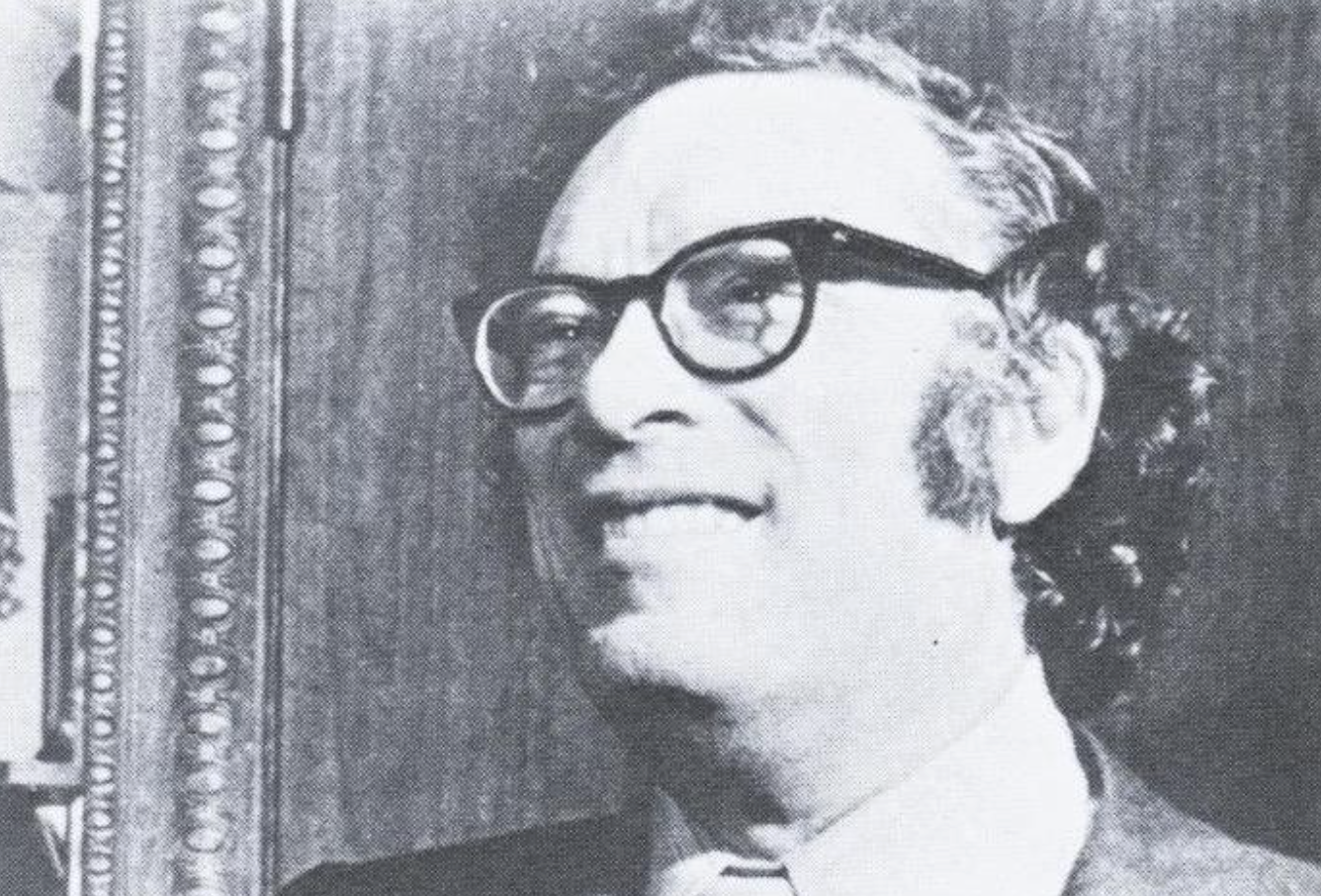
Isaac Asi­mov’s huge­ly influ­en­tial sci­ence fic­tion clas­sic The Foun­da­tion Tril­o­gy will soon, it seems, become an HBO series, reach­ing the same audi­ences who were won over by the Game of Thrones adap­ta­tions. We can expect favorite char­ac­ter arcs to emerge, per­haps dis­tort­ing the orig­i­nal nar­ra­tive; we can expect plen­ty of inter­net memes and new rip­ples of influ­ence through suc­ces­sive gen­er­a­tions. In fact, if the series becomes a real­i­ty, and catch­es on the way most HBO shows do—either with a mass audi­ence or a lat­er devot­ed cult following—I think we can expect much renewed inter­est in the field of “psy­chohis­to­ry,” the futur­is­tic sci­ence prac­ticed by the nov­els’ hero Hari Sel­don.

?si=Xfh61enLrJbhctd_
This is no small thing. Foun­da­tion has inspired a great many sci­ence fic­tion writ­ers, from Dou­glas Adams to George Lucas. But it has also guid­ed the careers of peo­ple whose work has more imme­di­ate real-world con­se­quences, like econ­o­mist Paul Krug­man and fer­vent advo­cate of pos­i­tive psy­chol­o­gy Mar­tin Selig­man. “The tril­o­gy real­ly is a unique mas­ter­piece,” writes Krug­man,” there has nev­er been any­thing quite like it.” The fic­tion­al sci­ence of psy­chohis­to­ry inspired the exper­i­men­tal pre­dic­tive tech­niques Selig­man devel­oped and described in his book Learned Opti­mism:

In his impos­si­ble-to-put-down Foun­da­tion Trilogy—I read it in one thir­ty-hour burst of ado­les­cent excitement—Asimov invents a great hero for pim­ply, intel­lec­tu­al kids…. “Wow!” thought this impres­sion­able ado­les­cent…. That “Wow!” has stayed with me all my life.

If you’re think­ing that the epic scale of Asi­mov’s sprawl­ing trilogy—one he explic­it­ly mod­eled after Edward Gib­bon’s mul­ti-vol­ume His­to­ry of the Decline and Fall of the Roman Empire—will prove impos­si­ble to real­ize on the screen, you may be right. On the oth­er hand, Asi­mov’s prose has lent itself par­tic­u­lar­ly well to an old­er dra­mat­ic medi­um: the radio play. As we not­ed in an ear­li­er post on a pop­u­lar 1973 BBC adap­ta­tion of the tril­o­gy, Ender’s Game author Orson Scott Card once described the books as “all talk, no action.” This may sound like a dis­par­age­ment, except, Card went on to say, “Asi­mov’s talk is action.”


Today, we bring you sev­er­al dif­fer­ent radio adap­ta­tions of Asi­mov’s fic­tion, and you can hear the many ways his fas­ci­nat­ing con­cepts, trans­lat­ed into equal­ly fas­ci­nat­ing, and yes, talky, fic­tion, have inspired writ­ers, sci­en­tists, film­mak­ers, and “pim­ply, intel­lec­tu­al kids” alike for decades. At the top of the post, hear the entire, eight-hour BBC adap­ta­tion of Foun­da­tion from start to fin­ish. You can also stream and down­load indi­vid­ual episodes on Spo­ti­fy and at Youtube and the Inter­net Archive. Below it, we have clas­sic sci-fi radio dra­ma series Dimen­sion X’s drama­ti­za­tions of “Peb­ble in the Sky” and “Night­fall,” both from 1951.

Also hear two Asi­mov’s sto­ries “The ‘C’ Chute” and “Hostess”—both pro­duced by Dimen­sion X suc­ces­sor X Minus One. These series, wrote Col­in Mar­shall in a pre­vi­ous post, “show­case Amer­i­can cul­ture at its mid-20th-cen­tu­ry finest: for­ward-look­ing, tem­pera­men­tal­ly bold, tech­no­log­i­cal­ly adept, and sat­u­rat­ed with earnest­ness but for the occa­sion­al sur­pris­ing­ly know­ing irony or bleak edge of dark­ness.”

Not to be out­done by these two pro­grams, Mutu­al Broad­cast­ing Sys­tem cre­at­ed Explor­ing Tomor­row, a “sci­ence fic­tion show of sci­ence-fic­tion­eers, by sci­ence-fic­tion­eers and for sci­ence-fic­tion­eers” that ran briefly from 1957 to 1958. Below, they adapt Asi­mov’s sto­ry “The Liar.”

These old-time radio dra­mas will cer­tain­ly appeal to the nos­tal­gia of peo­ple who were alive to hear them when they first aired. But while their pro­duc­tion val­ues will nev­er come close to match­ing those of HBO, they offer some­thing for younger lis­ten­ers as well—an oppor­tu­ni­ty to get lost in Asi­mov’s com­plex ideas, and to engage the imag­i­na­tion in ways tele­vi­sion does­n’t allow. Whether or not Foun­da­tion ever suc­cess­ful­ly makes it to the small screen, I would love to see Asi­mov’s fiction—in print, on the radio, on screen, or on the internet—continue to inspire new sci­en­tif­ic and social vision­ar­ies for gen­er­a­tions to come.

Relat­ed Con­tent:

Isaac Asimov’s Favorite Sto­ry “The Last Ques­tion” Read by Isaac Asi­mov— and by Leonard Nimoy

Isaac Asimov’s Foun­da­tion Tril­o­gy: Hear the 1973 Radio Drama­ti­za­tion

Dimen­sion X: The 1950s Sci­Fi Radio Show That Dra­ma­tized Sto­ries by Asi­mov, Brad­bury, Von­negut & More

X Minus One: More Clas­sic 1950s Sci-Fi Radio from Asi­mov, Hein­lein, Brad­bury & Dick

Josh Jones is a writer and musi­cian based in Durham, NC. Fol­low him at @jdmagness

Stephen Colbert Reads Flannery O’Connor’s Darkly Comedic Story, “The Enduring Chill”

A good man is hard to find… a good man who can hold an audi­ence rapt by read­ing aloud for over an hour is hard­er still.

Soon-to-be Late Show host Stephen Col­bert acquits him­self quite nice­ly with Flan­nery O’Connor’s 1958 short sto­ry “The Endur­ing Chill,” above.

The tale of an ail­ing New York-based playwright’s unwill­ing return to his ances­tral home is a nat­ur­al fit for Col­bert, raised in Charleston, South Car­oli­na by North­ern par­ents. Record­ed at the behest of Select­ed Shorts, a pub­lic radio pro­gram where­in well known per­form­ers inter­pret con­tem­po­rary and clas­sic short fic­tion, the story—hand picked by Colbert—is a risky choice for 2015.

Like all of O’Connor’s work, it’s dark­ly comedic, and rife with rich char­ac­ter­i­za­tions. It also makes repeat­ed ref­er­ence to “Negroes,” two of whom the reader—in Col­bert’s case, a white man—is tasked with bring­ing to life. In this cur­rent cli­mate, I sus­pect most white come­di­ans would’ve played it safe with O’Connor’s lurid crowd pleas­er, “A Good Man is Hard to Find,” a sta­ple of high school read­ing lists, which you can hear O’Con­nor, her­self, read here.

Col­bert sails through by bring­ing his North­west­ern Uni­ver­si­ty the­ater train­ing to bear. (O’Connor was a favorite of the Per­for­mance Stud­ies depart­ment dur­ing his time there.)

Hav­ing spent years embody­ing a right wing wind­bag on his satir­i­cal Col­bert Report, the come­di­an clear­ly rel­ish­es the oppor­tu­ni­ty to tack­le a vari­ety of roles, includ­ing the main character’s will­ful­ly super­fi­cial moth­er, his sour sis­ter, and the afore­men­tioned pre-Civ­il Rights-era African-Amer­i­can men, work­ers in the hero’s mother’s dairy barn. The Catholic Col­bert also has fun with an unex­pect­ed­ly less-than-eru­dite Jesuit priest.

Grow­ing up in South Car­oli­na, Col­bert made a con­scious deci­sion to steer clear of a South­ern accent, but his pro­nun­ci­a­tion of the word “poem” is a hall­mark of authen­tic here.

As for O’Connor, she gets in a not-so-sub­tle jab at Gone with the Wind, as well as the sort of read­er who, try­ing to be help­ful, coun­sels an aspi­rant South­ern writer to “put the War in there.”

Some­thing tells me these two would have hit it off…I would’ve loved to hear him inter­view her along with George Clooney, Amy Schumer, and oth­er first week guests.

Col­bert’s read­ing of “The Endur­ing Chill” will be added to our col­lec­tion, 1,000 Free Audio Books: Down­load Great Books for Free.

via Metafil­ter

Relat­ed Con­tent:

Flan­nery O’Connor: Friends Don’t Let Friends Read Ayn Rand (1960)

Stephen Col­bert Reads Ray Brad­bury Clas­sic Sci-Fi Sto­ry “The Veldt”

Rare 1959 Audio: Flan­nery O’Connor Reads ‘A Good Man is Hard to Find’

Stephen Col­bert & Louis CK Recite The Get­tys­burg Address, With Some Help from Jer­ry Sein­feld

Ayun Hal­l­i­day is an author, illus­tra­tor and per­former who revis­its her low bud­get back­pack­er trav­els in the new edi­tion of No Touch Mon­key! And Oth­er Trav­el Lessons Learned Too Late . Fol­low her @AyunHalliday


David Bowie Becomes a DJ on BBC Radio in 1979; Introduces Listeners to The Velvet Underground, Talking Heads, Blondie & More

Cast your mind back to 1979, a time before Inter­net radio, Twit­ter, Tum­blr, and oth­er social net­works begin­ning with the let­ter T. And now imag­ine that you’d nev­er heard the Vel­vet Under­ground, Talk­ing Heads, Blondie, Roxy Music, hell, even Bruce Springsteen—all of whom were just begin­ning to break through to main­stream con­scious­ness. Now imag­ine your intro­duc­tion to these artists comes from none oth­er than Zig­gy Star­dust himself—or the Thin White Duke—David Bowie, immersed in his Berlin peri­od and record­ing a tril­o­gy of albums that togeth­er arguably rep­re­sent the best work of his career. That would be some­thing, wouldn’t it?

Per­haps some of you don’t have to imag­ine. If you had tuned into BBC Radio One on May, 20 of that year, you would have heard David Bowie DJ his own two hour show, “Star Spe­cial,” play­ing his favorite records and jovial­ly chat­ting up his audi­ence. “There are some famous names here,” says an announc­er intro­duc­ing Bowie’s show, “some you’ve nev­er heard of before.” Bowie laughs at his own jokes, and obvi­ous­ly takes great plea­sure in shar­ing so many then-obscure artists. “You can hear that deep need to show,” writes Dan­ger­ous Minds, “to bring lis­ten­ers some­thing new, in every word Bowie utters.” He doesn’t mind bring­ing them his own new stuff either, play­ing “Boys Keep Swing­ing” and “Yas­sas­sin” from that year’s Lodger.

Track list­ing

The Doors, “Love Street”
Iggy Pop, “TV Eye”
John Lennon, “Remem­ber”
? & The Mys­te­ri­ans, “96 Tears”
Edward Elgar, “The Nurs­ery Suite” (extract)
Dan­ny Kaye, “Inch­worm”
Philip Glass, “Tri­al Prison”
The Vel­vet Under­ground, “Sweet Jane”
Mars, “Helen Fords­dale”
Lit­tle Richard, “He’s My Star”
King Crim­son, “21st Cen­tu­ry Schizoid Man”
Talk­ing Heads, “Warn­ing Sign”
Jeff Beck, “Beck’s Bolero”
Ron­nie Spec­tor, “Try Some, Buy Some”
Marc Bolan, “20th Cen­tu­ry Boy”
The Mekons, “Where Were You?”
Steve For­bert, “Big City Cat”
The Rolling Stones, “We Love You”
Roxy Music, “2HB”
Bruce Spring­steen, “It’s Hard To Be A Saint In The City”
Ste­vie Won­der, “Fin­ger­tips”
Blondie, “Rip Her To Shreds”
Bob Seger, “Beau­ti­ful Los­er”
David Bowie, “Boys Keep Swing­ing”
David Bowie, “Yas­sas­sin”
Talk­ing Heads, “Book I Read”
Roxy Music, “For Your Plea­sure”
King Cur­tis, “Some­thing On Your Mind”
The Sta­ple Singers, “Lies”

See a com­plete playlist of Bowie’s “Star Spe­cial” above, and hear the entire show at the top of the post. It’s a great lis­ten even with the ben­e­fit of hind­sight, but if you can put your­self in the place of some­one who’d nev­er heard Lou Reed mum­ble and moan his way through “Sweet Jane”—or for that mat­ter nev­er heard the still-obscure exper­i­men­tal punk band Mars—it’s even bet­ter. For oth­er excel­lent exam­ples of British rock stars as radio tastemak­ers, hear the Sex Pis­tols’ John Lydon intro­duce an audi­ence to Can, King Tub­by, Nico, Cap­tain Beef­heart, and more in this 1977 Cap­i­tal Radio inter­view. (Lydon says he loves “Rebel Rebel,” but thinks Bowie is “a real bad drag queen.”) And don’t miss Joe Strummer’s eclec­tic 8‑episode BBC Radio Show “Lon­don Call­ing” from 1998/2001.

Below you can hear the tracks on a Spo­ti­fy playlist.

via John Coulthart/Metafil­ter/Dan­ger­ous Minds

Relat­ed Con­tent:

David Bowie’s Top 100 Books

David Bowie Releas­es Vin­tage Videos of His Great­est Hits from the 1970s and 1980s

“Joe Strummer’s Lon­don Call­ing”: All 8 Episodes of Strummer’s UK Radio Show Free Online

Josh Jones is a writer and musi­cian based in Durham, NC. Fol­low him at @jdmagness.

Listen to 188 Dramatized Science Fiction Stories by Ursula K. Le Guin, Isaac Asimov, Philip K. Dick, J.G. Ballard & More

Mind_Webs_cd_-_01

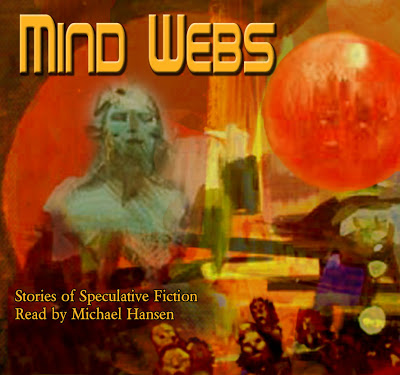
We here at Open Cul­ture believe that, as far as sci­ence-fic­tion deliv­ery sys­tems go, you can’t do much bet­ter than radio dra­ma. We’ve pre­vi­ous­ly fea­tured quite a range of it, from the clas­sic 1950s series Dimen­sion X and its suc­ces­sor X Minus One to adap­ta­tions of such clas­sic works as Isaac Asi­mov’s Foun­da­tion tril­o­gy, Aldous Hux­ley’s Brave New World, and, most recent­ly, Ursu­la K. LeGuin’s The Left Hand of Dark­ness. Now we’ve opened up anoth­er trea­sure trove of sci-fi radio in the form of the archives of Mind Webs, orig­i­nal­ly broad­cast on Madi­son, Wis­con­sin’s WHA-AM, start­ing in the 1970s

One old-time radio site describes Mind Webs as “not real­ly audio dra­ma in the strict sense of the def­i­n­i­tion,” but “read­ings of sci­ence fic­tion sto­ries by some of the gen­re’s best writ­ers [ … ] enhanced by music, peri­od­ic sound cues, and the occa­sion­al char­ac­ter voice.” As the col­lec­tor who made his record­ings of the series avail­able to the Inter­net Archive puts it, Mind Webs “stands as a tes­ta­ment to not only some of our great­est spec­u­la­tive fic­tion authors, but just how well sim­ple dia­log and music minus major sound effects can con­vey sto­ries so well.”

Which authors count­ed as great enough for inclu­sion into the Mind Webs canon? Some of the names, like Ursu­la K. LeGuin, Isaac Asi­mov, Arthur C. Clarke, and Ray Brad­bury, you’d expect to find in this archive, but oth­ers go far­ther afield: the series also fea­tures sto­ries by the likes of Philip K. Dick, J.G. Bal­lard, H.P. Love­craft — writ­ers who, each in their own way, bent the bound­aries of all known fic­tion, sci­ence- or oth­er­wise — and even such sup­pos­ed­ly tra­di­tion­al sto­ry­tellers as John Cheev­er and Roald Dahl who, in these selec­tions, put their own spin on real­i­ty.

Lis­ten to enough episodes of Mind Webs, and you may get hooked on the voice and read­ing style of its host Michael Han­son, a fix­ture on Wis­con­sin pub­lic radio for some­thing like forty years. Back in 2001, just after wrap­ping up his career in that sec­tor, Han­son wrote in to the New York Times lament­ing the state of pub­lic radio, espe­cial­ly its pro­gram direc­tors turned into “syco­phan­tic bean coun­ters” and a “pro­nounced dumb­ing down of pro­gram con­tent.” Mind Webs, which kept on going from the 70s through the 90s, came from a time before all that, and now its smart sto­ry­telling has come avail­able for all of us to enjoy.

The playlist above will let you stream all of the sto­ries — rough­ly 88 hours worth — from start to fin­ish. Or you can access the audio at Archive.org here.

Relat­ed Con­tent:

Hear Inven­tive Sto­ries from Ursu­la Le Guin & J.G. Bal­lard Turned Into CBC Radio Dra­mas

Hear Aldous Huxley’s Brave New World and 84 Clas­sic Radio Dra­mas from CBS Radio Work­shop (1956–57)

Hear Ursu­la K. Le Guin’s Pio­neer­ing Sci-Fi Nov­el, The Left Hand of Dark­ness, as a BBC Radio Play

Free: Isaac Asimov’s Epic Foun­da­tion Tril­o­gy Dra­ma­tized in Clas­sic Audio

Dimen­sion X: The 1950s Sci­Fi Radio Show That Dra­ma­tized Sto­ries by Asi­mov, Brad­bury, Von­negut & More

X Minus One: More Clas­sic 1950s Sci-Fi Radio from Asi­mov, Hein­lein, Brad­bury & Dick

Col­in Mar­shall writes on cities, lan­guage, Asia, and men’s style. He’s at work on a book about Los Ange­les, A Los Ange­les Primer, and the video series The City in Cin­e­ma. Fol­low him on Twit­ter at @colinmarshall or on Face­book.

William Gibson’s Seminal Cyberpunk Novel, Neuromancer, Dramatized for Radio (2002)

Who can call them­selves fans of cyber­punk, or even mod­ern sci­ence fic­tion, with­out hav­ing expe­ri­enced William Gib­son’s Neu­ro­mancer? That 1984 nov­el, which many see as the defin­ing work of the sci-fi sub­genre where, as Gib­son him­self put it, “high tech meets low life,” has gone through many print runs in many lan­guages. But you don’t need to read it to get to know its dis­tinc­tive real­i­ty — its Japan­ese mega­lopo­lis set­ting of Chi­ba City, its char­ac­ters like “con­sole cow­boy” Case and “street samu­rai” Mol­ly Mil­lions, its tech­nolo­gies like advanced arti­fi­cial intel­li­gence, elec­tro­mag­net­ic pulse weapons, a vir­tu­al real­i­ty space called, yes, the Matrix. You can also hear it.

Last year, we fea­tured the out-of-cir­cu­la­tion audio­book ver­sion of Neu­ro­mancer read by Gib­son him­self, and though it faith­ful­ly trans­mits his char­ac­ter­is­ti­cal­ly sawed-off writ­ing style, some may find that form a bit lack­ing in dra­ma. But as luck would have it, the BBC, home to some of the last remain­ing mas­ters of the radio dra­ma form, adapt­ed the nov­el in 2002, and you can hear the result­ing two-hour pro­duc­tion on the Youtube playlist above or stream it from SFFau­dio. Even Gib­son purists may well come away sat­is­fied, since its respect for the orig­i­nal text begins right with the clas­sic open­ing line: “The sky above the port was the col­or of tele­vi­sion, tuned to a dead chan­nel.”

In any form, Neu­ro­mancer has endured for many rea­sons, not least that it still gets us think­ing every time about the inter­sec­tion between tech­nol­o­gy and human­i­ty. It cer­tain­ly gets crit­i­cal the­o­rist Fredric Jame­son think­ing, and you can read his thoughts in his new essay “A Glob­al Neu­ro­mancer.” He con­tends that, among oth­er things, cyber­space still does­n’t exist: “It is a lit­er­ary con­struc­tion we tend to believe in; and, like the con­cept of imma­te­r­i­al labor, there are cer­tain­ly his­tor­i­cal rea­sons for its appear­ance at the dawn of post­moder­ni­ty which great­ly tran­scend the tech­no­log­i­cal fact of com­put­er devel­op­ment or the inven­tion of the Inter­net.” Jame­son does­n’t write prose quite as eas­i­ly fol­lowed as Gib­son’s, but like any true clas­sic, Neu­ro­mancer keeps inspir­ing not just works sim­i­lar to it, but works wild­ly dif­fer­ent from it as well.

Note: You can down­load for free a pro­fes­sion­al­ly-read ver­sion of Neu­ro­mancer (the com­plete book) if you take part in one of the free tri­als offered by our part­ners Audible.com and/or Audiobooks.com. Click on the respec­tive links to get more infor­ma­tion.

Relat­ed Con­tent:

William Gib­son Reads Neu­ro­mancer, His Cyber­punk-Defin­ing Nov­el (1994)

Cyber­punk: 1990 Doc­u­men­tary Fea­tur­ing William Gib­son & Tim­o­thy Leary Intro­duces the Cyber­punk Cul­ture

Take a Road Trip with Cyber­space Vision­ary William Gib­son, Watch No Maps for These Ter­ri­to­ries (2000)

Tim­o­thy Leary Plans a Neu­ro­mancer Video Game, with Art by Kei­th Har­ing, Music by Devo & Cameos by David Byrne

William Gib­son, Father of Cyber­punk, Reads New Nov­el in Sec­ond Life

Col­in Mar­shall writes on cities, lan­guage, Asia, and men’s style. He’s at work on a book about Los Ange­les, A Los Ange­les Primer, and the video series The City in Cin­e­ma. Fol­low him on Twit­ter at @colinmarshall or on Face­book.

Hear Benedict Cumberbatch Read Kafka’s The Metamorphosis

kakfabatch

If, on the 100th anniver­sary of its pub­li­ca­tion, you want to do a radio broad­cast of a novel­la famous­ly appre­ci­at­ed for its sur­face weird­ness and more rarely appre­ci­at­ed for its sharp sense of humor, it only stands to rea­son that you’d hire a famous read­er with famous­ly appre­ci­at­ed sur­face odd­ness and more rarely appre­ci­at­ed sharp sense of humor of his own. I can only assume BBC Radio 4 fol­lowed a sim­i­lar line of think­ing when, to record Franz Kafka’s The Meta­mor­pho­sis (find the text in our col­lec­tion of Free eBooks), they brought in Sher­lock and The Imi­ta­tion Game star Bene­dict Cum­ber­batch.

They’ll air the read­ing in four parts. The first and sec­ond episodes, in which luck­less sales­man Gre­gor Sam­sa inex­plic­a­bly wakes up as an insect and faces the wrath and fear of his fam­i­ly, have already come avail­able online for your lis­ten­ing plea­sure; the next two episodes, when the insec­ti­fied Sam­sa grows accus­tomed to his new form only to come into mor­tal con­flict with his father and the new­ly dire finan­cial straits of his house­hold, will appear over the next two weeks on the pro­duc­tion’s episode guide.

And if the idea of this mun­dane and mon­strous tale told in the voice of Bene­dict Cum­ber­batch appeals to you, don’t delay. The BBC’s site will only let you stream it until June 10th (though cur­rent­ly you can find it online here.)

If you still have doubts, see also “Why Bene­dict Cum­ber­batch Is the Per­fect Actor to Read Kafka’s Meta­mor­pho­sis” by Slate’s Rebec­ca Schu­man. “Cumberbatch’s trade­mark style is a with­er­ing, per­fect­ly enun­ci­at­ed dead­pan whose inflec­tions some­how betray, three-fourths of the way through any sen­tence, sin­cere doubts that every­one will be in on the joke,” she writes. “Even bet­ter, this is pok­er face the way Kaf­ka wrote it: tinged with at least some amount of creepi­ness, thanks to Cumberbatch’s unique abil­i­ty to both look and sound like a very gen­teel sociopath.”

For less Cum­ber­batch-inclined Kaf­ka enthu­si­asts, we also have this free audio­book of The Meta­mor­pho­sis, which should remain avail­able indef­i­nite­ly. It’s record­ed by Lib­rivox.

If you would like to sign up for Open Culture’s free email newslet­ter, please find it here. It’s a great way to see our new posts, all bun­dled in one email, each day.

If you would like to sup­port the mis­sion of Open Cul­ture, con­sid­er mak­ing a dona­tion to our site. It’s hard to rely 100% on ads, and your con­tri­bu­tions will help us con­tin­ue pro­vid­ing the best free cul­tur­al and edu­ca­tion­al mate­ri­als to learn­ers every­where. You can con­tribute through Pay­Pal, Patre­on, and Ven­mo (@openculture). Thanks!

Relat­ed Con­tent:

Bene­dict Cum­ber­batch Reads a Let­ter Alan Tur­ing Wrote in “Dis­tress” Before His Con­vic­tion For “Gross Inde­cen­cy”

Dominic West, Stephen Fry & Bene­dict Cum­ber­batch Read From a Guan­tá­namo Prisoner’s Diary

The Meta­mor­pho­sis of Mr. Sam­sa: A Won­der­ful Sand Ani­ma­tion of the Clas­sic Kaf­ka Sto­ry (1977)

Vladimir Nabokov Makes Edi­to­r­i­al Tweaks to Franz Kafka’s Novel­la The Meta­mor­pho­sis

Col­in Mar­shall writes on cities, lan­guage, Asia, and men’s style. He’s at work on a book about Los Ange­les, A Los Ange­les Primer, and the video series The City in Cin­e­maFol­low him on Twit­ter at @colinmarshall or on Face­book.

Hear Samuel Beckett’s Avant-Garde Radio Plays: All That Fall, Embers, and More

Think of radio plays, and you most like­ly think (or I most like­ly think) of the for­m’s Amer­i­can “gold­en age” in the first half of the 20th cen­tu­ry. That time and place in radio dra­ma con­jures up a cer­tain more or less defined set of sen­si­bil­i­ties: rock­et­ships hurtling toward unknown worlds, hard-bit­ten detec­tives stick­ing to their cas­es, sub­ur­ban cou­ples bick­er­ing about the behav­ior of their jalopy-dri­ving chil­dren. By the 1950s, the con­ven­tions of radio plays had ossi­fied too much even for old-time radio audi­ences. Who best to call to tear up the form and start it over again? Why, Samuel Beck­ett, of course.

“In 1955 the BBC, intrigued by the inter­na­tion­al atten­tion being giv­en to the Paris pro­duc­tion of Samuel Beckett’s Wait­ing for Godot (see a ver­sion here), invit­ed the author to write a radio play,” says the short his­to­ry pro­vid­ed in the pro­gram of the Beck­ett fes­ti­val of Radio Plays. Though hes­i­tant, Beck­ett nev­er­the­less wrote the fol­low­ing to a friend: “Nev­er thought about radio play tech­nique but in the dead of t’other night got a nice grue­some idea full of cart­wheels and drag­ging of feet and puff­ing and pant­i­ng which may or may not lead to some­thing.’ ” That “grue­some idea” led, accord­ing to the pro­gram, not just to Beck­et­t’s 1956 radio-play debut All That Fall, but four more to fol­low over the next twen­ty years.

At the top of the post, you can lis­ten to that first 70-minute son­ic tale of an old, obese Irish house­wife, the blind hus­band she meets at the train sta­tion as a birth­day sur­prise, and all the chil­dren, eccentrics, weath­er, and thor­ough­ly Beck­et­t­ian dia­logue that give tex­ture to the death-obsessed jour­neys from home and back to it. All That Fall received crit­i­cal acclaim, but the lat­er radio play just above, the next year’s 45-minute Embers, found a more mixed recep­tion — to the delight, one imag­ines, of most Beck­ett fans, who tend to pre­fer the divi­sive stuff to an agreed-upon canon any­way.

Built out of two mono­logues, a dia­logue, and the sounds of the sea, Embers’ “rather ragged” script (in the words of Beck­ett him­self, who lat­er took the blame for the“too dif­fi­cult” text) presents us with an inar­tic­u­late pro­tag­o­nist who leaves us with many more ques­tions than answers. But just as in the work acknowl­edged as Beck­et­t’s best, the ques­tions we come away with send us in more inter­est­ing direc­tions than do the answers pro­vid­ed in main­stream radio dra­ma — or in main­stream any­thing else, for that mat­ter. And amid all this writ­ing for tape rather than stage, what not­ed work did he come with in 1958 for the stage? Why, Krap­p’s Last Tape, of course.

Samuel Beck­et­t’s radio plays avail­able online:

Relat­ed Con­tent:

Samuel Beck­ett Directs His Absur­dist Play Wait­ing for Godot (1985)

Mon­ster­piece The­ater Presents Wait­ing for Elmo, Calls BS on Samuel Beck­ett

Rare Audio: Samuel Beck­ett Reads Two Poems From His Nov­el Watt

Col­in Mar­shall writes on cities, lan­guage, Asia, and men’s style. He’s at work on a book about Los Ange­les, A Los Ange­les Primer, and the video series The City in Cin­e­maFol­low him on Twit­ter at @colinmarshall or on Face­book.

Hear Ursula K. Le Guin’s Pioneering Sci-Fi Novel, The Left Hand of Darkness, as a BBC Radio Play

Whether they con­sid­er it one of her most or least impor­tant works, fans of sci­ence-fic­tion writer Ursu­la K. Le Guin usu­al­ly have a great deal to say about her best-known nov­el, 1969’s The Left Hand of Dark­ness. But it does­n’t mat­ter to me whether a book has won a Hugo or a Neb­u­la — and The Left Hand of Dark­ness has won both — or how many read­ers — and The Left Hand of Dark­ness has many — have slapped on it the label of “mas­ter­piece.” No, I only get intrigued by descrip­tions like the one Wikipedia puts in its open­ing para­graph on the nov­el, which calls it “the most famous exam­i­na­tion of sex­less androg­y­ny in sci­ence fic­tion.”

Among its many oth­er fas­ci­nat­ing qual­i­ties, The Left Hand of Dark­ness takes place on an alien world with no fixed sex­es, per­form­ing a nar­ra­tive “thought exper­i­ment” about what kind of soci­ety you might get when, depend­ing on the cir­cum­stances, any­one might repro­duce with any­one else. This unusu­al con­cept has drawn the atten­tion of not only gen­er­a­tions of read­ers but sev­er­al dif­fer­ent adap­tors, most recent­ly the BBC. They’ve always done a redoubtable job con­vert­ing imag­i­na­tive lit­er­a­ture into radio dra­ma — take their recent ver­sion of Neil Gaiman’s Nev­er­where, or their clas­sic one of Dou­glas Adams’ The Hitch­hik­er’s Guide to the Galaxy, con­sid­ered by many fans bet­ter than the book. Now they’ve set their sights on Le Guin’s award-win­ner.

The first episode of the BBC’s Left Hand of Dark­ness has already aired, and you can hear it free online for about a month at the show’s site. (It runs almost an hour.) Episode two is now online here. You can get a taste of the pro­duc­tion from the pro­mo­tion­al video at the top of the post; the one just above gives a scrap of insight as to how Le Guin came to envi­sion the nov­el­’s world. Per­son­al­ly, I need no fur­ther incen­tive to tune in than that the series fea­tures Toby Jones, whose pres­ence (usu­al­ly in film) reli­ably indi­cates a just-askew-enough cul­tur­al expe­ri­ence. And if you still feel wary about engag­ing with any kind of sci­ence fic­tion, know that even Harold Bloom real­ly, real­ly liked the book.

Relat­ed Con­tent:

Hear Inven­tive Sto­ries from Ursu­la Le Guin & J.G. Bal­lard Turned Into CBC Radio Dra­mas

Hear Aldous Huxley’s Brave New World and 84 Clas­sic Radio Dra­mas from CBS Radio Work­shop (1956–57)

BBC Radio Adap­ta­tion of Neil Gaiman’s Nev­er­where Begins Sat­ur­day: A Pre­view

Free: Isaac Asimov’s Epic Foun­da­tion Tril­o­gy Dra­ma­tized in Clas­sic Audio

Dimen­sion X: The 1950s Sci­Fi Radio Show That Dra­ma­tized Sto­ries by Asi­mov, Brad­bury, Von­negut & More

1,000 Free Audio Books: Down­load Great Books for Free

Col­in Mar­shall writes on cities, lan­guage, Asia, and men’s style. He’s at work on a book about Los Ange­les, A Los Ange­les Primer, and the video series The City in Cin­e­maFol­low him on Twit­ter at @colinmarshall or on Face­book.

« Go BackMore in this category... »
Quantcast