Cy Kuckenbaker’s Time Collapse Videos Let You See Daily Life As You’ve Never Seen It Before

There are apps to track the num­ber of dai­ly min­utes you habit­u­al­ly frit­ter away on social media, but can your smart­phone help you get a han­dle on the auto­mo­tive col­or pref­er­ences of mid­day San Diego dri­vers?

Or the num­ber of planes land­ing at San Diego Inter­na­tion­al Air­port on the day after Thanks­giv­ing?

Or, for that mat­ter, the traf­fic pat­terns of non-pro­fes­sion­al surfers hop­ing to catch a wave at at Point Loma?

No, but film­mak­er Cy Kuck­en­bak­er can.

His “time col­lapse” videos stemmed from a desire to get to know the city in which he lives with the same vig­or he brought to bear as a Peace Corps vol­un­teer in his 20s, explor­ing Iraq, Africa, and East­ern Europe.

This impulse might lead oth­ers to join a club, take a class, or check out restau­rants in an unfa­mil­iar neigh­bor­hood.

For Kuck­en­bak­er, it means set­ting up his cam­era for a fixed shot, uncer­tain if his exper­i­ment will even work, then spend­ing hours and hours in the edit­ing room, remov­ing the time between events with­out alter­ing the speed of his sub­jects.

It’s a form that requires a lot of patience on the part of its cre­ator.

He esti­mates that he spent 2 hours edit­ing for every sec­ond of Mid­day Traf­fic Time Col­lapsed and Reor­ga­nized by Col­or: San Diego Study #3, above, pro­vid­ing him ample time to lis­ten to the fol­low­ing audio­books (get your free Audi­ble tri­al here):

Rev­o­lu­tion 1989 by Vic­tor Sebestyen

How Music Works by David Byrne

Two Years Before the Mast by Richard Hen­ry Dana

Super Sad True Love Sto­ry by Gary Shteyn­gart

1493 by Charles Mann

1491 by Charles Mann

With the Old Breed by E. Sledge

The Emper­or of Mal­adies by Sid­dhartha Mukher­jee

The Unbear­able Light­ness of Being by Milan Kun­dera

Each car was keyed out of the orig­i­nal shot, then ranked and rein­sert­ed based on col­or. 28 of the raw footage’s 462 didn’t make the cut due to errat­ic shape or move­ment. See if you can spot them in the extreme­ly ordi­nary-look­ing orig­i­nal footage, below. Extra cred­it for spot­ting the emp­ty Gatorade bot­tle that made it into every frame of the com­pres­sion:

His stud­ies may not reveal much about his home city to the aver­age tourist, but Kuck­en­bak­er him­self is able to inter­pret the num­bers in ways that go beyond mere quan­ti­ty and aver­ages, such as San Die­gans’ appar­ent vehic­u­lar col­or pref­er­ence:

Nation­al­ly, red is a more pop­u­lar col­or than blue. But not San Diego. San Diego, there’s more blue than red, so it’s like, you know, an out­lier. And I thought about that for a while and it’s like, per­son­al­ly, the way I under­stand the city, that makes sense to me. The sort of tone of the city, the atti­tude of the city—it’s an ocean city. I can see why peo­ple would think, “Well, I live in San Diego. Why would I have a red… I want a blue car!”

His Point Loma com­pres­sion boiled an hour’s surf­ing down to 2 min­utes and 15 sec­onds that KPBS’ David Wag­n­er her­ald­ed as “a surfer­’s wildest dream come true, a fan­ta­sy break where per­fect waves roll in one after anoth­er like clock­work, no lulls in between.”

The raw footage and Kuckenbaker’s doc­u­men­ta­tion of the After Effects tech­nique used to com­pos­ite the waves speaks to a slight­ly more tedious real­i­ty. No word on what audio books got him through this one, though he goes into the tech­ni­cal specs and quotes Joseph Con­rad on his blog.

The com­pres­sion of the near­ly 70 arriv­ing Black Fri­day flights that kicked off Kuckenbaker’s San Diego-based time col­laps­es in 2012 feels a bit mar­tial, espe­cial­ly if Ride of the Valkyries just hap­pens to be play­ing in the back­ground. It makes me wor­ry for San Diego, and also wish for a Kuck­en­bak­er to come col­lapse time in my town.

See more of Cy Kuckenbaker’s Time Col­lapse videos here.

via Twist­ed Sifter

Relat­ed Con­tent:

53 Years of Nuclear Test­ing in 14 Min­utes: A Time Lapse Film by Japan­ese Artist Isao Hashimo­to

Becom­ing: A Short Time­lapse Film Shows a Sin­gle Cell Mor­ph­ing Into a Com­plete, Com­plex Liv­ing Organ­ism

The Milky Way in Time-Lapse Video

Ayun Hal­l­i­day is an author, illus­tra­tor, the­ater mak­er and Chief Pri­ma­tol­o­gist of the East Vil­lage Inkyzine.  Join her in NYC on Mon­day, Sep­tem­ber 9 for anoth­er sea­son of her book-based vari­ety show, Necro­mancers of the Pub­lic Domain. Fol­low her @AyunHalliday.

The New David Bowie Barbie Doll Released to Commemorate the 50th Anniversary of “Space Oddity”

This week Open Cul­ture com­mem­o­rat­ed the 50th anniver­sary of the release of David Bowie’s “Space Odd­i­ty” by explor­ing the song’s rela­tion­ship to the Apol­lo 11 moon land­ing and Stan­ley Kubrick­’s 2001: A Space Odyssey. Mat­tel, they han­dled things a lit­tle dif­fer­ent­ly, releas­ing a new David Bowie Bar­bie Doll. Here’s their spiel:

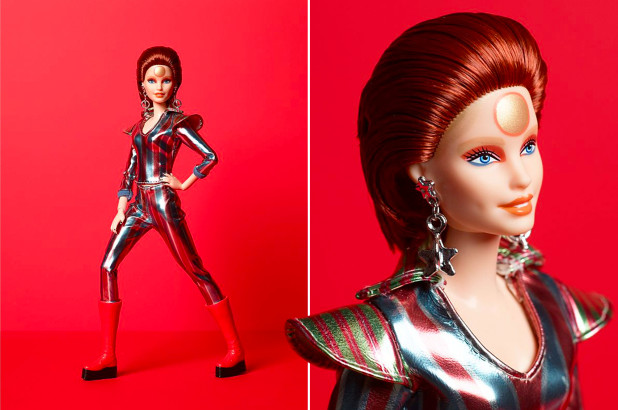
  • In the defin­i­tive cel­e­bra­tion of two pop cul­ture icons, Bar­bie hon­ors the ulti­mate pop chameleon, Eng­lish singer, song­writer and actor, David Bowie.
  • This col­lectible Bar­bie doll wears the metal­lic Zig­gy Star­dust ‘space suit’ with red and blue stripes, flared shoul­ders and Bowie’s sig­na­ture cher­ry-red plat­form boots.
  • Spe­cial details include bold make­up — fea­tur­ing the famed astral sphere fore­head icon — and a hair­style inspired by Bowie’s fiery-red locks.
  • Spe­cial­ly designed pack­ag­ing makes Bar­bie David Bowie the ulti­mate collector’s item for Bowie and Bar­bie fans alike.
  • Hon­or David Bowie’s extra­or­di­nary tal­ent and unde­ni­able influ­ence with Bar­bie David Bowie doll.

You can pur­chase it online.

Relat­ed Con­tent

David Bowie’s “Space Odd­i­ty” and the Apol­lo 11 Moon Land­ing Turn 50 This Month: Cel­e­brate Two Giant Leaps That Took Place 9 Days Apart

David Bowie’s Top 100 Books

Hear Demo Record­ings of David Bowie’s “Zig­gy Star­dust,” “Space Odd­i­ty” & “Changes”

by | Permalink | Make a Comment ( 2 ) |

What Advice Would You Give Your Younger Self?: What Research Shows, and What You Have to Say

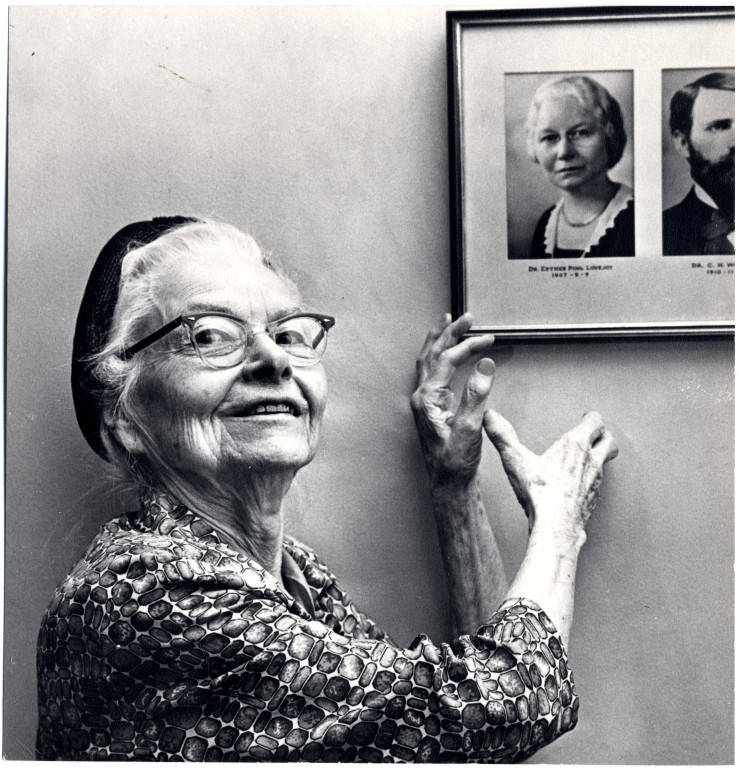
Pho­to of Dr. Esther Pohl Love­joy via Wiki­me­dia Com­mons

Almost every­one has advice they’d glad­ly give their younger self, so much so that Clem­son Uni­ver­si­ty psy­chol­o­gy pro­fes­sor Robin Kowal­s­ki and doc­tor­al stu­dent Annie McCord, were moved to ini­ti­ate a sys­tem­at­ic study of it.

The first of its kind, this study com­piled the respons­es of more than 400 par­tic­i­pants over 30, whose hypo­thet­i­cal younger self­’s aver­age age was 18.

The study’s data was culled from a sur­vey con­duct­ed over Amazon’s crowd­sourc­ing mar­ket­place, MTurk. Respon­dents spent 45 min­utes or so answer­ing hypo­thet­i­cal ques­tions online, receiv­ing $3 for their efforts.

Mon­ey-grub­bing, data-skew­ing shirk­ers were held at bay by ques­tion 36.

(Play along at home after the fact here.)

Kowal­s­ki and McCord’s find­ings, pub­lished in the bimonth­ly aca­d­e­m­ic Jour­nal of Social Psy­chol­o­gy, echo many recur­rent themes in their oth­er sur­vey of the same demo­graph­ic, this one hav­ing to do with regret—the one that got away, blown edu­ca­tion­al oppor­tu­ni­ties, mon­ey squan­dered, and risks not tak­en.

Per­son­al­i­ty and sit­u­a­tion fig­ure in, of course, but over­whelm­ing­ly, the crowd-sourced advice takes aim at the fate­ful choic­es (or non-choic­es) of youth.

Some com­mon pieces of advice include:

  • “Be kinder to your­self.”
  • “Always know your worth.”
  • “The world is big­ger than you think it is and your wor­ries aren’t as impor­tant as you think they are, just be you.”
  • “Don’t wor­ry if you look dif­fer­ent, or feel you look dif­fer­ent, from most oth­er peo­ple. There is much more to you than what oth­ers see on the sur­face.”
  • “Don’t get so caught up in the dif­fi­cul­ties of the moment since they are only tem­po­rary.”
  • “Don’t dwell on the past. Just because it was that way doesn’t mean it will be that way again.”

There’s not much research to sug­gest how recep­tive the par­tic­i­pants’ younger selves would have been to these unso­licit­ed pearls of wis­dom, but 65.7% of respon­dents report that they have imple­ment­ed some changes as a result of tak­ing Kowalk­si and McCord’s sur­vey.

Dr. Kowal­s­ki, who’s come to believe her “laser-focused on school” younger self would have ben­e­fit­ed from some inter­vals of rose-smelling, writes that the bet­ter-late-than-nev­er approach “can facil­i­tate well-being and bring us more in line with the per­son that we would like to be should we fol­low that advice.”

If you want to dou­ble down, share your advice with chil­dren, prefer­ably your own.

And for those who can’t rest easy til they’ve com­pared them­selves with Oprah Win­frey:

Be relaxed

Stop being afraid

Every­thing will be alright

No sur­prise there.

READERS—WHAT ADVICE WOULD YOU GIVE YOUR YOUNGER SELVES? Add your advice to the com­ments sec­tion below. (The author’s is some­what unprint­able…)

For inspi­ra­tion, see the Advice to My Younger Self Sur­vey Ques­tions here and the relat­ed sur­vey deal­ing with regret here.

via Big Think

Relat­ed Con­tent:

Stephen Fry: What I Wish I Knew When I Was 18

The Top Five Regrets of the Dying

Bertrand Russell’s Advice For How (Not) to Grow Old: “Make Your Inter­ests Grad­u­al­ly Wider and More Imper­son­al”

36 Artists Give Advice to Young Cre­ators: Wim Wen­ders, Jonathan Franzen, Lydia Davis, Pat­ti Smith, David Byrne, Umber­to Eco & More

Bri­an Eno’s Advice for Those Who Want to Do Their Best Cre­ative Work: Don’t Get a Job

Ayun Hal­l­i­day is an author, illus­tra­tor, the­ater mak­er and Chief Pri­ma­tol­o­gist of the East Vil­lage Inkyzine.  Her month­ly install­ment book-based vari­ety show, Necro­mancers of the Pub­lic Domain, will resume in the fall. Fol­low her @AyunHalliday.

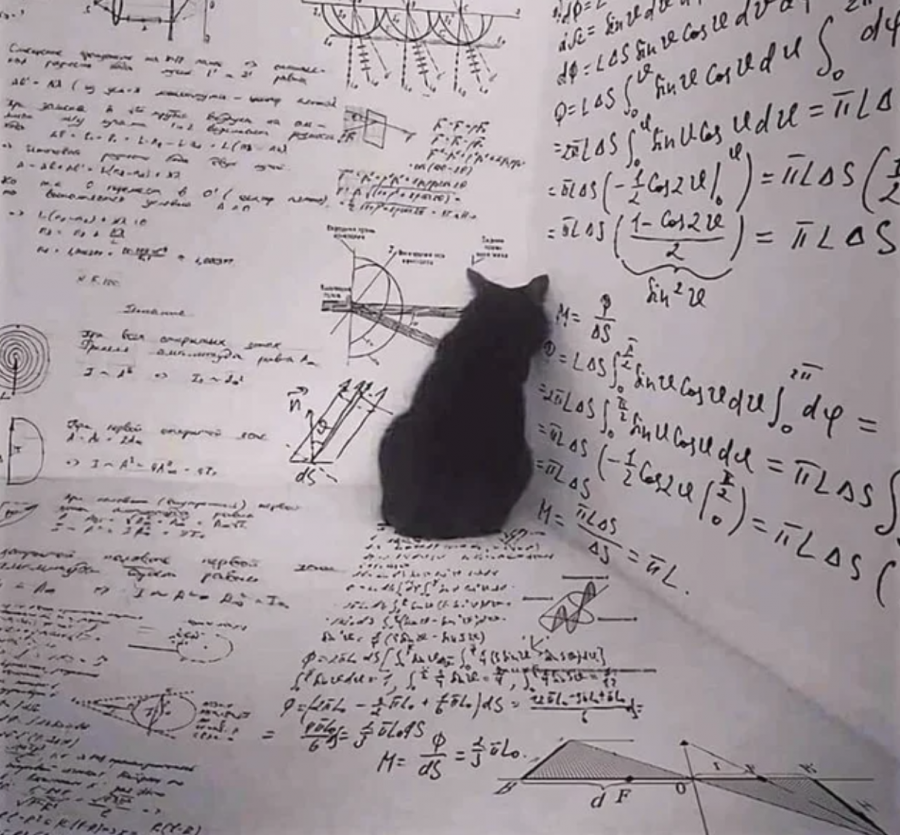
Meanwhile, Inside the Box, Schrodinger’s Cat Plans Its Revenge…

by | Permalink | Make a Comment ( 3 ) |

The Sax Solo on Gerry Rafferty’s “Baker Street” on a 10 Hour, Endless Loop

Enjoy, but the rule is once you start, you have to lis­ten through to the very, very end. :)

by | Permalink | Make a Comment ( 6 ) |

A Telecaster Made Out of 1200 Colored Pencils

A cou­ple weeks back, Burls Art dared to make a Stra­to­cast­er out of 1200 Cray­ola col­ored pen­cils. Now comes a Tele­cast­er-style gui­tar, which Fend­er first put into pro­duc­tion back in 1950. You can watch it get made, from start to fin­ish, in the 11-minute video above.

On a more seri­ous note, any­one inter­est­ed in the his­to­ry of the elec­tric guitar–particularly the Strat, Tele and Les Paul–should spend time with the new book by Ian S. Port, The Birth of Loud: Leo Fend­er, Les Paul, and the Gui­tar-Pio­neer­ing Rival­ry That Shaped Rock ‘n’ Roll. It offers a pret­ty rich and live­ly account of the inven­tors and instru­ments who cre­at­ed a new mod­ern sound. If inter­est­ed, you can get The Birth of Loud as a free audio­book if you sign up for Audible.com’s free tri­al pro­gram. Find details on that here.

If you would like to sign up for Open Culture’s free email newslet­ter, please find it here. It’s a great way to see our new posts, all bun­dled in one email, each day.

If you would like to sup­port the mis­sion of Open Cul­ture, con­sid­er mak­ing a dona­tion to our site. It’s hard to rely 100% on ads, and your con­tri­bu­tions will help us con­tin­ue pro­vid­ing the best free cul­tur­al and edu­ca­tion­al mate­ri­als to learn­ers every­where. You can con­tribute through Pay­Pal, Patre­on, and Ven­mo (@openculture). Thanks!

Relat­ed Con­tent:

A Fend­er Stra­to­cast­er Made Out of 1200 Col­ored Pen­cils

Behold the First Elec­tric Gui­tar: The 1931 “Fry­ing Pan”

Bri­an May’s Home­made Gui­tar, Made From Old Tables, Bike and Motor­cy­cle Parts & More

Oxford Sci­en­tist Explains the Physics of Play­ing Elec­tric Gui­tar Solos

Repair­ing Willie Nelson’s Trig­ger: A Good Look at How a Luthi­er Gets America’s Most Icon­ic Gui­tar on the Road Again

The Moonlight Sonata But the Bass Is a Bar Late, and the Melody Is a Bar Early

From com­pos­er and elec­tron­ic musi­cian Isaac Schankler comes an exper­i­men­tal take on Beethoven’s Moon­light Sonata. As the title says, the bass is a bar late and the melody is a bar ear­ly. Sheet music for the exper­i­ment can be found here. And some of Schankler’s more seri­ous com­po­si­tions here.

If you would like to sign up for Open Culture’s free email newslet­ter, please find it here. It’s a great way to see our new posts, all bun­dled in one email, each day.

If you would like to sup­port the mis­sion of Open Cul­ture, con­sid­er mak­ing a dona­tion to our site. It’s hard to rely 100% on ads, and your con­tri­bu­tions will help us con­tin­ue pro­vid­ing the best free cul­tur­al and edu­ca­tion­al mate­ri­als to learn­ers every­where. You can con­tribute through Pay­Pal, Patre­on, and Ven­mo (@openculture). Thanks!

via Metafil­ter

Relat­ed Con­tent:

How Did Beethoven Com­pose His 9th Sym­pho­ny After He Went Com­plete­ly Deaf?

Beethoven’s Ode to Joy Played With 167 Theremins Placed Inside Matryosh­ka Dolls in Japan

The Sto­ry of How Beethoven Helped Make It So That CDs Could Play 74 Min­utes of Music


by | Permalink | Make a Comment ( 3 ) |

The Illustrated Version of “Alice’s Restaurant”: Watch Arlo Guthrie’s Thanksgiving Counterculture Classic

Alice’s Restau­rant. It’s now a Thanks­giv­ing clas­sic, and some­thing of a tra­di­tion around here. Record­ed in 1967, the 18+ minute coun­ter­cul­ture song recounts Arlo Guthrie’s real encounter with the law, start­ing on Thanks­giv­ing Day 1965. As the long song unfolds, we hear all about how a hip­pie-bat­ing police offi­cer, by the name of William “Obie” Oban­hein, arrest­ed Arlo for lit­ter­ing. (Cul­tur­al foot­note: Obie pre­vi­ous­ly posed for sev­er­al Nor­man Rock­well paint­ings, includ­ing the well-known paint­ing, “The Run­away,” that graced a 1958 cov­er of The Sat­ur­day Evening Post.) In fair­ly short order, Arlo pleads guilty to a mis­de­meanor charge, pays a $25 fine, and cleans up the thrash. But the sto­ry isn’t over. Not by a long shot. Lat­er, when Arlo (son of Woody Guthrie) gets called up for the draft, the pet­ty crime iron­i­cal­ly becomes a basis for dis­qual­i­fy­ing him from mil­i­tary ser­vice in the Viet­nam War. Guthrie recounts this with some bit­ter­ness as the song builds into a satir­i­cal protest against the war: “I’m sit­tin’ here on the Group W bench ’cause you want to know if I’m moral enough to join the Army, burn women, kids, hous­es and vil­lages after bein’ a lit­ter­bug.” And then we’re back to the cheery cho­rus again: “You can get any­thing you want, at Alice’s Restau­rant.”

We have fea­tured Guthrie’s clas­sic dur­ing past years. But, for this Thanks­giv­ing, we give you the illus­trat­ed ver­sion. Hap­py Thanks­giv­ing to every­one who plans to cel­e­brate the hol­i­day today.

If you would like to sign up for Open Culture’s free email newslet­ter, please find it here. It’s a great way to see our new posts, all bun­dled in one email, each day.

If you would like to sup­port the mis­sion of Open Cul­ture, con­sid­er mak­ing a dona­tion to our site. It’s hard to rely 100% on ads, and your con­tri­bu­tions will help us con­tin­ue pro­vid­ing the best free cul­tur­al and edu­ca­tion­al mate­ri­als to learn­ers every­where. You can con­tribute through Pay­Pal, Patre­on, and Ven­mo (@openculture). Thanks!

Relat­ed Con­tent:

William S. Bur­roughs Reads His Sar­cas­tic “Thanks­giv­ing Prayer” in a 1988 Film By Gus Van Sant

Mar­i­lyn Monroe’s Hand­writ­ten Turkey-and-Stuff­ing Recipe

William Shat­ner Raps About How to Not Kill Your­self Deep Fry­ing a Turkey

F. Scott Fitzgerald’s 13 Tips for What to Do with Your Left­over Thanks­giv­ing Turkey

by | Permalink | Make a Comment ( 3 ) |

« Go BackMore in this category... »
Quantcast