Not Your Father’s Scientific American

The pop­u­lar sci­ence mag­a­zine, Sci­en­tif­ic Amer­i­can, has been around a long time, since 1845 in fact. That makes it the old­est peri­od­i­cal in con­tin­u­ous pub­li­ca­tion in the Unit­ed States. Now, the mag­a­zine that your great-great-great grand­fa­ther read has launched a new web­site called 60 Sec­ond Sci­ence. Based on Sci­en­tif­ic Amer­i­can’s dai­ly pod­cast that’s also called 60 Sec­ond Sci­ence (iTunes — Feed — Web Site), the new site gets updat­ed 12 times a day, and it fea­tures its own audio/video pod­casts, links to key Sci­Am arti­cles and oth­er good stuff. Have a look, and don’t for­get to check out our broad­er col­lec­tion of Sci­ence Pod­casts.

201 Stories by Anton Chekhov

chekhov3.jpgAmong Rus­si­a’s great­est writ­ers, Anton Chekhov rev­o­lu­tion­ized Russ­ian dra­ma and short-sto­ry writ­ing. In this col­lec­tion, you’ll find 201 trans­lat­ed sto­ries pre­sent­ed in the order of their pub­li­ca­tion. If you’re new to Chekhov, it’s rec­om­mend­ed by the web site that you begin (and I’m quot­ing ver­ba­tim) “with a few humor­ous sto­ries, such as Oh! the Pub­lic!, The Ora­tor, and A Trans­gres­sion. Next try one of Chekhov’s most mov­ing sto­ries, Mis­ery. Among the longer sto­ries, I sug­gest begin­ning with Ward No. 6, The Duel, and The Steppe, which con­tains the most famous thun­der­storm in lit­er­a­ture. Final­ly, be sure to read the famous tril­o­gy made of The Man in a Case, Goose­ber­ries, and About Love.” (Source: Metafil­ter)

Get free audio­book of fic­tion and non-fic­tion clas­sics. Vis­it our Audio­Book Pod­cast Col­lec­tion.

Sub­scribe to Our Feed

by | Permalink | Make a Comment ( 3 ) |

Human Species May Split into Two: Life Imitates Art Again?

Here’s a zinger to mull over: The BBC has post­ed an arti­cle about a the­o­ry advanced by Oliv­er Cur­ry, an “evo­lu­tion­ary the­o­rist” work­ing out of The Lon­don School of Eco­nom­ics, who sug­gests that human­i­ty may split into two sub-species about 100,000 years down the road. And what we’d be left with is “a genet­ic upper class” rul­ing over “a dim-wit­ted under­class.” This is a sce­nario, of course, that HG Wells laid out in his 1895 clas­sic, The Time Machine (lis­ten to free audio­book on iTunes here). And, if Cur­ry’s the­o­ry holds water, Welles may offer the most extreme exam­ple of sci­ence fic­tion antic­i­pat­ing the shape of the future. Does Cur­ry’s the­o­ry have any­thing to it? We haven’t the fog­gi­est. But does it make for strange­ly com­pelling yet dis­turb­ing read­ing? It sure does.

See our Sci­ence Pod­cast Col­lec­tion as well as our col­lec­tion of Audio­book Pod­casts.

Sub­scribe to our feed

by | Permalink | Make a Comment ( 2 ) |

Science for The Rest of Us: Podcasts At a Glance

Today, Eliz­a­beth Green Mus­sel­man has penned a guest blog post that you’re bound to enjoy. Eliz­a­beth is a pro­fes­sor and his­to­ri­an who works on the his­to­ry of sci­ence, and she has recent­ly launched a thought­ful pod­cast on the his­to­ry of sci­ence, med­i­cine, and tech­nol­o­gy. It’s called “The Miss­ing Link” (iTunes — Feed — Web Site). Below, she high­lights for us a range of pod­casts that will appeal to every­day sci­ence enthu­si­asts. (If you’re inter­est­ed in doing some guest blog­ging, drop us a line.) Thanks Eliz­a­beth and take it away:

These can seem like dark days for those peo­ple who love sci­ence but who nei­ther spe­cial­ize in the field nor can quite stom­ach the gee-whiz fac­tor that plagues so much pop­u­lar sci­ence writ­ing and broad­cast­ing. Now that Stephen Jay Gould is cavort­ing some­where in the Beyond with Charles Dar­win, and ever since the New York Acad­e­my of Sci­ences put the ax to its inspired mag­a­zine The Sci­ences, where is a lev­el­head­ed lover of the sci­ences to turn?

The pod­cast world has begun to devel­op a niche mar­ket for just such lis­ten­ers, that is, lis­ten­ers who like their sci­ence rel­a­tive­ly non-tech­ni­cal but still high-mind­ed – lis­ten­ers who think of sci­ence as a part of human cul­ture, rather than an arcane tem­ple. Not sur­pris­ing­ly, some of the best con­tent comes from radio pro­grams that have been re-released as pod­casts. These include WNYC’s Radi­o­Lab, an hour-long show whose seri­ous inves­ti­ga­tions on a theme (such as sleep or mor­tal­i­ty) take on an intrigu­ing­ly fun­house qual­i­ty through the program’s inven­tive use of sound and the humor­ous inter­ac­tion between co-hosts Jad Abum­rad and Robert Krul­wich. NPR has also released Krulwich’s solo reports in pod­cast form as Hmmm… Krul­wich on Sci­ence.

Anoth­er long­stand­ing NPR favorite, The Engines of Our Inge­nu­ity, began broad­cast­ing brief, thought­ful reflec­tions on tech­nol­o­gy and cul­ture in 1988. Writ­ten and host­ed by John Lien­hard, a retired pro­fes­sor of mechan­i­cal engi­neer­ing and his­to­ry at the Uni­ver­si­ty of Hous­ton, the show now airs five days a week on 30 NPR affil­i­ates in the U.S. The brief pro­grams are also avail­able in pod­cast form.

On the oth­er side of the pond, the BBC 4’s long-run­ning, pop­u­lar show, In Our Time, fre­quent­ly con­sid­ers sci­en­tif­ic top­ics and can also be heard in pod­cast form. Most recent­ly, the pro­gram explored anti­mat­ter. On each hour-long pro­gram the host, Melvyn Bragg, keeps a pan­el of three schol­ars mov­ing at a pace that skirts neat­ly between brisk and con­tem­pla­tive.

Final­ly, sev­er­al pod­casts pro­duced by indi­vid­u­als have begun to appear, each of which con­sid­ers sci­ence in con­text. Explor­ing Envi­ron­men­tal His­to­ry fea­tures Jan Oosthoek’s smart inter­views with his fel­low envi­ron­men­tal his­to­ri­ans and sci­en­tists, often focus­ing on how his­tor­i­cal study can point us toward stronger envi­ron­men­tal pol­i­cy solu­tions. The most recent episode con­sid­ers Arc­tic cli­mate con­di­tions both today and in the Lit­tle Ice Age. My own month­ly pod­cast, The Miss­ing Link, con­sid­ers those fas­ci­nat­ing moments in the his­to­ry of sci­ence, med­i­cine, and tech­nol­o­gy, when our intel­lec­tu­al and tech­ni­cal prowess rubs up against our very human dreams and fail­ings. The most recent episode vis­its Berlin, Ger­many, where the grue­some­ness of a pathol­o­gy museum’s col­lec­tion masks a cen­turies-long his­to­ry of both inequitable med­ical care and bril­liant micro­bi­o­log­i­cal research. The pro­gram also dis­cuss­es the Berlin Phono­gram Archive, one of the first attempts to record the world’s music for pos­ter­i­ty, designed orig­i­nal­ly to demon­strate the evo­lu­tion­ary scale of prim­i­tive to civ­i­lized human­i­ty.

Our Ancestral Mind in the Modern World: An Interview with Satoshi Kanazawa

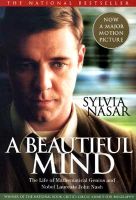
beautiful4.jpgHuman behav­ior is noto­ri­ous­ly com­plex, and there’s been no short­age of psy­chol­o­gists and psy­cho­log­i­cal the­o­ries ven­tur­ing to explain what makes us tick. Why do we get irra­tional­ly jeal­ous? Or have midlife crises? Why do we overeat to our own detri­ment? Why do we find our­selves often strong­ly attract­ed to cer­tain phys­i­cal traits? Numer­ous the­o­ries abound, but few are per­haps as nov­el and thought-pro­vok­ing as those sug­gest­ed by a new book with a long title: Why Beau­ti­ful Peo­ple Have More Daugh­ters: From Dat­ing, Shop­ping, and Pray­ing to Going to War and Becom­ing a Bil­lion­aire — Two Evo­lu­tion­ary Psy­chol­o­gists Explain Why We Do What We Do. Writ­ten by Satoshi Kanaza­wa and Alan S. Miller, the book finds answers not in ids, egos and super­egos, but in the evo­lu­tion of the human brain. Writ­ten in snap­py prose, their argu­ment is essen­tial­ly that our behav­ior — our wants, desires and impuls­es — are over­whelm­ing­ly shaped by the way our brain evolved 10,000+ years ago, and one con­se­quence is that our ances­tral brain is often respond­ing to a world long ago dis­ap­peared, not the mod­ern, fast-chang­ing world in which we live. This dis­con­nect can lead us to be out of sync, to act in ways that seem inex­plic­a­ble or counter-pro­duc­tive, even to our­selves. These argu­ments belong to new field called “evo­lu­tion­ary psy­chol­o­gy,” and we were for­tu­nate to inter­view Satoshi Kanaza­wa (Lon­don School of Eco­nom­ics) and delve fur­ther into evo­lu­tion­ary psy­chol­o­gy and the (some­times dispir­it­ing) issues it rais­es. Have a read, check out the book, and also see the relat­ed piece that the Freako­nom­ics folks recent­ly did on this book. Please note that the full inter­view con­tin­ues after the jump.

DC: In a nut­shell, what is “evo­lu­tion­ary psy­chol­o­gy”? (e.g. when did the field emerge? what are the basic tenets/principles of this school of think­ing?)

SK: Evo­lu­tion­ary psy­chol­o­gy is the appli­ca­tion of evo­lu­tion­ary biol­o­gy to human cog­ni­tion and behav­ior. For more than a cen­tu­ry, zool­o­gists have suc­cess­ful­ly used the uni­fy­ing prin­ci­ples of evo­lu­tion to explain the body and behav­ior of all ani­mal species in nature, except for humans. Sci­en­tists held a spe­cial place for humans and made an excep­tion for them.

In 1992, a group of psy­chol­o­gists and anthro­pol­o­gists sim­ply asked, “Why not? Why can’t we use the prin­ci­ples of evo­lu­tion to explain human behav­ior as well?” And the new sci­ence of evo­lu­tion­ary psy­chol­o­gy was born. It is premised on two grand gen­er­al­iza­tions. First, all the laws of evo­lu­tion by nat­ur­al and sex­u­al selec­tion hold for humans as much as they do for all species in nature. Sec­ond, the con­tents of the human brain have been shaped by the forces of evo­lu­tion just as much as every oth­er part of human body. In oth­er words, humans are ani­mals, and as such they have been shaped by evo­lu­tion­ary forces just as oth­er ani­mals have been.

DC: Evo­lu­tion­ary psy­chol­o­gy por­trays us as hav­ing impuls­es that took form long ago, in a very pre-mod­ern con­text (say, 10,000 years ago), and now these impuls­es are some­times rather ill-adapt­ed to our con­tem­po­rary world. For exam­ple, in a food-scarce envi­ron­ment, we became pro­grammed to eat when­ev­er we can; now, with food abound­ing in many parts of the world, this impulse cre­ates the con­di­tions for an obe­si­ty epi­dem­ic. Giv­en that our world will like­ly con­tin­ue chang­ing at a rapid pace, are we doomed to have our impuls­es con­stant­ly play­ing catch up with our envi­ron­ment, and does that poten­tial­ly doom us as a species?

SK: In fact, we’re not play­ing catch up; we’re stuck. For any evo­lu­tion­ary change to take place, the envi­ron­ment has to remain more or less con­stant for many gen­er­a­tions, so that evo­lu­tion can select the traits that are adap­tive and elim­i­nate those that are not. When the envi­ron­ment under­goes rapid change with­in the space of a gen­er­a­tion or two, as it has been for the last cou­ple of mil­len­nia, if not more, then evo­lu­tion can’t hap­pen because nature can’t deter­mine which traits to select and which to elim­i­nate. So they remain at a stand­still. Our brain (and the rest of our body) are essen­tial­ly frozen in time — stuck in the Stone Age.

One exam­ple of this is that when we watch a scary movie, we get scared, and when we watch porn we get turned on. We cry when some­one dies in a movie. Our brain can­not tell the dif­fer­ence between what’s sim­u­lat­ed and what’s real, because this dis­tinc­tion didn’t exist in the Stone Age.

DC: One con­clu­sion from your book is that we’re some­thing of a pris­on­er to our hard-wiring. Yes, there is some room for us to maneu­ver. But, in the end, our evolved nature takes over. If all of this holds true, is there room in our world for utopi­an (or even mild­ly opti­mistic) polit­i­cal move­ments that look to refash­ion how humans behave and inter­act with one anoth­er? Or does this sci­ence sug­gest that Edmund Burke was on to some­thing?

SK: Steven Pinker, in his 2002 book The Blank Slate, makes a very con­vinc­ing argu­ment that all Utopi­an visions, whether they be moti­vat­ed by left-wing ide­ol­o­gy or right-wing ide­ol­o­gy, are doomed to fail­ure, because they all assume that human nature is mal­leable. Evo­lu­tion­ary psy­chol­o­gists have dis­cov­ered that the human mind is not a blank slate, a tab­u­la rasa; humans have innate bio­log­i­cal nature as much as any oth­er species does, and it is not mal­leable. Paul H. Rubin’s 2002 book Dar­win­ian Pol­i­tics: The Evo­lu­tion­ary Ori­gin of Free­dom gives an evo­lu­tion­ary psy­cho­log­i­cal account of why Burke and clas­si­cal lib­er­als (who are today called lib­er­tar­i­ans) may have been right.

As a sci­en­tist, I am not inter­est­ed in Utopi­an visions (or any oth­er visions for soci­ety). But it seems to me that, if you want to change the world suc­cess­ful­ly, you can­not start from false premis­es. Any such attempt is bound to fail. If you build a house on top of a lake on the assump­tion that water is sol­id, it will inevitably col­lapse and sink to the bot­tom of the lake, but if you rec­og­nize the flu­id nature of water, you can build a suc­cess­ful house­boat. A house­boat may not be as good as a gen­uine house built on ground, but it’s bet­ter than a col­lapsed house on the bot­tom of the lake. A vision for soci­ety based on an evo­lu­tion­ary psy­cho­log­i­cal under­stand­ing of human nature at least has a fight­ing chance, which is a much bet­ter than any Utopi­an vision based on the assump­tion that human nature is infi­nite­ly mal­leable.

(more…)

by | Permalink | Make a Comment ( 22 ) |

One Formula Thinking

Speak­ing of Einstein–have you ever want­ed to explain the world on a nap­kin? The Edge, self-described as “an online col­lec­tive of deep thinkers,” has teamed up with the Ser­pen­tine Gallery in Lon­don to par­tic­i­pate in a month-long Exper­i­ment Marathon. The Ser­pen­tine has been ask­ing lead­ing sci­en­tists and thinkers “What Is Your For­mu­la?” and the Edge is now host­ing the fas­ci­nat­ing answers on their site. Rickard Dawkins, Bri­an Eno and Benoit Man­del­brot are just a few of the con­trib­u­tors.

Einstein and the Mind of God

Speak­ing at a con­fer­ence on sci­ence, reli­gion and phi­los­o­phy in 1941, Albert Ein­stein famous­ly said that “sci­ence with­out reli­gion is lame; reli­gion with­out sci­ence is blind.” Ein­stein, a Ger­man-born Jew, con­sid­ered him­self reli­gious. But what he meant by reli­gion was not straight­for­ward. The first episode of a two-part pod­cast called Ein­stein and the Mind of God (iTunes — MP3 — Web Site) tries to sort out Ein­stein’s reli­gious sen­si­bil­i­ty and how it squares with his sci­en­tif­ic think­ing. For Ein­stein, reli­gion con­sist­ed of a belief, not in a per­son­al God, but a uni­ver­sal spir­it that man­i­fests itself in nature. And it was the task of physics to make sense of nature, of God’s uni­verse. Or, so that is how it’s explained by Free­man Dyson, a famed the­o­ret­i­cal physi­cist who appears on the show. In the sec­ond part, the pod­cast turns to look at Ein­stein’s ethics (iTunes — MP3 — Web Site). Although not with­out per­son­al flaws (he often fell short in his personal/domestic life), Ein­stein had a strong moral sense informed by his Jew­ish upbring­ing. He saw sci­en­tists hav­ing a deep moral oblig­a­tion to soci­ety; he took strong posi­tions against war (except when Hitler came along); he opposed racial dis­crim­i­na­tion and lament­ed the plight of African-Amer­i­cans well before the civ­il rights move­ment; and he laud­ed reli­gious lead­ers’ efforts to use non-vio­lent action to oppose immoral con­di­tions. Each of these pod­casts runs around 53 min­utes in length, and they form part of a larg­er radio/podcast series called Speak­ing of Faith (iTunes — Feed — Web Site), which is issued by Amer­i­can Pub­lic Media.

Relat­ed Con­tent:

Sub­scribe to Our Feed

The World Without Us: Author Interview

Ear­li­er this week I spoke on the phone with Alan Weis­man, the author of The World With­out Us. (See our ini­tial piece on his book.) Alan was gra­cious enough to take some time out of his pub­lic­i­ty sched­ule to share his thoughts on the book, the world, his writ­ing process, and more. What fol­lows is an edit­ed tran­script of our con­ver­sa­tion.

Ed: This book address­es what on the sur­face seems to be a pret­ty far-fetched hypo­thet­i­cal: that human­i­ty might sud­den­ly dis­ap­pear. What drew you to this premise in the first place?

Alan: Well, pre­cise­ly that. Most great envi­ron­men­tal writ­ing does not get read by a lot of the peo­ple who ought to be learn­ing about it because the near­er-term pos­si­bil­i­ties just seem some­times so fright­en­ing, or so depress­ing, that nobody real­ly wants to pick up a book to read it.

By struc­tur­ing the book the way that I did, I dis­arm the auto­mat­ic fear that repels a lot of peo­ple from read­ing about the envi­ron­ment. Peo­ple don’t want to read some­thing that seems too threat­en­ing. On a sub­con­scious or even a con­scious lev­el, they don’t want to be wor­ried we’re all going to die. In my book, killing us off in the first cou­ple of pages means peo­ple don’t have to wor­ry about dying because we’re already dead, and that’s a relief in a sense. The idea of glimps­ing the future is irre­sistible to all of us and I estab­lish pret­ty quick­ly that is not going to just be me spec­u­lat­ing, it’s going to be some hard sci­ence writ­ing based on a lot of report­ing, of talk­ing to experts or eye­wit­ness­es whose guess­es will be far more inter­est­ing than most peo­ples’.

The fact that it is far-fetched is real­ly use­ful because on the one hand real­ly it’s a remote pos­si­bil­i­ty that we would leave, that we would dis­ap­pear tomor­row. So peo­ple don’t go into a pan­ic over this book, and it real­ly gives peo­ple enough time to think about these things with­out pan­ick­ing about it. So that’s how this device works, and I think it’s been proven to be very effec­tive. I’m get­ting a lot more peo­ple to read it than just peo­ple who are hung up on the envi­ron­ment.

(more…)

« Go BackMore in this category... »
Quantcast