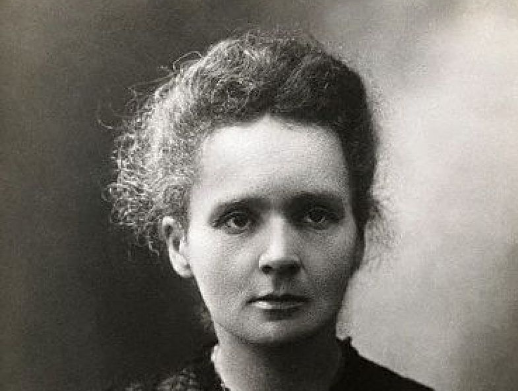
Marie Curie Attended a Secret, Underground “Flying University” When Women Were Banned from Polish Universities

curie underground education

Image via Wiki­me­dia Com­mons

Marie Curie has long stood in the pan­theon of sci­en­tists for her research on radioac­tiv­i­ty — research so close to the sub­ject that, as we post­ed about last year, her papers remain radioac­tive over a cen­tu­ry lat­er. She’s also become the most promi­nent his­tor­i­cal role mod­el for female stu­dents with an inter­est in sci­ence, not least because of the obsta­cles she had to sur­mount to arrive at the posi­tion where she could do her research in the first place. Born in 19th-cen­tu­ry Poland to a fam­i­ly finan­cial­ly hum­bled by their par­tic­i­pa­tion in polit­i­cal strug­gles for inde­pen­dence from Rus­sia (whose author­i­ties took lab­o­ra­to­ry instruc­tion out of the coun­try’s schools), she hard­ly had a smooth road to fol­low, or even much of a road at all.

“I was only fif­teen when I fin­ished my high-school stud­ies, always hav­ing held first rank in my class,” Curie wrote of those years. “The fatigue of growth and study com­pelled me to take almost a year’s rest in the coun­try.” But when she returned to the cap­i­tal, she could­n’t con­tin­ue her for­mal learn­ing there, giv­en the Uni­ver­si­ty of War­saw’s refusal to admit women. So she con­tin­ued her learn­ing infor­mal­ly, get­ting involved with the “Fly­ing Uni­ver­si­ty” (or “Float­ing Uni­ver­si­ty”) that in the late 19th and ear­ly 20th cen­tu­ry clan­des­tine­ly offered an edu­ca­tion in ever-chang­ing loca­tions, often pri­vate hous­es, through­out the city. (Over 5,000 Poles, male and female, ben­e­fit­ed from its ser­vices, includ­ing the writer Zofia Nałkows­ka and doc­tor Janusz Kor­czak.)

Marie Curie and the Sci­ence of Radioac­tiv­i­ty author Nao­mi Pasa­choff writes that “the mis­sion of the patri­ot­ic par­tic­i­pants of the Float­ing Uni­ver­si­ty,” as its name is also trans­lat­ed, “was to bring about Poland’s even­tu­al free­dom by enlarg­ing and strength­en­ing its edu­cat­ed class­es.” Young­sters eager to read more about Curie’s expe­ri­ence there might like to read Marie Curie and the Dis­cov­ery of Radi­um, whose authors Ann E. Steinke and Roger Xavier write of Curie’s expe­ri­ence lis­ten­ing to “lessons on anato­my, nat­ur­al his­to­ry, and soci­ol­o­gy. In turn she gave lessons to women from poor fam­i­lies.” She would lat­er describe her time there as the ori­gin of her inter­est in exper­i­men­tal sci­en­tif­ic work.

With their sights set on West­ern Europe, Curie (then Maria Skłodows­ka) and her sis­ter Bro­nis­lawa (known as Bronya) made a pact: “Maria would work as a gov­erness to help pay for Bronya’s med­ical stud­ies in Paris. As soon as Bronya was trained and began to earn mon­ey, she would help cov­er the costs of Maria’s uni­ver­si­ty train­ing.” Curie earned two degrees in Paris in 1893 and 1894, and her first Nobel Prize in 1903. The Fly­ing Uni­ver­si­ty last­ed until 1905, and the oper­a­tion would lat­er return to activ­i­ty in the late 1970s and ear­ly 80s with Poland under the thumb of com­mu­nism. We now live in more enlight­ened times, with prop­er edu­ca­tions, sci­en­tif­ic or oth­er­wise, avail­able to stu­dents male or female across most of the world — thanks to the will that drove uncon­ven­tion­al insti­tu­tions like the Fly­ing Uni­ver­si­ty, and its uncon­ven­tion­al stu­dents like Marie Curie.

Relat­ed Con­tent:

Marie Curie’s Research Papers Are Still Radioac­tive 100+ Years Lat­er

New Archive Puts 1000s of Einstein’s Papers Online, Includ­ing This Great Let­ter to Marie Curie

Free Online Physics Cours­es, a sub­set of our col­lec­tion, 1,700 Free Online Cours­es from Top Uni­ver­si­ties

Based in Seoul, Col­in Mar­shall writes and broad­casts on cities and cul­ture. He’s at work on a book about Los Ange­les, A Los Ange­les Primer, the video series The City in Cin­e­ma, the crowd­fund­ed jour­nal­ism project Where Is the City of the Future?, and the Los Ange­les Review of Books’ Korea Blog. Fol­low him on Twit­ter at @colinmarshall or on Face­book.

The Secret Link Between Jazz and Physics: How Einstein & Coltrane Shared Improvisation and Intuition in Common

Sci­en­tists need hob­bies. The gru­el­ing work of nav­i­gat­ing com­plex the­o­ry and the pol­i­tics of acad­e­mia can get to a per­son, even one as laid back as Dart­mouth pro­fes­sor and astro­physi­cist Stephon Alexan­der. So Alexan­der plays the sax­o­phone, though at this point it may not be accu­rate to call his avo­ca­tion a spare time pur­suit, since John Coltrane has become as impor­tant to him as Ein­stein, Kepler, and New­ton.

Coltrane, he says in a 7‑minute TED talk above, “changed my whole research direc­tion… led to basi­cal­ly a dis­cov­ery in physics.” Alexan­der then pro­ceeds to play the famil­iar open­ing bars of “Giant Steps.” He’s no Coltrane, but he is a very cre­ative thinker whose love of jazz has giv­en him a unique per­spec­tive on the­o­ret­i­cal physics, one he shares, it turns out, with both Ein­stein and Coltrane, both of whom saw music and physics as intu­itive, impro­visato­ry pur­suits.

Alexan­der describes his jazz epiphany as occa­sioned by a com­plex dia­gram Coltrane gave leg­endary jazz musi­cian and Uni­ver­si­ty of Mass­a­chu­setts pro­fes­sor Yusef Lateef in 1967. “I thought the dia­gram was relat­ed to anoth­er and seem­ing­ly unre­lat­ed field of study—quantum grav­i­ty,” he writes in a Busi­ness Insid­er essay on his dis­cov­ery, “What I had real­ized… was that the same geo­met­ric prin­ci­ple that moti­vat­ed Einstein’s the­o­ry was reflect­ed in Coltrane’s dia­gram.”

The the­o­ry might “imme­di­ate­ly sound like untestable pop-phi­los­o­phy,” writes the Cre­ators Project, who show­case Alexander’s physics-inspired musi­cal col­lab­o­ra­tion with exper­i­men­tal pro­duc­er Rioux (sam­ple below). But his ideas are much more sub­stan­tive, “a com­pelling cross-dis­ci­pli­nary inves­ti­ga­tion,” recent­ly pub­lished in a book titled The Jazz of Physics: The Secret Link Between Music and the Struc­ture of the Uni­verse.

Alexan­der describes the links between jazz and physics in his TED talk, as well as in the brief Wired video fur­ther up. “One con­nec­tion,” he says, is “the mys­te­ri­ous way that quan­tum par­ti­cles move.… Accord­ing to the rules of quan­tum mechan­ics,” they “will actu­al­ly tra­verse all pos­si­ble paths.” This, Alexan­der says, par­al­lels the way jazz musi­cians impro­vise, play­ing with all pos­si­ble notes in a scale. His own impro­vi­sa­tion­al play­ing, he says, is great­ly enhanced by think­ing about physics. And in this, he’s only fol­low­ing in the giant steps of both of his idols.

It turns out that Coltrane him­self used Einstein’s the­o­ret­i­cal physics to inform his under­stand­ing of jazz com­po­si­tion. As Ben Ratliff reports in Coltrane: The Sto­ry of a Sound, the bril­liant sax­o­phon­ist once deliv­ered to French horn play­er David Amram an “incred­i­ble dis­course about the sym­me­try of the solar sys­tem, talk­ing about black holes in space, and con­stel­la­tions, and the whole struc­ture of the solar sys­tem, and how Ein­stein was able to reduce all of that com­plex­i­ty into some­thing very sim­ple.” Says Amram:

Then he explained to me that he was try­ing to do some­thing like that in music, some­thing that came from nat­ur­al sources, the tra­di­tions of the blues and jazz. But there was a whole dif­fer­ent way of look­ing at what was nat­ur­al in music.

This may all sound rather vague and mys­te­ri­ous, but Alexan­der assures us Coltrane’s method is very much like Einstein’s in a way: “Ein­stein is famous for what is per­haps his great­est gift: the abil­i­ty to tran­scend math­e­mat­i­cal lim­i­ta­tions with phys­i­cal intu­ition. He would impro­vise using what he called gedanken­ex­per­i­ments (Ger­man for thought exper­i­ments), which pro­vid­ed him with a men­tal pic­ture of the out­come of exper­i­ments no one could per­form.”

Ein­stein was also a musi­cian—as we’ve not­ed before—who played the vio­lin and piano and whose admi­ra­tion for Mozart inspired his the­o­ret­i­cal work. “Ein­stein used math­e­mat­i­cal rig­or,” writes Alexan­der, as much as he used “cre­ativ­i­ty and intu­ition. He was an impro­vis­er at heart, just like his hero, Mozart.” Alexan­der has fol­lowed suit, see­ing in the 1967 “Coltrane Man­dala” the idea that “impro­vi­sa­tion is a char­ac­ter­is­tic of both music and physics.” Coltrane “was a musi­cal inno­va­tor, with physics at his fin­ger­tips,” and “Ein­stein was an inno­va­tor in physics, with music at his fin­ger­tips.”

Alexan­der gets into a few more specifics in his longer TEDx talk above, begin­ning with some per­son­al back­ground on how he first came to under­stand physics as an intu­itive dis­ci­pline close­ly linked with music. For the real meat of his argu­ment, you’ll like­ly want to read his book, high­ly praised by Nobel-win­ning physi­cist Leon Coop­er, futur­is­tic com­pos­er Bri­an Eno, and many more bril­liant minds in both music and sci­ence.

Relat­ed Con­tent:

Free Online Physics Cours­es

The Musi­cal Mind of Albert Ein­stein: Great Physi­cist, Ama­teur Vio­lin­ist and Devo­tee of Mozart

CERN’s Cos­mic Piano and Jazz Pianist Jam Togeth­er at The Mon­treux Jazz Fes­ti­val

Bohemi­an Grav­i­ty: String The­o­ry Explored With an A Cap­pel­la Ver­sion of Bohemi­an Rhap­sody

Josh Jones is a writer and musi­cian based in Durham, NC. Fol­low him at @jdmagness

Carl Sagan Presents a Mini-Course on Earth, Mars & What’s Beyond Our Solar System: For Kids and Adults (1977)

Despite the inten­sive focus on STEM (as opposed to STEAM—a debate for anoth­er day), Amer­i­cans still find them­selves falling far behind in sci­ence edu­ca­tion. Accord­ing to the Nation­al Math and Sci­ence Ini­tia­tive, U.S. stu­dents placed 20th in sci­ence in a recent rank­ing of 34 coun­tries. “The way the U.S. teach­es sci­ence,” argues Pop­u­lar Sci­ence, “sim­ply doesn’t work…. Since sci­en­tists don’t just stand around mem­o­riz­ing stuff, stu­dents shouldn’t either.” The approach isn’t only counter to the sci­en­tif­ic method; it’s tedious and doesn’t engage that most impor­tant of intel­lec­tu­al fac­ul­ties: curios­i­ty.

The prob­lems are beyond ped­a­gogy, as we know from polls that show upwards of 42% of Amer­i­cans sub­scrib­ing to lit­er­al­ist inter­pre­ta­tions of their reli­gious texts, and active­ly reject­ing sci­en­tif­ic think­ing. These cul­tur­al road­blocks were very famil­iar to Carl Sagan, who spent a good part of his career attempt­ing to coax the pub­lic out of its belief in a “demon-haunt­ed world.” As a sci­ence edu­ca­tor, Sagan not only knew how to draw out the child­like awe in grown-ups, but also how to engage the nat­ur­al curios­i­ty of chil­dren, who—as every par­ent knows—long to know the why of every­thing.

“As a child,” Sagan said of his for­ma­tive years, “it was my immense good for­tune to have par­ents and a few good teach­ers who encour­aged my curios­i­ty.” Now, whether or not kids have such par­ents or teach­ers, thanks to the inter­net, they have Carl Sagan, and specif­i­cal­ly, they have Sagan’s Roy­al Insti­tu­tion Christ­mas Lec­tures, six talks he deliv­ered in 1977 to eager, curi­ous kids. Sagan taught on his usu­al top­ic: Plan­ets, begin­ning with “The Earth as a Plan­et,” at the top of the post. As he men­tions in his intro­duc­tion, his lec­ture almost falls on the 150th anniver­sary of the first Christ­mas Lec­ture, a dis­tin­guished sci­en­tif­ic tra­di­tion begun in 1825 by Michael Fara­day at Britain’s Roy­al Insti­tu­tion.

Sagan’s first talk “explores the diver­si­ty of life on our own plan­et,” writes the Roy­al Insti­tu­tion, “and the build­ing blocks behind it.” Then, he moves on to “ques­tion­ing whether the same organ­ic chem­istry is occur­ring on plan­ets in the out­er solar sys­tem” in his sec­ond lec­ture, above. In the fol­low­ing three talks, below, Sagan takes us to Mars, a plan­et he helped explore with­out ever leav­ing the ground with his the­o­ries in the late 60s about the nature of the planet’s surface—theories lat­er con­firmed sev­er­al years lat­er by the Viking Project. Sagan’s talks below—“The His­to­ry of Mars,” “Mars Before Viking,” and “Mars After Viking”—share the lat­est research with his young audi­ence. With mod­els of the plan­et and the Viking space­craft, Sagan demon­strates in detail how NASA obtained its data.

The His­to­ry of Mars

Mars Before Viking


Mars After Viking”>Mars After Viking

In his final Roy­al Insti­tu­tion Christ­mas Lec­ture, below, “Plan­e­tary Sys­tems Beyond the Sun,” Sagan ven­tures far beyond the reach of NASA’s instru­ments (at the time) to spec­u­late on what might lie beyond the Solar Sys­tem. But first, he ori­ents us—again using mod­els and space photography—by explain­ing what a solar sys­tem is, and why oth­er sys­tems like­ly resem­ble ours. In his own sci­en­tif­ic career, Sagan was instru­men­tal in pro­mot­ing the SETI Institute—which now has a cen­ter named after him. He believed unflag­ging­ly in the pos­si­bil­i­ty of extrater­res­tri­al life, which he hypoth­e­sized based on many of the obser­va­tions he shares below.

When Sagan deliv­ered these lec­tures, the Roy­al Insti­tu­tion points out, “NASA had only just begun its Voy­ager pro­gram to the fur­thest plan­ets in our solar sys­tem and no extra-solar plan­ets were known to exist. Now, over three decades lat­er, astronomers are look­ing at plan­ets that lie beyond our solar sys­tem to ask the very same ques­tion we pon­dered over Mars: is there life out there?” As you may have heard, NASA’s Kepler mis­sion has dis­cov­ered a “hab­it­able zone” of plan­ets in anoth­er solar sys­tem with two suns—a find sure to pique the curios­i­ty of kids of all ages, and one that would have excit­ed Sagan to no end.

See Sagan’s Christ­mas lec­tures with bet­ter video and audio qual­i­ty at the Roy­al Institution’s web­site, and please—whether you’re a par­ent, teacher, old­er sib­ling, etc.—share these with the kids in your life.

These lec­tures will be added to our col­lec­tion, 1,700 Free Online Cours­es from Top Uni­ver­si­ties.

Relat­ed Con­tent:

Carl Sagan Presents His “Baloney Detec­tion Kit”: 8 Tools for Skep­ti­cal Think­ing

Carl Sagan Explains Evo­lu­tion in an Eight-Minute Ani­ma­tion

Carl Sagan Issues a Chill­ing Warn­ing to Amer­i­ca in His Final Inter­view (1996)

Josh Jones is a writer and musi­cian based in Durham, NC. Fol­low him at @jdmagness

Live Stream the World Science Festival, Starting (Now) with This Tribute to Oliver Sacks

A quick heads up: The World Sci­ence Fes­ti­val is get­ting under­way today in New York City. Through­out the week (June 1–5), the fes­ti­val will stage 50 live pro­grams that bring togeth­er great minds in sci­ence and the arts. A num­ber of them you can stream free online, includ­ing “Awak­en­ing the Mind: A Cel­e­bra­tion of the Life and Work of Oliv­er Sacks.” Watch it now (5pm CA time) right above. For a com­plete list of stream­able events, click here.

If you would like to sign up for Open Culture’s free email newslet­ter, please find it here. It’s a great way to see our new posts, all bun­dled in one email, each day.

If you would like to sup­port the mis­sion of Open Cul­ture, con­sid­er mak­ing a dona­tion to our site. It’s hard to rely 100% on ads, and your con­tri­bu­tions will help us con­tin­ue pro­vid­ing the best free cul­tur­al and edu­ca­tion­al mate­ri­als to learn­ers every­where. You can con­tribute through Pay­Pal, Patre­on, and Ven­mo (@openculture). Thanks!

Can You Pass This Test Originally Given to 8th Graders Living in Kentucky in 1912?

bcschoolexam1912sm--1-

Can you spell “con­ceive”?

Of course you can! All it takes is a device with a built-in spelling app, an inno­va­tion of which no eighth grad­er in the far west­ern reach­es of blue­grass area Ken­tucky could have con­ceived back in 1912.

They were, how­ev­er, expect­ed to be able to name the waters though which an Eng­lish ves­sel would pass en route to Mani­la via the Suez Canal.

Can you?

While we’re at it, how much do you real­ly know about the human liv­er? Enough to locate it, iden­ti­fy its secre­tions, and dis­course on its size rel­a­tive to oth­er bod­i­ly glands?

If you answered yes, con­grat­u­la­tions. There’s a good chance you’d be pro­mot­ed to high school back in 1912. Not bad for a kid attend­ing a one-room school in rur­al Bul­lit Coun­ty.

And now for some extra cred­it, name the last bat­tles of the Civ­il War, the War of 1812, and the French and Indi­an War. Com­mand­ing offi­cers, too…

That’s the sort of mul­ti­part ques­tion that await­ed the eighth graders con­verg­ing on the Bul­lit Coun­ty cour­t­house for 1912’s com­mon exam, above. The very same cour­t­house in which the mod­ern day Bul­litt Coun­ty His­to­ry Muse­um is locat­ed. A civic-mind­ed indi­vid­ual donat­ed a copy of the test to this insti­tu­tion, and the staff put it online, think­ing it might be fun for lat­ter-day spec­i­mens like you and me to see how we mea­sure up.

So—just for fun—try typ­ing the phrase “com­mand­ing offi­cer last bat­tle french & indi­an war” into your search engine of choice. For­get instant grat­i­fi­ca­tion. Embrace the anx­i­ety!

Com­mon wis­dom holds that stan­dard­ized tests are a lot hard­er than they used to be. But look­ing at the sort of stuff your aver­age eighth grad­er had to regur­gi­tate two years pri­or to the start of WW1, I’m not so sure…

Thank god the Inter­net was there to define “kalso­min­ing” for me. Even with the aid of a cal­cu­la­tor, math is not my strong suit. That said, I’m usu­al­ly good enough with words to get the nar­ra­tive gist of any sto­ry prob­lem.

Usu­al­ly.

I con­fess, I was so demor­al­ized by my igno­rance, I couldn’t have dreamed of attempt­ing to fig­ure out how much it would cost to “kalsomine” a 20 x 16 x 9 foot room, espe­cial­ly with a door and win­dow involved.

For­tu­nate­ly, the Bul­lit Coun­ty Genealog­i­cal Soci­ety has seen fit to pro­vide an online answer sheet, a dig­i­tal lux­u­ry that would have gob­s­macked their fore­bears.

SPOILER: $8.01. That’s the amount it would’ve cost to kalsomine your room at 1912 prices. (A steal, con­sid­er­ing that a quart of White Wash Pick­ling Water Based Stain will run you $12.37 a quart at a nation­al­ly known hard­ware super­store today.)

Go ahead, take that test.

If you quail at the prospect of far­ing poor­ly against a rur­al 1912 eighth grad­er, just imag­ine how well he or she would do, tele­port­ed to 2016, and forced to con­tend with such mys­ter­ies as cyber bul­ly­ing, gen­der pol­i­tics, and offen­sive egg­plant emo­jis

via The Paris Review.

Relat­ed Con­tent:

The Open Syl­labus Project Gath­ers 1,000,000 Syl­labi from Uni­ver­si­ties & Reveals the 100 Most Fre­quent­ly-Taught Books

Take the 146-Ques­tion Knowl­edge Test Thomas Edi­son Gave to Prospec­tive Employ­ees (1921)

Take The Near Impos­si­ble Lit­er­a­cy Test Louisiana Used to Sup­press the Black Vote (1964)

Ayun Hal­l­i­day is an author, illus­tra­tor, and Chief Pri­ma­tol­o­gist of the East Vil­lage Inky zine. She lives in fear that her youngest child will pen a mem­oir titled I Was a Home­schooled 8th Grad­er and Oth­er Chillling True Life Tales. Fol­low her @AyunHalliday

170 Renowned Academics Talk About Why They Disbelieve, or Believe, in God

Whether we choose to affil­i­ate with any sort of athe­ist move­ment or not, many peo­ple raised in the­is­tic reli­gions came over time to see God as a lit­er­ary char­ac­ter in ancient mytholo­gies and his­tor­i­cal fic­tions, as a place­hold­er for human igno­rance, or as a per­son­i­fi­ca­tion of humanity’s great­est fears and desires. The notion that such a per­son­al super-being actu­al­ly exists has become for many of us, in William James’ terms, a “dead hypoth­e­sis.” As physi­cist Lawrence Krauss puts it in the video above, “there’s absolute­ly no evi­dence that we need the super­nat­ur­al hand of God” to explain the uni­verse. Reli­gions give us fan­ci­ful sto­ries, illus­trate eth­i­cal (and uneth­i­cal) prin­ci­ples, and enforce trib­al loy­al­ties, but they do not describe real­i­ty as it is.

We all come to hold our beliefs, or lack there­of, about reli­gious claims for an irre­ducibly com­plex vari­ety of rea­sons that are intel­lec­tu­al as well as moral, polit­i­cal, and emo­tion­al. Can we demon­strate, how­ev­er, that “the more sci­en­tif­i­cal­ly lit­er­ate, intel­lec­tu­al­ly hon­est and objec­tive­ly scep­ti­cal a per­son is, the more like­ly they are to dis­be­lieve in any­thing super­nat­ur­al, includ­ing god”? Such is the the­sis of Dr. Jonathan Pararajasignham’s doc­u­men­tary 50 Renowned Aca­d­e­mics Speak­ing About God, which con­sists of edit­ed clips from inter­views with “elite aca­d­e­mics and pro­fes­sors at top insti­tu­tions, many of whom are also Nobel Lau­re­ates.” The claim appears on the screen in each of the three videos above and below, fram­ing the inter­view clips as mount­ing evi­dence for the con­vinc­ing case that dis­be­lief is strong­ly cor­re­lat­ed with, if not nec­es­sar­i­ly caused by, sci­en­tif­ic lit­er­a­cy, intel­lec­tu­al hon­esty, and skep­ti­cism.

Since his first video, Parara­jas­ing­ham has expand­ed his series to include 100 more “Renowned Aca­d­e­mics Speak­ing About God.” (See Parts Two and Three of the series above.) On the videos’ Youtube pages, he antic­i­pates a ready objec­tion, writ­ing, “I do not claim that this video demon­strates there is no God. It is not an argu­ment against God in itself, so there is no argu­ment from pop­u­lar­i­ty and author­i­ty.” If you’ve already arrived at the con­clu­sion, you’ll find it con­firmed many times over by a cast that includes physi­cists like Krauss, Richard Feyn­man, and Steven Wein­berg, philoso­phers like A.C. Gray­ing, Bertrand Rus­sell, and John Sear­le, and far too many more illus­tri­ous thinkers to name. (See a com­plete list on the Youtube pages of each video.) In addi­tion to well-known athe­ist writ­ers like Daniel Den­nett, the series also fea­tures aca­d­e­mics like anthro­pol­o­gist Pas­cal Boy­er, whose book Reli­gion Explained makes a nov­el and very per­sua­sive nat­u­ral­is­tic argu­ment for why humans have believed in the super­nat­ur­al for thou­sands of years.

Believ­ers may counter with their own list of smart peo­ple who do believe in God, and who also work in the hard sci­ences and aca­d­e­m­ic phi­los­o­phy, includ­ing renowned fig­ures like Human Genome Project direc­tor Fran­cis Collins and physi­cist Free­man Dyson. Whether or not they’d wish to claim failed pres­i­den­tial can­di­date Ben Car­son or reli­gious apol­o­gists Dinesh D’Souza and Ravi Zacharias as exam­ples of “intel­lec­tu­al hon­esty and sci­en­tif­ic lit­er­a­cy” I couldn’t say, but all of those peo­ple and more are includ­ed in the video above, 20 Chris­t­ian Aca­d­e­mics Speak­ing About God, which Parara­jas­ing­ham pro­duced as a coun­ter­point to his 50 Aca­d­e­mics series. Find the com­plete list of names for this video, along with links to com­plete inter­views, on Youtube.

Relat­ed Con­tent:

Free Online Reli­gion Cours­es

Robert Sapol­sky Explains the Bio­log­i­cal Basis of Reli­gios­i­ty, and What It Shares in Com­mon with OCD, Schiz­o­phre­nia & Epilep­sy

Richard Feyn­man on Reli­gion, Sci­ence, the Search for Truth & Our Will­ing­ness to Live with Doubt

Neil deGrasse Tyson Explains Why He’s Uncom­fort­able Being Labeled an ‘Athe­ist’

Josh Jones is a writer and musi­cian based in Durham, NC. Fol­low him at @jdmagness

Discover Harvard’s Collection of 2,500 Pigments: Preserving the World’s Rare, Wonderful Colors

If mod­ern paint com­pa­nies’ pre­ten­tious­ly-named col­or palettes gall you to the point of an exclu­sive­ly black-and-white exis­tence, the Har­vard Art Muse­ums’ Forbes pig­ment col­lec­tion will prove a wel­come balm.

The hand and type­writ­ten labels iden­ti­fy­ing the collection’s 2500+ pig­ments boast none of the flashy “cre­ativ­i­ty” that J. Crew employs to ped­dle its cash­mere Boyfriend Cardi­gans.
Pigment Collection

Images by Har­vard News

The benign, and whol­ly unex­cit­ing-sound­ing “emer­ald green” is —unsurprisingly—the exact shade legions of Oz fans have come to expect. The thrills here are chem­i­cal, not con­ferred. A mix of crys­talline pow­der cop­per ace­toarsen­ite, this emerald’s fumes sick­ened pen­ni­less artists as adroit­ly as they repelled insects.

Look how nice­ly it goes with Van Gogh’s rud­dy hair…

Van Gogh Harvard

“Mum­my” is per­haps the clos­est the Forbes col­lec­tion comes to 21st- cen­tu­ry pig­ment nam­ing. As Harvard’s Direc­tor of the Straus Cen­ter for Con­ser­va­tion and Tech­ni­cal Stud­ies, Narayan Khan­dekar, notes in the video above, its mush­room shade is no great shakes. The source—the resin used to seal mum­mies’ bandages—is what dis­tin­guish­es it.

Index_mummy_02

The collection’s crown jew­el is a rich ball of mustard‑y Indi­an Yel­low. This pig­ment comes not from maize, nor earth, but from the dehy­drat­ed urine of a cow sub­sist­ing exclu­sive­ly on man­go leaves. I’m drawn to it like a moth to the liv­ing room walls. I’m sure Ben­jamin Moore had his rea­sons for dub­bing its urine-free fac­sim­i­le “Sun­ny Days.”

pigment_vault India Yellow

The images above, save the Van Gogh paint­ing, comes cour­tesy of by Har­vard News. The video above was cre­at­ed by Great Big Sto­ry.

Relat­ed Con­tent:

How Ink is Made: A Volup­tuous Process Revealed in a Mouth-Water­ing Video

The Art of Col­lo­type: See a Near Extinct Print­ing Tech­nique, as Lov­ing­ly Prac­ticed by a Japan­ese Mas­ter Crafts­man

Watch the First 10 Sea­sons of Bob Ross’ The Joy of Paint­ing Free Online

Ayun Hal­l­i­day is an author, illus­tra­tor, and Chief Pri­ma­tol­o­gist of the East Vil­lage Inky zine. Fol­low her @AyunHalliday

The “Brain Dictionary”: Beautiful 3D Map Shows How Different Brain Areas Respond to Hearing Different Words

We’ve all had those moments of strug­gle to come up with le mot juste, in our native lan­guage or a for­eign one. But when we look for a par­tic­u­lar word, where exact­ly do we go to find it? Neu­ro­sci­en­tists at Berke­ley have made a fas­ci­nat­ing start on answer­ing that ques­tion by going in the oth­er direc­tion, map­ping out which parts of the brain respond to the sound of cer­tain words, using func­tion­al mag­net­ic res­o­nance imag­ing (fMRI) to watch the action on the cere­bral cor­tices of peo­ple lis­ten­ing to The Moth Radio Hour — a pop­u­lar sto­ry­telling pod­cast you your­self may have spent some time with, albeit under some­what dif­fer­ent cir­cum­stances.

“No sin­gle brain region holds one word or con­cept,” writes The Guardian’s Ian Sam­ple on the “brain dic­tio­nary” thus devel­oped by researcher Jack Gal­lant and his team. “A sin­gle brain spot is asso­ci­at­ed with a num­ber of relat­ed words. And each sin­gle word lights up many dif­fer­ent brain spots. Togeth­er they make up net­works that rep­re­sent the mean­ings of each word we use: life and love; death and tax­es; clouds, Flori­da and bra. All light up their own net­works.”

Sam­ple quotes Alexan­der Huth, the first author on the study: “It is pos­si­ble that this approach could be used to decode infor­ma­tion about what words a per­son is hear­ing, read­ing, or pos­si­bly even think­ing.” You can learn more about this promis­ing research in the short video from Nature above, which shows how the team mapped out how, dur­ing those Moth lis­ten­ing ses­sions, “dif­fer­ent bits of the brain respond­ed to dif­fer­ent kinds of words”: some regions lit up in response to those hav­ing to do with num­bers, for instance, oth­ers in response to “social words,” and oth­ers in response to those indi­cat­ing place.

You can also browse this brain dic­tio­nary your­self in 3D on the Gal­lant Lab’s web site, which lets you click on any part of the cor­tex and see a clus­ter of the words which gen­er­at­ed the most activ­i­ty there. The oth­er neu­ro­sci­en­tists quot­ed in the Guardian piece acknowl­edge both the thrilling (if slight­ly scary, in terms of thought-read­ing pos­si­bil­i­ties in the maybe-not-that-far-flung future) impli­ca­tions of the work as well as the huge amount of unknowns that remain. The response of the pod­cast­ing com­mu­ni­ty has so far gone unrecord­ed, but sure­ly they’d like to see the research extend­ed in the direc­tion of oth­er lin­guis­ti­cal­ly inten­sive shows — Marc Maron’s WTF, per­haps.

via The Guardian

Relat­ed Con­tent:

Free Online Psy­chol­o­gy & Neu­ro­science Cours­es

Becom­ing Bilin­gual Can Give Your Brain a Boost: What Recent Research Has to Say

Steven Pinker Explains the Neu­ro­science of Swear­ing (NSFW)

This Is Your Brain on Jane Austen: The Neu­ro­science of Read­ing Great Lit­er­a­ture

Music in the Brain: Sci­en­tists Final­ly Reveal the Parts of Our Brain That Are Ded­i­cat­ed to Music

Based in Seoul, Col­in Mar­shall writes and broad­casts on cities, lan­guage, and style. He’s at work on a book about Los Ange­les, A Los Ange­les Primer, the video series The City in Cin­e­ma, the crowd­fund­ed jour­nal­ism project Where Is the City of the Future?, and the Los Ange­les Review of Books’ Korea Blog. Fol­low him on Twit­ter at @colinmarshall or on Face­book.

« Go BackMore in this category... »
Quantcast