The Climate Scientist Rap (Warning: Offensive Language)

In this high­ly NSFW video pro­duced by the Aus­tralian tele­vi­sion show Hun­gry Beast, a posse of bona fide, degree-hold­ing cli­mate sci­en­tists put the ulti­mate smack­down on cli­mate change deniers. By NSFW, we mean that the rap is “more exple­tive-rid­den than the lat­est Lil’ Wayne sin­gle.” Still, after a few lis­tens we did find a cou­plet clean enough to quote:

We’re scientists/What we speak is true
Unlike Andrew Bolt/Our work is PEER REVIEWED!

If you feel like drop­ping $1.69, you can also buy the extend­ed sin­gle on iTunes.

Relat­ed Con­tent:

Hayek vs. Keynes Rap

Sheer­ly Avni is a San Fran­cis­co-based arts and cul­ture writer. Her work has appeared in Salon, LA Week­ly, Moth­er Jones, and many oth­er pub­li­ca­tions. You can fol­low her on twit­ter at @sheerly.

Richard Dawkins to Publish Children’s Book This Fall

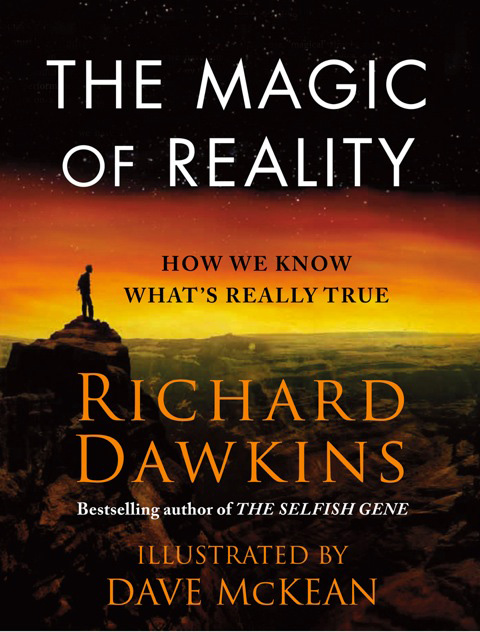
Richard Dawkins, the Oxford evo­lu­tion­ary biol­o­gist, has a new book com­ing out this fall. This time, it’s a chil­dren’s book called The Mag­ic of Real­i­ty: How We Know What’s Real­ly True. Inter­viewed in Der Spiegel in March, Dawkins talked a lit­tle about what he hoped to accom­plish here, say­ing:

Each chap­ter is a ques­tion like: What is an earth­quake? What is a rain­bow? What is the sun? Each chap­ter begins with a series of myths seem­ing­ly answer­ing those ques­tions, and then I counter that with expla­na­tions about the true nature of things. There is some­thing very cheap about mag­ic in the super­nat­ur­al sense, like turn­ing a frog into a prince with a mag­ic wand. Real­i­ty has a grander, poet­ic mag­ic of its own, which I hope I can get across.

Already you can see some pre­lim­i­nary art­work for the book. We have one cov­er design above, and anoth­er one here. We’ll have more on the book when it comes out…

by | Permalink | Make a Comment ( 2 ) |

Milky Way Panorama (with a Backstory)


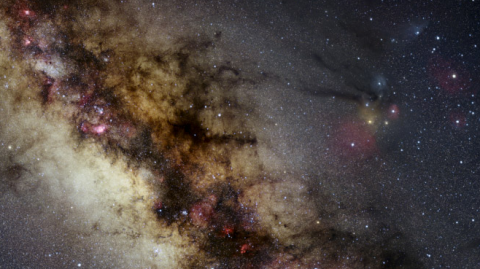
Nick Risinger, an ama­teur astronomer from Seat­tle, quit his day job last year, packed his bags and cam­eras, and began a 60,000 mile jour­ney, mov­ing across the Amer­i­can West and down to the west­ern Cape of South Africa (twice). His voy­age would end with a 5000-megapix­el pho­to­graph of the entire night sky, pro­duced from 37,440 sep­a­rate expo­sures, and it yields a stag­ger­ing 360-degree view of the Milky Way. Even bet­ter, the image now lives online in an inter­ac­tive for­mat, giv­ing you the abil­i­ty to wan­der through the cos­mos.

For more on this, be sure to vis­it Pho­topic Sky Sur­vey. Here Risinger gives you the per­son­al and tech­ni­cal back­sto­ry on his project, and also gives you the chance to pur­chase pho­tos, or even lend finan­cial sup­port to the sky sur­vey.

via The Mail Online

by | Permalink | Make a Comment ( 4 ) |

Fire Ants Create Life Raft in 100 Seconds Flat

The cen­tral intel­li­gence of ants – the way ant colonies orga­nize them­selves with­out a leader and get things done – con­tin­ues to amaze sci­en­tists and sci­ence writ­ers alike. Back in 2003, Deb­o­rah Gor­don, a Stan­ford biol­o­gist, gave a whole TED Talk called “How Do Ants Know What to Do?,” which sheds light on how ants can form stun­ning­ly com­plex, lead­er­less sys­tems. Then, sev­er­al years lat­er, Radi­o­Lab con­tin­ued to mull over Gor­don’s fas­ci­nat­ing research in one of its very first episodes.

Now we get this great bit of video. It comes to us via researchers at the Geor­gia Insti­tute of Tech­nol­o­gy, and it shows how ants, when placed in water, can form a com­plete­ly water­tight raft in under two min­utes. “They’ll gath­er up all the eggs in the colony and will make their way up through the under­ground net­work of tun­nels, and when the flood waters rise above the ground, they’ll link up togeth­er in these mas­sive rafts,” says Nathan J. Mlot, an engi­neer­ing stu­dent involved in the project. Amaz­ing­ly, even the ants at the bot­tom of the raft nev­er get sub­merged. They all sur­vive, which rais­es the ques­tion: Can this research lead to new floata­tion devices for the rest of us to use?

If you would like to sign up for Open Culture’s free email newslet­ter, please find it here. It’s a great way to see our new posts, all bun­dled in one email, each day.

If you would like to sup­port the mis­sion of Open Cul­ture, con­sid­er mak­ing a dona­tion to our site. It’s hard to rely 100% on ads, and your con­tri­bu­tions will help us con­tin­ue pro­vid­ing the best free cul­tur­al and edu­ca­tion­al mate­ri­als to learn­ers every­where. You can con­tribute through Pay­Pal, Patre­on, and Ven­mo (@openculture). Thanks!

via Dai­ly Mail and Geek Sys­tem

by | Permalink | Make a Comment ( 2 ) |

Ray Kurzweil, Futurist: 10 Questions About What’s Coming Next

The 2009 doc­u­men­tary Tran­scen­dent Man: The Life and Ideas of Ray Kurzweil is cur­rent­ly screen­ing both online and in select venues, and pro­vok­ing exact­ly the wide range of respons­es one would expect from a film about a futur­ist who has claimed, among oth­er things, that man would soon learn how to extend his life “indef­i­nite­ly.” The New York Times recent­ly com­pared his the­o­ries with 2nd and 3rd cen­tu­ry gnos­ti­cism, and since this film was made by an avowed believ­er in Kurzweil’s phi­los­o­phy and the­o­ries, it’s no sur­prise that Sci­en­tif­ic Amer­i­can faults the movie for its rev­er­ence, and Vari­ety wish­es “It were not so trans­par­ent­ly on [Kurzweil’s side].”

Mean­while, the “high­ly sophis­ti­cat­ed crack­pot,” as you see him described in the movie’s trail­er, has been proven right more often than wrong. His fans are legion, and often wealthy. Lar­ry Page, the founder and CEO of Google, helped estab­lish Sin­gu­lar­i­ty Uni­ver­si­ty with Kurzweil in 2008, and there many entre­pre­neurs and investors take 10 week cours­es to the tune of $25,000.

If you’re not inter­est­ed in shelling out $5 to rent the movie online (scroll down to the bot­tom of the page), then Kurzweil’s 10 answers to Time Mag­a­zine’s 10 ques­tions will give you a taste of what the fuss has been all about.

Sheer­ly Avni is a San Fran­cis­co-based arts and cul­ture writer. Her work has appeared in Salon, LA Week­ly, Moth­er Jones, and many oth­er pub­li­ca­tions. You can fol­low her on twit­ter at @sheerly

The Soundtrack of the Universe

We think of space as a silent movie, some­thing we see but nev­er hear. Yet space cre­ates a sound­track of sorts (even if sound waves can’t real­ly trav­el through the cos­mos), and now sci­en­tists and musi­cians want to play that sound­track for you.

Ear­li­er this year, Jan­na Levin, Pro­fes­sor of Physics and Astron­o­my at Barnard College/Columbia Uni­ver­si­ty, described how we can math­e­mat­i­cal­ly mod­el the sounds made by black holes. Fast for­ward to the 10:27 mark of her TED Talk above, and you will hear what it sounds like when a lighter black hole falls into a heav­ier black hole. The lit­tle guy bangs against space, kind of like a drumb play­ing faster and faster … which brings us to Mick­ey Hart, a for­mer drum­mer for The Grate­ful Dead.

In 2010, Hart teamed up with George Smoot, a Nobel Prize-win­ning physi­cist at the Lawrence Berke­ley Nation­al Lab­o­ra­to­ry, to repro­duce the sound of The Big Bang and super­novas. (Berke­ley Labs post­ed this super­no­va clip above.) You can read more about the unlike­ly pair­ing and the “Rhythms of the Uni­verse” project here, then expe­ri­ence more celes­tial sounds recre­at­ed by Hart here.

by | Permalink | Make a Comment ( 2 ) |

Awe-Inspiring Interactive 3D Model of the Solar System

We turned off the lights and switched to the biggest mon­i­tor in the house, to get the full plan­e­tar­i­um effect of this won­der­ful web­site. It’s called the Solar Sys­tem Scope, and gives you a chance to observe space from with­in it, rather than duti­ful­ly study­ing it in a text­book or on a screen.

Click­ing on the tele­scope icon to the left lets you tog­gle between three dif­fer­ent per­spec­tives:  The helio­cen­tric view, with the plan­ets and stars spin­ning around you; the panoram­ic view, which repli­cates the feel­ing of watch­ing the skies from the Green­wich obser­va­to­ry; and, since after all we are the cen­ter of the uni­verse, the geo­cen­tric view, which puts the rest of the cos­mos firm­ly in their place, orbit­ing the earth.

In a sec­tion called “What’s Next” the site’s cre­ators (who are you, mys­tery design­ers?) tell us that they are work­ing on a kid-friend­ly ver­sion of the site as well, but  we’re not sure that’s even nec­es­sary.  When we let a curi­ous 8‑year-old try it out ear­li­er today, it took us about an hour to get our com­put­er back.

via Metafil­ter

Sheer­ly Avni is a San Fran­cis­co-based arts and cul­ture writer. Her work has appeared in Salon, LA Week­ly, Moth­er Jones, and many oth­er pub­li­ca­tions. You can fol­low her on twit­ter at @sheerly.

Japan’s Earthquake & Tsunami: How They Happened

On March 11th, Japan suf­fered a 9.0 earth­quake, fol­lowed by a mas­sive tsuna­mi. Just weeks lat­er, NOVA has pro­duced a 47 minute doc­u­men­tary that does an impres­sive job of explain­ing the sci­ence behind these twin geo­log­ic cat­a­stro­phes. The pro­gram fol­lows Roger Bil­ham, a seis­mol­o­gist at the Uni­ver­si­ty of Col­orado, who arrived in Japan two days after the quake. And what you get is a blow-by-blow account of the unfold­ing events, cou­pled with some sound analy­sis and stun­ning footage (like the ground split­ting open and push­ing water to the sur­face.) This is by far the most sub­stan­tive treat­ment of Japan’s quake/tsunami that we’ve encoun­tered to date…

via Sci­ence Dump

by | Permalink | Make a Comment ( 4 ) |

« Go BackMore in this category... »
Quantcast