William Shatner Narrates Space Shuttle Documentary

After 30 years and 134 flights, Amer­i­ca’s space shut­tle pro­gram draws to a close. And it feels pitch per­fect to wind things down with a doc­u­men­tary nar­rat­ed by William Shat­ner. Of course, you know him as Cap­tain Kirk from Star Trek, the icon­ic sci-fi TV show that ran from 1966 to 1969, smack in the mid­dle of NASA’s hey­day. (Note: Star Trek has just been added to Net­flix’s stream­ing cat­a­logue.)

The 80 minute doc­u­men­tary takes you through the his­to­ry of the Space Shut­tle pro­gram, which first got under­way dur­ing the Nixon admin­is­tra­tion. The film spends ample time look­ing at the design chal­lenges NASA engi­neers faced in try­ing to cre­ate a reusable shut­tle, while also show­ing ear­ly pro­to­types. Once the design phase was com­plete, con­struc­tion began on the first orbiter in June, 1974 and wrapped up two years lat­er. NASA called its first craft Space Shut­tle Enter­prise, pay­ing homage to the fic­tion­al Star­ship Enter­prise. Next, it was time to bold­ly go where no one had gone before.

The doc is now added to our col­lec­tion of Free Movies Online.

Relat­ed Con­tent:

The Best of NASA Space Shut­tle Videos (1981–2010)

Endeavour’s Launch Viewed from Boost­er Cam­eras

by | Permalink | Make a Comment ( 6 ) |

Darwin’s Personal Library Goes Digital: 330 Books Online

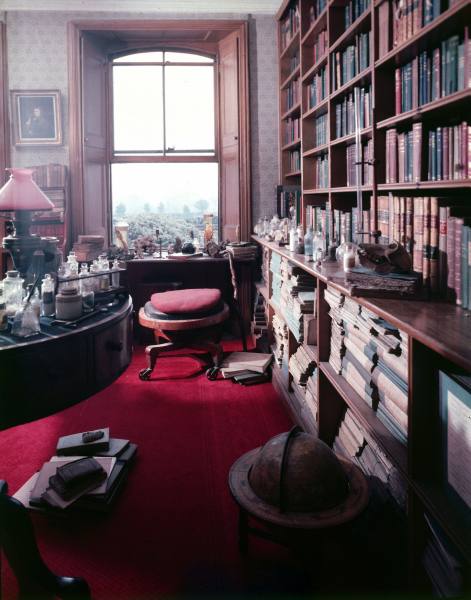
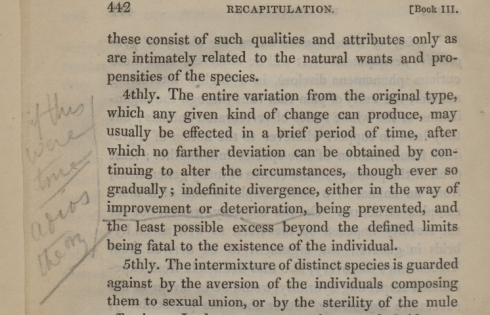
When Charles Dar­win fin­ished read­ing Charles Lyel­l’s Prin­ci­ples of Geol­o­gy, a book sug­gest­ing that there are clear lim­its to the vari­a­tion of species, he wrote in the mar­gins: “If this were true adios the­o­ry.” It’s a great piece of mar­gin­a­lia. And it’s just one of many com­ments that adorn books in Dar­win’s per­son­al library, and help illu­mi­nate his intel­lec­tu­al path to writ­ing On The Ori­gin Of Species (1859).

Thanks to Cam­bridge Uni­ver­si­ty library and sev­er­al part­ners, 330 of Dar­win’s most heav­i­ly anno­tat­ed texts have now been dig­i­tized and made avail­able online at the web­site of the Bio­di­ver­si­ty Her­itage Library. More will come in due time. You can begin your tour here.

Relat­ed Con­tent:

Dar­win’s Dan­ger­ous Idea

Dar­win’s Lega­cy

via Cam­bridge News (with thanks to Kirstin But­ler and Brain­Pick­er)

by | Permalink | Make a Comment ( 1 ) |

Anatomy of a Computer Virus: A 3.5 Minute Primer

Last week, Cit­i­group admit­ted that hack­ers exposed the pri­vate finan­cial data of more than 360,000 cus­tomer accounts. Mean­while, in an unre­lat­ed attack, Lulz Secu­ri­ty man­aged to bring down the CIA web­site, and this week they’ve declared war on gov­ern­ment agen­cies around the world.

Now might be a good time to beef up on your knowl­edge of mal­ware, cyber­crime, and cyber­war­fare, start­ing with Stuxnet, a com­put­er virus that was launched against Iran­ian nuclear infra­struc­tures in 2010 (most like­ly by the U.S.). For a quick primer on Stuxnet, check out Anato­my of a Com­put­er Virus. It’s only three and a half min­utes long, but you’ll learn enough to decide whether or not to set your lap­top on fire, sell every­thing you own, and run scream­ing for the Yukon.

For a more detailed explo­ration of the virus, watch Crack­ing Stuxnet, A 21st-Cen­tu­ry Cyber Weapon, a TED talk by cyber-secu­ri­ty expert Ralph Langn­er. Dis­claimer: It won’t nec­es­sar­i­ly put you at ease — the pre­sen­ter clos­es by thank­ing Mr. Langn­er for “scar­ing the liv­ing day­lights out of us.”

Via PopTech and Hun­gry Beast

Sheer­ly Avni is a San Fran­cis­co-based arts and cul­ture writer. Her work has appeared in Salon, LA Week­ly, Moth­er Jones, and many oth­er pub­li­ca­tions. You can fol­low her on twit­ter at @sheerly.

A Video Illusion: Can You Spot the Change?

We’re a bit embar­rassed to admit that it took us three times to spot the change in this fas­ci­nat­ing video illu­sion at New Sci­en­tist, even after read­ing about the research behind the video. The test was devel­oped by Kevin O’Re­gan and his team at the Uni­ver­si­ty of Paris Descartes as part of their work on per­cep­tion. O’Re­gan is best known for his work on change blind­ness, our rel­a­tive inabil­i­ty to per­ceive grad­ual change, and our ten­den­cy to focus sole­ly on what we per­ceive to be the most dynam­ic or inter­est­ing ele­ment of a scene.

If this video isn’t enough to con­vince of you of O’Re­gan’s the­o­ries, he’s post­ed a whole slew of demon­stra­tions at his web­site. Bet­ter yet, you can dis­pel any remain­ing doubts (or self-esteem) by tak­ing this aware­ness test, which is even more dra­mat­ic. It bowled us over. Let us know in the com­ments if it did the same for you.

via Kirstin But­ler

Sheer­ly Avni is a San Fran­cis­co-based arts and cul­ture writer. Her work has appeared in Salon, LA Week­ly, Moth­er Jones, and many oth­er pub­li­ca­tions. You can fol­low her on twit­ter at @sheerly.

X‑Men: Science Can Build Them, But Is It Ethical?

Ever since Jack Kir­by and Stan Lee cre­at­ed the very first install­ment of the The Uncan­ny X‑Men for Mar­vel in 1963, the beloved team of mutant super­heroes known as the X‑Men have con­quered almost every medi­um in pop­u­lar cul­ture from tele­vi­sion to video games, to movies and of course com­ic books. Their endur­ing pop­u­lar­i­ty isn’t hard to under­stand: What Amer­i­can teenag­er (redun­dant, we know, since all Amer­i­cans are basi­cal­ly teenagers) could ever say no to an angsty band of telegenic out­siders who are per­pet­u­al­ly reviled and per­se­cut­ed for the very attrib­ut­es that make them supe­ri­or?

But there’s more than nar­cis­sism at play. The core of the X‑Men myth — genet­ic muta­tion — is some­thing sci­en­tists have been learn­ing how to manip­u­late for decades, and now it’s just a mat­ter of time before we know how to build X‑Men of our own. But just as in the case of nuclear bombs, killer virus­es and 3‑D action movies, the fact that we can make them does­n’t mean we should. In the above video from Emory Uni­ver­si­ty, Bioethics pro­fes­sor Paul Root Wolpe explores this moral dilem­ma via the lat­est iter­a­tion of the beloved mutants’ saga: X‑Men: First Class (In the­aters June 3rd, and, praise be to Mendel, NOT in 3‑D).

Sheer­ly Avni is a San Fran­cis­co-based arts and cul­ture writer. Her work has appeared in Salon, LA Week­ly, Moth­er Jones, and many oth­er pub­li­ca­tions. You can fol­low her on twit­ter at @sheerly.


Chemistry on YouTube: “Periodic Table of Videos” Wins SPORE Prize

A few years ago, we post­ed about an ambi­tious project out of the Uni­ver­si­ty of Not­ting­ham called The Peri­od­ic Table of Videos. The project is pret­ty much exact­ly what it sounds like – an online peri­od­ic table in which each and every ele­ment gets its own brief intro­duc­to­ry video, “star­ring” the researchers and fac­ul­ty of the uni­ver­si­ty’s chem­istry depart­ment. Video jour­nal­ist Brady Haran has kept each episode loose and unscript­ed, and the sci­en­tists’ enthu­si­asm for their sub­ject is infec­tious, even — or per­haps espe­cial­ly — when their exper­i­ments go awry (Keep an eye out espe­cial­ly for the won­der­ful­ly wooly Pro­fes­sor Poli­akoff, whose hair alone should earn him first billing).

We were delight­ed to learn that the PTOV has just been award­ed a very well-deserved Sci­ence Prize for Online Resources by the Amer­i­can Asso­ci­a­tion for the Advance­ment of Sci­ence. In fact, the project has proven so suc­cess­ful over­all that Haran has embarked on a sim­i­lar col­lab­o­ra­tion with the uni­ver­si­ty’s physics depart­ment, and he’s also brought the chemists back for a new series about mol­e­cules. The most pop­u­lar video from that series, which we’ve post­ed above, address­es a ques­tion that has kept us all up till dawn at least once in our lives: What hap­pens when a cheese­burg­er is dunked in hydrochlo­ric acid?

Don’t miss the free chem­istry cours­es list­ed in our col­lec­tion of 380 Free Online Cours­es.

via ArsTech­ni­ca

Sheer­ly Avni is a San Fran­cis­co-based arts and cul­ture writer. Her work has appeared in Salon, LA Week­ly, Moth­er Jones, and many oth­er pub­li­ca­tions. You can fol­low her on twit­ter at @sheerly

E. chromi: Designer Bacteria

E. chro­mi, a short film about a unique col­lab­o­ra­tion between design­ers and biol­o­gists has won the best doc­u­men­tary award at Bio:Fiction, the world’s first syn­thet­ic biol­o­gy film fes­ti­val, held ear­li­er this month in Vien­na.
E. chro­mi tells the sto­ry of a project unit­ing design­ers Alexan­dra Daisy Gins­berg and James King with a team of under­grad­u­ate biol­o­gy stu­dents at Cam­bridge Uni­ver­si­ty. Using genes from exist­ing organ­isms, the team designed cus­tom DNA sequences, called Bio­Bricks, and insert­ed them into E. coli bacteria.The new E. coli—dubbed “E. chromi”—were pro­grammed to express a rain­bow of col­ors when exposed to var­i­ous chem­i­cals.

Gins­berg and King helped the young biol­o­gists dream up a vari­ety of pos­si­ble appli­ca­tions for the invention.For exam­ple, E. chro­mi could be used to test the safe­ty of drink­ing water–turning red if a tox­in is present, green if it’s okay. Or it might  be used as an ear­ly warn­ing sys­tem for dis­ease: a per­son would ingest some yogurt con­tain­ing E. chro­mi, then watch out for tell-tale col­ors at the oth­er end of the diges­tive process.

The E. chro­mi team was award­ed the grand prize at the 2009 Inter­na­tion­al Genet­i­cal­ly Engi­neered Machine (iGEM) com­pe­ti­tion at the Mass­a­chu­setts Insti­tute of Tech­nol­o­gy. For more films on syn­thet­ic biol­o­gy, see the Bio:Fiction web­site.

Endeavour’s Launch Viewed from Booster Cameras

Here’s the good stuff that nerdgasms are made of. NASA has released a video that lets you hitch a ride on the May 16th launch of the Space Shut­tle Endeav­our. The video runs 37 min­utes; it’s nar­rat­ed by a NASA offi­cial; and it loops around and lets you see the launch from sev­er­al dif­fer­ent van­tage points.

You start with liftoff, trav­el­ing at 1300 miles per hour. Then, about two min­utes lat­er, the rock­et boost­ers sep­a­rate from the shut­tle, and you then twist with them. The sec­ond loop starts around the 7:20 mark, and don’t miss the splen­did view at 9:40 …

Relat­ed Con­tent:

The Best of NASA Space Shut­tle Videos (1981–2010)

NASA Cap­tures Giant Solar Storm

NASA Zooms into Spi­ral Galaxy

by | Permalink | Make a Comment ( 3 ) |

« Go BackMore in this category... »
Quantcast