A Free Short Course on How Pixar Uses Physics to Make Its Effects

A new com­put­er-ani­mat­ed spec­ta­cle that makes us rethink the rela­tion­ship between imag­i­na­tion and tech­nol­o­gy seems, now, to come out every few months. Audi­ences have grown used to var­i­ous com­put­er ani­ma­tion stu­dios all com­pet­ing to wow them, but not so long ago the very notion of enter­tain­ing ani­ma­tion made with com­put­ers sound­ed like sci­ence fic­tion. All that changed in the mid-1980s when a young ani­ma­tor named John Las­seter breathed life into the CGI stars of such now sim­ple-look­ing but then rev­o­lu­tion­ary shorts as The Adven­tures of André and Wal­ly B. and Luxo Jr., the lat­ter being the first inde­pen­dent pro­duc­tion by a cer­tain Pixar Ani­ma­tion Stu­dios.

We know Pixar today as the out­fit respon­si­ble for Toy Sto­ry, The Incred­i­blesWALL‑E, and oth­er ground­break­ing com­put­er-ani­mat­ed fea­tures, each one more impres­sive than the last. How do they do it? Why, with ever-larg­er and more high­ly skilled cre­ative and tech­no­log­i­cal teams, of course, all of whom work atop a basic foun­da­tion laid by Las­seter and his pre­de­ces­sors in the art of com­put­er ani­ma­tion, in the search for answers to one ques­tion: how can we get these dig­i­tal machines to con­vinc­ing­ly sim­u­late our world?

After all, even imag­i­nary char­ac­ters must emote, move around, and bump into one anoth­er with con­vic­tion, and do it in a medi­um of light, wind, water, and much else at that, all ulti­mate­ly under­gird­ed by the laws of physics.

Thanks to Pixar and their com­pe­ti­tion, not a few mem­bers of the past cou­ple gen­er­a­tions have grown up dream­ing of mas­ter­ing com­put­er ani­ma­tion them­selves. Now, in part­ner­ship with online edu­ca­tion­al orga­ni­za­tion Khan Acad­e­my, they have a place to start: Pixar in a Box, a series of short inter­ac­tive cours­es on how to “ani­mate bounc­ing balls, build a swarm of robots, and make vir­tu­al fire­works explode,” which vivid­ly demon­strates that “the sub­jects you learn in school — math, sci­ence, com­put­er sci­ence, and human­i­ties — are used every day to cre­ate amaz­ing movies.” The effects course gets deep­er into the nit­ty-grit­ty of just how com­put­er ani­ma­tors have found ways of tak­ing real phys­i­cal phe­nom­e­na and “break­ing them down into mil­lions of tiny par­ti­cles and con­trol­ling them using com­put­er pro­gram­ming.”

It all comes down to devel­op­ing and using par­ti­cle sys­tems, pro­grams designed to repli­cate the motion of the real par­ti­cles that make up the phys­i­cal world. “Using par­ti­cles is a sim­pli­fi­ca­tion of real physics,” says Pixar Effects Tech­ni­cal Direc­tor Matt Wong, “but it’s an effec­tive tool for artists. The more par­ti­cles you use, the clos­er you get to real physics. Most of our sim­u­la­tions require mil­lions and mil­lions of par­ti­cles to cre­ate believ­able water,” for instance, which requires a lev­el of com­put­ing pow­er scarce­ly imag­in­able in 1982, when Pixar’s own effects artist Bill Reeves (who appears in the one of these videos) first used a par­ti­cle sys­tem for a visu­al effect in Star Trek II. These effects have indeed come a long way, but as any­one who takes this course will sus­pect, com­put­er ani­ma­tion has only begun to show us the worlds it can real­ize.

For more Pixar/Khan Acad­e­my cours­es, please see the items in the Relat­eds below.

Relat­ed Con­tent:

Pixar & Khan Acad­e­my Offer a Free Online Course on Sto­ry­telling

Take a Free Online Course on Mak­ing Ani­ma­tions from Pixar & Khan Acad­e­my

Pixar’s 22 Rules of Sto­ry­telling … Makes for an Addic­tive Par­lor Game

Free Online Physics Cours­es

A Rare Look Inside Pixar Stu­dios

The Beau­ty of Pixar

The First 3D Dig­i­tal Film Cre­at­ed by Ed Cat­mull, Co-Founder of Pixar (1970)

Based in Seoul, Col­in Mar­shall writes and broad­casts on cities and cul­ture. He’s at work on a book about Los Ange­les, A Los Ange­les Primer, the video series The City in Cin­e­ma, the crowd­fund­ed jour­nal­ism project Where Is the City of the Future?, and the Los Ange­les Review of Books’ Korea Blog. Fol­low him on Twit­ter at @colinmarshall or on Face­book.

How Animated Cartoons Are Made: A Vintage Primer Filmed Way Back in 1919

Many tech­niques shown in Bray Stu­dios’ 1919 short How Ani­mat­ed Car­toons are Made, above, were ren­dered obso­lete by dig­i­tal advance­ments, but its 21-year-old star, ani­ma­tor Wal­lace Carl­son, seems as if he would fit right in at Cal Arts or Pratt, Class of 2017.

Like many of today’s work­ing ani­ma­tors, the indus­try pio­neer got start­ed ear­ly, get­ting atten­tion (and a dis­tri­b­u­tion deal!) for work made as a young teen.

His com­ic sen­si­bil­i­ties also sug­gest that young Carl­son would’ve found a place among the 21st-century’s ani­ma­tion greats (and soon-to-be-greats).

It doesn’t hurt that he’s cute, in an indie Williams­burg Dandy sort of way.

The vin­tage feel of his lit­tle instruc­tion­al film is pret­ty hip these days. It could be the work of a very par­tic­u­lar kind of mil­len­ni­al, famil­iar to fans of Girls, Search Par­ty, or oth­er shows whose char­ac­ters spend a lot of time in cafes, mak­ing art that will find its great­est audi­ence on the inter­net.

You know, down­load some silent clips from the Prelinger Archives, browse the Free Music Archive for a suit­ably jan­g­ly old time tune, and put it all togeth­er in iMovie, mess­ing around with title fonts until you achieve the desired effect. That’s what Carl­son might have been doing, had he been born a hun­dred years lat­er.

Some of his (silent) obser­va­tions about his craft still ring true.

Unless you’re work­ing on your own thing, it’s a good idea to get the boss’ bless­ing on your script before embark­ing on the painstak­ing ani­ma­tion process.

And char­ac­ter eye­brow move­ments remain an excel­lent sto­ry­telling device.

Ani­ma­tors whose tal­ents are more visu­al than ver­bal could take a les­son from Carlson’s kicky peri­od dia­logue—“Gee I just bust­ed a win­dow! Hope I don’t get pinched.”—though I’d advise against turn­ing a character’s dis­abil­i­ty into a punch­line.

While today’s young ani­ma­tors have lit­tle to no expe­ri­ence with film pro­cess­ing, Carlson’s exhaus­tion after pump­ing out draw­ing after draw­ing may strike a chord. The dev­il is still in the details for any­one seek­ing to pro­duce work of a high­er qual­i­ty than that which can be achieved with pur­chase of an app.

It’s also pret­ty cool to see Carl­son pre­fig­ur­ing white board ani­ma­tion 56 years before the inven­tion of dry erase mark­ers, as he demon­strates how to set a scene using his Lit­tle Ras­cals-esque char­ac­ters Mamie and Dreamy Dud.

Relat­ed Con­tent:

Ger­tie the Dinosaur: The Moth­er of all Car­toon Char­ac­ters (1914)

Ear­ly Japan­ese Ani­ma­tions: The Ori­gins of Ani­me (1917–1931)

Win­sor McCay Ani­mates the Sink­ing of the Lusi­ta­nia in a Beau­ti­ful Pro­pa­gan­da Film (1918)

Ayun Hal­l­i­day is an author, illus­tra­tor, the­ater mak­er and Chief Pri­ma­tol­o­gist of the East Vil­lage Inky zine.  She used one of the allud­ed-to archives to cre­ate the trail­er for her play, Zam­boni Godot, open­ing in New York City next month. Fol­low her @AyunHalliday.

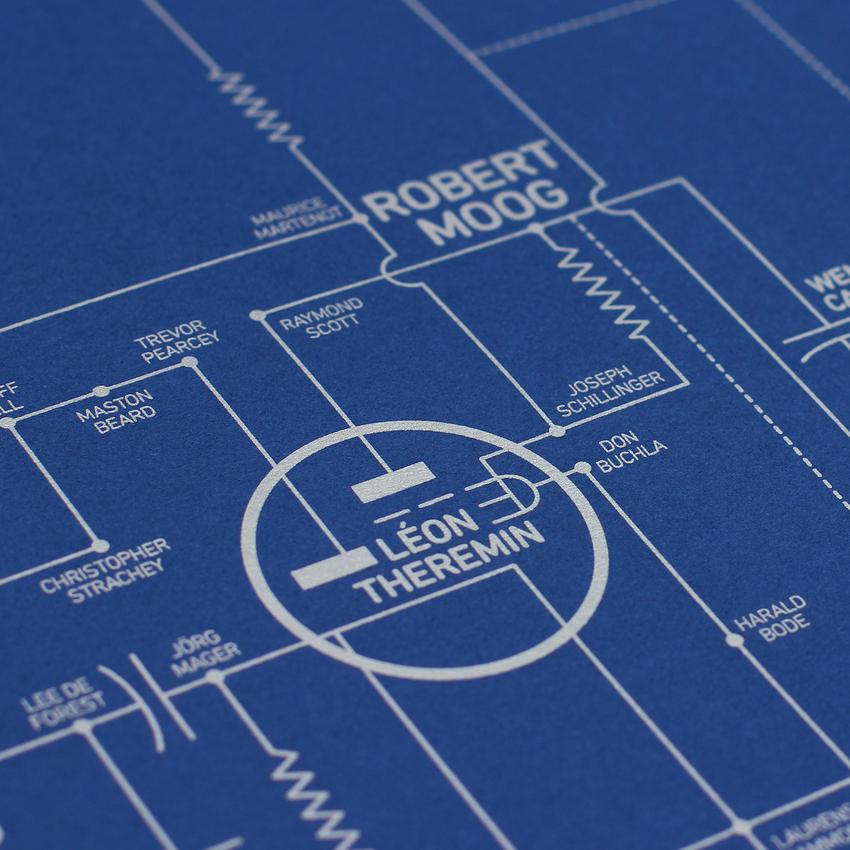
Before Siri & Alexa: Hear the First Attempt to Use a Synthesizer to Recreate the Human Voice (1939)

Whether from Stephen Hawk­ing, Siri, or any­one in between, we’ve all heard quite a lot of elec­tron­i­cal­ly syn­the­sized speech by now. But less than eighty years ago, the very idea of a human-sound­ing voice pro­duced in a mechan­i­cal man­ner inspired won­der and dis­tur­bance in equal mea­sure. The every­man and every­woman got their first chance to hear such a tech­nol­o­gy at the 1939 New York World’s Fair, dur­ing its hourly demon­stra­tions of the very first speech syn­the­siz­er, the “Voder.” Who, they must have imag­ined as they stood before its boom­ing square-jawed-Art-Deco-hero logo, could have invent­ed such a thing?

Homer Dud­ley, an elec­tron­ic and acoustic engi­neer at Bell Labs, had in the 1920s invent­ed the “Vocoder” (or “Voice Oper­at­ed reCorDER”), a device that could con­vert human speech into an elec­tron­ic sig­nal and then, some­where else down the like, turn that sig­nal back into speech again.

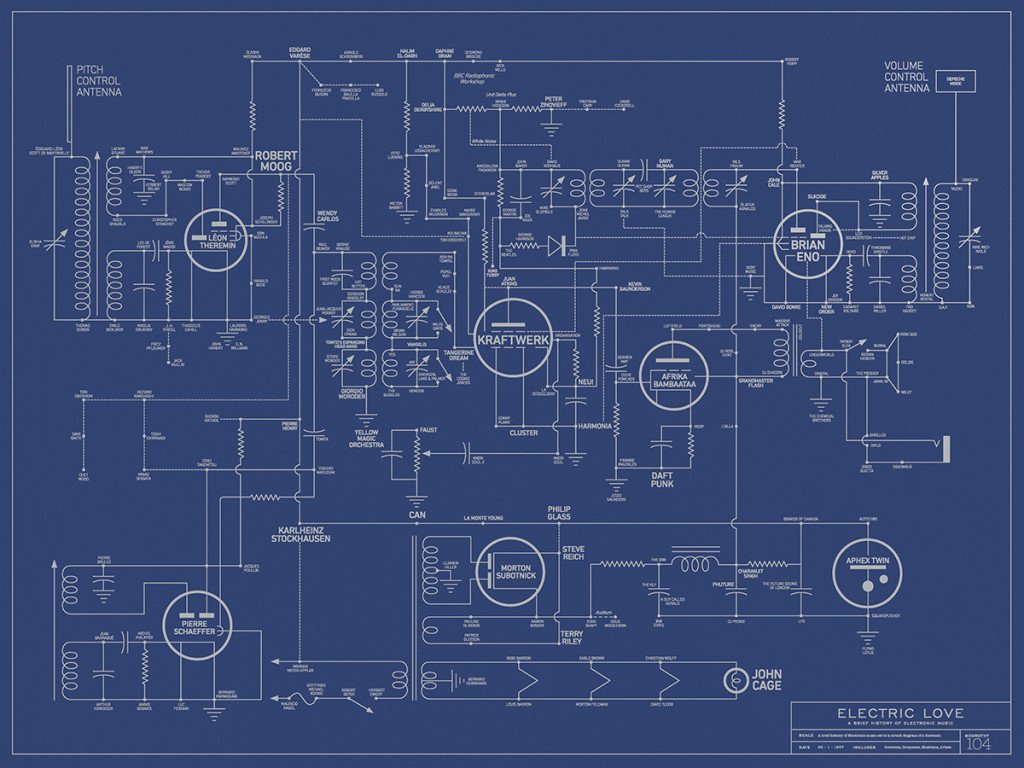
For the Voder (or “Voice Oper­a­tion DEmon­stra­toR”) he took the ini­tial voice out of the sig­nal, cre­at­ing a kind of syn­the­siz­er ded­i­cat­ed to the sounds of speech that one could oper­ate man­u­al­ly, through an inter­face some­what resem­bling that of an organ. Its con­trols (which you can see dia­grammed at 120 Years of Elec­ton­ic Music) pre­sent­ed a steep enough learn­ing curve that few­er than thir­ty peo­ple, most­ly the “girls” employed for the Voder’s demon­stra­tions, ever learned to play it.

Though impres­sive for the time (the oth­er feat of arti­fi­cial human­i­ty at that World’s Fair being Elec­tro the Smok­ing Robot), “the Voder’s speech came out a lit­tle hard to under­stand, and even a bit unset­tling,” accord­ing to Atlas Obscu­ra. “The Voder was shown again dur­ing San Francisco’s Gold­en Gate Inter­na­tion­al Expo­si­tion in late 1939, but after that, the machine dis­ap­peared almost instant­ly.” Speech syn­the­sis itself, by con­trast, had come to stay, though progress would remain rel­a­tive­ly slow for the next four or five decades. Now, in the 21st cen­tu­ry, it exists all around us, and despite con­sid­er­able improve­ments in real­ism, its voic­es still retain a bit of the unearth­ly awk­ward­ness of the Voder — and we prob­a­bly would­n’t have it any oth­er way.

Relat­ed Con­tent:

Down­load the Soft­ware That Pro­vides Stephen Hawking’s Voice

Mon­ty Python’s “Argu­ment Clin­ic” Sketch Reen­act­ed by Two Vin­tage Voice Syn­the­siz­ers (One Is Stephen Hawking’s Voice)

Sovi­et Inven­tor Léon Theremin Shows Off the Theremin, the Ear­ly Elec­tron­ic Instru­ment That Could Be Played With­out Being Touched (1954)

Based in Seoul, Col­in Mar­shall writes and broad­casts on cities and cul­ture. He’s at work on a book about Los Ange­les, A Los Ange­les Primer, the video series The City in Cin­e­ma, the crowd­fund­ed jour­nal­ism project Where Is the City of the Future?, and the Los Ange­les Review of Books’ Korea Blog. Fol­low him on Twit­ter at @colinmarshall or on Face­book.

How the World’s Oldest Computer Worked: Reconstructing the 2,200-Year-Old Antikythera Mechanism

In 1900, Greek sponge divers dis­cov­ered a ship­wreck off the Greek island of Antikythera. The arti­facts they came back up with includ­ed mon­ey, stat­ues, pot­tery, and var­i­ous oth­er works of art and craft, as well as a curi­ous lump of bronze and wood that turned out to be by far the most impor­tant item onboard. When an archae­ol­o­gist named Vale­rios Stais took a look at it two years lat­er, he noticed that the lump had a gear in it. Almost a half-cen­tu­ry lat­er, the sci­ence his­to­ri­an Derek J. de Sol­la Price thought this appar­ent­ly mechan­i­cal object might mer­it fur­ther exam­i­na­tion, and almost a quar­ter-cen­tu­ry after that, he and the nuclear physi­cist Char­alam­bos Karaka­los pub­lished their discovery–made by using X‑ray and gam­ma-ray images of the interior–that those divers had found a kind of ancient com­put­er.

“Under­stand­ing how the pieces fit togeth­er con­firmed that the Antikythera mech­a­nism was capa­ble of pre­dict­ing the posi­tions of the plan­ets with which the Greeks were famil­iar — Mer­cury, Venus, Mars, Jupiter and Sat­urn — as well as the sun and moon, and eclipses,” writes Big Think’s Rob­by Berman. “It even has a black and white stone that turns to show the phas­es of the moon.”

Deter­min­ing how it real­ly worked has required the build­ing of var­i­ous dif­fer­ent mod­els of var­i­ous dif­fer­ent kinds, one of which you can see assem­bled, oper­at­ed, and dis­as­sem­bled before your very eyes in the CGI ren­der­ing at the top of the post. Its design comes from the work of his­to­ri­an of mech­a­nism Michael T. Wright, who also put togeth­er the phys­i­cal recre­ation of the Antikythera mech­a­nism you can see him explain just above.

Image via Wiki­me­dia Com­mons

By its very nature, an arti­fact as fas­ci­nat­ing and as incom­plete as this draws all sorts of the­o­ries about the specifics of its design, pur­pose, and even its age. (It dates back to some­where between 205 and 100 BC.) In 2012, Tony Freeth and Alexan­der Jones pub­lished their own mod­el, dif­fer­ent from Wright’s, of this “machine designed to pre­dict celes­tial phe­nom­e­na accord­ing to the sophis­ti­cat­ed astro­nom­i­cal the­o­ries cur­rent in its day, the sole wit­ness to a lost his­to­ry of bril­liant engi­neer­ing, a con­cep­tion of pure genius, one of the great won­ders of the ancient world,” — but one which “didn’t real­ly work very well.” Some of the prob­lems has to do with the lim­i­ta­tions of ancient Greek astro­nom­i­cal the­o­ry, and some with the unre­li­a­bil­i­ty of its lay­ers of hand­made gears.

More recent research, adds Berman, has dis­cov­ered that “the device was built by more than one per­son on the island of Rhodes, and that it prob­a­bly wasn’t the only one of its kind,” indi­cat­ing that the ancient Greeks, despite the appar­ent defi­cien­cies of the Antikythera mech­a­nism itself, “were appar­ent­ly even fur­ther ahead in their astro­nom­i­cal under­stand­ing and mechan­i­cal know-how than we’d imag­ined.” Now watch the video just above, in which the Apple engi­neer makes his own Antikythera mech­a­nism with an entire­ly more mod­ern set of com­po­nents, and just imag­ine what the ancient Greeks could have accom­plished had they devel­oped Lego.

via Big Think

Relat­ed Con­tent:

Intro­duc­tion to Ancient Greek His­to­ry: A Free Online Course from Yale

How the Ancient Greeks Shaped Mod­ern Math­e­mat­ics: A Short, Ani­mat­ed Intro­duc­tion

How Ancient Greek Stat­ues Real­ly Looked: Research Reveals their Bold, Bright Col­ors and Pat­terns

Mod­ern Artists Show How the Ancient Greeks & Romans Made Coins, Vas­es & Arti­sanal Glass

Dis­cov­er the “Brazen Bull,” the Ancient Greek Tor­ture Machine That Dou­bled as a Musi­cal Instru­ment

Based in Seoul, Col­in Mar­shall writes and broad­casts on cities and cul­ture. He’s at work on a book about Los Ange­les, A Los Ange­les Primer, the video series The City in Cin­e­ma, the crowd­fund­ed jour­nal­ism project Where Is the City of the Future?, and the Los Ange­les Review of Books’ Korea Blog. Fol­low him on Twit­ter at @colinmarshall or on Face­book.

The Corkscrew: The 700-Pound Mechanical Sculpture That Opens a Wine Bottle & Pours the Wine

We’ve shown you a very sim­ple way to open a bot­tle of wine, with noth­ing but a wall and a shoe. (Try it at your own risk.) Now comes the most art­ful­ly com­plex.

Above, watch Rob Hig­gs demo his mechan­i­cal sculp­ture, “The Corkscrew.” Cre­at­ed with found objects from scrap­yards and farm­steads, the sculp­ture has 382 mov­ing parts and weighs 700+ pounds, reports the BBC. Designed to pull a cork from a bot­tle and pour the wine, the steam­punk sculp­ture is not just beau­ti­ful. It actu­al­ly works.

Accord­ing to the Dai­ly Mail, you could buy “The Corkscrew” for some­where bew­teen $90,000 and $120,000.

via Devour

Relat­ed Con­tent:

How to Open a Wine Bot­tle with Your Shoe

Jane Austen Writes a Let­ter to Her Sis­ter While Hung Over: “I Believe I Drank Too Much Wine Last Night”

Christo­pher Hitchens, Who Mixed Drink­ing & Writ­ing, Names the “Best Scotch in the His­to­ry of the World”

How to Clean Your Vinyl Records with Wood Glue

Vin­tage Wine in our Col­lec­tion of 1100 Free Online Cours­es

Learn Python: A Free Online Course from Google

Google has cre­at­ed a free Python class designed for “peo­ple with a lit­tle bit of pro­gram­ming expe­ri­ence who want to learn Python.” A for­tu­nate thing since Python is a com­put­er lan­guage that’s now strong­ly in demand. (By the way, did you know that Python takes its name from Mon­ty Python? A true sto­ry.)

Accord­ing to Google’s course descrip­tion:

The class includes “writ­ten mate­ri­als, lec­ture videos, and lots of code exer­cis­es to prac­tice Python cod­ing. These mate­ri­als are used with­in Google to intro­duce Python to peo­ple who have just a lit­tle pro­gram­ming expe­ri­ence. The first exer­cis­es work on basic Python con­cepts like strings and lists, build­ing up to the lat­er exer­cis­es which are full pro­grams deal­ing with text files, process­es, and http con­nec­tions. The class is geared for peo­ple who have a lit­tle bit of pro­gram­ming expe­ri­ence in some lan­guage, enough to know what a “vari­able” or “if state­ment” is. Beyond that, you do not need to be an expert pro­gram­mer to use this mate­r­i­al.

This mate­r­i­al was cre­at­ed by Nick Par­lante work­ing in the engE­DU group at Google. Google’s Python class will be added to our list of Free Online Com­put­er Sci­ence Cours­es, a sub­set of our larg­er col­lec­tion, 1,700 Free Online Cours­es from Top Uni­ver­si­ties.

For any­one inter­est­ed in an intro­duc­to­ry pro­gram­ming course that uses Python, see: Intro­duc­tion to Com­put­er Sci­ence and Pro­gram­ming: A Free Course from MIT.

Oth­er out­fits offer­ing free instruc­tion in Python include Udac­i­tyCodecad­e­my, and Cours­era.

If you’re look­ing for a gen­er­al­ly well-reviewed text­book, con­sid­er Learn­ing Python, 5th edi­tion (from O’Reil­ly Media.

If you would like to sign up for Open Culture’s free email newslet­ter, please find it here. It’s a great way to see our new posts, all bun­dled in one email, each day.

If you would like to sup­port the mis­sion of Open Cul­ture, con­sid­er mak­ing a dona­tion to our site. It’s hard to rely 100% on ads, and your con­tri­bu­tions will help us con­tin­ue pro­vid­ing the best free cul­tur­al and edu­ca­tion­al mate­ri­als to learn­ers every­where. You can con­tribute through Pay­Pal, Patre­on, and Ven­mo (@openculture). Thanks!

by | Permalink | Make a Comment ( 13 ) |

Iconic Footage of Jimi Hendrix Playing “Hey Joe” Rendered in the Style of Moebius, with the Help of Neural Network Technology

We are less than a year into neur­al net­work tech­nol­o­gy, and Google’s Deep Dream soft­ware is already yield­ing impres­sive results beyond the dog-slugs of its first videos. YouTu­ber Lulu xXX has been play­ing around with blend­ing art with music videos, and is onto some­thing with this clip that mesh­es icon­ic live footage of the Jimi Hen­drix Expe­ri­ence (fea­tured below) with the art of Jean Giraud aka Moe­bius.

The French car­toon­ist and illus­tra­tor was a big fan of Hen­drix. He designed the cov­ers of a French com­pi­la­tion LP of Hendrix’s first two albums, and includ­ed him in sev­er­al art prints, where the musi­cian is a cool, often angel­ic pres­ence.

So Lulu xXX right­ly chose Moe­bius’ par­tic­u­lar style through which to process this icon­ic “Hey Joe” footage record­ed in 1967. As you see, when the neur­al net­work is fed more line-based work, it tru­ly does get close to “Moe­bius ani­mates Hen­drix.” Watch the side-by-side ver­sion below and let us know what you thinks works best.

In a few more years, this video may seem charm­ing­ly naive as neur­al net­work­ing improves. Think how Pixar evolved, or how video games devel­oped. The results may be so good that we won’t know if we’re see­ing some­thing hand­made or a per­fect sim­u­la­tion. We might have to lean over and ask our Jimi Hen­drix holo­gram to tell us the truth.

via Laugh­ing Squid

Relat­ed con­tent:

Moe­bius Gives 18 Wis­dom-Filled Tips to Aspir­ing Artists (1996)

Moe­bius’ Sto­ry­boards & Con­cept Art for Jodorowsky’s Dune

Jimi Hen­drix Wreaks Hav­oc on the Lulu Show, Gets Banned From BBC (1969)

Ted Mills is a free­lance writer on the arts who cur­rent­ly hosts the FunkZone Pod­cast. You can also fol­low him on Twit­ter at @tedmills, read his oth­er arts writ­ing at tedmills.com and/or watch his films here.

Thomas Edison’s Hugely Ambitious “To-Do” List from 1888

edison_todolist

Even beyond devel­op­ing the phono­graph, the motion pic­ture cam­era, light bulb, and the creepy talk­ing doll, Thomas Edi­son got a lot done in life. With his even greater knack for enter­prise than for inven­tion, he might, had he lived in the 21st cen­tu­ry, trad­ed on his rep­u­ta­tion for pro­duc­tiv­i­ty and indus­try by sell­ing us his per­son­al “life hacks.” Alas, those in search of Edis­on­ian tips and tricks for liv­ing must infer them from all the mate­ri­als he left behind after a life that stretched from the mid-19th cen­tu­ry to near­ly the mid-20th, such as this exten­sive to-do list from Jan­u­ary 3, 1888.

“Through­out his life, Thomas Edi­son kept ‘idea books’ filled with to-do lists, sketch­es and oth­er notes on cur­rent and future projects,” says the site of PBS’ Amer­i­can Expe­ri­ence. Just over a month after open­ing his new lab in West Orange, New Jer­sey, “Edi­son cre­at­ed a five-page list of ‘Things doing and to be done.’

That year alone, Edi­son would exe­cute 45 patents, pri­mar­i­ly con­cerned with the phono­graph and cylin­der records. Alexan­der Gra­ham Bell and his asso­ciates had begun to make improve­ments on Edison’s decade-old phono­graph, which pushed Edi­son into action. Despite this com­pe­ti­tion, Edis­on’s ‘To Do’ list shows that the phono­graph wasn’t the only thing on the inventor’s mind.”

These five pages of things to acquire or cre­ate (see the full list below) include not just the “New Stan­dard Phono­graph” but an “Improved Mag­net­ic Bridge for prac­ti­cal work,” “Unin­flam­ma­ble Insu­lat­ing Mate­r­i­al,” a “Box bal­anc­ing Sys­tem,” “Arti­fi­cial Moth­er Pearl,” “But­ter direct from Milk,” “Arti­fi­cial Ivory,” “Marine Teleg­ra­phy,” and a “Long dis­tance stan­dard Tele­phone Trans­mit­ter which employs devices of record­ing phono­graph.” While not all the ideas that inspired, or were inspired by, the items on this long list came to fruition, Edi­son clear­ly saw val­ue in get­ting them all out of his head and on paper. One won­ders what the man who declared that “genius is one per­cent inspi­ra­tion, nine­ty-nine per­cent per­spi­ra­tion” would make of the count­less orga­ni­za­tion and pro­duc­tiv­i­ty tools now on the mar­ket. Nobody ever per­spired because of using an app, after all — but plen­ty have per­spired devel­op­ing them.

Things doing and to be done:

Cot­ton Pick­er
New Stan­dard Phono­graph
Hand turn­ing phono­graph
New Slow speed cheap Dynamo
New Expan­sion Pyro­mag­net­ic Dynamo
Deaf Appa­ra­tus
Elec­tri­cal Piano
Long dis­tance stan­dard Tele­phone Trans­mit­ter which employs devices of record­ing phonogh
Tele­phone Coil of Fe [iron] by tt in Parafine or oth­er insu­la­tor
Plati­na Point Trans using new phono Recorder devices
Gred Bat­tery for Tele­phones
“ “ “ “ Long Dis­tance
“ “ “ — Phono­plex
“ “ “ Jump Tele­graph
“ “ “ Volt­meter
Improved Mag­net­ic Bridge for prac­ti­cal work
Moto­graph Mir­ror
“ Relay
“ Tele­phone prac­ti­cal
Arti­fi­cial Cable
Phone motor to work on 100 volt ckts
Dupli­cat­ing Phono Cylin­ders
Deposit in vac­uo on lace, gold + sil­ver also on cot­ton molten chem­i­cal com­pound of lus­trous sur­faces to imi­tate silk— also reg plat­ing sys­tem
Vac­u­ous Ore milling Large Machine
Mag­net­ic Sep­a­ra­tor Large
Lock­ing mate­r­i­al for Iron sand
Arti­fi­cial Silk
Arti­fi­cial fil­i­ments [sic]
New [illeg.]
Unin­flam­ma­ble Insu­lat­ing Mate­r­i­al
Good wax for phono­graph
Phono­graph­ic Clock
Large Phono­graph for Nov­els, etc.
Pig Iron Expmts with Elec­tric­i­ty + Mag­net­ism
Mal­leabliz­ing Cast now in Vac­uo
Draw­ing fine wire
Joy phono­graph for Dolls
Cable Moto­graph
Very Loud Moto­graph tele­phone with 1/3 siz phonogh motor.
Mag­ne­to tele­phone with actu­al con­tact end mag­net com­pres­sion of an adjustable rub­ber press as in new phones
Snow Com­pres­sor
Glass plate water ore repeator
Tinned faced [illeg.] for Stove Cast­ings
Refin­ing Cop­per Elec­tri­cal­ly
Quad neu­tral relay
Cheap low induct Cop Insu­lat­ing mate­r­i­al for Lead Cable peo­ple
Con­stant moved for non­foundry
200 volt 20 cp lamp
Cheap [illeg.] Indi­ca­tor
Record­ing Valt Indi­ca­tor
Box bal­anc­ing Sys­tem
Alter­nat­ing Machine + Trans­former
Sifua Sur­face Switch­es
Vul­can­iz­ing [illeg.] African Rub­ber adulle­ment
Plat­inum wire [illeg.] cut­ting Machine
Sil­ver wire wood cut­ting sys­tem
Sil­ver­ing or Cop­per­ing bathing cloth in Vac for dura­bil­i­ty
S Mater attend own with new devices for c speed
Expan­sion mir­ror plat… wire in vac­uo
Pho­toghy
Pho­toghy by camp­ing heat after cen­tral points
Boron fil.
Hg [mer­cury] out of Lamp
Phonaplex Repeater
Squirt­ing glass sheet tube etc. Nick­el [illeg.]
Arti­fi­cial Moth­er Pearl
Red Lead pen­cils equal to graphite
India Ink
Trac­ing Cloth
Ink for blind
Fluffy Incan­des­cent Burn­er for gas
Regen­er­a­tive Kerosene Burn­er
Cen­tral­ized arc in arc Lamp
Cai–[illeg.] Tes­la arc lamp test
Strength­en­ing alter­nat­ing cli by sternt Dynamo
ERR Cont [illeg.] reduc­ers
Elec­tro­plat­ing Machines for Sch­enec­tady
Con­denser Trans­former
Sqr ft difrac­tion grat­ings in sil­ver by 5000 [illeg.] tool spe­cial [illeg.] lathe for orna­men­tal pur­pos­es
Pho­to Scant–[illeg.]
Cheap plan pro­duce Mimeo­graph sur­faces
Min­ers bat­tery + lamp
Sort­ing Coal from Slate Machine
But­ter direct from Milk
Burn­ing asphalt Can­dles by high chim­ney
Mag­nets RR sig­nals
Soft­en [illeg.] of books trans­fer to Cop plate + plate to [illeg.] matrix
Tele­phone Repeater
Sub­sti­tute for Hard rub­ber
Arti­fi­cial Ivory
Soft­en Veg­etable Ivory to press in sheets
Var­i­ous bat­ter­ies on [illeg.] Type
Revolv­ing Ther­mo
Caller Indi­ca­tor for Jump Telegh
Marine Teleg­ra­phy
Long dis­tance speak­ing tube filled H20 2 dia pres­sure
Lend plate bat­tery for mod­i­fy­ing attend­ing Cur­rent
Two revolv­ing bands in bat­tery Lead faced press in liq­uid close togeth­er + out into sep­a­rate cham­bers to [illeg.]reduce by gas the oth­er
Siren phonogh
Perm mag like an elec­tro­mag of [illeg.] hand steel high pol­ish sep­a­rate­ly mag­ne­tized + forced togeth­er pow­er­ful­ly[illeg.]
Tele­phone work­ing more [illeg.]
Eartubes formed cres­cent [illeg.] wire
Long strip 50 cp car­bon under stress [illeg.] for
Cheap Volt­meter
Chalk Bat­tery
Dynamo or motor long tube in long mag­net­ic field top + bot­tom con­tacts forc­ing water through gen­er­a­tor cur­rent by – pas­sage.
[Illeg.]
Ther­mo bat­tery slick Cop­per oxi­dized then plat­ed over sur­face oxide nailed to make good con­tact [illeg.]
Disk Phonogh

Relat­ed Con­tent:

In 1911, Thomas Edi­son Pre­dicts What the World Will Look Like in 2011: Smart Phones, No Pover­ty, Libraries That Fit in One Book

A Brief, Ani­mat­ed Intro­duc­tion to Thomas Edi­son (and Niko­la Tes­la)

Thomas Edi­son & His Trusty Kine­to­scope Cre­ate the First Movie Filmed In The US (c. 1889)

Hear Thomas Edison’s Creepy Talk­ing Dolls: An Inven­tion That Scared Kids & Flopped on the Mar­ket

Take the 146-Ques­tion Knowl­edge Test Thomas Edi­son Gave to Prospec­tive Employ­ees (1921)

Based in Seoul, Col­in Mar­shall writes and broad­casts on cities and cul­ture. He’s at work on a book about Los Ange­les, A Los Ange­les Primer, the video series The City in Cin­e­ma, the crowd­fund­ed jour­nal­ism project Where Is the City of the Future?, and the Los Ange­les Review of Books’ Korea Blog. Fol­low him on Twit­ter at @colinmarshall or on Face­book.

« Go BackMore in this category... »
Quantcast