Crime Writer Elmore Leonard Provides 13 Writing Tips for Aspiring Writers

Note: Elmore Leonard, the crime writer who gave us Get Shorty, Freaky Deaky, and Glitzdied at his home in Bloom­field Vil­lage, Michi­gan. He was 87. If you nev­er had a chance to read Leonard, you can start with “Ice Man,” a 2012 sto­ry that appeared in The Atlantic. It’s free online. You can also get a feel for his writ­ing by revis­it­ing a post writ­ten here by Mike Springer last year. It gives an overview of Leonard’s tips for aspir­ing writ­ers. And, in so doing, it pro­vides valu­able insight into how Leonard approached his craft. Elmore Leonard’s Ulti­mate Guide for Would-Be Writ­ers is reprint­ed in full below.

“If it sounds like writ­ing,” says Elmore Leonard, “I rewrite it.”

Leonard’s writ­ing sounds the way peo­ple talk. It rings true. In nov­els like Get ShortyRum Punch and Out of Sight, Leonard has estab­lished him­self as a mas­ter styl­ist, and while his char­ac­ters may be lowlifes, his books are received and admired in the high­est cir­cles. In 1998 Mar­tin Amis recalled vis­it­ing Saul Bel­low and see­ing Leonard’s books on the old man’s shelves. “Bel­low and I agreed,” said Amis, “that for an absolute­ly reli­able and unstint­ing infu­sion of nar­ra­tive plea­sure in a prose mirac­u­lous­ly purged of all false qual­i­ties, there was no one quite like Elmore Leonard.”

In 2006 Leonard appeared on BBC Two’s The Cul­ture Show to talk about the craft of writ­ing and give some advice to aspir­ing authors. In the pro­gram, shown above, Leonard talks about his deep appre­ci­a­tion of Ernest Hem­ing­way’s work in gen­er­al, and about his par­tic­u­lar debt to the 1970 crime nov­el The Friends of Eddie Coyle, by George V. Hig­gins. While explain­ing his approach, Leonard jots down three tips:

  • “You have to lis­ten to your char­ac­ters.”
  • “Don’t wor­ry about what your moth­er thinks of your lan­guage.”
  • “Try to get a rhythm.”

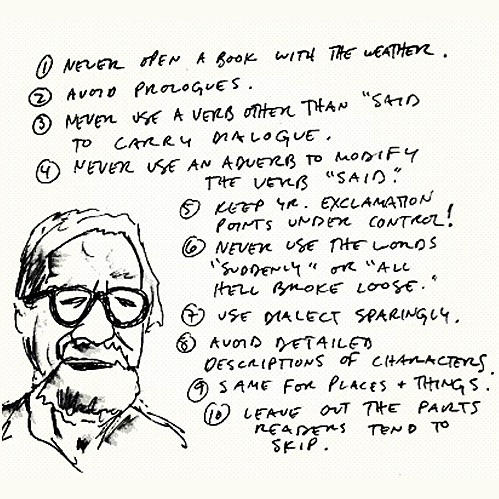
“I always refer to style as sound,” says Leonard. “The sound of the writ­ing.” Some of Leonard’s sug­ges­tions appeared in a 2001 New York Times arti­cle that became the basis of his 2007 book, Elmore Leonard’s 10 Rules of Writ­ing. Here are those rules in out­line form:

elmore-leonard-writing-advice

You can read more from Leonard on his rules in the 2001 Times arti­cle. And you can read his new short sto­ry, “Ice Man,” in The Atlantic.

Richard Ford, Jonathan Franzen, and Anne Enright Give Ten Candid Pieces of Writing Advice Each

richard ford writing tips

The way peo­ple read on the inter­net has encour­aged the pro­vi­sion of “tips,” espe­cial­ly pre­sent­ed as short sen­tences col­lect­ed in lists. While we here at Open Cul­ture sel­dom ride that cur­rent, we make excep­tions for lists of tips by authors best known for their long-form tex­tu­al achieve­ments. Richard Ford (The Sports­writer books), Jonathan Franzen (The Cor­rec­tions and Free­dom), and Anne Enright (The Portable Vir­gin, The Gath­er­ing) here offer ten sug­ges­tions each to guide your own writ­ing habits. Though pre­sum­ably learned in the process of writ­ing nov­els, many of these lessons apply just as well to oth­er forms. I, for exam­ple, write most­ly essays, but still find great val­ue in Franzen’s instruc­tion to treat the read­er as a friend, Enright’s point that descrip­tion con­veys opin­ion, and Ford’s injunc­tion not to write reviews (or at least, as I read it, not reviews as so nar­row­ly defined).

Some of these tips have to do with tech­nique: Ford advis­es against drink­ing while writ­ing, Franzen advis­es against using “then” as a con­junc­tion, and Enright advis­es you sim­ply to keep putting words on the page. Oth­ers have more to do with main­tain­ing a cer­tain tem­pera­ment: “Don’t have argu­ments with your wife in the morn­ing, or late at night,” says Ford; “You have to love before you can be relent­less,” says Franzen; “Have fun,” says Enright. And as any suc­cess­ful writer knows, you can’t pull it off at all with­out a strong dose of prac­ti­cal­i­ty, as exem­pli­fied by Enright’s “Try to be accu­rate about stuff,” Franzen’s doubt that “any­one with an inter­net con­nec­tion at his work­place is writ­ing good fic­tion,” and Ford’s “Don’t have chil­dren.” Can we draw out an over­ar­ch­ing guide­line? Avoid dis­trac­tion, per­haps. But you real­ly have to read these authors’ lists in full, like you would their nov­els, to grasp them. The lists below orig­i­nal­ly appeared in The Guardian, along with tips from var­i­ous oth­er esteemed writ­ers.

Richard Ford

1 Mar­ry some­body you love and who thinks you being a writer’s a good idea.

2 Don’t have chil­dren.

Don’t read your reviews.

4 Don’t write reviews. (Your judg­men­t’s always taint­ed.)

5 Don’t have argu­ments with your wife in the morn­ing, or late at night.

6 Don’t drink and write at the same time.

7 Don’t write let­ters to the edi­tor. (No one cares.)

8 Don’t wish ill on your col­leagues.

9 Try to think of oth­ers’ good luck as encour­age­ment to your­self.

10 Don’t take any shit if you can ­pos­si­bly help it.


Jonathan Franzen

1 The read­er is a friend, not an adver­sary, not a spec­ta­tor.

2 Fic­tion that isn’t an author’s per­son­al adven­ture into the fright­en­ing or the unknown isn’t worth writ­ing for any­thing but mon­ey.

3 Nev­er use the word “then” as a ­con­junc­tion – we have “and” for this pur­pose. Sub­sti­tut­ing “then” is the lazy or tone-deaf writer’s non-solu­tion to the prob­lem of too many “ands” on the page.

4 Write in the third per­son unless a ­real­ly dis­tinc­tive first-per­son voice ­offers itself irre­sistibly.

5 When infor­ma­tion becomes free and uni­ver­sal­ly acces­si­ble, volu­mi­nous research for a nov­el is deval­ued along with it.

6 The most pure­ly auto­bi­o­graph­i­cal ­fic­tion requires pure inven­tion. Nobody ever wrote a more auto­biographical sto­ry than “The Meta­morphosis”.

7 You see more sit­ting still than chas­ing after.

8 It’s doubt­ful that any­one with an inter­net con­nec­tion at his work­place is writ­ing good fic­tion.

Inter­est­ing verbs are sel­dom very inter­est­ing.

10 You have to love before you can be relent­less.


Anne Enright

1 The first 12 years are the worst.

2 The way to write a book is to actu­al­ly write a book. A pen is use­ful, typ­ing is also good. Keep putting words on the page.

3 Only bad writ­ers think that their work is real­ly good.

4 Descrip­tion is hard. Remem­ber that all descrip­tion is an opin­ion about the world. Find a place to stand.

5 Write what­ev­er way you like. Fic­tion is made of words on a page; real­i­ty is made of some­thing else. It does­n’t mat­ter how “real” your sto­ry is, or how “made up”: what mat­ters is its neces­si­ty.

6 Try to be accu­rate about stuff.

7 Imag­ine that you are dying. If you had a ter­mi­nal dis­ease would you ­fin­ish this book? Why not? The thing that annoys this 10-weeks-to-live self is the thing that is wrong with the book. So change it. Stop argu­ing with your­self. Change it. See? Easy. And no one had to die.

8 You can also do all that with whiskey.

9 Have fun.

10 Remem­ber, if you sit at your desk for 15 or 20 years, every day, not ­count­ing week­ends, it changes you. It just does. It may not improve your tem­per, but it fix­es some­thing else. It makes you more free.

Relat­ed Con­tent:

Writ­ing Tips by Hen­ry Miller, Elmore Leonard, Mar­garet Atwood, Neil Gaiman & George Orwell

Sev­en Tips From Ernest Hem­ing­way on How to Write Fic­tion

Sev­en Tips From F. Scott Fizger­ald on How to Write Fic­tion

Ray Brad­bury Gives 12 Pieces of Writ­ing Advice to Young Authors (2001)

Ray Brad­bury Offers 12 Essen­tial Writ­ing Tips and Explains Why Lit­er­a­ture Saves Civ­i­liza­tion

John Steinbeck’s Six Tips for the Aspir­ing Writer and His Nobel Prize Speech

The Shape of A Sto­ry: Writ­ing Tips from Kurt Von­negut

Elmore Leonard’s Ulti­mate Guide for Would-Be Writ­ers

The Shape of A Sto­ry: Sev­en Tips From William Faulkn­er on How to Write Fic­tion

Col­in Mar­shall hosts and pro­duces Note­book on Cities and Cul­ture and writes essays on lit­er­a­ture, film, cities, Asia, and aes­thet­ics. He’s at work on a book about Los Ange­lesA Los Ange­les Primer. Fol­low him on Twit­ter at @colinmarshall.

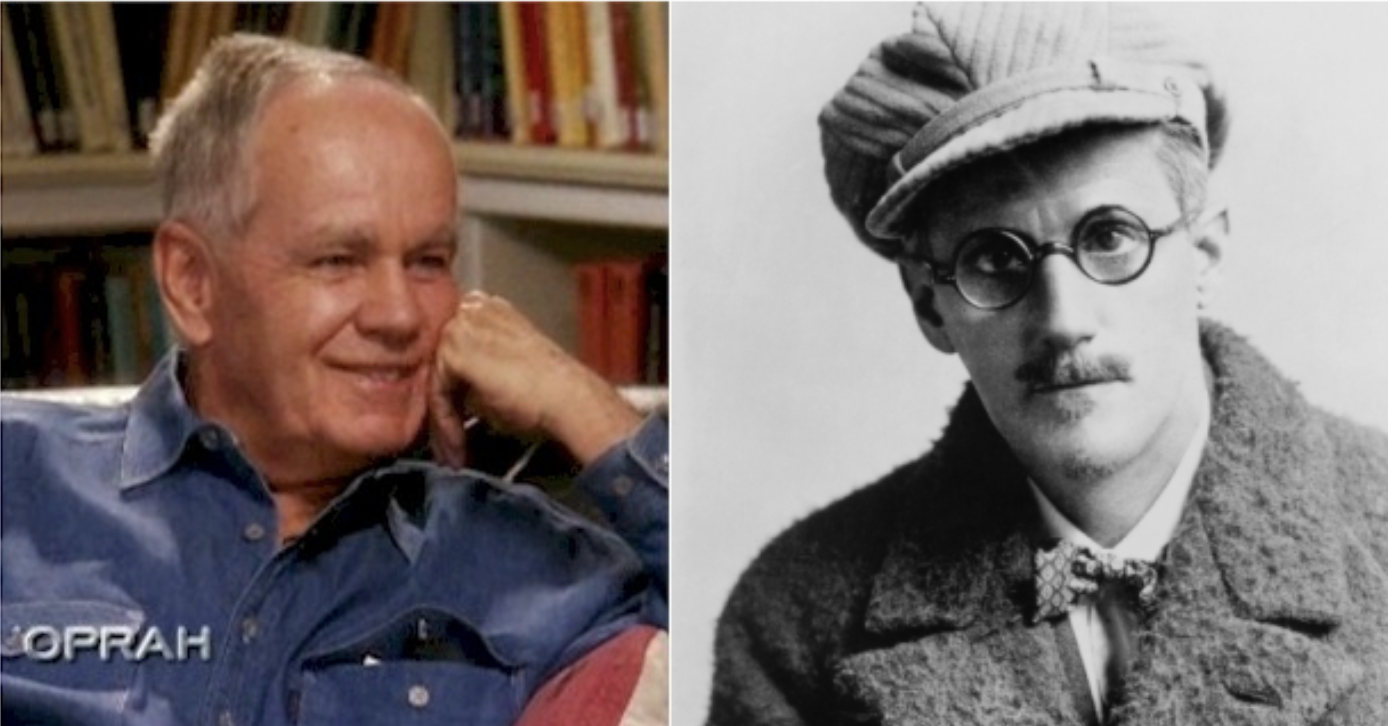
The Three Punctuation Rules of Cormac McCarthy (RIP), and How They All Go Back to James Joyce

Cor­mac McCarthy has been—as one 1965 review­er of his first nov­el, The Orchard Keep­er, dubbed him—a “dis­ci­ple of William Faulkn­er.” He makes admirable use of Faulkner­ian traits in his prose, and I’d always assumed he inher­it­ed his punc­tu­a­tion style from Faulkn­er as well. But in his very rare 2008 tele­vised inter­view with Oprah Win­frey, McCarthy cites two oth­er antecedents: James Joyce and for­got­ten nov­el­ist MacKin­lay Kan­tor, whose Ander­son­ville won the Pulitzer Prize in 1955. Joyce’s influ­ence dom­i­nates, and in dis­cus­sion of punc­tu­a­tion, McCarthy stress­es that his min­i­mal­ist approach works in the inter­est of max­i­mum clar­i­ty. Speak­ing of Joyce, he says,

James Joyce is a good mod­el for punc­tu­a­tion. He keeps it to an absolute min­i­mum. There’s no rea­son to blot the page up with weird lit­tle marks. I mean, if you write prop­er­ly you shouldn’t have to punc­tu­ate.

So what “weird lit­tle marks” does McCarthy allow, or not, and why? Below is a brief sum­ma­ry of his stat­ed rules for punc­tu­a­tion:

1. Quo­ta­tion Marks:

McCarthy does­n’t use ’em. In his Oprah inter­view, he says MacKin­lay Kan­tor was the first writer he read who left them out. McCarthy stress­es that this way of writ­ing dia­logue requires par­tic­u­lar delib­er­a­tion. Speak­ing of writ­ers who have imi­tat­ed him, he says, “You real­ly have to be aware that there are no quo­ta­tion marks, and write in such a way as to guide peo­ple as to who’s speak­ing.” Oth­er­wise, con­fu­sion reigns.

2. Colons and semi­colons:

Care­ful McCarthy read­er Oprah says she “saw a colon once” in McCarthy’s prose, but she nev­er encoun­tered a semi­colon. McCarthy con­firms: “No semi­colons.”

Of the colon, he says: “You can use a colon, if you’re get­ting ready to give a list of some­thing that fol­lows from what you just said. Like, these are the rea­sons.” This is a spe­cif­ic occa­sion that does not present itself often. The colon, one might say, gen­u­flects to a very spe­cif­ic log­i­cal devel­op­ment, enu­mer­a­tion. McCarthy deems most oth­er punc­tu­a­tion uses need­less.

3. All oth­er punc­tu­a­tion:

Aside from his restric­tive rationing of the colon, McCarthy declares his styl­is­tic con­vic­tions with sim­plic­i­ty: “I believe in peri­ods, in cap­i­tals, in the occa­sion­al com­ma, and that’s it.” It’s a dis­ci­pline he learned first in a col­lege Eng­lish class, where he worked to sim­pli­fy 18th cen­tu­ry essays for a text­book the pro­fes­sor was edit­ing. Ear­ly mod­ern Eng­lish is noto­ri­ous­ly clut­tered with con­found­ing punc­tu­a­tion, which did not become stan­dard­ized until com­par­a­tive­ly recent­ly.

McCarthy, enam­ored of the prose style of the Neo­clas­si­cal Eng­lish writ­ers but annoyed by their over-reliance on semi­colons, remem­bers par­ing down an essay “by Swift or some­thing” and hear­ing his pro­fes­sor say, “this is very good, this is exact­ly what’s need­ed.” Encour­aged, he con­tin­ued to sim­pli­fy, work­ing, he says to Oprah, “to make it eas­i­er, not to make it hard­er” to deci­pher his prose. For those who find McCarthy some­times mad­den­ing­ly opaque, this state­ment of intent may not help clar­i­fy things much. But lovers of his work may find renewed appre­ci­a­tion for his stream­lined syn­tax.

Relat­ed Con­tent: 

Wern­er Her­zog Reads From Cor­mac McCarthy’s All the Pret­ty Hors­es

Sev­en Tips From William Faulkn­er on How to Write Fic­tion

David Fos­ter Wal­lace Breaks Down Five Com­mon Word Usage Mis­takes in Eng­lish

Josh Jones is a writer and musi­cian based in Wash­ing­ton, DC. Fol­low him at @jdmagness

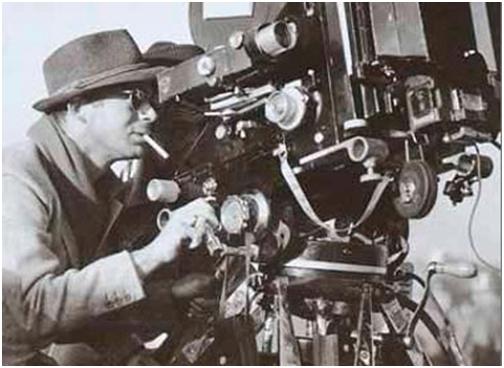
10 Tips From Billy Wilder on How to Write a Good Screenplay

billy wilder tips

There’s an old sto­ry — Orson Welles called it “the great­est Hol­ly­wood one-lin­er ever made” — that when some­one attend­ing the 1958 funer­al of Har­ry Cohn, the fear­some pres­i­dent of Colum­bia Pic­tures, asked how it was pos­si­ble that such a huge crowd would show up for Cohn’s funer­al, Bil­ly Wilder quipped: “Well, give the peo­ple what they want.”

The sto­ry is almost cer­tain­ly apoc­ryphal. The line may have been spo­ken by some­one else, at a dif­fer­ent Hol­ly­wood mogul’s funer­al. But the fact that it is so often attrib­uted to Wilder says some­thing about his rep­u­ta­tion as a man with a razor-sharp wit and a firm grasp of the imper­a­tives of pop­u­lar movie-mak­ing. In films like Sun­set Boule­vard, Some Like it Hot, Dou­ble Indem­ni­ty and Sab­ri­na, Wilder used his for­mi­da­ble craft as a direc­tor to tell sto­ries in a clear and effi­cient way. It was an eth­ic he picked up as a screen­writer.

Wilder was born in Aus­tria-Hun­gary and moved as a young man to Ger­many, where he worked as a news­pa­per reporter. In the late 1920s he began writ­ing screen­plays for the Ger­man film indus­try, but he fled the coun­try soon after Adolf Hitler became chan­cel­lor in 1933. Wilder made his way to Hol­ly­wood, where he con­tin­ued to write screen­plays. He co-wrote a num­ber of suc­cess­ful films in the 30s, includ­ing Ninotch­ka, Hold Back the Dawn and Ball of Fire. In the ear­ly 40s he got his first chance to direct a Hol­ly­wood movie, and a long string of hits fol­lowed. In 1960 he won three Acad­e­my Awards for pro­duc­ing, writ­ing and direct­ing The Apart­ment.

Wilder was 90 years old when the young direc­tor Cameron Crowe approached him in 1996 about play­ing a small role in Jer­ry Maguire. Wilder said no, but the two men formed a friend­ship. Over the next sev­er­al years they talked exten­sive­ly about film­mak­ing, and in 1999 Crowe pub­lished Con­ver­sa­tions with Wilder. One of the book’s high­lights is a list of ten screen­writ­ing tips by Wilder. “I know a lot of peo­ple that have already Xerox­ed that list and put it by their type­writer,” Crowe said in a 1999 NPR inter­view. “And, you know, there’s no bet­ter film school real­ly than lis­ten­ing to what Bil­ly Wilder says.”

Here are Wilder’s ten rules of good film­mak­ing:

1: The audi­ence is fick­le.
2: Grab ’em by the throat and nev­er let ’em go.
3: Devel­op a clean line of action for your lead­ing char­ac­ter.
4: Know where you’re going.
5: The more sub­tle and ele­gant you are in hid­ing your plot points, the bet­ter you are as a writer.
6: If you have a prob­lem with the third act, the real prob­lem is in the first act.
7: A tip from Lubitsch: Let the audi­ence add up two plus two. They’ll love you for­ev­er.
8: In doing voice-overs, be care­ful not to describe what the audi­ence already sees. Add to what they’re see­ing.
9: The event that occurs at the sec­ond act cur­tain trig­gers the end of the movie.
10: The third act must build, build, build in tem­po and action until the last event, and then — that’s it. Don’t hang around.

Note: Read­ers might also be inter­est­ed in Wilder’s 1996 Paris Review inter­view. It’s called The Art of of Screen­writ­ing.

Don’t miss any­thing from Open Cul­ture. Sign up for our Dai­ly Email or RSS Feed. And we’ll send qual­i­ty cul­ture your way, every day.

via Gotham Writ­ers’ Work­shop

Relat­ed Con­tent: 

Tarkovsky’s Advice to Young Film­mak­ers: Sac­ri­fice Your­self for Cin­e­ma

Watch Ray­mond Chandler’s Long-Unno­ticed Cameo in Dou­ble Indem­ni­ty

Film­mak­ing Advice from Quentin Taran­ti­no and Sam Rai­mi (NSFW)

The “Celebrity Lecture Series” From Michigan State Features Talks by Great Writers of Our Time

michigan state lecturesThe Celebri­ty Lec­ture Series was estab­lished at Michi­gan State Uni­ver­si­ty in 1988, and it has “fea­tured some of the most illus­tri­ous schol­ars, crit­ics, nov­el­ists, poets, and cre­ative artists of our time.” Now, thanks to a spe­cial online archive, you can revis­it these lec­tures pre­sent­ed by the likes of Amy TanArthur MillerJoyce Car­ol OatesKurt Von­negut, Jr.Mar­garet AtwoodMaya Angelou, Nor­man Mail­erPaul Ther­ouxPhilip RothRichard FordSusan Son­tagTom WolfeCar­los FuentesAugust Wil­sonE.L. Doc­torowEdward AlbeeIsabel AllendeGar­ry WillsJane Smi­leyJohn Irv­ingJohn Updike and Joseph Heller. Just click on any of the links above and you can stream the audio lec­tures for free online.

Relat­ed Con­tent:

7 Nobel Speech­es by 7 Great Writ­ers: Hem­ing­way, Faulkn­er, and More

The New Yorker’s Fic­tion Pod­cast: Where Great Writ­ers Read Sto­ries by Great Writ­ers

Six Post­cards From Famous Writ­ers: Hem­ing­way, Kaf­ka, Ker­ouac & More

Jorge Luis Borges’ 1967–8 Nor­ton Lec­tures On Poet­ry (And Every­thing Else Lit­er­ary)

by | Permalink | Make a Comment ( 3 ) |

John Updike’s Advice to Young Writers: ‘Reserve an Hour a Day’

John Updike once said of his task as a writer, “My only duty was to describe real­i­ty as it had come to me — to give the mun­dane its beau­ti­ful due.” In book after book, he did just that.

With a sharp eye and a search­ing intel­lect, Updike recon­sti­tut­ed the details of every­day life into flu­id, lyri­cal prose. “He turned a sen­tence bet­ter than any­one else,” said Ian McE­wan in reac­tion to Updike’s untime­ly death in 2009. Philip Roth added: “John Updike is our time’s great­est man of let­ters, as bril­liant a lit­er­ary crit­ic and essay­ist as he was a nov­el­ist and short sto­ry writer. He is and always will be no less a nation­al trea­sure than his 19th-cen­tu­ry pre­cur­sor, Nathaniel Hawthorne. His death con­sti­tutes a loss to our lit­er­a­ture that is immea­sur­able.”

In June of 2004, Updike sat for an inter­view with the Acad­e­my of Achieve­ment, a Wash­ing­ton-based non-prof­it group ded­i­cat­ed to inspir­ing young peo­ple to suc­ceed. In a wide-rang­ing con­ver­sa­tion, Updike is asked whether he has any advice for writ­ers just start­ing out. “You hes­i­tate to give advice to young writ­ers,” Updike says, “because there’s a lim­it to what you can say. It’s not exact­ly like being a musi­cian, or even an artist, where there’s a set num­ber of skills that have to be mas­tered.” Nev­er­the­less, he goes on to make sev­er­al sug­ges­tions:

To the young writ­ers, I would mere­ly say, “Try to devel­op actu­al work habits, and even though you have a busy life, try to reserve an hour, say — or more — a day to write.” Some very good things have been writ­ten on an hour a day. Hen­ry Green, one of my pets, was an indus­tri­al­ist actu­al­ly. He was run­ning a com­pa­ny, and he would come home and write for just an hour in an arm­chair, and won­der­ful books were cre­at­ed in this way. So, take it seri­ous­ly, you know, just set a quo­ta. Try to think of com­mu­ni­cat­ing with some ide­al read­er some­where. Try to think of get­ting into print. Don’t be con­tent just to call your­self a writer and then bitch about the crass pub­lish­ing world that won’t run your stuff. We’re still a cap­i­tal­ist coun­try, and writ­ing to some degree is a cap­i­tal­ist enter­prise, when it’s not a total sin to try to make a liv­ing and court an audi­ence. “Read what excites you,” would be advice, and even if you don’t imi­tate it you will learn from it. All those mys­tery nov­els I read I think did give me some les­son about keep­ing a plot taut, try­ing to move for­ward or make the read­er feel that kind of ten­sion is being achieved, a string is being pulled tight. Oth­er than that, don’t try to get rich on the oth­er hand. If you want to get rich, you should go into invest­ment bank­ing or being a cer­tain kind of a lawyer. But, on the oth­er hand, I would like to think that in a coun­try this large — and a lan­guage even larg­er — that there ought to be a liv­ing in it for some­body who cares, and wants to enter­tain and instruct a reader.

To read the full inter­view with John Updike, which includes more video high­lights, vis­it the Acad­e­my of Achieve­ment Web site.

via Dan­ger­ous Minds

Relat­ed Con­tent:

Toni Mor­ri­son, Nora Ephron, and Dozens More Offer Advice in Free Cre­ative Writ­ing “Mas­ter Class”

Writ­ing Tips by Hen­ry Miller, Elmore Leonard, Mar­garet Atwood, Neil Gaiman & George Orwell

Ernest Hem­ing­way Cre­ates a Read­ing List for a Young Writer, 1934

Ray Brad­bury Gives 12 Pieces of Writ­ing Advice to Young Authors (2001)

The Writing Life of Joyce Carol Oates

Joyce Car­ol Oates is often described as Amer­i­ca’s fore­most woman of let­ters. Since 1963 she has pub­lished more than 50 nov­els and a great many short sto­ries, plays, essays, poems and chil­dren’s sto­ries — all of unusu­al­ly high qual­i­ty. Her pro­duc­tiv­i­ty has been leg­endary, almost from the start. When her for­mer Syra­cuse Uni­ver­si­ty class­mate Robert Phillips inter­viewed Oates for the Paris Review in 1978, he recount­ed a rumor that cir­cu­lat­ed cam­pus about how she would fin­ish a nov­el, turn it over, and begin com­pos­ing anoth­er one on the oth­er side–only to throw the man­u­script away when both sides were cov­ered and begin again. Oates did­n’t deny the rumor. “I began writ­ing in high school,” she said, “con­scious­ly train­ing myself by writ­ing nov­el after nov­el and always throw­ing them out when I com­plet­ed them.” But sheer vol­ume was nev­er the point, as Oates told Phillips:

Pro­duc­tiv­i­ty is a rel­a­tive mat­ter. And it’s real­ly insignif­i­cant: What is ulti­mate­ly impor­tant is a writer’s strongest books. It may be the case that we all must write many books in order to achieve a few last­ing ones — just as a young writer or poet might have to write hun­dreds of poems before writ­ing his first sig­nif­i­cant one. Each book as it is writ­ten, how­ev­er, is a com­plete­ly absorb­ing expe­ri­ence, and feels always as if it were the work I was born to write.

Oates has won many hon­ors for her work, includ­ing the Nation­al Book Award, the Pen/Malamud Award, the Nation­al Medal of the Human­i­ties, and a life­time achieve­ment award from the Nation­al Book Crit­ics Cir­cle. Her lat­est nov­el, The Accursed, is a Goth­ic tale of a super­nat­ur­al curse vis­it­ed upon Prince­ton, New Jer­sey, the town where she lives and teach­es. Last month the New York­er vis­it­ed Oates at her home in Prince­ton. The short film above offers a rare look inside the writer’s pri­vate world. Oates talks about her work rou­tine, her inter­est in lan­guage and struc­ture, and her sense of her own per­son­al­i­ty. “I can basi­cal­ly write almost all day long with inter­rup­tions,” she says in the film. “It’s not real­ly that I sit down to write as if it were some extra­or­di­nary act. It’s basi­cal­ly what I do.”

You can read online Oates’ ear­ly short sto­ry, “Where Are You Going, Where Have You Been?”. It was writ­ten for Bob Dylan in 1966.

via Page-Turn­er

Mark Twain Drafts the Ultimate Letter of Complaint (1905)

TwainComplaint

Click above for a larg­er ver­sion of page one and click here to see page two. 

I recent­ly made the mis­take of craft­ing a let­ter of com­plaint that sound­ed much more tem­per­ate than I felt. On the advice of my hus­band, I delet­ed any­thing smack­ing of emo­tion, lim­it­ing my griev­ances to incon­tro­vert­ible fact. A month lat­er and I am still wait­ing for a reply.

Wish that I had let it all hang out, as Mark Twain did in the above 1905 let­ter to J. H. Todd, a snake oil sales­man whose “Elixir of Life” was alleged to cure even the most ter­mi­nal of med­ical con­di­tions. How sat­is­fy­ing it would have been to indulge in phras­es like “idiot of the 33rd degree” and “scion of an ances­tral pro­ces­sion of idiots stretch­ing back to the Miss­ing Link”!

Hav­ing answered phones in cus­tomer ser­vice, I can attest that there are times when such phras­es are mis­di­rect­ed. This was not one of them. Sub­ject your­self to a thor­ough read­ing of the Elixir’s claims (a typog­ra­phy chal­lenge on order of a Dr. Bron­ner’s label) and you will share the author’s out­rage.

Char­la­tans could be dealt with light­ly in lit­er­a­ture—wit­ness Huck­le­ber­ry Finn’s self-pro­claimed Duke—but hav­ing lost chil­dren to two of the dis­eases Tod­d’s potion pur­port­ed to cure, Twain refused to let Todd off the hook in real life. His “unkind state of mind” is as brac­ing as it is war­rant­ed.

Though I doubt he got a reply either.

Tran­scrip­tion:

Nov. 20. 1905

J. H. Todd

1212 Web­ster St.

San Fran­cis­co, Cal.

Dear Sir,

Your let­ter is an insol­u­ble puz­zle to me. The hand­writ­ing is good and exhibits con­sid­er­able char­ac­ter, and there are even traces of intel­li­gence in what you say, yet the let­ter and the accom­pa­ny­ing adver­tise­ments pro­fess to be the work of the same hand. The per­son who wrote the adver­tise­ments is with­out doubt the most igno­rant per­son now alive on the plan­et; also with­out doubt he is an idiot, an idiot of the 33rd degree, and scion of an ances­tral pro­ces­sion of idiots stretch­ing back to the Miss­ing Link. It puz­zles me to make out how the same hand could have con­struct­ed your let­ter and your adver­tise­ments. Puz­zles fret me, puz­zles annoy me, puz­zles exas­per­ate me; and always, for a moment, they arouse in me an unkind state of mind toward the per­son who has puz­zled me. A few moments from now my resent­ment will have fad­ed and passed and I shall prob­a­bly even be pray­ing for you; but while there is yet time I has­ten to wish that you may take a dose of your own poi­son by mis­take, and enter swift­ly into the damna­tion which you and all oth­er patent med­i­cine assas­sins have so remorse­less­ly earned and do so rich­ly deserve.

Adieu, adieu, adieu!

Mark Twain

via Let­ters of Note

Relat­ed Con­tent:

Mark Twain Wrote the First Book Ever Writ­ten With a Type­writer

Mark Twain Shirt­less in 1883 Pho­to

Mark Twain Cap­tured on Film by Thomas Edi­son in 1909. It’s the Only Known Footage of the Author.

Ayun Hal­l­i­day sus­pects Mum­my Pow­der is not an effec­tive treat­ment for epilep­sy. Fol­low her @AyunHalliday

« Go BackMore in this category... »
Quantcast