Woody Allen’s Typewriter, Scissors and Stapler: The Great Filmmaker Shows Us How He Writes

Here’s a fas­ci­nat­ing lit­tle win­dow into the work­ing habits of one our most bril­liant and pro­lif­ic artists. It’s from Robert B. Wei­de’s 2011 PBS film Woody Allen: A Doc­u­men­tary. In the scene above, Allen shows us the machine he has used for six­ty years, the only type­writer he has ever owned: an ear­ly fifties man­u­al Olympia SM‑3. “I bought this when I was six­teen,” Allen says. “It still works like a tank.”

Every com­e­dy sketch, every screen­play, every essay ever writ­ten by Allen was com­posed on the one type­writer. When Wei­de asks Allen how he man­ages with­out the “cut-and-paste” func­tions of a word proces­sor, he pulls out a pair of scis­sors and an old Swing­line sta­pler. “It’s very prim­i­tive, I know,” says Allen, “but it works very well for me.”

“Allen’s per­sis­tence in using the one and only type­writer of his life, and in prac­tic­ing cut-and-sta­ple edit­ing are cer­tain­ly curi­ous, quaint, idio­syn­crat­ic, even endear­ing,” writes Richard Brody in the Front Row blog at The New York­er; “but they’re also proof on the wing of two of Allen’s life­long qualities–untimeliness and hermeticism–as well as of the endur­ing strug­gle in his films between writ­ing and expe­ri­ence.”

Relat­ed Con­tent:

Woody Allen Answers 12 Uncon­ven­tion­al Ques­tions

Woody Allen Box­es a Kan­ga­roo, 1967

Woody Allen Talks With the Reverand Bil­ly Gra­ham

Author Gary Shteyngart Reveals Why He Willingly Blurbs His Brains Out

If you’re an author of lit­er­ary fic­tion, you’d do well to shoot fel­low author Gary Shteyn­gart an advance copy of that soon-to-be-pub­lished mas­ter­piece you’ve got in the pipeline. He won’t just love the book, he’ll blurb it, thus telegraph­ing your insid­er sta­tus to the estab­lish­ment and read­ers in the know. It’s a far from an exclu­sive club. As author Levi Ash­er notes in the video above, Shteyn­gart’s the sort of men­sch who will­ing­ly blurbs his friends. Also friends of friends. Dit­to strangers. (For­mer stranger Karen Rus­sell won­ders if per­haps some agent-deployed fruit bas­ket was respon­si­ble for gar­ner­ing her some of  Shteyn­gart’s “swa­mi mag­ic”.)

The insou­ciant qual­i­ty of the typ­i­cal Shteyn­gart endorse­ment is not intend­ed to tele­graph any insin­cer­i­ty on his part. His mis­sion is secur­ing read­ers for the sort of titles indie book­stores hold dear, and in order for that mis­sion to suc­ceed, he has to gen­er­ate blurbs by the bushel. He may not get to the end of every vol­ume he cham­pi­ons, but he makes it deep enough to get a gen­er­al sense that such a thing might be plea­sur­able.

His high­ly pub­lic will­ing­ness to clam­or aboard oth­er authors’ band­wag­ons has been described as both promis­cu­ity and per­for­mance art. It has inspired a tum­blr, and now the tongue-in-cheek mini-doc­u­men­tary above. Nar­rat­ed by Jonathan Ames, it fea­tures a cav­al­cade of grate­ful New York City-based lit stars, game­ly striv­ing to exude the sort of dev­il-may-care buoy­an­cy at which their hero excels.

Thanks to Edward C. for send­ing this along.

Relat­ed Con­tent: 

The Book Trail­er as Self-Par­o­dy: Stars Gary Shteyn­gart with James Fran­co Cameo

- Ayun Hal­l­i­day’s best known book was blurbed by Stephen Col­bert.

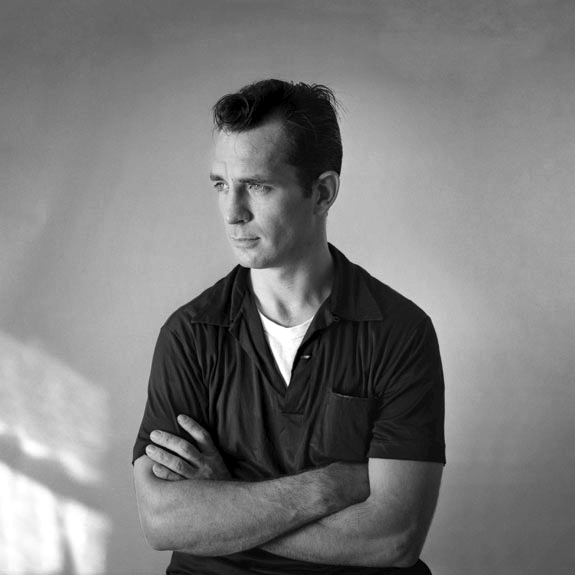
Jack Kerouac’s 30 Beliefs and Techniques For Writing Modern Prose

Image by Tom Palum­bo, via Wiki­me­dia Com­mons

Jack Ker­ouac is the patron saint of every star­ry-eyed, born-too-late, wan­der­lusty hip­ster scribe who falls in love with the poet­ry and vision­ary pow­er of their own inner voice. I may be old and crusty now, but I once fell under Kerouac’s spell and spilled my guts unedit­ed into long ram­bling prose-poems on exis­ten­tial bliss and tantric Bud­dhist bebop. Then lat­er I real­ized some­thing: Kerouac’s Ker­ouac was very good. My Ker­ouac? Not so much. You got­ta do your own thing. I grew out of Kerouac’s influ­ence and didn’t take much of him with me. Then I real­ized that he wasn’t always good. That he’d made the mis­take of every self-pro­claimed genius and stopped let­ting peo­ple tell him “no.” He said so him­self, in a 1968 Paris Review inter­view with Ted Berri­g­an in which he admit­ted that all his edi­tors since the great Mal­colm Cow­ley, “had instruc­tions to leave my prose exact­ly as I wrote it.” Now I know this was part of his method, but some­times the lat­er Ker­ouac need­ed a good edi­tor.

It is a del­i­cate dance, between the inner voice and out­er editor—whether that taskmas­ter is one­self or some­one else—and the great attrac­tion to Ker­ouac is his damn-it-all atti­tude toward tasks and mas­ters. His impro­vi­sa­tion­al prose is the point (I’m sure some­one will tell me I missed it).

Ker­ouac doesn’t just write about free­dom, he writes free­dom, and for most of us tight-assed wor­ry­warts, his voice is heal­ing balm for our writer’s inner exco­ri­a­tions. 1957’s On the Road is an incred­i­ble exper­i­ment in process as prod­uct (it’s not only a nov­el, it’s an art object)–a three-week burst of non-stop, unin­hib­it­ed cre­ativ­i­ty, so leg­end has it, and unequaled in his life­time. And yet despite his aver­sion to tidi­ness, Ker­ouac, like almost every writer, made lists; one in par­tic­u­lar is thir­ty guide­lines he called “Belief & Tech­nique for Mod­ern Prose.” I’ve excerpt­ed what I think are ten high­lights below, either because they seem pro­found­ly beau­ti­ful or pro­found­ly sil­ly, but in a way that only Ker­ouac the holy fool could get away with. This is not “advice for writ­ers.” It’s a cat­a­log of states of being.

1. Scrib­bled secret note­books, and wild type­writ­ten pages, for yr own joy
2. Sub­mis­sive to every­thing, open, lis­ten­ing
3. Try nev­er get drunk out­side yr own house
4. Be in love with yr life
5. Some­thing that you feel will find its own form
6. Be crazy dumb­saint of the mind
7. Blow as deep as you want to blow
8. Write what you want bot­tom­less from bot­tom of the mind
9. The unspeak­able visions of the indi­vid­ual
10. No time for poet­ry but exact­ly what is
11. Vision­ary tics shiv­er­ing in the chest
12. In tranced fix­a­tion dream­ing upon object before you
13. Remove lit­er­ary, gram­mat­i­cal and syn­tac­ti­cal inhi­bi­tion
14. Like Proust be an old tea­head of time
15. Telling the true sto­ry of the world in inte­ri­or monolog
16. The jew­el cen­ter of inter­est is the eye with­in the eye
17. Write in rec­ol­lec­tion and amaze­ment for your­self
18. Work from pithy mid­dle eye out, swim­ming in lan­guage sea
19. Accept loss for­ev­er
20. Believe in the holy con­tour of life
21. Strug­gle to sketch the flow that already exists intact in mind
22. Dont think of words when you stop but to see pic­ture bet­ter
23. Keep track of every day the date embla­zoned in yr morn­ing
24. No fear or shame in the dig­ni­ty of yr expe­ri­ence, lan­guage & knowl­edge
25. Write for the world to read and see yr exact pic­tures of it
26. Book­movie is the movie in words, the visu­al Amer­i­can form
27. In praise of Char­ac­ter in the Bleak inhu­man Lone­li­ness
28. Com­pos­ing wild, undis­ci­plined, pure, com­ing in from under, cra­zier the bet­ter
29. You’re a Genius all the time
30. Writer-Direc­tor of Earth­ly movies Spon­sored & Angeled in Heav­en

If you would like to sign up for Open Culture’s free email newslet­ter, please find it here. It’s a great way to see our new posts, all bun­dled in one email, each day.

If you would like to sup­port the mis­sion of Open Cul­ture, con­sid­er mak­ing a dona­tion to our site. It’s hard to rely 100% on ads, and your con­tri­bu­tions will help us con­tin­ue pro­vid­ing the best free cul­tur­al and edu­ca­tion­al mate­ri­als to learn­ers every­where. You can con­tribute through Pay­Pal, Patre­on, and Ven­mo (@openculture). Thanks!


Josh Jones is a writer and musi­cian. He recent­ly com­plet­ed a dis­ser­ta­tion on land, lit­er­a­ture, and labor.

Relat­ed Con­tent:

Hear All Three of Jack Kerouac’s Spo­ken-World Albums: A Sub­lime Union of Beat Lit­er­a­ture and 1950s Jazz

Jack Ker­ouac Lists 9 Essen­tials for Writ­ing Spon­ta­neous Prose

Jack Kerouac’s Poet­ry & Prose Read/Performed by 20 Icons: Hunter S. Thomp­son, Pat­ti Smith, William S. Bur­roughs, John­ny Depp & More

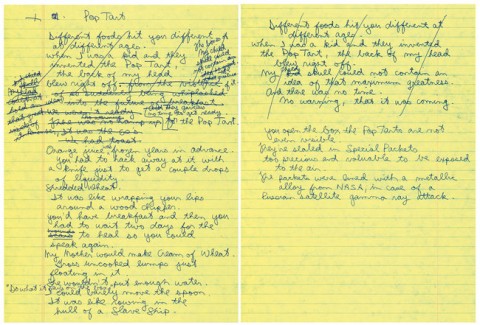
What’s the Deal with Pop Tarts? Jerry Seinfeld Explains How to Write a Joke

This week The New York Times Mag­a­zine pub­lished a sto­ry titled “Jer­ry Sein­feld Intends to Die Stand­ing Up,” fill­ing us in on what the come­di­an has been up to in the 14 years since Sein­feld, the sit­com that seemed to define the ’90s, went off the air. As Jon­ah Wein­er explains, Sein­feld has been “liv­ing the life of a road com­ic, albeit one who sells out 20,000-seat Lon­don are­nas and schleps to gigs via char­tered planes rather than rent­ed sub­com­pacts.”

Despite his great wealth, Sein­feld has cho­sen to devote part of almost every week since 2000 (two years after the end of the TV show) to doing stand-up com­e­dy. At 58, Sein­feld remains ful­ly com­mit­ted to the craft of telling jokes to a room­ful of strangers. As he tells Wein­er, he sees him­self more as an exact­ing ath­lete than a tor­tured artist. “I’m not fill­ing a deep emo­tion­al hole here,” Sein­feld says. “I’m play­ing a very dif­fi­cult game, and if you’d like to see some­one who’s very good at a dif­fi­cult game, that’s what I do.”

And if you’d like to learn a lit­tle about how the game of stand-up com­e­dy is played, the Times has post­ed this inter­est­ing five-minute video in which Sein­feld explains the evo­lu­tion of a joke, from sim­ple child­hood obser­va­tion to care­ful­ly thought-out gag. “Where­as most come­di­ans are lazy bas­tards,” Sarah Sil­ver­man says of Sein­feld, “he’s the ulti­mate crafts­man.”

Relat­ed con­tent:

Come­di­ans in Cars Get­ting Cof­fee: Jer­ry Sein­feld’s New Series Debuts on the Web

Writers’ Houses Gives You a Virtual Tour of Famous Authors’ Homes


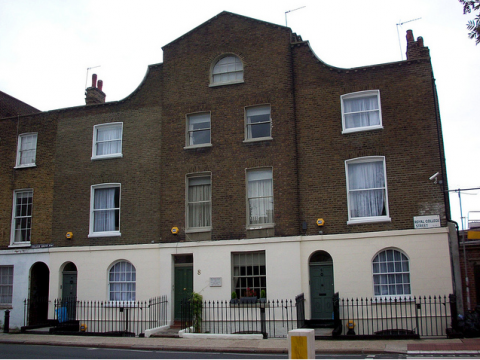
I’ve always been some­what amused by the accounts of Paul Ver­laine and Arthur Rimbaud’s brief bohemi­an affair. The old­er, mar­ried, and inter­nal­ly tor­tured Catholic Verlaine’s pin­ing for the self-destruc­tive and pre­co­cious young Rim­baud always presents a ridicu­lous pic­ture in prose. But it’s a pic­ture that takes on much clear­er con­tours when, for the first time, I get to see the house they occu­pied on 8 Roy­al Col­lege Street (above). The image of the house, with its for­bid­ding brick façade, gives their real­ly pret­ty unpleas­ant sto­ry a grav­i­tas that lit­er­ary his­to­ry can’t approach. Whether seen in per­son or in a pho­to­graph, the effect of view­ing any revered author’s home is sim­i­lar: his­to­ries once sub­ject to biog­ra­phers’ caprice take on the irrefutable weight of phys­i­cal real­i­ty. And while I’d love to have the lux­u­ry of a pil­grim­age to all my lit­er­ary heroes’ homes, I’m con­tent with the next best thing: an inter­net tour in pic­tures. That’s exact­ly what one gets at the Writ­ers’ Hous­es site, which has col­lect­ed dozens of images of famous writ­ers’ homes, sourced main­ly from user pho­tos.

And so home­bod­ies like myself can read their favorite Edna St. Vin­cent Mil­lay son­nets while gaz­ing at her Auster­litz, NY home “Steeple­top” (below, a bit more mod­est than I’d imag­ined):

Like­wise, I can read Flan­nery O’Connor’s grotesque lit­tle sto­ries and be con­tin­u­al­ly amazed that she did not emerge from some Medieval clois­ter in a fiery South­ern wild but from the bright, ram­bling farm­house called “Andalu­sia” (below).

And while I can only con­nect Thomas Hardy’s coun­try goth­ic nov­els and bleak poet­ry with the ter­mi­nal despair of a man who nev­er leaves his fire­lit study in some stur­dy, for­mal estate, his lit­tle cot­tage (below) is real­ly kind of cheery and resem­bles some­thing out of Peter Jackson’s Shire (though Hardy’s “Max Gate” home in Dorch­ester is exact­ly what I pic­ture him in).

The Writ­ers’ Hous­es site allows you to browse by author, state, and city, with a sep­a­rate cat­e­go­ry for “inter­na­tion­al hous­es.” Its main page is a reg­u­lar blog with a wealth of cur­rent infor­ma­tion on writ­ers’ homes, replete with links to oth­er sites and sources. For lovers of trav­el and archi­tec­tur­al and lit­er­ary his­to­ry, this is not to be missed.

via Kot­tke

Josh Jones is a doc­tor­al can­di­date in Eng­lish at Ford­ham Uni­ver­si­ty and a co-founder and for­mer man­ag­ing edi­tor of Guer­ni­ca / A Mag­a­zine of Arts and Pol­i­tics.

Toni Morrison Dispenses Sound Writing Advice: Tips You Can Apply to Your Own Work

Image by Angela Rad­ules­cu via Wiki­me­dia Com­mons

It is some­times the case that a favorite writer isn’t ter­ri­bly inter­est­ing when it comes to talk­ing shop.  This has nev­er been so with the self-reveal­ing Toni Mor­ri­son, whose pub­lic appear­ances and inter­views often dupli­cate the expe­ri­ence of read­ing one of her novels—her voice draws you in, and before you know it, you’re part of a world all her own that she has giv­en you the priv­i­lege of join­ing for a short time.

This is the expe­ri­ence of read­ing her inter­view with Elis­sa Schap­pell in the Paris Review. Mor­ri­son dis­cours­es on sub­jects rang­ing from her per­son­al rou­tine and his­to­ry, to her iden­ti­ty as a writer and a woman, to the larg­er his­to­ry of slav­ery and the black lives she writes about. Woven through it all are obser­va­tions about her art that may or may not be of any use to bud­ding writ­ers, but which will cer­tain­ly make lovers of Mor­ri­son read her work a lit­tle dif­fer­ent­ly. Some of her obser­va­tions are below:

  • Write when you know you’re at your best. For her, this hap­pened to be the ear­ly morn­ing, pre-dawn hours, before her chil­dren woke up, since she worked full-time and feels she is “not very bright or very wit­ty or very inven­tive after the sun goes down.” Mor­ri­son describes her morn­ing rit­u­al this way:

I always get and make a cup of cof­fee while it is still dark—it must be dark—and then I drink the cof­fee and watch the light come.

  • “There’s a line between revis­ing and fret­ting” It’s impor­tant for a writer to know when they are “fret­ting,” because if some­thing isn’t work­ing, “it needs to be scrapped,” although in answer to whether she goes back over pub­lished work and wish­es she had fret­ted more, Mor­ri­son answers, “a lot. Every­thing.”
  • A good edi­tor is “like a priest or a psy­chi­a­trist.” Mor­ri­son worked as an edi­tor for Ran­dom House for 20 years before she pub­lished her first nov­el. She observes the rela­tion­ship between writer and edi­tor by say­ing that get­ting the wrong one means that “you are bet­ter off alone.” One of the marks of a good edi­tor? She doesn’t “love you or your work,” there­fore offers crit­i­cism, not com­pli­ments.
  • Don’t write with an audi­ence in mind, write for the char­ac­ters. Know­ing how to read your own work—with the crit­i­cal dis­tance of a good reader—makes you a “bet­ter writer and edi­tor.” For Mor­ri­son, this means writ­ing not with an audi­ence in mind, but with the char­ac­ters to go to for advice, to tell you “if the ren­di­tion of their lives is authen­tic or not.”
  • Con­trol your char­ac­ters. Despite the ever-present and clichĂ©d demand to “write what you know,” Mor­ri­son stu­dious­ly tries to avoid tak­ing char­ac­ter traits from peo­ple she knows. As she puts it: “mak­ing a lit­tle life for one­self by scav­eng­ing oth­er people’s lives is a big ques­tion, and it does have moral and eth­i­cal impli­ca­tions.” And as for keep­ing con­trol of her char­ac­ters, Mor­ri­son says “They have noth­ing on their minds but them­selves and aren’t inter­est­ed in any­thing but them­selves. So you can’t let them write your book for you.”
  • Plot is like melody; it does­n’t need to be com­pli­cat­ed. Mor­ri­son sums up her approach to plot in Jazz and The Bluest Eye by say­ing “I put the whole plot on the first page.” Rather than con­struct­ing intri­cate plots with hid­den twists, she prefers to think of the plot in musi­cal terms as a “melody,” where the sat­is­fac­tion lies in rec­og­niz­ing it and then hear­ing the “echoes and shades and turns and piv­ots” around it.
  • Style, like jazz, involves end­less prac­tice and restraint. Speak­ing of Jazz, Mor­ri­son tells she has always thought of her­self like a jazz musi­cian, “some­one who prac­tices and prac­tices and prac­tices in order to able to invent and to make his art look effort­less and grace­ful.” A large part of her “jazz” style, she says, is “an exer­cise in restraint, in hold­ing back.”
  • Be your­self, but be aware of tra­di­tion. Of the diver­si­ty of African-Amer­i­can jazz musi­cians and singers, Mor­ri­son says “I would like to write like that. I would like to write nov­els that were unmis­tak­ably mine, but nev­er­the­less fit first into African Amer­i­can tra­di­tions and sec­ond of all, this whole thing called lit­er­a­ture.”

Most read­ers of Morrison’s work would argue that’s exact­ly what she’s done her whole career. Read the entire inter­view here and be sure to vis­it the com­plete archive of Paris Review inter­views online.

If you would like to sign up for Open Culture’s free email newslet­ter, please find it here. It’s a great way to see our new posts, all bun­dled in one email, each day.

If you would like to sup­port the mis­sion of Open Cul­ture, con­sid­er mak­ing a dona­tion to our site. It’s hard to rely 100% on ads, and your con­tri­bu­tions will help us con­tin­ue pro­vid­ing the best free cul­tur­al and edu­ca­tion­al mate­ri­als to learn­ers every­where. You can con­tribute through Pay­Pal, Patre­on, and Ven­mo (@openculture). Thanks!

Relat­ed Con­tent:

Writ­ing Tips by Hen­ry Miller, Elmore Leonard, Mar­garet Atwood, Neil Gaiman & George Orwell

Ray Brad­bury Offers 12 Essen­tial Writ­ing Tips and Explains Why Lit­er­a­ture Saves Civ­i­liza­tion

Sev­en Tips From Ernest Hem­ing­way on How to Write Fic­tion

Josh Jones is a doc­tor­al can­di­date in Eng­lish at Ford­ham Uni­ver­si­ty and a co-founder and for­mer man­ag­ing edi­tor of Guer­ni­ca / A Mag­a­zine of Arts and Pol­i­tics.

Kurt Vonnegut’s Tips for Teaching at the Iowa Writers’ Workshop (1967)

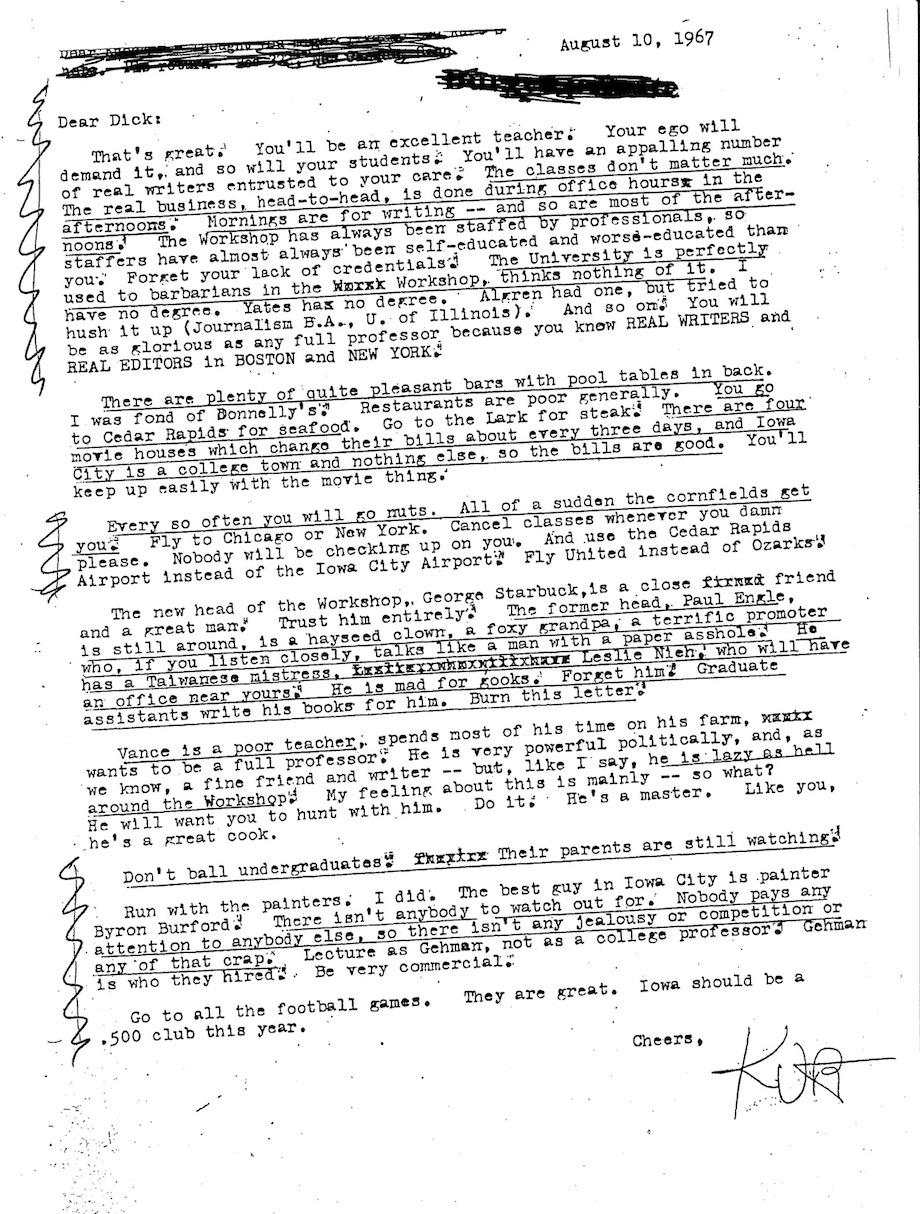
Few who dip into Kurt Von­negut’s work come away with­out the influ­ence of his voice. If we can judge by his let­ter to Richard Gehman (click here to read it in large for­mat), this will go for his per­son­al cor­re­spon­dence as much as it does for his fic­tion. In addi­tion to such nov­els as Slaugh­ter­house-Five, Cat’s Cra­dle, and Break­fast of Cham­pi­ons, Von­negut left behind a great many let­ters, some of the most inter­est­ing of which have just come togeth­er in a new 464-page col­lec­tion. We pre­vi­ous­ly fea­tured one of Von­negut’s dis­patch­es from the army, writ­ten to his par­ents at age 22. 22 years after that, he wrote the above page to Gehman, him­self a not­ed man of let­ters. It con­tains the one thing for which near­ly ever ded­i­cat­ed read­er of Kurt Von­negut must long: advice from Kurt Von­negut.

“Morn­ings are for writ­ing,” Von­negut tells Gehman, “and so are most of the after­noons.” The recip­i­ent was prepar­ing for a teach­ing stint at the Uni­ver­si­ty of Iowa’s famous Writer’s Work­shop. Von­negut’s own tour of duty there from 1965 to 1967 put him in a posi­tion to offer wise coun­sel. “The class­es don’t mat­ter much,” he writes, a sen­ti­ment that will strike cre­ative writ­ing teach­ers as at once dispir­it­ing and sen­si­ble. “The real busi­ness, head-to-head, is done dur­ing office hours.” He also has much to say about uni­ver­si­ty life and how to cope with the remote­ness of Iowa City. “For­get your lack of cre­den­tials.” “You go to Cedar Rapids for seafood.” “Can­cel class­es when­ev­er you damn please.” “Every so often you will go nuts. All of a sud­den the corn­fields get you.” “Run with the painters. I did.” “Go to all the foot­ball games. They are great.” Beyond these points, the let­ter only gets juici­er — as a true Von­negut fan would expect. Again you can read it in large for­mat here.

via Slate

Relat­ed con­tent:

22-Year-Old P.O.W. Kurt Von­negut Writes Home from World War II: “I’ll Be Damned If It Was Worth It”

Kurt Von­negut Reads from Slaugh­ter­house-Five

Kurt Vonnegut’s Eight Tips on How to Write a Good Short Sto­ry

Kurt Von­negut: “How To Get A Job Like Mine” (2002)

Col­in Mar­shall hosts and pro­duces Note­book on Cities and Cul­ture. Fol­low him on Twit­ter at @colinmarshall.

The Best Music to Write By: Give Us Your Recommendations

Writ­ing is hard. It’s hard to begin, hard to con­tin­ue, hard to fin­ish. To write suc­cess­ful­ly and con­sis­tent­ly requires an alchem­i­cal com­bi­na­tion of dis­ci­pline and inspi­ra­tion so per­son­al that read­ing advice on the sub­ject amounts to watch­ing some­one else die to learn how it’s done. And while it often feels enlight­en­ing to read about the habits of, say, Stein­beck or Austen, their meth­ods are non-trans­fer­able. You’ve got to find your own way. So it is with writ­ing to music. It’s always there in the back­ground, goad­ing you on qui­et­ly. Not every­one writes to music; not every­one can. But a good many do, includ­ing Wired con­trib­u­tor Steve Sil­ber­man who calls the prac­tice one of many rit­u­als writ­ers use “to evoke that elu­sive flow of inspi­ra­tion.”

Sil­ber­man just wrote a piece for Neu­roTribes in which he sur­veyed ten authors on their favorite music to write by. One of Silberman’s own choic­es, Miles Davis’s In a Silent Way (above), is one I’m steal­ing. With its bril­liant assem­blage of musi­cians and haunt­ing mood­i­ness it sets the per­fect tone for my process. Also, there’s no singing. Like Sil­ber­man, I can’t com­pete with a wise, wit­ty lyri­cist (he men­tions Elvis Costel­lo, I pre­fer Mor­ris­sey). In Sil­ber­man’s piece, John Schwartz, a New York Times reporter, lis­tens to noth­ing. Jane Hirschfield, a chan­cel­lor of the Acad­e­my of Amer­i­can Poets, likes David Byrne, Dylan’s Mod­ern Times, and Gillians Welch’s The Har­row and the Har­vest. Wired con­tribut­ing edi­tor David Wol­man makes a playlist of most­ly indie-pop songs enti­tled “Write the Book!” His main cri­te­ri­on for the songs he choos­es: DO NOT BE BORING! My default writ­ing music is exem­pli­fied by Aus­tralian three-piece instru­men­tal rock band Dirty Three (below).

So now it’s your turn, read­ers. Do you write to music? If so, what is it? What artists/composers/albums help you find your rhythm and why? Can you stand lyrics in the music you write by or no? Leave your selec­tions in the com­ments. On Mon­day, we’ll com­pile them in an arti­cle and leave you with a great Open Cul­ture playlist. Whether you find some­thing you can steal or not, it should be a fun exer­cise.

*See our fol­low-up post with a list of your favorites here

Josh Jones is a doc­tor­al can­di­date in Eng­lish at Ford­ham Uni­ver­si­ty and a co-founder and for­mer man­ag­ing edi­tor of Guer­ni­ca / A Mag­a­zine of Arts and Pol­i­tics.

« Go BackMore in this category... »
Quantcast