Dostoevsky Draws a Picture of Shakespeare: A New Discovery in an Old Manuscript

2014-12-15-DsdrawingofS

Dos­to­evsky, a doo­dler? Sure­ly not! Great Russ­ian brow fur­rowed over the mean­ing of love and hate and faith and crime, div­ing into squalid hells, ascend­ing to the heights of spir­i­tu­al ecsta­sy, tak­ing a gasp of heav­en­ly air, then back down to the depths again to churn out the pages and hun­dreds of char­ac­ter arcs—that’s Dostoevsky’s style. Doo­dles? No. And yet, even Dos­to­evsky, the acme of lit­er­ary seri­ous­ness, made time for the odd pen and ink car­i­ca­ture amidst his bouts of exis­ten­tial angst, pover­ty, and ill health. We’ve shown you some of them before—indeed, some very well ren­dered por­traits and archi­tec­tur­al draw­ings in the pages of his man­u­scripts. Now, just above, see yet anoth­er, a recent­ly dis­cov­ered tiny por­trait of Shake­speare in pro­file, etched in the mar­gins of a page from one of his angsti­est nov­els, The Pos­sessed, avail­able in our col­lec­tion, 800 Free eBooks for iPad, Kin­dle & Oth­er Devices.

2014-12-15-DS

Annie Mar­tirosyan in The Huff­in­g­ton Post points out some fam­i­ly resem­blance between the Shake­speare doo­dle and the famous brood­ing oil por­trait of Dos­to­evsky him­self, by Vasi­ly Per­ov. She also notes the ring stain and sundry drips over the “hard­ly leg­i­ble… scrib­bles” and “mar­gin­a­lia… scat­tered naugh­ti­ly across the page” is from the author’s tea. “Feodor Mikhailovich was an avid tea drinker,” and he would con­sume his favorite bev­er­age while walk­ing “to and fro in the room and mak[ing] up his char­ac­ters’ speech­es out loud….” Can’t you just see it? Under the draw­ing (see it clos­er in the inset)—in one of the many exam­ples of the author’s painstak­ing hand­writ­ing practice—is the name “Atkin­son.”

Mar­tirosyan sums up a some­what com­pli­cat­ed aca­d­e­m­ic dis­cus­sion between Dos­to­evsky experts Vladimir Zakharov and Boris Tikhomirov about the source of this name. This may be of inter­est to lit­er­ary spe­cial­ists. But per­haps it suf­fices to say that both schol­ars “have now con­firmed the authen­tic­i­ty of the image as Dostoevsky’s draw­ing of Shake­speare,” and that the name and draw­ing may have no con­cep­tu­al con­nec­tion. It’s also fur­ther proof that Dos­to­evsky, like many of us, turned to mak­ing pic­tures when, says schol­ar Kon­stan­tin Barsht—whom Col­in Mar­shall quot­ed in our pre­vi­ous post—“the words came slow­est.” In fact, some of the author’s char­ac­ter descrip­tions, Barsht claims, “are actu­al­ly the descrip­tions of doo­dled por­traits he kept rework­ing until they were right.”

So why Shake­speare? Per­haps it’s sim­ply that the great psy­cho­log­i­cal nov­el­ist felt a kin­ship with the “inven­tor of the human.” After all, Dos­to­evsky has been called, in those mem­o­rable words from Count Mel­choir de Vogue, “the Shake­speare of the lunatic asy­lum.”

via The Huff­in­g­ton Post

h/t OC read­er Nick

Relat­ed Con­tent:

Fyo­dor Dos­to­evsky Draws Elab­o­rate Doo­dles In His Man­u­scripts

The Dig­i­tal Dos­to­evsky: Down­load Free eBooks & Audio Books of the Russ­ian Novelist’s Major Works

Watch a Hand-Paint­ed Ani­ma­tion of Dostoevsky’s “The Dream of a Ridicu­lous Man”

Josh Jones is a writer and musi­cian based in Durham, NC. Fol­low him at @jdmagness

Flannery O’Connor to Lit Professor: “My Tone Is Not Meant to Be Obnoxious. I’m in a State of Shock”

flannery-oconnor-featured-w480x300

When Flan­nery O’Connor start­ed writ­ing in the mid­dle of the 20th cen­tu­ry, short sto­ries — or at least fash­ion­able short sto­ries that were pub­lished in The New York­er –unfold­ed del­i­cate­ly reveal­ing gos­samer-like lay­ers of expe­ri­ence. O’Connor’s sto­ries, in con­trast, were pun­gent, grotesque, often vio­lent moral tales deal­ing with unabashed­ly Chris­t­ian themes. They def­i­nite­ly weren’t fash­ion­able at the time. Yet since her untime­ly death at age 39 in 1964, O’Connor’s rep­u­ta­tion has only increased. Even for read­ers who aren’t immersed in Catholic the­ol­o­gy, her sto­ries — which pair out­landish, often com­ic char­ac­ters with har­row­ing, exis­ten­tial sit­u­a­tions — have a way of bur­row­ing into your con­scious­ness and stay­ing there. For O’Con­nor, the goth­ic tales were a means to an end: “To the hard of hear­ing you shout, and for the almost-blind you draw large and star­tling fig­ures.”

In 1961, an Eng­lish pro­fes­sor wrote to O’Connor hop­ing to help his stu­dents under­stand “A Good Man is Hard to Find.” The sto­ry, per­haps the author’s most famous, is a slip­pery, trou­bling work about a fam­i­ly of six casu­al­ly mur­dered by an escaped con­vict called the Mis­fit in the back­woods of Geor­gia. The story’s main char­ac­ter is clear­ly the Grand­moth­er. The sto­ry is seen through her eyes, and she is the one who ulti­mate­ly dooms the fam­i­ly. Yet the pro­fes­sor didn’t quite see it that way:

We have debat­ed at length sev­er­al pos­si­ble inter­pre­ta­tions, none of which ful­ly sat­is­fies us. In gen­er­al we believe that the appear­ance of the Mis­fit is not ‘real’ in the same sense that the inci­dents of the first half of the sto­ry are real. Bai­ley, we believe, imag­ines the appear­ance of the Mis­fit, whose activ­i­ties have been called to his atten­tion on the night before the trip and again dur­ing the stopover at the road­side restau­rant. Bai­ley, we fur­ther believe, iden­ti­fies him­self with the Mis­fit and so plays two roles in the imag­i­nary last half of the sto­ry. But we can­not, after great effort, deter­mine the point at which real­i­ty fades into illu­sion or rever­ie. Does the acci­dent lit­er­al­ly occur, or is it part of Bai­ley’s dream? Please believe me when I say we are not seek­ing an easy way out of our dif­fi­cul­ty. We admire your sto­ry and have exam­ined it with great care, but we are not con­vinced that we are miss­ing some­thing impor­tant which you intend­ed us to grasp. We will all be very grate­ful if you com­ment on the inter­pre­ta­tion which I have out­lined above and if you will give us fur­ther com­ments about your inten­tion in writ­ing ‘A Good Man is Hard to Find.’

O’Connor was under­stand­ably baf­fled by this read­ing. Her response:

28 March 1961

The inter­pre­ta­tion of your nine­ty stu­dents and three teach­ers is fan­tas­tic and about as far from my inten­tions as it could get to be. If it were a legit­i­mate inter­pre­ta­tion, the sto­ry would be lit­tle more than a trick and its inter­est would be sim­ply for abnor­mal psy­chol­o­gy. I am not inter­est­ed in abnor­mal psy­chol­o­gy.

There is a change of ten­sion from the first part of the sto­ry to the sec­ond where the Mis­fit enters, but this is no less­en­ing of real­i­ty. This sto­ry is, of course, not meant to be real­is­tic in the sense that it por­trays the every­day doings of peo­ple in Geor­gia. It is styl­ized and its con­ven­tions are com­ic even though its mean­ing is seri­ous.

Bailey’s only impor­tance is as the Grandmother’s boy and the dri­ver of the car. It is the Grand­moth­er who first rec­og­nized the Mis­fit and who is most con­cerned with him through­out. The sto­ry is a duel of sorts between the Grand­moth­er and her super­fi­cial beliefs and the Misfit’s more pro­found­ly felt involve­ment with Christ’s action which set the world off bal­ance for him.

The mean­ing of a sto­ry should go on expand­ing for the read­er the more he thinks about it, but mean­ing can­not be cap­tured in an inter­pre­ta­tion. If teach­ers are in the habit of approach­ing a sto­ry as if it were a research prob­lem for which any answer is believ­able so long as it is not obvi­ous, then I think stu­dents will nev­er learn to enjoy fic­tion. Too much inter­pre­ta­tion is cer­tain­ly worse than too lit­tle, and where feel­ing for a sto­ry is absent, the­o­ry will not sup­ply it.

My tone is not meant to be obnox­ious. I am in a state of shock.

Flan­nery O’Con­nor

You can hear O’Connor read “A Good Man is Hard to Find” below. We have more infor­ma­tion on the 1959 read­ing here:

Via Let­ters of Note

Relat­ed Con­tent:

Flan­nery O’Connor: Friends Don’t Let Friends Read Ayn Rand (1960)

Flan­nery O’Connor Reads ‘Some Aspects of the Grotesque in South­ern Fic­tion’ (c. 1960)

Flan­nery O’Connor’s Satir­i­cal Car­toons: 1942–1945

Jonathan Crow is a Los Ange­les-based writer and film­mak­er whose work has appeared in Yahoo!, The Hol­ly­wood Reporter, and oth­er pub­li­ca­tions. You can fol­low him at @jonccrow. And check out his blog Veep­to­pus, fea­tur­ing lots of pic­tures of bad­gers and even more pic­tures of vice pres­i­dents with octo­pus­es on their heads.  The Veep­to­pus store is here.

Read The Very First Comic Book: The Adventures of Obadiah Oldbuck (1837)

Obadiah Oldbuck

Com­ic books, as any enthu­si­ast of comics books won’t hes­i­tate to tell you, have a long and robust his­to­ry, one that extends far wider and deep­er than the 20th-cen­tu­ry caped mus­cle­men, carous­ing teenagers, and wise­crack­ing ani­mals so many asso­ciate with the medi­um. The schol­ar­ship on com­ic-book his­to­ry — still a rel­a­tive­ly young field, you under­stand — has more than once revised its con­clu­sions on exact­ly how far back its roots go, but as of now, the ear­li­est acknowl­edged com­ic book dates to 1837.

The Adven­tures of Oba­di­ah Old­buck, accord­ing to thecomicbooks.com’s page on ear­ly com­ic-book his­to­ry, “was done by Switzer­land’s Rudolphe Töpf­fer, who has been con­sid­ered in Europe (and start­ing to become here in Amer­i­ca) as the cre­ator of the pic­ture sto­ry. He cre­at­ed the com­ic strip in 1827,” going on to cre­ate com­ic books “that were extreme­ly suc­cess­ful and reprint­ed in many dif­fer­ent lan­guages; sev­er­al of them had Eng­lish ver­sions in Amer­i­ca in 1846. The books remained in print in Amer­i­ca until 1877.”

Also known as His­toire de M. Vieux BoisLes amours de Mr. Vieux Bois, or sim­ply Mon­sieur Vieuxbois, the orig­i­nal 1837 Adven­tures of Oba­di­ah Old­buck earned Töpf­fer the des­ig­na­tion of “the father of the mod­ern com­ic” from no less an author­i­ty on the mat­ter than Under­stand­ing Comics author Scott McCloud, who cites the series’ pio­neer­ing use of bor­dered pan­els and “the inter­de­pen­dent com­bi­na­tion of words and pic­tures.” You can see for your­self at the web site of Dart­mouth Col­lege’s Library.

Oldbuck 2

Alas, con­tem­po­rary crit­ics — and to an extent Töpf­fer him­self, who con­sid­ered it a work tar­get­ed at chil­dren and “the low­er class­es” — could­n’t see the inno­va­tion in all this. They wrote off Oba­di­ah Old­buck’s har­row­ing yet strange­ly light­heart­ed pic­to­r­i­al sto­ries of failed courtship, duel­ing, attempt­ed sui­cide, rob­bery, drag, elope­ment, ghosts, stray bul­lets, attack dogs, dou­ble-cross­ing, and the threat of exe­cu­tion as mere tri­fles by an oth­er­wise capa­ble artist. So the next time any­one gets on your case about read­ing com­ic books, just tell ’em they said the same thing about Oba­di­ah Old­buck. Then send them this way so they can fig­ure out what you mean. You can read The Adven­tures of Oba­di­ah Old­buck in its total­i­ty here.

Oldbuck 3

Relat­ed Con­tent:

Down­load Over 22,000 Gold­en & Sil­ver Age Com­ic Books from the Com­ic Book Plus Archive

Down­load 15,000+ Free Gold­en Age Comics from the Dig­i­tal Com­ic Muse­um

The Reli­gious Affil­i­a­tion of Com­ic Book Heroes

Col­in Mar­shall hosts and pro­duces Note­book on Cities and Cul­ture as well as the video series The City in Cin­e­ma and writes essays on cities, lan­guage, Asia, and men’s style. He’s at work on a book about Los Ange­les, A Los Ange­les Primer. Fol­low him on Twit­ter at @colinmarshall or on Face­book.

How Did Everything Begin?: Animations on the Origins of the Universe Narrated by X‑Files Star Gillian Anderson

Back in Novem­ber, we brought you the BBC series of short ani­mat­ed videos, A His­to­ry of Ideas. Pro­duced in col­lab­o­ra­tion with the UK’s Open Uni­ver­si­ty and nar­rat­ed by Har­ry Shear­er, these fun intro­duc­tions to such philoso­phers as Simone de Beau­voir and Edmund Burke, and such weighty philo­soph­i­cal top­ics as free will and the prob­lem of evil, make chal­leng­ing, abstract con­cepts acces­si­ble to non-philoso­phers. Now the series is back with a new chap­ter, “How Did Every­thing Begin?,” a sur­vey of sev­er­al the­o­ries of the ori­gins of the uni­verse, from Thomas Aquinas’ philo­soph­i­cal spec­u­la­tions, to Hin­du cos­mol­o­gy; and from the­olo­gian William Paley’s design argu­ment (below), and the the­o­ry of the Big Bang (above).

The two videos here present an inter­est­ing coun­ter­point between the ori­gin the­o­ries of astro­physics and the­ol­o­gy. Though cur­rent day intel­li­gent design pro­po­nents deny it, there is still much of William Paley’s argu­ment, at least in style, in their expla­na­tions of cre­ation. First pro­pound­ed in his 1802 work Nat­ur­al The­ol­o­gy, the theologian’s famous watch­mak­er analogy—which he extend­ed to the design of the eye, and every­thing else—gave Charles Dar­win much to puz­zle over, though David Hume had sup­pos­ed­ly refut­ed Paley’s argu­ments 50 years ear­li­er. The Big Bang the­o­ry—a term cre­at­ed by its fore­most crit­ic Fred Hoyle as a pejorative—offers an entire­ly nat­u­ral­is­tic account of the universe’s ori­gins, one that pre­sup­pos­es no inher­ent pur­pose or design.

As with the pre­vi­ous videos, these are script­ed by for­mer Open Uni­ver­si­ty pro­fes­sor and host of the Phi­los­o­phy Bites pod­cast, Nigel War­bur­ton. This time around the videos are nar­rat­ed by Gillian Ander­son, whose voice you may not imme­di­ate­ly rec­og­nize. Rather than sound­ing like Dana Scul­ly, her famous X‑Files char­ac­ter, Ander­son speaks in a British accent, which she slips into eas­i­ly, hav­ing lived in the UK for much of her child­hood and now again as an adult. (You may have seen Ander­son in many of the Eng­lish peri­od dra­mas she has appeared in, or in British crime dra­ma The Fall or Michael Winterbottom’s uproar­i­ous adap­ta­tion of Tris­tram Shandy.)

These fas­ci­nat­ing spec­u­la­tive theories—whether sci­en­tif­ic or mythological—are sure to appeal to fans of the X‑Files, who can per­haps begin to believe again, or remain skep­ti­cal, thanks to news that Ander­son may reteam with Chris Carter and David Duchovny for a reboot of the clas­sic sci-fi series.

Watch the remain­ing videos in the series below:

Thomas Aquinas and the First Mover Argu­ment

Hin­du Cre­ation Sto­ries

Relat­ed Con­tent:

A His­to­ry of Ideas: Ani­mat­ed Videos Explain The­o­ries of Simone de Beau­voir, Edmund Burke & Oth­er Philoso­phers

The His­to­ry of Phi­los­o­phy With­out Any Gaps – Peter Adamson’s Pod­cast Still Going Strong

Free Online Phi­los­o­phy Cours­es (130 in Total)

Josh Jones is a writer and musi­cian based in Durham, NC. Fol­low him at @jdmagness

A Dazzling Gallery of Clockwork Orange Tattoos

clockwork-orange-tattoo-3

Alex, the pro­tag­o­nist of Antho­ny Burgess’ A Clock­work Orange takes teenage rebel­lion to psy­chot­ic extremes, but one act he and his droogs nev­er indulge in is get­ting tat­tooed. It doesn’t even seem to be on their radar. How dif­fer­ent things were in 1962, when the book was pub­lished!

I have no doubt that direc­tor Stan­ley Kubrick (or design­er Mile­na Canonero) could have devised some icon­ic ink for the 1971 film adap­ta­tion, but it would’ve been gild­ing the lily. Movie Alex Mal­colm McDow­ell’s sin­gle false eye­lash is so arrest­ing as to be instant­ly rec­og­niz­able. It deserved its star billing on the updat­ed book cov­er that coin­cid­ed with the film’s release.

It’s also just one of many Clock­work Orange-inspired images that dec­o­rates fans’ hides now that tat­too­ing has hit the main­stream. What would Alex think?

The lit­tle mon­ster’s ego would’ve have rel­ished the noto­ri­ety, but I bet he’d have had a snick­er, too, at the lengths to which eager chellovecks and devotchkas will go. It’s the kind of thing his dim droo­gie Dim would do—mark him­self up per­ma­nent when he could’ve just as well have bought a tote­bag.

clockwork-orange-tattoo-1

Whether or not you per­son­al­ly would con­sid­er mak­ing a salute to A Clock­work Orange a life­long fea­ture of your birth­day suit, it’s hard not to admire the com­mit­ment of the pas­sion­ate lit­er­a­ture and film lovers who do.

In assem­bling the gallery below, we’ve opt­ed to for­go the pho­to­re­al­is­tic por­traits of McDowell—particularly the ones that recre­ate the aver­sion ther­a­py scene—in favor of the graph­ic, the cre­ative, the jaw drop­ping, the sly… and the unavoid­able Hel­lo Kit­ty mash up, which we’re kind of hop­ing wash­es off.

Clockwork Tattoo 4

Clockwork Tattoo 6

Clockwork Tattoo 5

Clockwork Tattoo 7

Clockwork Tattoo 8

Clockwork Tattoo 9

clockwork-orange-tattoo-10

Clockwork Tattoo 11

SONY DSC

Clockwork Tattoo 13

Relat­ed Con­tent:

The Mak­ing of Stan­ley Kubrick’s A Clock­work Orange

Watch The Simp­sons’ Hal­loween Par­o­dy of Kubrick’s A Clock­work Orange and The Shin­ing

15 Great Films Adapt­ed From Equal­ly Great Nov­els

Ayun Hal­l­i­day is an author, home­school­er, and car­toon­ist, whose lat­est com­ic cel­e­brates Civ­il War fire­brand, “Crazy Bet” Van Lew. Fol­low her @AyunHalliday

Whitney Museum Puts Online 21,000 Works of American Art, By 3,000 Artists

soir bleu

Soir Bleu by Edward Hop­per, 1914.

The trend has now become delight­ful­ly clear: the world’s best-known art insti­tu­tions have got around to the impor­tant busi­ness of mak­ing their col­lec­tions freely view­able online. We’ve already fea­tured the Met­ro­pol­i­tan Muse­um of Art, the Los Ange­les Coun­ty Muse­um of Art, the Rijksmu­se­um, and the Nation­al Gallery (as well as new, inter­net-based insti­tu­tions such as the Google Art Project and Art.sy). Today, we bring news that the Whit­ney Muse­um of Amer­i­can Art has joined in as well.

the steerage

The Steer­age by Alfred Stieglitz, 1907.

“Last week, the Whit­ney Muse­um mas­sive­ly over­hauled its online data­base,” writes Hyper­al­ler­gic’s Bec­ca Roth­feld. “The muse­um of Amer­i­can art expand­ed its online col­lec­tion from a pal­try 700 works to around 21,000. The dig­i­tal reserve now includes over 3,000 pieces by Edward Hop­per, in addi­tion to offer­ings from a wide swathe of art from the Unit­ed States, includ­ing the likes of Mike Kel­ley and Mar­tin Wong.” Roth­feld also notes that all this dig­i­ti­za­tion has hap­pened dur­ing the muse­um’s phys­i­cal move, cur­rent­ly under­way, to a build­ing in the Meat­pack­ing Dis­trict with 63,000 com­bined square feet of indoor and out­door gallery space.

morning sky

Morn­ing Sky by Geor­gia O’Ke­effe, 1916.

We non-New York­ers have, of course, already booked our flights to expe­ri­ence the Whit­ney’s new digs. But since the build­ing won’t actu­al­ly open to the pub­lic until May, all of us, no mat­ter where we live, will have to con­tent our­selves for the moment with what the muse­um has put online so far. For­tu­nate­ly, it has put a lot online: you can browse their dig­i­tal col­lec­tions by artist here; you’ll notice a great deal of Jack­son Pol­lock, Geor­gia O’Ke­effe, Edward Hop­per, and Andy Warhol already avail­able for your brows­ing plea­sure.

via Hyper­al­ler­gic

Relat­ed Con­tent:

Where to Find Free Art Images & Books from Great Muse­ums, and Free Books from Uni­ver­si­ty Press­es

The Met­ro­pol­i­tan Muse­um of Art Puts 400,000 High-Res Images Online & Makes Them Free to Use

LA Coun­ty Muse­um Makes 20,000 Artis­tic Images Avail­able for Free Down­load

The Rijksmu­se­um Puts 125,000 Dutch Mas­ter­pieces Online, and Lets You Remix Its Art

The Nation­al Gallery Makes 25,000 Images of Art­work Freely Avail­able Online

The Get­ty Puts 4600 Art Images Into the Pub­lic Domain (and There’s More to Come)

40,000 Art­works from 250 Muse­ums, Now View­able for Free at the Redesigned Google Art Project

Col­in Mar­shall hosts and pro­duces Note­book on Cities and Cul­ture as well as the video series The City in Cin­e­ma and writes essays on cities, lan­guage, Asia, and men’s style. He’s at work on a book about Los Ange­les, A Los Ange­les Primer. Fol­low him on Twit­ter at @colinmarshall or on Face­book.

Slavoj Žižek Names His Favorite Films from The Criterion Collection

Slavoj Žižek – the world’s most famous Sloven­ian, the “Elvis of cul­tur­al the­o­ry” – read­i­ly admits that he’s a big fan of movies. After all, there are few bet­ter ide­o­log­i­cal deliv­ery sys­tems out there than cin­e­ma and Žižek is fas­ci­nat­ed with ide­ol­o­gy. In his doc­u­men­tary The Pervert’s Guide to Ide­ol­o­gy, he pars­es some beloved favorites in unex­pect­ed ways. So Taxi Dri­ver is not only an unof­fi­cial remake of The Searchers but also echoes America’s recent for­eign pol­i­cy blun­ders in the Mid­dle East? Okay. So Titan­ic has par­al­lels with the Sovi­et pro­pa­gan­da movie The Fall of Berlin? Sure. Christo­pher Nolan’s The Dark Knight, at its heart, artic­u­lates some very cyn­i­cal notions of gov­ern­ment? Actu­al­ly, I sort of sus­pect­ed that one. Žižek’s ten­den­cy to make wild, sur­pris­ing rhetor­i­cal leaps and his pen­chant for drop­ping nods to pop cul­ture along­side ref­er­ences to Karl Marx and Jacques Lacan have turned him into that rarest of peo­ple – a celebri­ty philoso­pher.

Last fall, Žižek stopped by the office of The Cri­te­ri­on Col­lec­tion where he rat­tled off some of his favorite movies from its library. His com­men­tary is inci­sive, fas­ci­nat­ing, occa­sion­al­ly flip and often fun­ny. As it turns out, Žižek is not a fan of Milan Kun­dera; he is one of the very few peo­ple out there who prefers Rober­to Rossellini’s late films over his ear­ly Ital­ian Neo-Real­ist mas­ter­pieces like Rome, Open City; and he end­ed up being a per­son­al inspi­ra­tion for Ang Lee’s film, The Ice Storm. You can watch him talk in the video above. Below is the film list, along with some choice quotes.

  • Trou­ble in Par­adise (1932) – dir. Ernst Lubitsch
    “It’s the best cri­tique of Cap­i­tal­ism.”
  • Sweet Smell of Suc­cess (1957) – dir. Alexan­der Mack­endrick
    “It’s a nice depic­tion of the cor­rup­tion of the Amer­i­can press.”
  • Pic­nic at Hang­ing Rock (1975) – dir. Peter Weir
    “I sim­ply like ear­ly Peter Weir movies. … It’s like his ver­sion of Stalk­er.”
  • Mur­mur of the Heart (1971)- dir. Louis Malle
    “It’s one of those nice gen­tle French movies where you have incest. Por­trayed as a nice secret between moth­er and son. I like this.”

  • The Joke (1969) – dir. Jaromil Jireš
    “The Joke is the first nov­el by Milan Kun­dera and I think it’s his only good nov­el. After that it all goes down.”
  • The Ice Storm (1997) – dir. Ang Lee
    “I have a per­son­al attach­ment to this film. When James Schamus was writ­ing the sce­nario, he told me he was read­ing a book of mine and that my the­o­ret­i­cal book was inspi­ra­tion [sic]. So it’s per­son­al rea­son but I also loved the movie.”
  • Great Expec­ta­tions (1946) dir. David Lean
    “I am sim­ply a great fan of Dick­ens.”
  • Rossellini’s His­to­ry Films (Box Set) — The Age of the Medici (1973), Carte­sius (1974), Blaise Pas­cal (1972)
    “Rossellini’s his­to­ry films, I pre­fer them. These late, long bor­ing TV movies. I think that the so-called great Rosselli­nis, for exam­ple Ger­man Year Zero and so on, they no longer real­ly work. I think this is the Rosselli­ni to be reha­bil­i­tat­ed.”
  • City Lights (1931) – dir. Char­lie Chap­lin
    “What is there to say? This is one of the great­est movies of all times.”
  • Carl Theodor Drey­er Box Set — Day of Wrath (1943), Ordet (1955), Gertrud (1964)
    “It’s more out of my love for Den­mark. It’s nice to know already in the ‘20s and ‘30s, Den­mark was already a cin­e­mat­ic super­pow­er.
  • Y Tu Mamá Tam­bién (2002) – dir. Alfon­so Cuáron
    “This is for obvi­ous per­son­al rea­son. I do the com­ment. [He did the DVD Com­men­tary for the movie] Although, I must say that my favorite Cuáron is Chil­dren of Men.”
  • Antichrist (2009) – dir. Lars Von Tri­er
    “I will prob­a­bly not like it, but I like Von Tri­er. It is sim­ply a part of a duty.”

Žižek goes on to say that he often­times enjoys the DVD com­men­tary of a movie more than the actu­al film. “I am a cor­rupt­ed the­o­rist. Screw the movie. I like to learn all around the movie.”

And below you can watch Žižek’s take on John Carpenter’s over­looked gem, and left­ist para­ble, They Live!

Relat­ed Con­tent:

Good Cap­i­tal­ist Kar­ma: Zizek Ani­mat­ed

A Shirt­less Slavoj Žižek Explains the Pur­pose of Phi­los­o­phy from the Com­fort of His Bed

After a Tour of Slavoj Žižek’s Pad, You’ll Nev­er See Inte­ri­or Design in the Same Way

Jonathan Crow is a Los Ange­les-based writer and film­mak­er whose work has appeared in Yahoo!, The Hol­ly­wood Reporter, and oth­er pub­li­ca­tions. You can fol­low him at @jonccrow. And check out his blog Veep­to­pus, fea­tur­ing lots of pic­tures of bad­gers and even more pic­tures of vice pres­i­dents with octo­pus­es on their heads.  The Veep­to­pus store is here.

Dominic West, Stephen Fry & Benedict Cumberbatch Read From a Guantánamo Prisoner’s Diary

For more than a decade, Mohame­dou Ould Slahi has remained locked up in Guan­tá­namo, despite nev­er being charged with a crime. He’s just one of many pris­on­ers trapped in a Kafkian state of legal lim­bo. Con­fined to a sin­gle cell, Slahi has writ­ten a haunt­ing, 466 page account of his expe­ri­ence. And, after years of lit­i­ga­tion, and some 2,500 redac­tions by the US gov­ern­ment, his diary is final­ly being pub­lished. You can read the declas­si­fied man­u­script online over at The Guardian. To get some con­text on the whole affair, you can watch a short doc­u­men­tary above, which fea­tures read­ings by Dominic West (McNul­ty in The Wire). Below, we have more read­ings by Stephen Fry, Bene­dict Cum­ber­batch and Col­in Firth. Yet more read­ings can be found on Sound­Cloud.

Stephen Fry


Bene­dict Cum­ber­batch


Col­in Firth

If you would like to sign up for Open Culture’s free email newslet­ter, please find it here. It’s a great way to see our new posts, all bun­dled in one email, each day.

If you would like to sup­port the mis­sion of Open Cul­ture, con­sid­er mak­ing a dona­tion to our site. It’s hard to rely 100% on ads, and your con­tri­bu­tions will help us con­tin­ue pro­vid­ing the best free cul­tur­al and edu­ca­tion­al mate­ri­als to learn­ers every­where. You can con­tribute through Pay­Pal, Patre­on, and Ven­mo (@openculture). Thanks!

How “America’s First Drug Czar” Waged War Against Billie Holiday and Other Jazz Legends

The U.S. government’s so-called “War on Drugs” pre­dates Richard Nixon’s coinage of the term in 1971 by many decades, though it is under his admin­is­tra­tion that it assumed its cur­rent scope and char­ac­ter. Before Wood­stock and Viet­nam, before the cre­ation of the DEA in 1973, the Fed­er­al Bureau of Narcotics—headed by “America’s first drug czar,” Com­mis­sion­er Har­ry J. Anslinger, from 1930 to 1962—waged its own war, at first pri­mar­i­ly on mar­i­jua­na, and, to a great degree, on jazz musi­cians and jazz cul­ture. Anslinger came to pow­er in the era of Reefer Mad­ness, the title of a rather ridicu­lous 1938 anti-drug film that has come to stand in for hyper­bol­ic anti-pot para­noia of the ’30s and ’40s more gen­er­al­ly. Much of that mad­ness was the Commissioner’s spe­cial cre­ation.

Like so much of the post-Nixon drug war, Anslinger staged his cam­paign as a moral cru­sade against cer­tain kinds of users: dis­si­dents, the coun­ter­cul­ture, and espe­cial­ly immi­grants and blacks. Accord­ing to Alexan­der Cockburn’s White­out: The CIA, Drugs, and the Press, Anslinger’s “first major cam­paign was to crim­i­nal­ize the drug com­mon­ly known as hemp. But Anslinger renamed it ‘mar­i­jua­na’ to asso­ciate it with Mex­i­can labor­ers,” and claimed that the drug “can arouse in blacks and His­pan­ics a state of men­ac­ing fury or homi­ci­dal attack.” Anslinger “became the prime shaper of Amer­i­can atti­tudes to drug addic­tion.” And like lat­er despis­ers of rock ‘n’ roll and hip-hop, Anslinger’s hatred of jazz moti­vat­ed many of his tar­get­ed attacks.

Anslign­er linked mar­i­jua­na with jazz and per­se­cut­ed many black musi­cians, includ­ing Thelo­nious Monk, Dizzy Gille­spie and Duke Elling­ton. Louis Arm­strong was also arrest­ed on drug charges, and Anslinger made sure his name was smeared in the press. In Con­gress he tes­ti­fied that “[c]oloreds with big lips lure white women with jazz and mar­i­jua­na.”

“Mar­i­jua­na is tak­en by… musi­cians,” he told Con­gress in 1937, “And I’m not speak­ing about good musi­cians, but the jazz type.” Although the La Guardia Com­mit­tee would refute almost every­thing Anslinger tes­ti­fied to about the effects of smok­ing pot, the dam­age was already done. (Anslinger’s pros­e­cu­tion of jazz musi­cians, par­tic­u­lar­ly Louis Armstrong—paralleled that of anoth­er pow­er-mad, para­noid bureau­crat, J. Edgar Hoover.)

Anslinger did not sim­ply dis­like jazz. He feared it. “It sound­ed,” he wrote, “like the jun­gles in the dead of night.” In jazz, “unbe­liev­ably ancient inde­cent rites of the East Indies are res­ur­rect­ed.” And the lives of jazz musi­cians “reek of filth.” And yet, writes Johann Hari in his book Chas­ing the Scream (excerpt­ed in Politi­co), his cam­paign large­ly failed because of the jazz world’s “absolute sol­i­dar­i­ty” in oppo­si­tion to it. “In the end,” writes Hari, “the Trea­sury Depart­ment told Anslinger he was wast­ing his time.” And so, “he scaled down his focus until it set­tled like a laser on one sin­gle target—perhaps the great­est female jazz vocal­ist there ever was,” Bil­lie Hol­i­day.

Any­one with even the most cur­so­ry knowl­edge about Hol­i­day knows she had a drug prob­lem in des­per­ate need of treat­ment. And, of course, Hol­i­day was­n’t addict­ed to a rel­a­tive­ly harm­less sub­stance like mar­i­jua­na, but to hero­in, which—along with alco­hol abuse—eventually lead to her death. Yet, as Cock­burn writes, Anslinger had “hammer[ed] home his view that [drug addic­tion] was not… treat­able,” but “could only be sup­pressed by harsh crim­i­nal sanc­tions.” Accord­ing­ly, he “hunt­ed” Holiday—in Hari’s apt description—sending agents after her when he heard “whis­pers that she was using hero­in, and—after she flat­ly refused to be silent about racism.”

Recruit­ing a black agent, Jim­my Fletch­er, for the job, Anslinger began his attacks on Hol­i­day in 1939. Fletch­er shad­owed Hol­i­day for years, and became pro­tec­tive, even­tu­al­ly, “it seems,” writes Hari, “fall[ing] in love with her.” But Anslinger broke the case through Holliday’s vicious­ly abu­sive hus­band, Louis McK­ay, who agreed to inform on her—something no fel­low musi­cian would do. In May of 1947, Hol­i­day was arrest­ed and put on tri­al for pos­ses­sion of nar­cotics. “Sick and alone,” writes Het­tie Jones in Big Star Fallin’ Mama: Five Women in Black Music, “she signed away her right to a lawyer and no one advised her to do oth­er­wise.” Promised a “hos­pi­tal cure in return for a plea of guilty,” she was instead “con­vict­ed as a ‘crim­i­nal defen­dant,’ and a ‘wrong­do­er,’ and sen­tenced to a year and a day in the Fed­er­al Women’s Refor­ma­to­ry at Alder­son, West Vir­ginia.”

After her release, Hol­i­day was stripped of her cabaret license, restrict­ed from singing in “all the jazz clubs in the Unit­ed States… on the grounds,” writes Hari, “that lis­ten­ing to her might harm the morals of the pub­lic.” Two years after her first con­vic­tion, Anslinger recruit­ed anoth­er agent, a sadist named George White, who was all too hap­py take Hol­i­day down. He did so in 1949 at the Mark Twain Hotel in San Francisco—“one of the few places she could still perform”—arresting her with­out a war­rant and with what were very like­ly plant­ed drugs. White appar­ent­ly “had a long his­to­ry of plant­i­ng drugs on women” and “may well have been high when he bust­ed Bil­lie for get­ting high.” (See the declas­si­fied case against her here. Her man­ag­er John Levy is erro­neous­ly referred to as her “hus­band” and called “Joseph Levy.”)

A jury refused to con­vict, but Anslinger glo­ried in the toll his cam­paign had tak­en. “She had slipped from the peak of her fame,” he wrote, “her voice was crack­ing.” After her death in 1959, he wrote cal­lous­ly, “for her, there would be no more ‘Good Morn­ing Heartache.’” For her part, though Hol­i­day “didn’t blame Anslinger’s agents as indi­vid­u­als; she blamed the drug war,” writ­ing in her auto­bi­og­ra­phy, “Imag­ine if the gov­ern­ment chased sick peo­ple with dia­betes, put a tax on insulin and drove it into the black mar­ket… then sent them to jail…. We do prac­ti­cal­ly the same thing every day in the week to sick peo­ple hooked on drugs.”

Many jazz musi­cians, but espe­cial­ly Hol­i­day, paid dear­ly for Anslinger and the Fed­er­al Bureau of Nar­cotics’ “war on drugs.” Hari doc­u­ments the “race pan­ic” that under­lay most of Anslinger’s actions and the egre­gious dou­ble stan­dard he applied, includ­ing a “friend­ly chat” he had with Judy Gar­land over her hero­in addic­tion and kid gloves treat­ment of a “Wash­ing­ton soci­ety host­ess,” in con­trast to his relent­less pros­e­cu­tion of Hol­i­day. His per­se­cu­tion of Hol­l­i­day and oth­ers was accom­pa­nied by a pro­pa­gan­da cam­paign that demo­nized “the Negro pop­u­la­tion” as dan­ger­ous addicts. As Hari points out, Anslinger “did not cre­ate these under­ly­ing trends,” but he pro­mot­ed racist fic­tions and manip­u­lat­ed them to his advan­tage. And his sin­gling out of cul­tures and groups he per­son­al­ly dis­liked and feared as spe­cial tar­gets for vig­or­ous, prej­u­di­cial pros­e­cu­tion helped set the agen­da for anti-drug leg­is­la­tion and cul­tur­al atti­tudes in every decade since he decid­ed to go after jazz and Bil­lie Hol­i­day.

Har­i’s book, Chas­ing the Scream, is now avail­able on Ama­zon.

Relat­ed Con­tent:

Bil­lie Hol­i­day — The Life and Artistry of Lady Day: The Com­plete Film

Duke Ellington’s Sym­pho­ny in Black, Star­ring a 19-Year-old Bil­lie Hol­i­day

Curi­ous Alice — The 1971 Anti-Drug Movie Based on Alice in Won­der­land That Made Drugs Look Like Fun

Louis Arm­strong Plays His­toric Cold War Con­certs in East Berlin & Budapest (1965)

Josh Jones is a writer and musi­cian based in Durham, NC. Fol­low him at @jdmagness

The Public Domain Project Makes 10,000 Film Clips, 64,000 Images & 100s of Audio Files Free to Use

Sure, we love the inter­net for how it makes freely avail­able so many cul­tur­al arti­facts. And sure, we also love the inter­net for how it allows us to dis­sem­i­nate our own work. But the inter­net gets the most inter­est­ing, I would sub­mit, when it makes freely avail­able cul­tur­al arti­facts with the express pur­pose of let­ting cre­ators use them in their own work — which we then all get to expe­ri­ence through the inter­net. The new Pub­lic Domain Project will soon become an impor­tant resource for many such cre­ators, offer­ing as it does “thou­sands of his­toric media files for your cre­ative projects, com­plete­ly free and made avail­able by Pond5,” an enti­ty that brands itself as “the world’s most vibrant mar­ket­place for cre­ativ­i­ty.”

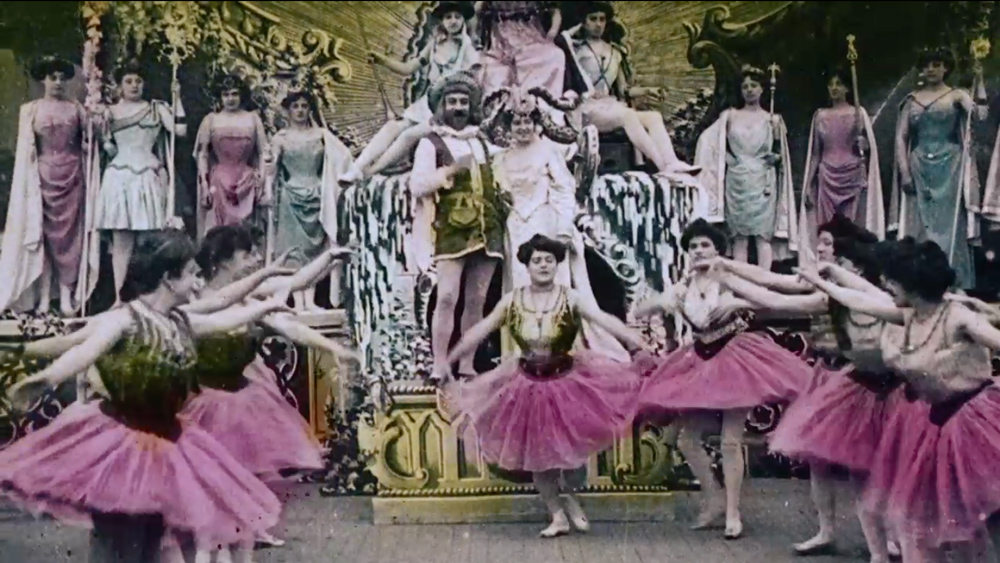
trip to the moon public domain

So what can you find to use in the Pub­lic Domain Project? As of this writ­ing, it offers 9715 pieces of footage, 473 audio files, 64,535 images, and 121 3D mod­els. “The project includes dig­i­tal mod­els of NASA tools and satel­lites, Georges Méliès’ 1902 film, A Trip To The Moon, speech­es by polit­i­cal fig­ures like Win­ston Churchill and Mar­tin Luther King, Jr., record­ings of per­for­mances from com­posers like Beethoven, and a laid-back pic­ture of Pres­i­dent Oba­ma play­ing pool,” says a post at The Cre­ators Project explain­ing the site’s back­ground.

In the Pub­lic Domain Pro­jec­t’s expand­ing archives you will also find clips of every­thing, from rock­et launch­es to film of old New York to very, very ear­ly cat videos, to, of course, mush­room clouds. I imag­ine that some future Chris Mark­er could make cre­ative use of this stuff indeed, and if they need a score, they could use a con­cer­to for pizzi­ca­to and ten instru­ments, Chopin’s “Noc­turne in E Flat Major,” or maybe “John­ny Get Your Gun.” Alter­na­tive­ly, they could part out the very first doc­u­men­tary and use the Pub­lic Domain Pro­jec­t’s bits and pieces of Dzi­ga Ver­tov’s Man With a Movie Cam­eraWhat­ev­er you want to cre­ate, the usable pub­lic domain can only grow more fruit­ful, so you might as well get mix­ing, remix­ing, and shar­ing, as Pond5 puts it, right away. Vis­it The Pub­lic Domain Project here.

via The Cre­ators Project

Relat­ed Con­tent:

Kandin­sky, Mon­dri­an, Munch & Flem­ing Entered Pub­lic Domain in 2015 — But Welles, Achebe, and “Pur­ple Peo­ple Eater” Didn’t

Sher­lock Holmes Is Now in the Pub­lic Domain, Declares US Judge

The British Library Puts 1,000,000 Images into the Pub­lic Domain, Mak­ing Them Free to Reuse & Remix

A Cab­i­net of Curiosi­ties: Dis­cov­er The Pub­lic Domain Review’s New Book of Essays

Col­in Mar­shall hosts and pro­duces Note­book on Cities and Cul­ture as well as the video series The City in Cin­e­ma and writes essays on cities, lan­guage, Asia, and men’s style. He’s at work on a book about Los Ange­les, A Los Ange­les Primer. Fol­low him on Twit­ter at @colinmarshall or on Face­book.

Jean Cocteau Delivers a Speech to the Year 2000 in 1962: “I Hope You Have Not Become Robots”

Jean Cocteau was a great many things to a great many people—writer, film­mak­er, painter, friend, and lover. In the lat­ter two cat­e­gories he could count among his acquain­tances such mod­ernist giants as Pablo Picas­so, Ken­neth Anger, Erik Satie, Mar­lene Diet­rich, Edith Piaf, Jean Marais, Mar­cel Proust, André Gide, and a num­ber of oth­er famous names. But Cocteau him­self had lit­tle use for fame and its blan­d­ish­ments. As you’ll see in the short film above, “Cocteau Address­es the Year 2000,” the great 20th cen­tu­ry artist con­sid­ered the many awards bestowed upon him naught but “tran­scen­dent pun­ish­ment.” What Cocteau cared for most was poet­ry; for him it was the “basis of all art, a ‘reli­gion with­out hope.’ ”

Cocteau began his career as a poet, pub­lish­ing his first col­lec­tion, Aladdin’s Lamp, at the age of 19. By 1963, at the age of 73, he had lived one of the rich­est artis­tic lives imag­in­able, trans­form­ing every genre he touched.

Decid­ing to leave one last arti­fact to pos­ter­i­ty, Cocteau sat down and record­ed the film above, a mes­sage to the year 2000, intend­ing it as a time cap­sule only to be opened in that year (though it was dis­cov­ered, and viewed a few years ear­li­er). Biog­ra­ph­er James S. Williams describes the doc­u­men­tary tes­ta­ment as “Cocteau’s final gift to his fel­low human beings.”

He reit­er­ates some of his long-stand­ing artis­tic themes and prin­ci­ples: death is a form of life; poet­ry is beyond time and a kind of supe­ri­or math­e­mat­ics; we are all a pro­ces­sion of oth­ers who inhab­it us; errors are the true expres­sion of an indi­vid­ual, and so on. The tone is at once spec­u­la­tive and uncom­pro­mis­ing…

Por­tray­ing him­self as “a liv­ing anachro­nism” in a “phan­tom-like state,” Cocteau, seat­ed before his own art­work, quotes St. Augus­tine, makes para­bles of events in his life, and address­es, pri­mar­i­ly, the youth of the future. The uses and mis­us­es of tech­nol­o­gy com­prise a cen­tral theme of his dis­course: “I cer­tain­ly hope that you have not become robots,” Cocteau says, “but on the con­trary that you have become very human­ized: that’s my hope.” The peo­ple of his time, he claims, “remain appren­tice robots.”

Among Cocteau’s con­cerns is the dom­i­nance of an “archi­tec­tur­al Esperan­to, which remains our time’s great mis­take.” By this phrase he means that “the same house is being built every­where and no atten­tion is paid to cli­mate, atmos­pher­i­cal con­di­tions or land­scape.” Whether we take this as a lit­er­al state­ment or a metaphor for social engi­neer­ing, or both, Cocteau sees the con­di­tion as one in which these monot­o­nous repeat­ing hous­es are “pris­ons which lock you up or bar­racks which fence you in.” The mod­ern con­di­tion, as he frames it, is one “strad­dling con­tra­dic­tions” between human­i­ty and machin­ery. Nonethe­less, he is impressed with sci­en­tif­ic advance­ment, a realm of “men who do extra­or­di­nary things.”

And yet, “the real man of genius,” for Cocteau, is the poet, and he hopes for us that the genius of poet­ry “hasn’t become some­thing like a shame­ful and con­ta­gious sick­ness against which you wish to be immu­nized.” He has very much more of inter­est to com­mu­ni­cate, about his own time, and his hopes for ours. Cocteau record­ed this trans­mis­sion from the past in August of 1963. On Octo­ber 11 of that same year, he died of a heart attack, sup­pos­ed­ly shocked to death by news of his friend Edith Piaf’s death that same day in the same man­ner.

His final film, and final com­mu­ni­ca­tion to a pub­lic yet to be born, accords with one of the great themes of his life’s work—“the tug of war between the old and the new and the para­dox­i­cal dis­par­i­ties that sur­face because of that ten­sion.” Should we attend to his mes­sages to our time, we may find that he antic­i­pat­ed many of our 21st cen­tu­ry dilem­mas between tech­nol­o­gy and human­i­ty, and between his­to­ry and myth. It’s inter­est­ing to imag­ine how we might describe our own age to a lat­er gen­er­a­tion, and, like Cocteau, what we might hope for them.

via Net­work Awe­some

Relat­ed Con­tent:

Jean Cocteau’s Avante-Garde Film From 1930, The Blood of a Poet

The Post­cards That Picas­so Illus­trat­ed and Sent to Jean Cocteau, Apol­li­naire & Gertrude Stein

David Lynch Presents the His­to­ry of Sur­re­al­ist Film (1987)

Josh Jones is a writer and musi­cian based in Durham, NC. Fol­low him at @jdmagness


  • Great Lectures

  • Sign up for Newsletter

  • About Us

    Open Culture scours the web for the best educational media. We find the free courses and audio books you need, the language lessons & educational videos you want, and plenty of enlightenment in between.


    Advertise With Us

  • Archives

  • Search

  • Quantcast