How Benoit Mandelbrot Discovered Fractals: A Short Film by Errol Morris

Even if you know lit­tle of math­e­mat­ics, you prob­a­bly have some aware­ness of frac­tals. You’ve almost cer­tain­ly heard them invoked, cor­rect­ly or oth­er­wise, to describe things that look or act the same at the large scale as they do at the small. You may even know the name Benoit Man­del­brot, the much-lau­reled Pol­ish-French-Amer­i­can “father of frac­tal geom­e­try.” Hard sci­ence-fic­tion titan Arthur C. Clarke called his epony­mous set of math­e­mat­i­cal points “one of the most aston­ish­ing dis­cov­er­ies in the entire his­to­ry of math­e­mat­ics.”

Nas­sim Nicholas Taleb, the famous­ly dis­crim­i­nat­ing author of The Black Swancalled him “the only per­son for whom I have had intel­lec­tu­al respect.” Even for­mer French pres­i­dent Nico­las Sarkozy gave Man­del­brot his props, cred­it­ing his dis­cov­er­ies of the geo­met­ri­cal reg­u­lar­i­ties of “rough” things, from coast­lines to stock-mar­ket fluc­tu­a­tions, as antecedent to mod­ern infor­ma­tion the­o­ry. He also acknowl­edged Man­del­brot’s hav­ing car­ried on his work “entire­ly out­side main­stream research,” and the math­e­mati­cian’s rep­u­ta­tion as an unusu­al­ly insight­ful intel­lec­tu­al mav­er­ick sur­vives him.

Who bet­ter to reveal the mind of an intel­lec­tu­al mav­er­ick, insight­ful or oth­er­wise, than Errol Mor­ris, the doc­u­men­tar­i­an behind such head-on inter­view-dri­ven fea­ture films as A Brief His­to­ry of Time, about astro­physi­cist Stephen Hawk­ing; Mr. Death, about elec­tric-chair design­er and Holo­caust-denial mav­er­ick Fred A. Leuchter Jr.; and The Fog of War, about for­mer Defense Sec­re­tary and Viet­nam War engi­neer Robert S. McNa­ma­ra? His five-minute pro­file of Man­del­brot comes cour­tesy of IBM, where the father of frac­tals worked for 35 years — and whose then-cut­ting-edge com­put­ers he used to father those frac­tals in the first place. “A for­mu­la can be very sim­ple,” he says, sum­ming up one impact of the Man­del­brot set in this inter­view shot 19 days before his death in 2010, “and cre­ate a uni­verse of bot­tom­less com­plex­i­ty.” To find out more about just how that hap­pens, vis­it to IBM’s page on Man­del­brot and frac­tal geom­e­try as well as their ongo­ing frac­tal-themed Tum­blr.

Relat­ed Con­tent:

Arthur C. Clarke Nar­rates Film on Mandelbrot’s Frac­tals; David Gilmour Pro­vides the Sound­track

Watch A Brief His­to­ry of Time, Errol Mor­ris’ Film About the Life & Work of Stephen Hawk­ing

“They Were There” — Errol Mor­ris Final­ly Directs a Film for IBM

Col­in Mar­shall hosts and pro­duces Note­book on Cities and Cul­ture and writes essays on lit­er­a­ture, film, cities, Asia, and aes­thet­ics. He’s at work on a book about Los Ange­lesA Los Ange­les Primer. Fol­low him on Twit­ter at @colinmarshall.

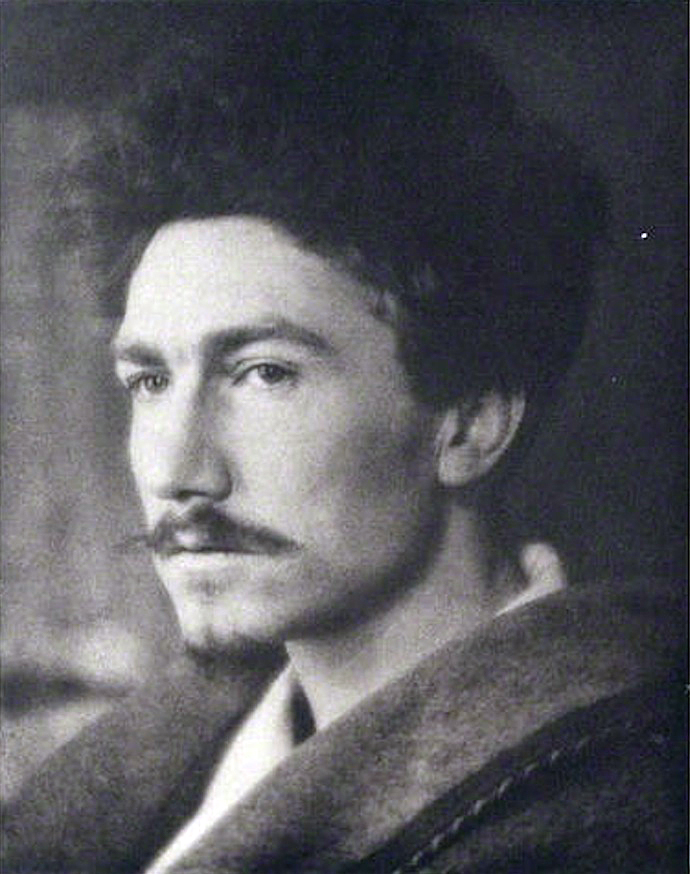
Hear Ezra Pound Read From His “Cantos,” Some of the Great Poetic Works of the 20th Century

No stu­dent of mod­ernism, no lover of mod­ern poet­ry, can avoid Ezra Pound, or the prob­lem that is Ezra Pound. Although a noto­ri­ous and enthu­si­as­tic boost­er of Mussolini’s Ital­ian state dur­ing the Sec­ond World War, Pound’s influ­ence over the shape and char­ac­ter of Amer­i­can lit­er­a­ture in the ear­ly 20th cen­tu­ry always seems to trump his regret­table, if not par­tic­u­lar­ly sur­pris­ing, pol­i­tics. T.S. Eliot, James Joyce, H.D.—all are deeply indebt­ed to Pound. His attempts to bridge East­ern and West­ern aes­thet­ics are pro­found, and his own poet­ry, informed by his devo­tion to Chi­nese poet­ics and immer­sion in the Euro­pean canon, com­pris­es an often bril­liant, gen­er­al­ly intim­i­dat­ing body of work.

Over the course of five decades, dur­ing each of Pounds’ var­i­ous phases—as lit­er­ary impre­sario, lan­guage schol­ar, edi­tor, and deeply con­tro­ver­sial weirdo—he was hard at work on what became known as The Can­tos, a long, loose­ly con­nect­ed series of poet­ic chap­ters in Eng­lish, Chi­nese, Ital­ian that were pub­lished at var­i­ous times in var­i­ous forms. Pound’s tra­vails as the author of this long and exceed­ing­ly dif­fi­cult series may be the reward of a fool and his fol­ly (as his col­leagues thought) or the rocky, lone­ly path of genius, unap­pre­ci­at­ed in its time. I’m not sure I would rec­om­mend him as the lat­ter, but I’ve often found not only his pol­i­tics, but also his delib­er­ate obscu­ri­ty a stum­bling block. And yet, there may be no sub­sti­tute for hear­ing poet­ry read aloud, some­times best by its author, who knows every nuance. At the top, hear Pound read “Can­to I,” built of clas­si­cal mod­els on Anglo-Sax­on scaf­fold­ing. Direct­ly above, Pound reads from a chap­ter pub­lished almost ten years lat­er. His voice is more ragged and qua­ver­ing, and he rails against usury, a theme close to his often anti-Semit­ic eco­nom­ic the­o­ries. You can hear dozens more record­ings of Pound, made from 1939 to the year of his death, 1972, at the Penn Sound archive. And also over at UBUweb.

You can find more read­ings of clas­sic poems in the Poet­ry sec­tion of our Free Audio Books col­lec­tion. Oth­er works by Pound can be found in our col­lec­tion of Free eBooks.

Relat­ed Con­tent: 

Ernest Hem­ing­way Writes of His Fas­cist Friend Ezra Pound: “He Deserves Pun­ish­ment and Dis­grace” (1943)

Ezra Pound’s Fiery 1939 Read­ing of His Ear­ly Poem, ‘Ses­ti­na: Altaforte’

Pier Pao­lo Pasoli­ni Talks and Reads Poet­ry with Ezra Pound (1967)

Josh Jones is a writer and musi­cian based in Durham, NC. Fol­low him at @jdmagness

Watch Houdini Escape From a Strait Jacket, Then See How He Did It (Circa 1917)

Claus­tro­phobes, take cau­tion, and for pity’s sake, don’t try this at home!

Should such warn­ings leave you unde­terred, PBS has step-by-step instruc­tions for per­form­ing Hou­dini’s strait jack­et escape. Well, almost step-by-step. Derived from the mas­ter’s own 1909 Hand­cuff Secrets, the direc­tions are both vague and hor­ri­fy­ing in their speci­fici­ty, falling some­where between assem­bling an Ikea book­shelf and 127 Hours.

In need of more guid­ance? Have a look below at the how-to Hou­di­ni shared with Ladies Home Jour­nal in 1918. (He also gave advice to gen­teel, post-WWI female read­ers on how to escape rope bondage.)

houdini escape

For a more man­age­able trick, imag­ine your­self a face in the crowd, gaz­ing upward at the strug­gling magi­cian, with­out tex­ting, tweet­ing, or Insta­gram­ming. Sheer open-mouthed amaze­ment is a trick we see pre­cious lit­tle of these days.

Our best guess is that the video above was shot around 1917.

Relat­ed Con­tent:

Har­ry Houdini’s Great Rope Escape

Arthur Conan Doyle Dis­cuss­es Sher­lock Holmes and Psy­chics in a Rare Filmed Inter­view (1927)

Ayun Hal­l­i­day’s lat­est feat is direct­ing 16 home­schooled teens in Yeast Nation, the world’s first bio-his­tor­i­cal musi­cal. See it in New York City this week. Fol­low her @AyunHalliday

Christopher Hitchens, Who Mixed Drinking & Writing, Names the “Best Scotch in the History of the World”

In 2006, a pro­file of Christo­pher Hitchens in The New York­er not­ed how its sub­ject had the ten­den­cy to drink “like a Hem­ing­way char­ac­ter: con­tin­u­al­ly and to no appar­ent effect.” Although Ernest Hem­ing­way’s approach to alco­hol informed the habits of his lit­er­ary per­son­ages, it dif­fered sig­nif­i­cant­ly from that of the late jour­nal­ist. Hem­ing­way, counter to his image, stood firm­ly against mix­ing writ­ing and drink­ing, and when asked about com­bin­ing the two exclaimed:

“Jeezus Christ! Have you ever heard of any­one who drank while he worked? You’re think­ing of Faulkn­er. He does sometimes—and I can tell right in the mid­dle of a page when he’s had his first one. Besides, who in hell would mix more than one mar­ti­ni at a time, any­way?”

Where­as Hemingway’s approach to writ­ing and imbib­ing was often marked by a cau­tious and pro­fes­sion­al wall of sep­a­ra­tion, Hitchens had no such com­punc­tions. The con­trar­i­an will­ing­ly admit­ted to drink­ing a for­ti­fy­ing mix­ture of wine and spir­it through­out the day:

“I work at home, where there is indeed a bar-room, and can suit myself.… At about half past mid­day, a decent slug of Mr. Walk­er’s amber restora­tive, cut with Per­ri­er water (an ide­al deliv­ery sys­tem) and no ice. At lun­cheon, per­haps half a bot­tle of red wine: not always more but nev­er less. Then back to the desk, and ready to repeat the treat­ment at the evening meal. No “after din­ner drinks”—​most espe­cial­ly noth­ing sweet and nev­er, ever any brandy. “Night­caps” depend on how well the day went, but always the mix­ture as before. No mix­ing: no mess­ing around with a gin here and a vod­ka there.”

Despite this hale and hearty rou­tine, Hitchens claimed to be invig­o­rat­ed rather than impaired by his con­sump­tion:

“… on aver­age I pro­duce at least a thou­sand words of print­able copy every day, and some­times more. I have nev­er missed a dead­line. I give a class or a lec­ture or a sem­i­nar per­haps four times a month and have nev­er been late for an engage­ment or shown up the worse for wear. My boy­ish vis­age and my mel­liflu­ous tones are fair­ly reg­u­lar­ly to be seen and heard on TV and radio, and noth­ing will ampli­fy the slight­est slur more than the stu­dio micro­phone.”

As with fish­ing and amorous exploits, so with drinking—one should be skep­ti­cal of bold claims. Nev­er­the­less, Gray­don Carter, the long­stand­ing edi­tor of Van­i­ty Fair mag­a­zine, cor­rob­o­rat­ed the robust­ness of Hitchens’ con­sti­tu­tion in a fond and respect­ful obit­u­ary fol­low­ing the journalist’s death in 2011.

“He was a man of insa­tiable appetites—for cig­a­rettes, for scotch, for com­pa­ny, for great writ­ing, and, above all, for con­ver­sa­tion… Pre-lunch can­is­ters of scotch were fol­lowed by a cou­ple of glass­es of wine dur­ing the meal and a sim­i­lar quan­ti­ty of post-meal cognac. That was just his intake. After stum­bling back to the office, we set him up at a rick­ety table and with an old Olivet­ti, and in a sym­pho­ny of clack­ing he pro­duced a 1,000-word col­umn of near per­fec­tion in under half an hour.”

In the clip above, Hitchens makes his well-researched pro­nounce­ments on the world’s best Scotch whisky. Below, the for­mer Asylum.com pro­duc­er Antho­ny Layser sits down with Hitchens for a drink fol­low­ing the release of his mem­oir, Hitch-22. Over Hitchens’ beloved spir­it, the duo dis­cuss­es every­thing from writ­ing, to Brazil­ian wax­es, to water­board­ing. The con­ver­sa­tion, last­ing some 14 min­utes, is part of an Asylum.com series titled Drinks with Writ­ers, which includes Layser’s inter­views with Gary Shteyn­gart, Simon Rich, and Nick Horn­by.

Relat­ed Con­tent:

Christo­pher Hitchens Revis­es the Ten Com­mand­ments

Christo­pher Hitchens Answers Red­dit User Ques­tions

Christo­pher Hitchens Cre­ates a Read­ing List for Eight-Year-Old Girl

Ilia Blin­d­er­man is a Mon­tre­al-based cul­ture and sci­ence writer. Fol­low him at @iliablinderman.

Everything That’s Wrong With Back To The Future in 8 Minutes

There’s noth­ing real­ly wrong with Back to the Future. Crit­ics loved Robert Zemeck­is’ sci-fi com­e­dy when it first came out in 1985. (Roger Ebert likened it to a great Frank Capra film.) And it still delights old and new view­ers almost 30 years lat­er. But, like every film, Back to the Future has its minor flaws. The web site/YouTube chan­nel Cin­e­ma Sins is “ded­i­cat­ed to point­ing out all the sins [they] can find in movies, some big and some small. Some … down­right micro­scop­ic.” And that’s what you get here. A break­down of every lit­tle prob­lem and incon­sis­ten­cy in Zemeck­is’ film. For­tu­nate­ly, the folks behind Cin­e­ma Sins don’t take them­selves too seri­ous­ly. Nor do they con­sid­er them­selves beyond reproach. Heck, this sum­mer they pro­duced Every­thing Wrong With Cin­e­ma Sins In 3 Min­utes Or Less. You can watch it here.

If you would like to sign up for Open Culture’s free email newslet­ter, please find it here. It’s a great way to see our new posts, all bun­dled in one email, each day.

If you would like to sup­port the mis­sion of Open Cul­ture, con­sid­er mak­ing a dona­tion to our site. It’s hard to rely 100% on ads, and your con­tri­bu­tions will help us con­tin­ue pro­vid­ing the best free cul­tur­al and edu­ca­tion­al mate­ri­als to learn­ers every­where. You can con­tribute through Pay­Pal, Patre­on, and Ven­mo (@openculture). Thanks!

by | Permalink | Make a Comment ( 1 ) |

David Bowie Appears in the “Director’s Cut” of a New Louis Vuitton Ad, Nods to Labyrinth

Look­ing like a haute cou­ture treat­ment of “As the World Falls Down” from Labyrinth, by way of Peter Jackson’s Beau­ti­ful Crea­tures, the “Director’s Cut” of this Louis Vuit­ton ad above, titled “L’Invitation au Voy­age,” is pret­ty stun­ning. Bowie lip syncs “I’d Rather be High,” a stand out from his lat­est, The Next Day, and looks near­ly as mag­net­ic as his Gob­lin King did almost thir­ty years ago. He’s def­i­nite­ly still got it on screen, mak­ing me pine for anoth­er Bowie-led fea­ture-length fan­ta­sy (but not a Labyrinth remake).

The mak­ing-of reel above might also be of inter­est, although at under two min­utes, the tech­no mon­tage doesn’t offer much insight into the elab­o­rate design of the short. Of more inter­est for fans of fash­ion, design, and film may be this blog post (in Chi­nese), which fea­tures some gor­geous pro­duc­tion stills and sto­ry­boards, like the one below. The short’s direc­tor, Romain Gavras, pre­vi­ous­ly made the video for Kanye West and Jay Z’s “No Church in the Wild,” so he’s def­i­nite­ly got an eye for spec­ta­cle.

VuittonStoryB

Relat­ed Con­tent:

Watch David Bowie’s New Video for ‘The Stars (Are Out Tonight)’ With Til­da Swin­ton

David Bowie’s Fash­ion­able Mug Shot From His 1976 Mar­i­jua­na Bust

Lis­ten to Fred­die Mer­cury and David Bowie on the Iso­lat­ed Vocal Track for the Queen Hit ‘Under Pres­sure,’ 1981

David Bowie Releas­es Vin­tage Videos of His Great­est Hits from the 1970s and 1980s

Josh Jones is a writer and musi­cian based in Durham, NC. Fol­low him at @jdmagness

Take a Virtual Tour of Venice (Its Streets, Plazas & Canals) with Google Street View

There’s some­thing inher­ent­ly ridicu­lous about Google’s Street View cars.

Their roof-mount­ed 15-lens Trekker cam­eras con­stant­ly blun­der across less-than-dig­ni­fied scenes whilst trawl­ing the roads on behalf of Google Maps (a ser­vice that is for­ev­er linked in my mind to Lazy Sun­day, the pre­pos­ter­ous rap video star­ring come­di­ans Andy Sam­berg and Chris Par­nell.)

The cars them­selves are total­ly goofy-look­ing. I would imag­ine that spot­ting one in real life is some­thing akin to a Wein­er­mo­bile sight­ing. No won­der the pro­duc­ers of Arrest­ed Devel­op­ment arranged for George Michael Bluth, the hap­less inno­cent played by Michael Cera, to dri­ve one in the series’ fourth sea­son.

gondolier

I have a hunch that the Street View Trekker’s back­pack mod­el will ulti­mate­ly prove less mock­able than its four-wheeled coun­ter­part. It can go where cars can’t, con­fer­ring an extreme sports vibe despite the big, ball-shaped cam­era appa­ra­tus stick­ing up. A lim­it­ed pilot pro­gram has been recruit­ing vol­un­teers to wear the back­pack in such locales as Bul­gar­ia, Indone­sia, and South Africa. The Philip­pines is anoth­er des­ti­na­tion where vol­un­teers are sought, and all kid­ding aside, it would be riv­et­ing to see how this tech­nol­o­gy might doc­u­ment the dev­as­ta­tion in Tacloban.

For now, the non-auto­mo­tive Street View’s great­est tri­umph lies in record­ing the canals and cob­bled walk­ways of Venice, Italy, a feat impos­si­ble to pull off in a car. To accom­plish this, a team of back­pack­ers logged over 375 miles on foot and by boat. Their efforts pro­vide tourists with prac­ti­cal infor­ma­tion in a for­mat to which they’ve no doubt grown accus­tomed, as well as pre­sent­ing arm­chair trav­el­ers with plen­ty of non-dis­ap­point­ing eye can­dy.

Cyber vis­i­tors can choose to tra­verse the Float­ing City much as actu­al vis­i­tors can — on foot, by vaporet­ta or by gon­do­la. (I’d advise mak­ing a trip to the bath­room even if you’re not actu­al­ly leav­ing home. At the very least turn the sound down — the pad­dling nois­es accom­pa­ny­ing the last option could cause a Pavlov­ian blad­der response.)

In addi­tion to the Street View and stan­dard map, you can explore using a sepia-toned map from the David Rum­sey His­tor­i­cal Map Col­lec­tion, that dates back to 1838.

A love­ly escape, all in all. Let us hope it nev­er opens to traf­fic.

You can start your tour here.

Relat­ed Con­tent:

How Venice Works: A Short Film

Google Street View Opens Up a Look at Shackleton’s Antarc­tic

A Vir­tu­al Tour of the Sis­tine Chapel

Google Street View Takes You on a Panoram­ic Tour of the Grand Canyon

Ayun Hal­l­i­day is the author of No Touch Mon­key! And Oth­er Trav­el Lessons Learned Too Late, The Zinesters Guide to NYC and sev­er­al oth­er books. Fol­low her @AyunHalliday

Quantum Physics Made Relatively Simple: A Free Mini Course from Nobel Prize-Winning Physicist Hans Bethe

hans-bethe

An émi­gré from Nazi Ger­many, Hans Bethe joined Cor­nel­l’s physics depart­ment back in 1935. There, he built a remark­able career for him­self. A nuclear physi­cist, Bethe made key con­tri­bu­tions to the Man­hat­tan Project dur­ing World War II. After the war, he brought stel­lar young physi­cists like Richard Feyn­man from Los Alam­os to Itha­ca and turned Cor­nel­l’s physics depart­ment into a top-notch pro­gram. In 1967, he won the Nobel Prize for “his ground­break­ing work on the the­o­ry of ener­gy pro­duc­tion in stars.”

As a trib­ute to Bethe, Cor­nell now hosts a web site called Quan­tum Physics Made Rel­a­tive­ly Sim­ple, where you can watch three lec­tures pre­sent­ed by Bethe in 1999. They’re a lit­tle dif­fer­ent from the usu­al lec­tures you encounter online. In these videos, Bethe is 93 years old, old­er than your aver­age prof. And he presents the lec­tures not in a Cor­nell class­room, but at the Kendal of Itha­ca retire­ment com­mu­ni­ty, which gives them a cer­tain charm. You can watch them here:

Lec­ture 1: Here Bethe “intro­duces quan­tum the­o­ry as ‘the most impor­tant dis­cov­ery of the twen­ti­eth cen­tu­ry’ and shows that quan­tum the­o­ry gave us ‘under­stand­ing and tech­nol­o­gy.’ He cites com­put­ers as a dra­mat­ic real­iza­tion of applied quan­tum physics.”

Lec­ture 2: “By the 1920s, physi­cists were dri­ving to syn­the­size ear­ly quan­tum ideas into a con­sis­tent the­o­ry. In Lec­ture 2, Pro­fes­sor Bethe relates the excit­ing the­o­ret­i­cal and exper­i­men­tal break­throughs that led to mod­ern quan­tum mechan­ics.”

Lec­ture 3:  In the last lec­ture, “Pro­fes­sor Bethe recalls work on the inter­pre­ta­tion of the wave func­tion, the Heisen­berg Uncer­tain­ty Prin­ci­ple, and the Pauli Exclu­sion Prin­ci­ple. He shows how quan­tum the­o­ry forced dis­cus­sion of issues such as deter­min­ism, phys­i­cal observ­ables, and action-at-a-dis­tance.”

You can watch an intro­duc­tion to the lec­ture series here. You can also find Bethe’s lec­tures list­ed in our col­lec­tion of Free Online Physics Cours­es, part of our col­lec­tion 1,700 Free Online Cours­es from Top Uni­ver­si­ties

via Kot­tke

Relat­ed Con­tent:

Richard Feyn­man Presents Quan­tum Elec­tro­dy­nam­ics for the Non­Sci­en­tist

‘The Char­ac­ter of Phys­i­cal Law’: Richard Feynman’s Leg­endary Lec­ture Series at Cor­nell, 1964

Leonard Susskind Teach­es You “The The­o­ret­i­cal Min­i­mum” for Under­stand­ing Mod­ern Physics

by | Permalink | Make a Comment ( 3 ) |

Listen to a New Album Featuring Tom Waits Songs in Hebrew (2013)

גירסת-בני-1Tom Waits is a rare breed of per­former, hav­ing attained vast com­mer­cial suc­cess with­out hav­ing had to pan­der to a mass audi­ence. His gruff voice—the vocal equiv­a­lent of too many late nights, strong scotch, and a pack-an-hour habit—has become the hall­mark of a sort of grimy, out­sider cool favored by Jim Jar­musch and John Lurie. His career, which has spanned four decades and includes the­atre, film, and the icon­ic inter­view that inspired the char­ac­ter of The Jok­er in The Dark Knight, is the envy of most musi­cians. It was only fit­ting, con­sid­er­ing his prodi­gious out­put, that Waits would become the sub­ject of a cov­er album. Unsur­pris­ing­ly, it comes with a twist—it’s in Hebrew.

Heeb Mag­a­zine recent­ly post­ed a link to “Shir­im Meshu­mashim” (“Used Songs”), pro­duc­er Guy Hajjaj’s four-year project where Israeli musi­cians recre­ate Tom Waits’ back cat­a­log. The 22-song album draws wide­ly from Waits’ career, includ­ing songs from clas­sic albums such as Rain­dogs (1985) as well as the more recent Orphans: Brawlers, Bawlers & Bas­tards (2006) and Glit­ter and Doom Live (2009). While more zeal­ous fans will undoubt­ed­ly claim that Waits’ orig­i­nal deliv­ery can nev­er be matched, those with an open mind will like­ly find a num­ber of gems. Some of our favorites include “Clap Hands,” ide­al­ly suit­ed to Hebrew’s harsh, grav­el­ly sounds, and the lighter, yet unmis­tak­ably Waits-writ­ten, “Dirt in The Ground.”

You can stream the album above, or buy the album (down­load­able on a pay-what-you-wish basis) here.

Via Heeb Mag­a­zine

Relat­ed Con­tent: 

Tom Waits’ Clas­sic Appear­ance on Aus­tralian TV, 1979

Tom Waits Reads Charles Bukows­ki

The Black Rid­er: A The­atri­cal Pro­duc­tion by Tom Waits, William S. Bur­roughs & Robert Wil­son (1990)

Ilia Blin­d­er­man is a Mon­tre­al-based cul­ture and sci­ence writer. Fol­low him at @iliablinderman.

Hear All of Finnegans Wake Read Aloud: A 35 Hour Reading

Finnegansmoholy_lg

After the pub­li­ca­tion and even­tu­al tri­umph of Ulysses, James Joyce spent the remain­der of his life work­ing secre­tive­ly on a “Work in Progress” that he would pub­lish in 1939 as Finnegans Wake, a nov­el that large­ly aban­dons the trap­pings of the nov­el and should bet­ter be called, as Antho­ny Burgess called it, a prose-poem—a beast that strikes the com­mon read­er as, in Burgess’ words, “too lit­er­ary” and “hor­ri­bly opaque.” My first encounter with this most intim­i­dat­ing book felt like some­thing between hear­ing Ital­ian come­di­an Adri­ano Celentano’s rap­tur­ous­ly gib­ber­ish approx­i­ma­tion of the sound of Eng­lish in song and Michael Chabon’s detec­tion of a “faint­ly Tolkienesque echo.” Like Chabon, I too could “hear the dream­ing sus­pi­ra­tions of the princess who lay sleep­ing in its keep.” Yet I was a bit too old for fan­ta­sy, I thought, and far too out of my depth in Joyce’s invent­ed lan­guage, built, Burgess writes, “on the fresh­ly uncov­ered roots of Eng­lish.”

I’ve nev­er lost my fear of the book, and nev­er found it accom­mo­dat­ing to any nar­ra­tive sense. And it is fear­ful and unac­com­mo­dat­ing if one approach­es it like a con­ven­tion­al nov­el that will yield its secrets even­tu­al­ly and reward the dili­gent read­er with some sort of sin­gu­lar pay­off. Nev­er­the­less, the sheer plea­sure one can derive—conventional expec­ta­tions duly set aside—from the almost tac­tile qual­i­ty of Joyce’s prose, its earthy, ancient, elven sounds, seems more to the point of appre­ci­at­ing this odd, frus­trat­ing work. Per­haps, like any well-writ­ten poem, one sim­ply needs to hear it read aloud. Joyce him­self said so, and so you can. Ubuweb brings us the entire­ty of Patrick Healy’s read­ing of the text, record­ed over a four-day peri­od in 1992 at Dublin’s Bow Lane Record­ing Stu­dios. (You can hear a small open­ing seg­ment above.) Healy’s read­ing is not with­out its faults—he rush­es and stum­bles at times—but that seems a mean com­men­tary on a record­ing of this length and dif­fi­cul­ty. Lis­ten to the first install­ment above and the rest here. You may just have an epiphany or two.

(Dia­gram above by Hun­gar­i­an artist Lás­zló Moholy-Nagy)

Relat­ed Con­tent:

James Joyce Reads ‘Anna Livia Plura­belle’ from Finnegans Wake

See What Hap­pens When You Run Finnegans Wake Through a Spell Check­er

Hear Joey Ramone Sing a Piece by John Cage Adapt­ed from James Joyce’s Finnegans Wake

Free eBooks: Read All of Proust’s Remem­brance of Things Past on the Cen­ten­ni­al of Swann’s Way

550 Free Audio Books: Down­load Great Books for Free

Josh Jones is a writer and musi­cian based in Durham, NC. Fol­low him at @jdmagness

Watch Wes Anderson’s Charming New Short Film, Castello Cavalcanti, Starring Jason Schwartzman

Wes Ander­son, it seems, has entered his Euro­pean peri­od. His next fea­ture film, The Grand Budapest Hotel, which comes out in March, takes place in its tit­u­lar loca­tion. His new short film Castel­lo Cav­al­can­ti, too, takes place in its tit­u­lar loca­tion, a ham­let tucked away some­where undis­closed in Italy. Then again, has­n’t Ander­son, aes­thet­i­cal­ly and ref­er­en­tial­ly speak­ing, always enjoyed some­thing of a Euro­pean peri­od? (Maybe we can call it Euro­pean by way of his native Texas, which, for me, only adds to the visu­al inter­est.) This, com­bined with his appar­ent fas­ci­na­tion with the objects and built envi­ron­ment of the ear­ly- to late-mid­dle twen­ti­eth cen­tu­ry, has won him a great many fans sym­pa­thet­ic to his sen­si­bil­i­ties. (Along with, of course, a hand­ful of detrac­tors less sym­pa­thet­ic to them.) This brief but vibrant new piece should, for them, res­onate on sev­er­al lev­els at once.

Ander­son trans­ports us to Castel­lo Cav­al­can­ti in the suit­ably mid­cen­tu­ry year of 1955. The qui­et evening scene, exud­ing that rich­ly Ital­ian feel­ing falling some­where between idyll and indo­lence, splin­ters apart when a race car crash­es into the cen­ter of town. Out of the wreck emerges the unscathed but enraged dri­ver: Jed Cav­al­can­ti, played by none oth­er than Jason Schwartz­man, star of Ander­son­’s 1998 break­out Rush­more. Once his anger at his broth­er-in-law mechan­ic cools — evi­dent­ly, the steer­ing wheel got screwed on back­ward — the Ital­ian-Amer­i­can Cav­al­can­ti real­izes he may have dri­ven not only straight into his own ances­tral vil­lage, but into the com­pa­ny of his ances­tors them­selves. These charm­ing and vivid­ly col­or­ful sev­en Ander­son­ian min­utes come brought to you by Pra­da, who, apart from our hero’s rac­ing suit, don’t seem to have left many overt stamps on the fin­ished prod­uct. Prada’s prices may still keep me away from their door, but their taste in direc­tors sure won’t.

Castel­lo Cav­al­can­ti will be added to our col­lec­tion of 600 Free Movies Online.

Relat­ed Con­tent:

Watch 7 New Video Essays on Wes Anderson’s Films: Rush­more, The Roy­al Tenen­baums & More

Wes Ander­son from Above. Quentin Taran­ti­no From Below

Wes Anderson’s First Short Film: The Black-and-White, Jazz-Scored Bot­tle Rock­et (1992)

Col­in Mar­shall hosts and pro­duces Note­book on Cities and Cul­ture and writes essays on lit­er­a­ture, film, cities, Asia, and aes­thet­ics. He’s at work on a book about Los Ange­lesA Los Ange­les Primer. Fol­low him on Twit­ter at @colinmarshall.


  • Great Lectures

  • Sign up for Newsletter

  • About Us

    Open Culture scours the web for the best educational media. We find the free courses and audio books you need, the language lessons & educational videos you want, and plenty of enlightenment in between.


    Advertise With Us

  • Archives

  • Search

  • Quantcast