A quick note: Audible is currently running a nice deal. Click here to get a free download of the 1981 Pulitzer Prize winning novel, A Confederacy of Dunces. (Move quickly, it’s probably available for just a short time.) You can also download pretty much any audiobook you want from Audible, with no strings attached. I’ve included more info on that standing offer here.
Why Open Video?
What is open video? And how does it promote free speech, participation, diversity and a more engaged media sphere? Get the answers from Amy Goodman (Democracy Now), Xeni Jardin (Boing Boing), Nina Paley (Sita Sings the Blues), Yochai Benkler & Jonathan Zittrain (Harvard Berkman Center), among others. This is a mission to get behind. Excellent work by Peter Kaufman and Intelligent Television. Note: You can download this video in OGG and MP4 formats.
Kindle Competitor Gets Off to a Shaky Start
Looking to take back some of the e‑book market from Amazon’s Kindle, Barnes & Noble has released its new reader, the Nook. This week, Walt Mossberg, the influential tech reviewer, gave his thoughts on the new gadget. Needless to say, it’s not a good PR day when he says that it feels like a product “rushed to market.” Watch the video review here.
Stream Neil Young’s New Album Online
A little something for Neil Young fans. Right now, you can stream online (click and scroll down) his new album, Dreamin’ Man Live ’92. It’s a live performance of Young’s 1992 album Harvest Moon, which itself returned to the sounds of Harvest, Young’s classic 1972 recording. A good find by About.com.
Great Movie Directors During Wartime: Alfred Hitchcock, Frank Capra, John Huston, Billy Wilder & Their World War II Films
Frank Capra, Alfred Hitchcock, Howard Hawks, John Ford and John Huston. They were some of the most important filmmakers during Hollywood’s Golden Age. And they were also part of “The Greatest Generation,” the generation that scraped and struggled to bring victory to the Allies during World War II. Like many others, these directors put commercial aspirations aside for a while, and worked with the government to produce propaganda films that galvanized support for the war at home. You can find these films hosted at the Internet Archive within the Cinemocracy section, and below we have highlighted some of the more important ones. For many more classic films, don’t forget to see our long list of Free Movies Online:
- Frank Capra brought us some of America’s great feel good films: It Happened One Night (1934), Mr. Smith Goes to Washington (1939), and It’s a Wonderful Life (1946). But, once WW II broke out, he was commissioned by the US government to direct a seven episode series of films called “Why We Fight.” This included Prelude to War, The Nazis Strike, War Comes to America and others.
- John Huston — The Maltese Falcon (1941), The Treasure of the Sierra Madre (1948), Key Largo (1948) — served in the U.S. Army Signal Corps in 1943 and directed an Academy Award winning documentary, Report from the Aleutians. The film, which Huston helped narrate, follows the daily lives of American soldiers serving in the Aleutian Islands (off the shores of Alaska). Huston also directed another wartime film, The Battle of San Pietro (1945).
- John Ford, famous for his westerns Stagecoach (1939) and The Searchers (1956) and for his adaptation of Steinbeck’s The Grapes of Wrath (1940), also got into the act of shooting wartime films, directing The Battle of Midway, an account of the Japanese attack on American ships at Midway. The film uses mostly authentic footage from the battle and is narrated by Henry Fonda (who starred in The Grapes of Wrath). The other notable production was December 7th, a film documenting the Japanese attack on Pearl Harbor.
Of course, it wasn’t just American directors who made these propaganda films. The great Alfred Hitchcock was the force behind Bon Voyage and L’aventure Malgache (1944), two French language films backed by the British Ministry of Information. Both were tributes to the French resistance movement. And then there’s Death Mills (1945), the disturbing German-language documentary directed by Billy Wilder (Double Indemnity, Sunset Boulevard and Some Like it Hot) that showed Germany the horrors the Allies encountered when they liberated Nazi extermination camps. Some of these films can be found in our collection of Free Movies Online.
If you would like to support the mission of Open Culture, consider making a donation to our site. It’s hard to rely 100% on ads, and your contributions will help us continue providing the best free cultural and educational materials to learners everywhere. You can contribute through PayPal, Patreon, and Venmo (@openculture). Thanks!
Hear John Lennon’s 3‑Hour Interview with Rolling Stone Magazine, 1970
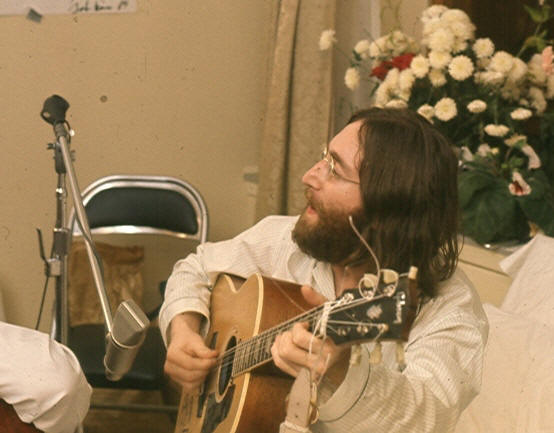
Image by Roy Kerwood, via Wikimedia Commons
The anniversary of John Lennon’s death jogged my memory, reminding me of this lengthy 1970 interview. Conducted by Jann Wenner, the founder of Rolling Stone magazine, this important conversation was recorded shortly after The Beatles’ bitter breakup.
Running over 3 hours, it is one of Lennon’s most extensive interviews, touching not just on the breakup, but also on art and politics, drugs, Yoko, primal therapy and more. It’s not always flattering, but it gives you a good feel for the man and the great artist.
If you would like to support the mission of Open Culture, consider making a donation to our site. It’s hard to rely 100% on ads, and your contributions will help us continue providing the best free cultural and educational materials to learners everywhere. You can contribute through PayPal, Patreon, and Venmo (@openculture). Thanks!
New David Foster Wallace in The New Yorker
Appearing in The New Yorker this week is an excerpt from David Foster Wallace’s unfinished novel, The Pale King. It begins:
Once when I was a little boy I received as a gift a toy cement mixer. It was made of wood except for its wheels—axles—which, as I remember, were thin metal rods. I’m ninety per cent sure it was a Christmas gift. I liked it the same way a boy that age likes toy dump trucks, ambulances, tractor-trailers, and whatnot. There are little boys who like trains and little boys who like vehicles—I liked the latter.
Continue reading the rest here. Also see this other previously published excerpt and some pages from DWF’s actual manuscript.
via Kottke.org
PS Is anyone having problems posting comments? If so, please shoot me a note at the email address above. I appreciate your help.
Herta Müller’s Nobel Lecture: Text Here
A quick note: Herta Müller, who won the Nobel Prize in Literature, delivered her lecture in Stockholm yesterday. You can now read the full text online; the video should be coming soon.
My grandfather had been a soldier in the First World War. He knew what he was talking about when he said, often and embittered, in reference to his son Matz: When the flags start to flutter, common sense slides right into the trumpet. This warning also applied to the following dictatorship, which I experienced. Every day you could see the common sense of the profiteers, both big and little, sliding right into the trumpet. The trumpet I decided not to blow.
Would You Pay $3.99 for a Short Story?
The Atlantic Monthly and Amazon/Kindle are hoping so…
PS Note that the “Bestsellers in Kindle” (look in the right column of linked page) all currently cost $0.00.
Support Us
We're hoping to rely on loyal readers, rather than erratic ads. Please click the Donate button and support Open Culture. You can use Paypal, Venmo, Patreon, even Crypto! We thank you!

Great Lectures
About Us

Open Culture scours the web for the best educational media. We find the free courses and audio books you need, the language lessons & educational videos you want, and plenty of enlightenment in between.
Advertise With Us
Archives
- September 2026
- August 2026
- July 2026
- June 2026
- May 2026
- April 2026
- March 2026
- February 2026
- January 2026
- December 2025
- November 2025
- October 2025
- September 2025
- August 2025
- July 2025
- June 2025
- May 2025
- April 2025
- March 2025
- February 2025
- January 2025
- December 2024
- November 2024
- October 2024
- September 2024
- August 2024
- July 2024
- June 2024
- May 2024
- April 2024
- March 2024
- February 2024
- January 2024
- December 2023
- November 2023
- October 2023
- September 2023
- August 2023
- July 2023
- June 2023
- May 2023
- April 2023
- March 2023
- February 2023
- January 2023
- December 2022
- November 2022
- October 2022
- September 2022
- August 2022
- July 2022
- June 2022
- May 2022
- April 2022
- March 2022
- February 2022
- January 2022
- December 2021
- November 2021
- October 2021
- September 2021
- August 2021
- July 2021
- June 2021
- May 2021
- April 2021
- March 2021
- February 2021
- January 2021
- December 2020
- November 2020
- October 2020
- September 2020
- August 2020
- July 2020
- June 2020
- May 2020
- April 2020
- March 2020
- February 2020
- January 2020
- December 2019
- November 2019
- October 2019
- September 2019
- August 2019
- July 2019
- June 2019
- May 2019
- April 2019
- March 2019
- February 2019
- January 2019
- December 2018
- November 2018
- October 2018
- September 2018
- August 2018
- July 2018
- June 2018
- May 2018
- April 2018
- March 2018
- February 2018
- January 2018
- December 2017
- November 2017
- October 2017
- September 2017
- August 2017
- July 2017
- June 2017
- May 2017
- April 2017
- March 2017
- February 2017
- January 2017
- December 2016
- November 2016
- October 2016
- September 2016
- August 2016
- July 2016
- June 2016
- May 2016
- April 2016
- March 2016
- February 2016
- January 2016
- December 2015
- November 2015
- October 2015
- September 2015
- August 2015
- July 2015
- June 2015
- May 2015
- April 2015
- March 2015
- February 2015
- January 2015
- December 2014
- November 2014
- October 2014
- September 2014
- August 2014
- July 2014
- June 2014
- May 2014
- April 2014
- March 2014
- February 2014
- January 2014
- December 2013
- November 2013
- October 2013
- September 2013
- August 2013
- July 2013
- June 2013
- May 2013
- April 2013
- March 2013
- February 2013
- January 2013
- December 2012
- November 2012
- October 2012
- September 2012
- August 2012
- July 2012
- June 2012
- May 2012
- April 2012
- March 2012
- February 2012
- January 2012
- December 2011
- November 2011
- October 2011
- September 2011
- August 2011
- July 2011
- June 2011
- May 2011
- April 2011
- March 2011
- February 2011
- January 2011
- December 2010
- November 2010
- October 2010
- September 2010
- August 2010
- July 2010
- June 2010
- May 2010
- April 2010
- March 2010
- February 2010
- January 2010
- December 2009
- November 2009
- October 2009
- September 2009
- August 2009
- July 2009
- June 2009
- May 2009
- April 2009
- March 2009
- February 2009
- January 2009
- December 2008
- November 2008
- October 2008
- September 2008
- August 2008
- July 2008
- June 2008
- May 2008
- April 2008
- March 2008
- February 2008
- January 2008
- December 2007
- November 2007
- October 2007
- September 2007
- August 2007
- July 2007
- June 2007
- May 2007
- April 2007
- March 2007
- February 2007
- January 2007
- December 2006
- November 2006
- October 2006
- September 2006



